


Anglers Booking Team
The expert copywriters at Anglers Booking have meticulously crafted this article. Our dedicated team of writers provides valuable insights and information to enhance your angling experience.
 10 minutes read
Few fish ignite the excitement of offshore anglers quite like the Red Snapper. There are numerous reasons for its popularity. Vibrant crimson color, firm and delicious meat, and powerful fight are just some of them. This species has earned its place as one of the most sought-after catches in American waters, especially along the Gulf Coast.
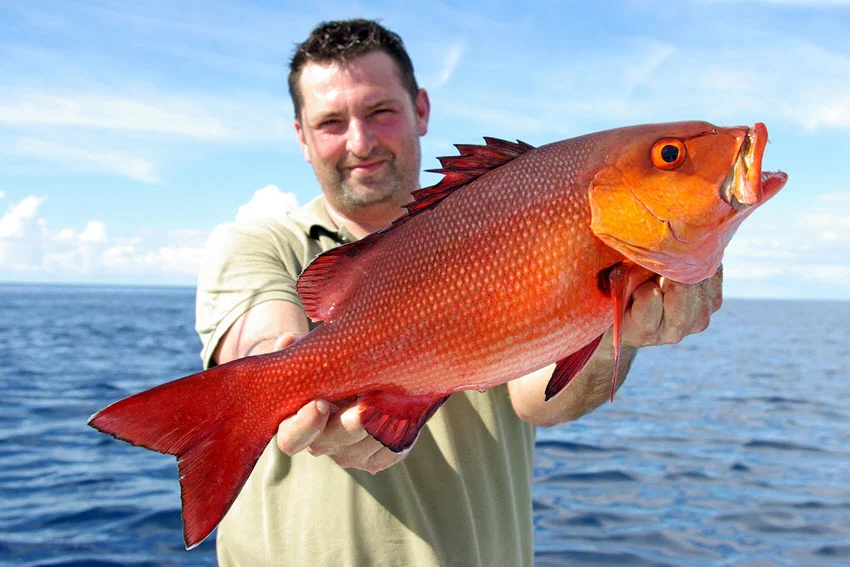
For all types of anglers, understanding how, when, and where to catch Red Snapper can elevate your fishing game to a whole new level. In this comprehensive guide, we'll break down everything you need to know. We analyzed the best gear and techniques for catching this fish.
Additionally, you will find regulations and hotspots for Red Snapper here. Of course, this is not all. Read our article to the end, and you will be on the right track to having a successful fishing day!
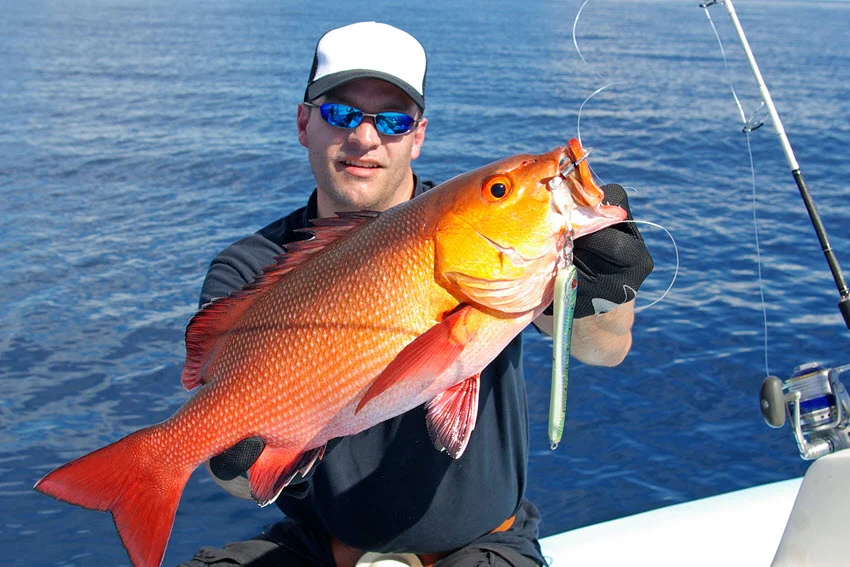
Red Snapper (Lutjanus campechanus) is one of the most prized saltwater fish among offshore anglers in the Gulf of Mexico and along the southeastern U.S. coast. These fish are known for their vibrant reddish-pink color, a strong body, and tasty, flaky meat. Red Snapper typically measures between 20 and 30 inches in length, with an average weight of 4 to 20 pounds. Large individuals can grow up to 40 inches and exceed 50 pounds. They are long-lived reef dwellers, with some specimens reaching an impressive age of over 50 years.
The peak season for catching Red Snapper generally falls between June and August. During this period, both federal and state seasons open, and waters warm up. During this period, they become more active and approach the shore. Red Snapper are most commonly found at depths ranging from 60 to 300 feet. They are widespread around underwater structures, such as reefs, oil rigs, wrecks, and ledges, where they form large, aggressive schools.
As opportunistic predators, Red Snapper have a varied diet, feeding mainly on small fish, squid, shrimp, and crabs, using their sharp teeth and strong jaws to crush and devour prey. Due to their feeding habits, they respond well to live bait, such as pinfish, cigar minnows, and small mullet, but will also strike cut bait, including squid strips or sardines. Their aggressive strikes and powerful resistance make them a favorite catch for both beginners and seasoned anglers.
The Gulf Coast is the epicenter of Red Snapper fishing in the United States, and for good reason. Warm waters, abundant reef structures, and well-managed seasons make it a top destination for anglers. From Texas to Florida, and through Alabama, Mississippi, and Louisiana, you'll find world-class fisheries and trophy-sized Snapper. Here are some of the very best places to drop a line.
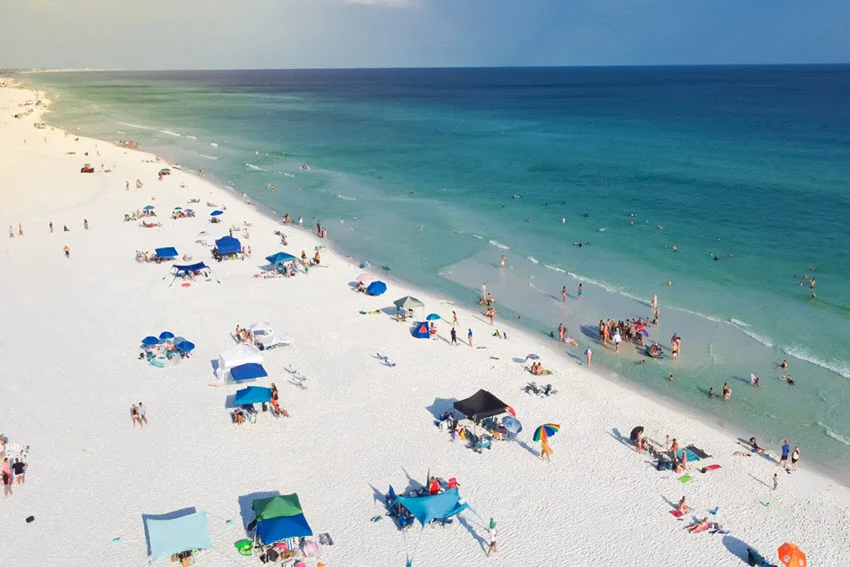
Destin is known as "The World's Luckiest Fishing Village." This place earned this nickname for a reason. Here you can enjoy fishing for a lot of fish species. Also, it is one of the most productive Red Snapper fisheries in the country.
Located in the Florida Panhandle, Destin gives anglers fast access to offshore reefs, ledges, and wrecks. These spots hold large schools of Snapper. The federal season typically peaks from June to August. Depths between 70 and 200 feet are particularly productive during this time.
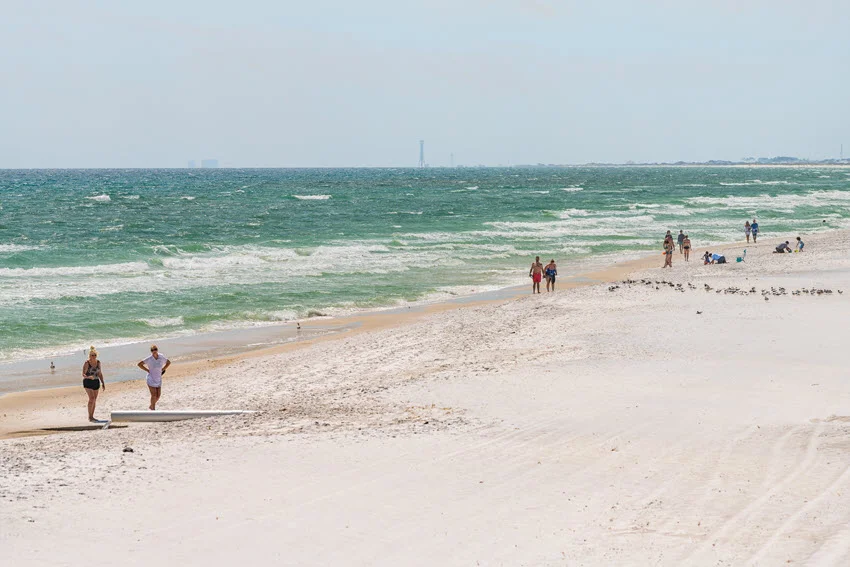
Just a few miles west of Destin lies Fort Walton Beach. It is another excellent destination for Red Snapper fishing. Its proximity to deep offshore waters makes it a favorite among both local anglers and visitors. The best fishing typically occurs from late May to early September. Additionally, months like June and July provide the most consistent action. Most Snappers are found between 80 and 250 feet of water, especially near reefs and underwater ledges.
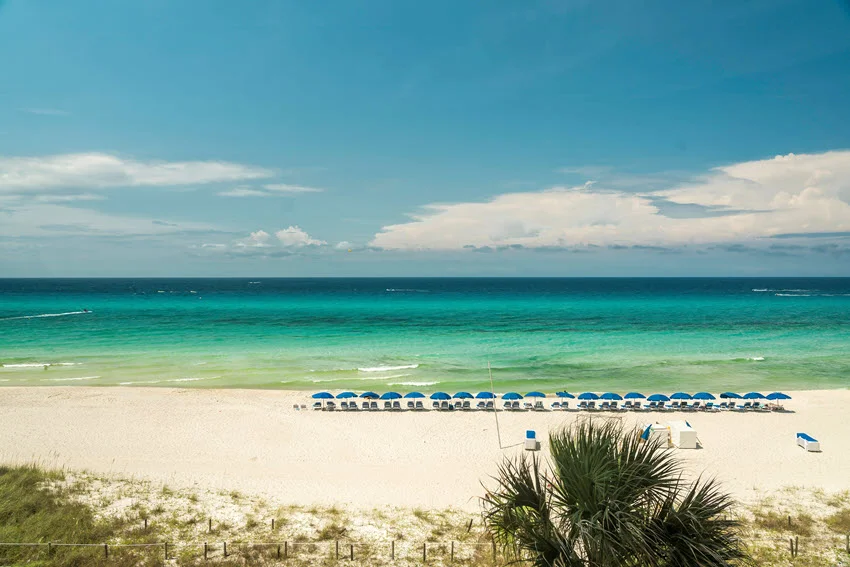
Panama City Beach is a bustling hotspot with an excellent offshore Snapper fishery. Anglers here benefit from a large number of artificial reefs and shipwrecks placed offshore to attract bottom species like Red Snapper. The federal season generally opens in early June and runs into August. Additionally, July often delivers the highest catch rates. Charter boats frequently run short trips to nearby spots.
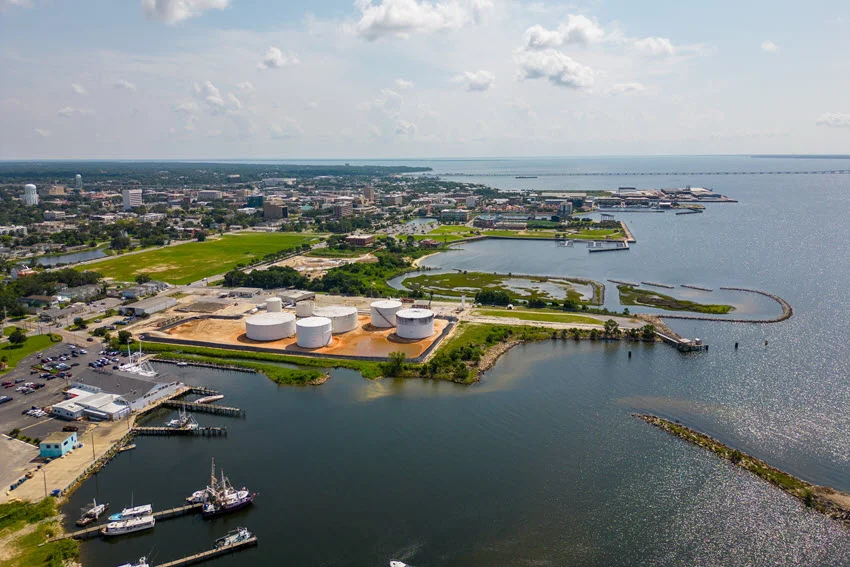
Pensacola is a top-tier Red Snapper destination located near the Alabama border. Its expansive artificial reef program is the main reason for this. The deepwater structure and easy access to Gulf waters are among the key characteristics of this location. The prime season here runs from June to mid-August, while June and July typically offer the best opportunities. Snappers are usually found between 70 and 300 feet deep. Here, as in other places, this fish provides a fantastic fight.
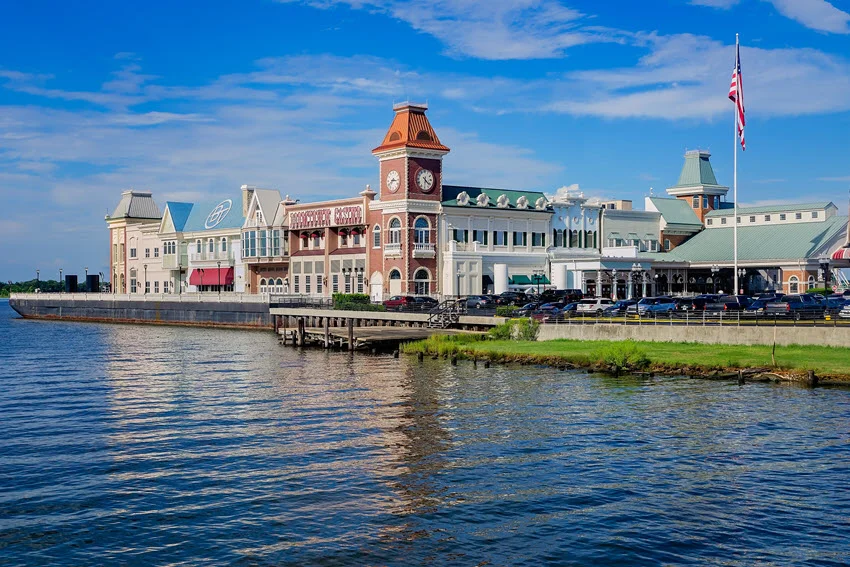
Biloxi provides fantastic Red Snapper action during peak season. Offshore oil rigs and reef structures draw large schools of fish closer to shore. The season opens in June and can stretch into early August. Because of limited open days, many anglers visit Biloxi on weekends to fish. Productive depths range from 60 to 180 feet. Private and charter boats frequently make the run to offshore waters.
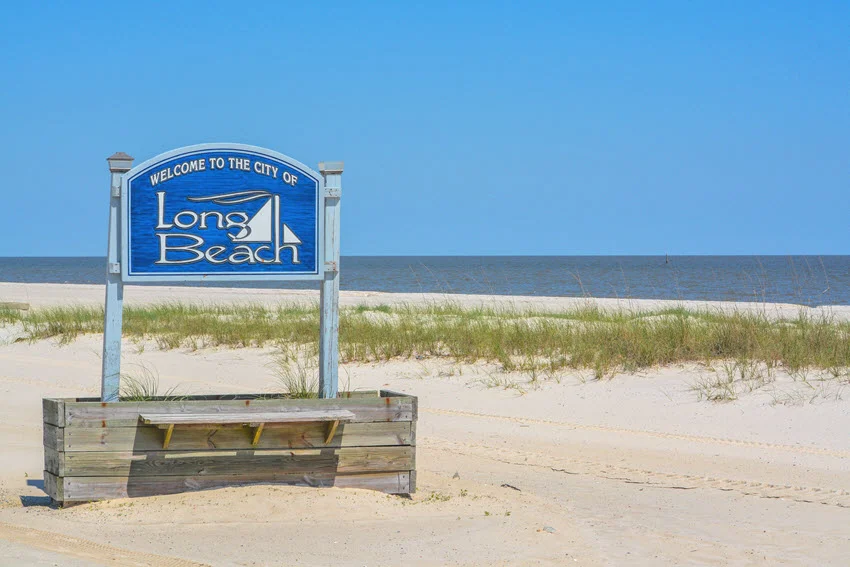
Long Beach is quieter than Biloxi, yet still offers solid Red Snapper opportunities. It is located along the Mississippi Sound. The town has access to deepwater structures further offshore. The most productive time of year is from late June through July. Most successful outings take place in waters 100 to 200 feet deep, though reaching the best spots requires a longer boat ride compared to other locations on the Gulf.
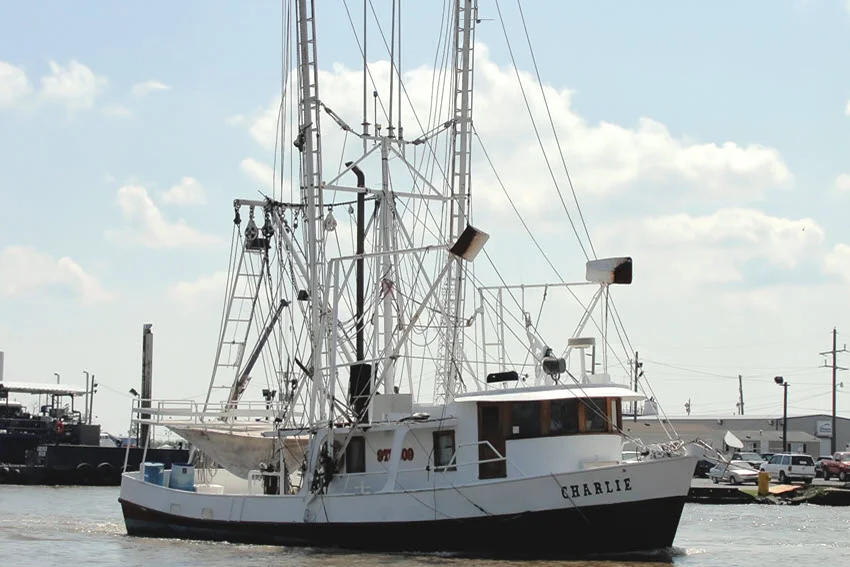
Venice is widely regarded as one of the premier offshore fishing destinations in the entire United States. It is located at the mouth of the Mississippi River. Venice benefits from nutrient-rich waters that fuel massive fish populations. Red Snapper season starts in June and lasts through August. Peak fishing occurs in June and July. Snappers are found near oil platforms, reefs, and wrecks in depths of 100 to 300 feet. Remote wilderness and easy access to offshore structure make Venice a must-visit location for any serious angler.
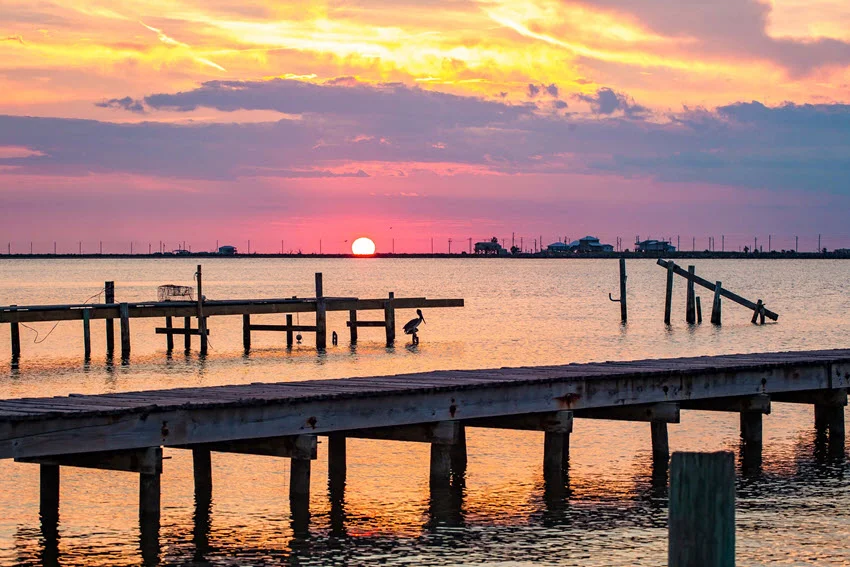
Grand Isle is Louisiana's only inhabited barrier island and a favorite launching point for offshore fishing adventures. Its location in the Gulf grants quick access to deep reefs, oil rigs, and wrecks where Red Snapper thrive. The season opens in early June and extends into August. Anglers can expect intense action during June and July. Red Snapper can be found in waters ranging from 80 to 250 feet deep.
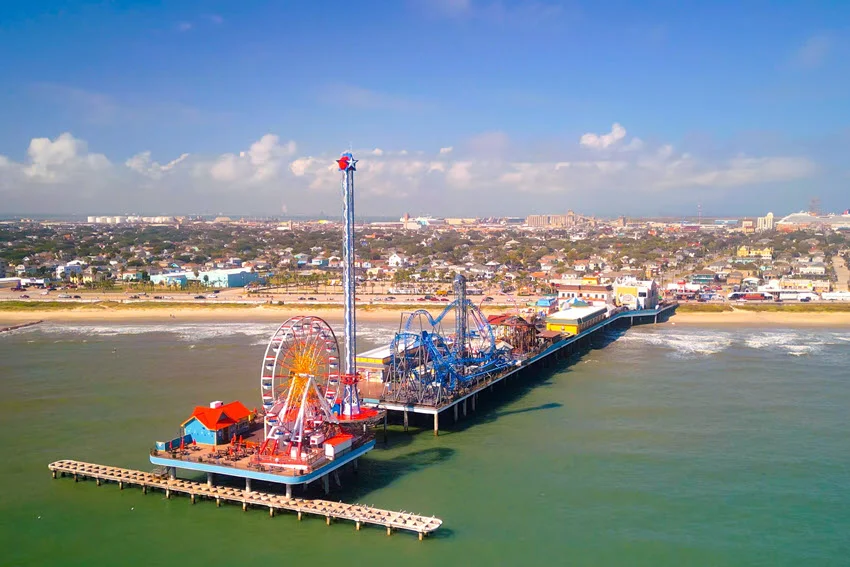
Galveston is one of the most productive Red Snapper destinations on the Texas coast. Just a short run offshore reveals a network of natural and artificial reefs that serve as prime Snapper habitat. The federal Red Snapper season usually kicks off in early June and runs for several weeks, often through mid to late July. The most catches come from depths of 100 to 300 feet. Accessibility, substantial fish numbers, and a vibrant fishing community make Galveston a popular hub for Red Snapper fishing.
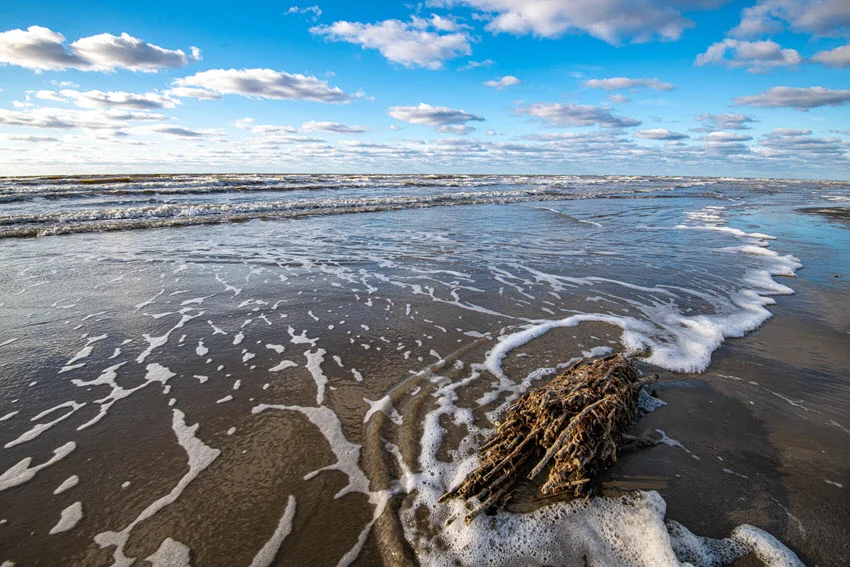
Located just down the coast from Galveston, Freeport offers similarly excellent Red Snapper opportunities but with less boat traffic. If you're a fan of quieter trips, this could be a wonderful destination.
The prime season typically mirrors the rest of the Gulf, from early June to July in federal waters. State waters allow for more extended fishing if federal regulations close earlier. Productive fishing grounds are typically located 30 to 50 miles offshore, in depths ranging from 100 to 250 feet. Freeport's relaxed atmosphere and reliable catches attract dedicated anglers year after year.
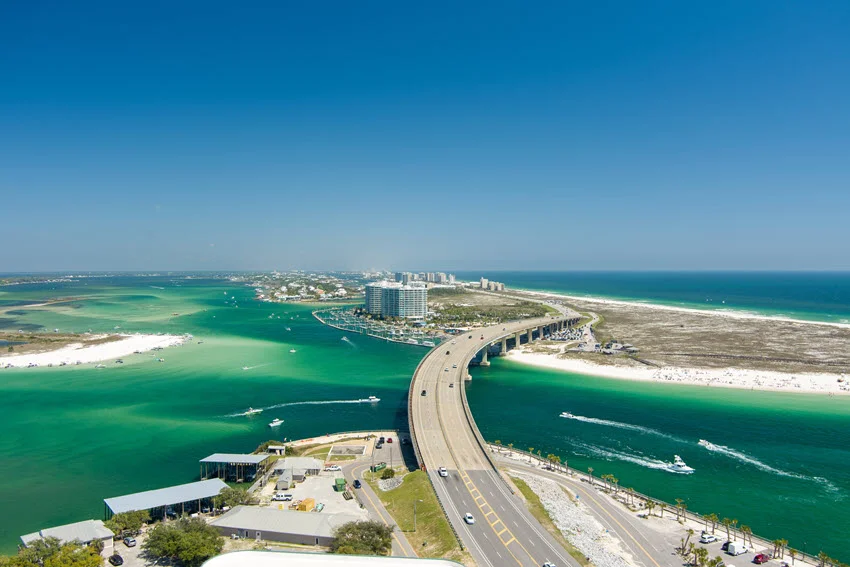
Orange Beach is home to one of the largest charter fleets on the Gulf Coast. Red Snapper is the star of the show during the summer season. It is located near the Florida border. Orange Beach offers quick access to productive offshore reefs and artificial structures. The federal season generally starts in June and continues through Jul. Red Snapper are most often caught in water depths of 80 to 200 feet.
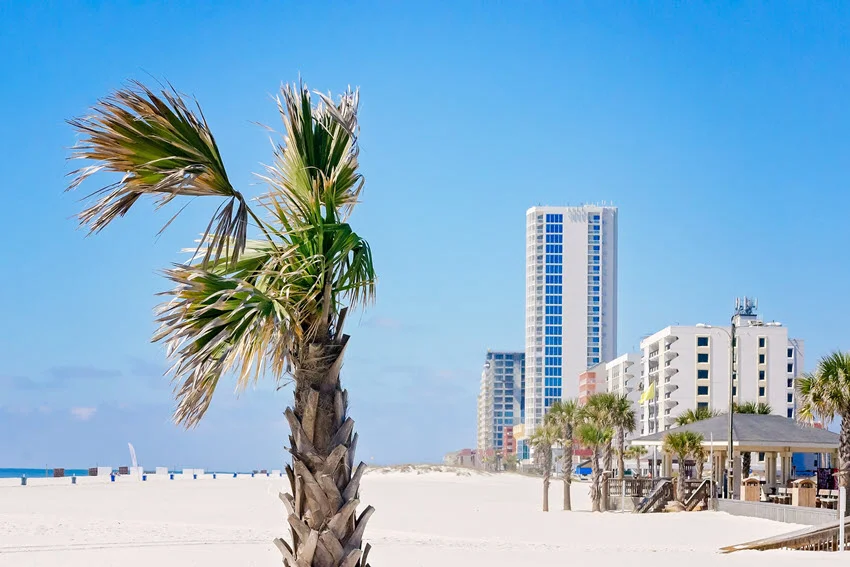
Just west of Orange Beach, Gulf Shores shares many of the same productive waters and reef systems. The area benefits from Alabama's extensive artificial reef program, which provides ideal habitat for Red Snapper. Peak fishing runs from June through late July. Most Snappers are found in depths ranging from 70 to 250 feet. With family-friendly amenities onshore and great fishing offshore, Gulf Shores is a go-to destination for serious anglers and vacationing families alike.
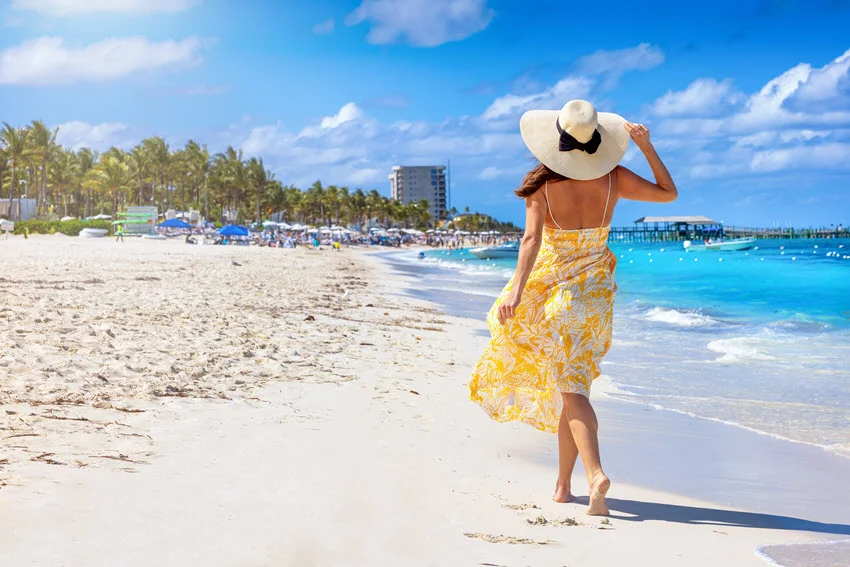
The Bahamas is a world-renowned destination for Red Snapper fishing outside of the United States. This place has many excellent characteristics. It is known for its crystal-clear waters, extensive coral reefs, and abundant marine life. The island chain features numerous offshore reefs and wrecks.
The best fishing season runs from late spring through early fall. Depths between 60 and 200 feet are productive. Great fishing spots are located near the Exuma Cays and around Andros Island. High fish density makes it a bucket-list destination for serious Red Snapper anglers.
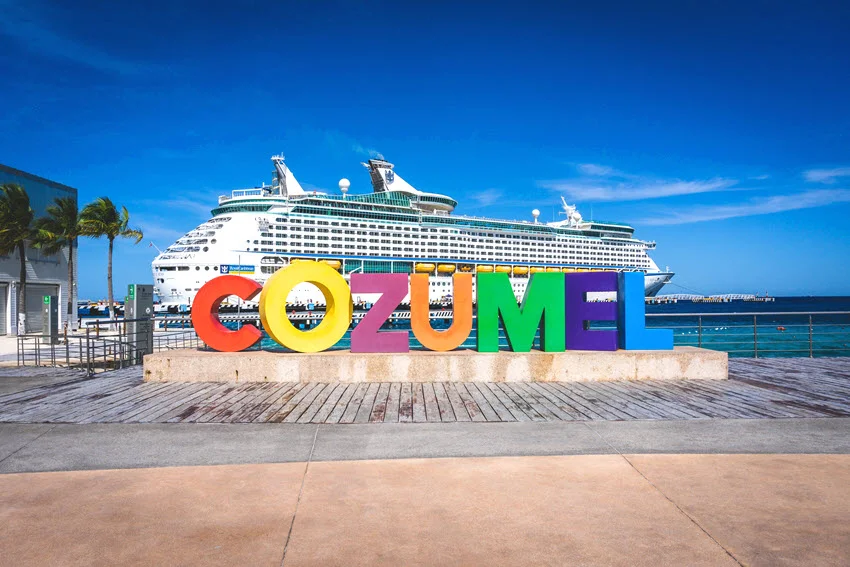
Cozumel is an island off the coast of the Yucatán Peninsula. It is another popular international hotspot for Red Snapper fishing. The clear waters and extensive coral reef systems support abundant populations of Red Snapper.
The prime season in Cozumel aligns with the warmer months. The prime period is from May through September. Depths from 50 to 180 feet are where most Snapper are caught. Cozumel's proximity to Cancun and Playa is a great thing for tourists and sport anglers.
Red Snapper are bottom-dwelling predators. They congregate around reefs and wrecks. To catch these fish, anglers need to use proven techniques. You will have the most tremendous success if you adapt the technique to the conditions. Below, we analyze the best methods for Red Snapper.
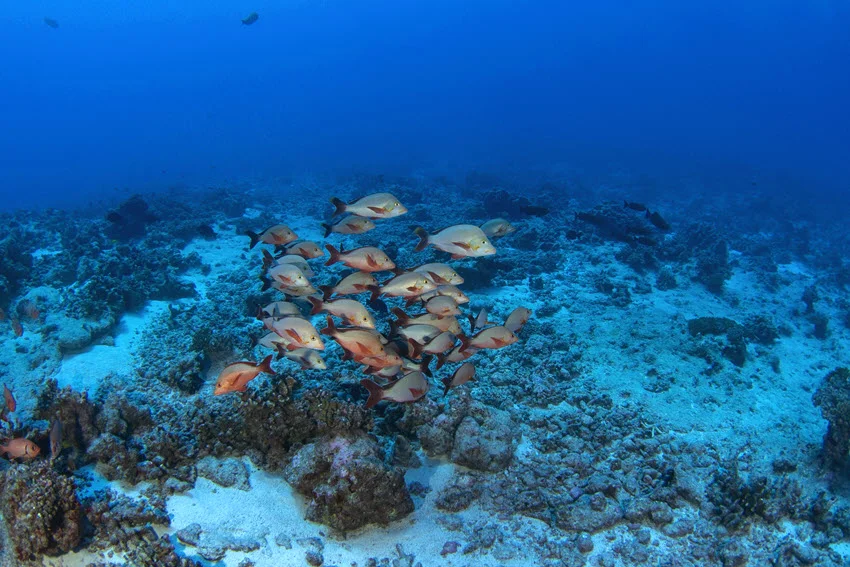
Bottom fishing is one of the most widely used approaches for catching Red Snapper. Since these fish stay close to the seafloor, it is essential to get your bait down to their level. Bottom fishing uses a weight to carry your bait to the bottom, often with circle hooks rigged on a dropper loop. Live baits, such as squid, cut sardines, or live pinfish, are most effective. Staying on structure and presenting the bait slowly and naturally is necessary for success in fishing. Once a Snapper bites, you'll feel a solid tug followed by a fast, determined fight.
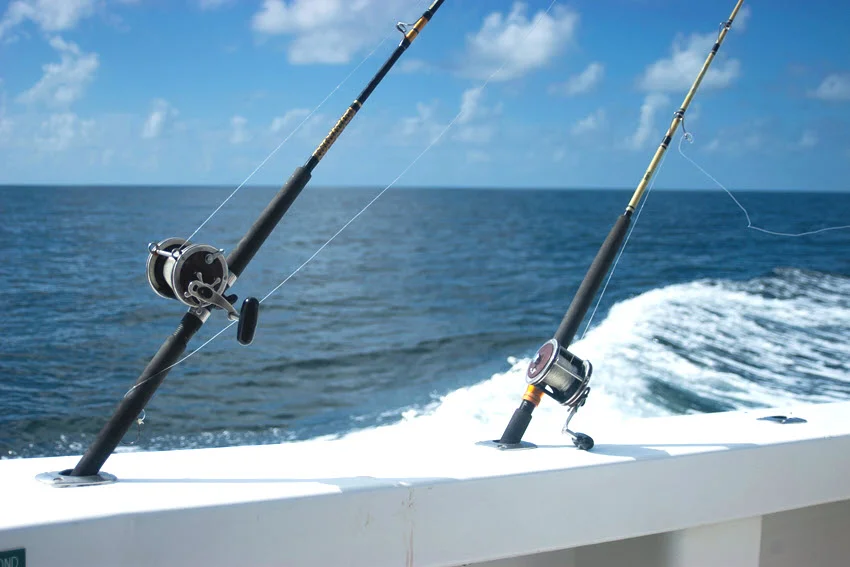
Red Snapper is a popular target for full-day offshore trips that venture 20 to 40 miles or more into the Gulf of Mexico. Deep-sea fishing for Red Snapper combines techniques like trolling to reach the spot and bottom fishing once you're over the reef. Because you're covering deeper water, this approach demands heavier tackle and strong reels with sound drag systems. Deep-sea trips also increase the chances of hooking larger fish. Many trophy Snappers over 20 pounds are caught this way.
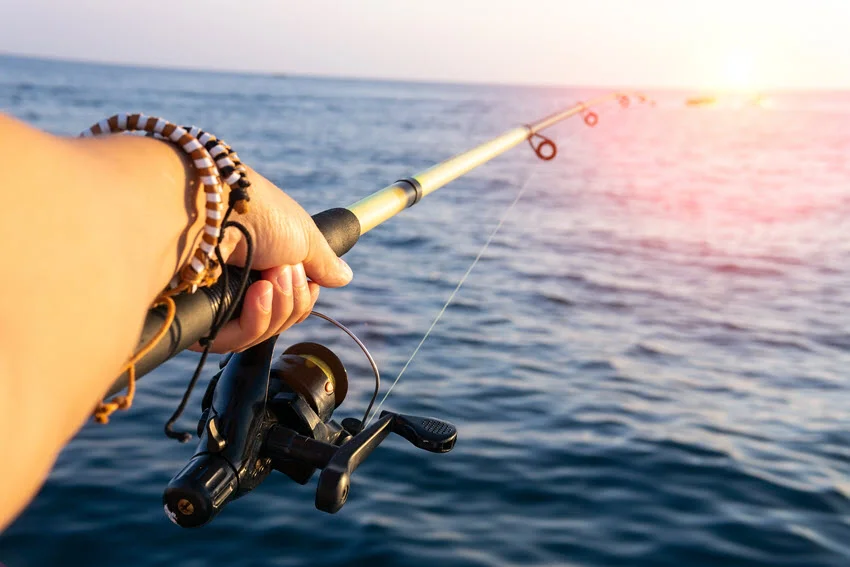
Jigging is a dynamic method for catching Red Snapper. It is especially productive when fishing vertically over reefs or wrecks. This technique uses metal or slow-pitch jigs that mimic fleeing or wounded baitfish. You'll drop the jig to the bottom, then work it back up with rhythmic lifts and drops of the rod tip. Snapper often strike in the fall, so staying alert is crucial. Jigging can be very effective when the bite slows down on live bait. Very often, it triggers aggressive reactions from larger fish in the school.
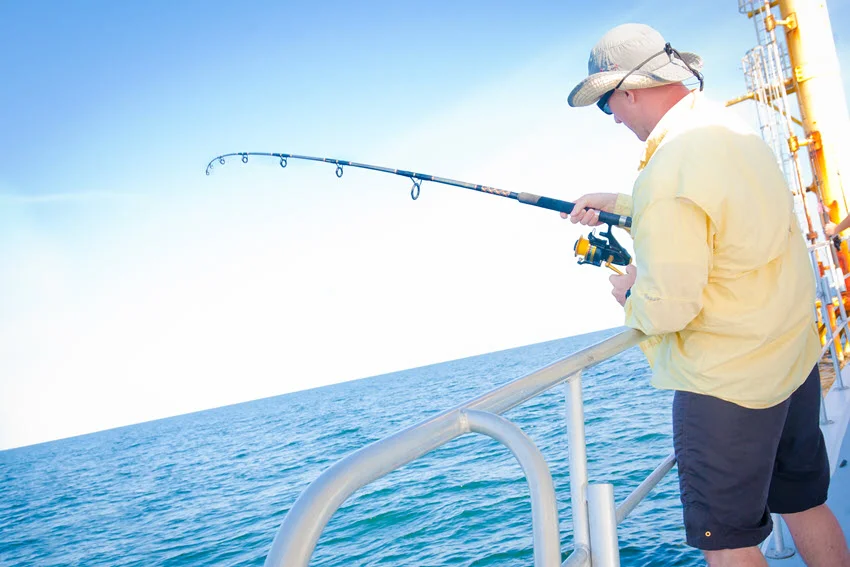
Chumming involves dispersing small pieces of bait, like cut squid or sardines, into the water to attract Red Snapper to your fishing spot. Once the fish are drawn in, anglers can use free-lining techniques. In this technique, a baited hook is cast without a sinker, allowing the bait to drift naturally through the water. This method is effective when fish are suspended above the bottom. It is often used in the water column near reefs or wrecks.
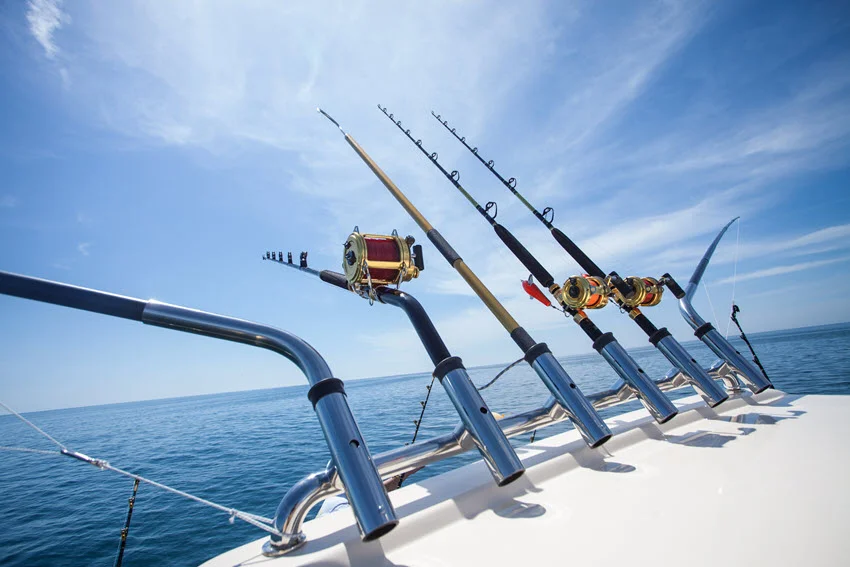
Drift fishing is a technique where anglers allow their boat to drift over productive areas while presenting baited hooks or jigs to the fish. Drift fishing allows anglers to cover a larger area and find where Red Snapper are feeding. It's beneficial when fish are scattered or less concentrated.
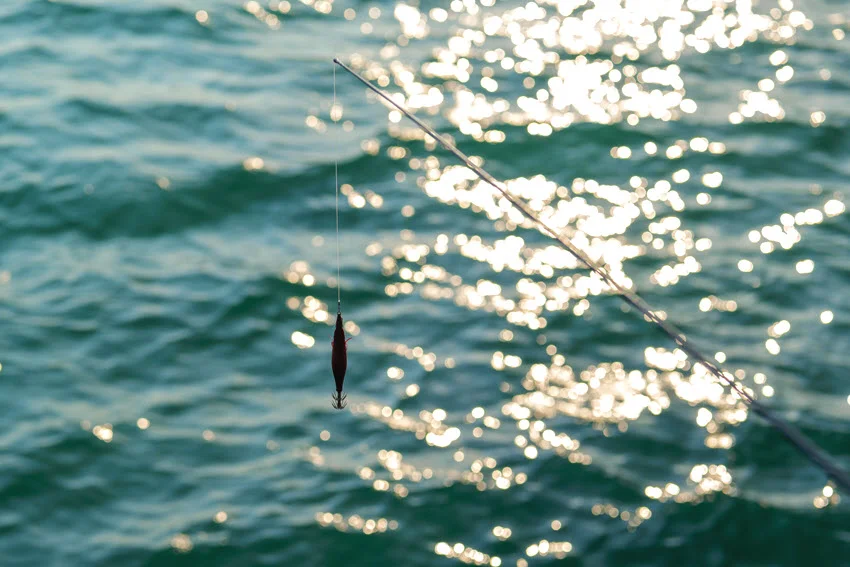
Selecting the right bait or lure is essential for enticing Red Snapper. Successful anglers utilize a combination of live, dead, and artificial baits to match local conditions.
Live bait is often the top choice for targeting trophy Red Snapper. It is excellent for catching larger specimens. Frequent favorites include live pinfish, cigar minnows, and pogies, which offer motion and scent that trigger strikes. Live pinfish and mullet, hooked through the back, are especially effective in Gulf waters. They could draw the biggest fish.
When you can't get live bait, artificial lures are a solid option. Metal jigs and vertical lures are practical tools for fishing. Slim metal jigs and squid-head styles are designed to flutter and flash like injured baitfish, mimicking their movement. Many rigs combine them with bait strips to increase the number of bites.
Hardy dead baits are reliable when fresh and well-rigged. The best of them are squid strips, cigar minnows, pogies, and Bonito chunks. Squid remains very effective. Pogie pieces spread scent in the current when chummed. Larger dead fish chunks, like Bonito belly meat, attract larger Red Snappers.
When targeting Red Snapper, lure color can make a big difference. In clear conditions, light colors are effective. Silver, white, or soft pink are effective. They mimic the look of small baitfish. That draws the fish's attention. In darker waters, switch to bold colors. Chartreuse and red could be productive.
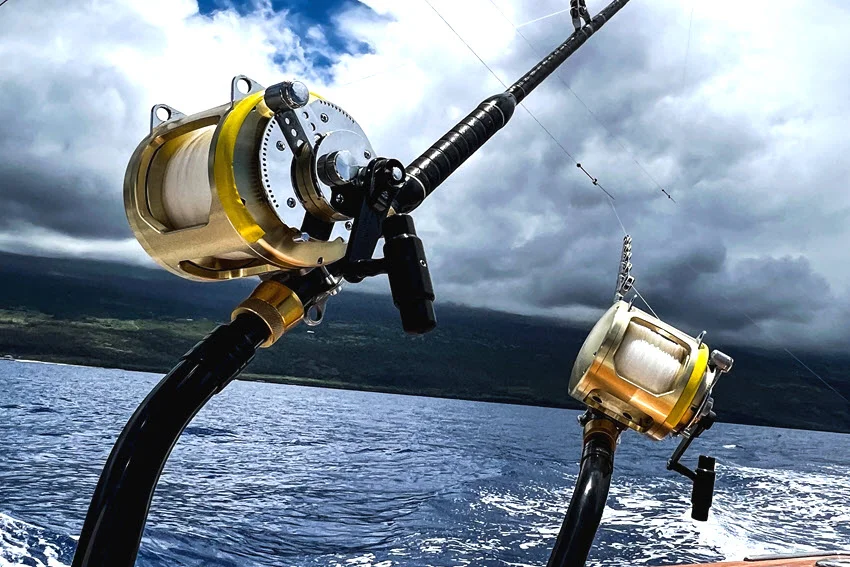
When targeting Red Snapper, having the correct gear setup is very important. Fighting spirit is one of the main characteristics of Red Snapper. They can often be found near structures. Your tackle must have strength and sensitivity. In the following sections, we discuss the best gear for Snapper fishing.
For most Red Snapper in the Gulf that range from 15 to 20-lb, a medium-heavy to heavy conventional or spinning setup works perfectly. A 7 to 8-foot rod paired with a reel capable of holding 65-pound test braided line is a solid option. Many anglers use a fluorocarbon leader or top shot rated between 50 and 80-lb for added abrasion resistance and strength.
For larger Red Snapper (20-lb or more), you need heavier and more powerful gear. Use conventional lever-drag reels designed for high drag capacity paired with strong, sturdy rods rated for heavy loads. It measures 7 to 8 feet in length and is suited for both conventional and jigging styles.
Anglers often opt for an 80-lb braided mainline, combined with a 50 to 100-lb fluorocarbon leader. A setup like this provides enough strength and abrasion resistance to handle larger fish.
Many experienced anglers note that heavier line and leaders, although feeling bulky, reduce the risk of break-offs during intense fights.
Understanding fishing regulations and preserving specific fish species contributes to protecting fish populations and ecosystems and promoting responsible angling practices.
Anglers Booking Team
Fishing regulations for Red Snapper are different from state to state. The purpose of these rules is to protect the species from overfishing. At the same time, it ensures sustainable populations. Below, we discuss regulations and licences for this fish.
You must follow regulations for several reasons. You ensure the conservation of Red Snapper populations. Also, you avoid paying fines.
We came to the end of our trip. Fishing for this species offers an exciting fishing experience. The powerful fight, combined with their delicious meat, makes them a great target for anglers of all levels. Red Snapper are strong and aggressive and offer challenging fights.
Before you head out, gather information about the regulations for the place you plan to fish. Have you already tried catching Red Snapper? Which bait or technique worked best for you?

The expert copywriters at Anglers Booking have meticulously crafted this article. Our dedicated team of writers provides valuable insights and information to enhance your angling experience.

November 14, 2024
August 1, 2025
Subscribe to our newsletter and receive a selection of cool articles every week.
Embark on unforgettable fishing adventures with us at Anglers Booking.
book your charter
September 8, 2026
August 21, 2026
August 18, 2026
August 15, 2026
August 12, 2026
August 8, 2026
August 4, 2026
April 17, 2026

You're now part of our exclusive community. Get ready for premium content and updates straight to your inbox.
close
Subscribe to our newsletter and receive a selection of cool articles every week.
Please enter a valid email address.
Be the first to know when we're back in action.
Please enter a valid email address.
Leave a Comment
Your email address will not be published. Required fields are marked *
Thank you for your comment! It has been submitted for review and will appear on the site shortly.