


Anglers Booking Team
The expert copywriters at Anglers Booking have meticulously crafted this article. Our dedicated team of writers provides valuable insights and information to enhance your angling experience.
 9 minutes read
Red Snapper is one of Florida's most targeted reef fish, especially offshore on the Gulf side. It's prized for many reasons. Anglers value them for a strong fight and excellent table quality. Anglers catch them while fishing around reefs, wrecks, and rocky areas across the Gulf and Atlantic coasts.
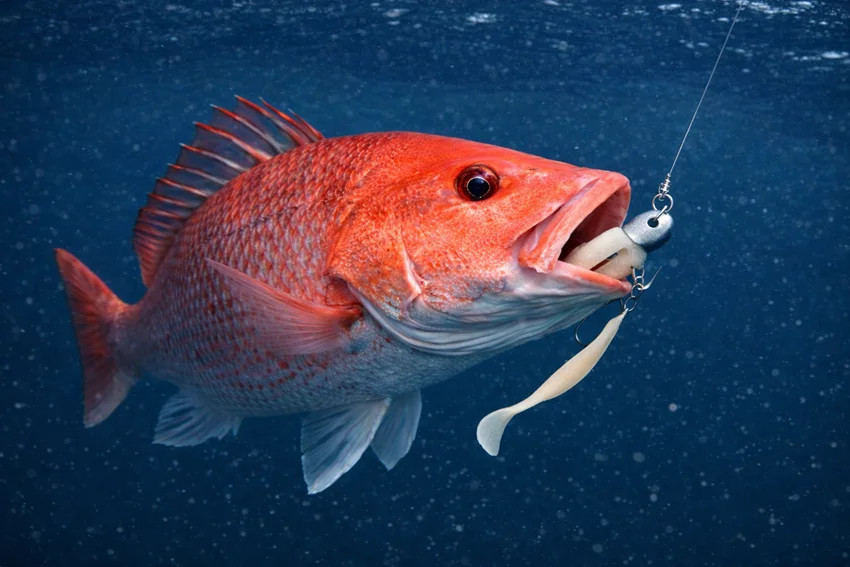
The Florida Fish and Wildlife Conservation Commission (FWC) reviews stocks and sets seasons. It adjusts the open seasons when needed. In this guide, we'll cover the Red Snapper seasons in Florida. Additionally, we will share simple, useful tips that will help you have a great fishing experience.
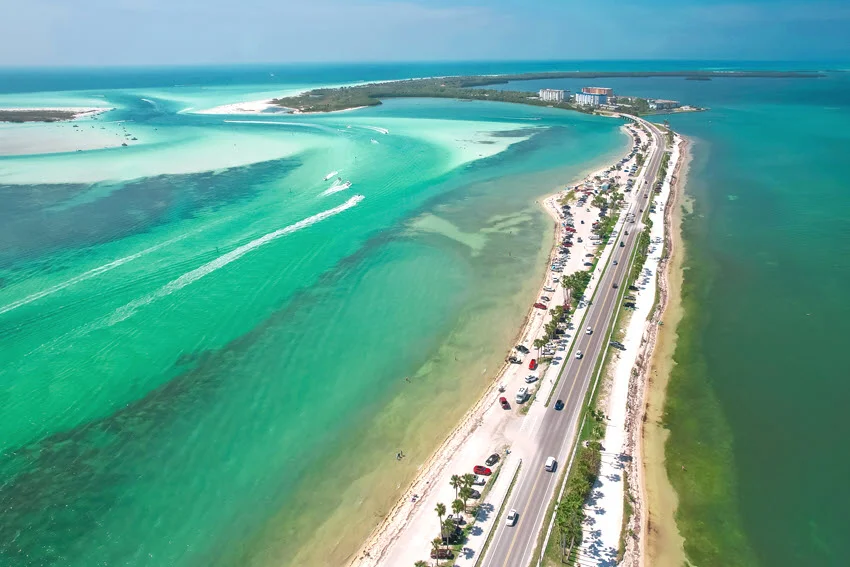
Florida has different Red Snapper season rules between the Gulf and Atlantic sides. Rules can differ by coast and by whether you fish in state or federal waters. Knowing the rules for the area where you plan to fish will help you enjoy your trip while fishing legally.
On Florida's Atlantic federal waters, NOAA set a 2-day recreational opening on July 11 and 12. Florida Atlantic state waters rules differ, so confirm whether you will be fishing in state or federal waters before you keep fish. For federal waters, check NOAA Fisheries for the current opening and rules.
Atlantic size and bag limits may vary from Gulf limits, and federal limits may vary from state limits. Before your trip, check the official FWC and NOAA sites. This is done through careful management to rebuild the fish population and improve catch quality.
Anglers in Jacksonville, Daytona Beach, Fort Pierce, and Stuart make the most of these short openings. Outside of the harvest season, anglers can practice catch-and-release fishing around deep reefs and ledges.
FWC also opened a series of fall and holiday weekend dates (including September 19 to 21 through December 25 to 28). FWC publishes a detailed season calendar each year, and dates can be adjusted based on in-season monitoring.
Anglers may keep two Red Snapper per person per day. Each fish must measure at least 16 inches in total length, and Red Snapper counts toward Florida's 10-fish aggregate bag limit. Following these rules helps protect younger fish.
On the Gulf side, popular launch areas include the Panhandle, Tampa Bay area, the Big Bend, and Southwest Florida. With reefs, wrecks, and hard bottom across the shelf, it can be productive during open season when conditions line up.
These regulations protect Red Snapper populations so they can spawn and grow. The species takes time to mature, so careful management helps sustain the fishery. Balanced harvest rules ensure that this fish population is protected for the future.
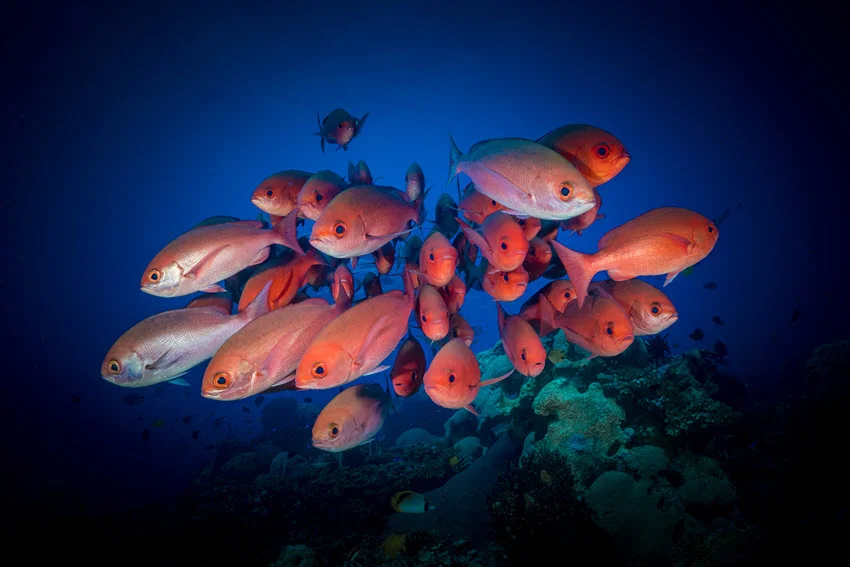
Red Snapper are reef fish found near wrecks, ledges, and hard bottom where they target concentrated baitfish and crustaceans, as their speed allows them to catch prey quickly.
They prefer warm ocean temperatures and feed more regularly in warm, calm water, particularly when there is current. In the colder months, they migrate to deeper water.
When the weather warms, they swim back toward the shore and congregate around reefs and ledges. Red Snapper primarily feed on small fish, shrimp, squid, and crabs, especially around tide changes.
Red Snapper can be caught year-round, but the best fishing is usually from late spring through early fall, when the water is warm, and bait is active. These months bring the fish closer to reefs, wrecks, and ledges, making them easier to target.
During winter, deeper offshore reefs and ledges are the best places to go and target fish, as nearshore areas cool and fish move to find stable water.
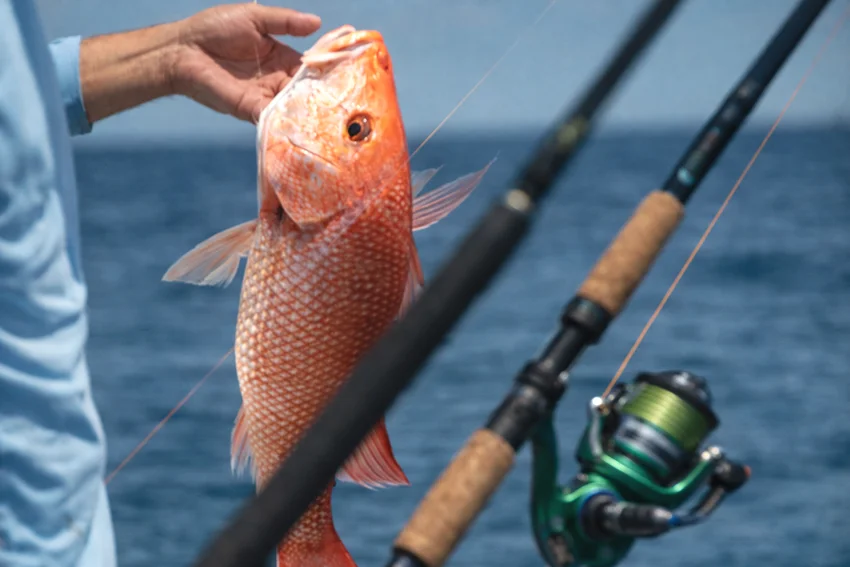
Florida offers a range of Red Snapper habitats, from nearshore hard bottom to deeper offshore wrecks. The warm waters of the Gulf of Mexico and the Atlantic Ocean make Florida a very popular spot for anglers during the open season.
These are recognized fishing areas, but it is always a good idea to check with local bait-and-tackle shops or fishing guides to see where the fish are biting on a given day.
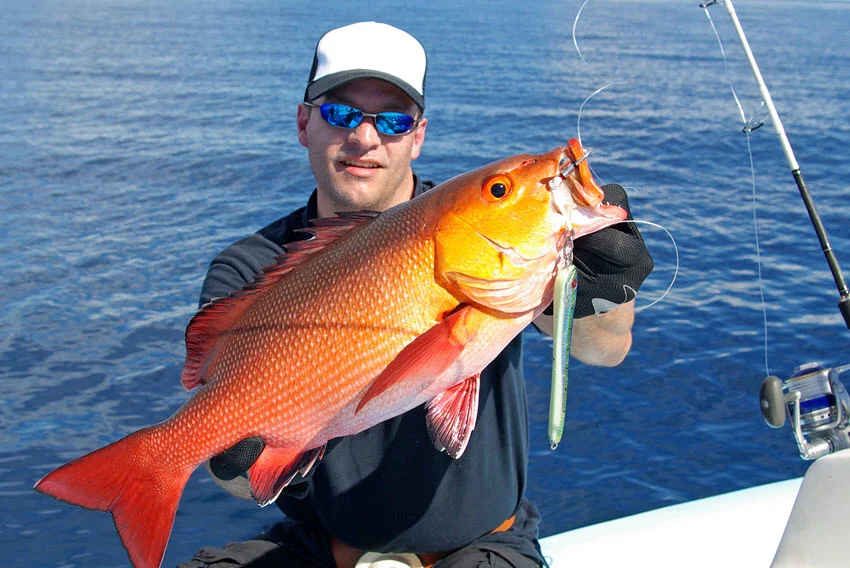
These fish are known to be strong fighters and often make their way to structure when hooked, making it necessary to have the right equipment to land them successfully.
Using effective gear and configuration will increase your chances of catching Red Snapper. All you need to do is follow these tips, and you will be on the right track to having a successful fishing day.
Understanding fishing regulations and preserving specific fish species contributes to protecting fish populations and ecosystems and promoting responsible angling practices.
Anglers Booking Team
Before going fishing for Red Snapper in Florida, you need to have the right licenses. This will help you follow the guidelines, which are important for the conservation of the species and ensuring that you have fishing seasons in the future.
Recreational Red Snapper that are caught cannot be sold. The regulations may vary depending on where you are fishing (state or federal waters), so make sure to check the latest FWC regulations before you go fishing, and consult the NOAA Fisheries official website if you are fishing in federal waters.
Good handling is important if you plan to release the fish. Red Snapper is a key species in Florida's reef environment and should be handled carefully. When releasing a Red Snapper, do it quickly; do not squeeze it during handling, but place it carefully in the water.
If you plan to retain your catch, lay it on ice to ensure quality and freshness. The correct tackle should be used to avoid injuring the Red Snapper. Fishing responsibly will ensure the survival of Red Snapper.
Fishing for Red Snapper in Florida is an exhilarating experience. It is important to be aware of the regulations and the type of Red Snapper you are targeting. During open season, the right gear will help you make the most of your fishing experience.
Do you have a favorite fishing gear for Red Snapper? What is your most used bait? Share your answers with us.
Disclaimer: Fishing regulations and open seasons may vary by region and are subject to change. The information in this guide is for general reference only. Be aware of the latest fishing rules, size limits, and season dates posted on the official websites of the state or federal government before your trip.

The expert copywriters at Anglers Booking have meticulously crafted this article. Our dedicated team of writers provides valuable insights and information to enhance your angling experience.

April 18, 2025
Subscribe to our newsletter and receive a selection of cool articles every week.
Embark on unforgettable fishing adventures with us at Anglers Booking.
book your charter
October 2, 2026
September 8, 2026
August 21, 2026
August 18, 2026
August 15, 2026
August 12, 2026
August 8, 2026
August 4, 2026

You're now part of our exclusive community. Get ready for premium content and updates straight to your inbox.
close
Subscribe to our newsletter and receive a selection of cool articles every week.
Please enter a valid email address.
Be the first to know when we're back in action.
Please enter a valid email address.
Leave a Comment
Your email address will not be published. Required fields are marked *
Thank you for your comment! It has been submitted for review and will appear on the site shortly.