


Anglers Booking Team
The expert copywriters at Anglers Booking have meticulously crafted this article. Our dedicated team of writers provides valuable insights and information to enhance your angling experience.
 11 minutes read
Sheepshead fishing is one of the most popular targets among inshore anglers along the Atlantic and Gulf coasts. They are well known for their distinctive appearance, particularly their rows of human-like teeth, which they use for crushing food.
They are not the biggest fish in the bay, but Sheepshead are famous for stealing bait and making anglers work for every solid hookset. That’s exactly what makes them so rewarding to catch.
In the sections below, you will learn where to find Sheepshead, when to target them, which baits and lures work best, and how to rig up for more hookups around hard structure.
Also, there is information on the best times to use each bait. By the time you finish this guide, you will know what to put on the hook the next time you go after these cunning inshore fish.
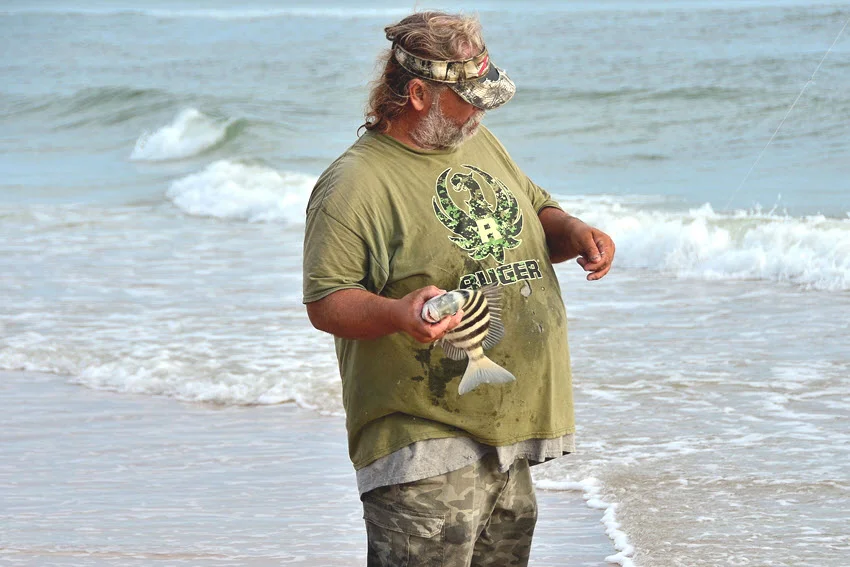
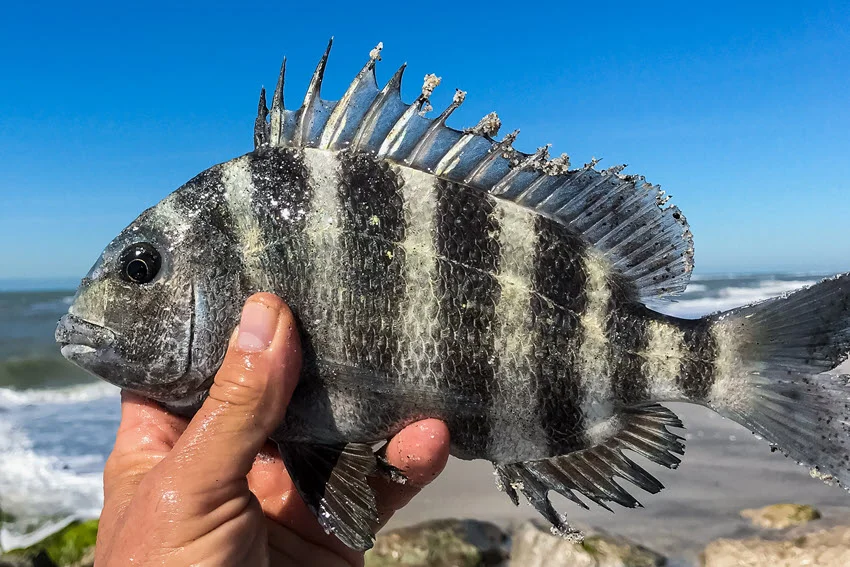
Sheepshead are greenish-gray, laterally compressed, with 5 to 7 vertical bands of dark coloration on the sides. Their teeth are prominent with incisors, molars, and rounded grinders that help them crush shellfish and sea urchins. They also have strong and sharp spines on the dorsal and anal fins.
They commonly run a few pounds, while larger fish can grow to 30 inches and weigh much more. Sheepshead are strongly associated with structures such as docks, bridge pilings, jetties, oyster reefs, and rocky bottoms.
Sheepshead typically spawn offshore during late winter and early spring, after which they return to nearshore and estuarine waters. Juveniles of Sheepshead are most common in the grass flats and over the muddy bottoms, which, as they grow older, leave. Adults are associated with the jetties, breakwaters, piers, and wrecks.
Sheepshead swim from Nova Scotia to Brazil, though they are most common from the Mid-Atlantic states through the Gulf of Mexico. Several destinations along the Atlantic and Gulf coasts are well known for productive Sheepshead fishing. The following is a list of prime locations and spots for Sheepshead fishing.

Tampa Bay is considered one of the best locations for Sheepshead fishing. This is because the waters of Tampa Bay provide easy access to estuaries, creeks, and inshore flats. These areas also provide the hard structure Sheepshead prefer.
Late fall to early spring is considered the best time to go Sheepshead fishing in Tampa Bay. It is productive because Sheepshead gather around nearshore structure before moving offshore to spawn.
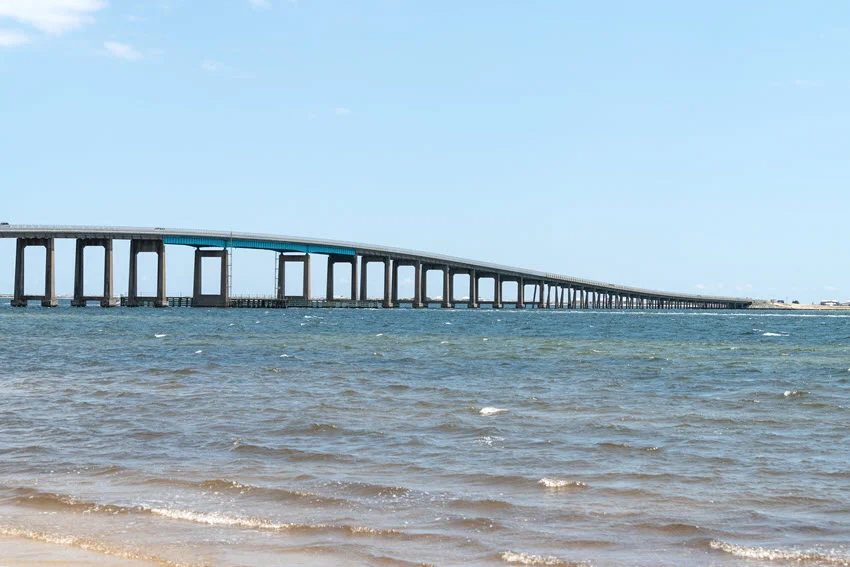
Pensacola Bay boasts many piers, bridges, and oyster-laden structures that attract many Sheepshead. There are many good spots for anglers of all skill levels to catch Sheepshead.
The prime fishing period for Sheepshead in Pensacola Bay is between November and March. During this stretch, fish often gather around bridges, pilings, jetties, and other hard structure, creating steady opportunities for anglers.

Charleston's surrounding areas, including the inlets, flats, and estuaries, offer good fishing spots for Sheepshead. Additionally, the historic harbor area offers many reefs for Sheepshead to forage.
The prime fishing period for Sheepshead runs from late fall to early spring. These months offer the most active fishing period for the species, as water temperatures drop significantly.
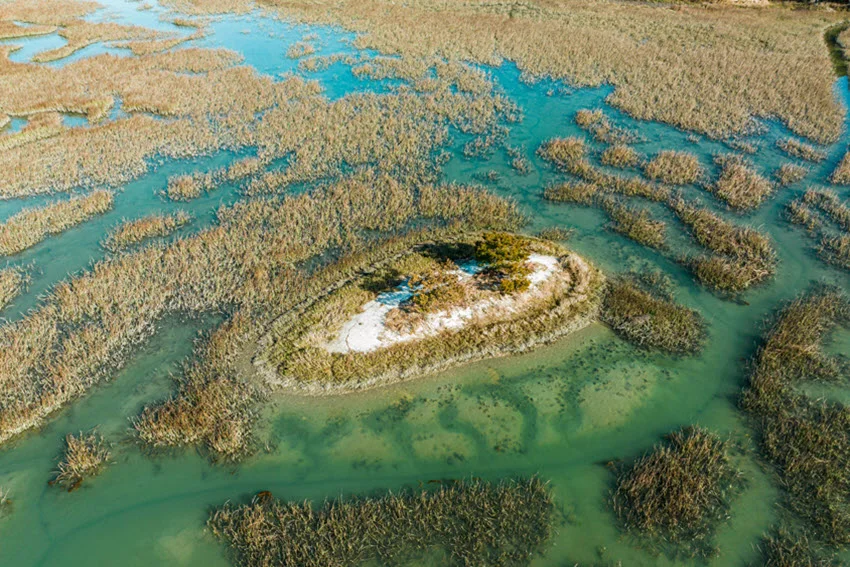
Murrells Inlet is famous for its picturesque views and rich fish populations. Anglers can expect to catch Sheepshead near docks, oyster bars, and rocky areas because Sheepshead congregate to feed on crustaceans and barnacles.
The peak Sheepshead fishing season in Murrells Inlet occurs from November to March when water temperatures decrease and draw Sheepshead to shallow waters within inshore structure. These months present the best opportunity to catch Sheepshead of all sizes.
Sheepshead are also known as intelligent fish that tend to bite lightly, so it is important to present the bait well to catch Sheepshead fish successfully.

The most common way to catch Sheepshead is by bottom fishing. To accomplish this, you should find where the Sheepshead are, such as docks, jetties, and pilings, and then fish straight down. A tight line is also useful because it allows you to feel the light bites that Sheepshead are famous for.
When you are bottom fishing, it is important that you keep your line in contact with the bottom, and it should be as vertical as possible. Many anglers use jig heads, split shot, knocker rigs, or other simple bottom rigs.
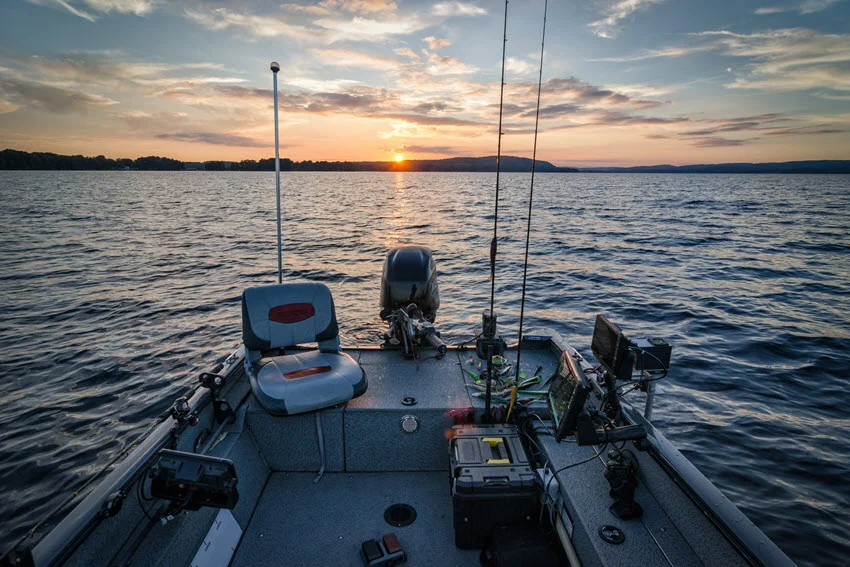
Jigging is an active type of fishing that can be very successful when fishing around structures where Sheepshead tend to congregate. By using a jig head with live shrimp or cut bait, jigging can be an effective way to catch Sheepshead.
Vertical jigging allows you to precisely present the bait to the Sheepshead and can induce strikes from more reluctant Sheepshead. Watch the line as the bait falls, as Sheepshead often strike on the drop.
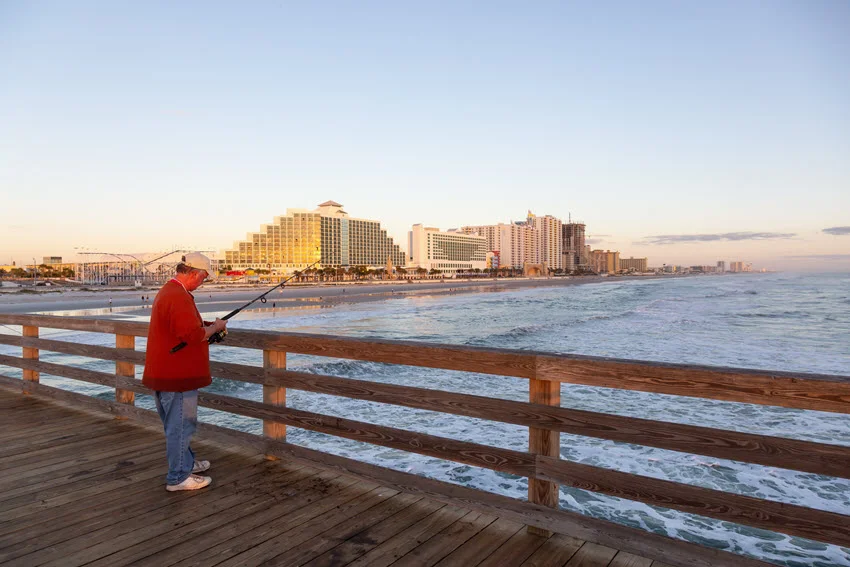
This method is very effective when used in clear water. Sheepshead can often be seen near docks or rocky areas. With this method, you can place your bait in front of them.
While sight fishing, you must be patient and careful, as Sheepshead have excellent eyesight. It is recommended to wear polarized sunglasses when sight fishing for Sheepshead, as they can help you spot them more clearly.
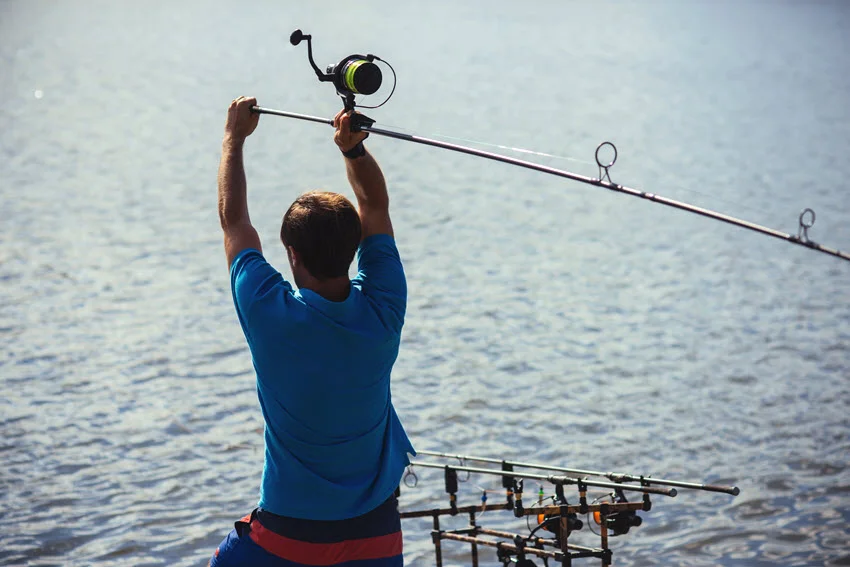
Chumming can help in some situations, especially around pilings, but it is not as commonly used as direct bait presentations. Scrape barnacles from pilings or crush oyster shells to create a scent trail for the fish.
When chumming for Sheepshead, it's a good idea to maintain a steady supply to keep the fish curious and focused on your area. A mesh bag for your chum will help you achieve this by providing a steady supply of the lure.
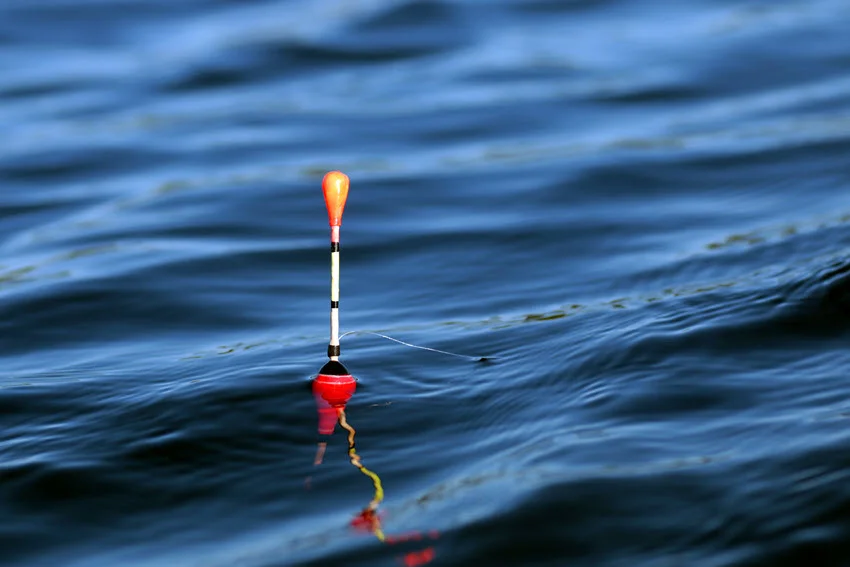
Float fishing is not often used but is very effective, especially when fishing near docks or other areas with limited depth. This is because float fishing allows you to set your bait at a certain depth by using a float.
Adjust the float to the appropriate depth based on the Sheepshead's feeding habits. This is a very effective method when the Sheepshead are suspended and not feeding on the bottom.
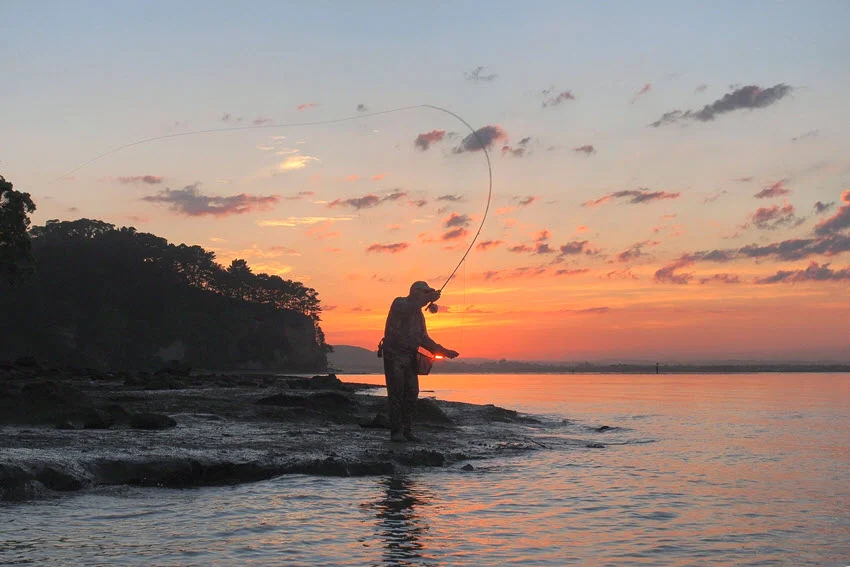
Fly fishing for Sheepshead is a very challenging and thrilling experience, and is considered one of the most demanding ways to target them. The Sheepshead is very cautious, has good eyesight, and is hard to trick with a fly.
To successfully catch Sheepshead with a fly, use a slow, steady retrieve to allow the fly to sink and drift naturally close to the structure. It is very important to use the right equipment when catching Sheepshead with a fly.
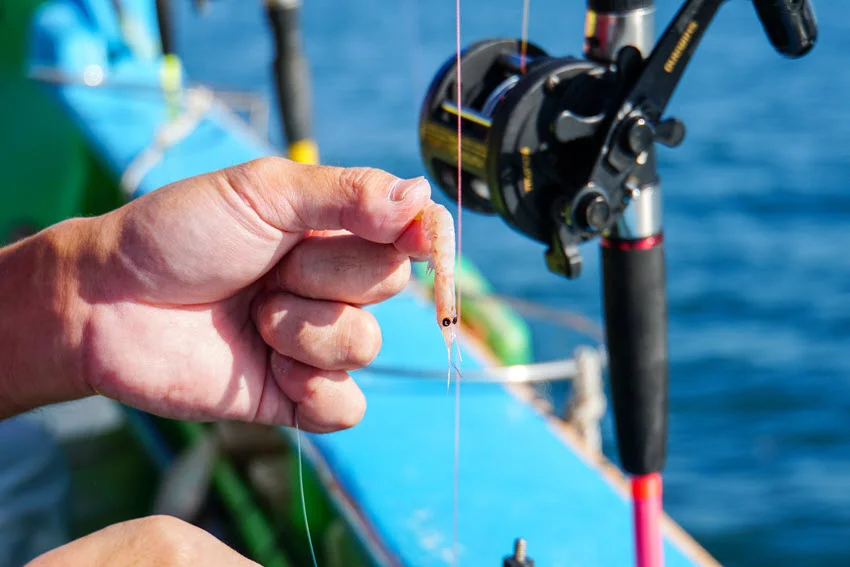
Sheepshead are structure-oriented and very cautious; therefore, it is important to use both live and artificial baits properly to catch them. If the right bait is selected and placed in an area where docks, pilings, jetties, and oyster reefs are located, it could prove to be a highly successful day of fishing.
Small crabs, such as fiddler crabs, can be used as live bait because Sheepshead can easily handle them and break them apart. Sand fleas offer a nice crunchy snack to Sheepshead, and barnacles can be scraped off the pilings and used as chum or as live bait to lure Sheepshead. Shrimp can also be used to attract Sheepshead; cutting them into smaller pieces can increase the chances of getting bites.
Using live bait to lure Sheepshead can be very effective since they feed near the bottom. A light sinker helps keep the bait there without startling the Sheepshead, targeting their preference for crustaceans and mollusks near structures.
Dead bait is a reliable method for catching Sheepshead, especially when live bait is limited or unavailable. Using cut bait, such as shrimp, crab, or clams, attached to the hook is effective if it is placed at the bottom of the water.
When using dead bait, proper positioning is crucial. A small sinker should be used near oyster beds, pilings, or jetties to create movement, which can entice Sheepshead to strike.
Artificial baits provide anglers with an adaptable alternative to catch Sheepshead when live bait is not available. Soft plastic crab and shrimp lures mimic the natural bait of the fish. These artificial baits usually have additional movement or shine to entice the fish. Small swimbaits and jig heads can be very effective when used near oyster bars or pilings.
When using artificial baits to catch Sheepshead, the equipment must be kept as light as possible. The Sheepshead is a wary fish that is easily scared off. Use light but abrasion-resistant leaders, typically 15 to 25-lb fluorocarbon, to handle barnacle-covered structure. Careful use of artificial bait will allow the target to inspect it without feeling any unnatural tension or resistance.
Color selection is another factor that can greatly contribute to the success of your Sheepshead fishing. For example, white, tan, or light brown color schemes tend to resemble the color of crustaceans or baitfish that Sheepshead eat. A little sparkle or shine is always good in clear or slightly murky water.
When choosing a lure color for Sheepshead fishing, consider the environment. In clear water, natural colors tend to work well, while brighter colors work well in darker or shadowy areas of pilings or oyster reefs. The lure needs to be appealing and resemble something real.
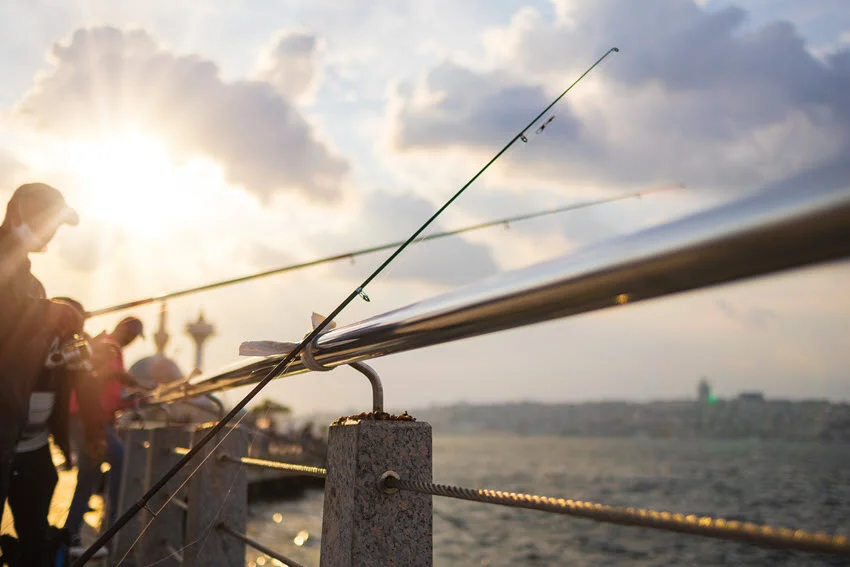
Having the right gear is essential for a successful day of Sheepshead fishing. It is necessary to present your bait naturally, handle your catch properly, and minimize your losses when they suddenly dart off structure with your tackle in tow. Having the right rods, lines, hooks, and leaders is a must when it comes to a successful day of Sheepshead fishing.
When fishing for smaller Sheepshead, use light tackle. Using a 10 to 15-lb test is more common around structure, even when targeting smaller fish. A hook size ranging from No. 2 to 1/0 is advantageous because it allows the fish to take your bait naturally, without resistance.
Light tackle improves bite detection, but apply steady pressure to keep fish away from sharp structure. Using a light sinker also ensures your bait gets to the bottom while moving naturally.
For the larger Sheepshead, slightly heavier tackle is necessary. A line of 10 to 15-lb is commonly used to provide the extra strength needed to withstand the more aggressive runs of the Sheepshead without snapping.
A heavy hook, preferably at least 2x or heavier, prevents the straightening of the hook against the tough mouth of the Sheepshead. Slightly heavier fluorocarbon leaders and the right sinkers allow the bait to stay close to the bottom while maintaining control over the fish.

Understanding fishing regulations and preserving specific fish species contributes to protecting fish populations and ecosystems and promoting responsible angling practices.
Anglers Booking Team
The regulations may vary from state to state, as well as the fishing zones. Some of the important facts regarding the licenses and regulations for Sheepshead fishing in the United States are as follows:
It is recommended to visit the state website for the latest regulations to avoid missing any related information.
Sheepshead are a very unique and challenging type of fish to catch, but they are well worth the time and effort it takes to learn about them, their likes, and their dislikes. From the type and style of bait and equipment to use to where and when to do your Sheepshead fishing, the key to having a very successful and enjoyable day of Sheepshead fishing is being prepared.
We'd love to hear from you! What is your favorite place to go Sheepshead fishing? What type of bait do you think works best? Have you ever tried your hand at fly fishing for Sheepshead? We'd love to hear your thoughts about this unique species!

The expert copywriters at Anglers Booking have meticulously crafted this article. Our dedicated team of writers provides valuable insights and information to enhance your angling experience.

November 21, 2025

April 7, 2025
Subscribe to our newsletter and receive a selection of cool articles every week.
Embark on unforgettable fishing adventures with us at Anglers Booking.
book your charter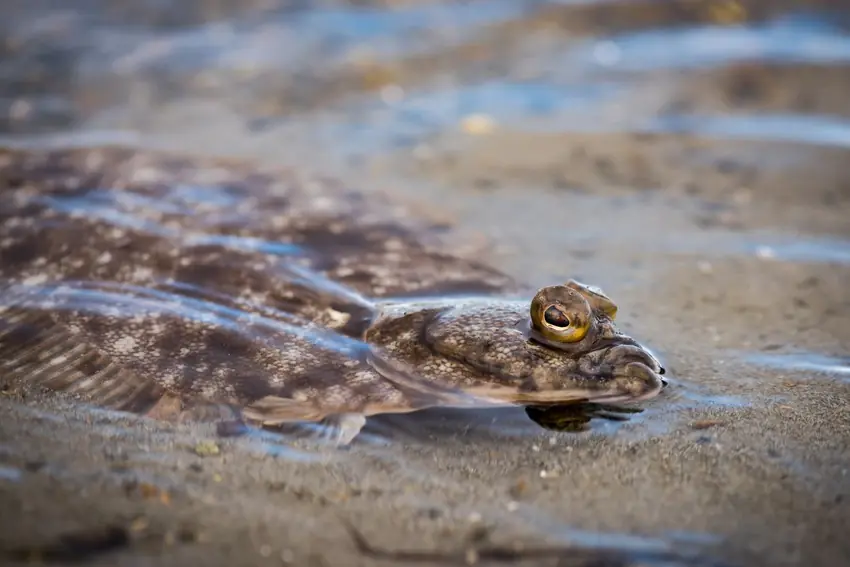
October 2, 2026
September 8, 2026
August 21, 2026
August 18, 2026
August 15, 2026
August 12, 2026
August 8, 2026
August 4, 2026

You're now part of our exclusive community. Get ready for premium content and updates straight to your inbox.
close
Subscribe to our newsletter and receive a selection of cool articles every week.
Please enter a valid email address.
Be the first to know when we're back in action.
Please enter a valid email address.
Leave a Comment
Your email address will not be published. Required fields are marked *
Thank you for your comment! It has been submitted for review and will appear on the site shortly.