


Anglers Booking Team
The expert copywriters at Anglers Booking have meticulously crafted this article. Our dedicated team of writers provides valuable insights and information to enhance your angling experience.
 10 minutes read
Spanish Mackerel are fun to catch. They are fast, strong, and often travel in large schools. For many anglers, targeting Spanish Mackerel is a favorite way to spend a day on the water.
They swim in warm coastal waters and show up around beaches, piers, inlets, and nearshore reefs. When bait is present, the action can happen fast and sometimes right within casting range. They are also easy to spot when they push baitfish to the surface.
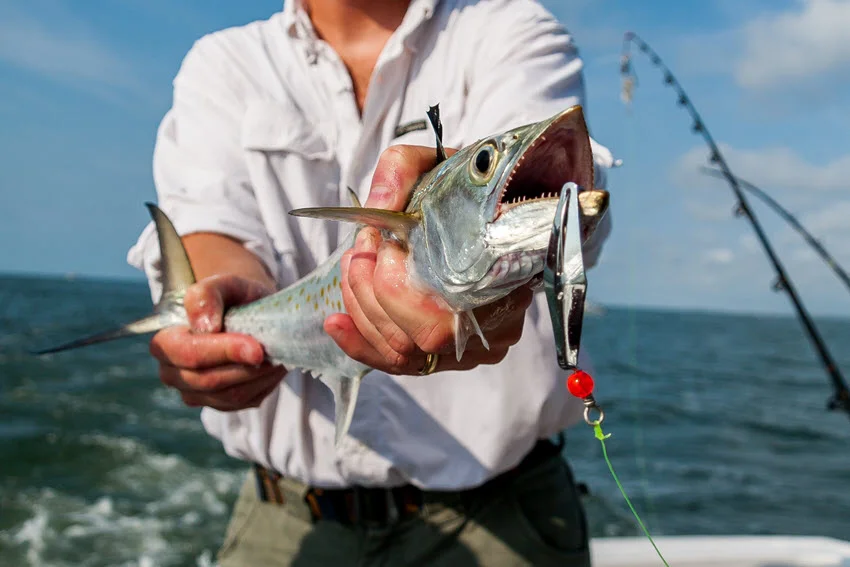
These fish hit hard and fight well, but you do not need expensive gear to catch them. A light spinning setup, a fast-moving lure, and a bit of local knowledge go a long way. With the right technique and timing, you can land fish after fish and enjoy one of the most exciting saltwater species to target.
This guide covers everything you need to know, including where and when to fish, gear tips, proven tactics, bait recommendations, and current regulations. Whether you are planning your first Spanish Mackerel trip or refining your game, you will find all the essentials right here.
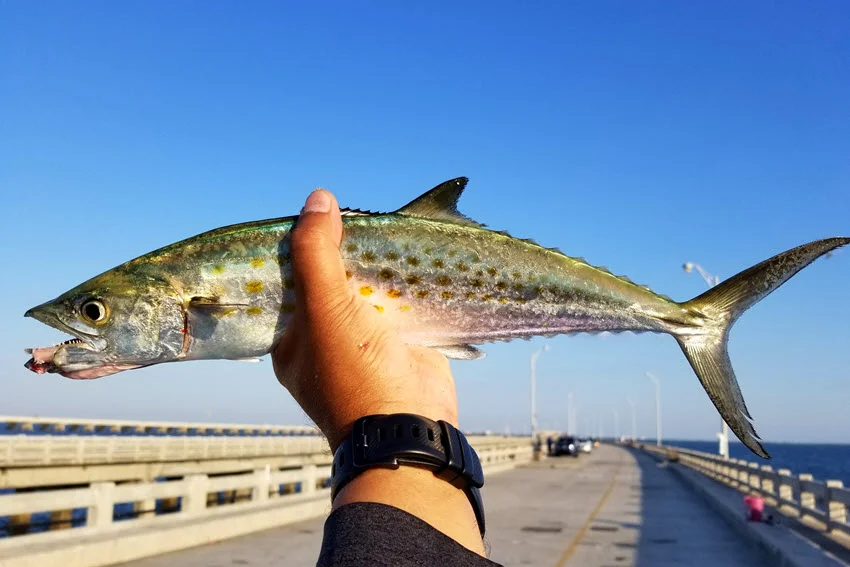
Spanish Mackerel are medium-sized fish. Most are 14 to 18 inches long and weigh between 1 and 3 pounds. They grow quickly but don't live long. Most live for 3 to 5 years, but in ideal conditions, they may live a little longer. They are easily recognized by their yellow spots.
These fish inhabit warm, coastal waters and are commonly found near beaches, bays, and piers. Water temperature between 68°F and 85°F is ideal for Spanish Mackerel. Most stay in the top 10 to 40 feet of water. In hot weather, they may go deeper. These fish often follow schools of baitfish.
Spanish Mackerel eat other sea animals. They are fast and hunt in groups. They eat small fish, such as sardines and anchovies, as well as shrimp and squid. They feed during the day, especially in the morning and late afternoon.
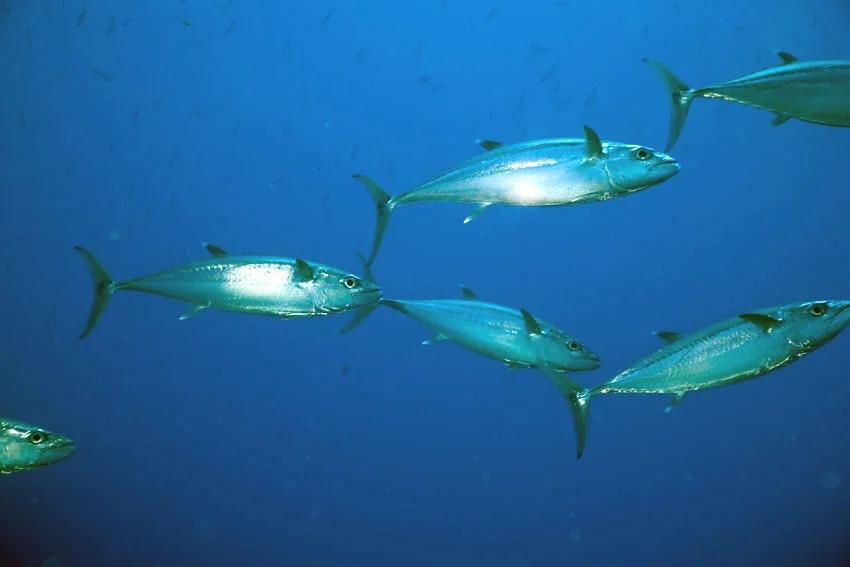
You can catch Spanish Mackerel most of the year, but certain windows are better than others. They are highly active, and their behavior changes with the season, time of day, and water conditions. Below, we will break down the best seasons, the best times of day, and how tides affect the bite.
Spring and fall are the best seasons for Spanish Mackerel. In spring, they begin their migration and move closer to the coast. In the fall, they move back south. These are times when the water is not too hot or too cold, and the fish are very active.
In the summer, Spanish Mackerel are still present, but if the water becomes too warm, they may move deeper or remain near cooler areas with a high concentration of baitfish. You can still catch them, especially in the morning or evening.
In winter, fishing slows down in some areas, especially farther north. However, in warmer states like Florida, the Spanish Mackerel bite can be excellent throughout the winter.
The best times to fish are early morning and late afternoon when the light is softer, and the fish feel safer. This is when Spanish Mackerel feed the most and chase small baitfish near the surface.
Fishing in the middle of the day can also be effective, but fish may tend to go deeper. Use planers or heavier lures to reach them. On cloudy days, fish may stay near the top even in the afternoon.
Night fishing is not common for Spanish Mackerel. These fish hunt best when they can see the flash of bait in the water. Morning and late afternoon are the primary windows, but midday can still be productive when fish drop deeper, and the water stays clear.
Tides are significant for Spanish Mackerel. Moving water attracts baitfish, which in turn attract the Spanish Mackerel. Fish around tide changes, just before or after high or low tide.
When the tide is strong, fish use the current to their advantage in hunting. You can cast into the current or drift with it. In calm water, fish may be slower and harder to find. Use smaller or slower lures in these times.
If the water is muddy after a storm, Spanish Mackerel may move to clearer water. Look for areas where clean water meets dirty water. That edge often holds fish.
Spanish Mackerel move a lot and follow small fish. You can catch them from the beach, pier, or boat. If you fish in the right place at the right time, you have a good chance of catching many.
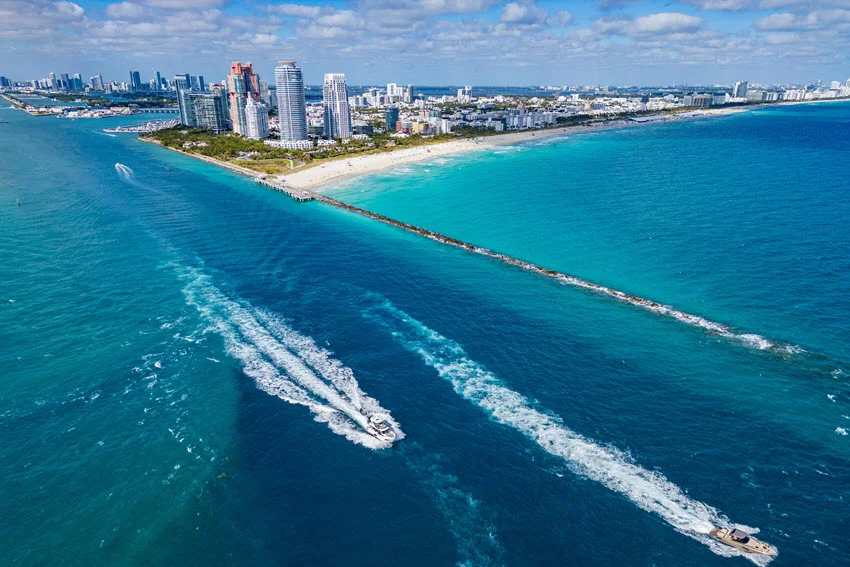
Miami is a great place to catch Spanish Mackerel. You can fish in Biscayne Bay or along the coast. The water is warm and full of baitfish. The fish often swim close to the surface, making them easy to spot.
The best fishing in this area is often from winter through early spring. During this period, big schools of Spanish Mackerel pass through the region, and the fish feed in the morning and late in the day. Most people use light rods and small shiny lures. The action is fast and fun.
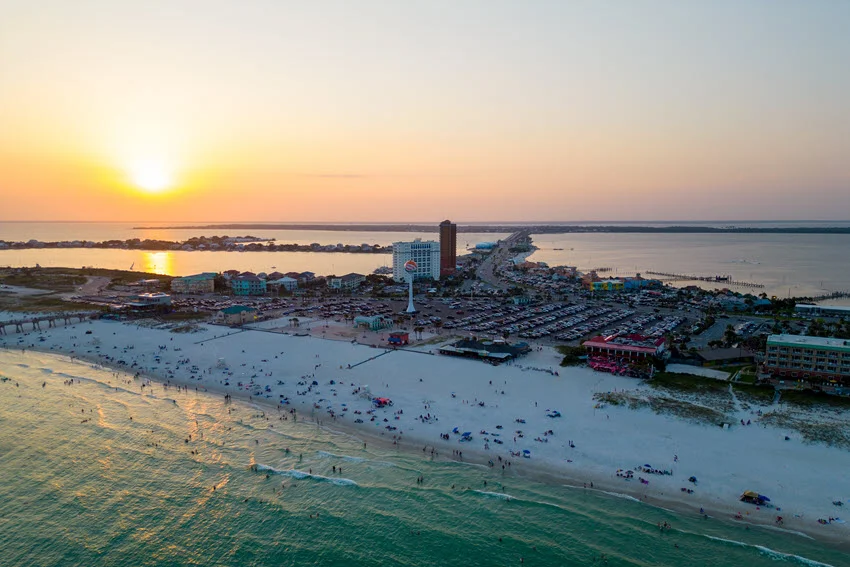
Pensacola fishing offers excellent conditions for Spanish Mackerel fishing. It is a favorite destination for many anglers along the Gulf Coast. The area offers nearshore reefs, piers, jetties, and artificial structures that attract schools of baitfish.
The best times for fishing are in early spring and fall. During this period, water temperatures are moderate, and the fish are most active near the surface. Summer months can also be productive, especially in the early morning or late evening, when fish come up to feed. Trolling with spoons or casting from piers with fast-moving lures are popular techniques in this region.
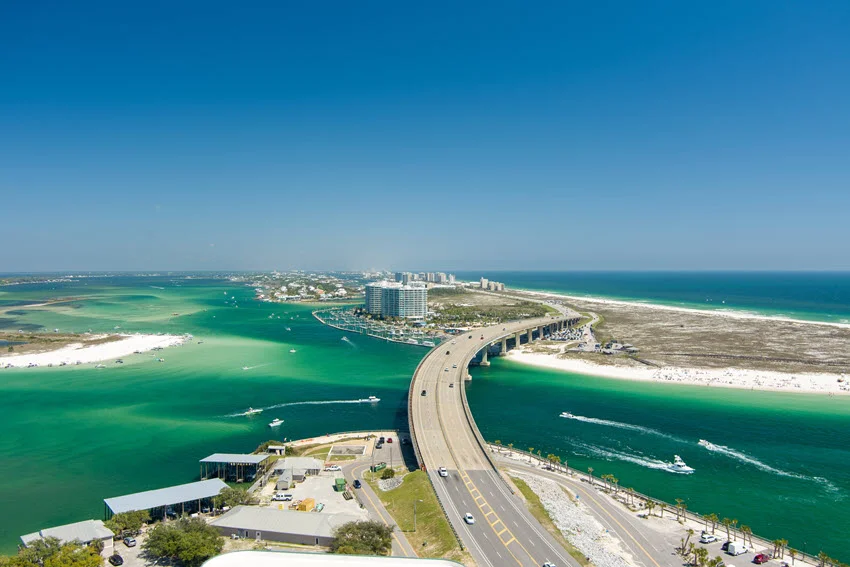
Spanish Mackerel are common in the Gulf near Orange Beach. Many people fish just off the shore or near the jetties. The water is warm, and the fish are close to the surface.
The best fishing is often from late spring through early fall. During the summer months, action can be especially strong when bait is abundant, and fish stay active near the surface. Spanish Mackerel follow bait schools and strike fast. Both trolling and casting work well during this period, and boats often see great action in these months.
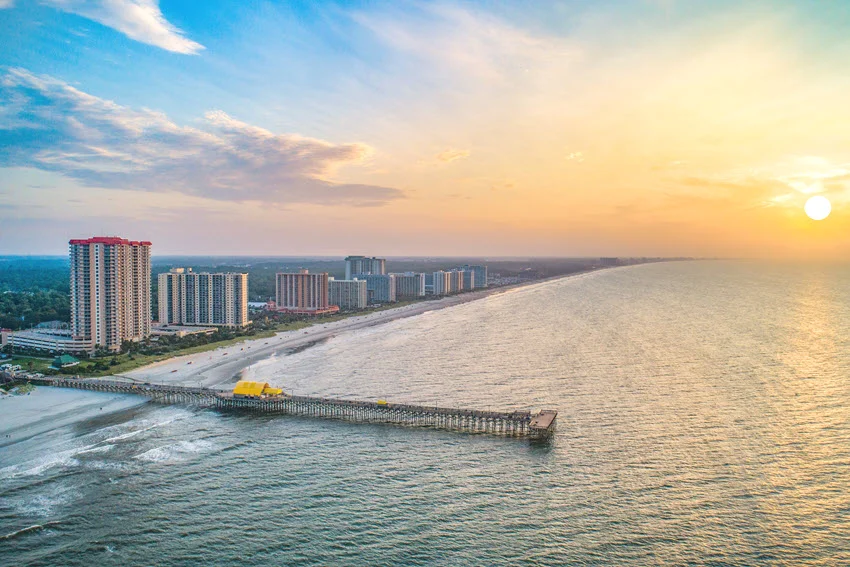
An excellent spot during the Spanish Mackerel migration when the fish move along the coast and stay close to shore. You can fish from the beach or the pier.
The prime period is from July to October, when the fish arrive in large numbers. They feed early and late in the day. Try using fast-moving lures. Watch for birds above the water, which means fish are below.
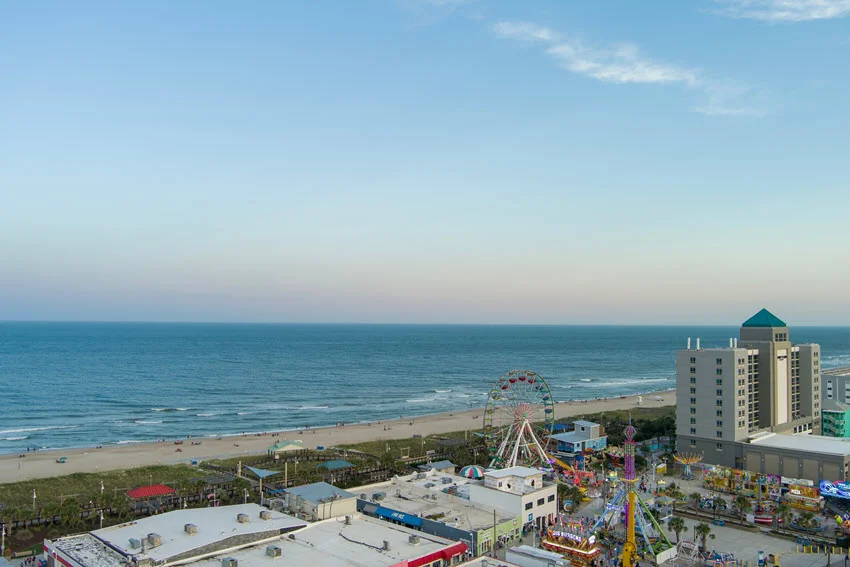
Carolina Beach is a great place to fish for Spanish Mackerel. At this location, fish are often found close to shore, near wrecks and reefs.
From June to September is the best fishing period here, when the water is warm and teeming with baitfish. Spanish Mackerel move fast and strike quickly. Most anglers use spoons or jigs to catch Spanish Mackerel at Carolina Beach. Early in the day is the best time for successful fishing here.
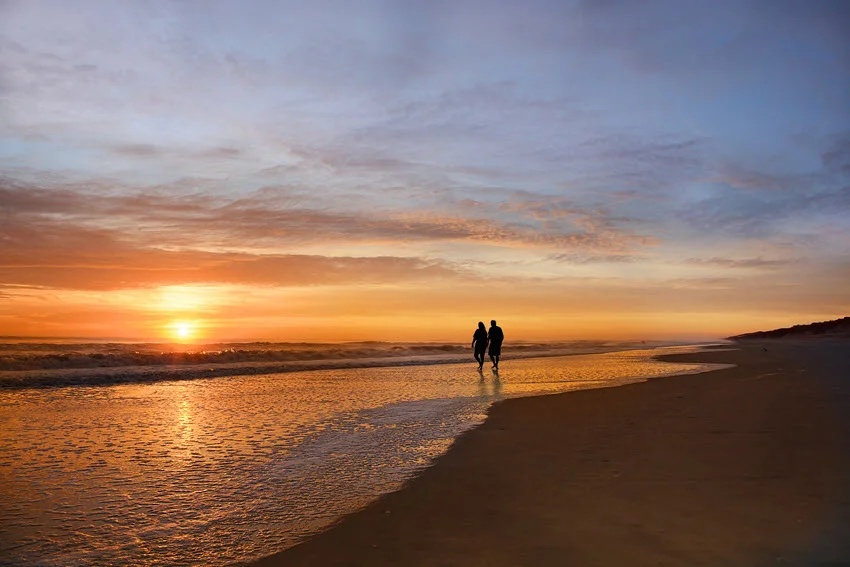
The Outer Banks is a renowned coastal area famous for its strong currents and deep channels. The powerful currents help concentrate baitfish, which in turn attract schools of Spanish Mackerel hunting for food. Anglers in this region often rely on trolling techniques.
The prime fishing season here runs from May through October. Both boat anglers and those fishing from piers or shorelines have good opportunities to catch Spanish Mackerel here. The combination of diverse fishing spots, strong water movement, and predictable seasonal activity makes the Outer Banks a top choice for anglers targeting Spanish Mackerel.
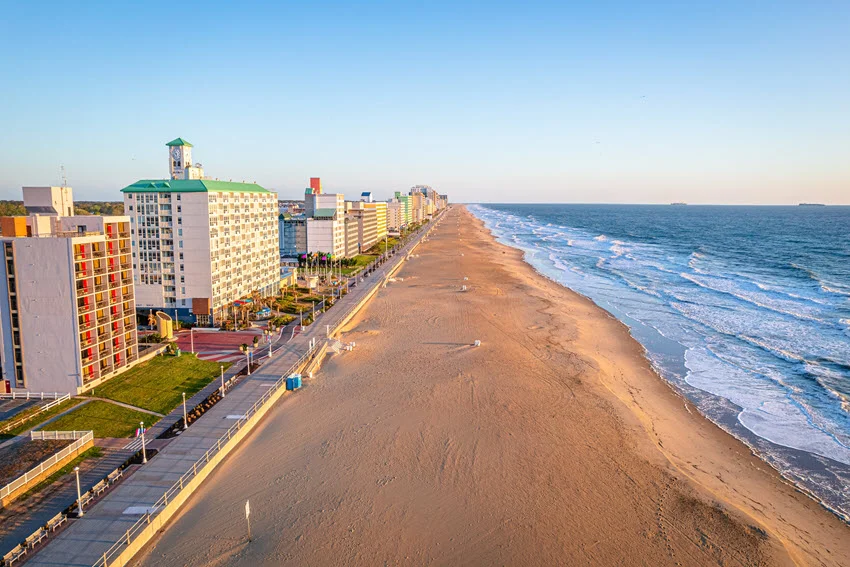
Spanish Mackerel reach this area during their migration north. The fishing season is shorter. However, action is still good. These waters offer both inshore and nearshore opportunities. On calm days, schools can be seen breaking the surface as they chase baitfish. Trolling small spoons or casting jigs works well.
The prime season is from June to October, when the fish stay near the surface and follow the bait. Morning is the best time to go. Anglers fish from boats in the bay or just offshore.
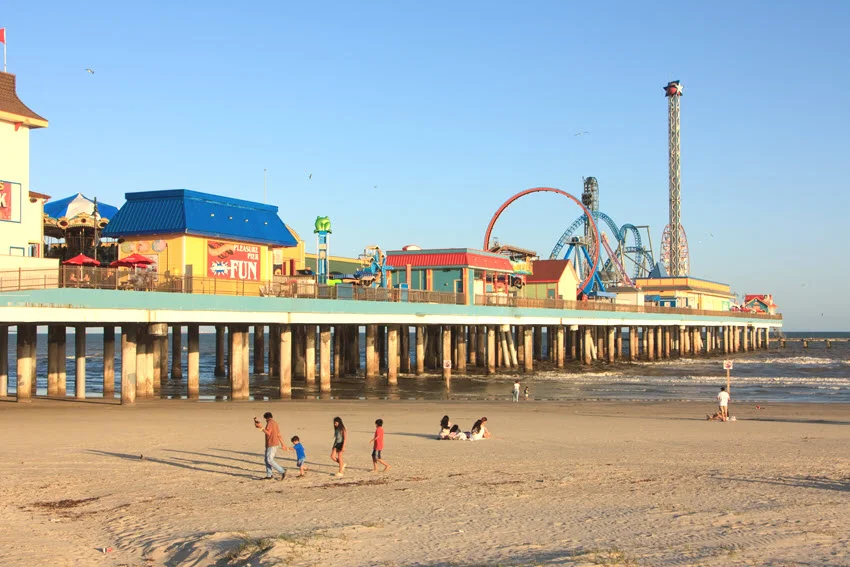
Galveston is widely recognized as one of the top spots for Spanish Mackerel fishing in the Gulf of Mexico. The area offers a unique combination of natural and artificial structures. The clear, warm waters provide an ideal environment for these fast and aggressive fish.
The prime fishing season in Galveston runs from May to September. During this period, water temperatures are at their warmest, and baitfish are abundant. Anglers typically use trolling with shiny spoons or fast-moving lures to imitate baitfish and trigger strikes. Casting from the shore or boats is also effective, especially near structures where fish congregate.
Spanish Mackerel can be caught in different ways. The best technique depends on where you fish and what gear you have. These fish are fast and enjoy chasing bait. Using light gear and quick lures is most effective.
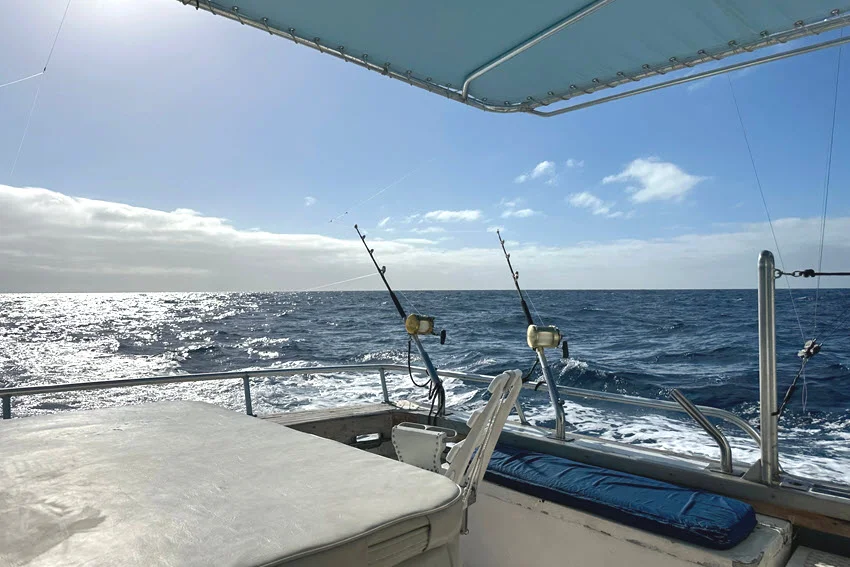
Trolling is the most common method for catching Spanish Mackerel. You drag shiny spoons or small lures behind a moving boat. The boat speed should be about 5 to 7 mph. Use diving planers to keep lures deeper in the water, which helps reach where the fish swim. Try trolling near schools of baitfish and adjust your speed and lure color if you don't get any bites.
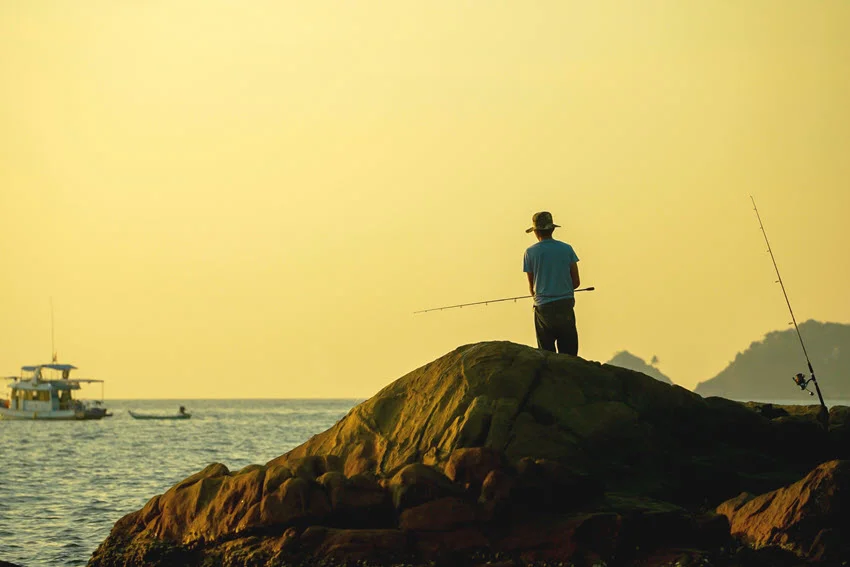
Casting is fun. It works well if you fish near the shore or on a boat. Use a light spinning rod and a small lure or jig. Cast far and retrieve the lure fast. Spanish Mackerel like fast-moving bait. You can also try jigging by letting the lure sink a little and then lifting it quickly. Cast near piers, reefs, or where you see baitfish.
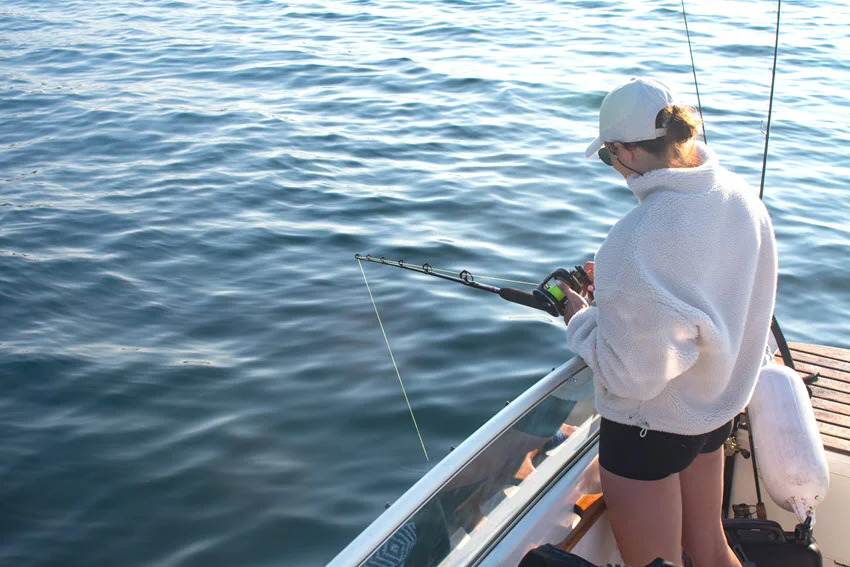
Jigging is especially productive when fishing from boats over deeper water or near reefs. This method involves dropping a jig lure vertically into the water and then quickly lifting and dropping the rod tip to make the lure dart up and down. Spanish Mackerel are attracted to the sudden movements and flashes of the jig. Use lightweight metal jigs in silver colors to imitate small baitfish.
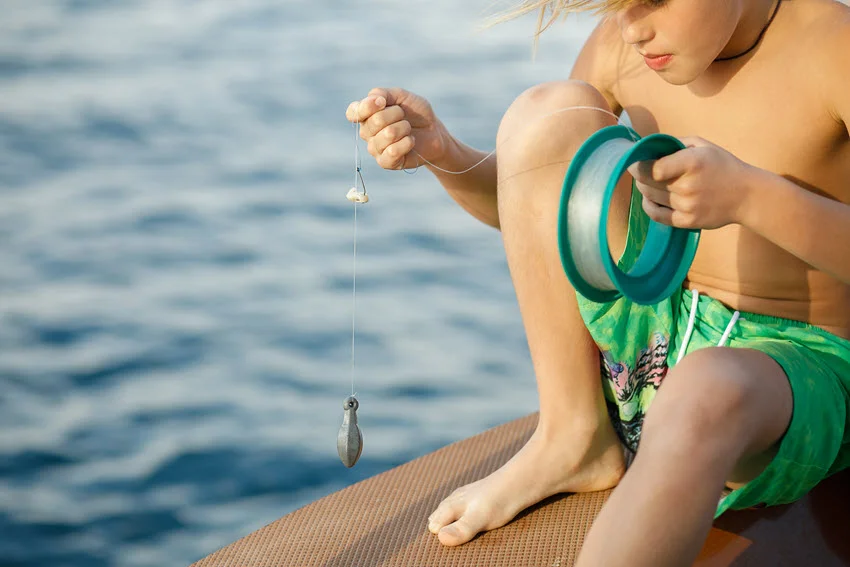
Chumming refers to the practice of throwing small pieces of bait into the water to attract fish. This should bring Spanish Mackerel closer to your boat. Use small pieces of fish or fish oils. When fish come close, start casting or trolling your lure into the school. Chumming is most effective in Florida, where fish tend to congregate near the surface.
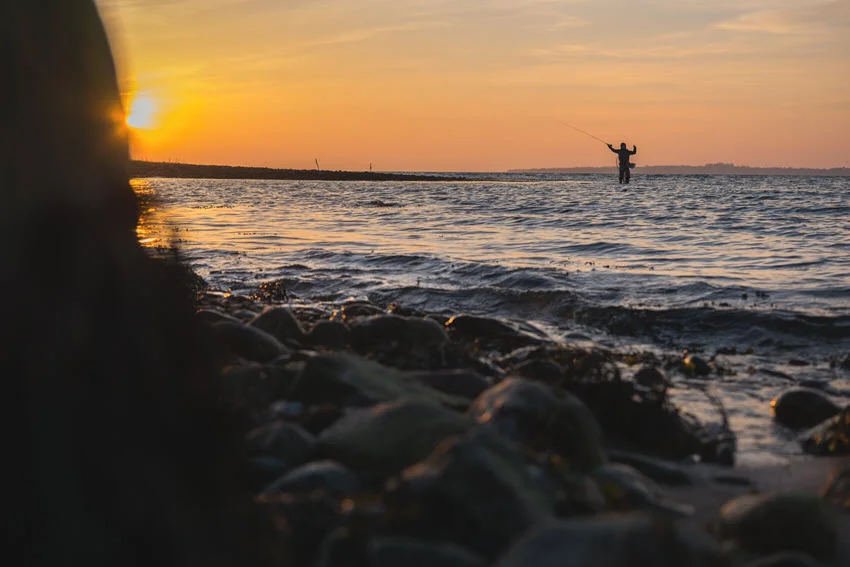
Fly fishing for Spanish Mackerel is possible, but harder. You need special gear and practice. Use small, shiny flies that look like minnows or shrimp, cast near schools of baitfish or where birds are feeding. Keep your line tight and be ready for fast strikes. This method is fun for anglers who want a challenge.
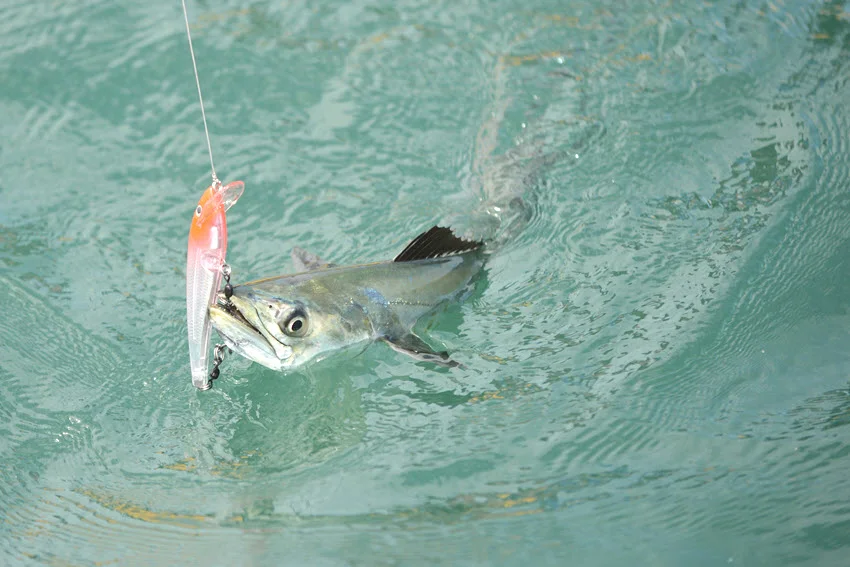
You can use live bait to catch Spanish Mackerel, and artificial lures can be just as effective. What matters most is matching the local bait and fishing it at the right depth and speed. Using the right bait and working it correctly is crucial for consistent bites.
Live bait moves naturally. It has the smell and feel that fish like. Spanish Mackerel eat small live fish, such as minnows and glass minnows. Small shrimp and cut bait pieces also work well. Live bait is most effective when the fish are feeding near the surface.
Artificial lures are popular for catching Spanish Mackerel. Small spoons in gold or silver colors are very effective. You can also use small jigs and metal casting lures. They flash in the water. This way, they attract Spanish Mackerel. Use fast retrieval to match the fish's quick movement.
Dead baits can also be used to catch this species of fish. They could be productive when fish are less active. Also, it is often used in cooler water. Pieces of dead fish, like sardines or squid, work well. Dead baits give off a strong scent. That attracts Spanish Mackerel even from a distance. They are usually fished near the bottom or mid-water using anchored techniques.
At first glance, it doesn't look important, but the color of the lure has an impact on fish success. In clear water, use silver, gold, or natural colors. These look like real baitfish. In cloudy water, try bright colors like chartreuse or red. Bright colors help fish see the lure better. Match the size of your lure to the baitfish in the area. Small lures work best when fish feed on tiny bait.
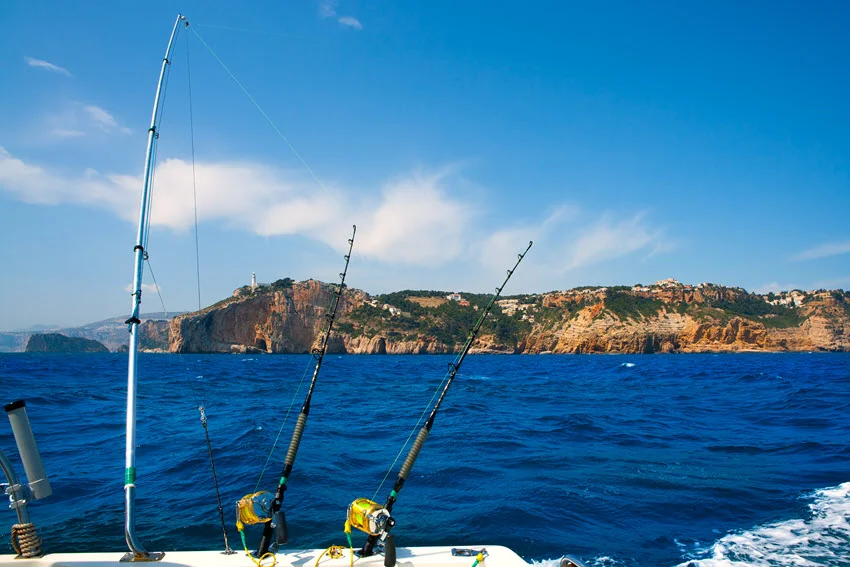
These fish are fast and have sharp teeth. You need gear that is strong enough to handle quick runs, but still light and easy to fish all day.
For smaller Spanish Mackerel, use a medium-light spinning rod that is 7 to 8.5 feet long. Pair it with a 3000 to 5000-size spinning reel. Use a braided line with a test weight of 10 to 15 pounds. Add a fluorocarbon leader that is several feet long.
Spanish Mackerel have sharp teeth and keen eyesight. A fluorocarbon leader helps because it is nearly invisible in the water, which can increase bites. Be prepared to lose a few lures to their teeth. If bite-offs are constant, add a short, light wire trace. Use small spoons or jigs in gold or silver colors.
Though Spanish Mackerel are relatively small, when trolling, you may want medium-to-heavy tackle, which helps pull a No. 1 or No. 2 diving planer. Attach the planer to your main line with a swivel. Then attach your leader using a ball-bearing swivel. The ball-bearing swivel helps stop your line from twisting.
Use a braided main line with a test weight of 20 to 30 pounds. Leaders can be 15 to 20 feet long and use 30-pound-test fluorocarbon. Many anglers use 2 to 3-inch spoons in gold or silver. Some add bright prismatic tape in red or chartreuse to attract more fish.
Understanding fishing regulations and preserving specific fish species contributes to protecting fish populations and ecosystems and promoting responsible angling practices.
Anglers Booking Team
Spanish Mackerel fishing is managed by state and local wildlife and fishery agencies. These rules help maintain a healthy fish population. They can be different depending on where you fish. Always check the local laws before you go.
Good anglers follow the rules and treat fish with care. Use proper gear and handle fish gently to avoid injury. If you catch more than you need, release the extra fish quickly and carefully.
Spanish Mackerel fishing is exciting and fun. These fish are fast, strong, and offer a great fight. With the right gear and techniques, even beginners can enjoy success. Knowing where and when to fish, as well as what bait or lure to use, makes a significant difference in your success.
Always follow local rules and regulations. They help protect the fish and keep the sport sustainable for years to come. Respect the environment and the fish you catch. That way, Spanish Mackerel fishing is a great experience for everyone. Now you are ready to put this into action on your next trip.
Have you fished for Spanish Mackerel? Did you have success? Which locations do you prefer? Share your answers below.

The expert copywriters at Anglers Booking have meticulously crafted this article. Our dedicated team of writers provides valuable insights and information to enhance your angling experience.

May 2, 2025

February 15, 2026
Subscribe to our newsletter and receive a selection of cool articles every week.
Embark on unforgettable fishing adventures with us at Anglers Booking.
book your charter
September 8, 2026
August 21, 2026
August 18, 2026
August 15, 2026
August 12, 2026
August 8, 2026
August 4, 2026
April 17, 2026

You're now part of our exclusive community. Get ready for premium content and updates straight to your inbox.
close
Subscribe to our newsletter and receive a selection of cool articles every week.
Please enter a valid email address.
Be the first to know when we're back in action.
Please enter a valid email address.
Leave a Comment
Your email address will not be published. Required fields are marked *
Thank you for your comment! It has been submitted for review and will appear on the site shortly.