


Anglers Booking Team
The expert copywriters at Anglers Booking have meticulously crafted this article. Our dedicated team of writers provides valuable insights and information to enhance your angling experience.
 10 minutes read
Catfish fishing is one of the most rewarding types of freshwater fishing in the United States. Catfish are hardy, aggressive feeders. They swim in rivers, lakes, ponds, and reservoirs across the country. With more than 3,000 species worldwide and several common types in North America, there's always a chance of action no matter where you fish.
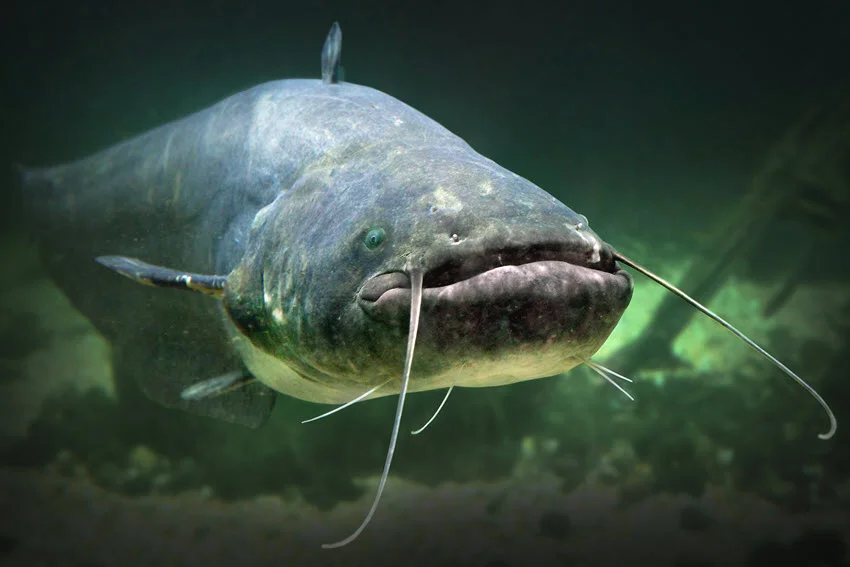
This guide breaks down Catfish fishing from start to finish, covering proven baits, effective techniques, and practical gear tips you can put to work right away. You will also learn where Catfish hold in different types of water, how to adjust for season and light conditions, and what to focus on when you want better bites and bigger fish.
In this section, we introduce you to the popular species of Catfish. Each has its own unique behavior, size range, and feeding habits. Some species are widespread and well-known. They are Flathead Catfish, Blue Catfish, and Channel Catfish. In addition, some species are less widespread. Let's explore each species in more detail.

Flathead Catfish can grow to impressive sizes, reaching lengths of 24 to 46 inches. Their weight is from 15 to 40 pounds. Trophy specimens can exceed 50 inches in length and weigh over 100 pounds. They have a distinctive flattened head and a long, muscular body. Flatheads can live over 20 years.
The best time to fish for Flathead Catfish is late spring through early fall, especially from May to September, at depths of 10 to 30 feet.
Flathead Catfish are solitary ambush predators that mainly feed at night. They prefer live prey over dead bait, including Bluegill, Shad, and Sunfish.

Blue Catfish are the giants of the Catfish world. Standard lengths range from 24 to 48 inches, and many weigh between 20 and 60 pounds. Large individuals can exceed 100 pounds. Blue Catfish have a blue-gray body with a deeply forked tail. They can live up to 25 years in the wild.
They are most active in spring and early summer, particularly from April through July. During warmer months, Blue Catfish typically stay at depths of 15 to 50 feet. In winter, they often gather in deep channels and holes along major river systems.
Blue Catfish eat fish like Shad, Herring, and Carp, as well as Crayfish, Mussels, and aquatic insects. They also scavenge for dead or injured prey. They often school or gather around bait and current breaks.

Channel Catfish are smaller, averaging 16 to 24 inches in length and weighing between 2 and 10 pounds. Larger fish can reach 40 inches and weigh between 30 and 40 pounds, although this is less common. These fish have a forked tail and a spotted body and live for around 15 to 20 years.
They are most commonly caught during warmer months, particularly from May to August. Channel Catfish are highly adaptable and can thrive in lakes, rivers, reservoirs, and even smaller ponds. They prefer water depths of 5 to 20 feet.
Channel Catfish are omnivores. Their diet includes fish, insects, crustaceans, aquatic vegetation, and even small amphibians. They are well known for their strong sense of smell.

Bullhead Catfish grows up to 8 to 24 inches in length. They can weigh up to 6 pounds. However, most catches are between 1 and 3 pounds. They have broad, flattened heads. These fish swim in shallow waters with slow-moving currents. Their lifespan ranges from 5 to 10 years.
The best time to target Bullhead Catfish is during the warmer months. They are most active in the evening hours, but night fishing is often just as productive. They are commonly found at depths ranging from 3 to 15 feet, near the shoreline.
Bullhead Catfish consume a wide variety of food. Their diet includes insects, worms, small fish, and even Crayfish.

White Catfish are between 12 and 24 inches in length. Their weights reach up to 10 pounds. However, most catches are between 2 and 6 pounds. They have smooth, silver-white bodies. These fish inhabit slow-moving rivers, lakes, and ponds. White Catfish live for around 8 to 12 years.
Late spring and summer are the best times to catch this fish. During this period, they become more active. These fish prefer warm, shallow waters. Most often, they can be found at depths from 5 to 20 feet.
White Catfish are bottom feeders. The best Catfish bait includes small fish, worms, and insects. They are excellent targets for bottom fishing, especially with live or cut bait.

Wels Catfish is one of the largest species, a giant Catfish found in Europe and parts of Asia. It is not native to the United States, but it is a well-known international trophy species that can reach 8 to 9 feet and push into the 200 to 300-pound range. They can live for more than 30 years.
The best time to target Wels Catfish is during the warmer months, especially in late spring and summer. They swim in deep, slow-moving waters at depths ranging from 10 to 50 feet. Most often, they are near submerged structures, fallen trees, or along riverbeds. Night fishing is especially productive.
Wels Catfish are voracious carnivores. Their diet includes fish such as Roach, Bream, and Perch, as well as frogs, Crayfish, and occasionally birds or small mammals. They are often targeted using large live baits, such as whole fish, chunks of meat, or live baitfish.

Timing your trip correctly can significantly improve your Catfish fishing success. Understanding the patterns of Catfish behavior throughout the seasons, time of day, and water movement will enhance your chances for successful fishing.
Catfish fishing can be highly dependent on the season. In spring, as water temperatures warm, Catfish become more active. This makes the early spring months an excellent time to target them. During the summer, as water temperatures rise, Catfish move into deeper, cooler waters. This shift can make daytime fishing less effective.
Fishing at night or in early mornings becomes a better strategy. In the fall, as temperatures begin to cool, Catfish become more active again. Winter, however, is a quieter period for Catfish. During this period, their activity slows down in the cold water.
Catfish are nocturnal creatures. They are most active at night. They emerge from their hiding spots to target food in the dark, making night fishing one of the most effective strategies. Evening hours, around dusk and just after dark, are prime time for catching Catfish. However, some species, like the Channel Catfish, may still bite during the day.
Water movement plays a significant role in Catfish behavior. In tidal areas, Catfish tend to feed during rising tides, which bring fresh food sources and more oxygen-rich water into the area. Catfish are attracted to moving water because it stirs up food sources. In rivers or reservoirs, you can also target Catfish in areas where water is flowing into pools or eddies.

Catfish fishing has various prime locations across the United States. Some of them are known for producing trophy-sized catches. Still, Texas and Louisiana are the best places for catching these fish.
The Mississippi River runs through ten states and is one of North America's top Catfish fishing destinations. It's primarily known for its massive Blue Catfish. With deep waters and strong currents, the river provides perfect conditions for big catches. Late spring through early fall is the prime window, with May through October often producing the most consistent action.
The Red River flows through Texas and Arkansas. It is an excellent location for catching Blue and Channel Catfish. The river's natural features, including deep pools and swift currents, provide an ideal environment for Catfish to grow large. Anglers can find productive water from bank spots to boat-only stretches, depending on access. Spring through early fall is usually best, with April through September often producing the most reliable action.
The Sabine River flows along the Texas-Louisiana border. This river is abundant with Blue and Channel Catfish. It offers a range of fishing environments from fast-moving currents to deeper pools. The Sabine River's natural beauty is one of the reasons why it is popular. The best time to fish for Catfish is in the spring and summer months. Prime months are from April to September.
Lake Texoma is on the border of Texas and Oklahoma and is one of the most famous Catfish fishing destinations in the United States. This large reservoir is home to a wide variety of Catfish species. The deep, clear waters of Lake Texoma provide an ideal environment for Catfish to grow to impressive sizes. With over 90,000 acres of water to explore, the lake offers numerous recreation opportunities year-round.
Lake Tawakoni, located in Northeast Texas, is another top destination for targeting Catfish, renowned for its large populations of Blue and Channel Catfish. Its characteristics are deep waters and a variety of submerged structures. The lake includes an abundant fish population. Numerous fishing spots attract numerous anglers from the region. The best months for fishing are from spring to early fall.
Lake Lewisville is situated just north of Dallas and is renowned for its large population of Channel Catfish. This lake also boasts a healthy number of Blue Catfish. The lake is very accessible. It has numerous public boat ramps and shorelines. These are just some of the reasons for its popularity. Lake Lewisville offers year-round opportunities to land large catches.
Grapevine Lake, near the Dallas-Fort Worth area, is home to a healthy population of Channel Catfish. Spring and fall are the best times for catching this fish here. With easy access from the surrounding areas, Grapevine Lake offers a convenient and productive fishing experience.
Lake Livingston, located in East Texas, is renowned for its exceptional Channel Catfish fishing. The lake's large size and diverse fishing environments make it an ideal location for Catfish anglers. Lake Livingston offers a relaxing yet productive fishing experience. The prime fishing season here runs from late spring through early fall. The period from May to October is especially fruitful.
Interesting facts about Toledo Bend Reservoir include that it is one of the largest artificial lakes in the United States. This lake is between Texas and Louisiana. This lake is home to a large population of Catfish. The most common are Blue and Channel Catfish. Toledo Bend offers boat and shore fishing. The best time to fish for Catfish here is from late spring through fall. Peak months are April to September.
Catfish are versatile feeders. Anglers can target them using a wide range of techniques. If you understand which method and strategy are the most effective, you increase your chances of success in fishing. Below are the most effective Catfish fishing techniques.

Still fishing is one of the oldest methods for catching Catfish. It involves anchoring your bait in one spot, typically near the bottom, and waiting for a bite to occur. This technique works well in both lakes and rivers. It is especially effective when using strong-scented baits, such as chicken liver, cut bait, or commercial stink baits.

Drift fishing allows your bait to move naturally with the current or wind. It covers a larger area and spreads scent trails across a wider area. It's especially effective in lakes with light current or large open areas. Anglers often use drift socks or controlled motor speeds to fine-tune their drift. This method is ideal for finding scattered Blue and Channel Catfish.

Jug fishing uses floating containers. Plastic jugs or specialized foam rigs are among them. The jugs are released into the water and left to drift or anchored in place. This passive technique can be highly productive. It is particularly effective in lakes and slow-moving rivers. Anglers monitor the jugs for movement, indicating a hooked fish, and then retrieve them. It's especially popular in southern states. It is often used at night.

Trotlines are long lines with multiple baited hooks attached at intervals and anchored at both ends. This set-it-and-forget-it method allows anglers to target numerous Catfish at once. Trotlines are most effective in larger bodies of water, such as rivers or reservoirs, where regulations permit their use.

Bobber fishing is an excellent option in shallow or weedy waters. Here, Catfish might be suspended off the bottom. A baited hook is suspended beneath a float and drifted or anchored in place, which keeps the bait in the strike zone longer. It is very effective for targeting Channel Catfish. It also offers visual feedback. That fact makes it a fun and engaging technique.

Choosing the right bait or lure is key to consistent Catfish fishing. Different species can prefer different offerings depending on water conditions and what they are feeding on. Catfish rely heavily on smell and taste, so live bait, fresh cut bait, and other scent-driven options often draw bites faster.
When fishing for larger, more aggressive Catfish, it is best to use live baits. Small live Sunfish, such as Bluegills or Green Sunfish, are the best choice for Flathead Catfish. These predators prefer baitfish that move. They trigger their ambush instincts. For Blue Catfish, anglers often use live Threadfin Shad or Gizzard Shad.
Dead baits work particularly well for Channel and Blue Catfish. Dead or cut bait releases strong odors into the water. It is these odors that attract Catfish from a distance. Pieces of Shad, Herring, or Skipjack can be effective. These baits spread scent fast and are easy to use.
Live and cut baits are the dominant choices for Catfish fishing. Still, artificial lures can be surprisingly productive under the right conditions. They could be effective when Catfish are active in shallow or mid-depth water. Scented soft plastics and dough baits, designed explicitly for Catfish, can be rigged similarly to live bait.
Catfish rely more on smell than sight. Still, color plays a role, especially in clear or shallow water. In muddy conditions, dark colors like black or purple create better silhouettes. In clearer water, colors like chartreuse, white, and fluorescent orange can be more effective.

The right gear has a significant impact on the success of Catfish fishing. The size of the Catfish you're targeting will determine the type of gear you should use. Below, we analyze the best gear according to fish size.
When fishing for smaller Catfish species, such as Channel Catfish, a 6-foot medium-power rod works well. It offers enough sensitivity for bite detection. Additionally, it has sufficient strength to handle the fish. A spinning reel with a smooth drag is a reliable option for this setup. Monofilament line in the 12 to 15-pound range is strong enough to handle most fights. Use smaller hooks and basic sliding sinker rigs for best results.
Targeting large Blue or Flathead Catfish requires heavier tackle. A baitcasting reel is the preferred choice for large Blue Catfish and Flathead Catfish. Pair it with a 7-foot medium-heavy rod that has plenty of backbone. These setups provide the power necessary to retrieve fish from deep water. For line, a 20 to 30-lb monofilament is a solid choice.

Understanding fishing regulations and preserving specific fish species contributes to protecting fish populations and ecosystems and promoting responsible angling practices.
Anglers Booking Team
You must be familiar with the regulations related to Catfish fishing. Below, we cover the most important points about it.
You must be legal when fishing. By following the rules, you help protect Catfish populations. And remember that if you do not respect the law, you will also be liable for a fine.
Catfish fishing offers an amazing experience for all anglers. Whether you're targeting the monstrous Blue Catfish or the smaller Channel Catfish, understanding the right time to fish, the best locations, and the proper gear will ensure a successful outing.
And what is your favorite species of Catfish? Have u already had success in Catfish fishing? We are happy to see your answers!

The expert copywriters at Anglers Booking have meticulously crafted this article. Our dedicated team of writers provides valuable insights and information to enhance your angling experience.

November 12, 2024
August 18, 2026
Subscribe to our newsletter and receive a selection of cool articles every week.
Embark on unforgettable fishing adventures with us at Anglers Booking.
book your charter
October 2, 2026
September 8, 2026
August 21, 2026
August 18, 2026
August 15, 2026
August 12, 2026
August 8, 2026
August 4, 2026

You're now part of our exclusive community. Get ready for premium content and updates straight to your inbox.
close
Subscribe to our newsletter and receive a selection of cool articles every week.
Please enter a valid email address.
Be the first to know when we're back in action.
Please enter a valid email address.
Leave a Comment
Your email address will not be published. Required fields are marked *
Thank you for your comment! It has been submitted for review and will appear on the site shortly.