


Anglers Booking Team
The expert copywriters at Anglers Booking have meticulously crafted this article. Our dedicated team of writers provides valuable insights and information to enhance your angling experience.
 10 minutes read
Snook are strong and inhabit warm coastal waters. Many anglers enjoy catching them for their tough fight and high jumps, which make the experience exciting and fun. They are also known as "linesiders" due to the dark lines on their bodies. They are fast, alert, and careful, which makes them challenging to catch but very rewarding to catch.

You can find Snook near mangroves, docks, seawalls, and bridges. They like shallow, calm water with structure. Snook also move into freshwater rivers during certain times of the year. In this guide, you will learn where Snook swim, what bait and lures work best, and how to land one safely. We will also discuss gear, rules, and the best seasons for fishing.
The most well-known and popular Snook is the Common Snook. Many anglers fish for this species because it is a strong and hard-fighting fish. In addition to the Common Snook, we will also cover some lesser-known Snook species.
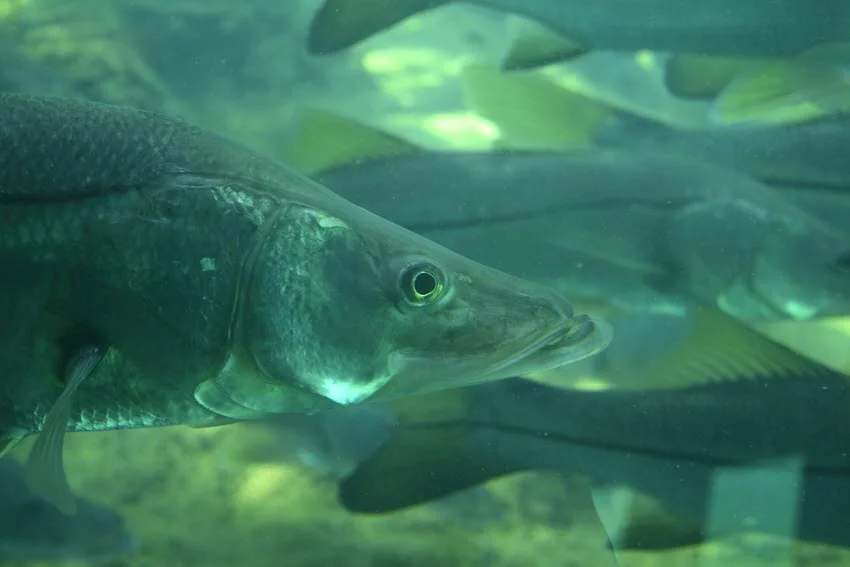
The Common Snook can grow up to 48 inches long and weigh between 10 and 30 pounds. Some large Snook can reach over 40 pounds. Their lifespan ranges from 15 to 21 years.
Common Snook live mostly in shallow coastal waters, from 1 to 30 feet deep, near mangroves, docks, and estuaries. They have a long body and a distinct black line running from the gills to the tail. Their color can be silver or gold with a greenish tint.
They primarily eat small fish, such as pilchards, sardines, and mullet, as well as shrimp and crabs. Snook are ambush predators, waiting quietly before striking fast. Dawn and dusk are the times of day when this fish is most active. These fish are very wary and careful, making them difficult to catch.
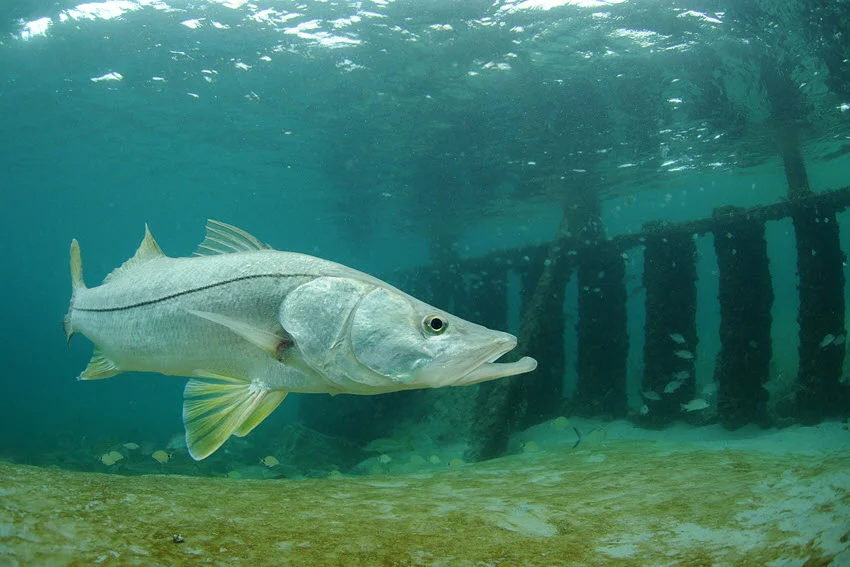
Tarpon Snook is smaller than the Common Snook. It grows to about 22 inches long and weighs about 2 to 4 pounds. Its lifespan is 6 to 8 years.
This species primarily inhabits shallow waters between 2 and 15 feet deep. It prefers estuaries and coastal lagoons. Tarpon Snook has a slender body and has a lighter color with less prominent black lines.
They feed on crustaceans and small fish. They hunt near the surface, catching shrimp and small baitfish. These fish are quick and like to swim in schools. They are suitable for beginners due to their small size.
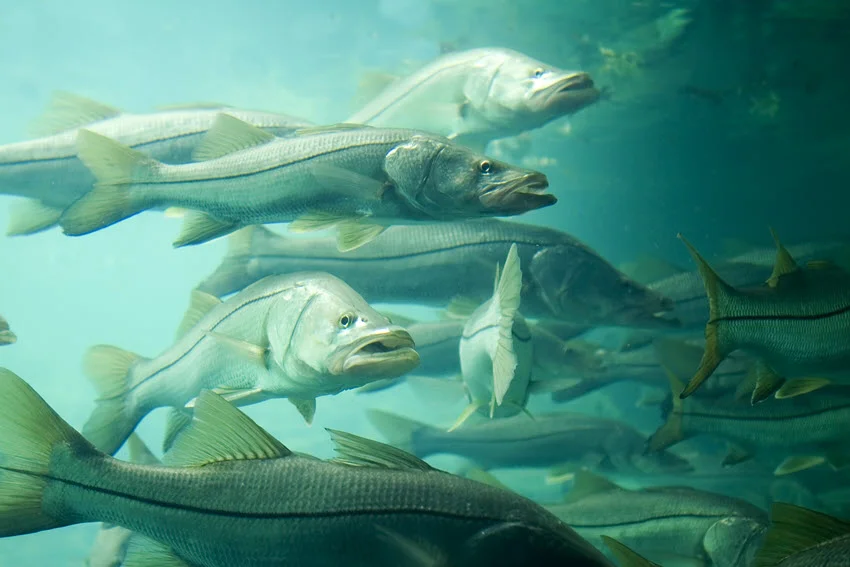
Fat Snook top out at about 24 inches and a few pounds, with larger fish possible in the right water. Their lifespan is usually around 7 to 10 years.
Fat Snook live in shallow coastal waters and estuaries, ranging from 1 to 20 feet deep. They have a deeper, thicker body compared to the Common Snook. Their body color is silvery with faint dark lines.
They eat small fish, shrimp, and crabs. Fat Snook are active hunters, especially during low-light periods, such as dawn and dusk. Intense fight and endurance are characteristic of this fish. They are common in warmer waters and areas with abundant cover.
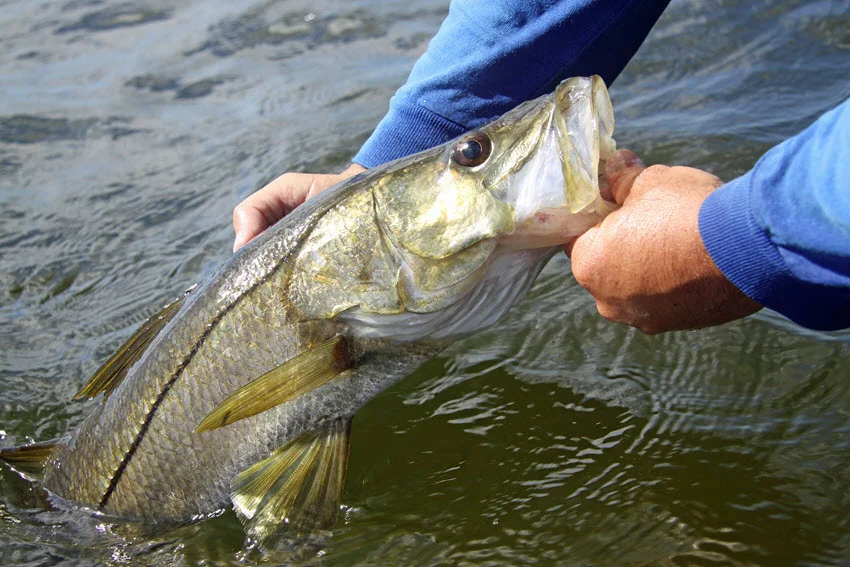
Snook can be caught year-round. Their activity changes with the seasons and water temperature. Below, we look at seasonal patterns, times of day, and water conditions.
Snook are most active from spring to fall. From late spring through early fall, they spawn and often stage around inlets and passes. During summer and fall, they stay near mangroves, docks, and bridges. In winter, Snook move into warmer backwaters, rivers, and canals. In colder months, they slow down and feed less.
For fishing success, you must know which part of the day is the most productive. The early morning is the best time to fish for Snook, but late afternoon is also a good time. Snook feed more when the light is low. Midday fishing is more challenging because Snook tend to avoid bright sunlight. During cloudy days, their feeding is more prolonged.
Snook like water temperatures between 75 and 85°F. They live near mangroves, docks, and estuaries. Tides and water movement are essential for Snook fishing. Incoming tides bring baitfish closer to shore, which attracts Snook to feed.
After storms, Snook may move deeper or seek shelter near structures. Observing where baitfish gather during tides can help locate Snook. This is especially important when considering how to approach fishing after a storm.
If you want to catch Snook, knowing the best places is crucial. Below are some top locations to fish for Snook.
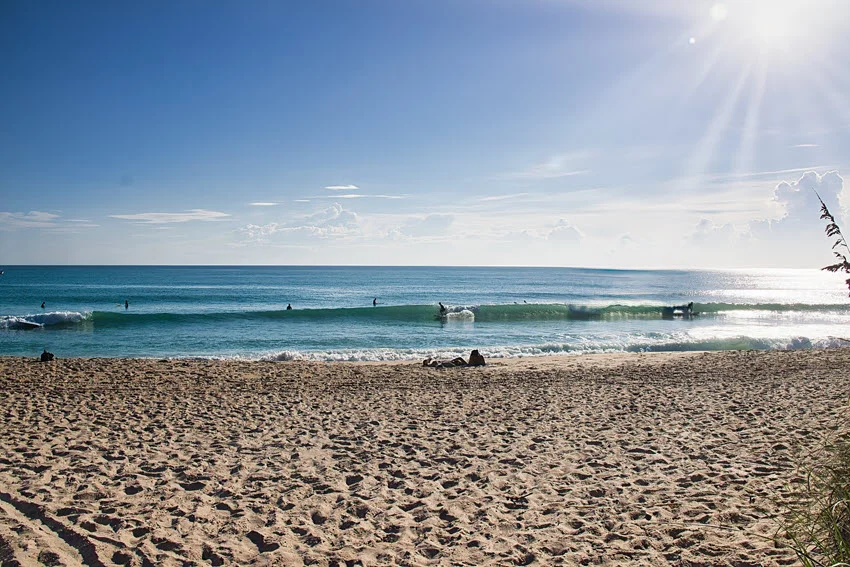
One of the best places in the world to find trophy Snook. Locals say this is a top spot. The mouth of the inlet, St. Sebastian River, and Indian River are all great. Snook grow very large here. The best time to fish is spring through fall. Bring your best gear! This area has clear water and plenty of structure, which Snook like. You can also find good baitfish here, making it easier to catch big Snook.
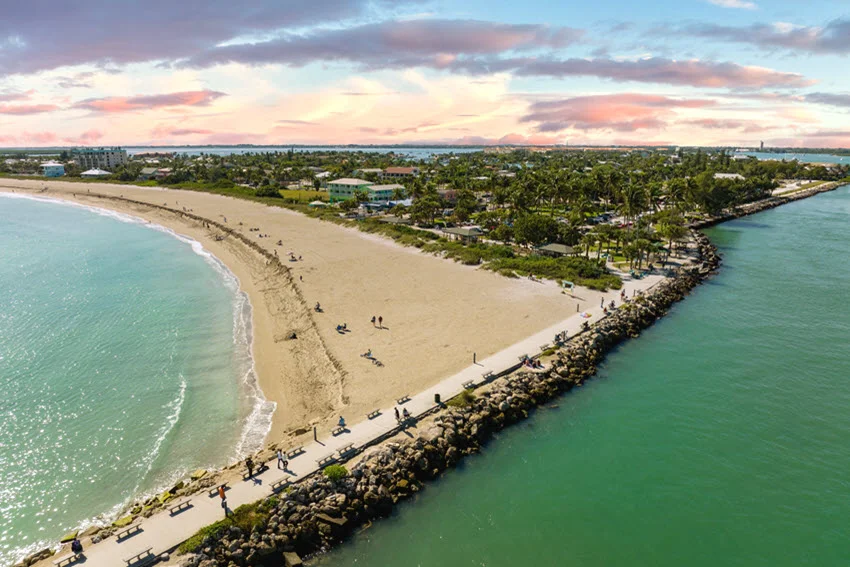
Snook fishing is good all year. The best fishing is during the summer months. Snook leave rivers and creeks to spawn in the inlets. You can find many Snook at Fort Pierce Inlet and nearby Vero Beach. The waters here are rich in mangroves and grass beds, and they provide shelter for young Snook and plenty of food. Fishing from the shore or a boat can be successful.
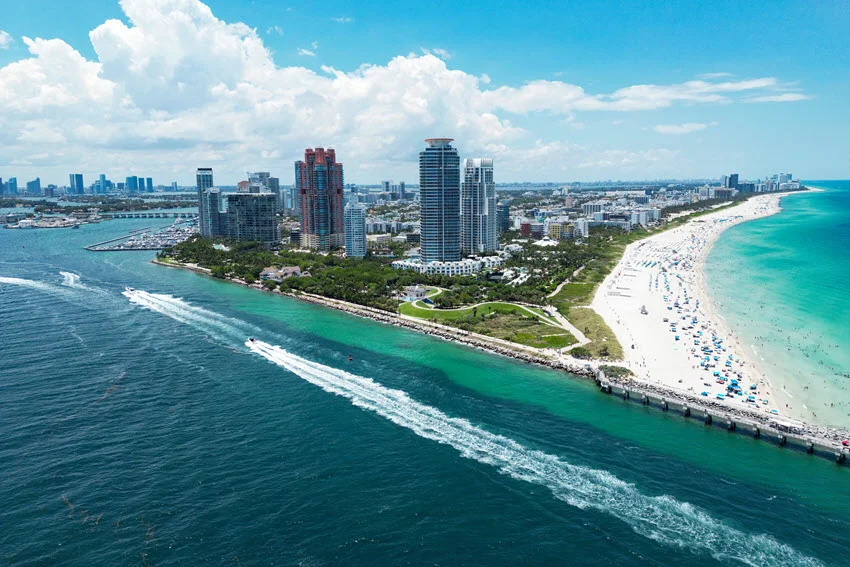
Miami's public beaches offer excellent Snook fishing. Snook live well in urban waters, and the best time to fish is early morning, especially around sunrise. The bite is strongest then. Snook often hide near piers, rocks, and pilings. The water can be busy, so patience is key. Night fishing near lights can also bring good results.
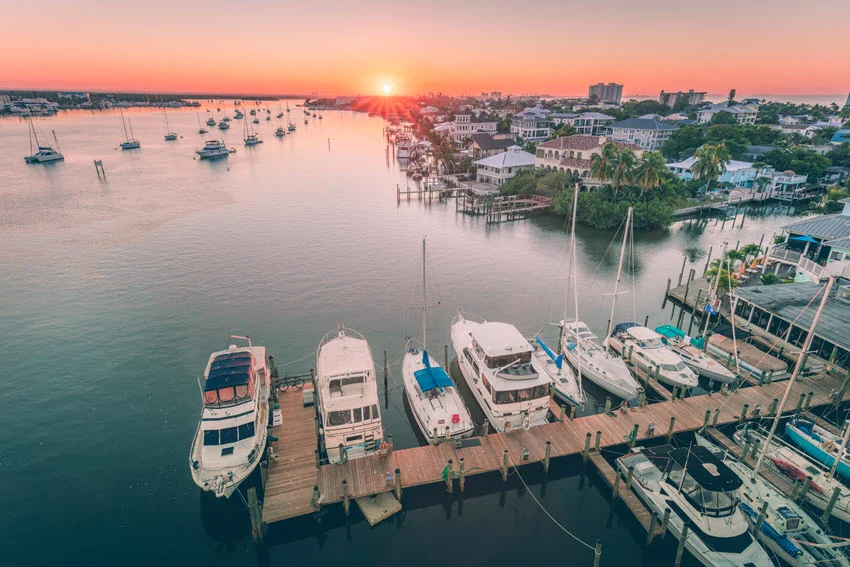
This area is one of the most prolific for Snook fishing in Florida. Fort Myers Beach, Pine Island, Cape Coral, and Captiva hide many big Snook. Fish are present here year-round, but the peak season is from spring to fall. Tidal changes significantly affect Snook activity in this area. During incoming tides, Snook move closer to the shore to feed. Many anglers use live bait or artificial lures around docks and in mangrove areas.
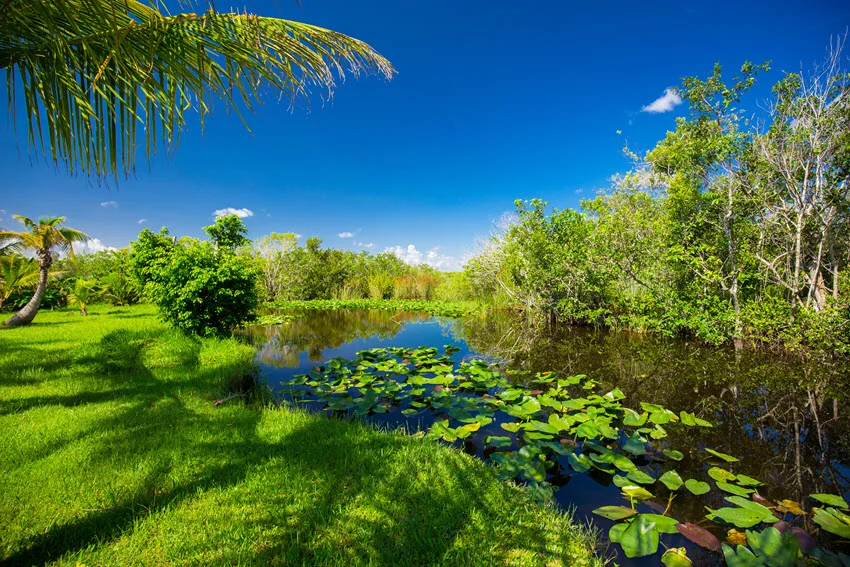
The Everglades are a natural treasure, home to big Snook that swim through its waters. Snook inhabit this area throughout the year. The park stretches up to Marco Island and Naples. Fishing is good any time, but best from spring through fall. The Everglades offer a wild, natural environment with minimal fishing pressure, which helps Snook grow larger and more abundant. Kayaking or small boats are great for reaching hidden fishing spots.
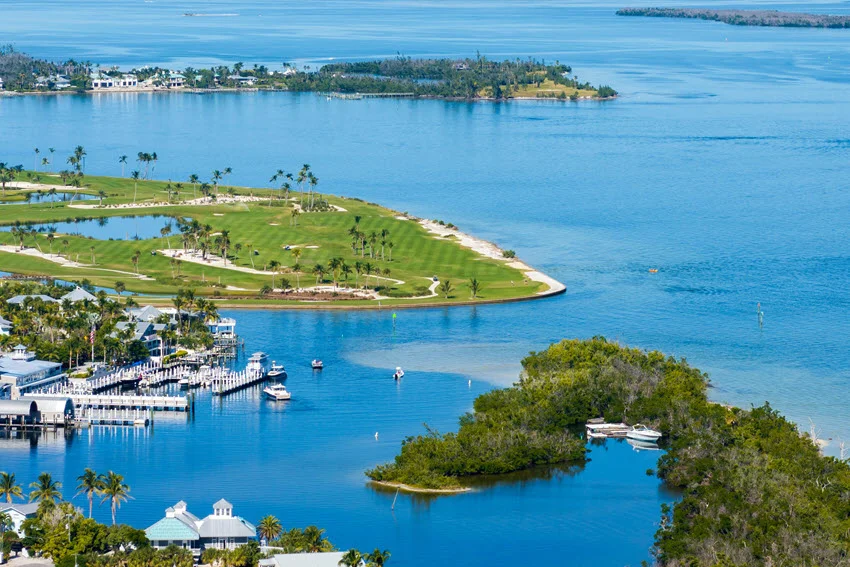
Known as the "Tarpon Capital of the World," Boca Grande also offers great Snook fishing. The flats and marshes around Gasparilla Island are full of Snook. The best time is late spring to early fall. The shallow flats here warm quickly in spring, attracting many baitfish. Snook gather to feed in these productive areas. Wading or fishing from a small boat is a common method here.
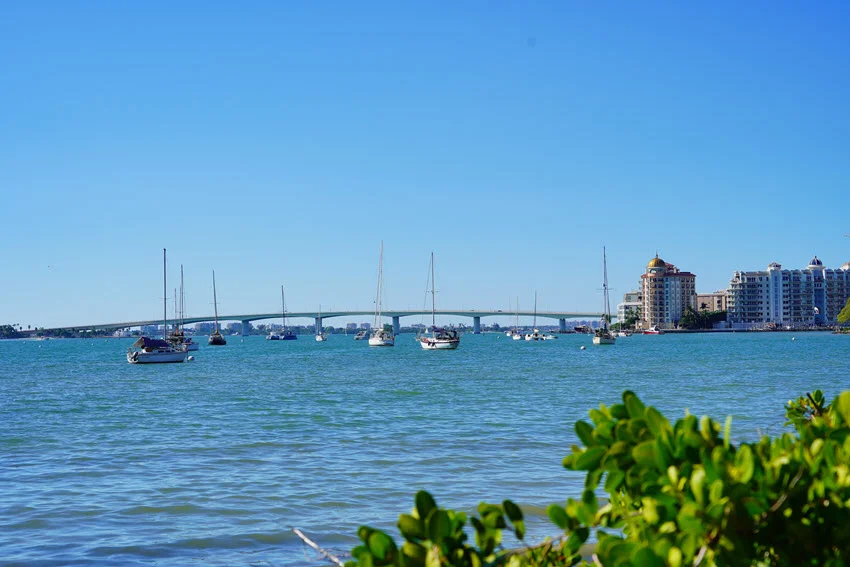
Tampa Bay is a famous Snook spot, and Sarasota Bay, located just south, is also an excellent choice. Its mangroves make a perfect home for Snook. Fishing here is mainly from spring through fall. These bays have many docks, bridges, and natural cover. Snook like to patrol these areas for food. The water can get busy, so early morning fishing is often the best option.
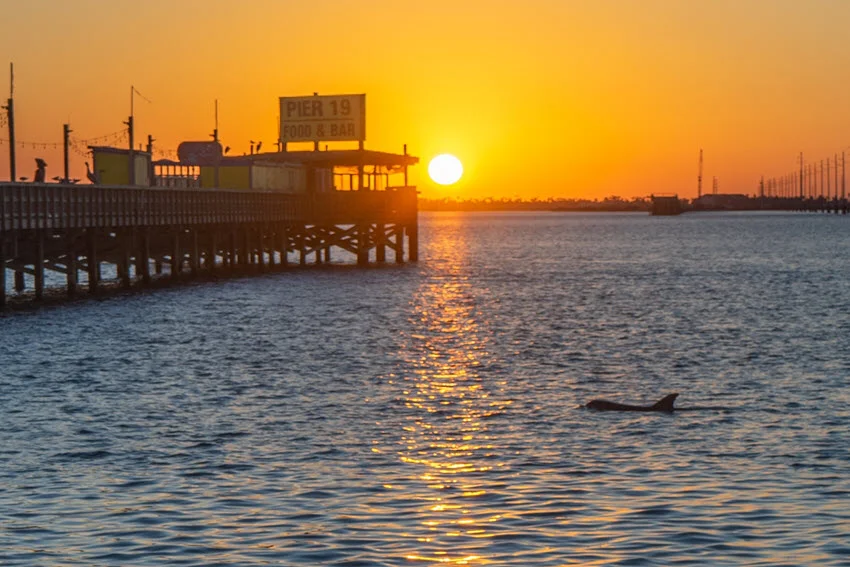
South Padre Island is a consistent spot for Snook fishing. The water is clear and warm, and mangroves and back lakes make a good habitat. Fish here year-round, with the best success in spring and summer. The flats around South Padre are full of shrimp and small fish. Snook hunting is active here during the warm months. Local guides often recommend fishing during moving tides for the best results.
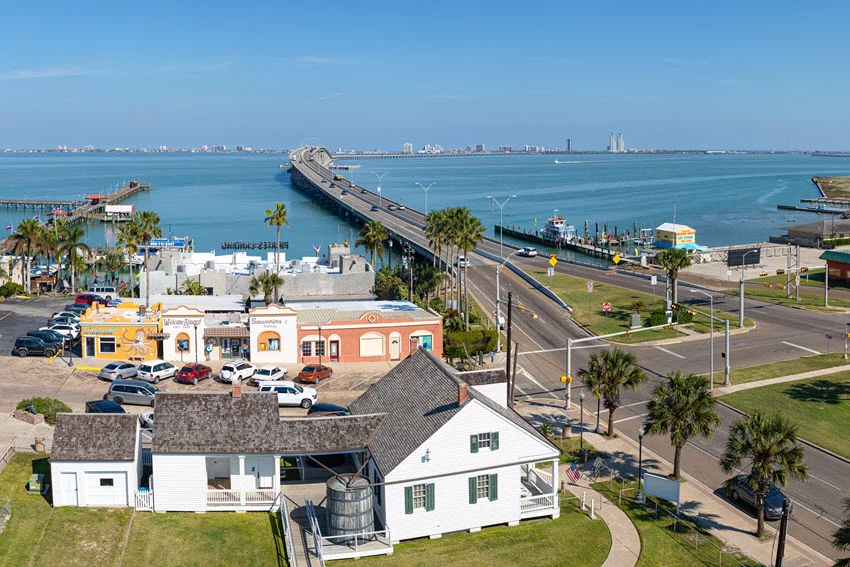
Near the Mexico border, South Bay at Port Isabel has great flats fishing for Snook. The water temperature remains consistent throughout the year. Many Snook have been caught here recently. Peak fishing time is spring to early fall. This area features numerous shallow flats and seagrass beds, making it an ideal habitat for Snook. Anglers often fish from kayaks or small boats to reach these spots.
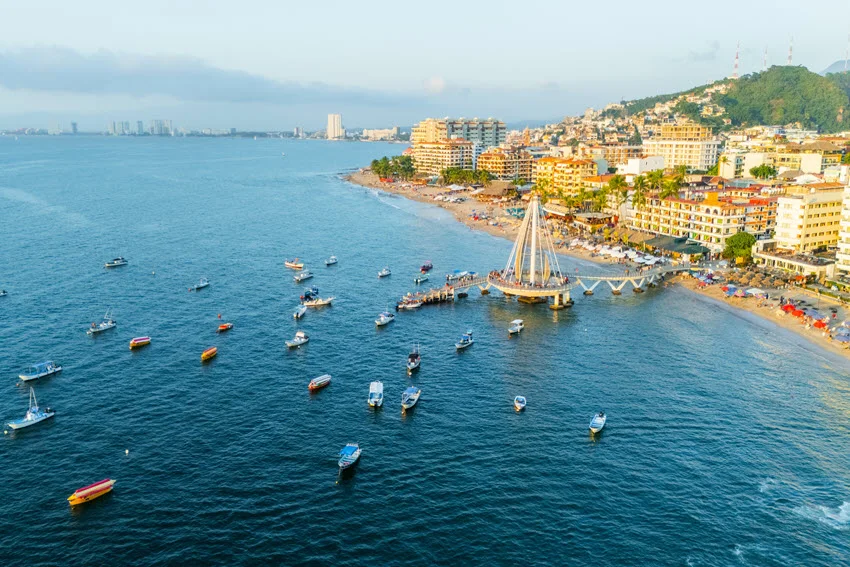
Snook live on both coasts of Mexico. Puerto Vallarta is one of the best spots. You can fish inshore and in river mouths depending on the season. Snook here fight hard and grow big. The water is warm and clear. The best time to fish is from March to June when Snook move closer to shore.
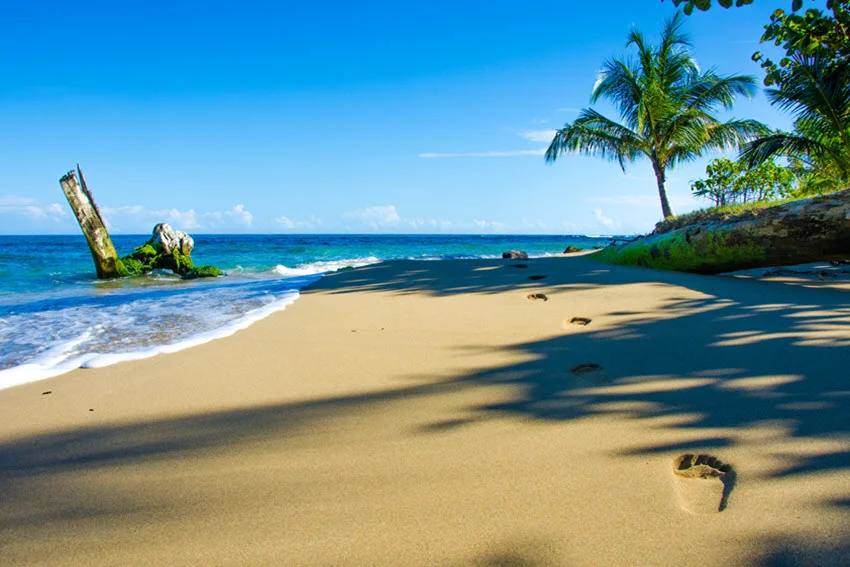
The world-record Common Snook was caught here! The Caribbean Coast has had steady Snook populations all year. This place is perfect for trophy fishing. You will enjoy the beautiful beaches and the calm waters here. Peak fishing season is from November to April, when water conditions are ideal.
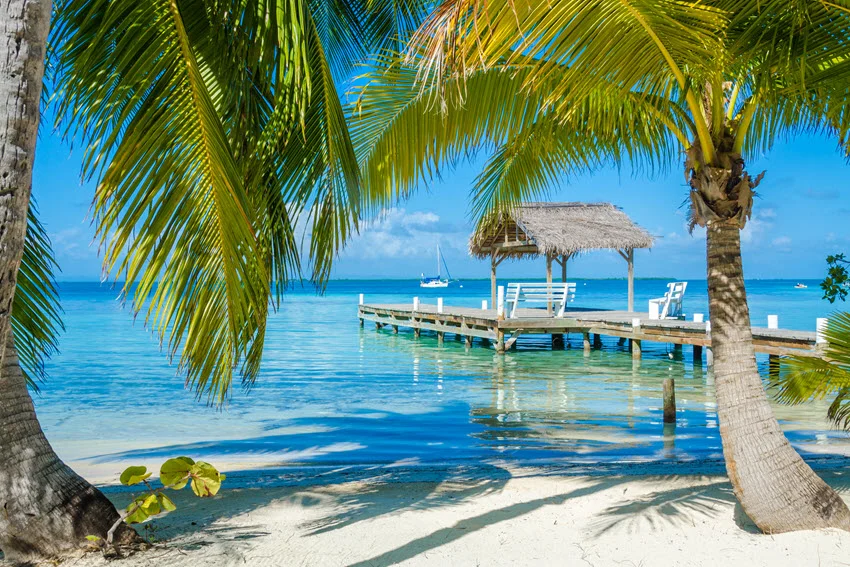
Belize is an amazing place with great Snook fishing. You can catch big Snook all year-round. Low tides make casting easier here. The prime period here for Snook fishing is from November to April. The weather is nice, and the fishing is excellent.

Panama's Caribbean Coast is another hotspot for Snook fishing. Mangroves, sand flats, and estuaries create a perfect Snook habitat. The waters hold large Snook that fight hard. Small tidal creeks add more fishing options. The prime season is from December to May, when Snook is most active near shore.
Fishing for Snook is fun and exciting. They like to hide near structures. Bridges, mangroves, and backwaters are good spots. Use techniques that suit the type of fishing you're doing.
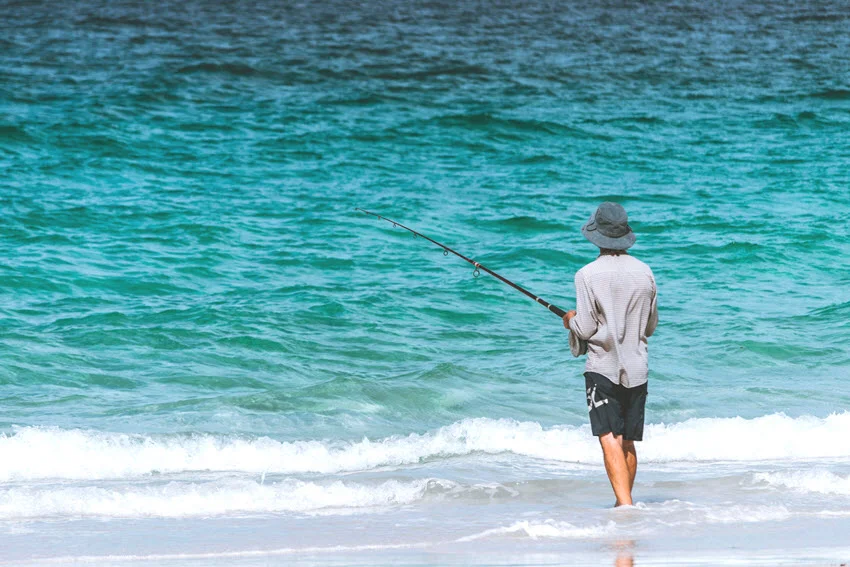
In summer, Snook cruise near the surf line. Sight fishing from the beach is a lot of fun. Use light tackle for casting. Fly fishing is also a great option if you're interested in trying it. White flies are the most popular. Snook often swim close to shore looking for food. Watching the water helps you spot them early. Be quiet and patient for the best chance to catch one.
When water gets cold, Snook moves to warmer rivers and canals. You can troll with artificial lures to cover more water. Shallow diving plugs work well. They are suitable for trolling or casting in these areas. Snook hide at underwater structures and grass beds in canals. Moving your bait slowly lets you cover more area and find active fish. This method is suitable for fishing long canals or narrow rivers.
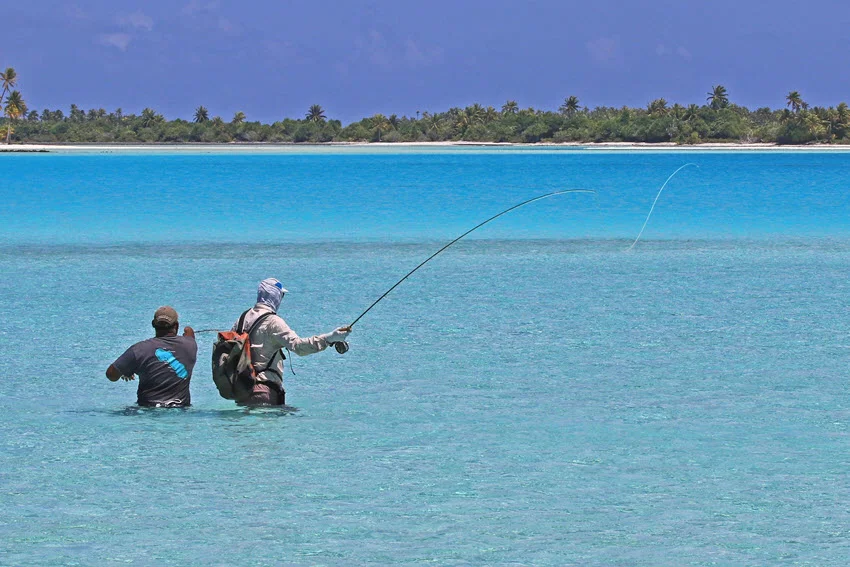
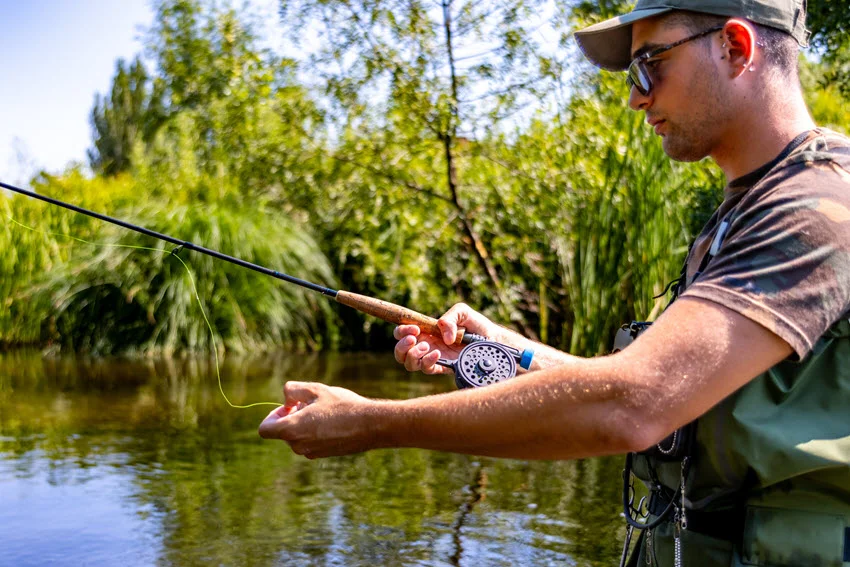
Fly fishing for Snook is very popular in the summer. Snook often swim near beaches and shallow water. Using a fly rod allows you to cast light flies with ease. White flies are the most common and work best. This method is fun and challenging. It helps you feel every bite and fight. Fly fishing is ideal for anglers seeking a new experience.
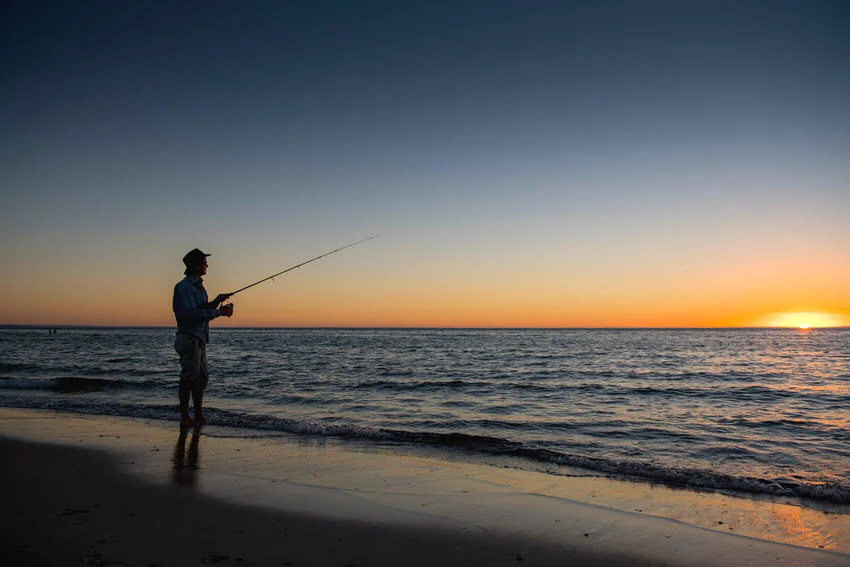
Night fishing is exciting and productive. Fish near docks, bridges, and other structures. Snook feed more at night. Use artificial lures, flies, or live bait. Shrimp is the best live bait. Bigger bait, such as mullet, can catch large Snook. At night, Snook feels safer coming out to hunt. Lights from the docks attract small fish, bringing Snook close. Use slow, steady retrieves that mimic the movements of natural prey.
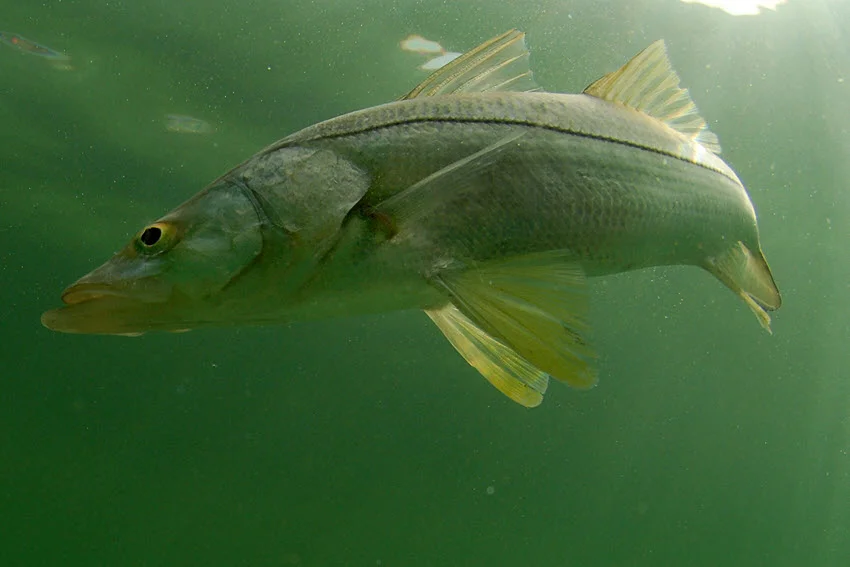
The right bait significantly impacts your success in Snook fishing. In this section, we explain the best live baits, dead baits, and artificial lures. Do not miss the following parts.
Live bait works great for catching Snook. These baits move naturally and grab the fish's attention. Snook strike fast when they see easy prey. Some of the best live baits include shrimp, pinfish, mullet, sardines, herring, and croakers. Big live shrimp are very effective in winter. Shrimp are easy to catch and full of scent.
Hook the bait through the nose or back to let it swim naturally. Match the hook size to your bait. Use circle hooks to keep the Snook hooked in the mouth. Live bait is most effective near docks, bridges, and mangroves. These are places where Snook likes to hide. Use a strong tackle to stop them from breaking off near the structure.
Artificial lures are a good choice for covering a larger area of water. Snook are aggressive and will chase moving lures. Lures also last longer than live bait.
Plugs, jigs, soft plastics, and spoons are effective. Use soft plastics with paddle tails or shrimp shapes. Fish them near the bottom. Also, you can use these lures around cover.
Jigs can be bounced near docks or deep edges. Spoons are great for shallow flats. Their flash attracts Snook from a great distance. Lures help you reach places where live bait may not be effective.
Dead bait can also catch Snook, especially if they are not feeding aggressively. Use cut mullet, squid strips, or dead shrimp. These release scent into the water.
Cut the bait into firm chunks to keep smaller fish from stealing it. Dead bait works best on the bottom near structure.
Use a sinker or a sliding rig to keep it in place. Finding Snook sometimes needs a lot of time. Fishing with dead baits is effective after storms. Also, it is effective in colder months.
In clear water, white, silver, or light green are effective. These look like real baitfish. In dirty or dark water, chartreuse, orange, or pink works well. These help Snook see your lure better. In deep water or at night, try purple or black. They make a strong shadow and trigger more strikes. Change colors if you don't have success. Try different colors until the Snook responds.
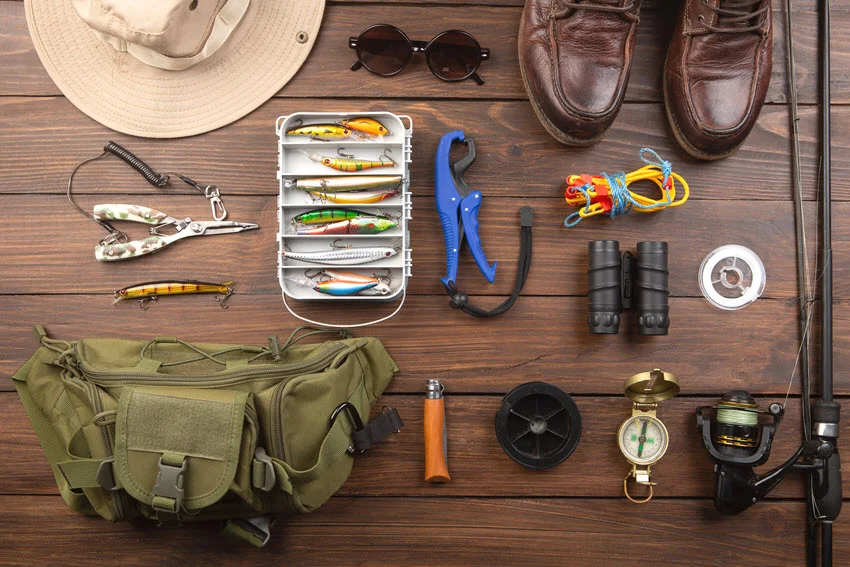
Snook are strong and fight hard. You need the right gear to catch them. In the following, we analyze the gear for smaller and larger Snook.
For a smaller Snook, a 7-foot medium-heavy fast-action spinning rod is ideal. It allows for long, accurate casts while still providing enough backbone to set the hook quickly. Pair this rod with a spinning reel in the 3000 to 4000-size range.
Braided line in the 15 to 30-lb range is the best choice for this style of fishing, as it provides both strength and abrasion resistance when working near docks, mangroves, or rocks. Since Snook are known for being cautious in clear water, a fluorocarbon leader of 20 to 30-lb test and about two to three feet long is used for abrasion resistance and cleaner presentation.
For larger Snook, especially those over 20 inches, baitcasting tackle offers the control and power needed to pull these fish away from heavy cover. A 6 to 7-foot heavy or medium-heavy baitcasting rod paired with a high-quality reel can easily handle larger plugs.
Additionally, it can withstand the strong runs of a large Snook. A braided main line in the 20 to 30-lb range, combined with a heavier fluorocarbon leaderin the 30 to 50-lb range, will help prevent break-offs. In surf fishing situations, anglers often choose a larger 4000 to 5000-size spinning reel, paired with a longer rod, to achieve greater casting distance.

Understanding fishing regulations and preserving specific fish species contributes to protecting fish populations and ecosystems and promoting responsible angling practices.
Anglers Booking Team
When fishing for Snook, you must follow the rules. Regulations vary from state to state. Additionally, they may vary across areas within the same state. Below, we address it in detail.
Following regulations keeps Snook stocks strong. Return small or protected fish safely to the water. Use rubberized nets, wet hands, and keep handling time short, especially in warm water. Don't take more fish than allowed. Always check FWC regulations for your zone, fish responsibly and ethically.
We've reached the end of our Snook fishing guide. One thing is clear: Snook fishing is fun. Additionally, it is an exciting and surprising experience for every angler. These fish are strong, intelligent, and fiercely determined, making every catch a thrilling experience.
Don't forget that respecting local rules and protecting the fish helps keep Snook populations healthy for the future. So get out there and enjoy nature!
Now, you are on the move. What is your favorite method for fishing for Snook? Have you tried fly fishing or night fishing? Let us know in the comments.

The expert copywriters at Anglers Booking have meticulously crafted this article. Our dedicated team of writers provides valuable insights and information to enhance your angling experience.

October 22, 2024

July 9, 2025
Subscribe to our newsletter and receive a selection of cool articles every week.
Embark on unforgettable fishing adventures with us at Anglers Booking.
book your charter
October 2, 2026
September 8, 2026
August 21, 2026
August 18, 2026
August 15, 2026
August 12, 2026
August 8, 2026
August 4, 2026

You're now part of our exclusive community. Get ready for premium content and updates straight to your inbox.
close
Subscribe to our newsletter and receive a selection of cool articles every week.
Please enter a valid email address.
Be the first to know when we're back in action.
Please enter a valid email address.
Leave a Comment
Your email address will not be published. Required fields are marked *
Thank you for your comment! It has been submitted for review and will appear on the site shortly.