


Anglers Booking Team
The expert copywriters at Anglers Booking have meticulously crafted this article. Our dedicated team of writers provides valuable insights and information to enhance your angling experience.
 10 minutes read
The Sailfish is one of the fastest fish in the ocean, famous for its long bill and tall, sail-like dorsal fin. When one lights up and starts ripping line with high jumps, it turns every hookup into a true test of timing, drag control, and teamwork.
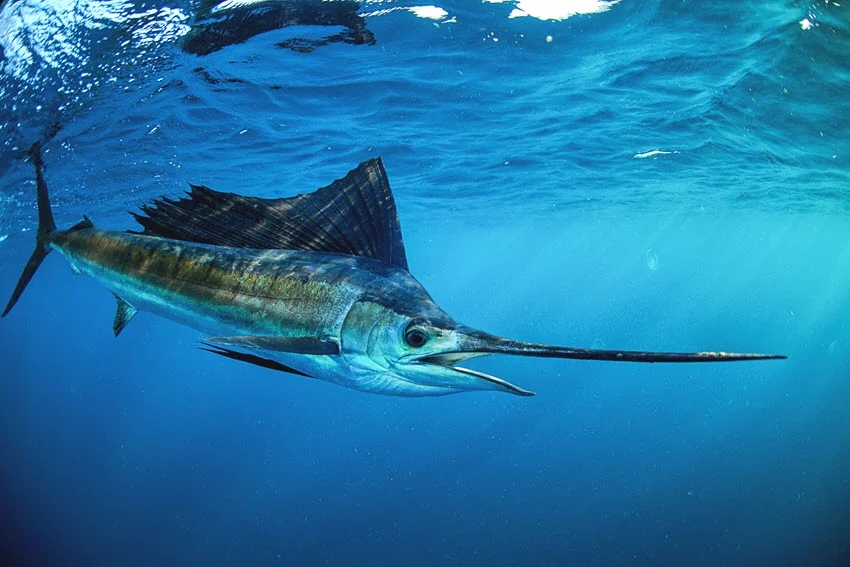
Sailfish roam warm seas around the world and often feed near the surface, sometimes traveling in small groups around birds and nervous bait. They are aggressive hunters that slash, pin, and pick off prey in open water. This guide breaks down when and where to target them, the best bait and setups, and the techniques that help you convert a bite into a clean, confident release.
There are two main types of Sailfish that anglers target. Both are fast and powerful, but each offers a unique fishing experience. Here is a clear breakdown of both types.
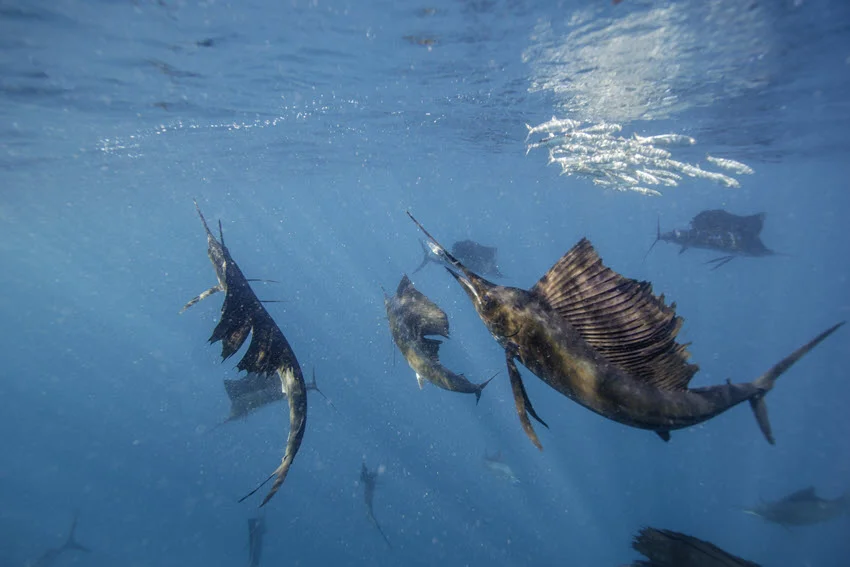
The smaller type is Atlantic Sailfish. This Sailfish has a long, pointed bill and a large sail-like dorsal fin. Its back is dark blue, and the belly is white. The prominent dorsal fin helps it herd baitfish.
The Atlantic Sailfish can grow between 70 and 98 inches long with an average weight of 50 to 100 pounds. Some rare fish can get even larger. They can live well over a decade, though many fish encountered in the sport fishery are younger. These fish grow fast in their first year and become strong hunters quickly. They are swift swimmers with a speed of up to 68 mph in short bursts.
They inhabit the warm regions of the Atlantic Ocean, the Gulf of Mexico, and the Caribbean Sea. They prefer surface waters but can dive down to 200 feet when needed. Sailfish like water temperatures between 70 and 83°F.
They move a lot and follow schools of baitfish. They eat small baitfish, such as sardines, anchovies, pilchards, and herring, but their menu also includes squid and other soft-bodied animals. They often hunt in groups. The Sailfish slashes its bill through schools of fish to stun them. Then it circles back and eats the slow or injured fish.
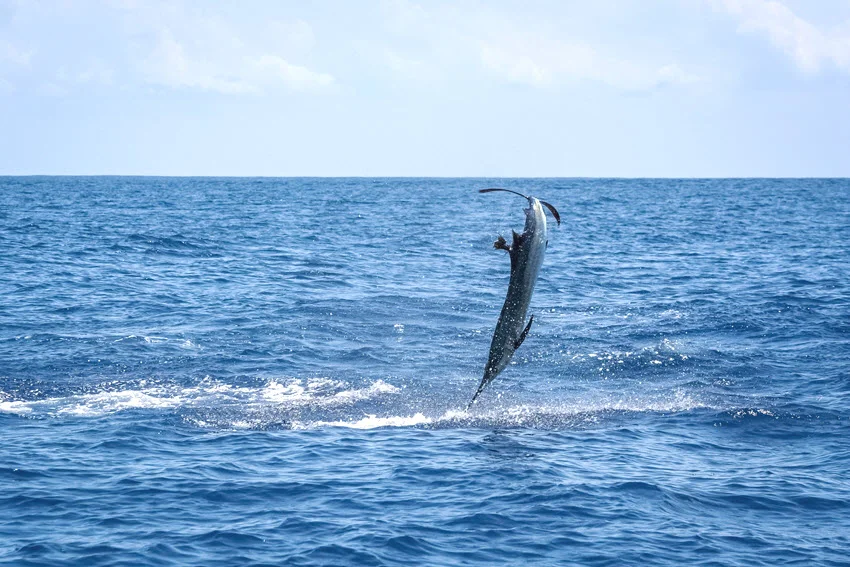
The Indo-Pacific Sailfish is the larger of the two main types. The body is sleek and strong. The back is dark blue, while the sides and belly shine silver. It can grow from 74 to 130 inches long. Many adults are well under 200 pounds, but trophy fish can run much larger. Some prominent individuals can be even heavier.
These fish often live longer than their Atlantic counterparts, and some can live up to 13 years. Indo-Pacific Sailfish are very fast and swim at over 60 mph for short bursts.
This species lives in the warm waters of the Indian and Pacific Oceans. You can find them near Southeast Asia, Australia, the Middle East, and parts of East Africa. They stay near the surface but can dive down to 300 feet when chasing prey. They often move in small groups, especially when feeding.
Their diet includes flying fish, mackerel, needlefish, small Tuna, and other baitfish. They also eat squid and other quick-moving prey. These Sailfish are skilled hunters and often attack from below with precision. Sometimes they hunt alone, and other times they work together to herd bait.
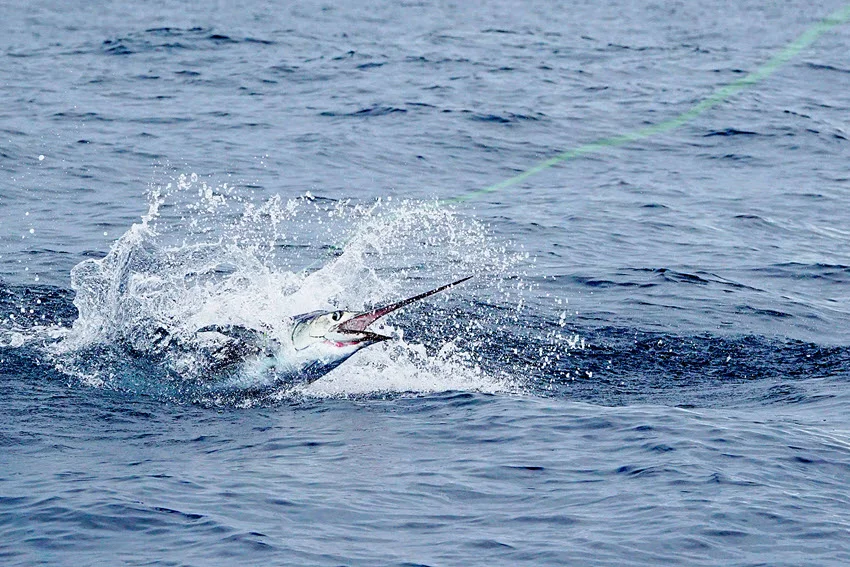
Sailfish can be caught throughout the year, but their behavior varies with the seasons and water temperature. Understanding these changes can help improve your Sailfish catches. We will analyze seasonal patterns, optimal times of day, and water movement.
Season varies by region, so there is no single best window worldwide. In Cancun and Isla Mujeres, the bite is usually strongest from winter through spring, when fish stay active near bait. In parts of Florida, the peak is also typically during the cooler months. On Guatemala's Pacific coast, the best time to act is generally from fall through spring.
In summer, Sailfish are often more spread out and less likely to stack up in large groups. They can still stay high in the water column, especially around current edges, temperature breaks, and areas with steady bait.
In fall and winter, conditions can become more variable, and Sailfish may slide deeper or roam with changing currents and water temperatures. That can make them harder to locate, but you can still get bites by focusing on clean blue water, active bait, and the right presentation.
Early morning is the best time for catching Sailfish. Late afternoon is also a solid period. They hunt near the surface when light is low. Midday can work, especially on cloudy days. On bright sunny days, Sailfish often swim deeper. That makes them harder to catch.
Sailfish thrive in warm, tropical, and subtropical waters. They prefer water temperatures between 70°F and 83°F. Clear, open ocean areas are the favorite habitat of these fish. You can find them near temperature breaks, current edges, and upwellings, where baitfish are concentrated.
Strong water movement creates prime hunting zones for these fast predators. After storms or shifts in current patterns, Sailfish may move to deeper, calmer waters until conditions stabilize. They are often spotted near schools of sardines, mackerel, or ballyhoo.
Sailfish live in warm seas around the world. They are mostly found near the ocean surface. Below, we present to you some of the most famous spots worldwide for catching this fish.
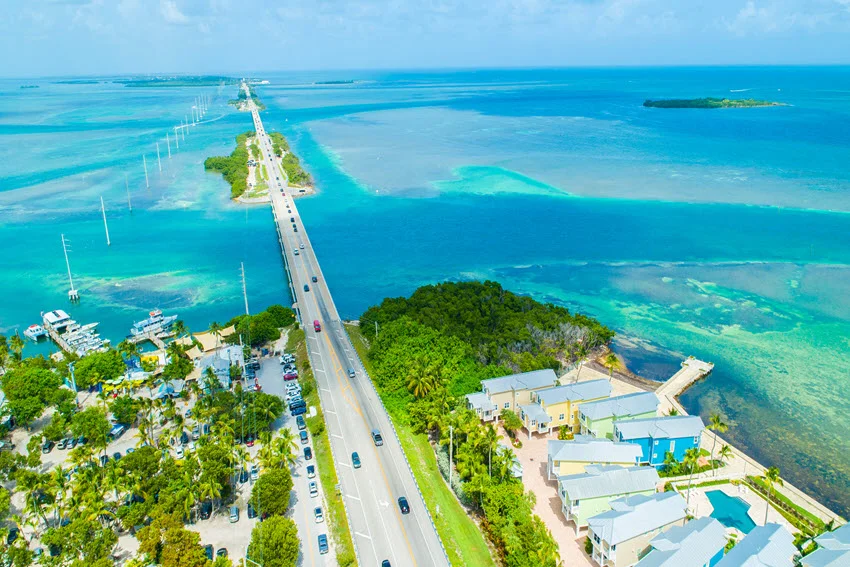
The Florida Keys are a world-class winter Sailfish destination, with fish showing up along the reef edge when bait moves in and cold fronts set up strong conditions. Sailfish often travel in large groups near reefs, channels, and deep water that sits close to shore. While the water stays relatively warm year-round, the most consistent action typically runs from November through April.
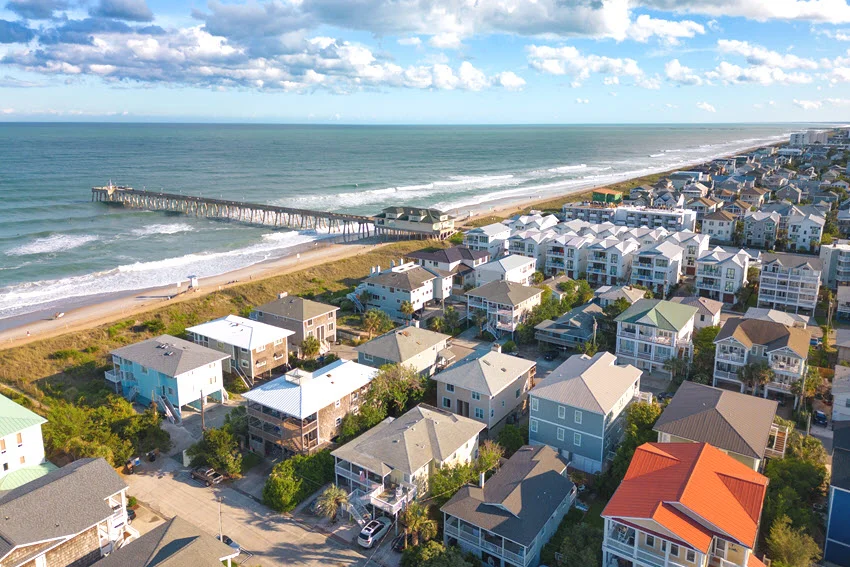
North Carolina's Outer Banks and offshore waters are prime Sailfish territory in summer and early fall. Warm Gulf Stream waters sweep close to the coast, attracting these fish to the edge of the continental shelf. The prime season runs from July through September. Peak action occurs around August. Anglers troll ballyhoo and lures to entice strikes, and multiple hook-ups are common on good days.

South Carolina's offshore waters produce Sailfish mainly in late summer. The prime season is from July through September, with August often the best month. Trolling along weed lines and temperature breaks is a productive technique. Anglers frequently encounter Sailfish while targeting Mahi Mahi or Tuna offshore, often in the same water.

Texas offers summer Sailfish action, especially in the deep waters of the Gulf of Mexico. The prime season is from June through August. During this period, warm blue water pushes closer to shore. Most fishing in Texas takes place far offshore, near oil rigs, where baitfish and other pelagic species gather. Trolling with ballyhoo is standard, and anglers sometimes spot Sailfish tailing on the surface.

Cancun is one of the top spots in the world for Sailfish fishing. The waters are warm and clear. It is rich in baitfish such as sardines and herring. These conditions attract large numbers of Sailfish close to the shore. During peak runs, some boats can raise and hook multiple fish in a day, with standout days producing very high numbers. The best months to fish here are from December through July.
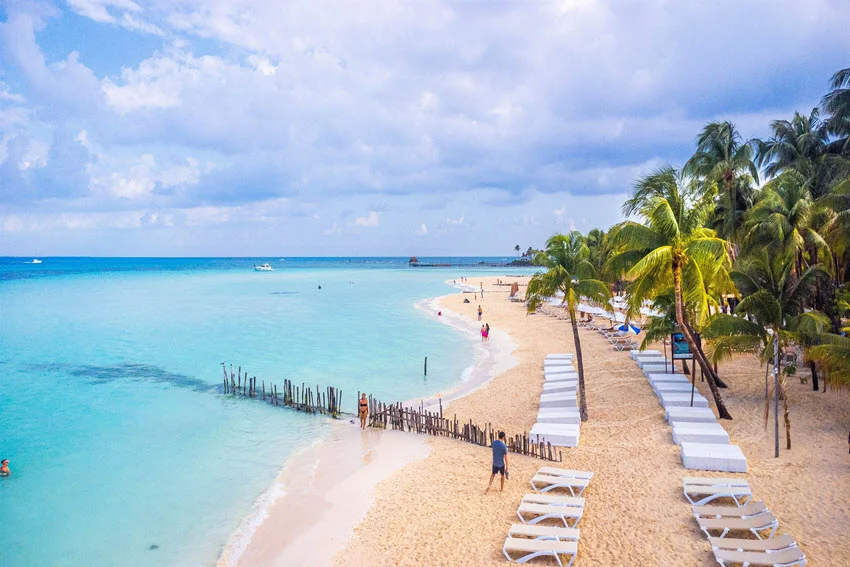
Isla Mujeres, just a short boat ride from Cancun, is another prime destination for Sailfish fishing. Schools of Sailfish gather here in large numbers to hunt baitfish near the surface. The prime time to fish here is also December through July. Anglers often use kite fishing and trolling methods to catch Sailfish in this area. Local guides know the best spots and techniques, which helps visitors land more fish.
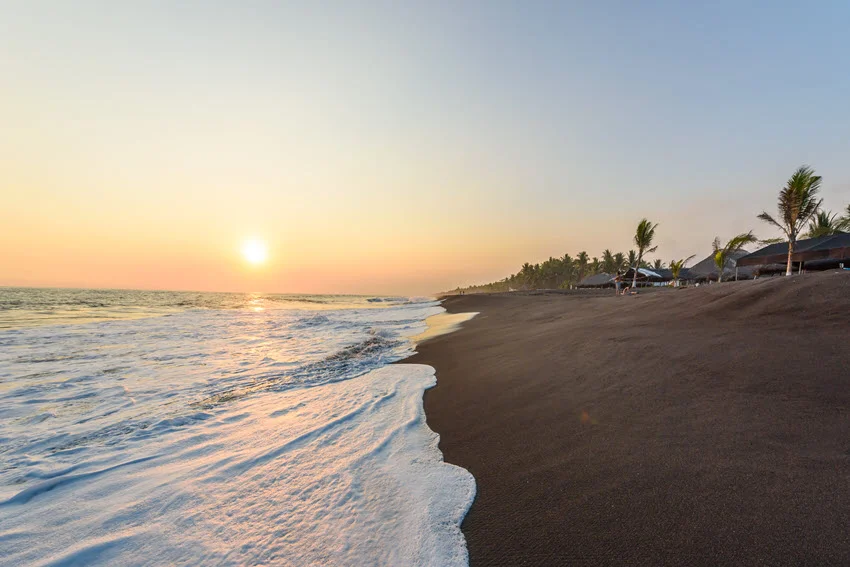
Guatemala offers some of the best Sailfish fishing on the Pacific coast. The waters here are full of baitfish. Also, there are other game fish that Sailfish hunt. Anglers often see many Sailfish jumping. That makes for a thrilling fishing experience. The best season lasts from December to June. During this time, Sailfish are easier to locate and catch.

Thailand is another great location for Sailfish fishing. Its warm tropical waters provide numerous opportunities to catch. Sailfish are found near reefs, but are also abundant in open ocean areas. The best fishing periods are in November and May when Sailfish are very active.
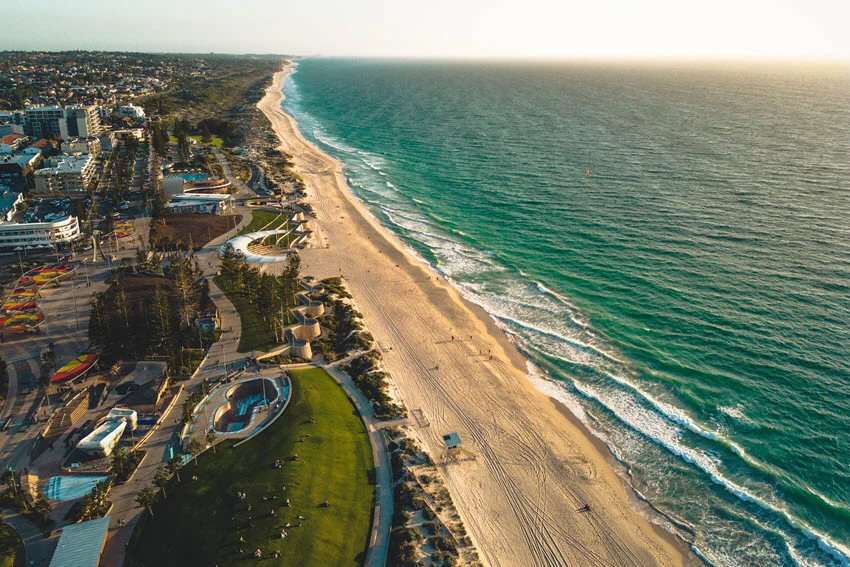
Australia is home to many great Sailfish fishing spots along its vast coastline. The warm waters are rich with baitfish that attract Sailfish to swim close to shore and around reefs. The prime season runs from November to April. During this period, Sailfish are plentiful and aggressive. So, anglers can expect successful fishing at that time of year.

Panama is famous for its excellent Sailfish fishing on its Pacific and Caribbean coasts. The warm ocean waters support large numbers of Sailfish. Prime months are from December to June. Many fishing charters operate in Panama during this time, providing anglers with chances to catch multiple Sailfish in a day. The intensive presence of baitfish makes Panama a hotspot for Sailfish enthusiasts.

It might not come to mind immediately, but Mozambique is a very popular destination for this fish. The coastline offers reefs and open water. In these places, Sailfish hunt and gather in schools. The prime season for Sailfish fishing here is between November and May.
To catch Sailfish, you need to know the proper fishing techniques. Using effective strategies helps you have a successful fishing day. Below, we discuss proven methods for catching Sailfish.
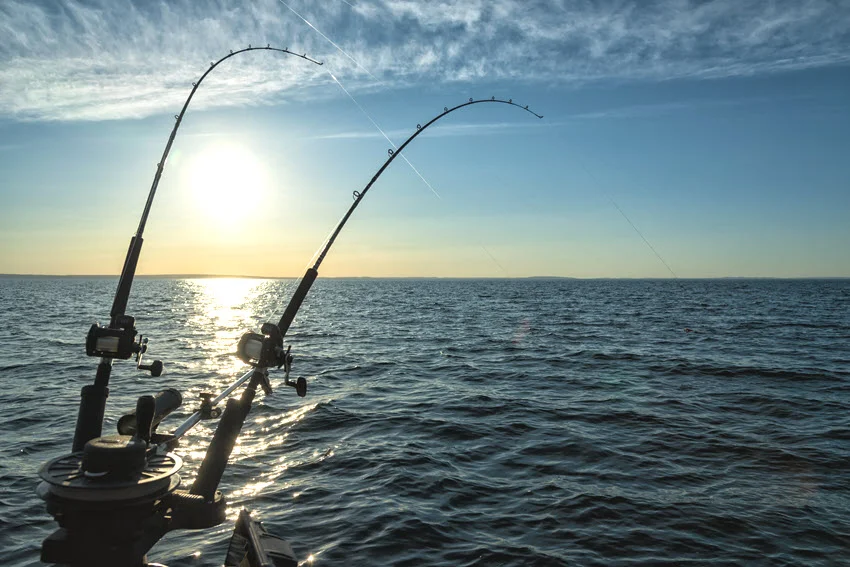
Trolling is the most popular method for catching Sailfish. You move your boat slowly while dragging live or dead bait behind, covering a large area. Use multiple baits on spreader bars to create the illusion of a school of fish. Keep your trolling speed steady to make the bait look natural. This method works best in open water where Sailfish hunt near the surface.
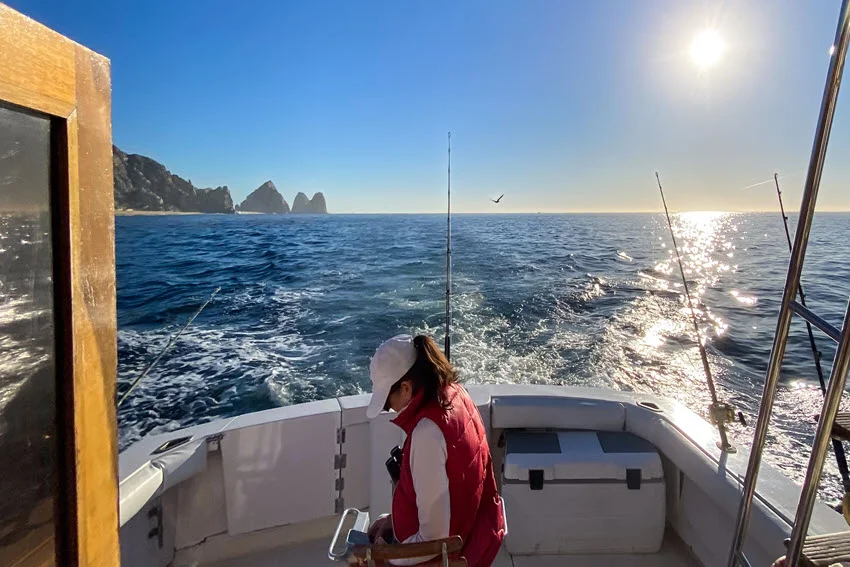
Kite fishing is a special technique. It uses a kite to hold live bait on the water's surface, away from the boat, which makes the bait move naturally. It is very effective to attract Sailfish because the bait stays in their hunting zone without scaring them away with the boat. Kite fishing requires skill. However, it gives excellent results.
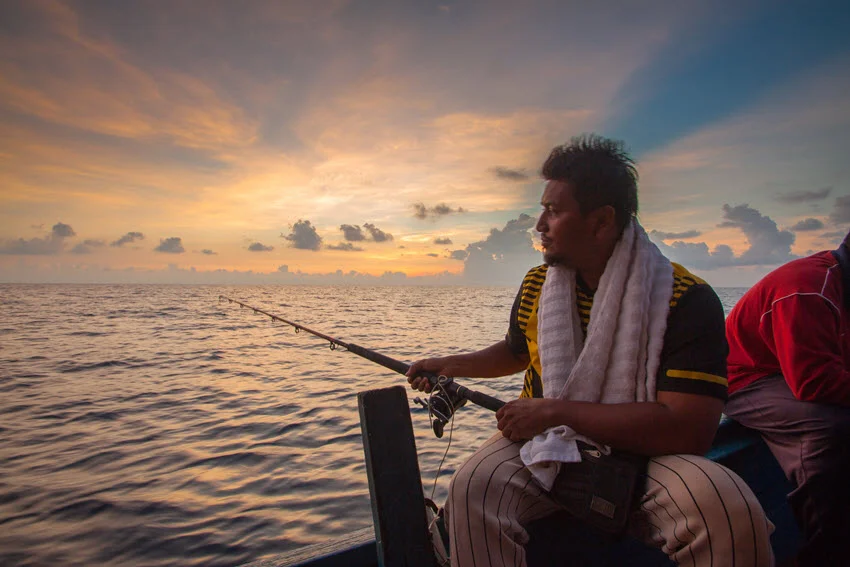
Drift fishing involves letting your boat move with the wind or current while keeping your bait stationary in the water. This technique is good when Sailfish are feeding deeper or are spread out. You drop live or dead bait and let it drift quietly, covering more water without spooking fish. Keep your bait where Sailfish hunt, usually near the surface or mid-depth.
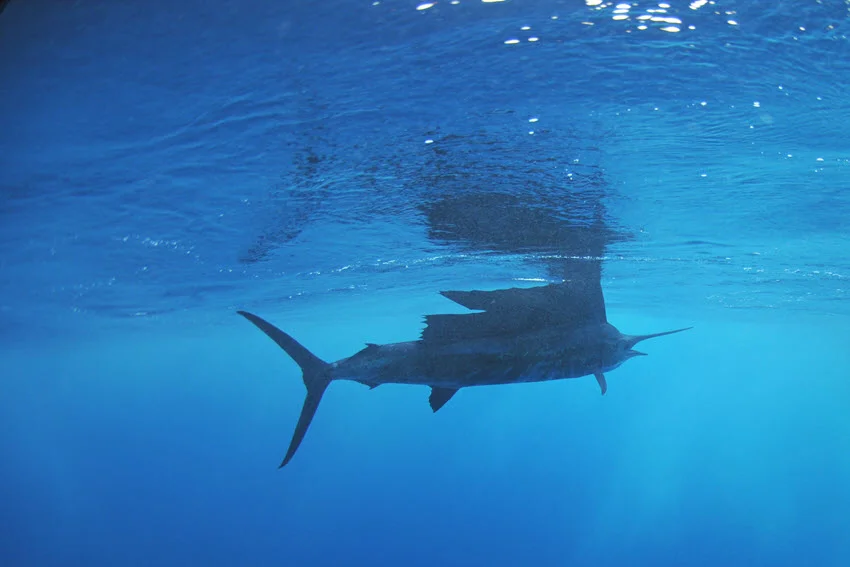
This technique involves teasing Sailfish close to the boat using dredges or teaser lures, then suddenly pitching a live bait into the strike zone. When fish are curious, you quickly switch from teaser to bait. It works best with ballyhoo on circle hooks. Many anglers report high hook-up rates when executed quickly after a Sailfish shows interest.
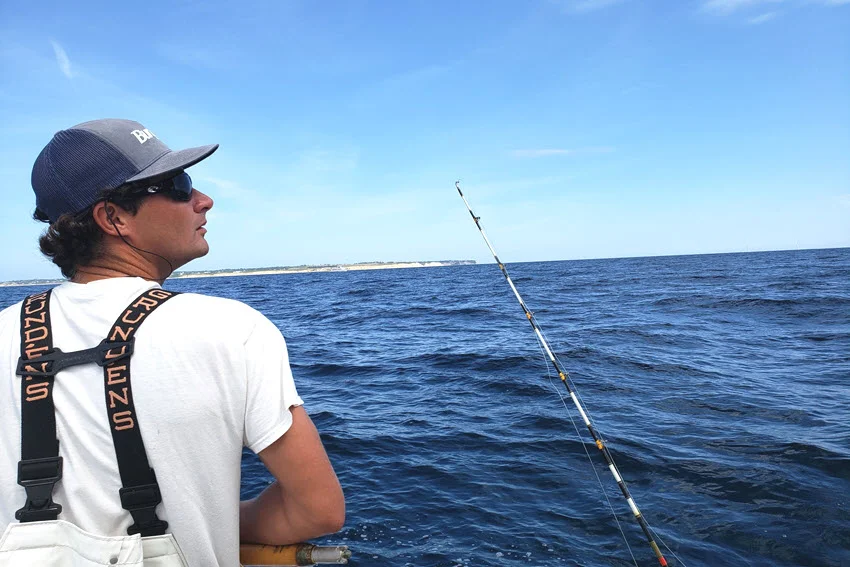
Also known as "prospecting," this method uses one or two flat-line rods without outriggers or dredges. You troll a single live bait behind the boat at desirable depths to mimic an injured fish drifting behind the spread, attracting Sailfish. This technique relies on a sensitive feel and slow drag, enabling you to detect even the gentlest strikes.
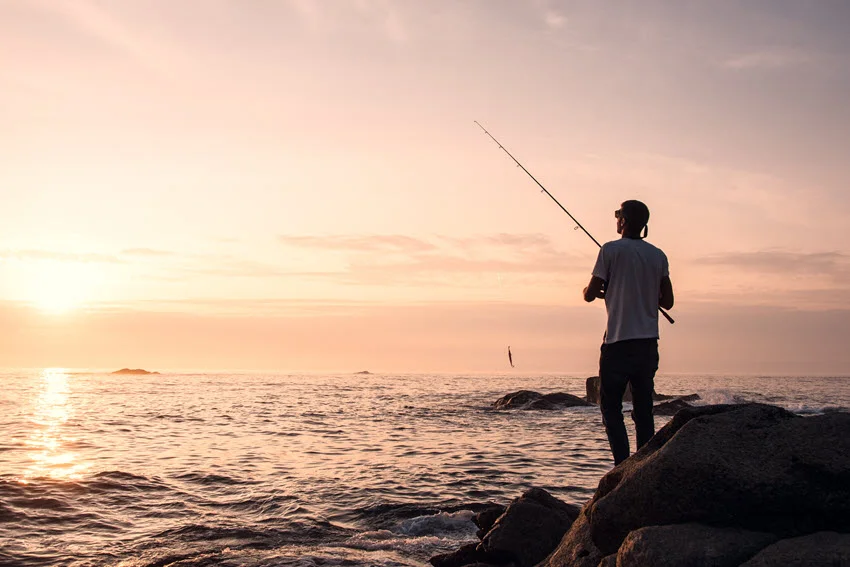
In areas with reefs or wrecks, like the Florida Keys, anglers often fish from anchored or drifting rigs near structures. They combine kites over reef drops, slow-troll live bait near the edges, or drift dead bait down structure zones. Sailfish sometimes hunt close to reefs, mirroring reef-targeted species. This setup can yield Sailfish, Mutton Snapper, Wahoo, and more.
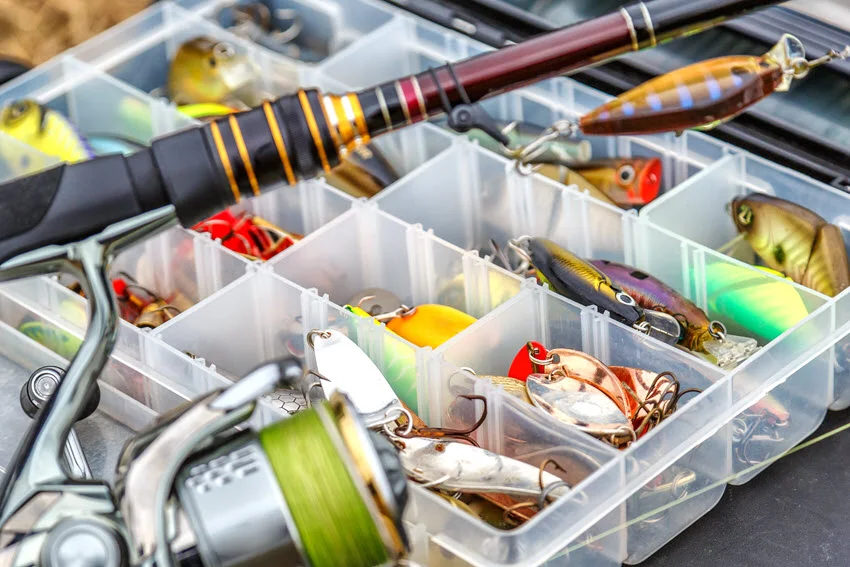
Below, we analyze the best baits for Sailfish. We cover the most popular ones. Here, we will explain which colors of lures work best in various conditions.
This type of bait is the most effective. Sailfish are attracted to bait that swims naturally. Standard live baits include Blue Runners, cigar minnows, goggle eyes, large pilchards, and sardines. These baits look like real prey. Anglers often use live bait with special rigs while trolling or kite fishing.
Dead bait is effective for Sailfish. Pieces of ballyhoo or strips of bonito belly called "Panama strips" are common. Dead baits give off strong scents that attract Sailfish from far away. They can be trolled slowly to look natural in the water. Dead bait is useful when live bait is scarce.
Artificial lures are sometimes used when live bait isn't available. Lures are trolled faster and cover more water. Popular colors for Sailfish lures include purple-red, pink-red, and white. Soft plastic skirts and squid-shaped lures, along with teasers, help attract Sailfish. Adding a small piece of real bait on the hook can make lures more tempting.
Different lure colors are most effective in varying conditions. Bright colors (purple, red, pink, and white) stand out in the water and attract Sailfish's attention. Matching the lure color to local baitfish can improve success.
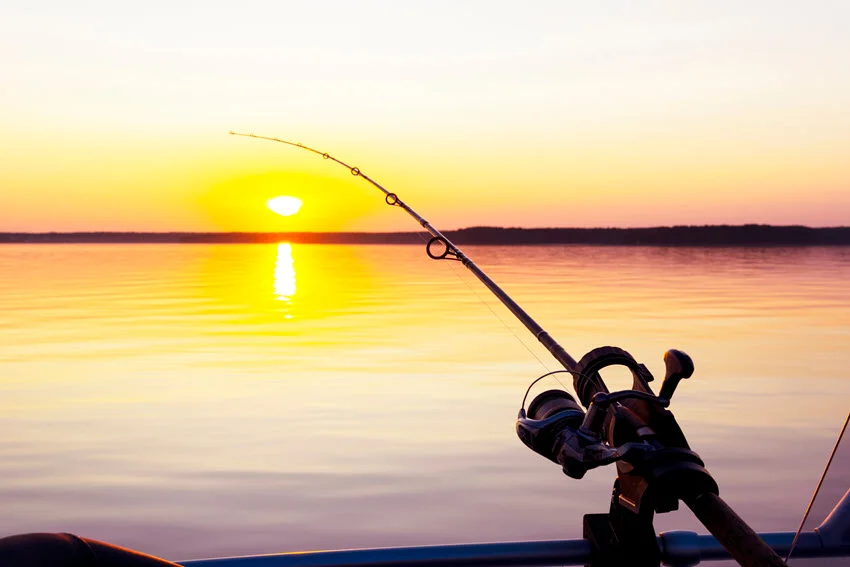
To have a successful day on the water targeting Sailfish, you need the right gear. The gear depends on the size of the Sailfish and the fishing method. Using good gear helps you catch more fish and fight less. Considering the impact of sound equipment on fishing outcomes, carefully analyze the following section.
Use a medium-heavy or heavy rod about 7 to 8 feet long. This rod is strong enough to handle the fast and powerful fight of Sailfish. Pair it with a baitcasting or spinning reel. Use a braided line with a test strength of 30 to 50 pounds. This line is strong and thin, which helps in long runs.
For bigger Sailfish, use a heavier rod and reel. A heavy rod with fast action works best. Use a reel that holds at least 300 yards of strong braided line. Line strength should be 50 to 80 pounds. Add a fluorocarbon leader to help prevent the line from being cut by the fish's bill.
Understanding fishing regulations and preserving specific fish species contributes to protecting fish populations and ecosystems and promoting responsible angling practices.
Anglers Booking Team
If you want to fish for Sailfish, you must follow the rules and regulations. These rules are fundamental. They protect the fish and help keep the ocean full of life. Following the regulations also keeps fishing fun for everyone. Different places have different rules, so it's good to know them before you go fishing. This section explains the most important rules you need to follow.
Rules may change based on season, location, or conservation needs. Remember, if you do not follow regulations, you can face fines and other consequences.
Sailfish fishing is exciting and rewarding. These fish are fast, strong, and a lot of fun to catch. Many anglers dream of catching one. It is essential to adhere to fishing regulations. They help protect Sailfish. Additionally, they help maintain the ocean's balance for future generations.
When we follow the rules, we protect the sport and show respect for nature and the ocean. This way, Sailfish will be around for many years to come. Everyone will have the chance to enjoy this amazing fish.
And we are at the end of our adventure. Now it's your turn. Where do you like to fish for Sailfish? What technique works best for you? What was your most exciting Sailfish catch?

The expert copywriters at Anglers Booking have meticulously crafted this article. Our dedicated team of writers provides valuable insights and information to enhance your angling experience.

September 16, 2025
Subscribe to our newsletter and receive a selection of cool articles every week.
Embark on unforgettable fishing adventures with us at Anglers Booking.
book your charter
September 8, 2026
August 21, 2026
August 18, 2026
August 15, 2026
August 12, 2026
August 8, 2026
August 4, 2026
April 17, 2026

You're now part of our exclusive community. Get ready for premium content and updates straight to your inbox.
close
Subscribe to our newsletter and receive a selection of cool articles every week.
Please enter a valid email address.
Be the first to know when we're back in action.
Please enter a valid email address.
Leave a Comment
Your email address will not be published. Required fields are marked *
Thank you for your comment! It has been submitted for review and will appear on the site shortly.