


Anglers Booking Team
The expert copywriters at Anglers Booking have meticulously crafted this article. Our dedicated team of writers provides valuable insights and information to enhance your angling experience.
 11 minutes read
Snappers are a popular fish among anglers due to their strength, speed, and the excitement they provide when caught. Many people enjoy fishing for them because they put up a good fight and taste great. Snappers live in warm saltwater, and you can find them near coral reefs, rocky bottoms, and underwater wrecks.
They like to hide in deep holes and wait for food to pass by. These fish are active during the day and night. They move in schools, so if you catch one, more may be nearby.

There are various types of Snapper, with Red Snapper among the most sought after due to its bright red skin and strong jaws. Other types include Mangrove Snapper, Yellowtail Snapper, and Lane Snapper, each with unique appearances and habitats.
Snapper fishing can be done from boats or shore year-round, though some seasons are more favorable than others. Today, you will find tips on where to look, what gear to use, and how to hook them. Let's start your Snapper fishing journey.
There are many types of Snapper you can catch. Each one has its own size, color, and habits. Some live in deep offshore waters, while some stay near the coast. Here are the most common Snapper species anglers target.

Red Snapper can grow up to 40 inches long and weigh over 50 pounds. Most caught fish are around 20 inches. They can live for more than 50 years. This fish is highly sought after by anglers for its impressive size and strength. They are often caught on deep-sea trips. In some places, there are strict rules on how many and when you can keep.
Red Snappers have bright red skin and pointed faces. They stay near the bottom in deep waters. You can often find them at depths over 50 feet. They swim close to reefs, rocks, and shipwrecks. Their eyes are large. They give them the possibility to see in the dark water. You can sometimes spot them on a fish finder near big structures.
Red Snappers eat small fish, shrimp, and squid. They are strong hunters and feed during the day and night. They use their sharp teeth to grab and crush prey. Using live bait works well for catching them.

Mangrove Snappers usually grow to about 10 to 20 inches, but some reach 30 inches. They weigh between 1 and 10 pounds. Their lifespan is up to 20 years. They are also called Gray Snappers. They are common in both saltwater and brackish water. You can even find them in bays and tidal creeks.
This Snapper has a gray or brown body with dark stripes. You can find it in shallower water, often near docks, mangroves, and inshore reefs. They usually stay at depths of 400 to 600 feet. They are intelligent and quick, making them fun to catch. They often hide under structures and dart out to grab food. Lighter tackle works well because they spook easily.
Mangrove Snappers eat crabs, shrimp, and small baitfish. They like to stay near cover where they can hunt easily. They often strike fast and hard. Live bait near the structure is an effective way to attract bites. They feed more during dawn and dusk.

Yellowtail Snappers grow to about 12 to 30 inches in length. They usually weigh between 1 and 5 pounds, although larger ones can be heavier. They can live up to 14 years. Their yellow stripe and tail make them easy to spot. They are common in the Florida Keys and the Bahamas. These fish are also popular targets for beginner anglers.
These fish have a silver body with a bright yellow tail. They are often found near coral reefs and sandy bottoms. Yellowtail Snappers stay at depths of 30 to 250 feet, usually in clear water. They like warm, tropical waters and calm seas. During the day, they swim in schools just above the reef.
Yellowtail Snappers eat small fish, worms, and crustaceans. They feed during the day and are very active. They often move into schools, so where there's one, there are likely to be more. They are known to bite on cut bait and small jigs. Chumming the water helps bring them closer to your boat.
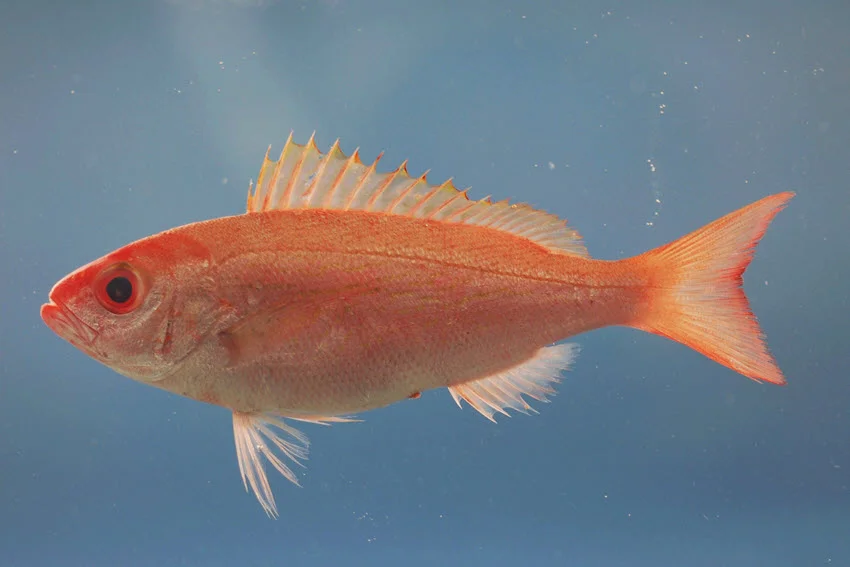
Vermilion Snappers usually grow to about 14 to 24 inches long. Their average weight is from 1 to 4 pounds. Some can get larger, but that's less common. They can live up to 15 years. Their slender body and bright red colors make them easy to recognize. Vermilion Snappers are commonly found in the Gulf of Mexico and along the southeastern U.S. coast.
Although many people at first glance don’t see the difference between the Vermilion Snapper and the Red Snapper, the Vermilion stands out with its vibrant reddish-pink body accented by faint horizontal lines running along its sides. This species is typically found near reefs, wrecks, and other underwater structures. They can be found at depths of 80 to 350 feet. Vermilion Snappers often form large schools.
They feed on small fish, shrimp, and other invertebrates. They are active during the day and often bite on cut bait, squid, and small jigs. Because they school together, catching one often means more are nearby.

Snappers can be caught year-round. Their activity changes with the seasons and water temperature. Our focus below will be on how time impacts fishing success. We will look at seasonal patterns, times of day, and water conditions.
Red Snappers are most active from late spring to early fall. During this time, they move closer to shore to spawn. Mangrove Snappers are active year-round in shallow coastal waters and estuaries. Yellowtail Snapper are usually caught in warmer months, from late spring through early fall. In colder months, Snappers move to deeper waters where it is warmer.
It is essential to know which part of the day is most productive for this fish species. Early morning is the best time to fish for Snapper. Late afternoon could also be fruitful. They feed more actively when the light is low. Midday fishing can work, but Snappers often stay deeper or near cover to avoid bright light. Cloudy or overcast days may require extended feeding times.
Snappers thrive in warm waters. Their peak activity occurs when temperatures range between 75°F and 85°F. These conditions support higher baitfish activity, which naturally draws Snapper closer to structures. Water movement plays a significant role in how Snappers behave. As the current picks up, it stirs up the seabed and pushes small baitfish toward reef edges and rocky bottoms, triggering a feeding response in Snapper.
Finding the right spot is key when targeting Snapper. These fish gather in specific environments. Choosing the right location can make all the difference. Below, you'll find some of the most productive areas where Snapper are known to bite.

The Gulf of Mexico is very popular for Red Snapper fishing. The best time to fish here is from June to September when Red Snapper move to shallower waters for spawning. However, the Gulf has seasonal closures and bag limits.
Red Snapper are found near reefs, oil rigs, and wrecks at depths from 50 to 300 feet. Here, the best Red Snapper bait is small fish, shrimp, and crabs.

The Florida Keys offer excellent fishing for Mangrove Snapper and Yellowtail Snapper. The best months are April to October. Mangrove Snapper live around mangroves, docks, and reefs at shallow to moderate depths (5 to 100 feet). Yellowtail Snappers prefer coral reefs and swim at 30 to 200 feet.
Both species can be caught year-round, with peak catches occurring in warmer months. These Snappers eat small crustaceans, fish, and worms.

This place in Australia is home to many Snapper species, especially Red Snapper. The best fishing time is from September to March. Snappers here live near coral reefs at depths from 20 to 150 feet.
The reef's complex structure provides hiding spots and serves as a feeding ground. They feed mainly on smaller fish, but their menus often include mollusks. Fishing here requires local permits.

The Bahamas are a hotspot for Yellowtail Snapper and Mangrove Snapper. The best months for fishing are from May to September. During this period, the water is warm and fish are active near reefs.
Snappers swim in clear, warm waters. Depths range from 20 to 150 feet. This place provides some of the best conditions for Snapper fishing in the Caribbean. They often swim in schools here.

Cape Cod is known for good Snapper fishing. The best time to fish here is from June to September when Snapper move into shallower coastal waters. At this location, you can find them near rocky bottoms, reefs, and wrecks.
They prefer depths of 10 to 60 feet. The area offers easy shore and boat fishing options. Scup eats crustaceans, worms, and small fish.

The Belize Barrier Reef is a top spot for Mangrove Snapper and Yellowtail Snapper. The best months for fishing are from March to July. Snappers live around coral reefs from shallow waters to about 100 feet deep.
Clarity is one of the characteristics of this place. Additionally, it is renowned for its diverse marine life. They feed on shrimp, crabs, and small fish. Fishing here often involves light tackle and live bait.

South Africa's coastline offers great Snapper fishing. The best time to fish is from November to April. These Snapper species live around rocky reefs and offshore pinnacles at depths from 20 to 150 feet.
Strong currents and a diverse array of marine habitats characterize South Africa's coastline. They feed mainly on crustaceans and small fish. Anglers enjoy both boat and shore fishing here.

The Mediterranean Sea has several Snapper species. The best fishing season is from May to October, when the waters are at their warmest.
These fish prefer rocky bottoms, caves, and reefs at depths ranging from 20 to 100 feet below the surface. The clear waters make sight fishing possible.
Snapper fishing is an exciting experience that challenges your skills and rewards your patience. To boost your catch, you need to master the right techniques. Stay focused as we break down the most effective methods below. For the best results, use a fish finder to help you target fish underwater.

Anchoring your boat in good spots is very helpful. Use barley (chum) to attract Snapper. Berley are small bits of bait thrown into the water. It creates a scent trail that attracts fish. Use a mesh chum bag or chum pot and hang it off the side of the boat to slowly release the scent. Use light tackle and natural baits such as pilchards, squid, or cut fish in the chum line.
Chumming can take time. However, once Snappers find the scent, they often arrive in large numbers. You can also combine this with bottom rigs for better results.

Drifting over reefs or sandy bottoms helps you find Snapper schools. Let your boat move slowly with the current or wind. This way, your bait or lure covers more area. Drifting allows you to check depths and locate active fish. Use a drift sock to slow your boat's movement if the current is too strong.
Vary your bait types and depths to find where the fish are feeding. Keep an eye on your fish finder to track fish activity and changes in structure.

This technique is very popular for this type of fish. Use a heavy weight to keep your bait near the bottom – Snappers like to stay close to rocks, reefs, or wrecks. Use live or cut bait, such as small fish, crab, or squid. Keep your bait near the structures where Snappers are often found.
For best results, use circle hooks and strong fluorocarbon leaders. Check your bait frequently and reposition near structure if you're not getting bites. Try fishing during a low-light period.

Trolling means slowly pulling a bait or lure behind a moving boat, which allows you to cover a large area in search of fish like Snapper. It works well to locate active fish on the move. Some of the best Snapper lures you can use are diving plugs, spoons, or natural baits when trolling for Snapper.
Adjust your trolling depth with weights or downriggers to reach where the Snapper are suspended. Try trolling near reef edges or along underwater structures where they are likely to strike.

Jigging means lifting and dropping your bait in the water. You can do this from a boat or the shore. Metal or soft plastic jigs work well for Snappers. This method looks like a wounded fish and attracts Snapper quickly.
Drop the jig to the bottom. Then work it upward in jerking motions. Use a braided line for better sensitivity. You should match the jig weight to the water depth.

The effective bait is essential for Snapper fishing. In this section, we explain the best live and dead baits and artificial lures. We also discuss the best lure color.
Live bait is one of the best ways to catch Snapper. These baits move naturally. They have a strong scent. Snappers often strike live fish quickly. Yellowtail Scad, slimy Mackerel, legal-sized Whiting, small Salmon, Garfish, and live squid all work well. Hook them through the nose or back so they can swim freely.
Live bait is most effective near reefs, wrecks, and rocky bottoms. Use a strong hook and enough weight to reach the bottom. In warmer months, Snappers are more active and chase live bait more often.
Artificial lures are great for covering a larger area of water. They are reusable. In some situations, they can be effective as live bait. Snappers often strike when the lure looks like a wounded fish.
Soft plastics are very popular. Use grub-style or paddle-tail lures. Fish them slowly near the bottom or bounce them off rocky areas. Natural colors work well. You can try silver, white, or pink colors. Jigs with bait strips or flasher rigs add movement. These setups attract Snappers in deeper water. They are easy to use. Often, these lures bring fast results.
Dead bait also works well and could be productive when Snappers are not aggressive. Some top dead baits include pilchards, bonito fillets, squid strips, and prawns. Pilchards are oily. They create a strong scent trail. Snapper can't resist it. Squid strips stay on the hook longer and move naturally in the water.
Use these baits on the bottom, with a sinker or paternoster rig. Cut the bait into firm pieces to match the Snapper's mouth size to avoid bait theft from smaller fish.
Lure color can affect the number of bites you get. In clear water, use silver, white, and light blue. These look like real baitfish. In stained or murky water, use brighter colors. Pink, orange, or chartreuse works the best. These are easier for the Snapper to see. In low-light conditions or deep water, darker colors (purple or black) make a better silhouette and trigger more strikes.

Snappers are powerful fighters that will easily put your gear to the test. That's why you need the proper setup. Your rod, reel, line, and hooks must match the fish and the water you're fishing in.
For smaller Snapper near the shore, use a medium spinning rod. A rod about 7 feet long works well. Pair it with a 3000 to 4000-size spinning reel. Use a 10 to 15-pound braided line with a fluorocarbon leader of approximately 12 to 20 pounds. This gives good strength and stays invisible in clear water. A sensitive tip helps detect bites. A smooth drag system prevents pulled hooks during sudden runs. This setup is great for shallow reefs, rocky edges, and bays.
For deep-water fishing or bigger Snapper, use a medium-heavy rod. It should be strong but not too stiff. Match it with a 4000 to 5000-size reel for more power. Use a 15 to 20-pound braided line and a 20 to 30-pound fluorocarbon leader. This combo helps with abrasion resistance near rocks and wrecks. Heavier gear allows you to use larger sinkers and handle stronger currents. It also helps pull big Snapper out of heavy cover.

Understanding fishing regulations and preserving specific fish species contributes to protecting fish populations and ecosystems and promoting responsible angling practices.
Anglers Booking Team
When fishing for Snapper, you must follow the rules. Here are the basic things every angler should know. Be focused on the part below.
Respecting the law helps maintain strong Snapper stocks. Always return small fish and avoid keeping more than you need. If you're fishing deep, use venting tools or descending devices to release fish safely. These tools help Snappers recover from pressure changes and survive after being let go.
We've reached the end of our Snapper fishing guide. One thing is clear. Snapper fishing is a rewarding experience for all anglers. These fish are strong, bright, and beautiful.
If you follow the advice from this guide, you are on the right track to success. Select a location that suits your style, then get the right gear for Snapper.
So, what is your favorite Snapper species? Which bait or technique do you like the most? Let us know in the comments!

The expert copywriters at Anglers Booking have meticulously crafted this article. Our dedicated team of writers provides valuable insights and information to enhance your angling experience.

June 25, 2025
November 2, 2025
Subscribe to our newsletter and receive a selection of cool articles every week.
Embark on unforgettable fishing adventures with us at Anglers Booking.
book your charter
October 2, 2026
September 8, 2026
August 21, 2026
August 18, 2026
August 15, 2026
August 12, 2026
August 8, 2026
August 4, 2026

You're now part of our exclusive community. Get ready for premium content and updates straight to your inbox.
close
Subscribe to our newsletter and receive a selection of cool articles every week.
Please enter a valid email address.
Be the first to know when we're back in action.
Please enter a valid email address.
Leave a Comment
Your email address will not be published. Required fields are marked *
Thank you for your comment! It has been submitted for review and will appear on the site shortly.