


Anglers Booking Team
The expert copywriters at Anglers Booking have meticulously crafted this article. Our dedicated team of writers provides valuable insights and information to enhance your angling experience.
 11 minutes read
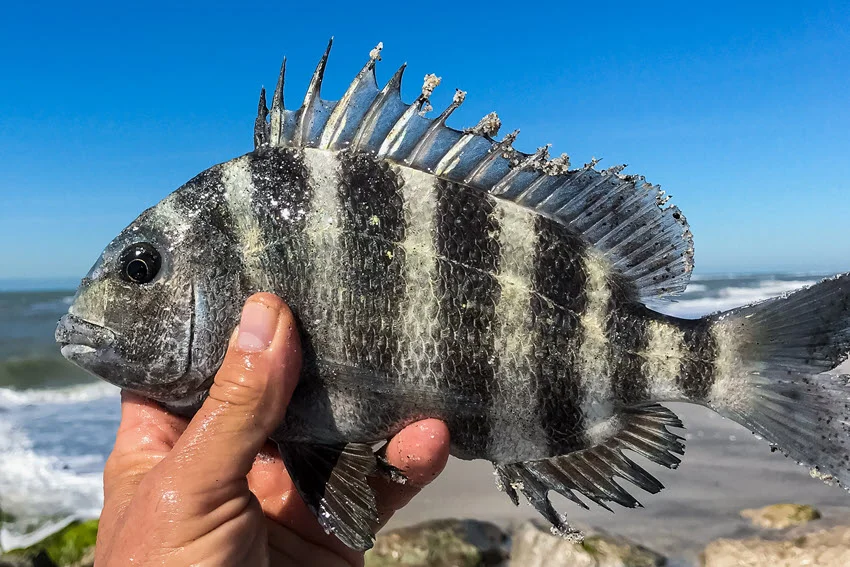
As a beautiful predator of the deep, the Snapper comes in many subspecies. It balances a striking appearance with a ferocious predatory nature. An incredibly colorful and sharp-toothed species, the Snapper is a true miniature delight for anglers. But how challenging fish are not only in size and character!
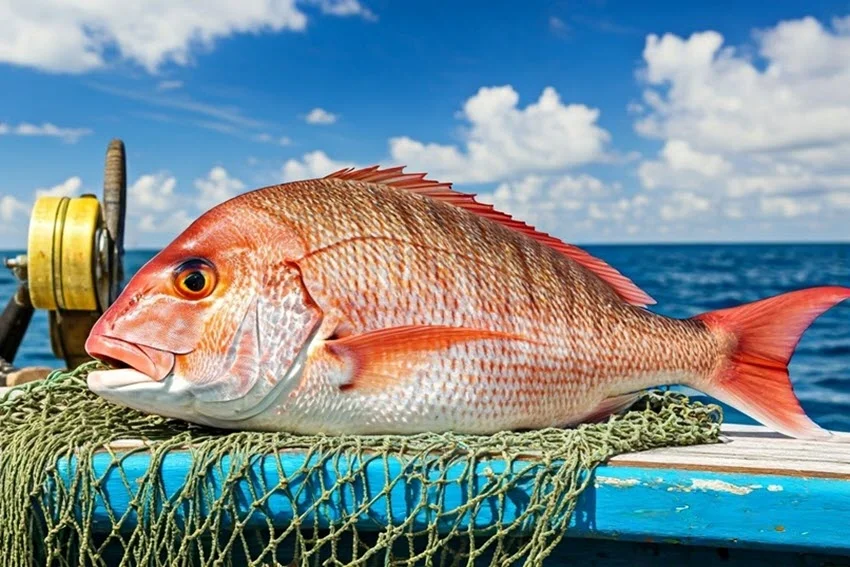
To lure a Snapper, you need to know their favorite foods, such as their love of crustaceans and small fish, which, among other things, make them a pleasure to strategize. What kind of bait is it, and how best to use it? Find out about Snapper in the guide. Find out what will make Snapper bite, what will repel it, and how to adjust the setup for success!

The Snapper is an impressive fish that captivates with its bright colors, sharp instincts, and excellent taste. Snapper fish come in many varieties, with the most famous being the Red Snapper, one of the ultimate stars of the Gulf of Mexico.
Then there is the Mangrove Snapper, which is much smaller but tricky and challenging to catch. Yellow and Lane Snapper roam the shallows and around reefs, while the large Kubera Snapper, the largest species, can be found in deeper waters.
Snappers come in a wide range of sizes and eat a variety of small fish, squid, and fresh crabs. They are susceptible to the influence of tides, seasons, and water temperature. In addition to reefs, they often visit wrecks and other structures. Despite their size, from small juveniles to trophy-worthy giants, Snappers can cunningly avoid hooks.
Although they can be found in shallow coastal waters to the depths of the open sea, Snappers are vocal symbols of structures and reefs, where they find ample shelter and abundant food sources.

Reefs and wrecks offer Snappers shelter and an almost constant supply of prey. These are areas too rich in small fish, crabs, and other marine animals that Snappers readily feed on. Your best bet is to target them early in the morning and late at night when Snappes are most active.
Ensure your bait is the typical food they fish for: shrimp, sardines, or squid. Underwater structures are often tricky areas, so bottom fishing is the best option because it also allows you to target Snapper, which congregates there in search of food.

Juvenile Snappers are very often found in coastal waters, especially areas rich in grassy areas. Those areas are perfect because they provide protection and nourishment for the crabs, allowing them to grow and thrive.
Fishing in these waters requires light tackle and smaller, primarily live baits such as pilchards or shrimp, which are relatively easy to catch. Adjust to the tidal movements that play a key role in achieving even better success.

Older and larger Snappers swim in deep, offshore waters. They explore ledges, slopes, and underwater canyons. These habitats are for slightly more experienced anglers who use jigging techniques or live baits such as pinfish or cigar minnows.
These methods allow you to reach the lower layers of the water column, where Snappers are more likely to be found. Snappers seem timid, but if they are larger trophy specimens, the fight can be fierce, as these larger fish are determined to escape when caught.

While looking for food, protection, or a place to spawn, Snapper migrates through transitional areas, i.e., meeting points between shallower and deeper waters. These are often underwater channels, ledges, reefs, and transition areas from sandy to rocky bottom.
Small fish and shrimp, Snapper's favorite prey, also seek shelter here and are very easy prey for Snapper. Techniques like bottom fishing and jigging with live shrimp or sardines work best in these areas.

Small Snappers are mostly hiding in the waters of estuaries and bays. They find shelter among mangroves and fields of vegetation, where many small shrimp are ideal for their growth and development.
These are ideal areas for beginners in Snapper hunting. Light gear with natural baits, such as pilchard or shrimp, is enough for a relaxed Snapper fishing session.
In most regions where Snapper inhabits, it can be caught throughout the year, with behavior and activity varying significantly depending on the season. This means that both bait and fishing techniques must be adapted.

From spring to winter, and depending on how old it is, Snapper shows a whole range of behavior, feeding, and adaptation. At the same time, this means anglers must be familiar with at least the basics so they can adapt the bait and the whole strategy.
Spring is a time of cycle initiation and increased activity for Snapper. Then, they migrate from colder depths to shallower waters in search of food, and spring is the best time to catch live bait such as sardines or herring. Warmer waters and an abundance of prey make Snapper less cautious, and it is relatively easy to lure in spring, and is ideal for both beginners and experienced anglers.
During the summer, Snappers mostly stay in colder and deeper waters to avoid warm water with little oxygen. Their activity decreases significantly during the day but increases during the early morning and late evening hours. They are not easy to catch in the summer, so targeting the shad in deeper areas using bait or live bait near reefs and ledges is the best option. This will get you to cooler, nutrient-rich depths where Snappers are more comfortable and likely to feed.
As temperatures begin to drop in the fall, Snappers are back in shallower waters and can be found in a variety of habitats. At the same time, they begin to feed more aggressively again, which makes autumn ideal for anglers and for experimenting with various baits, such as squid, crabs, and fish strips.
Winter is the best season for Snapper fishing, especially for those targeting larger specimens. They then congregate in large schools around reefs, wrecks, and other underwater structures, and their foraging habits become voracious as they prepare for energy-intensive spawning processes. Baits such as shrimp, crab, and cut bait are incredibly effective during this period, as Snappers are less discerning and more focused on refueling for the new season.
Snappers are sharp-eyed predators with a taste for fresh, live offerings or those that mimic them well. Both live and artificial, Snapper has its favorites. Summarize what they are below.

Live shrimp is a classic bait that will also work for Snapper. Fragrant, volatile, and easy to catch, live shrimps are one of the most effective baits for Snapper. They are good because they can be used in different environments, such as shallow grass ridges or deep ridges.
They are also relatively easy to use, just clip them through the tail or under the horn to ensure they stay lively. Although it works well year-round, it is especially effective during the warmer months in coastal and coastal areas.

If you are focused on larger specimens of Snapper, the Pinfish is one of the best baits, especially for deeper water. These are small and hardy fish and are abundant in coastal areas. The most effective presentation is to put live fish on a circle hook and drop near reefs, wrecks, or ledges. Pinfish are lively and have a swimming action and a strong smell, especially in waters with strong currents.
It is excellent for baiting Snapper during the summer and fall when the Snapper moves into deeper structures. They can also be presented using small hooks and baits such as squid or cut fish, because they are quite resistant to the hook and effective, making pinfish a top choice for more experienced anglers.

Cigar minnows have a specific aerodynamic body, and their natural shimmer intrigues Snapper. Hooking through the nose or dorsal fin will give them the freedom to swim naturally in the water, increasing their appeal.
They show best in the deeper waters where the bigger Snapper resides, around oil rigs, ledges, and wrecks. You can combine them with slow trolling or drifting techniques, and their effectiveness peaks during the summer when Snappers chase schools of lures.

This bait is available and combines many features that Snappers love. The lively scales and movement create an irresistible visual and olfactory attraction, and it is especially effective for inshore Snapper fishing.
Hook the fin through the nose, which ensures it stays alive and swims naturally. It will be very effective when targeting big Snappers near the structure. Threadfin herring is good for spring and early summer when Snapper usually chases them.

Crabs are attractive bait for Snappers because of their hard shells and juicy insides, which are irresistible to Snappers, who have strong jaws to crush them. Fiddler crabs, blue crabs, or even small stone crabs all work well. Attaching crabs to one of the legs or the underside will present them more authentically, especially during winter and early spring.
Live bait often takes the primary position, but it is not rare that artificial bait can not only imitate the natural prey of Snapper but also surpass live bait, especially in terms of practicality.

Soft plastics are very versatile baits and can do wonders for Snapper fishing. They imitate small fish, squid, or shrimp, especially those in natural colors such as white, pink, or silver, to match the local prey. For the best presentation, place them on a jig head or Texas style for better control and a more realistic presentation.
It works great when cast and retrieved near a structure, allowing it to bounce along the bottom. They are especially effective during the spring and fall, although they are always effective, and it is a good idea to always have them with you in your tackle box.

These are the classic Snapper baits whose effectiveness is most significant at different water depths. Their natural-looking profile and pulsating motion, especially when tipped with a piece of bait or soft plastic for added scent, can easily entice Snapper.
They are best used near reefs, ledges, and wrecks. The jig is lowered to the bottom, and bouncing is used to imitate injured prey. Bright colors such as chartreuse, white, or red are used in murky water, while natural tones work better in clear waters.

Metal jigs are also suitable for deep and darker waters. They sink quickly and imitate the erratic movements of frightened or injured fish. Vertical jigging is the basic technique for these lures, with sharp upward pulls followed by a controlled descent to create a fluttering action.
They are especially effective around ledges and oil rigs. Depending on depth and current, choose weights between 1 and 4 ounces.

This type of lure is very underrated, but it is excellent for Snapper, especially in inshore and shallow waters. It easily imitates small fish, the primary food source for Snapper, and it can dive and reach the required depth.
Focus on natural colors like silver, gold, or green to blend in with the local fish. These are most effective during spring and summer when Snappers are extremely active, as they can quickly cover large areas.

Squid are often on Snapper's menu, and rubber baits that imitate koi do well both on land and at sea. Iamju's realistic tentacles flutter naturally in the water. They can work wonders if you put them on a jig head or drop-shot setup and let them sink to the bottom, then use a slow, jerky retrieve to simulate squid movement.
It could be present near reefs, wrecks, and rocky areas, and it can be found in colors like pink, orange, or glow-in-the-dark for low-light conditions.
Snappers are small, cunning fish that can easily outwit you. Therefore, they require not only the right bait but also the right gear to lure them and land them in the bucket. Although small, you will need fine-tuning gear and setup of rod, reel, and strings, which must always follow technique, strategy, and habitat.
The general rule is that you must always be on the lookout for Snapper and be ready to react quickly to every bite. That way, you will be faster and wiser than they are.

Snapper fishing demands power, sensitivity, and precision; the gear you choose must be that, too.
Complicated habitats and strong currents make Snapper fishing difficult, and this is perhaps the most difficult obstacle to overcome in order to keep the bait intact and well-presented.

For the Snapper, in addition to choosing the right baits and lures, it is often the color that decides whether the Snapper will bite. Clarity, i.e., visibility in the water, also plays an important role, so in such clear waters, use white, silver, and transparent green baits and lures that imitate small fish and crabs.
Soft lures and jigs in more contrasting colors become essential in deeper water. Red, orange, and fluorescent shades are better in murkier water, while the gold and navy tones work great in lower visibility conditions or around reefs and wrecks.
Snappers are one of the most sought-after fish in coastal and offshore waters. They are highly adaptable and can be found from shallow grass beds to deep offshore ledges. To outsmart them, your techniques must be tailored to these lively fish's environment and feeding habits.

Bottom fishing is a classic technique often unmatched in Snapper fishing. Snappers live mainly on the bottom around various underwater structures, and bottom fishing targets those areas most precisely.
Anglers rely on a solid rod and reel setup combined with a rig loaded with baits such as squid, sardines, or shrimp to work wonders. It is important to locate the right spot where these fish are and allow the bait to lie just above the bottom. Patience and, on the first pull, waiting a moment before setting the hook ensures a solid catch.

If you have located large schools of Snapper, drift fishing is unassailable. This technique involves letting your boat float with the current while the bait is present at different depths.
Drift fishing works best in moderate currents and above structures in combination with live or cut bait attached to the bottom or a jig head. It is important to focus on the line because Snapper bites can be subtle, as well as adjust the weight of the tackle. A static and dynamic method at the same time, drift fishing is excellent for both beginners and experts.

Vertical jigging is a very active technique that targets Snapper in deeper water using metal jigs or weighted lures. This enables a dynamic presentation of baits; the method involves lowering the template to the desired depth and quickly removing it with jerking movements.
The focus should be on powerful equipment because this is how larger Snappers are mostly caught. It is necessary to maintain a consistent rhythm and adjust the jigging speed, and this technique not only entices the Snapper but also keeps the angler fully engaged in the action.

Dramatic and a little on the verge of madness, you could describe this technique as scattering tiny pieces of bait, such as chopped fish or squid. Once you have located the fish, you can drop your baited hooks into the area.
Chunking is similar but focuses on throwing more prominent pieces of bait for trophy Snapper. An unusual technique that is most effective when the boat is anchored near where the Snapper are schooling. Equip yourself with fresh bait and lighter tackle for the best results.

Since Snapper species are often found near structures such as mangroves, piers, and docks, this technique is usually the easiest way to catch them, especially if you are a beginner. You will need a light rod and reel to cast live or artificial baits as close as possible to where the Snappers are hiding without getting tangled.
Anglers mostly opt for live bait such as shrimp or small fish, although bait such as soft plastic can also be effective. Pay attention to the tides and arm yourself with vigilance and patience, as the Snapper is quick to attack but just as adept at retreating if spooked.

Snapper fishing is generally safe, but there are several situations where you should pay attention to safety. Snappers have sharp dorsal spines, and their habitats, reefs, and wrecks can pose a risk due to sharp edges, strong currents, and slippery surfaces. Therefore, pay attention to the following.
Safety is always a priority in fishing, so it is important to take precautions to enjoy safer and more profitable fishing.

Understanding fishing regulations and ethical practices about specific fish species protects fish populations and ecosystems and promotes responsible angling practices.
Anglers Booking Team
Snappers are generally a very numerous fish, and although they are abundant in many regions, strict compliance with fishing regulations is essential for balanced marine ecosystems. Most areas and countries have specific hunting regulations, including bag limits, size limits, and seasonal closures, and you, as an angler, must comply with them.
NOAA Fisheries manages the health of the Snapper fish population and, if necessary, takes prescribed measures to protect specific species of these fish.
Ethical and responsible fishing is always in force, so it is not a bad option to use circular hooks, because they reduce the risk of fish injuries, making it easier to release a smaller catch. Take care of the environment and always pick up any fishing lines, hooks, or other debris.
Snapper is a species that provides anglers of all levels with chances for quality fishing pleasure. A van of excitement, skill, joy, and the opportunity to explore the marine habitat in detail and experiment with lures.
If you are an active angler, you have probably already encountered various types of Snappers or tried to catch them with various baits. Therefore, write to us in the comments about which lures have proven to be the most effective for you.

The expert copywriters at Anglers Booking have meticulously crafted this article. Our dedicated team of writers provides valuable insights and information to enhance your angling experience.

June 27, 2025
Subscribe to our newsletter and receive a selection of cool articles every week.
Embark on unforgettable fishing adventures with us at Anglers Booking.
book your charter
September 8, 2026
August 21, 2026
August 18, 2026
August 15, 2026
August 12, 2026
August 8, 2026
August 4, 2026
April 17, 2026

You're now part of our exclusive community. Get ready for premium content and updates straight to your inbox.
close
Subscribe to our newsletter and receive a selection of cool articles every week.
Please enter a valid email address.
Be the first to know when we're back in action.
Please enter a valid email address.
Leave a Comment
Your email address will not be published. Required fields are marked *
Thank you for your comment! It has been submitted for review and will appear on the site shortly.