


Anglers Booking Team
The expert copywriters at Anglers Booking have meticulously crafted this article. Our dedicated team of writers provides valuable insights and information to enhance your angling experience.
 13 minutes read
Port St. Joe, a hidden gem on Florida's Forgotten Coast, offers a unique fishing experience. This charming town, off the beaten track, welcomes visitors with its small-town, big-heart spirit. For anglers, it's a paradise with a warm and welcoming community, diverse fishing spots, and a variety of fish species unique to this part of Florida.

There is no shortage of adventure, from the calm shores to the vast waters of the Gulf, over the golden beaches, kayaking in the peaceful bay, or going to the peninsula of St. Joseph.
Stay with us if we have piqued your curiosity to explore this town further. We will introduce you to the most famous fish species and impressive locations, throw in a fishing trick, and more! Get ready to experience the thrill of catching these unique fish species in Port St. Joe!
The fish universe in Port St. Joe is captivating. Almost every fish species characteristic of Florida and the Gulf of Mexico can be found here, each with unique traits and behaviors. Find out more about these fascinating creatures below.
Redfish, Snapper, Flounder, and many other species swim here, making fishing easy in Port St Joe. But you need to know them better to increase your chances of catching some. Keep reading, and you will find out.

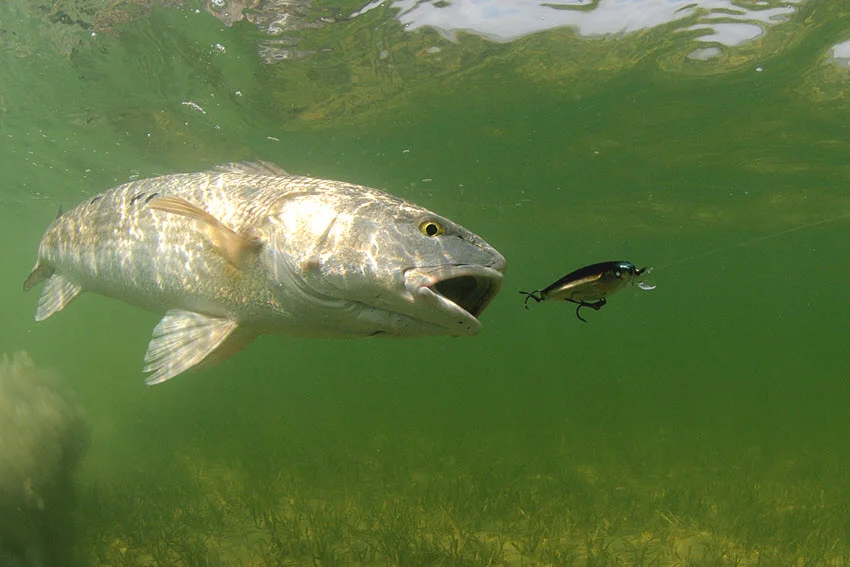
Redfish are one of the most iconic inshore fish in Port St. Joe, instantly recognizable by their reddish-bronze color and the signature black spot near their tail. These fish are powerful and opportunistic, commonly found hunting in shallow flats, oyster beds, and mangrove-lined banks. In local waters, Redfish typically grow up to 30 inches, though trophy specimens over 40 inches are not uncommon.
They are active year-round, but their peak in Port St. Joe comes during the cooler winter months when they push into the shallows. They respond well to both live bait and soft plastics, especially when cast near structure. Their strength and year-round availability make them a reliable and rewarding target.

Flounder are flat, bottom-dwelling fish with excellent camouflage and a stealthy hunting style. Their ability to blend into sandy or muddy bottoms makes them masters of ambush. Most commonly found near reefs, jetties, and wrecks, Flounder in Port St. Joe typically range from 12 to 20 inches, with larger catches possible in deeper areas.
To catch Flounder, work your bait slowly across the bottom, where they lie in wait. They're opportunistic feeders that will strike both natural and artificial baits. Anglers targeting Flounder in late fall often enjoy the best success around sandy drop-offs and rocky edges.

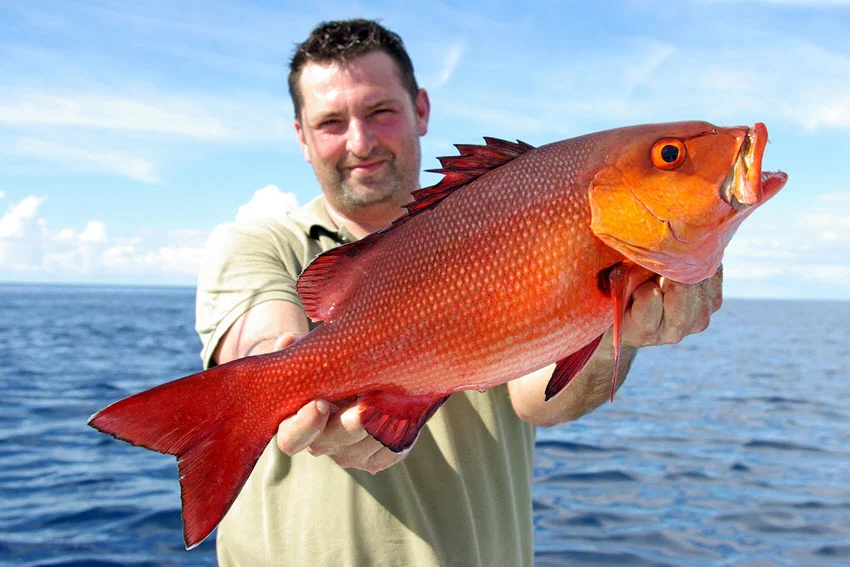
Snappers are vibrant reef dwellers known for their sharp senses and bold strikes. Mangrove and Lane Snapper are most common in Port St. Joe, characterized by their vivid colors and stocky build. They thrive around underwater structures like reefs, wrecks, and rock piles, ranging in size from 10 to 20 inches, while Red Snapper can exceed 40 inches.
They are active feeders that often respond aggressively to well-placed live bait. Target them during peak seasons using bottom rigs around rocky or artificial structures. Though they can be elusive, their taste and fight make them a favorite among seasoned anglers.

Tarpon holds a respected status along the entire coast of Florida because it possesses all the superior qualities that anglers value in a fish: large, beautiful, with a graceful demeanor and a formidable fighting spirit. It can grow 4 to 8 feet tall and weigh 60 to 280 pounds. This magnificent fish species likes to swim and lurk in shallow coastal waters, bays, and estuaries.
Successful and productive Tarpon hunting requires skill, knowledge of their behavior, and adequate preparation for their intense, balletic battles. Understanding their habitat and behavior will empower you to match their raw, majestic power.

Black Drum is a resident who diligently searches various bottom structures for crustaceans, mollusks, and small fish. While they may not be as aggressive as their red counterparts, the Black Drum makes up for its size, often reaching lengths of up to 30 inches and weighing over 50 pounds. Also, the Black Drum is a highly adaptable fish that thrives in marshy areas and deeper saltwater channels.
Anglers often combine live and artificial bait, using bottom or Carolina equipment, because Black Drummers are adept at devouring hard-shell baits. Black Drum is a heavyweight species, meaning you must match it with your skills and wisdom.
Various species of Tuna, King Mackerel, and even the unusual Mahi Mahi occasionally migrate to the waters of Port St. Joe in search of food and a better environment or for reasons known only to themselves. Here are some of them.

King Mackerel, often referred to as Kingfish, are fast and aggressive predators known for their streamlined bodies and sharp teeth. In Port St. Joe, they're common during warmer months and often roam nearshore reefs and wrecks. Most range from 3 to 5 feet and can weigh over 30 pounds.
Trolling with live or rigged bait at varying depths is most effective for Kingfish. Their blistering runs and hard strikes make them a favorite for adrenaline-seeking anglers. Be sure to use wire leaders, they're known for cutting lines with ease.

Numerous Tuna species pass through the waters of this region during their migratory journeys. However, the Blackfin Tuna stands out for its size and delicious meat. It resembles an elegant, expensive bullet, with a metallic blue-black tint along the back and a shimmering silver-white underside. They range in size from 20 to 40 pounds, and specimens exceeding 40 pounds are not uncommon.
Blackfin are most active at dawn and dusk and strike aggressively when presented with fast-moving jigs or poppers. Locate bait balls or birds diving near the surface to increase your chances of success. Their fight and meat quality make them a prized target.

Mahi Mahi are a tropical favorite, famous for their vivid green, blue, and yellow colors, as well as their high-speed aerial displays. These fish roam warm currents near weed lines and floating debris and are commonly seen from June through September. Most range from 10 to 30 pounds, although some exceed 50 pounds.
Trolling near weed lines with brightly colored lures is highly effective. Mahi often travel in pairs or small schools, so where there's one, more are likely nearby. Their striking appearance and flavorful meat make them a top-tier catch.

In the deep seas near Port St. Joe, anglers target the fearsome and fast Wahoo. This champion sea swimmer has a warrior personality, a distinctive blue-green body shade, and great respect among experienced anglers. Wahoo likes to roam around reefs, oil rigs, rock structures, and all places where its favorite food swims.
Wahoo will grow up to 70 pounds, with specimens exceeding 100 pounds. Wahoo fishing season runs from late spring to early fall due to their migratory cycles. Wahoo hunting requires skill and experience because Wahoos have a primal passion for life and show it with no shame.

Jack Crevalle are muscular, silver-blue predators with dark stripes along their sides and an aggressive personality to match. Found near piers, inshore channels, and flats, they're common in Port St. Joe from spring through early fall. Most weigh between 5 and 20 pounds, though larger fish do appear.
They are often underestimated but deliver brutal power and long, fast runs when hooked. They're most active in moving water and respond well to noisy lures and live bait. While not a top table fish, they're a favorite for pure sport and adrenaline.
Florida's prime fishing locations in Port St. Joe are certainly well-spent! If you are a veteran angler, the moment you come here, you will feel the call of fish and game around every corner. However, to make your search more accessible or complex, we have highlighted a few locations that suit our tastes.

St. Joseph Bay is just minutes from downtown Port St. Joe, offering easy accessibility and a rich diversity of highly colorful marine life. Anglers are drawn to its calm waters, rich seagrass beds, and extensive coastline, ideal for various inshore fishing techniques. From here, you can cast or launch a kayak for Redfish, Speckled Trout, Flounder, or Sheepshead.
Several public boat ramps and marinas offer launch sites, and it's very close to town, so if you need something like fishing gear easily delivered, you'll find your way around quickly. Despite the proximity to the city, the coast is relatively quiet and overhyped, making it the most wanted fishing spot for those who like such an experience, with the bonus of a stunning view.

St. Joseph Peninsula is remote, offering secluded peace and more than enough fishing excitement. Located just a few minutes' drive from Port St. Joe, this sparsely populated strip of land provides access to both sides of the bay and a chance to catch a Redfish, Brown Trout, Flounder, and Sheepshead.
On the other side of the Gulf, anglers can try their hand at surf fishing with the chance to hook species like Pompano, Whiting, Spanish Mackerel, and more.
Whatever technique and fish you choose, fishing on the St. Joseph Peninsula offers a peaceful fishing experience you can easily customize to fit you.

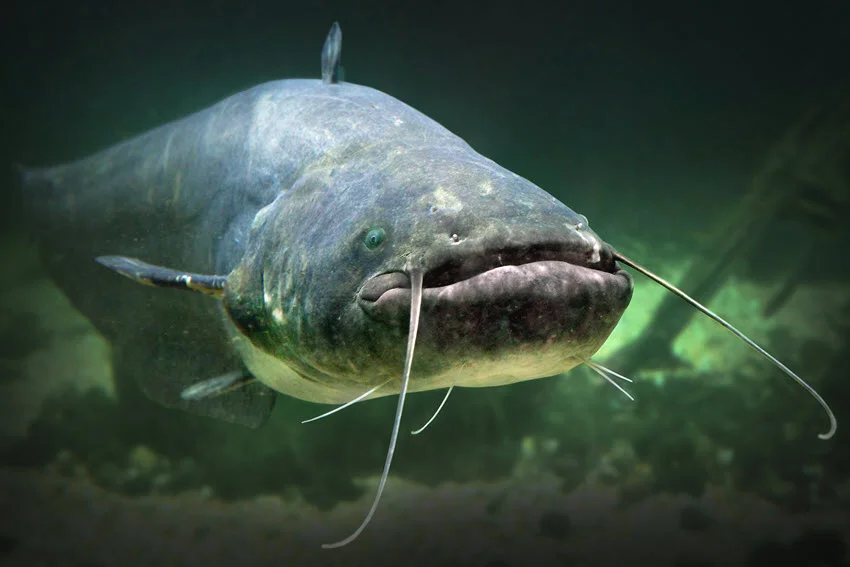
Despite its somewhat ominous name, the Dead Lakes are teeming with life! As if to spite the name, here you can find an abundance of monster fish, primarily freshwater species, including Bass, Crappie, Bluegill, and Catfish.
The vast waters of the lake, along with the labyrinth of cypress trees and submerged tree stumps, favor the development of these species. At the same time, the lake is excellent for a solo kayak fishing expedition, as the waters are calm and spacious, with numerous channels and places to explore.
So, if you get tired of the constant sun and the lack of natural shade, the surrounding cypress trees and lush vegetation through which the blue sky peeks will protect you here. The sounds of nature, including birds and various small animals, obscure the unreality of the atmosphere.

Cape San Blas, located south of Port St. Joe, is a famous fishing destination, thanks to its stunning beaches, extensive sandbars, and reefs. It is the prime fishing location for surf sight fishing or to go further by kayak. The proximity to the Gulf of Mexico has blessed her.
Cape San Blas is home to various species, including Pompano, Whitefish, Redfish, and Sharks. In short, everyone can find a fish that suits their temperament.
Public beaches provide access to Cape San Blas fishing spots, and kayak launches are available to anglers. Cape San Blas has much to offer: enjoyment on a profound ocean level, no matter what that means to you, as long as it is safe and legal.

Indian Pass is a picturesque and rich fishing area west of Port St. Joe. Its shallow waters and diverse marine habitats make it accessible to anglers of all levels.
In the vast shallow waters of Indian Pass, anglers mostly hunt Redfish, Speckled Trout, and Flounder basking in the grassy flats and oyster bars. You can hunt by sight fishing, kayaking, or live bait casting.
For those looking for offshore adventures, Indian Pass also offers the opportunity to hunt for King Mackerel and Grouper, often reef-dwelling wrecks and artificial structures. Given its proximity to Port St Joe, it's a shame not to visit Indian Pass, which is breathtaking in many ways.
With compliance with the necessary regulations and all the permits, the sky's the limit regarding the techniques you can apply to Port St. Joe and its surroundings. We have selected a few of the most impressive ones for you, specifically those that best complement the beauty of this location.

In Port St. Joe, live bait fishing is often used because it is a basic technique that allows for all setups and is easy to apply from various habitats, including shorelines, piers, bridges, or boats.
It is mainly used to hunt species such as Snook, Tarpon, and Cobia. The technique allows using a wide range of live baits, such as shrimp or crabs, to which most fish are not immune if presented well.
If you go further offshore, anglers setting up live bait can catch Cobia or Amberjack near reefs, wrecks, and bait schools. Medium-heavy spinning or heavy rods are mainly used, depending on your preferred species and habitat. Quality equipment is always imperative because it will help keep the fish from running away from the bait.

Fly fishing in Port St. Joe is more than just targeting desired species; it is a skilled pursuit that requires skill, finesse, and dedication developed through years of practice. Anglers must use specialized equipment, such as light fly rods and reels, and carefully tied artificial flies specially designed for this technique to imitate shrimp or crabs. Many species can be targeted by fly fishing, but they are mostly prized fish such as Tarpon, Redfish, or Bonefish.
Essentially, the casting technique in fly fishing relies on the angler's ability to use line weight to present the fly to the fish delicately. It simultaneously requires measuring time, dictating rhythm, and controlling accurately. Fly fishing trips in Port St. Joe often end up in shallow flats and mangrove banks, where conditions are most favorable.
For many, fly fishing is more than fishing; it's a timeless pursuit that celebrates the harmony between anglers and the environment.

If any technique guarantees quiet exploration, sneaking through various small estuaries and canals, and the possibility of a good catch, it is kayak fishing. In Port St. Joe, kayak anglers mainly fish for Brook Trout, Redfish, and Flounder.
Additionally, kayaks provide flexibility and freedom to roam, enabling anglers to discover secluded fishing spots away from the crowds. You can use lighter and heavier hooks, depending on what you are fishing for and how good your kayak is.
Most kayak fishing enthusiasts consider this approach the perfect blend of adventure, strategy, and a profound sense of immersion in the mysterious lives of fish and the surrounding environment.

Trolling is for you if you like to chase deep-dwelling species such as Mackerel, Mahi Mahi, and Tuna. Anglers place bait behind a moving boat, and the changing speeds create a spectacle that should attract various aquatic species.
Trolling is highly effective in offshore waters and along the Gulf Stream, where deep-sea fish migrate to feed. Anglers' trolling efficiency is reflected in their ability to present the bait at different depths and distances from the boat and cover a large water surface.
If the baits are well presented, they can provoke aggressive strikes from hungry fish. That is why anglers need to know how to adjust their trolling techniques, bait selection, and trolling patterns to match the behavior of the target species. Trolling is done near sea reefs and weeds where surface signs reveal the presence of fish.

Sight fishing is a genuinely intriguing and captivating technique that can be practiced in Port St. Joe. It is ideal for shallow flats and along pristine coastlines. As the name suggests, sight fishing involves visually spotting fish in clear water and throwing a hook and suitable bait directly at them. Anglers can walk or glide on a paddle or kayak with polarised glasses.
Although it may seem fun, sight fishing requires a strong focus, keen observation, and self-control – it's almost like a martial art. It is prevalent for targeting Redfish and Bonito, which often inhabit shallow, sandy bottoms.
Lures and rods are adapted to the fish but are generally lightweight tackle because accurate casting is integral to sight fishing's success.
Various formal and informal tournaments are organized along the Gulf of Mexico, where you can test yourself and your fishing skills. Port St. Joe is the host for several of them. We have selected several tournaments for you to participate in or support by enjoying the atmosphere.
Bluewater Outriggers Classic targets slightly more serious anglers and all those who like such events. The exciting and dynamic Tournament is held at the peak of the fishing season, i.e., during the warmer months when marine life is abundant and the weather conditions are favorable for fishing.
Exact dates vary depending on weather, tides, and organizer preferences. Anglers compete in hunting species such as King Mackerel, Spanish Mackerel, Redfish, and Grouper.
The prize fund is monetary and changes every year depending on the sponsor. The competition section is about competing in various fishing styles and techniques, including offshore, shore, and kayak fishing divisions. For precise details about the time and conditions of maintenance, visit their website. Come as a supporter or participant; the positive vibe of the atmosphere will hook you, too.
The Bayou Bash Inshore Tournament is another long-awaited Port St. Joe tournament. The exact time is unknown, but depending on the organizer, it is usually held in late spring or early summer. Anglers compete in fishing off the Gulf Coast, targeting species such as Flounder, Redfish and Speckled Trout.
The prize fund is diverse, ranging from cash prizes to fishing equipment. The tournament features competition in various fishing methods, ranging from land casting to kayaking, thereby ensuring inclusivity for anglers of all skill levels.
In addition to competing and awarding the best, the tournament is a social and family event that encourages community engagement and celebrates coastal life. Anglers can share experiences, learn from one another, and enjoy a great time.
St. Joseph Bay Scallop Blast is an event that goes beyond the traditional confines of a tournament. In addition to those who enjoy fishing, enthusiasts who want to dive and search for these beautiful shells also gather here.
Participants compete for prizes based on the quantity and size of the scallops they collect, and in the end, it comes down to more of a friendly competition in the festivities.
This is more of a celebration of the bounty and richness of the sea, while at the same time encouraging community engagement in respecting all regulations aimed at respecting and preserving the local ecosystem. Of course, you can hunt and hunt, practice catch-and-release, and enjoy a relaxed event where everyone is welcome.

Understanding fishing regulations in an area is crucial for protecting fish populations and ecosystems and promoting responsible angling practices.
Anglers Booking Team
Regulations and licenses for fishing in Port St. Joe in Florida are regulated and issued by the state and federal Florida Fish and Wildlife Conservation Commission (FWC). This way, they try to bring order and ensure sustainable fishing practices and a rich marine ecosystem. This means that all anglers must adhere to guidelines regarding catch limits, size limits, and seasonal closures, and they must also hold all necessary licenses to maintain a healthy fish population.
This means they must obtain a Florida fishing license, which can vary depending on factors such as residency status, age, and whether fishing is done from shore or a boat. It is essential to know that all residents and non-residents over 16 years of age who plan to fish must have a valid fishing license. It can be easily purchased through the official FWC website, from authorized agents, or from fishing equipment stores that are also permitted to deal in it.
Understanding the regulations and acting by them ensures the abundance of fish populations and helps maintain the region's reputation as a top fishing destination.
Finally, what can we say except that we are confident that we have provided you with enough insider info? Now, it's just up to you to come and enjoy another jewel of Florida and the Gulf of Mexico. You will encounter a variety of common and unusual fish species, as well as some truly remarkable natural creations. In addition, there are exciting fishing events that will surely deepen your angling experience!
All that's left is to hear from you! Drop us a comment below and share your fishing adventures, tell us where you're casting lines now, and let us know what trip you're planning next.
Also, if you have an interesting story or are simply burning to share it with someone, feel free to write! Don't hesitate to contribute to our fishing community; we value every experience. We always look forward to hearing and seeing you! Happy fishing!

The expert copywriters at Anglers Booking have meticulously crafted this article. Our dedicated team of writers provides valuable insights and information to enhance your angling experience.
January 8, 2026
May 16, 2026
Subscribe to our newsletter and receive a selection of cool articles every week.
Embark on unforgettable fishing adventures with us at Anglers Booking.
book your charter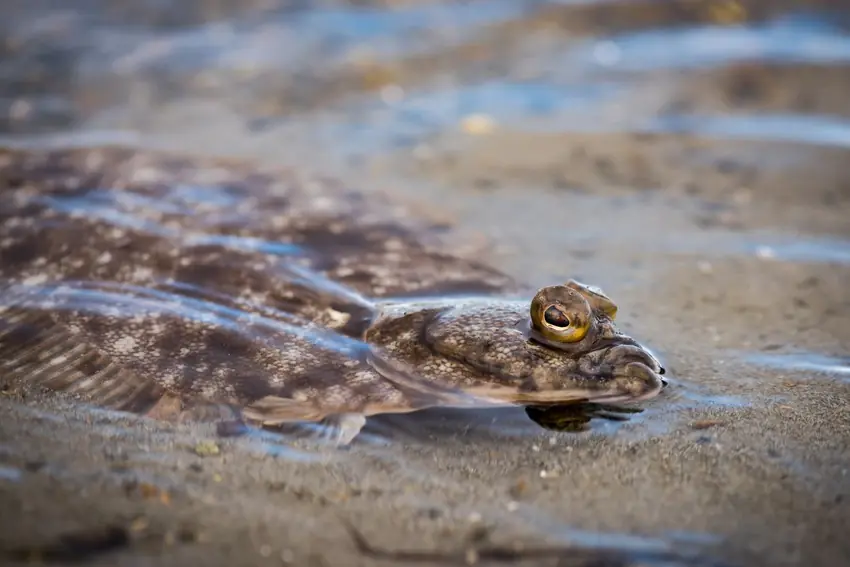
October 2, 2026
September 8, 2026
August 21, 2026
August 18, 2026
August 15, 2026
August 12, 2026
August 8, 2026
August 4, 2026

You're now part of our exclusive community. Get ready for premium content and updates straight to your inbox.
close
Subscribe to our newsletter and receive a selection of cool articles every week.
Please enter a valid email address.
Be the first to know when we're back in action.
Please enter a valid email address.
Leave a Comment
Your email address will not be published. Required fields are marked *
Thank you for your comment! It has been submitted for review and will appear on the site shortly.