


Anglers Booking Team
The expert copywriters at Anglers Booking have meticulously crafted this article. Our dedicated team of writers provides valuable insights and information to enhance your angling experience.
 10 minutes read
Mahi Mahi are one of the most popular offshore sport fish for good reason. They are bright, fast, and famous for spectacular jumps once hooked. They also taste great, which makes them a favorite both on the water and at the table.
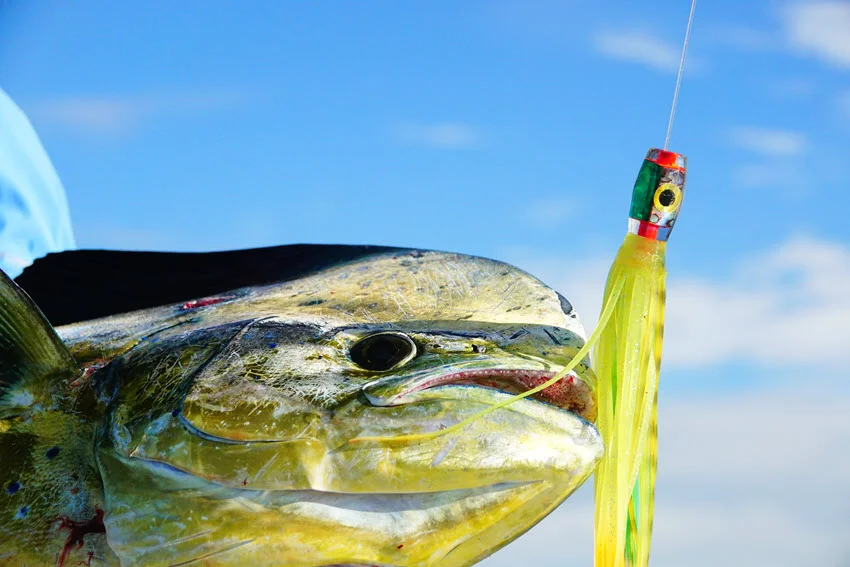
In this guide, you will find all the essential information about Mahi Mahi fishing. We will cover the best locations around the world for catching this fish, plus the gear and tactics that help you get bit.
Read on for key seasons, proven techniques, and the best places to target Mahi Mahi.

Mahi Mahi live in warm ocean waters. They have a long, streamlined body and vivid colors, with golden yellow sides, bright blue highlights, and a green back. Males are often called "Bull Mahi" and have a steeper forehead, while females tend to have a rounder head.
Adult Mahi Mahi measure from 30 to 55 inches in length. Trophy specimens can reach up to 80 inches. Average weight ranges from 15 to 30 pounds. Large males can exceed 50 pounds. Mahi Mahi have a short lifespan, typically around 4 to 5 years.
The best times to catch Mahi Mahi are in summer and early fall. If you are fishing in Florida, the season typically runs from April or May through September or October. Mahi Mahi are most often found near the surface. They are commonly caught at depths ranging from 10 to 100 feet.
Anglers often target them around floating objects, especially sargassum weed lines, driftwood, debris, and fishing buoys. These areas concentrate bait and give Mahi Mahi a place to feed and hold. They are aggressive predators that mainly eat small pelagic fish and crustaceans.

Timing is crucial when it comes to fishing success. To improve your chances, it's essential to understand not just the season but also the time of day and ocean conditions that influence their behavior.
Mahi Mahi are most active in warm waters, which makes late spring through early fall the prime fishing season in many locations. In Florida and the Gulf of Mexico, the best action is typically late spring through early fall. In Mexico, the top season stretches from May to December. Meanwhile, in Hawaii and the South Pacific, Mahi can be caught nearly year-round; still, their activity peaks between March and June.
Their migration patterns are tied closely to temperature shifts and food availability. As baitfish like flying fish and sardines begin to move, Mahi Mahi follow, especially near weed lines, floating debris, and temperature breaks.
Mahi Mahi are visual predators, and they feed most aggressively during lower light. The best times to fish for them are sunrise and late afternoon. These periods are known for increased surface activity as baitfish rise, and Mahi move closer to the top to hunt.
During midday, Mahi may dive deeper if the sun is too bright. However, in overcast conditions or on days with moderate wind and surface chop, they might stay near the surface longer.
Tide changes and ocean currents affect the behavior of Mahi Mahi. The incoming tide is often more productive because it brings fresh, oxygen-rich water along with schools of baitfish. Mahi tend to congregate near floating structures during this time.
Strong offshore currents, such as the Gulf Stream or the Kuroshio Current, create feeding zones by concentrating bait along temperature breaks, rips, and color changes.
Mahi Mahi are a truly global species. Knowing where to go can make your fishing adventure more successful. Below are some of the best places to target them, along with typical peak seasons.

Florida is often considered the heart of Mahi Mahi fishing in the United States. Nearly 70% of all Mahi caught in the U.S. are believed to originate from waters around the state. The best fishing occurs from late spring through early fall. Top fishing destinations in Florida are the Florida Keys, Miami, and Fort Lauderdale. Anglers have great success targeting Mahi along weed lines, floating debris, and in the warm waters of the Gulf Stream.

Mexico's coast is an excellent place to catch Mahi Mahi. The fishing season typically spans from May to December, with hotspots such as Baja California, Cancun, and Cozumel offering consistent action. The warm currents and abundant baitfish attract large schools of Mahi, making Mexico a go-to destination for offshore anglers.

Hawaii is another world-class location for Mahi Mahi fishing. The season typically peaks from March to May, but the fish can be caught year-round thanks to the island chain's tropical climate. Offshore areas near the Big Island and Oahu are especially productive. Here, anglers often find Mahi near fish aggregation devices (FADs), floating debris, and natural current lines.

Costa Rica's Pacific coast offers incredible Mahi Mahi fishing, especially between November and January. Anglers prefer Quepos and Tamarindo to target Mahi that hunt near offshore rips. Thanks to the country's nutrient-rich waters, fish here grow fast and strike aggressively, offering thrilling battles for sportfishers.

The Dominican Republic provides prime conditions for Mahi fishing from May to October. Charter boats operating out of Punta Cana and La Romana frequently land large, colorful specimens. The clear, warm waters and deep drop-offs just a few miles offshore make this a perfect place to hook into fast-moving schools.

In Australia, Mahi Mahi, often called "Dolphinfish" or "Dollies," are popular targets from December through March. The best fishing is typically found off the east coast, particularly around New South Wales and Queensland. These waters offer exciting action during the Southern Hemisphere's summer months.

Southeast Asia provides seasonal Mahi Mahi opportunities, particularly from February to June. Anglers typically fish around offshore reefs, floating debris, and current lines where baitfish gather. Not as famous as other regions, these tropical waters still hold excellent potential for adventurous anglers.

Louisiana, especially the offshore waters around Venice and Grand Isle, offers excellent Mahi Mahi fishing. Summer months are peak periods, particularly from June to August. Anglers often head out from the coast to reach deeper Gulf waters where floating debris and oil rigs create ideal holding spots for Mahi. The presence of structure and baitfish in these waters attracts Mahi Mahi. That is why Louisiana is a consistent producer of large fish during the warm season.

Fishing in the Bahamas is known as a Mahi Mahi paradise, especially between April and June. The waters around Abaco and Bimini are especially productive. These areas offer steep underwater drop-offs and clear blue conditions. The combination of deep-water access and strong bait presence is why this region is a favorite among offshore anglers.

The South China Sea is another productive area for Mahi Mahi. The prime season is typically May through October. Warm, tropical waters, along with the presence of floating fishing gear and natural debris, create ideal conditions for these fast-growing fish. Current lines, shipping routes, and near large sargassum mats where baitfish gather could be places where you can find Mahi.

Though not as famous for Mahi Mahi as other regions, the Mediterranean Sea does offer seasonal opportunities. The peak is from July to September. Southern Mediterranean countries see Mahi near coastal drop-offs. These could be Italy, Spain, and Greece. These fish are usually smaller than their Atlantic or Pacific cousins, but still offer exciting fights.

The Canary Islands are a prime destination for offshore game fish. The peak season here runs from June through October. Thanks to the surrounding Atlantic currents and the islands' volcanic drop-offs, the waters attract large pelagic species, including Mahi. Anglers often target them around drifting logs, weed patches, or along current lines in the open sea.
Catching Mahi Mahi is exciting and challenging. These fish are fast and aggressive. They often travel in groups. They make the fight even more thrilling. In the next section, we analyze the proper technique for fishing.

Trolling is probably one of the best techniques for catching Mahi Mahi. It is especially suitable for covering large areas of open water. Anglers set up multiple lines, usually 3 to 5 lines, trailing behind the boat with a mix of artificial lures and live baits.
It is important to maintain a steady speed, typically between 4 and 9 knots. Speed depends on sea conditions. Trolling near weed lines, floating debris, or current breaks is ideal. These places attract schools of Mahi. When one fish hits, it's common for others to follow, giving anglers a chance to hook multiple fish in one pass.

Mahi Mahi are naturally attracted to anything floating on the surface, such as seaweed mats, driftwood, buoys, or even trash. Casting lures or live bait near these objects is a simple technique. However, it could be an effective technique.
Anglers often approach quietly and make long casts just past the target area, retrieving the bait or lure across the zone. Brightly colored lures or flashy jigs work exceptionally well, mimicking small fish that Mahi love to eat. This method enables a more direct approach. It is perfect when fish are visible near the surface.

Bailing is another popular technique for Mahi Mahi fishing. It is especially effective when you've found a school of Mahi Mahi near floating objects, such as seaweed patches or debris. Once a fish is hooked, others in the group often stay nearby.
Anglers quickly toss chunks of bait, typically squid or chum, into the water. Then, they drop hooked bait into the mix. This technique requires fast action and coordination. It can lead to non-stop bites. It's ideal for keeping Mahi around the boat and catching several fish in a short time.

When Mahi Mahi are nearby but not biting, chumming can trigger aggressive feeding. Anglers toss chopped baitfish, squid, or other oily pieces into the water to create a scent trail. Once the fish come closer, live bait such as sardines, pilchards, or small mackerel can be hooked and sent into the slick.
This technique is particularly effective when fishing in one spot, such as near FADs, offshore buoys, or anchored boats. It's beneficial to keep a school of Mahi around the boat for longer, increasing your chances of multiple hookups.

One reason Mahi Mahi fishing is so thrilling is that these fish aren't overly selective. Known for their aggressive feeding habits, Mahi will often strike at anything that moves, especially during a feeding frenzy. Still, having the right bait or lure can make your trip even more successful.
Rigged ballyhoo is a classic for trolling, but it is also a solid choice for drift fishing around weed lines and floating debris when fish are holding near the surface. It is usually fished fresh, rigged to track straight and stay shiny, and it pairs well with skirts or small sea witches.
Other reliable options include pilchards, sardines, and small mackerel. Live bait works great, but even dead or cut bait will trigger strikes when fish are feeding aggressively. The key is freshness; keep it firm, shiny, and properly rigged to prevent it from spinning in the water.
When it comes to artificial lures, flashy and fast-moving options are often the most effective. Skirted trolling lures, especially in colors like pink, green, and blue, are highly effective. Poppers and topwater plugs also work well when casting to surface-active fish.
Chuggers and jet heads create bubbles and noise that attract Mahi from a distance. For deeper action, try metal jigs or trolling spoons. The action and speed of these lures often trigger reaction bites, especially from larger fish hunting near the surface or midwater.
Color matters when fishing for Mahi Mahi, especially in bright, clear offshore waters. These fish are visual hunters and are drawn to bold, contrasting colors. Bright pink, electric blue, chartreuse, and white colors that mimic baitfish or stand out against the ocean backdrop are solid choices.
In overcast conditions, darker shades like purple or black can help improve visibility. Many anglers use a combination of colors to see what's working best on a given day. Keep a few color variations on hand and don't hesitate to switch things up if the fish aren't biting right away.

Mahi Mahi are known not only for their speed and beauty, but also for their ferocity in battle. These powerful fish can test your gear to the limit, so choosing the correct tackle is essential. Whether you're going after school-sized fish or aiming for a trophy bull, having well-matched gear improves your chances of success and reduces the risk of losing a good catch. Your setup will also depend on whether you're trolling, casting, or drift fishing.
When targeting smaller Mahi Mahi, typically in the 10 to 20-pound range, a 7-foot, heavy-action spinning or casting rod works well. Pair it with a high-speed reel and 30 to 50 lb braided or fused line. Lures weighing up to one ounce are solid options for casting around weed lines or floating debris. For the leader, use 30 to 40 lb fluorocarbon for a balance of invisibility and durability. A 50 lb barrel swivel helps reduce line twist when trolling or working lures.
Larger Mahi Mahi, especially mature bulls weighing 30 to 50 lbs or more, require heavier gear. A strong offshore rod combined with a conventional reel that holds at least 300 yards of 50 to 80 lb braided line gives you the strength and capacity needed to battle hard runs.
Upgrade your fluorocarbon leader from 60 to 80 pounds, and ensure that your terminal tackle, including swivels, hooks, and clips, can withstand severe pressure. When trolling, use heavier, skirted lures or rigged ballyhoo with strong hooks to withstand big strikes.

Understanding fishing regulations and preserving specific fish species contributes to protecting fish populations and ecosystems and promoting responsible angling practices.
Anglers Booking Team
Respecting the rules for Mahi Mahi fishing is important. These regulations vary by location and whether you're fishing recreationally or commercially.
It's important always to check local regulations before you plan your trip, since rules can change over time.
Mahi Mahi fishing offers excitement. Targeting this hard-fighting species will provide excellent experience. Their aggressive strikes, aerial acrobatics, and willingness to hit a wide range of baits make them a favorite among sportfishers worldwide.
Mahi Mahi can be found in many of the world's most stunning fishing destinations. Choosing the right season, technique, and equipment greatly increases your chances of success.
What attracts you to this fish? Is it the taste, or maybe the acrobatic jumps it makes when hooked? Share with us your experiences in Mahi Mahi fishing.

The expert copywriters at Anglers Booking have meticulously crafted this article. Our dedicated team of writers provides valuable insights and information to enhance your angling experience.

April 9, 2025

October 28, 2024
Subscribe to our newsletter and receive a selection of cool articles every week.
Embark on unforgettable fishing adventures with us at Anglers Booking.
book your charter
October 2, 2026
September 8, 2026
August 21, 2026
August 18, 2026
August 15, 2026
August 12, 2026
August 8, 2026
August 4, 2026

You're now part of our exclusive community. Get ready for premium content and updates straight to your inbox.
close
Subscribe to our newsletter and receive a selection of cool articles every week.
Please enter a valid email address.
Be the first to know when we're back in action.
Please enter a valid email address.
Leave a Comment
Your email address will not be published. Required fields are marked *
Thank you for your comment! It has been submitted for review and will appear on the site shortly.