


Anglers Booking Team
The expert copywriters at Anglers Booking have meticulously crafted this article. Our dedicated team of writers provides valuable insights and information to enhance your angling experience.
 32 minutes read
Often referred to as the Sunshine State, magnificent Florida boasts a seemingly inexhaustible range of stunning landscapes, a combination of incredible beaches, crystal-clear seas, and an abundance of marine life. Earned through this natural splendor, it is one of the most beautiful locations on the planet.
Florida is a haven for anglers seeking unforgettable fishing adventures and is also home to some of the world's most impressive record catches. From the vibrant cityscapes of Miami to the serene beauty of the Florida Keys, the state offers countless top fishing spots that welcome anglers of every skill level.

In this unique guide, we have singled out 20 premium fishing destinations in Florida, each unique and a small world unto itself, but all equally breathtaking. However, the truth is that it is impossible to always choose according to everyone's taste.
We may have overlooked some locations, but popularity and general interest have led us to them. We tried to bring the selected locations as close as possible to you, not focusing exclusively on fishing and fish species, but on the overall vibe of the specific locations.
Join us as we explore the sun-drenched shores of Fort Lauderdale, the Gulf Coast treasures of Naples and Fort Myers, the secluded beauties of Panama City Beach and Destin, and many more. Whether we jog your memory of past adventures or inspire you for new ones, pack your equipment and sunscreen and set off with us on a radiant fishing escapade.
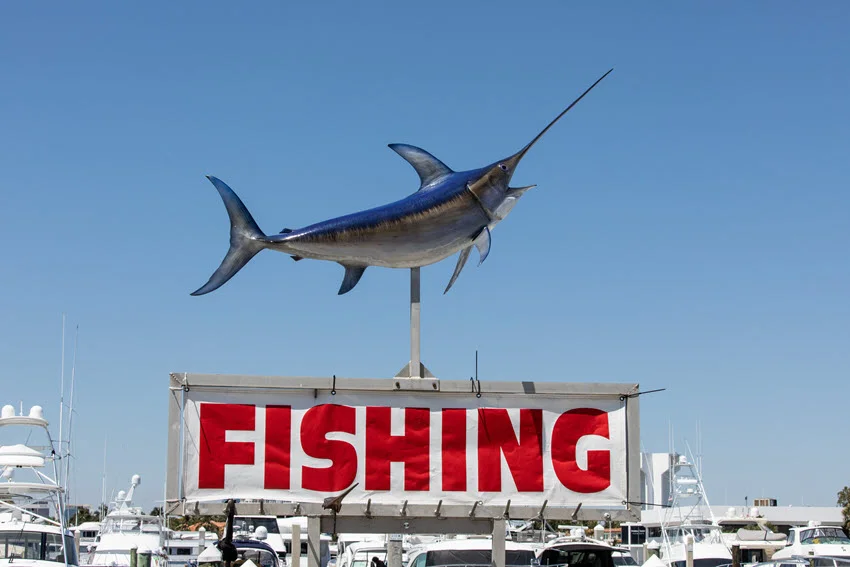
Fort Lauderdale combines natural beauty, urban elegance, and, above all, bountiful fish stock. Fort Lauderdale stretches along Florida's southeastern coast and is known for its extensive network of canals, which is why the city is often called the "Venice of America."
The strategic placement of the area, bordered by interior and coastal waters, significantly enhances the diversity of fish species. Along the ocean coast, anglers can target desirable species such as Sailfish, Mahi Mahi, or Kingfish, while in the city's complex canal systems and inland waterways, offering opportunities to target Snook, Tarpon, and Redfish. Year-round availability contributes to the location's attraction, although seasonal variations depend on the species.
Spring, from March to May, is ideal for offshore fishing, as the waters warm up and species such as Mahi Mahi and Sailfish become more active. From June to August, summer is best for species like Snook and Tarpon. Fall, from September to November, is excellent for Mullet, attracting predatory species such as Snapper or Tarpon close to shore.
At sea, the bite of Sailfish intensifies, which is extremely attractive to those seeking adventure. The sea is calm from December to February in winter but not empty or lifeless. That's when Grouper prevails on the coastal reefs, offering a divergent but rich fishing experience.
The big city combines everything: freedom, beauty, the urban spirit of a million cities, fun, and beautiful nature. Like anything in Florida, it will leave you breathless. Moreover, there are many instructors and charters that you can rent. Even if you are not a fisherman, you can rent a boat to visit and enjoy fishing hot spots. Indeed, you will not be bored.
The allure of Fort Lauderdale is deeply rooted in the fishing culture it fosters. Primarily known for its advanced sport fishing scene, various fishing tournaments are held in the city, which always contributes to progress and stronger competition. The town hosts notable tournaments such as the Fort Lauderdale Billfish Tournament and the Fort Lauderdale Meat Mayhem.
Fort Lauderdale Billfish Tournament involves competing for awards in divisions such as Shell release, game, and overall angler performance. Anglers compete for the title of Top Boat, honoring the vessel most deserving of collecting points during the tournament. Also, the contest features catch-and-release Bilifish, contributing to conservation efforts that are critical to the sustainability of these magnificent species. The winner is the one who releases the most Bilifish.
The Fort Lauderdale Meat Mayhem is a tournament where anglers gather to demonstrate their skills in shooting various types of meat fish. Anglers compete in catching multiple species, such as Mahi Mahi, Tuna, Wahoo, and Kingfish, each of which presents a different challenge and requires a different approach.
Both tournaments emphasize the importance of fishing skills, understanding nature, and preserving it. Also, in this way, all anglers contribute to conserving Fort Lauderdale as one of the premium Florida fishing spots.
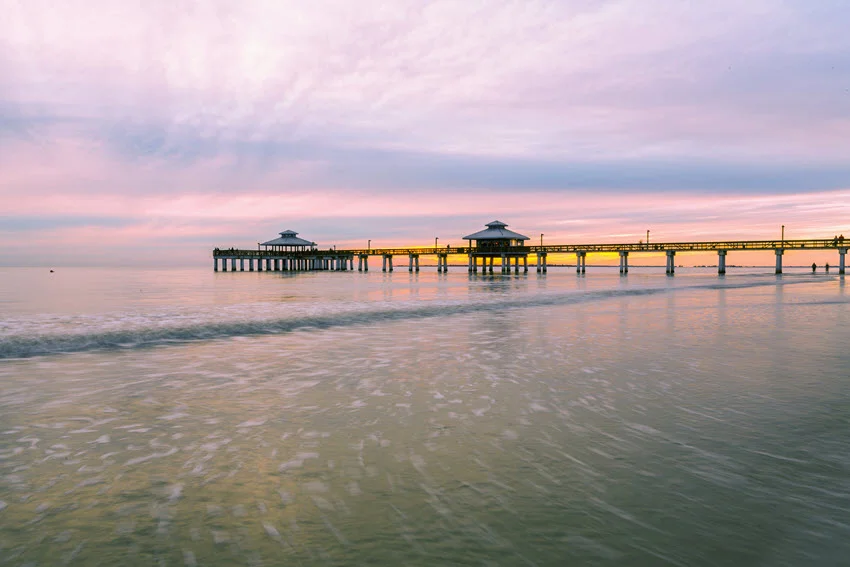
It is famous for its intricate underwater channels, estuaries, and waterways, including the expansive Caloosahatchee River and the bountiful Gulf of Mexico. Fort Myers provides a variety of environments for fishing exploration.
For those in the know, Fort Myers fishing is synonymous with Snook hunting, a famous coastal species known for its speed and acrobatic leaps. This premium location suits them perfectly due to the abundance of mango groves and underwater shelters, where Snook loves to hide and hunt. The shallow flats and grassy areas around Fort Myers are also home to Redfish, the famous bronze-bodied and fighting species.
During the spring, when it is migration season, one can even catch the magnificent Tarpon, one of Florida's most challenging fish species. Given the specific ecosystem, seagrasses, and estuaries, it is also possible to encounter a Spotted Trout in these waters.
Regarding seasonal changes, the place begins to come alive in March, when Snook swims into Fort Myers' shallows while Trout and Redfish appear in the backwaters. During the summer, the waters become even richer and livelier; inshore fishing remains productive with Redfish and Snapper, while offshore anglers target species such as Grouper and Shad.
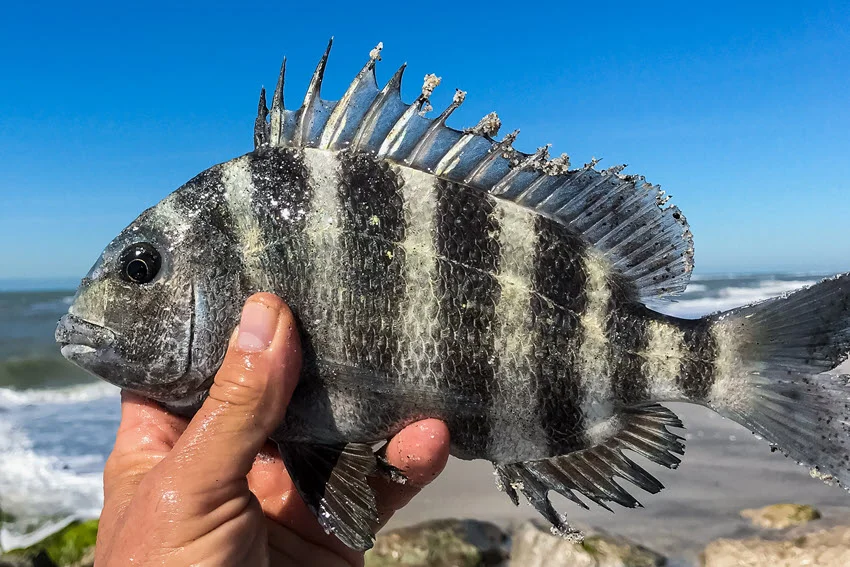
From September to November, anglers can chase coastal species such as Kingfish and Spanish Mackerel as the cooler days arrive. The specificity of the location is the relatively mild winters, which bring new fishing challenges. You can find inshore species such as Sheepshead and Black Drum, and there are still species such as Grouper and Snapper in the nearshore reefs.
Like most of Florida's premium fishing spots, Fort Myers is continuously working to promote its fishing heritage. One of the most famous such events is the Fort Myers Fishing Challenge. It is an annual tournament and extravaganza that brings together anglers of all skill levels, from local enthusiasts to professionals and all thrill seekers, in the rich waters of the Gulf of Mexico.
The Fort Myers Fishing Challenge is known for its dynamic organization that includes a variety of categories and species. This way, we ensure an inclusive and exciting experience for the participants. Anglers compete for various coveted awards, from recognition for the largest catch to glory for outstanding overall angler performance. Such a system ensures that the catch's size and entire strategy start with the catch's preparation, approach, skill, and elegance.
Fort Myers' dynamic waterfront hosts many formal and informal tournaments, adding to the city's rich fishing culture. The community fosters inclusivity, welcoming everyone who wants to fish or soak up the infectious atmosphere. The prizes at these tournaments are not always just trophies; the sponsors usually provide everything from top fishing equipment to cash prizes and even sponsored fishing expeditions.
A city with a warrior past that even got its name from the fortress that defended it from attackers. At the same time, it represents the entrance to the region of Southwest Florida and is one of the main tourist destinations of this state. Many significant historical sites and even estates of great inventors, such as Thomas Edison and Henry Ford, exist. The fishing method used for the species that live in these waterways reflects the creative spirit of fighting and movement.
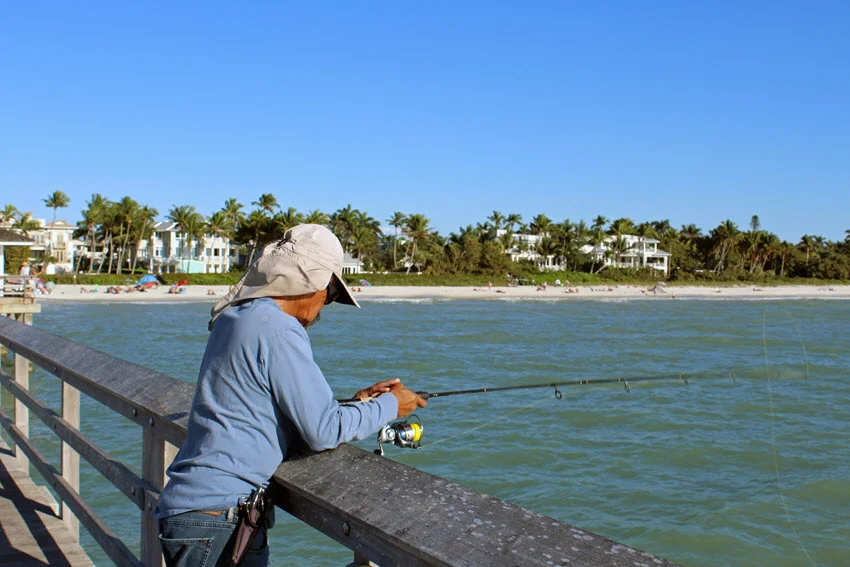
Fishing in Naples is a luxurious jewel of the southwest coast that is worth every penny. In addition to the lavish lifestyle this city represents, you can meet splendid and exotic fish species and have a first-class fishing experience.
With its picturesque beaches, intricate estuaries, and access to the Gulf's vast waters, Naples combines natural beauty and abundant marine life, making it an irresistible haven for anglers who want the best.
It's no wonder it's home to some of the most challenging and intriguing species that swim in Florida's waters. You will meet Snook, ideally suited to winding waterways and mangrove-lined backwaters. Also, there are Tarpons, which serve the winding canals and mangrove-lined backwaters.
As in most Florida locations, you will find almost all common species throughout the year. However, all these seasonal changes affect the behavior and size of the specific species, so it's essential to keep that in mind if you want more abundant hunting.
Spring is also when Snook, Tarpon, and Redfish start their migratory journey, and you can catch them more quickly than later in the year. Summer is ideal for Grouper and Snapper to have excellent offshore opportunities. You will also meet many other migratory species, and the sea is the richest with fish during the summer.
During the fall, Snook and Redfish return to the shallows and thus become an excellent target for coastal anglers. At the same time, winters, thanks to relatively mild water temperatures, are great for Grouper's and Snapper's pursuit.
One of Naples' most crucial fishing tournaments is the Naples Backcountry Fly Championship. It takes place annually, and anglers compete in fly fishing. It is beautiful for those who want to test their skills against the backdrop of canals and mangrove plains. Prizes generally include top-of-the-line fly fishing equipment, fishing trips, and awards for outstanding performance.
There's also the Naples Kingfish Classic tournament, which puts the spotlight on offshore fishing. Participants compete in a Kingfish hunt to catch the largest specimen possible. The Shark Tournament at the fishing pier in Naples is exciting. It emphasizes an adventurous approach to fishing, as participants target the Sharks that swim in the waters of the Gulf near the legendary Naples Pier.
Although Naples is not a city of millions, it possesses a unique charm. It cleverly incorporates the metaphorical and borrowed name of its rival city in Italy, complementing and enhancing its meaning rather than copying it. The city seamlessly blends its fishing culture with wealth and hospitality, creating an atmosphere that is inspiring rather than overwhelming.
The luxurious and somewhat extravagant city nevertheless responsibly approaches and cares for all the powerful fish that swim in the waters of Naples. To preserve but also enjoy the sensitive ecosystem, many tournaments emphasize the practice of the catch-and-release technique. In this way, the colorful dynamics of Naples are preserved, and the city remains one of the premium Florida fishing spots.
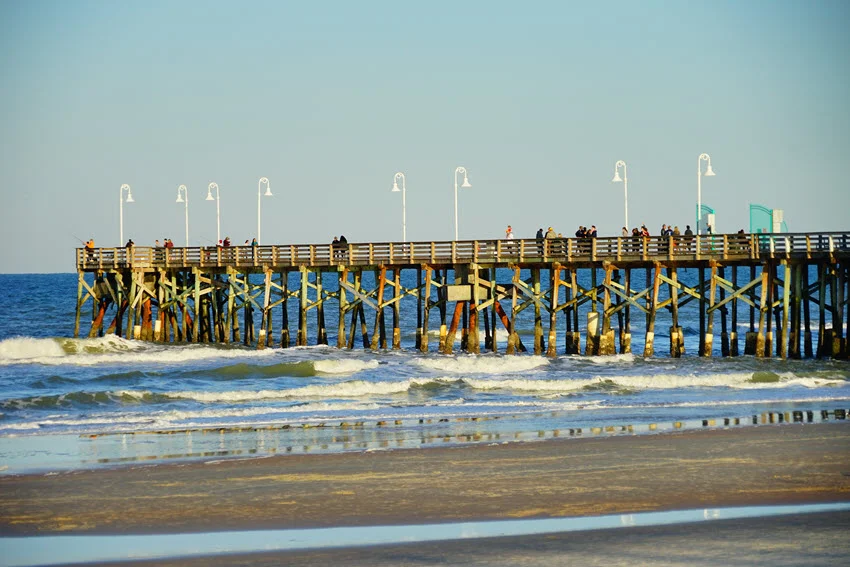
A gateway to Florida's Atlantic coast, Daytona Beach, and its reputation as a motorsports paradise, offers a distinctive blend of coastal charm and lively fishing opportunities. Daytona Beach is a location that attracts experienced professionals and those looking for their first fishing adventure on numerous sandy beaches. At the same time, the waters of Dayton Beach are a complex network of water currents that are also a diverse canvas for fishing exploration.
For those who love beautiful museum displays and all that polished cultural life, fishing, and slightly dirty and exciting car or motorcycle racing, this city has everything for your eclectic personality. Even if you're not that kind of person, you might become one when you come here because Daytona can't be boring. In addition to exploring the fishing opportunities, you can also explore the many spa centers, walk along the seemingly endless coastline, or play golf.
Here, you can hunt many exotic species. Primarily, the location is known as the home of the Red Drum, as this type of copper body navigates shallow waters, especially around estuaries and backwaters. There is also the Black Drum, which lives in freshwater, coastal, and tidal streams.
There is also the unusual Flounder, which finds sandy bottoms and tidal variations very cozy. Anglers aiming for an intense and fighting adventure will find it hunting Sheepshead, which swims around structures such as jetties, piers, and bridges.
Whichever location you go to, following the seasonal changes, including Daytona Beach, is essential. If you are chasing Red Drum or Flounder, spring is the best time to catch them. During the summer, from June to August, you will find them in the shallows in the mornings and afternoons. Hunting for the vicious Sheepshead is best in the fall, when this species lives around bridges and piers.
As in most cities in Florida, many fishing tournaments showcase different fishermen's mastery techniques and abundant marine life. One of the most famous tournaments on the Daytona Beach fishing calendar is the annual Halifax Sport Fishing Club Offshore Challenge. Anglers compete in the marine waters for catches such as Sailfish, Mahi Mahi, and Kingfish. This competition brings a lot of excitement at sea, and the participants mostly use trolling techniques with live or artificial bait.
Daytona Beach is famous for its distinctive inshore fishing, and the annual Old Salt Fishing Tournament is one of the best and most famous. It focuses on coastal species such as Redfish, Trout, and Snook, which anglers catch using various techniques in the calmer waters of the Halifax River and nearby estuaries.
Daytona Beach's fishing scene is defined by a mix of offshore and inshore opportunities, particularly emphasizing deeper water game hunting. However, the story continues, and Daytona is not just like that; it is one of the premium Florida fishing spots. The unusual ecosystems and tournaments provide a platform to showcase the diversity of techniques and the richness of marine life in the waters surrounding this iconic Florida destination.
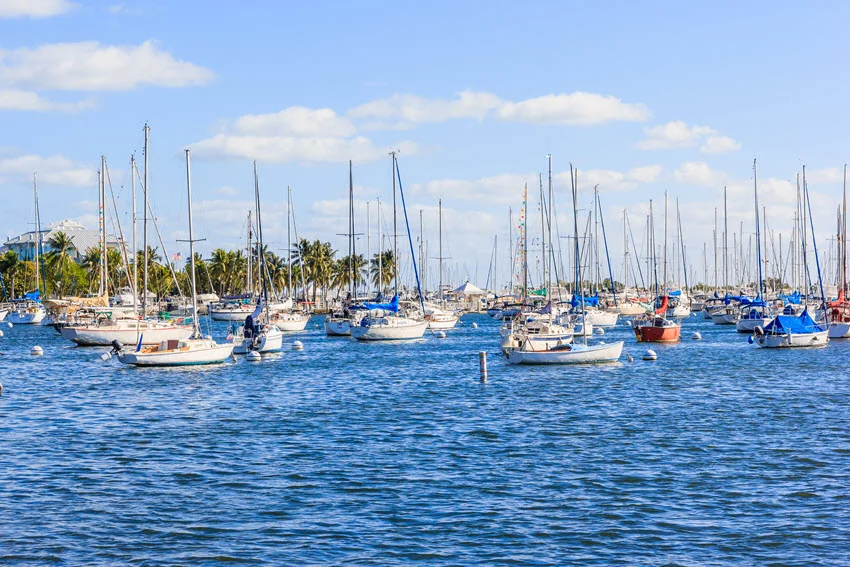
Miami is the core of Florida's southeast coast, a luxury metropolis full of colorful beaches and incredible fish species. It combines a diverse ecosystem, which includes the expansive Biscayne Bay, the Intracoastal Waterway, and the proximity of the Gulf Stream.
There are never enough powerful words about the incredibleness of Miami, but some facts speak even more. It is the third most prosperous city in the world that is constantly growing and developing, and if you want and have enough money, you can do any crazy thing you can think of. In addition, whether you are fishing, gambling, doing the craziest bungee jumping, or partying all night, the scenery of all these events will always be sunny and beautiful.
There are also many options for various types of fishing; aside from the beaches, Miami also offers docks, piers, and charter services for all levels and types of fishing.
The most distinctive representative of Miami waters is the Silver King Tarpon, which is memorable, angry, challenging, and adventurous. These fish navigate city canals, flats, and coastal waters, provoking and inspiring anglers. The large longshore expanse of mangroves creates the ideal habitat for Snook, a robust inshore species that adores residential channels.
Bonefish is another prized species that shares a habitat similar to Snook and is one of the favorite targets for fly fishing enthusiasts. Most anglers like to bait it from the shallows, adding finesse to the Miami fishing experience.
If you're more of a fan of offshore adventures, you're sure to meet Mahi Mahi, who likes the warm Gulf Stream. During the early spring on the coastal shores of Miami, you will meet young Snook and Bonefish. At the same time, in the offshore waters, Mahi Mahi will rule, which reduces its activity during autumn and winter, but is always present. However, although most species swim throughout the year, hunting is sometimes prohibited to preserve numbers. That is why you must always follow the updates of the competent institutions and have all the necessary permits.
Several tournaments nurture the dynamic of the Miami fishing scene!
The Miami Billfish Tournament is a famous Billfish tournament focused on deep-sea fishing. This tournament attracts more experienced anglers eager to test their skills against robust species such as Sailfish and Marlin, where anglers compete for prestigious titles and cash prizes.
The Miami Shore Fishing Tournament is an excellent idea for those with a penchant for coastal challenges – target species such as Flounder and Trout in shallow waters along the coast. The tournament often promotes catch-and-release practices that are in keeping with Miami's sustainable and responsible fishing principles.
The Swordfish tournament in Miami is for urban anglers who can show off their skills here. Anglers in this tournament hunt famous Swordfish, known for their deep-sea habitat and incredible fighting abilities.
In addition to these tournaments, Miami hosts several smaller events and derbies throughout the year. They keep the fishing scene dynamic and active, and anglers of all levels have the opportunity to hone their skills all year round.
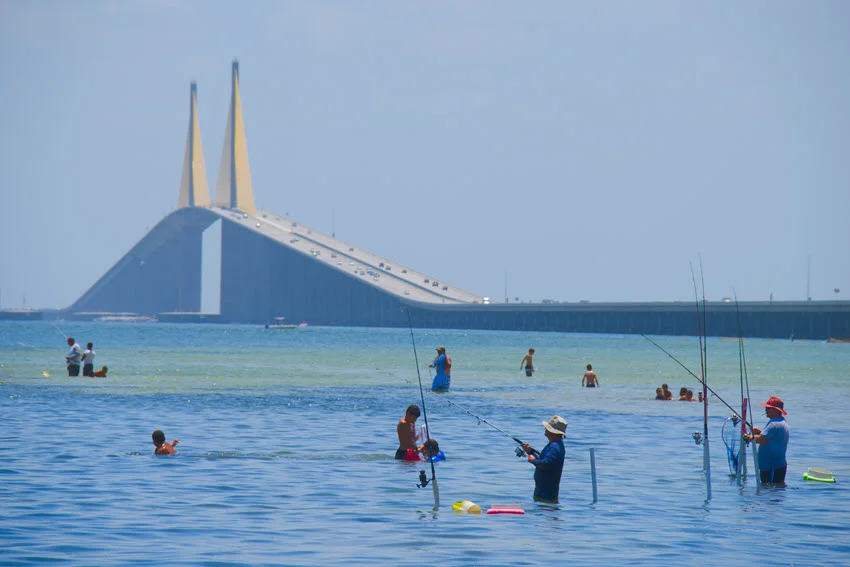
If you are an angler who sees fishing primarily as an exciting game, then Tampa Bay is ideal for you. Tampa Bay is a geographically vast natural harbor and very shallow estuary connected to the Gulf of Mexico on the west central coast of Florida. It denotes a broader area of unusual and diversified ecosystems. Many other smaller rivers and streams flow into Tampa Bay, creating significant and unique fish richness.
Today, Tampa Bay is a highly commercial and recreational waterway, which makes it very attractive from a fishing perspective as well. With diverse ecosystems, complex estuaries, and an extensive coastline combined with urban vibrancy, this place has that something.
The spacious fishing grounds, interspersed with winding waterways lined with mangroves, are rich in fish species. Snook and Redfish are primarily suited to mangrove fringe habitats, flats, and residential canals. Speckled Trout also lurk in the riverbeds and estuaries. At the same time, for lovers of offshore fishing techniques and more challenging species, the most interesting is the Tarpon Silver King, which can be found in deeper channels, giving anglers the chance to take on one of the most formidable opponents in the sport.
The mangrove areas come alive in the spring, and Snook becomes more active, while Redfish inhabit the coast and shallows. From June to August, the water along the coast is warm and full of life, which is ideal for Snook and Speckled Trout. Little further offshore, the Tarpon season reaches its peak. From September to November, the season is still equally colorful for all species, but it is not as hot, which creates a slightly more temperate climate for fishing. During the winter, inshore fishing is still possible, as the warmer waters attract many species, especially trout.
One of the most important tournaments is the Tampa Bay Fishing Classic, known for its inclusive identity and emphasis on different fishing styles. Anglers of all levels and skills are welcome, as the tournament offers the opportunity to compete in inshore, offshore, and youth divisions. The emphasis is on friendly competition while enjoying the excitement of the diverse fishing opportunities of beautiful Tampa Bay.
For those who prefer the challenge of hunting specific species, the "Tampa Bay Tarpon Tournament" is the highlight. Exclusively focused on tracking the legendary Silver King, it is an excellent choice for those who want to prove and show their skills in pursuing one of the most fearsome fish species in the bay.
The "King of the Bay Fishing Tournament" successfully synchronizes fishing prowess with community engagement. Anglers compete for titles and contribute to charity. This tournament highlights the spirit of camaraderie among anglers and their passion for fishing and preserving Tampa Bay's marine environment.
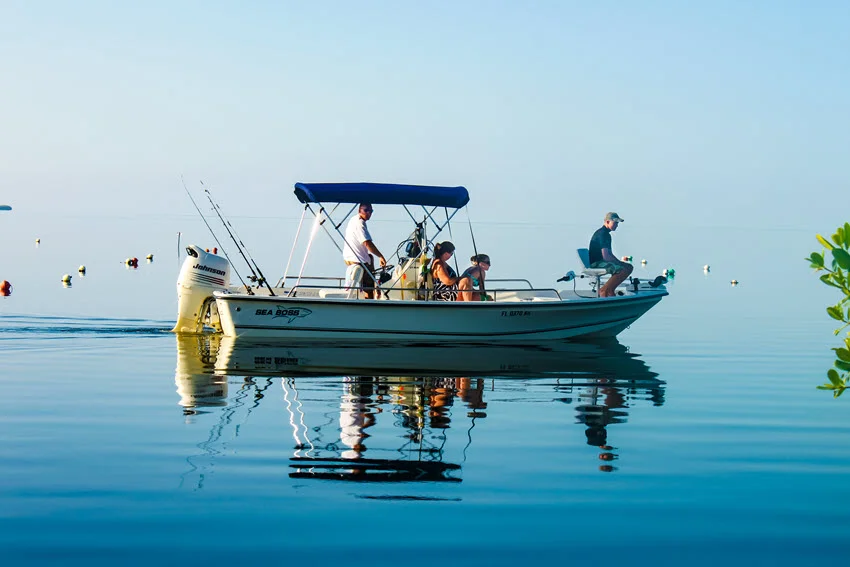
The emerald jewel of Florida, Panama City Beach's crystal clear bay waters and intricate water estuaries are a coastal haven for avid anglers. The location deserves the title of one of the premium Florida fishing spots.
For those in the know, Panama City Beach is directly associated with many almost snow-white beaches and is very popular as a vacation destination. This heavenly place's slightly more negative side is that the sea currents are highly unpredictable and dangerous. Whether swimming or setting sail for offshore fishing, you must monitor the weather and heed warnings.
There are many unique and picturesque mini fishing hot spots, from bustling Russell-Fields Pier, where anglers cast lines into the deep blue, to serene St. John's State Park. Andrews, everyone can find a fishing oasis to their liking.
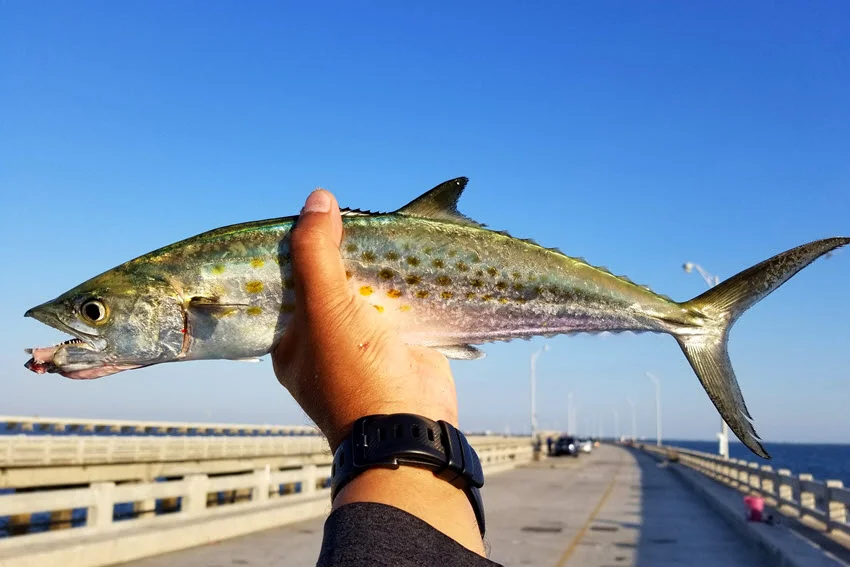
However, anglers come here primarily searching for the Red Snapper, which swims in the deep sea. Then there is the Spanish Mackerel, known for its fast movements and voracious feeding habits. Thanks to the many docks, you can catch all these species with inshore techniques, such as trolling or casting from jetties. At the same time, in the shallow waters of Panama City Beach, the top name is Flounder, which you can catch using both live and artificial bait techniques.
The region's mild winter temperatures allow anglers to enjoy a continuous year-round fishing season. You can find all species throughout the year, and if you have experience, knowledge, and will, you can try calm and adventurous techniques. The specificity of the location is the availability of world-class, profound fishing experiences just a short distance from the coast.
The topography also provides added value that supports a thriving game ecosystem that allows anglers to venture into deeper waters relatively quickly. There is also a unique atmosphere of the place, which has long been associated with fishing, and various events and competitions have promoted this sport, as well as the protection of nature and ecosystems.
The Panama City Beach Fishing Rodeo is a popular annual tournament that brings together the local fishing community and visiting enthusiasts worldwide. The friendly game emphasizes the importance of mutual respect and the exchange of experiences.
City Beach's "Grand Lagoon Grand Slam" tournament combines competition in coastal and offshore fishing and various species, from Redfish and speckled Trout in the shallows to Mackerel and Grouper in deeper waters.
For those experienced in kayak fishing, there is the "Panama City Beach Kayak Fishing Tournament." Anglers compete, sailing the pristine waters to catch and enjoy the serene beauty of Panama City Beach. This tournament values skill, the required strategy, and a deep connection with the marine environment and nature.
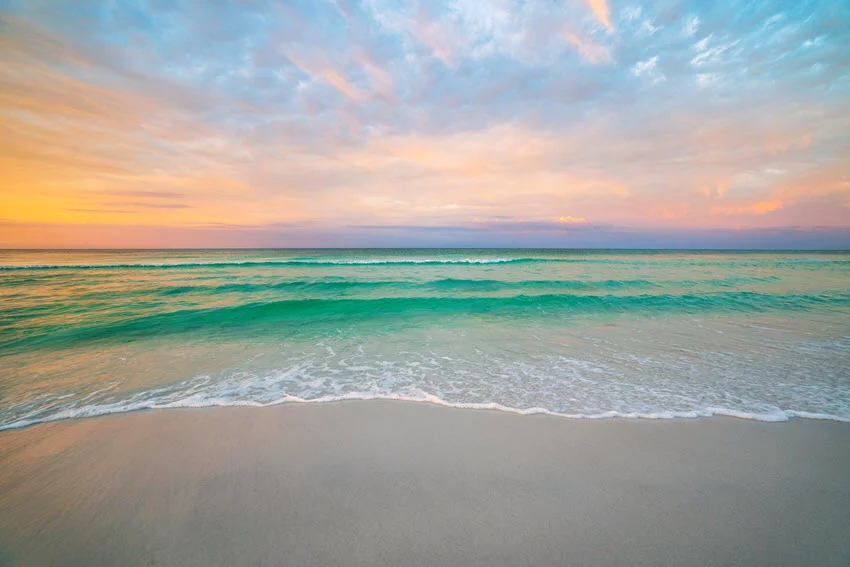
A harmonious blend of white sandy beaches and emerald green waters, Destin is also known as the happiest fishing village in the world. It stands out not only for its beauty but also for its indigenous fishing heritage and traditions that it cherishes.
The coastal waters of this destination are teeming with Snapper, Red Grouper, and Black Grouper, and anglers mainly catch them using techniques such as deep fishing and bottom bouncing. This species is a trophy and proves the experience and knowledge of the angler. You can see it during spring or fall when the species is most active in deep waters.
Fans of authentic, almost warrior-like fish fights can meet beautiful Cobia in the coastal area. Anglers chasing this fighting species use sight fishing and live baiting. It is most abundant during the summer, from June to August. Another species for which Destin is a paradise is the Royal Mackerel, which is most abundant in spring and fall, sometimes in December.
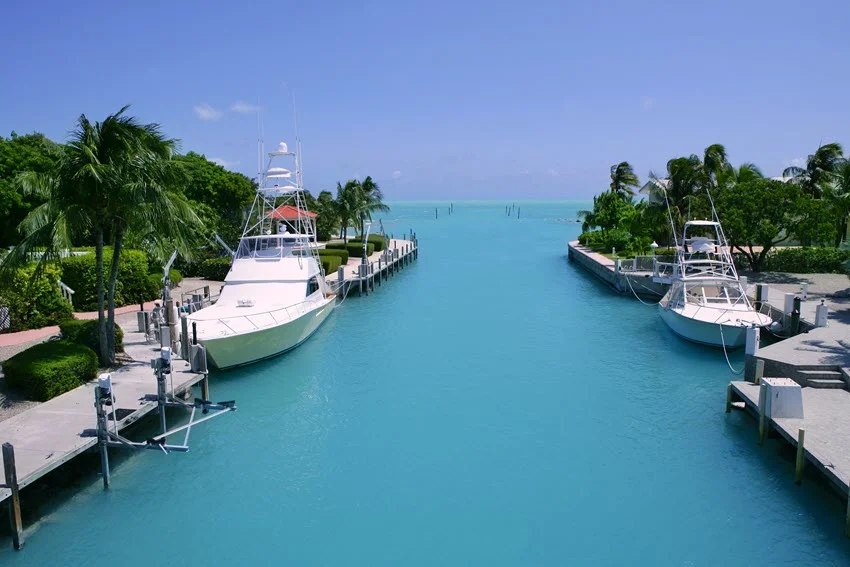
Nautical paradise, as they also call this location, stretches across the Coral Bay archipelago, dark blue channels, and tranquil plains. The name Florida Keys means 800 keys in total that stretch and connect over 180 miles. Altogether, 42 bridges bond this area.
From the southern tip of Key West to the northernmost islands, the Florida Keys offer plenty of places to cast a hook or set off on an offshore fishing expedition. Anglers can also enjoy fishing piers in Key West, where easy access to deep channels and active marine life makes pier fishing a year-round attraction.
These waters are primarily known for Bonefish, offering fly fishing enthusiasts the opportunity to seek out these silver athletes. Most of them are in the spring when they are in season. Sight fishing and precision casting are the most popular techniques for Bonefish.
One of the most recognizable species is the Tarpon. Interesting underwater structures are the natural habitat of this fish, which likes to play, hide, and hunt for food there. Anglers usually catch it on a fly or with live and artificial bait. It is active during the spring but in deeper waters in summer.
The waters of the Florida Keys are a maritime highway. Permit and Mahi Mahi feel right at home here. Both are active during the summer, but finding Mahi Mahi in the fall is possible.
The site is also home to the protected Queen Conch species. Hunting or techniques directed against this species are strictly prohibited.
One of the popular events is the "Dolphin and Black Tuna Fun Fishing Tournament." As the name suggests, the focus is on the fun and excitement of inshore fishing. The goal is for participants to reel in the prized Mahi Mahi dolphin and Blackfin Tuna.
"Key West Fishing Tournament" is another significant event, and its tradition is over half a century old. It lasts over eight months, from April to November. Anglers have the opportunity and plenty of time to catch various species, including Sailfish, Tarpon, and Grouper.
In addition to these major tournaments, the Florida Keys host other events catering to different fishing types, including family fishing. The "Women's Sailing Tournament" and the "Backcountry Fly Championship" exist. Anglers can show their skills, depending on the category they belong to.
It is always important to emphasize the fun and friendly side of all tournaments, which, in addition to the mandatory competitive one, also contributes to the excellent reputation of the Florida Keys as one of the premium Florida fishing spots.
It is a fascinating Florida town that combines urbanity with tradition and is uniquely based on fishing heritage. However, the town has many nicknames, including the "retirement city," which led to the idea that the location is relatively quiet.
In recent years, St. Petersburg has been working to revive its dynamic spirit and present itself as an enjoyable and attractive destination for people of all ages. The municipality spans from the calm waters of Tampa Bay to the vast Gulf of Mexico, providing everything anglers need. You can cast lines from the city's iconic piers, explore intricate estuaries, or venture into the open sea. St. Petersburg fishing offers a dynamic experience that caters to whatever challenge you seek.
Regarding fish species, Snook is the dullest and one of the oldest in these waters. It inhabits mangrove-lined shorelines, residential canals, and around structures such as bridges and piers. Snooks are active year-round, so live bait and tackle are popular choices. The shallow flats and tidal creeks are home to Redfish, and anglers often catch them here using various techniques, including topwater lures and soft plastics.
Although present throughout the year, there is occasionally a ban on hunting Redfish and other species, so it is essential to be well-informed. You can also find Tarpon during the summer and until the end of November. The abundance of mangroves especially favors the species known as Mangrove Snapper, also present during the winter. Experience has shown that it is easiest to catch it using live bait or small baits near mangrove roots and oyster bars.
One notable tournament is the St. Petersburg Open, which spans different fishing styles. It includes hunting for various species, including Snook, Redfish, Trout, and Kingfish.
The highlight is the St. Pete Kayak Fishing Classic for those who enjoy kayak fishing. During the competition, fishermen sail the picturesque waters of the city in search of the desired catch. Hunting in a kayak is always special because of the truly unique atmosphere, which miraculously combines urban and traditional spirit.
The Suncoast Kingfish Classic is a top-tier offshore tournament for anglers who enjoy shooting King Mackerel. Saint Petersburg's proximity to the sea makes it the perfect location for this competition.
St. Petersburg is at the waterways' crossroads, like one big, colorful fish market. You should notify this location if you are a severe angler with big fishing ambitions.
Marathon has a fascinating history and geography; it consists of more minor keys stretching from the Gulf of Mexico to the Atlantic Ocean. This relatively new city in Florida was officially established in 1999. It got its "running name" because of the railroad construction, where labor had to work nonstop, day and night, to finish the work as soon as possible. After that, they used the name of the local railway station, and later, it became the town's official name.
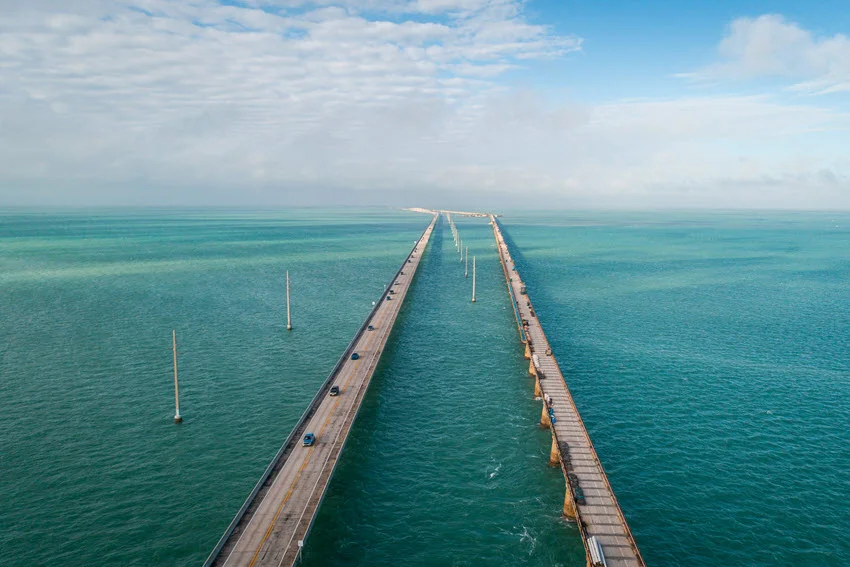
Nomen est omen, and so is fishing culture. Thanks to the abundance of fish species in locations, Marathon can offer a marathon fishing experience as it is a rare convergence of different habitats, from vibrant coral reefs and crystal clear flats to the labyrinthine canals of the Backcountry. The place can genuinely provide and inspire adventure for those who love to explore. Marathon's specialty is the Seven Mile Bridge, a famous structure that connects the Middle and Lower Keys and thus provides easy access to the Atlantic and Gulf.
Thanks to warm waters, Marathon is an ideal location for Tarpon, for which this location is best known. Tarpons are present throughout the year and are most abundant in spring and summer. The shallow water flats of Marathon are attractive to Bonefish. Bonefish are famous for their elusive nature and nervous behavior and are challenging but rewarding targets. Mahi Mahi follows the Gulf Stream, and Marathon has excellent access to the Gulf of Mexico, making this fish one of the primary species that anglers pursue and catch.
They mostly hide near floating debris and are caught by trolling and brightly colored lures, as well as live baits. Then there is Permit, the ruler of inshore fishing, which is active through the winter. And as a cherry on top, Marathon hosts many fishing tournaments.
There are several renowned fishing tournaments in Marathon. The "Marathon International Tarpon Tournament" is a famous event that involves the pursuit of the legendary Silver King.
For those who love offshore challenges, the "Marathon Offshore Tournament of Bulls and Cow Dolphins" is an unmissable adventure and top-notch entertainment. However, it is reserved for more experienced anglers as it focuses on the exciting pursuit of Bull and Mahi Mahi, allowing anglers to show off their fishing skills in the open sea.
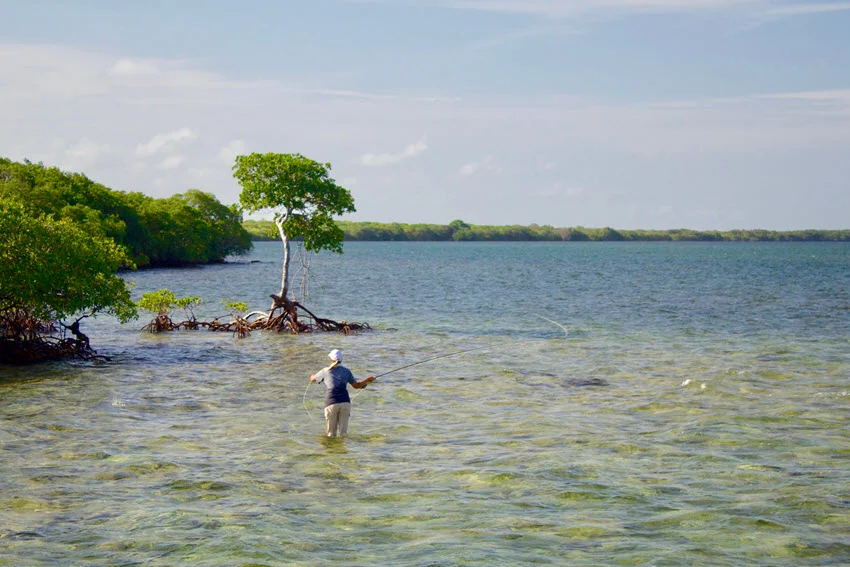
Marathon's specific geography, crystal clear waters, and rich marine life offer a variety of fishing spots. The town is known for its fishing opportunities on the flats, where anglers can primarily target Bonefish, Permit, and Tarpon.
Also known as the World Capital of Sports Tiball, Islamorada is a chain of 6 islands near Miami, between the Everglades National Park and the Atlantic Ocean. In addition, this village hosts the largest fishing fleet per square mile in the world.
The name of this village comes from the Spanish language and means "purple island." Legend has it that the Spanish conquerors were delighted by the purple hues of the sky at sunset and decided to name the island that way. Indeed, the name describes the sky above Islamorada and the colorful settlement and lifestyle of the entire town.
It combines unusual and wondrous ecosystems that serve as the entrance to the Gulf of Mexico's nutrient-rich waters and the colorful Atlantic coral reefs. Many fishing landmarks include the legendary Bud N' Mary Marina, the launching pad for countless fishing adventures. There are also the tangles of mangrove-lined channels of the Backcountry and the mysterious deep blue of the Atlantic. Almost everything is like a movie script.
Whether you are a classic or sport angler, the species that live here the most are Tarpon, Bonefish, Mahi Mahi, and Permit. Especially appreciated is the Silver King or Tarpon, which is famous for its fighting and complex character.
The peak season is during summer, while during autumn and winter, it hides in the shallows, where the water is warmer. Bonefish is another species that enjoys the shallows and is most abundant in early spring and winter. Permit is also a species that likes shallows and underwater channels and is most active in spring and fall. If you go further to the open sea, expect Mahi Mahi, which always goes for warm waters.
Although there are many fishing tournaments throughout the year, the one that stands out is the Islamorada Sailfish Tournament. A famed tournament is proof of the town's dedication to sea fishing. Anglers catch sailfish in crystal clear waters. The tournament's long-standing tradition and high cash prizes attract experienced anglers worldwide and many visitors to the coveted good fishing show.
There is also a tournament called the "Backcountry Fly Championship." Here, anglers use fly fishing to catch Bonefish. The tournament occurs in Islamorada's vast flats and backcountry, where anglers prove their finesse in fly fishing for this species.
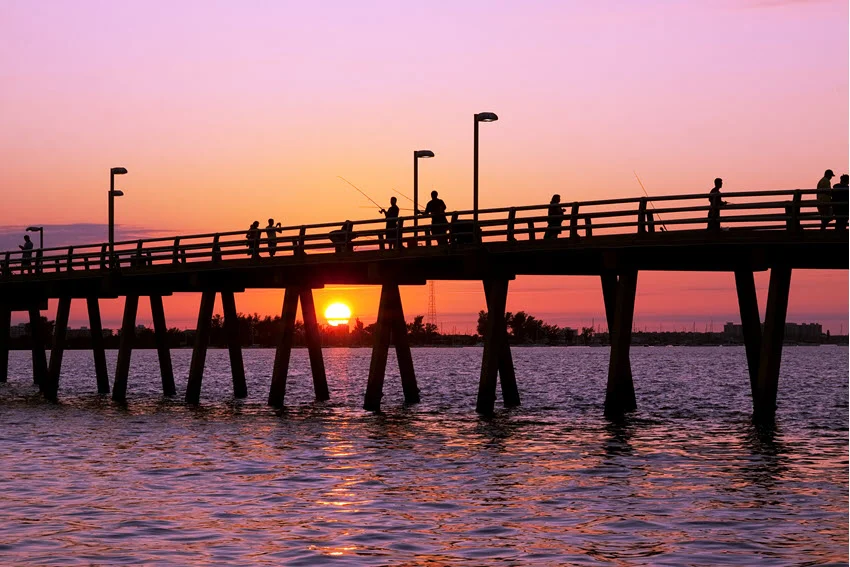
The incredible nearshore and offshore fishing opportunities set this superb Florida fishing destination apart. Located along the Gulf of Mexico, Sarasota's waters are known for species such as Snook, Redfish, Kingfish, and Spotted Trout. The name of the town translates to "easy to observe."
Here are many easily accessible fishing spots, from iconic fishing piers like the historic City Island Fishing Pier to the expansive grassy areas of Lido Key. Unsurprisingly, it is one of the premium Florida fishing spots.
Sarasota's fishing scene also extends to freshwater environments, with popular spots like the Myakka River offering Bass and Panfish fishing opportunities. Kayak fishing enthusiasts find solace in the calm waters of the city's numerous mangrove tunnels and estuary surroundings.
Most commonly caught are Snooks, as Sarasota's shores and waters are lined with mangroves, residential canals, and oyster bars. Here, anglers use live bait, such as pilchards or pinfish, to lure Snook away from their ambush sites.
For Redfish, the shallows of Sarasota Bay and the surrounding flats are prime territory; these fish thrive in seagrass beds and sand holes. Soft plastic bait techniques are the easiest to lure, and live shrimp is the best. Redfish are most numerous in the spring.
Those who like to fight and enjoy the appearance and performance of Spotted Trout will love Sarasota even more. There are plenty of them in the shallows and underwater structures. In the deeper waters, during the fall months, you can encounter Kingfish. Anglers usually catch them by trolling with live bait or artificial bait.
Sarasota hosts several notable fishing tournaments that showcase the city's fishing style and culture. The "Sarasota Slam" is an inshore tournament that focuses on fishing for Snook, Redfish, and Trout. Then there's the Sarasota Tarpon Tournament, which celebrates the thrill of hunting these highly prized fish in Florida waters.
Sarasota's fishing landscape spans diverse environments, from a complicated network of bays and estuaries to the vast Gulf of Mexico. Anglers can explore the Gulf waters, searching for pelagic species such as King Mackerel and Cobia. Sarasota's artificial reefs, such as the "Sarasota County Reef," are famous fishing hotspots.
Their artificial reef program demonstrates the city's strong commitment to fish conservation, one of Sarasota's key characteristics.
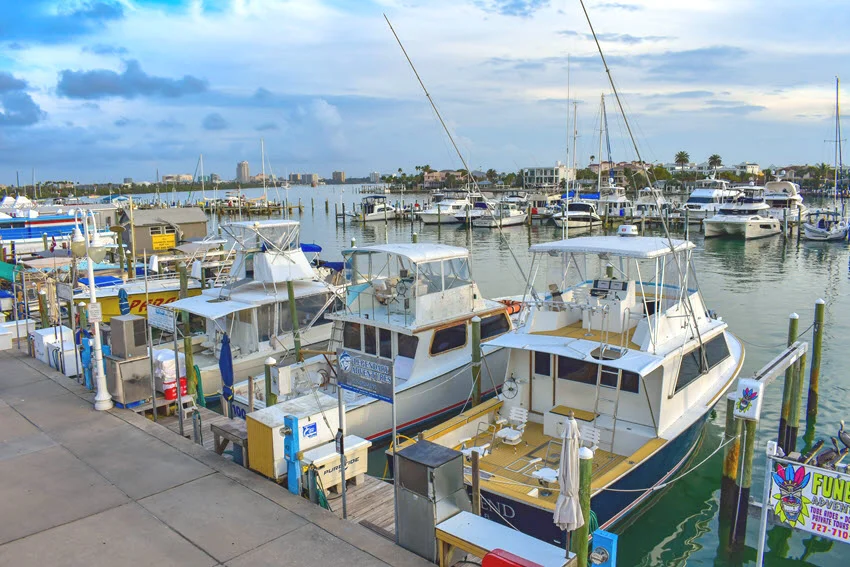
It is a city with an unambiguous name, located near Tampa Bay and framed by the azure waters of the Gulf of Mexico. Like many locations in Florida, there are plenty of expansive estuaries and mangrove-lined shorelines in both inshore and offshore depths.
It is also significant as a place that actively works to preserve the fish stock and the entire environment. Strategically located at the entrance to the bay, so many have access to a range of fishing opportunities, whether casting lines from the famous Clearwater Beach Pier, sailing the Intracoastal Waterway, or engaging in offshore activities.
The estuaries and shorelines of Clearwater are lined with mangroves, which are Snook's favorite habitats. They are known for their strikes near docks and piers. The best strategy for luring has been to use live and artificial bait and a lot of patience. Another gem, the Redfish, hides in the seagrass beds in the shallows, making it susceptible to soft plastic baits or live shrimp in coastal environments.
The abundance of natural reefs attracts Red Groupers, and anglers here mainly use live bait such as pinfish or grunt, applying bottom fishing techniques to lure the red giants. King mackerel also swims in the coastal waters, which always offers a unique challenge, and it is best to draw it in a direction by trolling and using live and artificial bait.
Of course, there are seasonal variations for all species. Thus, Snook and Redfish become more active in spring, and offshore fishing for King Mackerel heats up. Summer is peak inshore fishing with bustling estuaries and flats, while Mackerel becomes available offshore. Snook and Redfish are again closer to the coast in autumn, while offshore fishing remains productive.
During the winter, there are many opportunities for inshore fishing for Snook and Redfish. Clearwater also hosts several notable fishing tournaments. The "Clearwater Offshore Nationals" brings together anglers who love to compete in deep-sea waters. It focuses on different species: Sailfish, Tuna, and Mahi Mahi. For lovers of coastal challenges, there is the "Old Salt Foundation Coastal Fishing Tournament." Anglers must show off their skills in targeting Walleye, Redfish, and Trout.
The specifics of Clearwater fishing are the possibility of researching techniques and species, first of all, by options for fishing on the coast. There is also the famous Clearwater Beach, where you can try windsurfing.
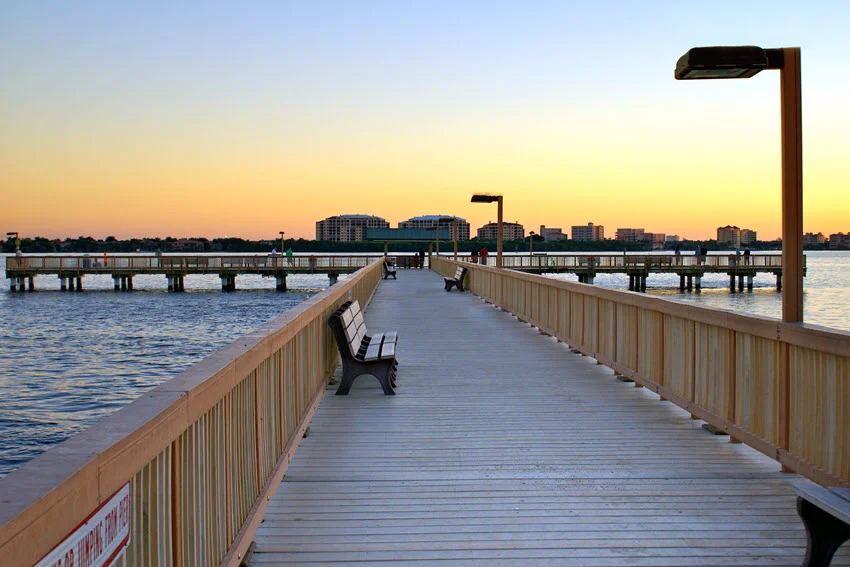
This is another beautiful Florida destination where you can go on various fishing adventures, from offshore, inshore, and freshwater fishing to saltwater fishing, thanks to rivers like the Caloosahatchee and Matlacha Pass. Aquatic life abounds with mangroves and sandy soil, creating an ideal haven for inshore and coastal fishing enthusiasts.
This habitat is favorable for Snook, which live and feed there strategically and require such an approach from anglers. Most use live bait such as pilchards or pinfish and artificial baits. If you are an avid angler, you know that such a coast also suits Redfish. You can catch it here using soft plastic baits or live shrimp techniques. Thanks to the vibrant coastal ecosystem, this area is attractive to Snapper. Thanks to its greedy nature, it will not refuse a tasty bite in the form of plastic bait or live shrimp.
Florida is a land that never stands still, and something is always going on below the surface of Cape Coral's waters. Of course, it is essential to be alert and monitor updates and the abundance of a particular species, depending on the season.
From March to May, Snooks become more lively and restless in their habitats, while summer in these waters symbolizes Tarpon. During the fall, Snook will continue to swim along the coast and explore different mangrove habitats, while Redfish will traditionally be in warm waters, i.e., in the shallows. If the winters are mild, Redfish and Snook will stay around the coast during the colder days.
Cape Coral hosts several notable fishing tournaments. The "Cape Coral Cardboard Boat Regatta" is an exciting manifestation that, although falling outside the framework of a traditional fishing tournament, promotes creativity and community. Participants construct cardboard boats and race them, creating a slightly childish but cheerful and festive atmosphere that emphasizes ingenuity with a love of water.
For anglers looking for more serious competitive challenges, there are "Cape Coral Bass Club Tournaments." These tournaments focus on freshwater fishing in the city's canals and lakes.
Anglers of all skill levels can show off their bass fishing skills here. Cape Coral is a fascinating place where even beginners can learn about fishing. In addition, this city holds the unusual title of having the most waterways in the world, which makes it very dynamic and colorful.
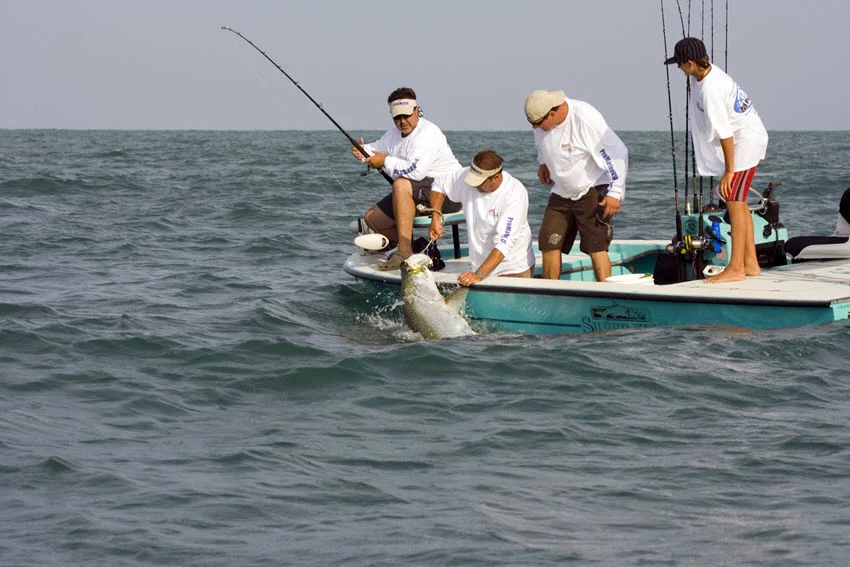
At the mention of this destination, Tarpon fans will surely get an adrenaline rush because Boca Grande is known as the prime spot in Florida and, on a global level, as the Tarpon Capital of the World.
The city's strategic location at the mouth of Charlotte Harbor positions it as a gateway to fertile fishing grounds and an unequivocal synonym for exciting fishing. At the same time, Boca Grande is the most profound natural passage in Florida, with depths of up to 80 feet. And with two great rivers – the Peace and the Myakka and Charlotte Harbor on its doorstep, it's clear why it has such an illustrious reputation.
Tarpons are active from spring, when they journey through Boca Grande Pass, while the peak season is in summer, from June to August. They are also active during autumn, but their number decreases in winter. In addition to Tarpon, these waters are known for Redfish and Snook, which can be fished year-round.
Regarding the most popular techniques, live bait fishing stands out. Catching Tarpon requires using larger baits, such as mullet or crabs, because it is a predatory species, and when provoked in this way, anglers achieve the best catch, but also a not-so-simple fight, which makes the hunt even more exciting. Catch Snooks with artificial lures, such as topwater plugs or soft plastic baits. Accuracy and calmness are essential here.
If you are targeting Redfish, sight casting is the best option. They live in the shallows; this technique, combining ancient fishing and modern desires, is one of the most popular. Anglers pole or drift quietly in shallow waters, looking for the Redfish's distinctive hues and black spots. Once spotted, it's important to swing the lure with precision.
Boca Grande hosts many tournaments, but one that stands out is the World's Richest Tarpon Tournament, which takes place in May. It is globally renowned, and the goal is to catch and release the largest Tarpon. This tournament offers significant prize money for anglers, and although the competition is intense, there are more and more entries every year.
The following important tournament is the Redfish Cup Boca Grande Slam. It focuses on the desired coastal species – Redfish, Snook, and Trout. The competition occurs in intricate backwaters and estuaries, allowing anglers to show what they know about Boca Grande's rich fish biodiversity.
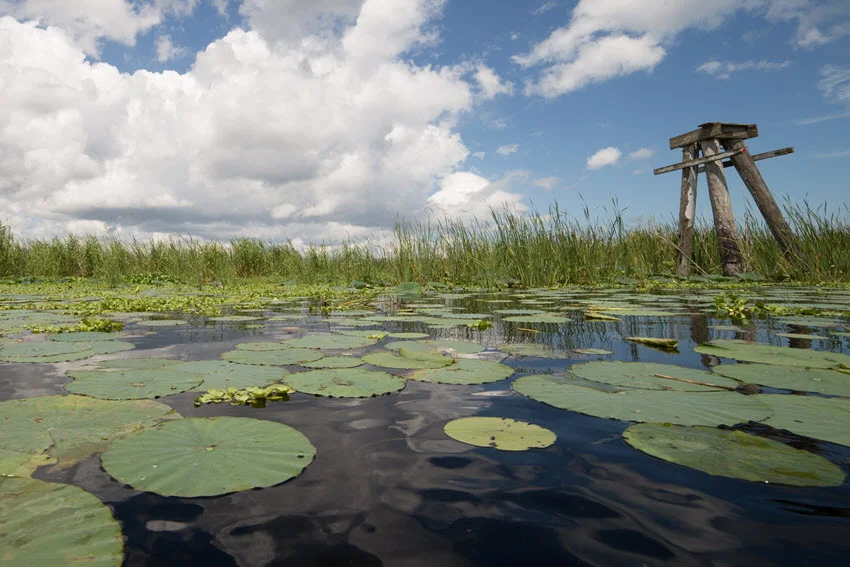
Lake Okeechobee covers over 720 square miles and is one of Florida's premier freshwater fishing oases. The "Big O," as this lake is often called, is unique and one of the premium Florida fishing spots.
The vast marshes and open waters create an exciting mosaic ecosystem that brings many unusual fish species and the opportunity to try techniques such as fishing for Bass, which can navigate the vast grass flats using spin and cast techniques.
Those who love Panfish have plenty of spots and options along the lakeshore. The unquestionable attractiveness of the colorful nature around this lake is that you will find so many unusual species that can help you enrich and improve your fishing skills.
Ecologically and geographically, the lake is ideal for the life of Sea Bass; water, grass, and underwater vegetation create a perfect environment for the reproduction of this species. Bass is most often caught with techniques such as topwater fishing, flipping, and pitching. This species spawns in the spring, and that's when the season starts. During this period, Sea Bass swim mainly in the shallows and are relatively easily accessible for those using inshore techniques.
The Bream is also present during the summer but retreats to the depths. It is easiest to catch it early in the morning or the evening. Hunting for Bream requires anglers to change their techniques often and think strategically. Although it is present throughout the year, the peak seasons are summer and fall.
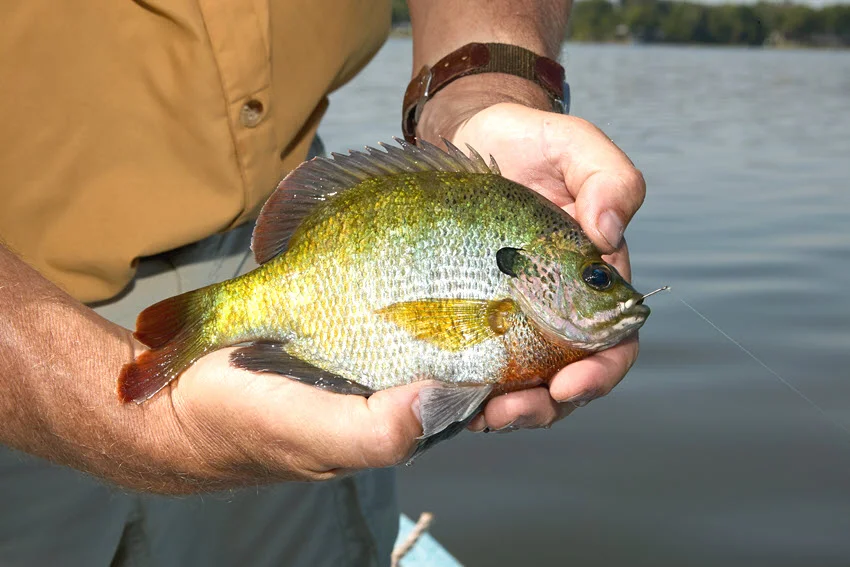
Another popular species is the Bluegill, which inhabits the coastal areas of this lake. You can use pan fishing or live baits, crickets, and worms. The peak season is summer.
Black Crabbie swims in the depths of this lake and loves the intricate underwater structures. You can catch them by trolling and jigging, especially during the colder months.
The Lake Okeechobee Tournament is a self-evident proof and indicator of the lake's water quality. It yields trophy-sized Bass and challenges anglers to navigate through the lake's expansive vegetation.
The prestigious Bassmaster Elite Series often chooses this lake as a tournament venue. This series is a meeting place for top anglers whose experiences contribute to the lake's reputation as a soft spot for Bass fishing.
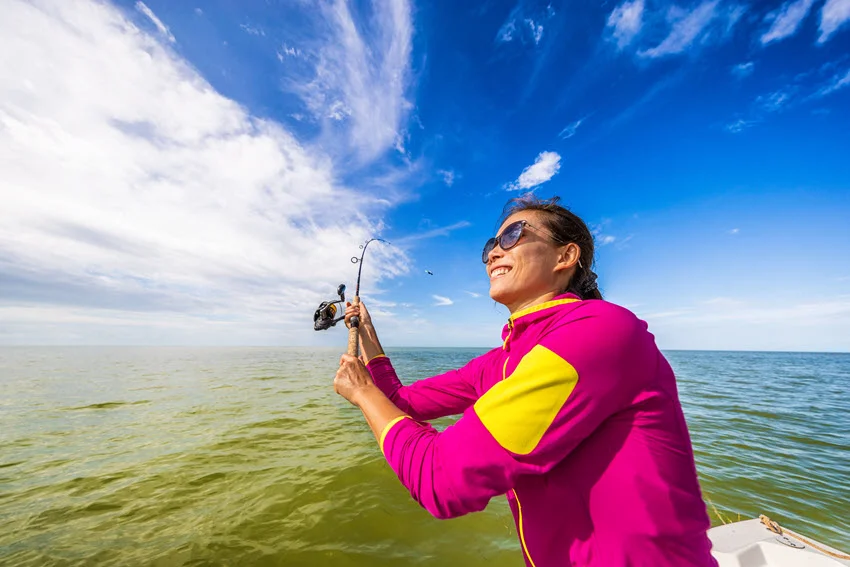
There are never enough words to describe the magnificent Everglades National Park and its unreal expanse and natural diversity, both in water and on land. It stretches along the southern tip of Florida and witnesses the power and majesty of natural creation.
Many fishing havens, large and small, within the Everglades provide a mosaic of habitats, from freshwater waterfalls to coastal mangroves. Freshwater winding and mystical rivers, streams, and marshes allow fishermen to hunt iconic species such as Largemouth Bass and Peacock Bass. At the same time, in the front part, open to the sea, the areas of the park boast an unbelievable variety of species, from Snappers and Redfish to Tarpon.
The most common species in freshwater is the Largemouth Bass, which thrives in an intricate network of canals, ponds, and slow-moving rivers. Fishermen here often hunt them from an ambush amid submerged vegetation, contributing to a unique adrenaline rush. A related species, but somewhat more exotic and rare, is the Peacock Bass. They have unusual, strikingly vividly colored bodies and are an aggressive species that likes to strike and show off with their aggressive movements.
Of the marine species, you will often meet Snook, a skilled manipulator, on the coast. Spring is when these species become more active and respond well to topwater lures and soft plastics. The Everglades' mangrove-lined shores and brackish waters provide ideal habitat for this species. Late spring and summer are the Tarpon fishing seasons. Tarpon migrates through the coastal waters of the park, offering anglers the opportunity to see it rolling in shallow waters, especially in frozen waters, a truly unique event.
The Everglades is a park of wonders, providing much space to customize your fishing despite the many rules you must follow. Some park areas can only be reached by canoe or small boat, giving fishing another dimension of a more intimate, naturally connected adventure. In addition, if you are lucky and come at the right time, here you can meet a real example of fish species such as May Cichlids and Peacock Butterflies, which are Everglades native species.
Another feature of the Everglades is night fishing, which reveals an entirely different life and dimension of the location. Fishermen often share stories of a slightly eerie but alluring nocturnal symphony, with frogs calling, grass rustling, and fish splashing. You can also meet wild and dangerous animals like alligators.
The vast, mysterious, and often impenetrable Everglades on the UNESCO World Heritage List are also some of the most intriguing fishing destinations. With such diverse natural wealth, it is impossible not to include it on the premium Florida fishing spots list.
In addition to stunning nature, several significant fishing tournaments emphasize the experience. The Everglades Bassmasters Open is an annual tournament where anglers navigate the winding and expansive grass marshes, chasing Bass amid lush and complicated vegetation. It is important to emphasize that this tournament requires excellent skill, as navigating the waters of the Everglades is anything but simple.
The Everglades Kayak Fishing Tournament is for those who like old-fashioned but exciting enough kayak fishing. Experience and good fitness preparation are also significant here, as rowing through narrow channels and shallow waters is required.
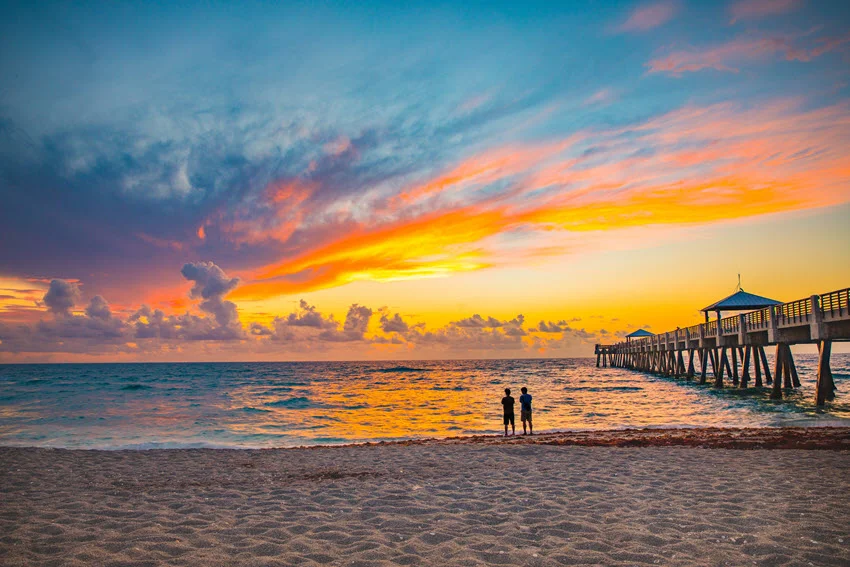
West Palm Beach is located right next to the coast of the Atlantic Ocean and is a sophisticated cultural center, but it is also a place where all anglers can find their place. With the beauty of nature and the azure waters of the Atlantic Ocean lapping at its shores, you can try fishing from the pier for offshore adventures. The vibrant Intracoastal Waterway and mangrove-lined estuaries add to the city's charm and reputation for luxury and sophistication.
Fishing and exploring the scenic Intracoastal Waterway through West Palm Beach are always exciting. You can meet many species there, such as the famous Spotted Seatrout that hides in seagrass beds. The famous Jupiter Inlet, just north of West Palm Beach, is a hotspot with Walleye, Snook, and even the occasional Tarpon.
For those who enjoy pier fishing, Lake Worth Pier is an iconic location where you can cast your line into the Atlantic, targeting various species while enjoying panoramic shoreline views. There's nearby Peanut Island, accessible by water taxi, offering a secluded favorite spot for shore fishing and underwater adventures exploring the nearby snorkeling lagoon.
Regarding fish species, the location is a top spot for hunting Snook. Numerous estuaries, seawalls, lagoons, and mangroves combined with warm water are a lottery win for Snook. It is most prevalent during the summer, and live bait, such as mullet or shrimp, is often used.
The Gulf Stream and warm waters also suit the Mahi Mahi, the famous and not-so-typical dolphin, which likes to swim near the coast and offshore and is best caught using trolling techniques and live baits. The warmer months attract Tarpon along the coastal waters of West Palm Beach.
For fans of deeper water and more adventurous fishing, the Grouper lurks on the bottom or around wrecks and reefs. The most exciting approach to hunting Grouper is using the bottom fishing technique with live bait.
Spring is Snook and Mahi Mahi time. Snooks are beginning to move in the inland waterway and estuaries, while the challenging Mahi Mahi attracts anglers to hunt it offshore.
During the summer, Tarpon dominate these waters. These magnificent fish migrate along the coast and the Intracoastal Waterway and create the opportunity for a summery but epic fishing adventure. This location is where coastal appeal and fishing diversity intertwine in a contemporary way. From cruising the city's waterways to offshore encounters with Mahi Mahi and Tarpon, West Palm Beach sets the pace for Florida fishing.
Regarding more essential tournaments, the West Palm Beach Fishing Club organizes the Silver Sailfish Derby. It is one of the oldest sailing tournaments in the world, and it brings together anglers who compete by chasing acrobatic Sailfish in the lively waters of the Atlantic.
The following important tournament is the West Palm Beach KDW (Kingfish, Dolphin, Wahoo). It is also an annual open sea tournament where anglers hunt for aquatic species, Dolphins, and Wahoos.
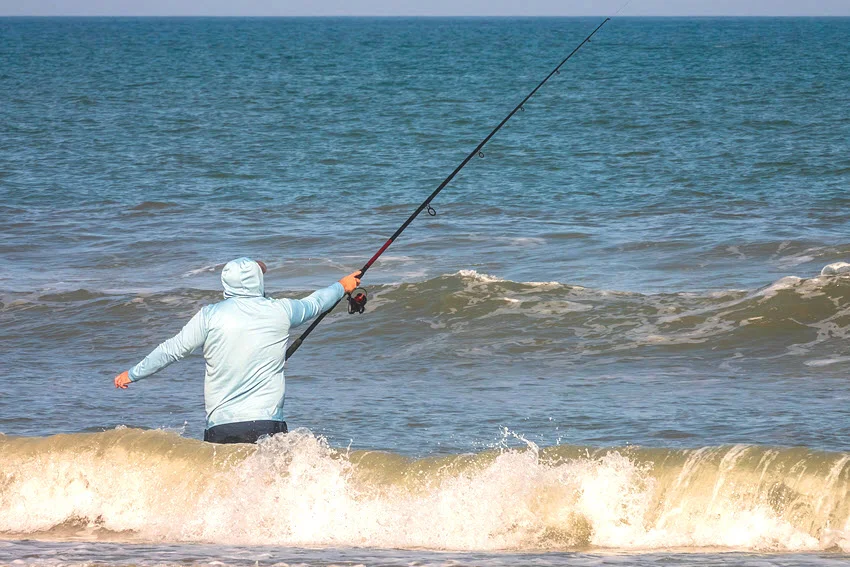
Maybe you didn't know, but St. Augustine is the oldest city in the USA. The spirit of tradition and rich fishing heritage is felt almost at every step in this exciting city. Located in northeast Florida, it is famous for its docks and the Matanzas River, a unique addition to the abundance of fishing. Throwing your rope from the old docks and looking at the sea as if you have stepped into a time machine is a truly spectacular experience.
The primary fishing village that combines modernity, tradition, tourism, and fishing is the Pier St. Augustine. If you are a fan of fishing from the pier, and you are okay with the always busy atmosphere and the hustle and bustle, then you should take advantage of this location. Thanks to its proximity to the Intracoastal Waterway, which is full of wetlands and hidden creeks, a variety of fish encounters and catches are available year-round.
There are primarily Redfish, which are frequent inhabitants of the colorful seashore, and the coast of St. Augustine suits it perfectly. They are caught mainly by sight fishing techniques such as casting to visible tails. The numerous tidal creeks of these waters are also home to Spotted Trout. This species is known for its enchantment and willingness to hunt various cheaters. When the tide moves in, anglers can explore different areas and techniques to lure these silly fish.
In the waters around St. Augustin, you can also catch Cobia, a famous sea warrior who likes to swim around the coast and wrecks. The history of fishing is deeply rooted in the city's culture, and it remains significant for St. Augustine. Local fishing tournaments add a competitive edge to the city's fishing culture.
In St. Augustine, several notable tournaments are held, such as the Ancient City Game Fish Association Tournament, where participants compete for honors by catching species such as Marlin, Sailfish, and Wahoo. There is also a Flounder Pounder tournament, where the goal is for anglers to catch Flounder in tidal creeks and marshes.
Also, St. Augustine is known for the so-called Night Drumming at the Vilano Beach Pier. In addition to the music of the drums, the focus is also on hunting Black Drum under the moonlight, feeling the mighty blow of these formidable fish. These rhythmic encounters employ a poetic cadence to revive the spirit of tradition and, at least briefly, meet modern aspirations in fishing, honoring respect.
Understanding fishing regulations in an area is crucial for protecting fish populations and ecosystems and promoting responsible angling practices.
Anglers Booking Team
To fully appreciate the wonders of any of these 20 premium Florida fishing spots, securing the proper permits is a crucial step for anglers eager to explore and as a safeguard against potential legal issues. In addition to the law, respecting these obligations is especially important to promote responsible fishing. Only such an approach will ensure that all locations are available for future generations.
Whether it's the vibrant city beaches of Miami or the soothing beauty of St. Augustine, each destination requires adherence to state fishing regulations. The regulations maintain diverse marine life without disturbing the balance of its delicate ecosystems.
Before embarking on a fishing adventure in Fort Lauderdale, Fort Myers, Naples, Daytona Beach, or any of the locations mentioned above, you must familiarize yourself with state licensing requirements. The types of permits differ depending on where you go and what you fish for, so freshwater and saltwater permits and special licenses are issued for specific species or fishing methods.
For example, all anglers need a saltwater fishing license to embark on a fishing excursion in Fort Lauderdale, whose waters are full of Sailfish and Mahi Mahi. The permit provides freedom to fish in offshore and coastal waters. Similarly, you will also need a license to go angling in Daytona Beach saltwater.
The Florida Fish and Wildlife Conservation Commission (FWC) manages and conserves the state's fish and wildlife. Its main task is to balance the needs of the environment, wildlife, and people. The focal point of its efforts is the management of fish resources and their disposal for the long-term welfare of people and animals. All popular species are monitored by constant monitoring, measurement, and detailed observation, and occasionally, temporary or permanent hunting prohibitions are made based on the observed population dynamics and seasonal considerations.
The FWC's overarching mission is to manage fish and wildlife resources for their long-term welfare and the well-being of people. The agency endeavors to balance these resources' conservation and sustainable use, ensuring they are available for future generations. Individuals seeking permits should communicate with their local FWC offices and explain their requirements.
At the end of our trip to explore the best fishing spots in Florida, it's abundantly clear that the Sunshine State is not just a vacation destination; it's a paradise for anglers looking for a once-in-a-lifetime adventure. Every one of these fishermen's paradises, from the magnificent metropolis of Miami to the meditative shores of St. Augustine, weaves a distinct narrative of the joys and experiences fishermen cherish.
Given our shared passion as anglers, enthusiasts, and lovers of Florida's coastal wonders, we extend a direct invitation to you to enrich our community through the comments section below. Whatever your fishing experience is, whether you've dived into the Gulf Coast treasures of Naples and Fort Myers or embraced the hidden gems of Marathon and Islamorada, your experiences matter to us.
Use our comment section as the open sea and present your fishing skills. Share your fond Florida fishing memories and gems you've discovered, or provide tips and tricks that could improve a fellow angler's adventure.
Join us in creating a thriving community that celebrates and promotes the limitless opportunities and natural wonders that define Florida's fishing paradise. We are looking forward to hearing and sharing your story.

The expert copywriters at Anglers Booking have meticulously crafted this article. Our dedicated team of writers provides valuable insights and information to enhance your angling experience.
Your email address will not be published. Required fields are marked *
Thank you for your comment! It has been submitted for review and will appear on the site shortly.

November 30, 2024
Subscribe to our newsletter and receive a selection of cool articles every week.
Embark on unforgettable fishing adventures with us at Anglers Booking.
book your charter
September 8, 2026
August 21, 2026
August 18, 2026
August 15, 2026
August 12, 2026
August 8, 2026
August 4, 2026
April 17, 2026

You're now part of our exclusive community. Get ready for premium content and updates straight to your inbox.
close
Subscribe to our newsletter and receive a selection of cool articles every week.
Please enter a valid email address.
Be the first to know when we're back in action.
Please enter a valid email address.
This guide is GOLD! I've been fishing in Florida for years now, and I can say you guys did an excellent job breaking down the top spots by region. Really helpful for planning my next trip with the kids this summer to check out a few gems I didn't know about. Thanks, and thumbs up for all you do for the fishing community!
Thanks so much, Sonny! We're glad the guide helped, especially for planning a family trip. Let us know how it goes this summer. Tight lines!