


Anglers Booking Team
The expert copywriters at Anglers Booking have meticulously crafted this article. Our dedicated team of writers provides valuable insights and information to enhance your angling experience.
 11 minutes read
Everglades National Park is a unique place in the natural heritage of the United States. It is a testament to the diverse natural ecosystems of exceptional nature and cultural and historical importance. People and nature coexist harmoniously in this place, and one of the highest forms of environmental protection is practiced.

As anglers, we are responsible for engaging in actions and activities that do not jeopardize the park's originality. A national park's declaration is a testament to its ecological diversity, geological uniqueness, exceptional landscape beauty, and scientific and educational value. We must honor these rules and contribute to preserving the park's natural beauty.
The initiative to declare an area a national park usually comes from scientific and professional institutions, but the state government makes the final decision. The Everglades was declared a national park because of its exceptional biodiversity, rich flora and fauna, and cultural heritage.
Many freshwater and marine fish species inhabit the waters of Everglades National Park, including rivers, lakes, canals, ponds, and the sea. Most of the species are native, but a few are invasive. However, not all species are equally attractive to anglers, so we have compiled the most popular species you can find while fishing in Everglades National Park.
Everglades National Park is home to many species. A diverse ecosystem results in rich and nutritious waters that favor the growth and development of many species. These are some of them.
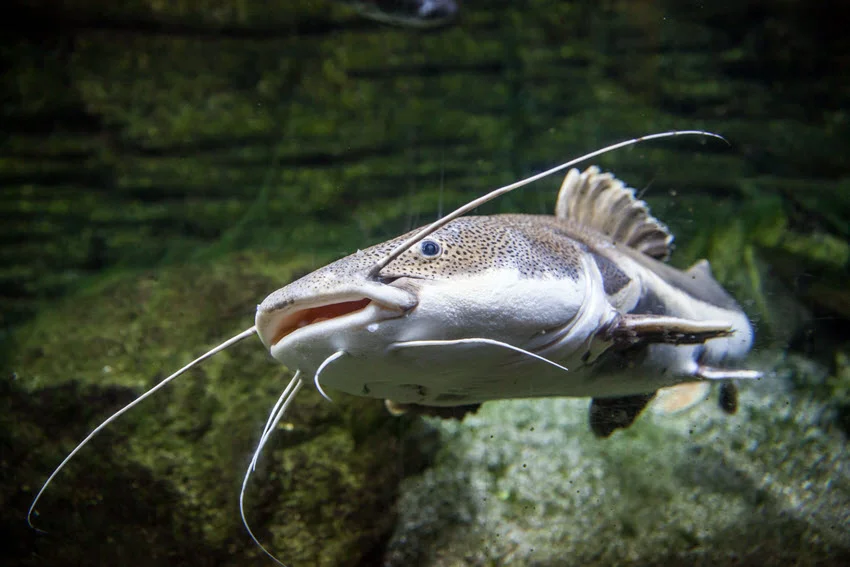
In the first place, we need to outsmart the Catfish. Get it to move slowly at our bait when it is still in a light doze (it sticks to the depth and is not in the mood for a long chase after the prey). And that trickery is not easy today, even in early spring when it is easiest to catch it.
As soon as the water temperature exceeds 46 degrees Fahrenheit, the Catfish slowly wakes up and starts moving in search of food, meaning it is active almost year-round.
Best Time to Catch: Year-round
Habitat: Under bridges, and especially in the holes around their pillars
Preferred Bait: Minnows, shiners, or small panfish.
Fishing Technique: Casting live and artificial baits
Difficulty: Challenging
Depth: Moderate to deep
After "waking up," Catfish are not very active in chasing prey and typically shelter under concrete overhangs and bridges. They will eat if a tasty morsel comes within reach but usually hunt farther from their resting spots. Weather conditions and water level fluctuations greatly affect the catfishing season.
When handling Catfish, be gentle and avoid touching their gills. If releasing the fish, do so in a way that minimizes stress and maximizes their chances of survival.
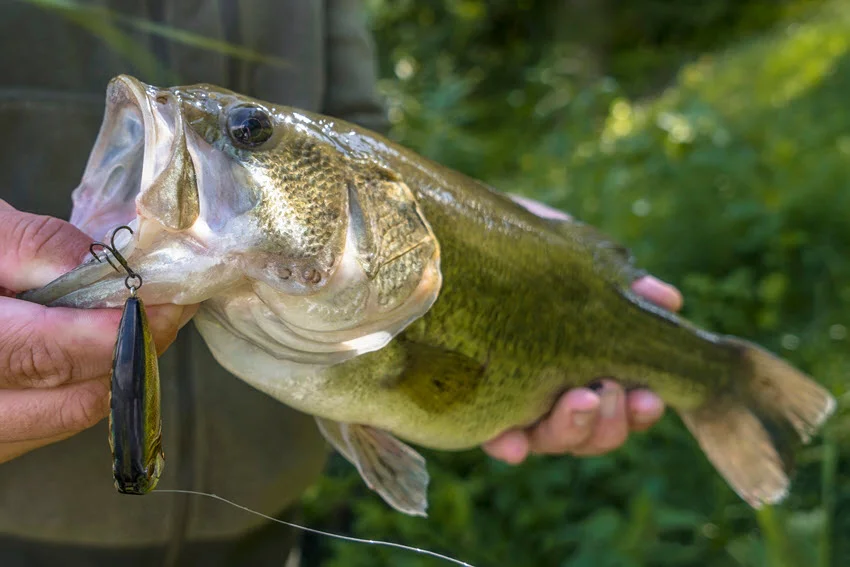
Largemouth Bass is a fish that functions the best during the warm months. Bass is a very aggressive and curious fish. You are on a good way to catch it if you find it. Since it is most active at dawn and dusk, look for it in characteristic places that make a good ambush for hunting fish. Lead the bait as erratically as possible, as such a provocative lead has proven to be the best.
Best Time to Catch: Warmer months
Habitat: Shallow water near the surface
Preferred Bait: Live mullet, crayfish, swimbaits and topwater plugs
Fishing Technique: Casting, live and artificial bait fishing, fly fishing
Difficulty: Challenging
Depth: Moderate to deep
When fishing for Largemouth Bass from shore, it should not see you! If it sees you, it is challenging to catch it because it is suspicious and will not take the bait. This fish often sunbathes on the surface. If there are a lot of Bass in the water, walk slowly along the shore and look for them (special fishing "polarized" glasses help a lot).
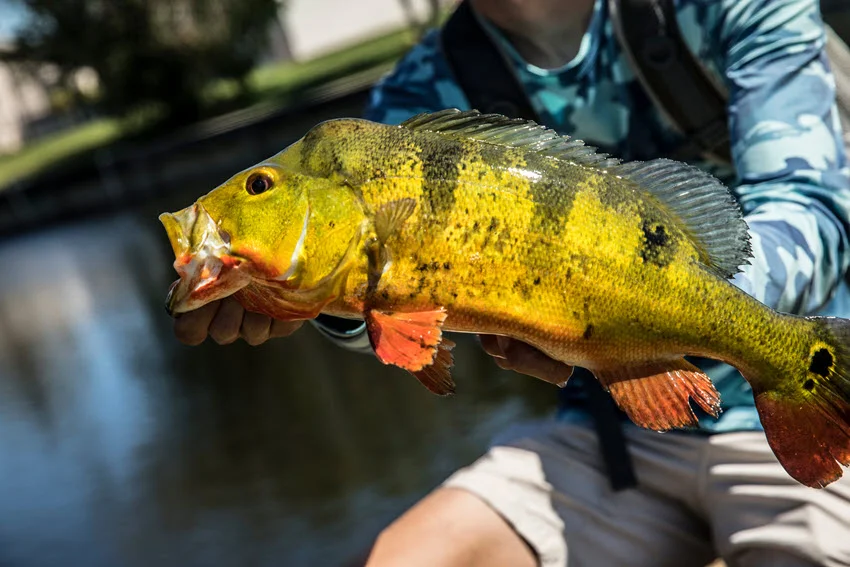
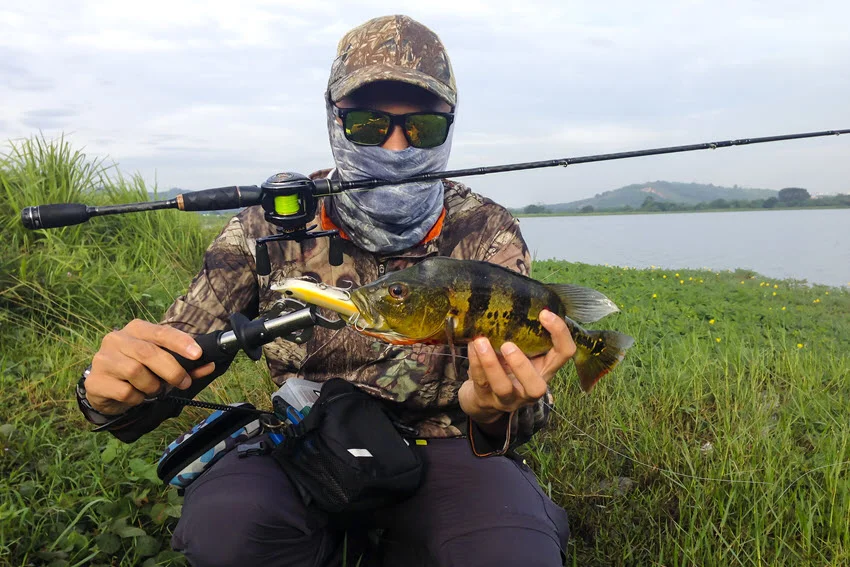
The Peacock Bass, renowned for its vibrant colors, distinctive body shape, and fierce combativeness, is a sight to behold. Engaging in a battle of wits with this fish is a delight for every angler.
Its surface strikes are powerful, accompanied by a resounding noise and impact that leaves one in awe. The Peacock Bass often frequents shoreline structures such as docks, submerged vegetation, rocky points, and drop-offs, adding to its allure.
Best Time to Catch: May and June
Habitat: Near shoreline structures such as docks, submerged vegetation, rocky points, and drop-offs
Preferred Bait: Poppers, prop baits, and walk-the-dog style lures
Fishing Technique: Casting, live and artificial bait fishing, fly fishing
Difficulty: Challenging
Depth: Moderate
One important thing to remember when fishing for this fish is that if one thinks that a fish of such combativeness gets tired quickly, the Peacock Bass would prove them wrong. Even after being dragged to the boat, there is a chance of escape into the depths as far as possible.
The extraordinary Everglades mixes a variety of waters, as well as fish species, which all contribute to a beautiful fishing experience. Here are some famous Florida fish species you should be able to catch in these stunning fishing spots.
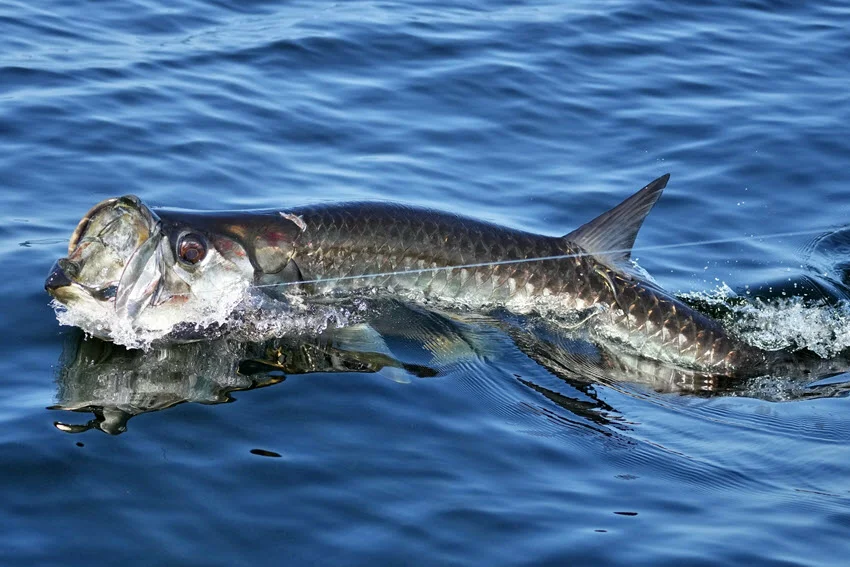
Tarpon can be caught in many ways. Interesting approaches include classic fly tackle, large streamers, and trolling with large spoons on the bottom. The most productive way is hunting with live cedars, which guides also practice most often.
For this occasion, they shoot large quantities of other fish species. Then they chop it up and throw it into the sea as bait, and whole, live specimens are hung on extremely strong "circular" hooks and released without difficulty downstream.
Best Time to Catch: May and June
Habitat: Where rivers or creeks flow into coastal bays and along the shoreline
Preferred Bait: Live cedars
Fishing Technique: Fly tackle and large streamers, trolling
Difficulty: Challenging
Depth: Moderate to deep
In the Everglades, you will find them where rivers or creeks flow into coastal bays and along the shoreline. If you are looking for the right time for this species to be the easiest to catch due to its life cycle, you should fish for Tarpon between May and June. Thus, you will ensure easier catching and fewer empty hooks.
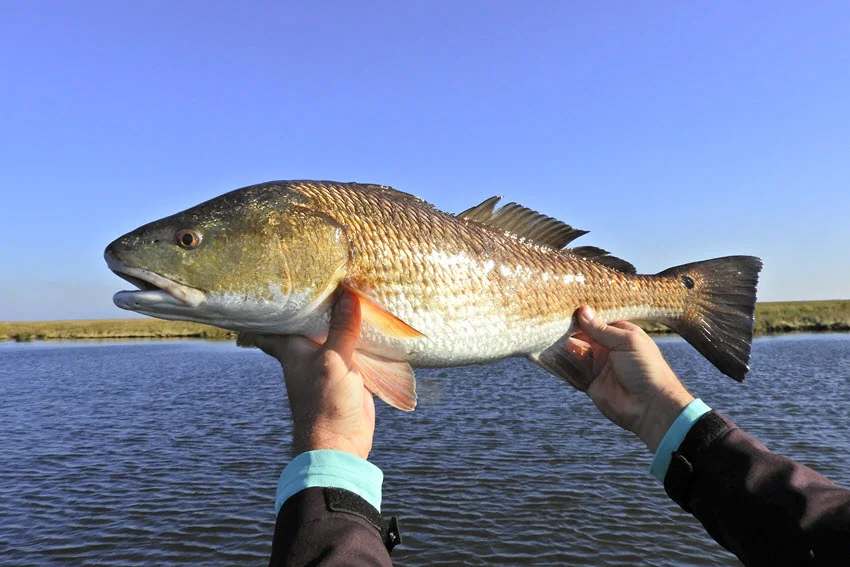
Redfish like hollow objects such as ships, airplanes, and other similar things. They also like sand, slabs, small sinkholes, and terrain lightly overgrown with algae, sponges, and some coral.
The depth at which it is most often found is 160 to 200 feet, but also up to 30 feet shallower and 65 feet deeper, depending on the configuration of the terrain.
Best Time to Catch: Spring to early fall
Habitat: Sunken objects such as ships, airplanes
Preferred Bait: Live cedars
Fishing Technique: Fly tackle and large streamers, trolling
Difficulty: Challenging
Depth: Moderate to deep
Redfish come to those grounds in the second half of August and stay for two to three months. The reason for coming at that time is spawning. Large mature fish gather in groups, and the young remain hidden in the ruins of submerged structures. The best time for hunting is spring and early fall because the mating season is over by then.
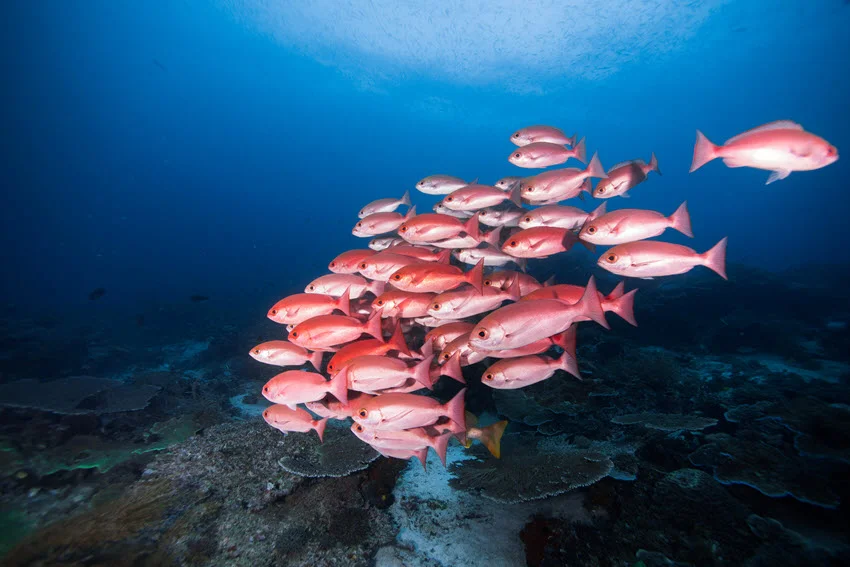
Various types of Snappers, such as the Mangrove Snapper and Red Snapper, inhabit the blue waters of Everglades National Park. If you enjoy fishing for this common species, you can experience a cool and refreshing setting by navigating the twisted waterways surrounded by green mangroves and vibrant wildlife.
Best Time to Catch: Spring and fall
Habitat: Mangrove shorelines, shallow reefs, and rock piles
Preferred Bait: Pinfish, mullet or baitfish, squid, shrimp
Fishing Technique: Live and artificial lures techniques
Difficulty: Challenging
Depth: Moderate
If you go to the Everglades National Park, you will find that Snappers love the lush ecosystem, which is consistent there. Catching Snappers is very rewarding, and you will surely be satisfied with the beauty of their shining scales.
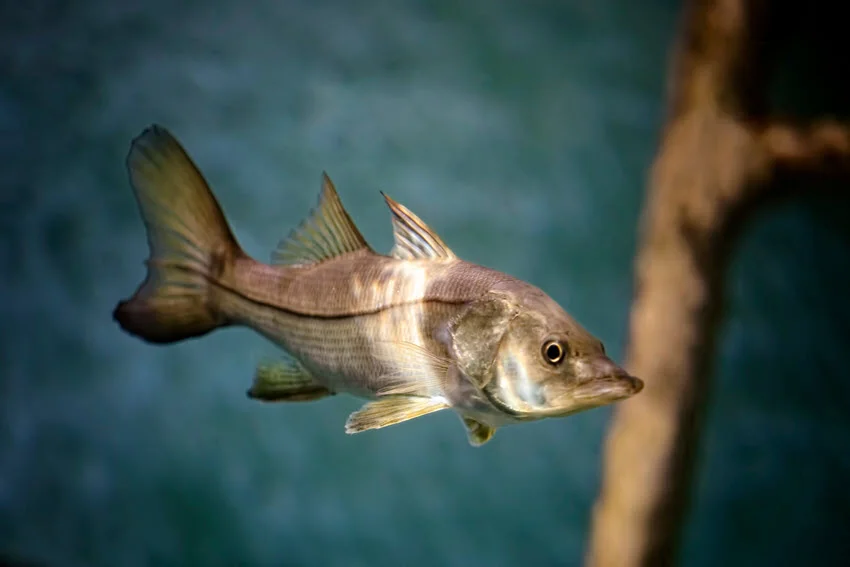
A Snook has a sloping forehead and a strong lateral line, which gives it a distinctive look that makes it difficult for experienced anglers to catch it. Snook fishing in the Everglades National Park is a unique experience since the meeting point of fresh and saltwater provides the perfect environment for this elusive species.
Best Time to Catch: Warmer months
Habitat: Meeting point of fresh and saltwater
Preferred Bait: Pinfish, mullet or baitfish, squid, shrimp
Fishing Technique: Casting
Difficulty: Moderate
Depth: Moderate
Understanding Snook is crucial for a successful catch. The key is to comprehend Snook's behavior and modify tactics to suit the ever-changing conditions of the Everglades, whether casting into the dark corners of mangroves or presenting lures along the grassy borders.
Conservation initiatives are essential to the survival of Snook populations to ensure that future generations can still enjoy the excitement of pursuing this famous fish.
These prime fishing spots in Everglades National Park unveil the absolute finest natural beauty. They present unreal beauty in landscapes, a wide variety of flora and fauna, invaluable cultural, historical, and natural landmarks, and locations offering indescribable vistas of pristine nature.
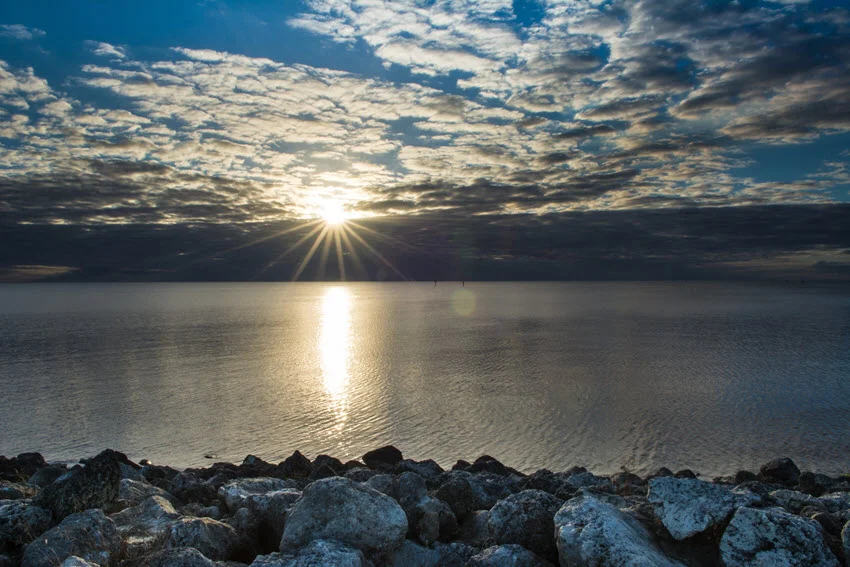
Beautiful landscapes, untouched nature, calm lake surface, clean air, and pleasant climate – you will find all this in Everglades National Park and near its beautiful lake. In addition to stunning viewpoints and rich vegetation, the lake and rivers are also a big reason why tourists in increasing numbers visit Everglades National Park. When we say that in Everglades National Park, you will find the most beautiful thing that nature can give us, we mean it, and it's up to you to see it for yourself.
Whether you explore its secret coves or cruise its picturesque shoreline, Lake Okeechobee offers a quiet fishing experience amidst Florida's breathtaking scenery. If you are fishing in Everglades National Park, you must take advantage of fishing in this place!
Florida Bay is one of the most popular spots among fishing enthusiasts looking for an angling experience, and you may wonder why. This expansive body of water offers a habitat for many fish species thanks to its shallow flats, seagrass beds, and mangrove islands. If you prefer inshore fishing, the bay is like paradise because it presents the chance to pursue some fish species like Redfish, Snook, Tarpon, and Bonefish.
It is a fly-fishing haven with seagrass meadows and clear blue waterways. Its shoreline with mangroves provides opportunities for sight casting. Fishing in Florida Bay goes beyond the thrill of catching fish! It allows you to connect with nature extraordinarily. As a nursery for marine species, it emphasizes the importance of sustainable fishing practices.
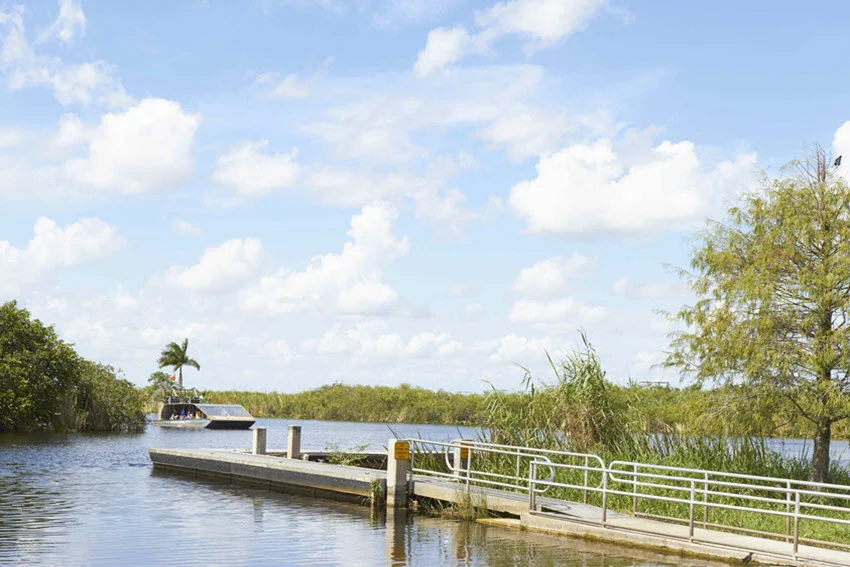
Holiday Park offers guided fishing trips led by captains who skillfully navigate the waterways. Whether you are an expert or just a novice, this amazing place allows you to test your skills and reel in the catch of a lifetime! The attraction of fishing is further enhanced by the setting and variety of species that provide a mixture of relaxation and nature.
In the marshes and wetlands, you’ll encounter a variety of the top freshwater species, such as Largemouth Bass, Peacock Bass, and Catfish. In addition to offering fishing excursions, Holiday Park also organizes exciting flights so you can immerse yourself in the park’s unique ecosystem and admire its beautiful wildlife, including many beautiful species of birds, turtles, and crocodiles.
Whitewater Bay is a lively place for fishing where skilled and unskilled anglers can try their abilities. You can choose where to fish – in the bending canals or the vast waters. In Whitewater Bay, fishing is more than pulling in fish! The thrill of this recreational sport combines with the beautiful view of the place on this deep dive into nature's heart.
Whitewater Bay's quiet charm and many species add to the beauty of a day spent on the water. This fishing paradise, with its unspoiled views and rich variety of life, shows how important it is to protect our unique places. It is not famous just as a favorite spot for anglers but as a vital part of the Everglades National Park ecosystem.
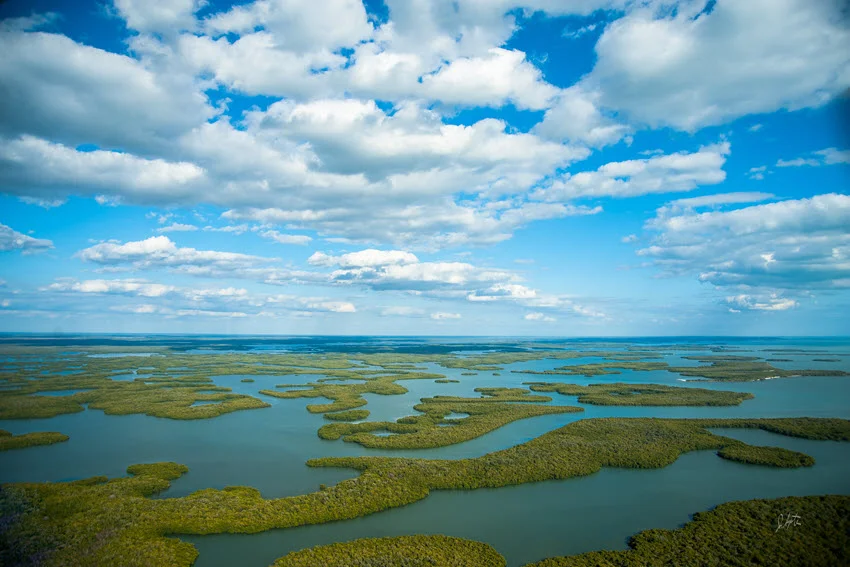
Want to sail river bends, roam open waters, or explore where the Ten Thousand Islands mesh with thick mangrove woods and the Gulf of Mexico? Remember, this unique area offers unrivaled fishing. It's a perfect home for sea creatures, making it a dream for fishermen. The mangrove-filled rivers are a safe zone for Tarpon, Redfish, Snook, and Mangrove Snapper in the Ten Thousand Islands.
Fishermen who venture here enjoy a memorable experience! You can have a great time fishing. So, why wait? Dive into new fun and enjoy the beautiful nature of the Ten Thousand Islands. As you stand in this unspoiled fish haven, you will be flooded by numerous tiny moments, and you will never forget that one day when you reeled in that remarkable catch.
The choice of technique depends on many factors. Will you be fishing from shore or the water? What kind of fish do you catch? Is the water freshwater or saltwater? These are all just examples of those factors. In the following text, find out the most popular techniques anglers use while fishing in the Everglades National Park.
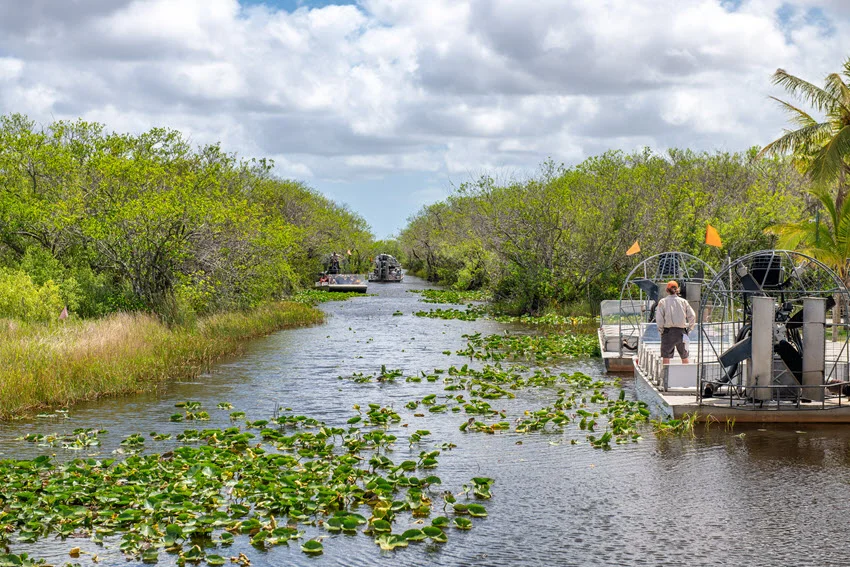
Rent a charter, and you can plan your visit to numerous places according to your wishes. You will have the most beautiful experiences at sea. You are the main organizer and decide where you want to go and which parts of the stunning coast you wish to explore. Customize the trip to your preferences and create your dream fishing tour yourself.
With a Charter, you can experience all the magic of fishing in Everglades National Park. A charter is an excellent opportunity to spend an annual vacation fishing with family and friends or to organize "team building" with your colleagues.
For ultimate relaxation and a carefree vacation, our recommendation is to hire a skipper, and if you want to hire a bigger boat, you can also decide to hire a permitted tour guide. They can give you a lot of information about destinations and recommend places to visit, depending on your wishes.
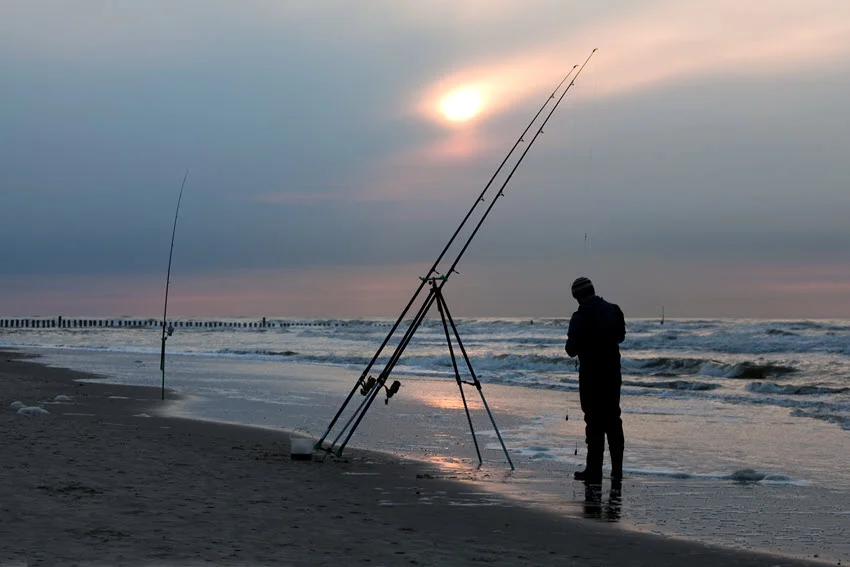
Different methods of fishing require specific types of equipment. The most common approach to shoreline fishing involves using essential gear, such as a hook and line. When using this method, the angler typically casts the line near the coast, adjusts the tension, and secures it to a suitable stone for stability. When a catch is hooked, the angler manually reels it, providing a unique and primal fishing experience.
Alternatively, anglers may opt for rod fishing, activating the spool's free travel or engaging the brake after casting. The choice of hook size, jig characteristics, and lead load depends mainly on shoreline conditions.
For those seeking more excitement and challenges, Rock Fishing or fishing from elevated rocky areas is an extreme discipline originating in Australia. Adrenaline enthusiasts carefully select their fishing positions in this technique, balancing their passion for fishing with a desire for adventure. While it requires strategic placement, rock fishing offers distinct advantages.
Spinning or coastal lure fishing involves enticing catches with artificial bait and manipulating the lure to provoke attacks. Shore jigging, a versatile technique suitable for any time or weather condition, entails casting a jig into the sea and jerking the rod toward the shore for retrieval.
Float fishing, commonly associated with freshwater but adaptable to the sea, uses a buoyant float as a bite indicator and a depth regulator for the hooked line. The float comprises a central buoyant body and an antenna, often feathered, plastic, or metal. Surface fish like mullet and abalone are typically caught using this method in coastal sea fishing. Quality equipment is crucial for float fishing, given the catches' temperamental nature and the gear's sensitivity.

The kayaks available are made of high-quality medium-density polyethylene, which provides exceptional strength against impact and UV light while remaining lightweight for their size. They are designed to cover long distances with minimal effort, making them efficient and stable for paddlers of all skill levels.
When selecting a kayak, it is recommended that beginners opt for a flatter one where they sit on top of the kayak rather than inside, especially if they plan to paddle on a calm river or lake. These kayaks provide greater stability and reduce the risk of tipping over.
Keep kayaking if you are confident in your swimming abilities. You can simply ask for a vest, and you will be ready to go. Even if you are a good swimmer, you can never be sure when you might fall into the water. Therefore, there is no shame in wearing a vest. It is desirable for your safety.
When sitting on a kayak, ensure you sit correctly and not push yourself too hard. Try to maintain a 90-degree angle, as this will help prevent muscle soreness. Hold one oar with both hands, grasping it at shoulder width. Lowering the paddle into the water, the beveled part should enter first, followed by the straighter part. You should paddle with both hands alternately.
Understanding fishing regulations in an area is crucial for protecting fish populations and ecosystems and promoting responsible angling practices.
Anglers Booking Team
To preserve the water quality of these reservoirs, as well as to preserve and improve the existing fund of ichthyofauna and flora, Everglades National Park requires permits and licenses for fishing in freshwaters, as well as in saltwater.
Angling is forbidden in some places, such as parts of Chekika Lake, Ponds (including Coot Bay, Mrazek, and Eco), Center Lakes, and Flamingo Marina (except at night). You can always get more information from local guides, and the law on when and how much of which species you can catch is the same as in any other city in Florida.
In essence, fishing doesn't require extravagant resources. A modest investment in sound equipment, coupled with a chosen spot on the coast and the wisdom to understand and overcome challenges, is sufficient. The charm of this primal need lies in the continual cycle of feeling and conquering oneself, making each fishing experience unique.
If you are on a boat, it is not 100% guaranteed that water will not enter. That's why it would be good to have a waterproof bag to keep everything you want dry during the descent. Always bring dry clothes and a towel to change into after paddling. Also, bring sun protection (cream, glasses, hats, or caps). A bottle of drinking water is also a must!
Are you interested in learning more about this place, or would you like to share your experiences with us? We'll be happy to listen to you and answer your questions, so don't hesitate to leave a comment below!

The expert copywriters at Anglers Booking have meticulously crafted this article. Our dedicated team of writers provides valuable insights and information to enhance your angling experience.
September 16, 2026

January 26, 2025
Subscribe to our newsletter and receive a selection of cool articles every week.
Embark on unforgettable fishing adventures with us at Anglers Booking.
book your charter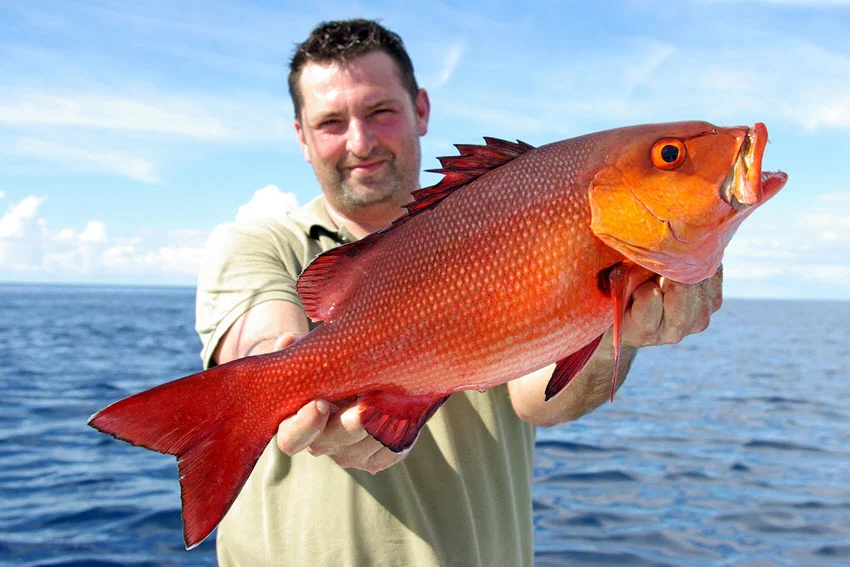
September 8, 2026
August 21, 2026
August 18, 2026
August 15, 2026
August 12, 2026
August 8, 2026
August 4, 2026
April 17, 2026

You're now part of our exclusive community. Get ready for premium content and updates straight to your inbox.
close
Subscribe to our newsletter and receive a selection of cool articles every week.
Please enter a valid email address.
Be the first to know when we're back in action.
Please enter a valid email address.
Leave a Comment
Your email address will not be published. Required fields are marked *
Thank you for your comment! It has been submitted for review and will appear on the site shortly.