


Anglers Booking Team
The expert copywriters at Anglers Booking have meticulously crafted this article. Our dedicated team of writers provides valuable insights and information to enhance your angling experience.
 10 minutes read
Imagine a place where you can cast your line throughout the year and enjoy the sun with your friends. Tampa Bay, Florida offers you the right that. This year-round fishing utopia is a true paradise for all kinds of anglers due to its diverse ecosystem, offering more than 200 species.
Nestled on Florida's Gulf Coast, this place is enriched with a beautiful climate, briny depths, and unique estuaries, creating one of the most diverse fishing habitats in the whole country.

Tampa Bay is not just about fishing; it's about the real adventure and unforgettable experience for the whole family, any day of the year. Nature lovers can enjoy various activities, such as wildlife tours or kayaking, while gastronomes can try some of America's most delicious fish recipes.
After reading this guide, you will have all the necessary information for a successful fishing trip. You will learn about the best fishing locations, seasons, techniques, and types of fish.
Diving into the waters of Tampa Bay, various marine life delights even the most experienced anglers. A diverse habitat from peaceful inland waters to the Gulf of Mexico provides the perfect conditions for many endemic and migratory species.
The unique combination of freshwater inflows and Gulf waters makes Tampa Bay a prime location for many fish species. Its diverse habitats, from seagrass beds to shadowy mangroves, represent a home to many native species. Here are some of them.
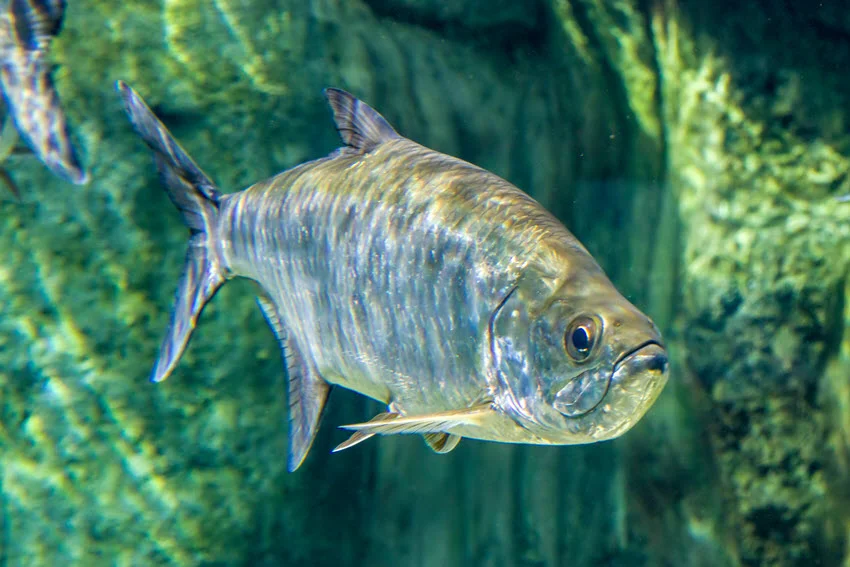
Catching the Tarpon, also known as the "Silver King," can be a thrilling experience for anyone fishing in the warm waters of Tampa Bay. These impressive fish, known for their acrobatic skills and remarkable size, are favorites among anglers seeking a challenging and rewarding catch.
Best Time to Catch: Spring and fall are the peak seasons
Habitat: Estuaries, lagoons, or around mangrove trees
Preferred Bait: Mullets or live shrimps
Difficulty: Challenging
Depth: Up to 20 feet
They have potent bodies that can stretch to over 8 feet and weigh more than 200 pounds. Silver Kings require a much stronger drag system and specialized tackles and reels to catch.
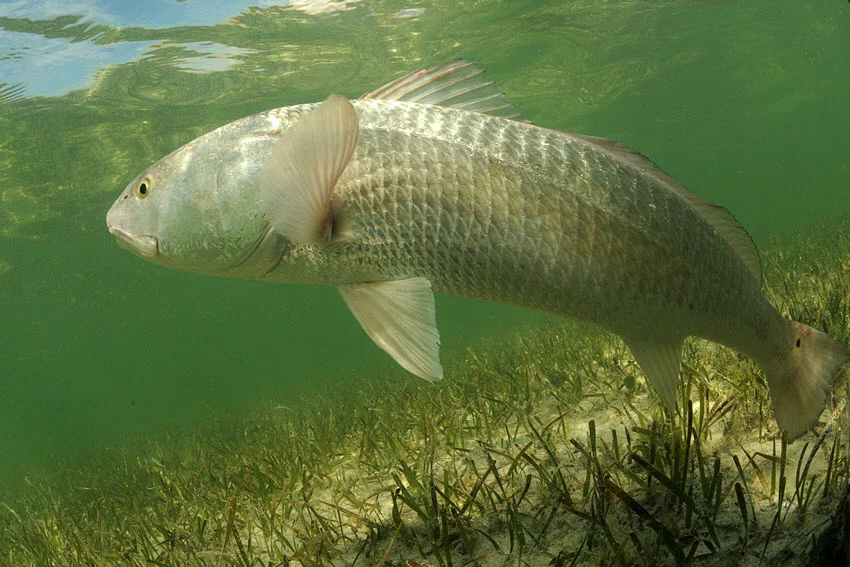
Targeting Redfish in Tampa Bay is a favorite activity for numerous local anglers. Famous for its coppery color and distinctive tail spots, this fish species offers a fun challenge and a tasty reward. They don't jump high like Tarpon but pull very hard, especially the larger ones called Bullreds.
Best Time to Catch: Late summer to fall
Habitat: Shallow waters around mangroves, grass, and oyster bars
Preferred Bait: Live crabs, shrimps, artificial lures
Difficulty: Suitable for all skill levels
Depth: 1-4 feet
Redfish are a vital part of Tampa Bay's fishing culture and are highly respected for their fighting spirit. Also known as "Red Drums," these fish have an inspiring size range and growth rate. In coastal waters, they are usually caught between 20 and 30 inches long, while the bigger ones can reach up to 60 inches and weigh over 50 pounds.
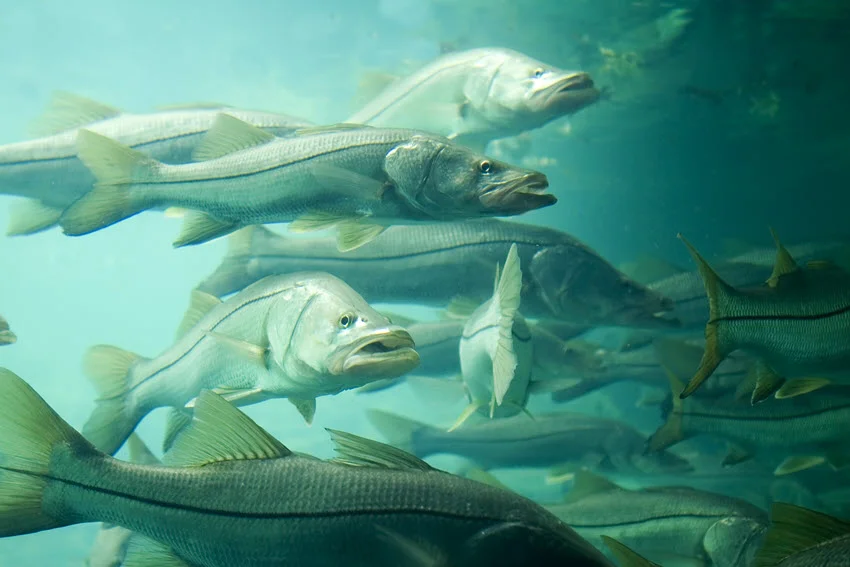
One of Tampa Bay's top-targeted fish is Snook. Known as an aggressive predator, this species symbolizes the thrill of inshore fishing. Its sharp gill plates and powerful runs can easily cut through fishing lines, making catching challenging for anglers.
Best Time to Catch: Spring through early fall
Habitat: Mangroves, seawalls, docks, and sandy beaches during spawning season
Preferred Bait: Live mullets, shrimps and pinfish
Difficulty: Challenging
Depth: Mostly found in shallow waters, less than 10 feet
Tampa Bay has been the site of some record-breaking Snook catches, proving this area's exceptional fishing opportunities. Their size can vary significantly. Juvenile Snooks often start at just a few inches long but reach impressive sizes as they grow. On average, their range is 20 to 30 inches long, but some grow much larger, exceeding 40 inches and weighing more than 40 pounds.
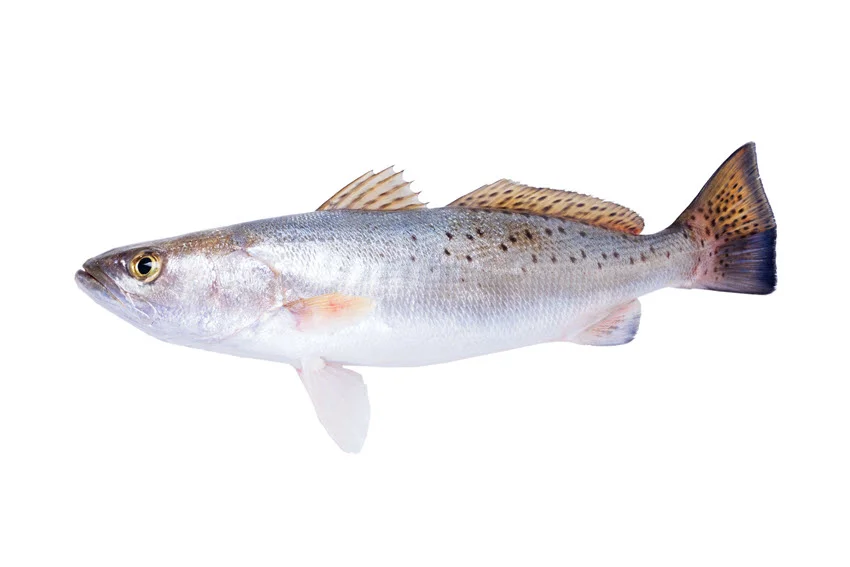
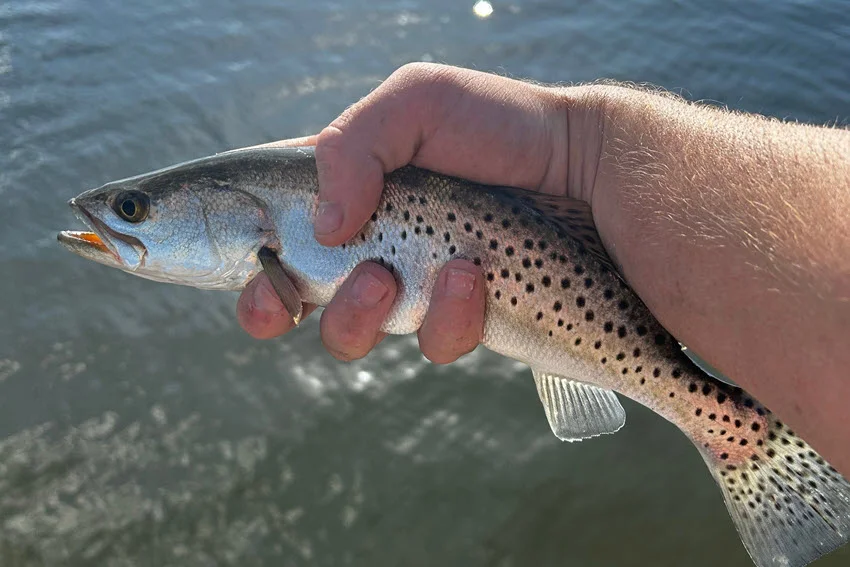
Spotted Seatrout, also known as "Speckled Trout," holds an exceptional place in the hearts of Tampa Bay anglers for many reasons. Though not considered a challenging catch, these fish are an intriguing target for anglers of all experience levels.
Best Time to Catch: Spring to early summer
Habitat: Shallow waters, especially around mangroves, seagrass, or sand
Preferred Bait: Live shrimps or artificial lures
Difficulty: Suitable for all experience levels
Depth: 1-7 feet
They are exceptionally adaptable to different salinity levels, allowing them to live in divergent habitats around Tampa Bay. They can be found in nearly all fresh and saltwater near the Gulf. The average size ranges from 15 to 20 inches in length and weighs between 2 and 5 pounds, while the giant Gator Trout can exceed 25 inches and 10 pounds in weight.
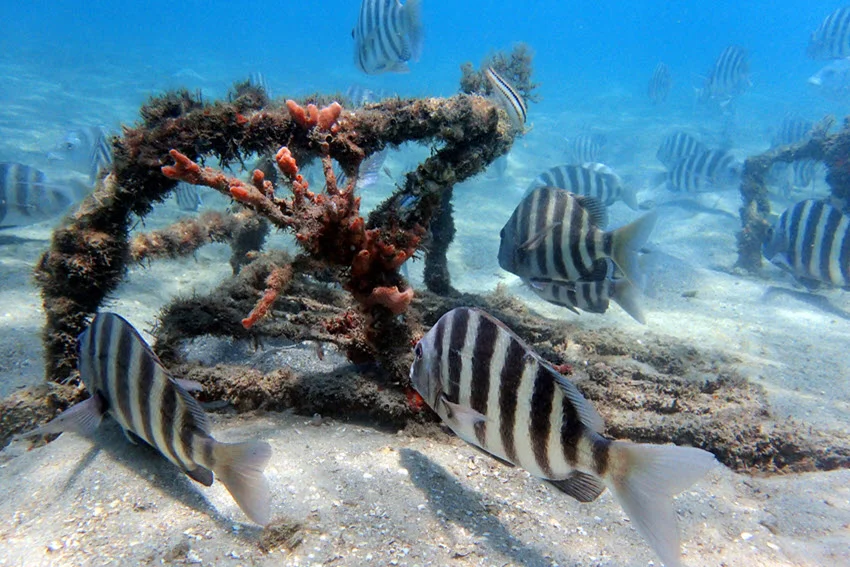
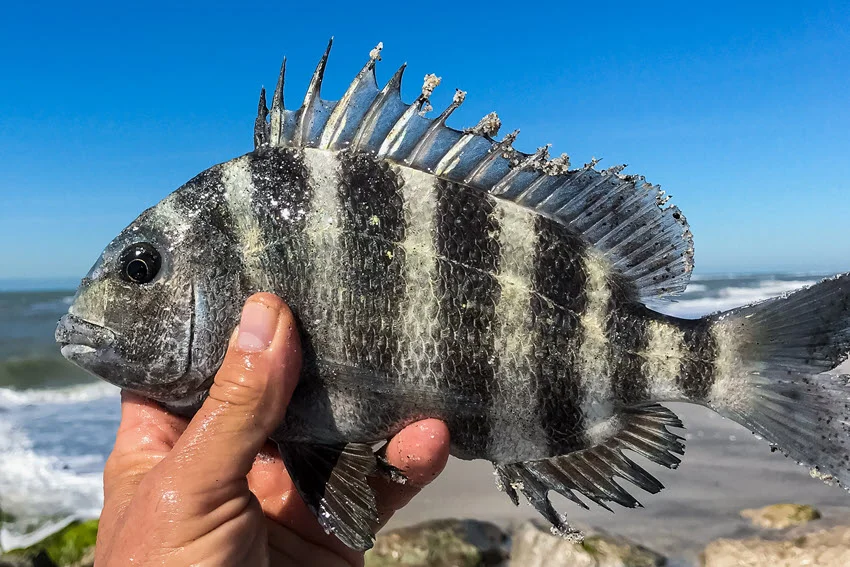
Sheepshead is also known as "Convict Fish" because of its black and white stripes along the body, resembling a convict's uniform. They are prevalent for their tasty white meat and funny teeth. They got their weird name from their jaw, which resembles the sheep's muzzle. Those strong teeth are specialized for crushing shells, crabs, oysters, and other sea dwellers.
Best Time to Catch: Winter and early spring
Habitat: Docks, jetties, mangroves or piers
Preferred Bait: Shrimps, fiddler crabs or oysters
Difficulty: Might be challenging due to their strong teeth
Depth: 10-20 feet
Stripes on their bodies serve as excellent camouflage among the oyster bead and mangrove roots, helping them blend into their surroundings and be less visible to prey and predators. Adult Sheepshead typically measures between 14 and 18 inches and weighs 3 to 5 pounds. However, some can reach 25 inches or more.
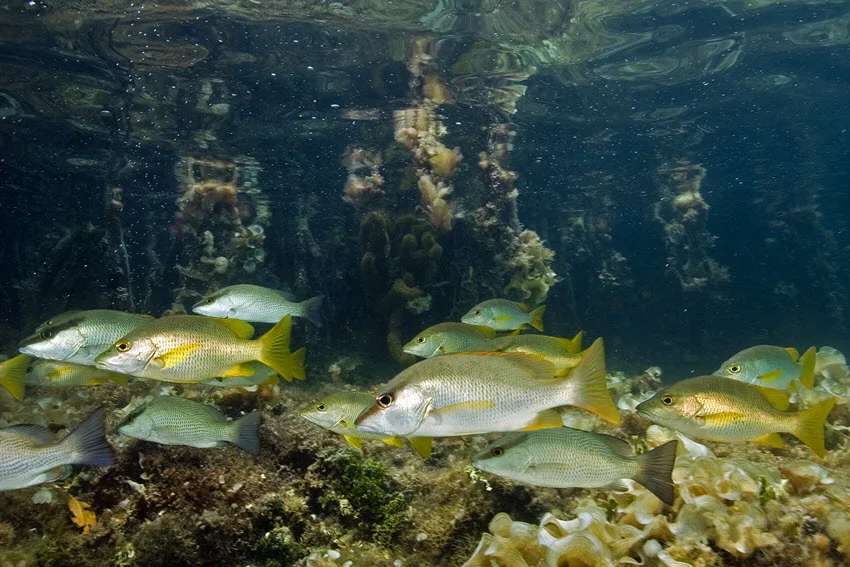
During warmer months, fishing for Mangrove Snapper, known as "Gray Snapper," is prevalent in Tampa Bay. Their fighting spirit and delicious taste make this species a very prized catch among the anglers of Tampa Bay. They got their name because they're often seen around the mangroves, bridges, docs, and other structures offering shelter and food sources.
Best Time to Catch: Summer
Habitat: Mangrove roots, jetties, wrecks, or docs
Preferred Bait: Live shrimp, cut bait, or small fish
Difficulty: Suitable for both beginner and expert level
Depth: 1-20 feet
Mangrove Snappers are small or medium-sized fish with a dark line running from their nose to their eye. They usually grow 10 to 14 inches and weigh around 2 pounds. Some larger specimens may even exceed 20 inches and weigh over 5 pounds.
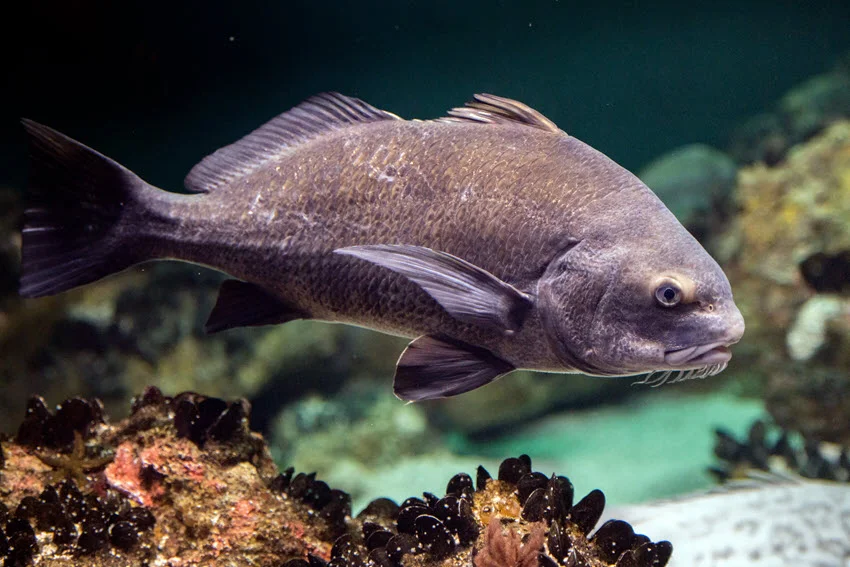
Targeting Black Drums in the waters of Tampa Bay is a unique experience for anglers because of the specific characteristics and behaviors of these fish. Well-known for their immense size and the drumming sound they produce, catching this fish can be a true challenge even for experienced anglers. They prefer muddy and sandy bottoms and hidden places around bridges or docs where they look for food.
Best Time to Catch: Late winter to early spring
Habitat: Soft, muddy bottoms like oyster beds and around structures
Preferred Bait: Crabs, cut bait, or shrimp
Difficulty: Suitable for many skill levels
Depth: Can be found in both shallow and deeper water, up to 30 feet
When young, they have gray or black bodies with vertical stripes along the body. They have a trim "beard" under their jaw, which they use to sense food on the ocean floor. Their size in Tampa Bay may vary widely. Small ones usually weigh just a few pounds, while adults can weigh anywhere from 30 to over 90 pounds and reach lengths of more than 60 inches.
Tampa Bay is a diverse ecosystem that attracts a variety of fish species throughout the year. Some visitors may stay for a whole season, while others come only for spawning purposes. In this article, we will showcase some of the most popular species you can expect when visiting Tampa Bay.
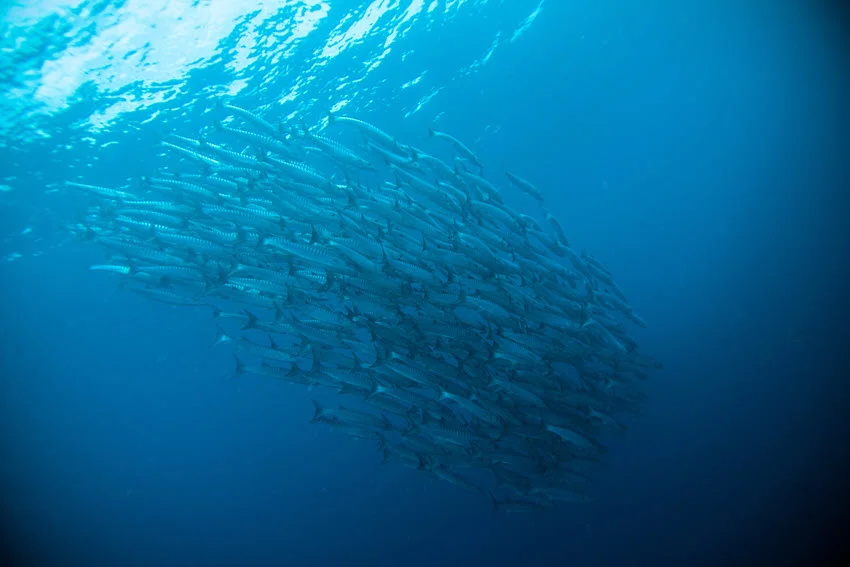
King Mackerel, known as "Kingfish," is commonly seen as a migratory species in Tampa Bay. For anglers looking for speed and an intense fight, these fast-moving fish offer a thrilling experience. They migrate through the waters of Tampa Bay in the spring and fall, seeking warmer temperatures.
Best Time to Catch: Spring and fall
Habitat: Nearshore and offshore waters, especially around wrecks and reefs
Preferred Bait: Blue runners or artificial lures that mimic small fish
Difficulty: Challenging
Depth: 20 to 150 feet
They have a sleek appearance designed for speed, a blue-green back, and silver sides. Sharp, pointed teeth and a tempered jaw enhance their predatory capabilities. These creatures typically measure between 20 and 30 inches in length, although some can grow much larger, with some individuals reaching up to 5 feet. While their weight usually falls between 10 and 20 pounds, larger ones can weigh more than 50 pounds.
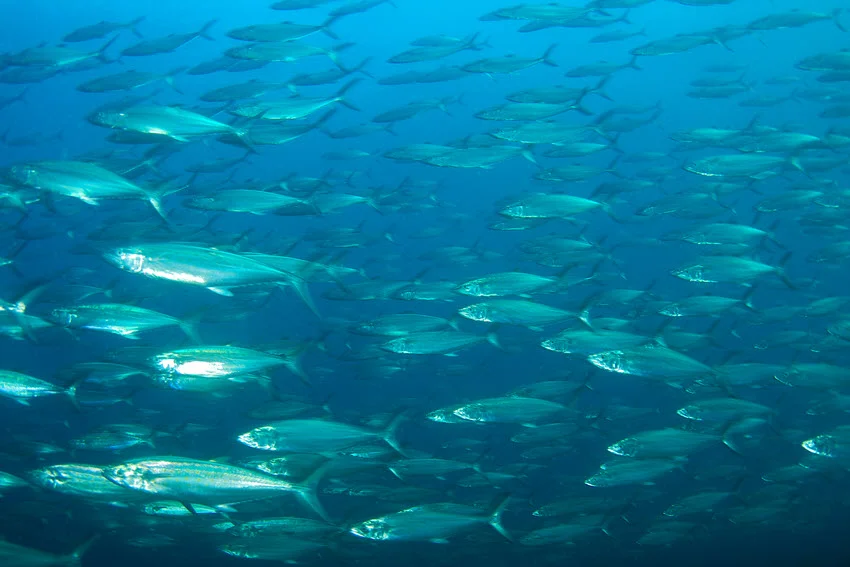
Many anglers are impatiently waiting for spring to encounter this magnificent fish. Known for their speed and agility, Spanish Mackerel is one of Tampa Bay's favorite targets. Following warm coastal currents, they migrate into these waters in the spring and stay through early fall. Targeting this fish suits those who like dynamic and more extreme fishing.
Best Time to Catch: Spring through early fall, when migrating
Habitat: Nearshore and coastal waters, around jetties and channels
Preferred Bait: Live bait, spoons, or other shiny lures
Difficulty: Challenging
Depth: Shallower waters
Many anglers use various trolling techniques to cover a range of depths to increase the chance of catching them. They may be smaller than Kingfish, but Spanish Mackerel are still big predators with sharp teeth. They usually measure between 10 to 20 inches and weigh 3 to 6 pounds. Some bigger ones may even exceed 50 inches.
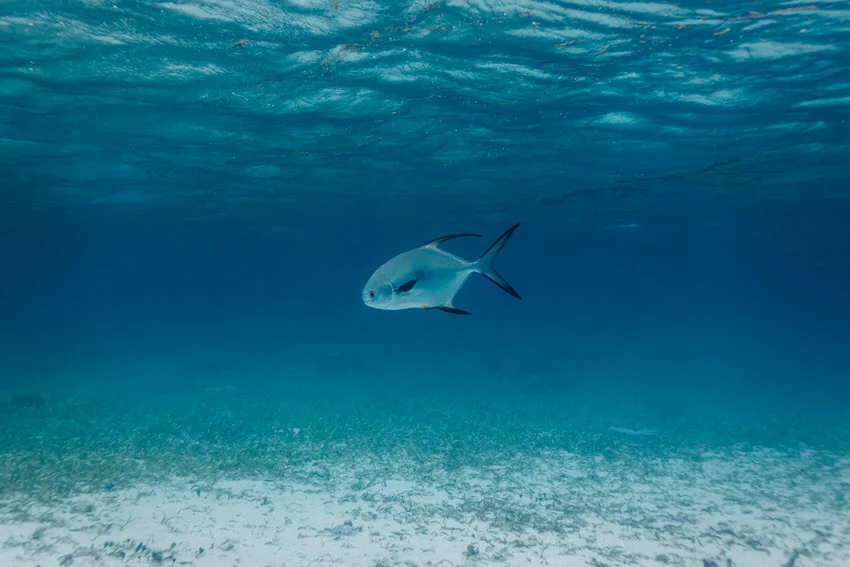
Using the waters of Tampa Bay to spawn Permits inhabit the territory during warm months. To protect while spawning, they can gather into larger groups and outnumber the potential predator. They deserve respect among the local anglers because of their fighting spirit and enormous agility, which makes them very challenging to catch.
Best Time to Catch: Spring and summer
Habitat: Shallower water, muddy and sandy bottom
Preferred Bait: Live crabs, small fish or shrimps
Difficulty: Challenging
Depth: 2-30 feet
They have an exciting appearance, flat and round bodies, with long anal fins. Their size may vary; juveniles are around 10-20 inches, and adults can grow more prominently. Some can grow over 30 inches and weigh more than 40 pounds.
With the knowledge of what to target and the best times, the natural next step is to discover where to go. Finding the ideal spots will increase your chances of a successful catch and enrich your adventure. Let's explore the top fishing destinations within Tampa Bay.
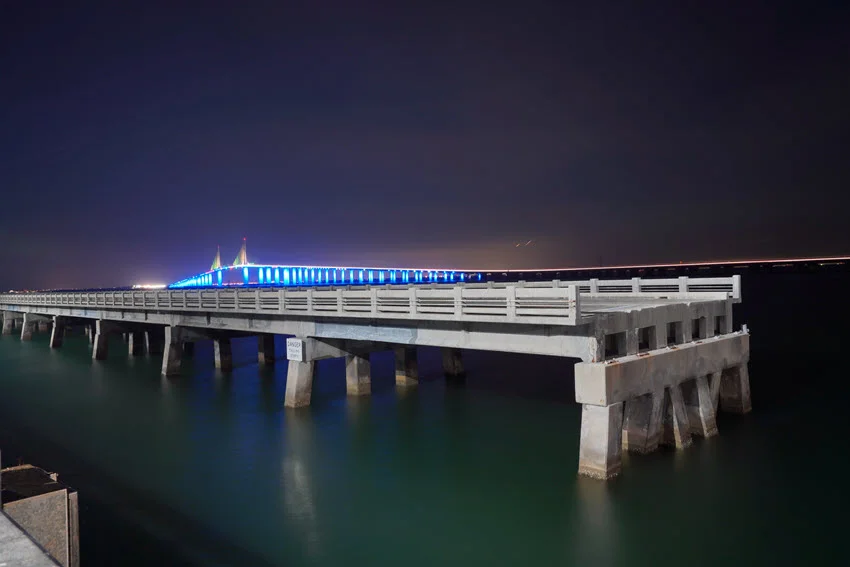
Skyway Fishing Pier State Park is one of the most unique fishing places in the whole country. The old Skyway Bridge was transformed into the world's longest fishing pier and extended into the deep waters of Tampa Bay. There are many convenient features, such as fish cleaning stations and lights for night fishing. This place offers a diversity of species, which attracts anglers from all around the world.
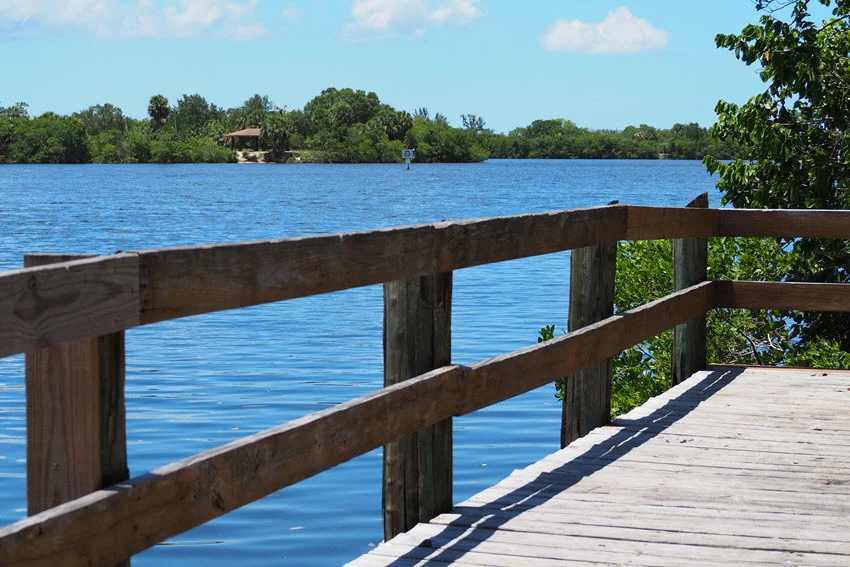
If you are looking for a perfect fishing getaway surrounded by beautiful nature, E.G. Simmons Regional Park might be the right choice. The ideal combination of open water and mangroves makes this place a habitat for various fish species.
The park boasts fish-cleaning areas and spots for fishing at any time, day or night. Besides fishing, this park offers many other activities. You can explore wildlife, camp under the stars, or go for kayak fishing.
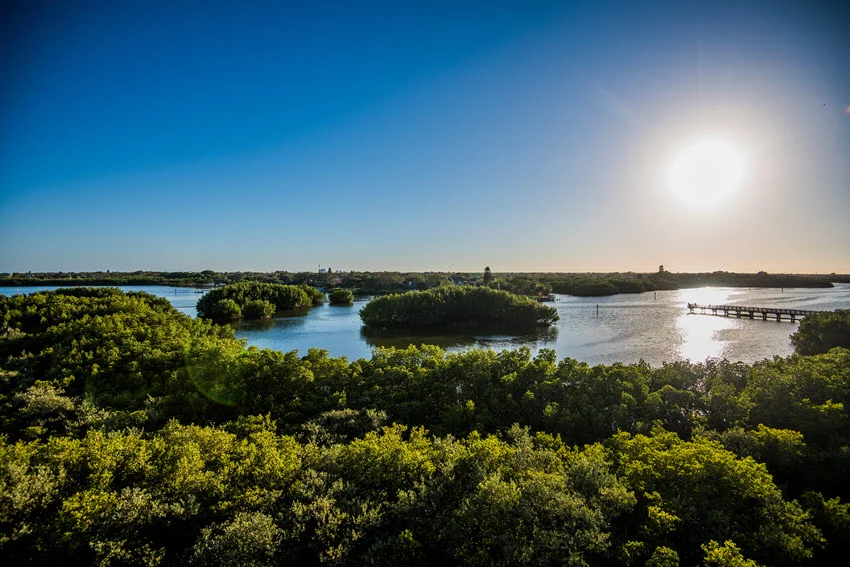
Weedon Island Preserve is a natural gem offering many fishing spots with beautiful landscapes. Known for its rich estuaries and mangrove forests, this preserve attracts many anglers and nature explorers. Its rich, clear waters are home to many different fish species. The preserve's natural beauty and opportunity to fish quietly offer the perfect retreat for everyone looking to connect with nature and enjoy fishing with friends.
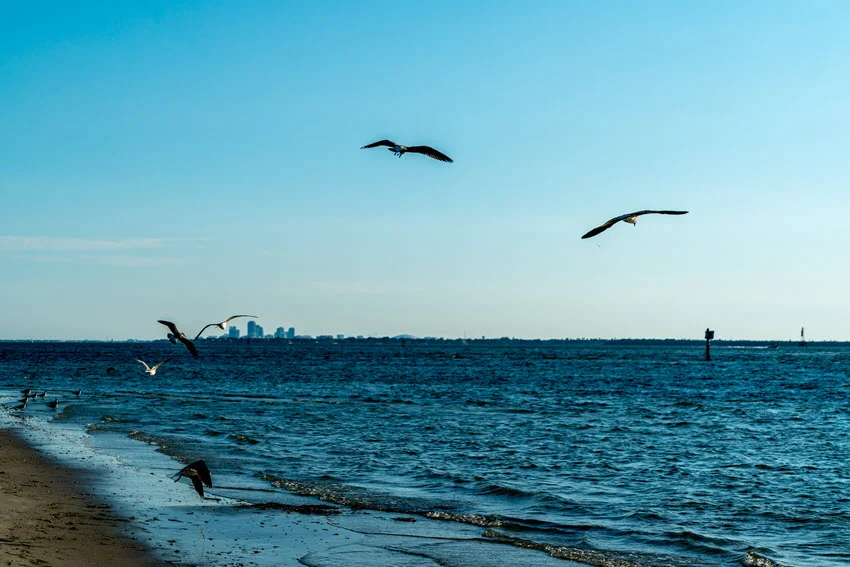
For anglers looking for various fishing experiences nestled along the shores of Tampa Bay, Picnic Island Park offers easy access to both open and sheltered bay waters. The diversity of habitats this place provides makes this place a perfect choice for both experienced anglers and beginners.
The park's coast has many sandy beaches ideal for swimming and enjoying the sun, along with volleyball courts and fish cleaning stations. For those who love exploring, the Park offers kayak launches that provide perfect access to surrounding waters.
In Tampa Bay, anglers have mastered many fishing techniques to catch the vast array of fish around. Many species and spots in the bay require a different approach, so learning from local anglers is one of the most effective ways to improve your catch.
Some techniques have been developed to increase the chances of catching fish and enhance the overall adventure. We will mention some of them in the following.
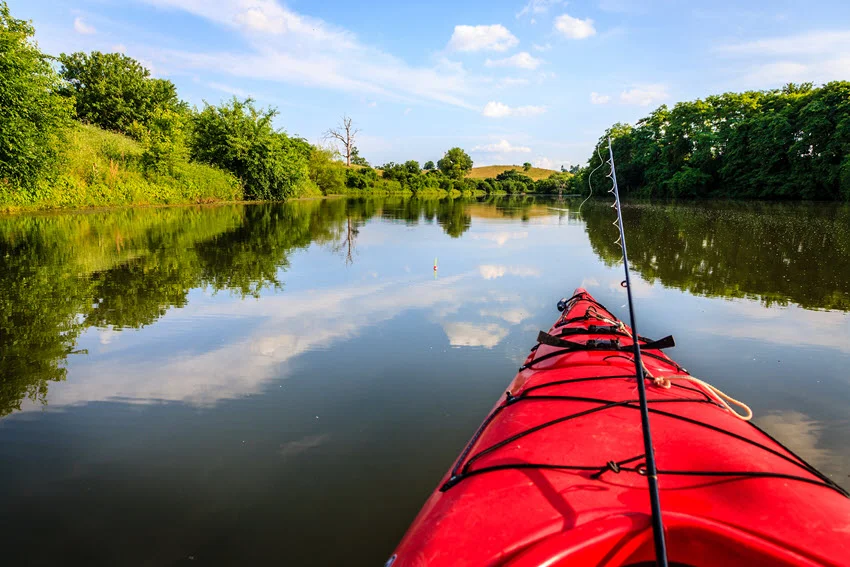
Are you looking for an exciting way to explore the waters of Tampa Bay and get close to the action? This method of fishing is prevalent in these waters; it involves using a kayak as your fishing platform. It requires precision and an excellent balance to manage the fish from a kayak, so you must be ready for the challenge.
The quiet kayak approach will not scare the fish away and allow you to reach areas inaccessible for bigger boats. You can reach areas like flats or mangrove-lined shores and target fish like Mangrove Snapper, Redfish, Snook, or Spotted Seatrout.
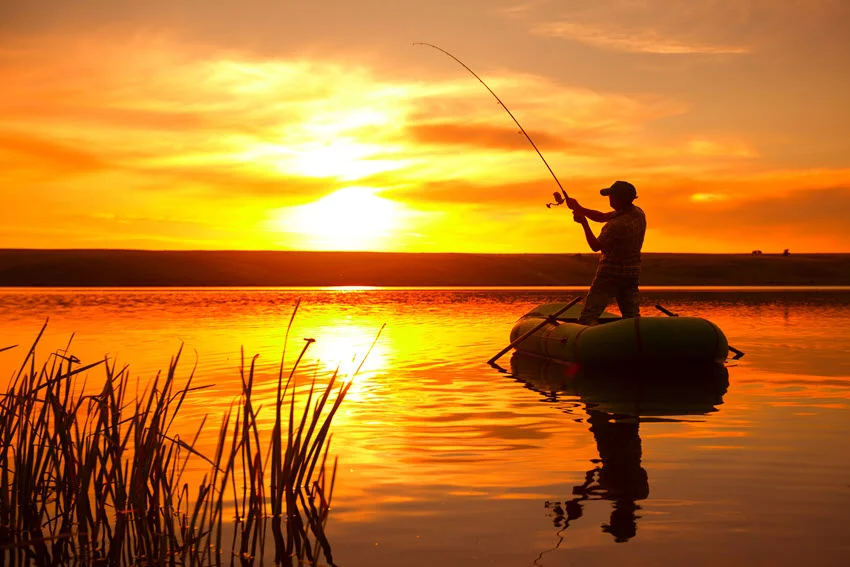
Flats fishing in Tampa Bay is a trendy and exciting way to fish, invented in the '40s in Florida. Finding good shallow water areas with a lot of grass and sand, known as flats, will allow you to catch many interesting species that live hidden in those areas.
There are many different ways to navigate these shallow waters: kayaking, shallow boating, or surfboarding. It's not all about just catching fish. This technique allows you to enjoy nature and silence in a particular and exciting way.
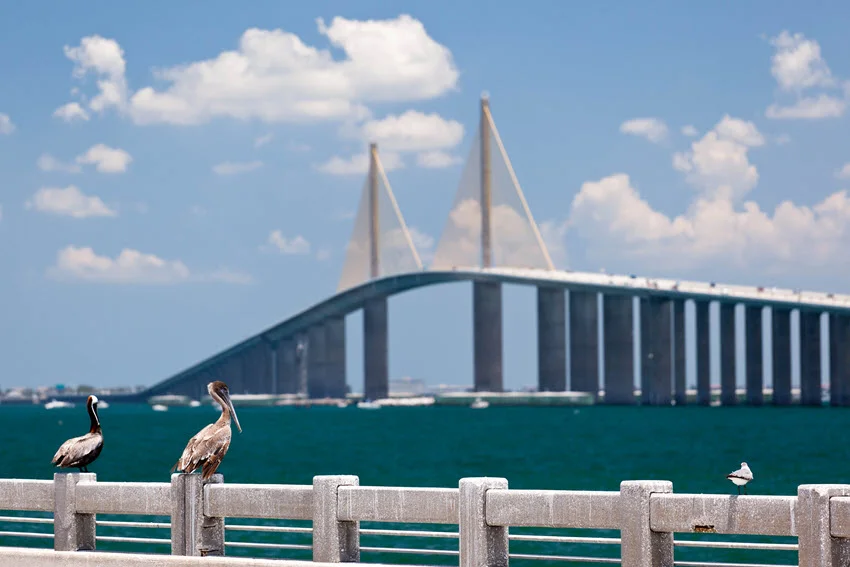
If you don't have a boat or kayak, bridge fishing is a very accessible way to cast your line directly into the deeper waters of Tampa Bay. As a variety of fish is attracted by the shelter the bridge provides, many fish are also coming to hunt smaller fish that gather around it.
Tampa Bay has many well-known bridges, such as Grandy Bridge, Courtney Campbell, and Skyway Fishing Pier, where you can enjoy a variety of habitats and fish species. No matter your age or experience, bridge fishing is always an excellent way to make your fishing day a true adventure.
The variety of fishing techniques in Tampa Bay reflects the area's diversity. No matter your fishing method, these rich waters offer an excellent opportunity for everyone.
Understanding fishing regulations in an area is crucial for protecting fish populations and ecosystems and promoting responsible angling practices.
Anglers Booking Team
To ensure a smooth fishing adventure in Tampa Bay, familiarize yourself with local regulations and license requirements. Like all fishing spots in Florida, Tampa Bay follows the rules set by the Florida Fish and Wildlife Conservation Commission (FWC). Staying informed about these guidelines will help make your trip enjoyable and compliant, avoiding unnecessary issues.
Species-Specific Rules: Tampa Bay, with its diverse marine life, follows specific regulations for different fish species. These rules can vary based on the type of fish, size, or season.
Protected Areas: Around Tampa Bay, certain zones are Marine Protected Areas (MPAs). These areas have stringent regulations to preserve marine ecosystems. One of those places is the Egmont Key National Wildlife Refuge, where fishing is limited to protect habitat and wildlife.
Catch and Release: The practice of catch and release is highly promoted in Tampa Bay, particularly for species that are either under conservation or at risk of being overfished. This approach maintains healthy fish populations and ensures regular fishing for future generations.
Who Needs a License: In Florida, anyone aged 16 to 64 who is a state resident needs a valid fishing license for freshwater and saltwater fishing. All non-residents over 16 must also have a fishing license when fishing in Tampa Bay.
Types of Licenses: The required license type can vary based on where you're fishing and your residency status. When targeting specific species, like lobsters or tarpon, you must buy special permits to keep your catch.
Where to Purchase: Licenses and permits can be easily bought through the FWC's mobile app or official website. They are also available at various retail outlets and fishing supply stores across the state.
Updating the latest regulations is very important, as they change over time. To ensure you're fully informed of current rules, consult the FWC's official website before heading out on your Tampa Bay fishing adventure. This step can help you avoid surprises and make the most of your trip.
Are you feeling inspired to enjoy a day of fishing in Tampa Bay? With all the essential knowledge at your fingertips, you're just a step away from an unforgettable fishing adventure.
Remember, there's no substitute for the experience of being on the water, surrounded by the beauty of Tampa Bay. Should there be any details we've missed or if you have further questions, don't hesitate to reach out in the comments below.

The expert copywriters at Anglers Booking have meticulously crafted this article. Our dedicated team of writers provides valuable insights and information to enhance your angling experience.
Your email address will not be published. Required fields are marked *
Thank you for your comment! It has been submitted for review and will appear on the site shortly.

November 8, 2024

April 26, 2025
Subscribe to our newsletter and receive a selection of cool articles every week.
Embark on unforgettable fishing adventures with us at Anglers Booking.
book your charter
September 8, 2026
August 21, 2026
August 18, 2026
August 15, 2026
August 12, 2026
August 8, 2026
August 4, 2026
April 17, 2026

You're now part of our exclusive community. Get ready for premium content and updates straight to your inbox.
close
Subscribe to our newsletter and receive a selection of cool articles every week.
Please enter a valid email address.
Be the first to know when we're back in action.
Please enter a valid email address.
Appreciate this guide a lot. It gives a solid overview of Tampa Bay fishing without making it feel overwhelming. Are there certain months you would recommend most for a first trip?
Thank you so much, Angel. We are glad to hear you found the guide helpful. For a first trip, spring through fall is usually a great window, but it really depends on which species you want to target. If you have a specific species in mind that we did not cover, please feel free to reach out.