


Anglers Booking Team
The expert copywriters at Anglers Booking have meticulously crafted this article. Our dedicated team of writers provides valuable insights and information to enhance your angling experience.
 11 minutes read
Crab fishing is one of the favorite activities anglers do. It allows you to enjoy nature. At the same time, it gives you a real challenge. Crabs are valued for their taste and have great culinary use.
Besides, they hunt interestingly. This guide can help you understand the basics of hunting them and discover techniques that guarantee success.

The key to success is knowing where crabs are commonly found. This is just one of the valuable insights we provide. We will also give you a detailed introduction to the necessary equipment.
Some crabs prefer shallow shores where a muddy or sandy bottom is present, while others can be found in deeper waters. With the right strategy and basic equipment, you can achieve a good catch. So, sit back comfortably in your armchair and read this guide carefully. Afterward, you'll be well-prepared for a successful crab hunt.
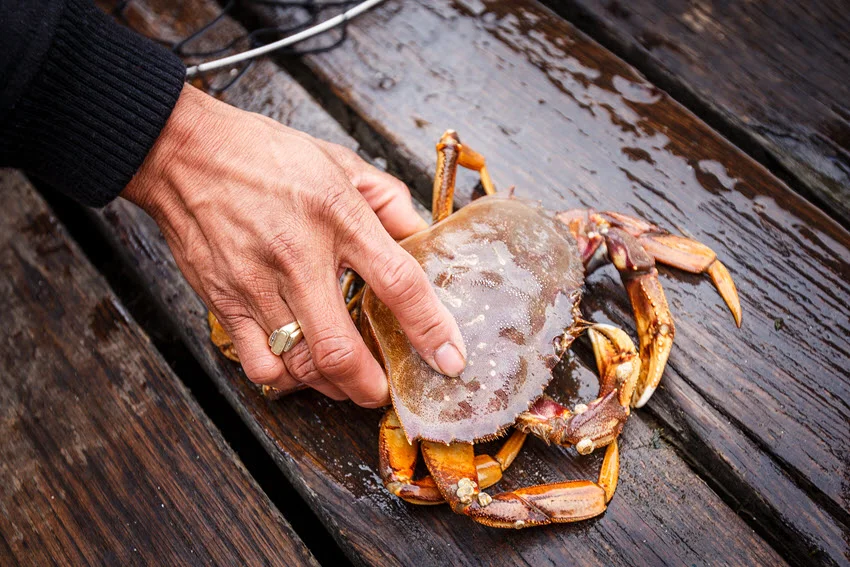
Different crab species are frequently targeted in crab fishing, each presenting its own unique advantages and challenges. To succeed in crab fishing, it is essential to understand the specific habitats, behaviors, and characteristics of these crustaceans. In this section, we will explore some of the most popular types of crabs.
Stone crabs are among the most well-known types of crabs, easily recognized by their firm and meaty claws. Fishermen highly prize these crabs because their claws are filled with succulent meat, which is used in a variety of dishes. Stone crabs are typically found in warm waters, and their catch is especially popular among seafood enthusiasts.
The fiddler crab is a crab you've probably noticed if you've ever walked along the beach. These red crabs are characterized by a large hand that is often significantly larger than the other.
Fiddler crabs are distributed throughout the world. They can often be seen moving on the sand, hiding in small holes. This species is usually used as bait for other fish and crabs. Because of their small size, they are rarely consumed.
Blue crabs are prized in North America because they taste great. They live in the Atlantic Ocean and the Gulf of Mexico. Blue crabs are often used in various dishes, mainly soups and rice. They are considered one of the tastiest crabs. Catching blue crabs is challenging due to their fast movement.
The sand crab, also known as the sand flea, is a popular bait for many types of fish and can easily be found on beaches worldwide. These small crabs live in the sand and dig there to hide from predators. Anglers highly prize the sand crab, valued for its availability and effectiveness as bait. The crabs are simply caught on the beach.
These four types of crabs represent only a tiny part of the variety you can catch. All of them are highly valued among anglers because of their taste, size, and specific characteristics.
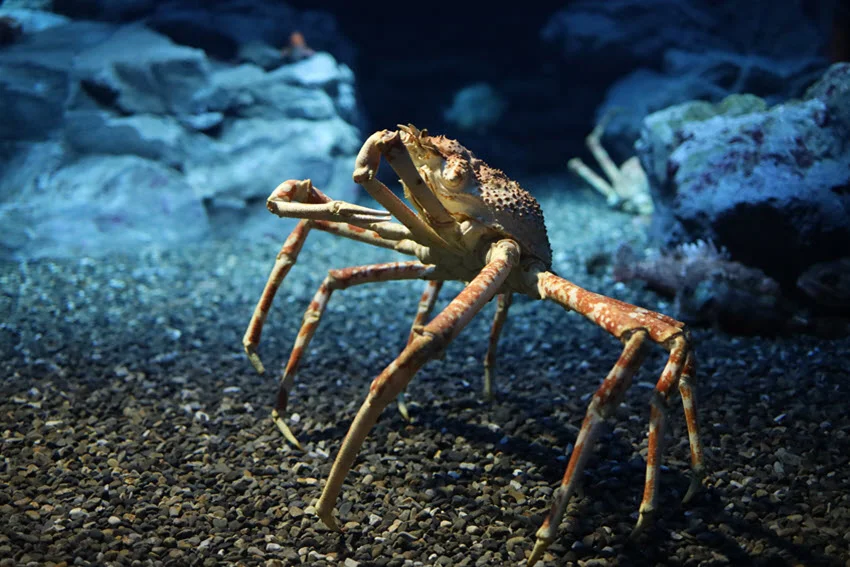
Although there are many different types of crabs, they all share several characteristics. For example, crabs tend to prefer sicane habitats. These specific habitats provide them with protection and the opportunity to find food.
When hunting, it is beneficial to concentrate on specific areas. Although these locations may appear empty at first glance, it is essential to thoroughly search the surroundings.
Crabs love habitats near the shore, such as sandy beaches, mud flats, and rock cavities. They can often be found in shallow waters where they burrow into the sand or hide in natural shelters.
Sometimes, all it takes is patience and careful observation to spot the signs of their presence. Some crabs may even be hidden in plain sight, so checking every potential nook and cranny is important.
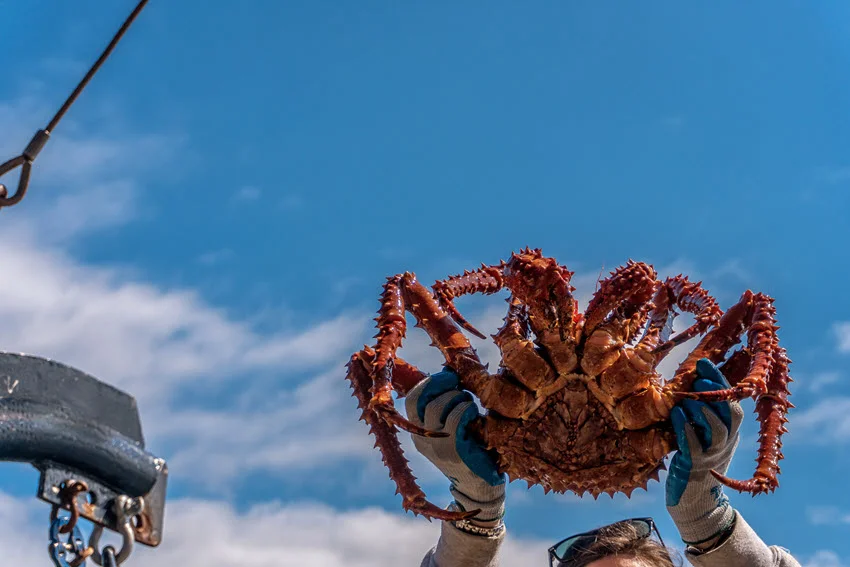
Some places are known as real oases for anglers. Knowing the best locations can significantly increase your chances of a successful catch. Below, we present you hotspots for crab fishing.
North America offers many excellent places for crab fishing. Chesapeake Bay is one of them. It stretches between Maryland and Virginia. It is especially popular for Blue Crab fishing. This bay is rich in food and natural habitats that attract crabs.
In the south, northern Florida, and Louisiana, fishing spots are also popular. There, you can find different types of crabs. Wetlands and river estuaries provide ideal conditions for their habitat. On the West Coast, Washington State's Puget Sound is also known as one of the crab hotspots.
Canada is another great place to go crab fishing. Prince Edward Island and Nova Scotia on the Atlantic coast are known for their abundance of crabs. On the west coast, British Columbia offers some spectacular crabbing spots.
Crabs can be found all over the world. Some places stand out for their unique flora and fauna. Mandjar Bay in Australia attracts anglers with its wealthy crab population.
The Beagle Channel in Argentina offers a unique experience in the cold waters of the Southern Hemisphere. In the north, northern Norway is known for its large, tasty crabs. There are incredibly many of them near the fjords. In Europe, Italy is an excellent destination for crab fishing.
Regardless of where you choose to hunt, crabs inhabit various habitats from shallow sandy shores to deep sea waters. They are very adaptable. Exploring locations with crabs can be fun, too.
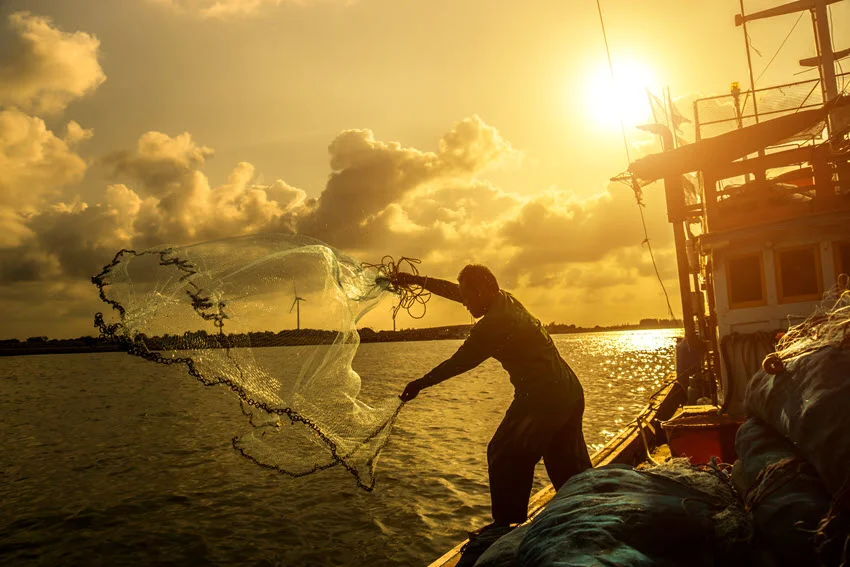
Another good thing about crab fishing is that it can be enjoyed all year round. However, certain periods and weather conditions significantly increase the chances of a good catch.
Certain crab species and locations have their specific seasons when they are most active. That's why it's important to research local species and the best times to hunt in your area.
Summer and fall are the most productive periods for crab fishing. Warmer weather favors their activity. Many crabs are then fresh after spawning. They prepare for the next breeding cycle, which makes them hungrier and easier to spot.
As for the time of day, there are no strict rules. Daytime hours are convenient because sunlight allows better visibility. However, the tide plays a key role. Experienced anglers recommend fishing approximately two hours before or after high tide when the water is calmer. This gives crabs easier access to food. It increases the chances of being found in the places you search.
Sometimes, seemingly random conditions can produce a great catch. For example, calm days with a gentle breeze can be unexpectedly productive. The same can be said for the period after the rain. However, if you want to plan, keep an eye on the seasonal changes for your location.
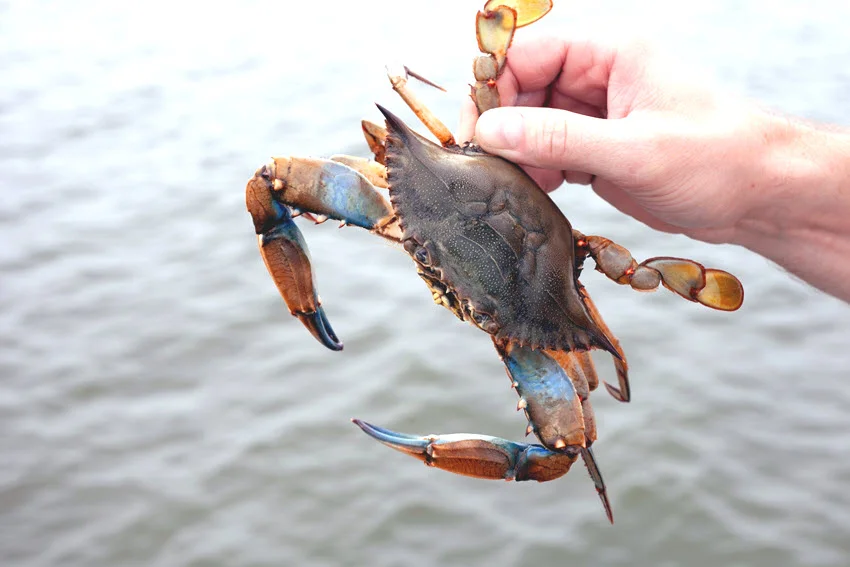
Crab fishing requires specific techniques and patience. Whether you catch them by hand, net, or trap, each method has its advantages and challenges. Here's how you can successfully get your hands on these delicious seafood.
One of the easiest ways to catch crabs is to catch them with your hands. Walking along the coast, you can spot crabs as they usually hide in the sand or under stones. To catch them securely, gently grasp them in the middle of the shell and avoid their pincers.
Even smaller crabs can cause painful savings. So be careful! This technique is ideal for beginners. It requires a sharp eye and quick reflexes.
Nets are an excellent tool for catching crabs. They are especially effective in the warmer months. This is when the crabs are most active. You can use small hand nets to collect crabs in shallow water. You can also use larger ones to catch more at once.
This method requires a little more preparation. It is very effective, especially during calmer water conditions.
Trap fishing is one of the most reliable ways to catch crabs. They are used when you want to catch a larger quantity. Place traps in different locations and wait a few hours or leave the traps overnight.
Bait, such as raw fish or chicken attracts the crabs into the trap. When you return, you may have a full catch waiting for you. However, it is not always successful. It is important to have patience and try different places. Also, most sites require a permit to set traps so check local regulations before you go.
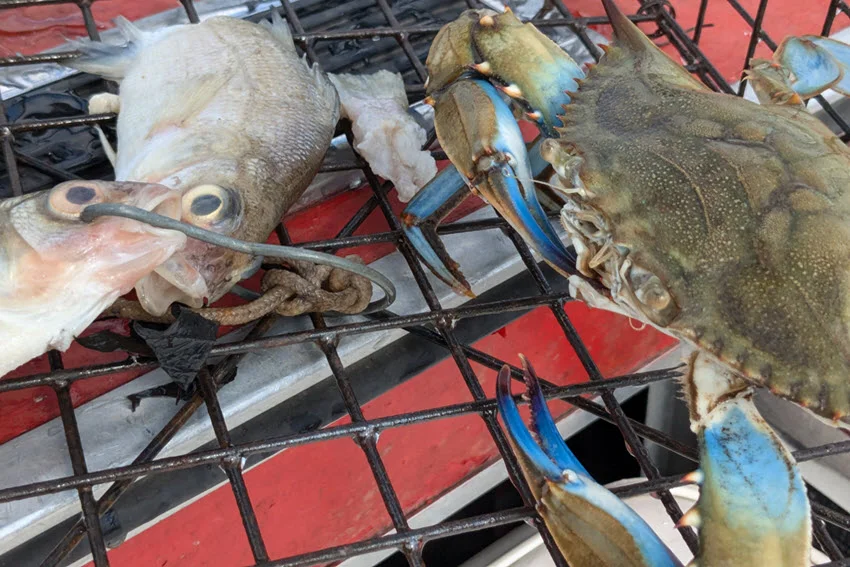
Choosing the right bait is very important. Here are some recommendations for the most effective baits.
Raw fish is a popular bait for crabs. Raw fish emit strong odors, which attract crabs from afar. Sardines or larger fish scraps are also good for this type of bait. Place these baits in the trap or attach them to the net. This will provide stability as the crabs come.
Chicken parts are a very effective bait for crabs. Parts such as the neck, legs, or wings are successful lures. Their intense smell remains in the water for a long time and attracts crabs in large numbers. Chicken is a readily available bait, which is why it is a common choice among anglers.
A crab's diet includes a variety of shellfish and seafood. Shellfish scraps such as mussels and oysters can be used as bait, and these bait are especially effective in marine areas.
Seafood in the early stages of decomposition is often a magnet for crabs. Their pungent smell quickly attracts these marine inhabitants.
Specialized crab baits, made from a combination of live and artificial ingredients, are available on the market. These lures are practical and designed to be durable in water, making them ideal for longer traps.
The right bait can make a big difference in Crabs fishing. By experimenting and adapting to the situation, you will quickly discover what works best in your area.
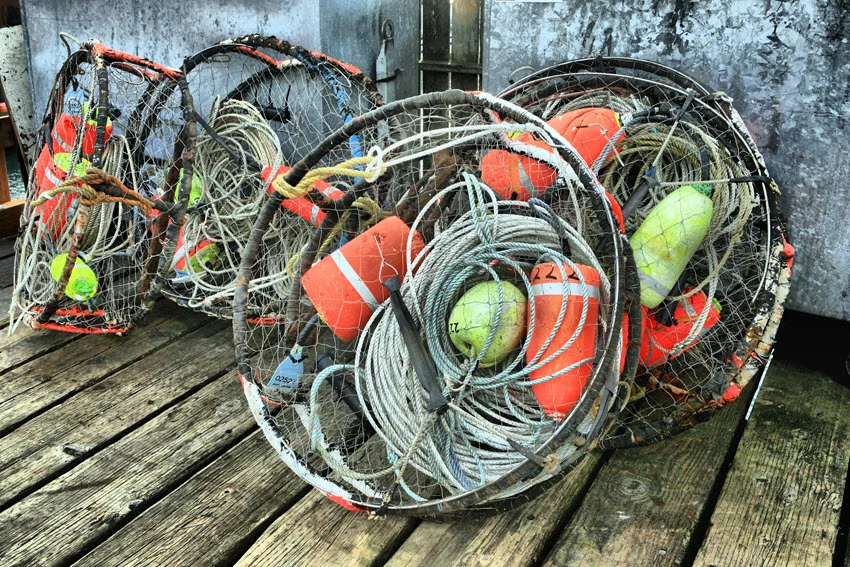
When you have chosen the right bait, you need the right hunting gear. Choosing the right gear is key to successful crab fishing. Fortunately, it doesn't require complex or expensive tools. Here are the basic things you need. In addition, we will highlight several accessories that can make the job easier.
If you plan to fish with a hook, choose the smaller ones that can easily fit into the crab's mouth or claws. Attach a piece of meat or fish to the hook. After that, lower it into the water. Wait for the characteristic twitch. It indicates that the crab has bitten.
When selecting the right rod, a simple and light set will do just fine. A lightweight fishing rod with a size 1000 reel works great. Combine it with 4 lb line and 10 lb fluorocarbon leader. It is perfect for this type of hunting. There is no need for overly complicated equipment, a minimalist approach is often the most effective.
If you prefer nets, choosing those specifically designed for crab fishing is important. Various sizes and styles are available, and you can choose according to the depth of the water and the number of crabs you plan to catch. Crab traps are another helpful option. There are different types of traps, smaller ones for recreational use and larger ones intended for more serious fishing.
Accessories can also make your hunt much easier. Gloves are useful for protecting against crabs' sharp claws. A shovel can help dig them out of the sand easily. Measuring tools will ensure that the catch meets the prescribed retention sizes.
All these can make your crab hunting simple and effective. Additional tools provide convenience and security. The right equipment will help you enjoy this hobby.
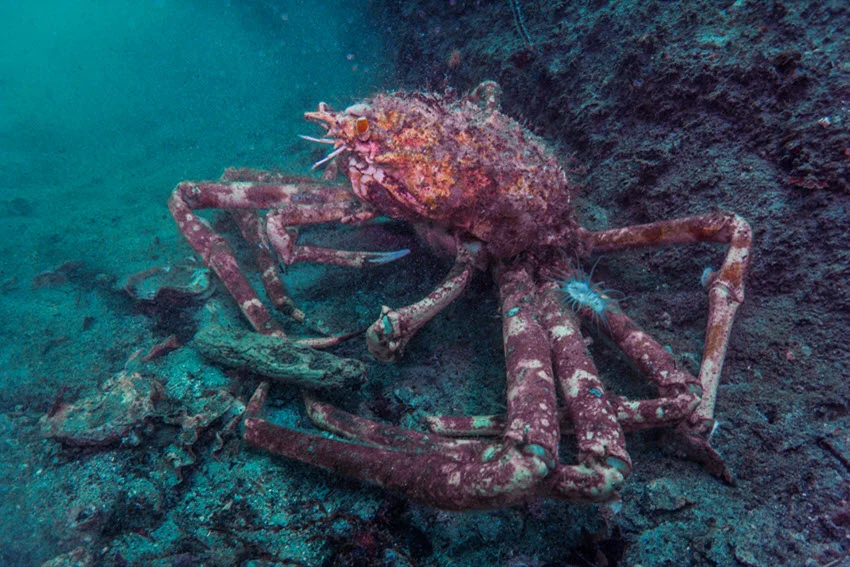
One of the largest crabs ever caught was the Japanese spider crab (Macrocheira kaempferi), known by the nickname "Big Daddy." This amazing specimen had a leg span of 10 feet 2.5 inches, and its longest leg measured 4 feet 8.5 inches. "Big Daddy" was transferred from Japan to Sea Life Blackpool in the United Kingdom in 2013. There, he lived to be 80 years old and died in 2016.
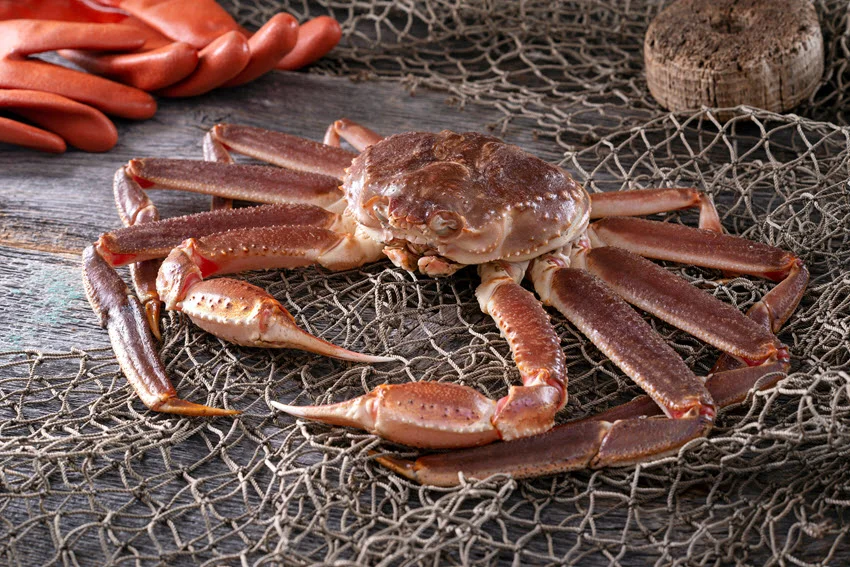
Crabs are truly fascinating creatures. They can live much longer than many people think. Since crabs grow through a process known as ecdysis (molting), their age can be challenging to determine. However, some significant indicators help us better understand their lifespan.
The life span of the common crab (Homarus americanus), best known in the fishing industry, can be impressive. In the wild, crabs typically live between 30 and 50 years. Larger crabs, especially those that are older and heavier, can reach the age of 100 in very rare cases. Many factors affect their lifespan, including the availability of food, protection from predators, and habitat conditions.
Also, crabs constantly grow throughout their lives. This means they will experience many molting periods, where they shed their outer skeleton to grow. Each time a crab passes through this stage, it becomes more vulnerable, which poses a risk to its survival.
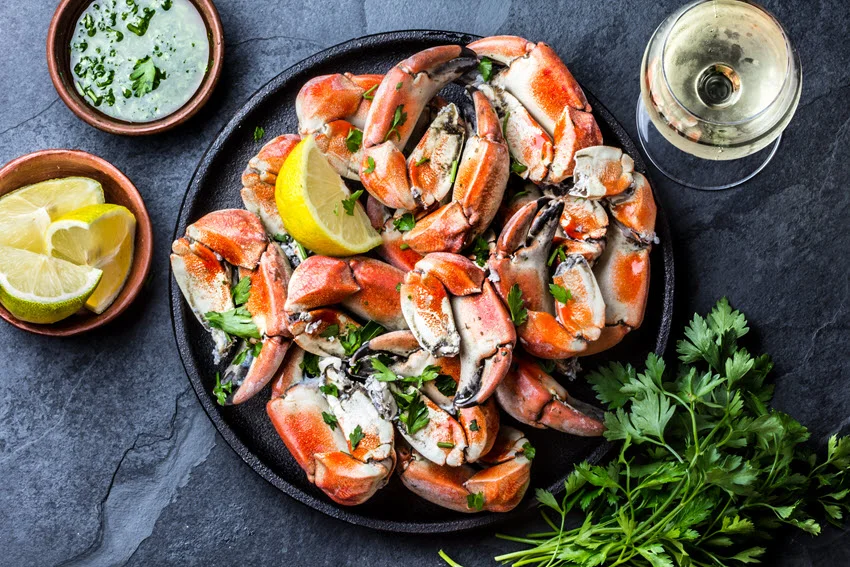
Crabs have always been a favorite in the culinary world. They are characterized by soft meat and rich taste. Here are some of the most famous gourmet crab dishes.
In France, king crab is a standard on the menus of high-class restaurants. This specialty consists of gently cooked crabs covered with a rich sauce of butter, white wine, lemon, and herbs. It is a real delicacy, often served in restaurants on the Atlantic coast.
In Chinese cuisine, crabs are often integral to dim sum dishes. These small portions are served in steamed baskets. Crabs can be used in various combinations with vegetables, spices, and soy sauce. Dim sum with crab is a popular choice in many restaurants.
Crab Cakes, or crabs in the form of patties, is a popular dish in the USA. It is especially popular on the East Coast and in Maryland. The crab meat is mixed with spices, eggs, mayonnaise, and bread crumbs and shaped into small patties. Fry until golden brown. This crispy and juicy patty is often served with tartar sauce or lemon. It can also be added to various salads.
In Japan, crabs are often used to prepare various types of sushi. Crab sushi is a light dish with Japanese rice, wasabi, and soy sauce. In recent years, its popularity has grown worldwide.
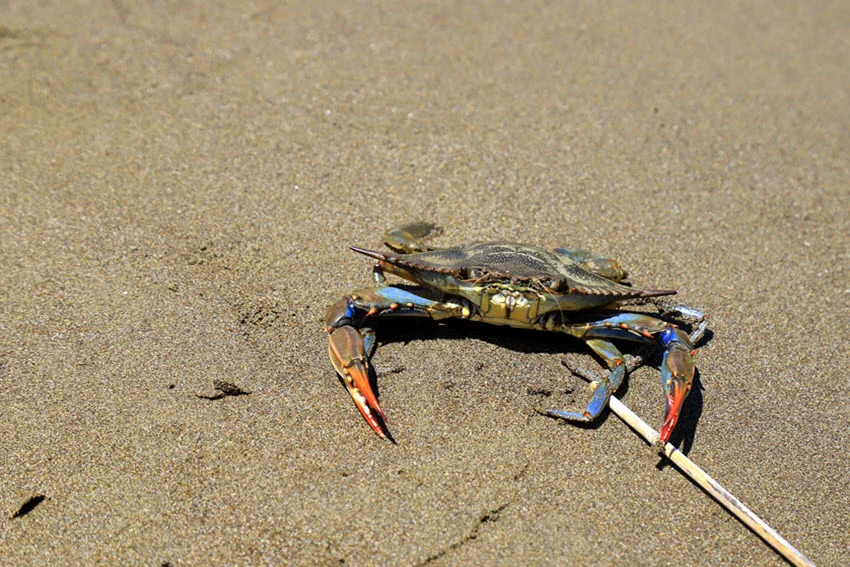
Crabs are fascinating creatures. They are present in almost all oceans, rivers, and lakes worldwide. Crabs are the subject of numerous research and cultural interests. Here are some interesting facts that will surely surprise you.
Crabs Can Walk Backwards: Although crabs are best known for walking sideways, interestingly, they can also walk backward. They usually do this when running away from predators.
Regeneration Capabilities: One of the most interesting features of crabs is their ability to regenerate. If a crab loses a leg, it can grow back. This process takes several months. It's a useful survival strategy, allowing crabs to recover from injuries or attacks by predators.
Advanced Vision: Crabs have a highly developed visual system. Their eyes are located on the tops of long stalks and can move independently, allowing them to see 360 degrees. Some crabs, like spider crabs, can see in different directions simultaneously.
Underwater Vibration Sensitivity: Although crabs do not have ears, they are susceptible to vibrations that travel through the water. These vibrations may indicate the presence of predators, and crabs use them to retreat to their shelter when they sense a threat.
Variety of Species: There are more than 6,800 species of crabs, ranging in size and shape from small, microscopic crabs to gigantic species.
Adaptability: Crabs can adapt to different habitats. They can live from coastal areas to deep seas.
Unique Survival Tools: Some crabs, such as stone crabs, use their strong claws to break shells. Fiddler crabs are known for having one claw that is much larger than the other. This helps them in their struggle for survival.
Ecosystem Roles: Crabs clean the seabed and feed on algae. They are also important cartilaginous meat in predators' diets. Their burrowing in sand and mud helps aerate the soil and restore habitat.
Chemical Communication: Some species of crabs use pheromones. These are chemical signals that they emit from their bodies. They do this to communicate with other crabs. This helps them find a mating partner.
Did you know about all these fascinating facts? We're certain that crabs have captured your imagination even more now!
Understanding fishing regulations in an area is crucial for protecting fish populations and ecosystems and promoting responsible angling practices.
Anglers Booking Team
Familiarize yourself with local laws before going crab fishing. The most important rule is to have a valid fishing license. Although not all regions around the world require a permit, most do. Before you start fishing, be sure to check the regulations that apply in your area.
The situation regarding catch rules can be more complicated due to the large number of different types of crabs. Some types of crustaceans are strictly protected, meaning that they must not be caught. Certain species have size or quantity limits that can be caught. For other species, obtaining special permits or certificates may be necessary.
The best way to ensure you don't break any regulations is to check with your local conservation office. These organizations will provide accurate information about the types of crabs in your region and the rules regarding their catch.
With an understanding of crab fishing techniques and tips, you can plan your next adventure on the water, ensuring an unforgettable experience. Crab hunting is not only about the catch but also about enjoying the process and exploring new destinations.
Have you ever had a chance to catch crabs? What are your favorite methods? What are your most exciting moments while hunting? Share your experiences with us in the comments!

The expert copywriters at Anglers Booking have meticulously crafted this article. Our dedicated team of writers provides valuable insights and information to enhance your angling experience.

May 19, 2025
October 18, 2025
Subscribe to our newsletter and receive a selection of cool articles every week.
Embark on unforgettable fishing adventures with us at Anglers Booking.
book your charter
September 8, 2026
August 21, 2026
August 18, 2026
August 15, 2026
August 12, 2026
August 8, 2026
August 4, 2026
April 17, 2026

You're now part of our exclusive community. Get ready for premium content and updates straight to your inbox.
close
Subscribe to our newsletter and receive a selection of cool articles every week.
Please enter a valid email address.
Be the first to know when we're back in action.
Please enter a valid email address.
Leave a Comment
Your email address will not be published. Required fields are marked *
Thank you for your comment! It has been submitted for review and will appear on the site shortly.