


Anglers Booking Team
The expert copywriters at Anglers Booking have meticulously crafted this article. Our dedicated team of writers provides valuable insights and information to enhance your angling experience.
 11 minutes read
Salmon fishing is not just about landing a fish. It is the mix of timing, current, and technique that makes every bite feel earned. You can cast in a fast river, troll open water, or swing flies through a seam. Either way, Salmon fishing rewards patience and a plan.
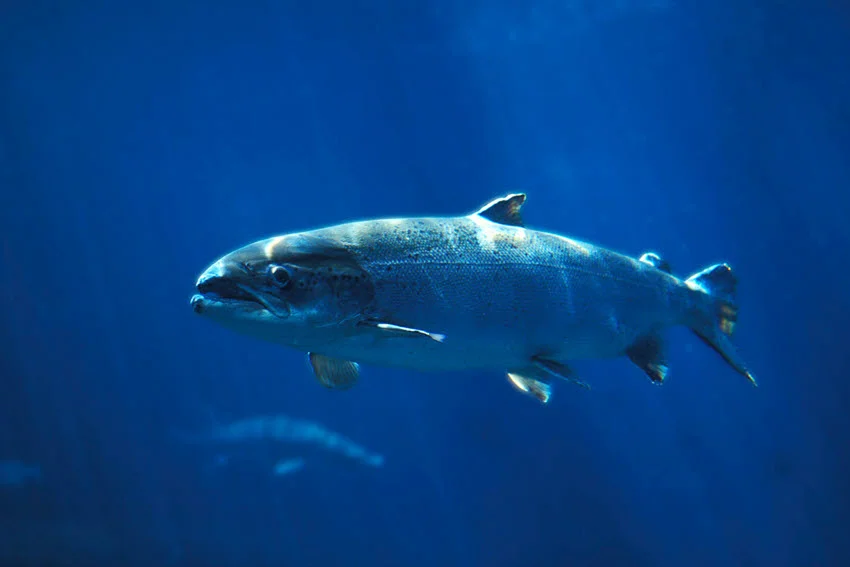
This guide is here to help both beginners and experienced anglers. You can find helpful information on equipment, bait, techniques, and species. We'll cover everything you need for a successful Salmon fishing trip. If you're ready to chase one of the most famous fish in the world, you've come to the right place.
Salmon are not one fish. Each species fights a little differently, shows up in different windows, and prefers different water. Here are the most common Salmon anglers target, plus what makes each one stand out. We'll highlight their key characteristics. You'll learn what makes each species unique. Get ready to explore the exciting world of Salmon fishing.
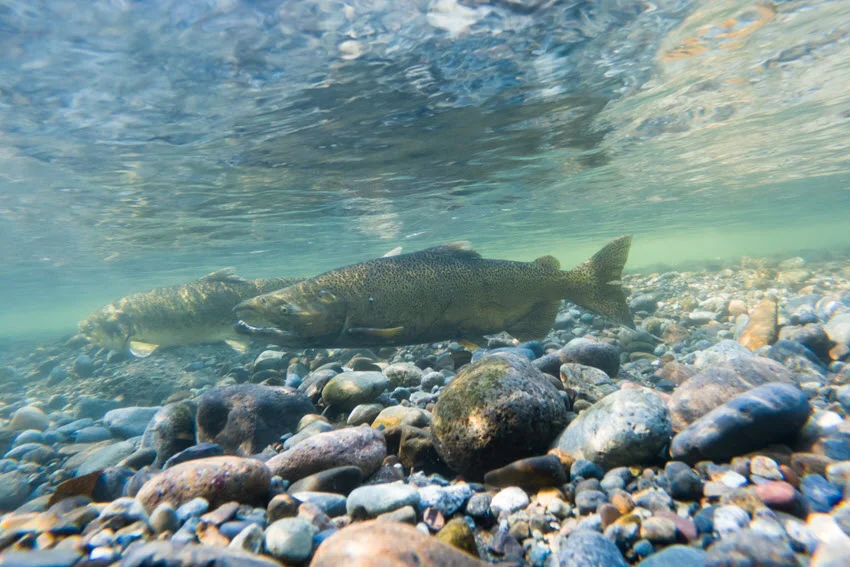
Chinook Salmon, or King Salmon, is one of the largest species of Pacific Salmon. They are usually about 36 inches in length and weigh about 30 pounds. However, some can exceed 5 feet and weigh over 100 pounds. These Salmon can live for as little as 3 years and as long as 7 years.
The main fishing season for Chinook Salmon varies by area but can last from mid-summer to early fall. They are often found at depths of 50 to 150 feet, depending on water temperature and food availability.
While still young, Chinook Salmon feed on small crustaceans and insects. As adults, their diet changes to include larger prey such as herring and other fish.
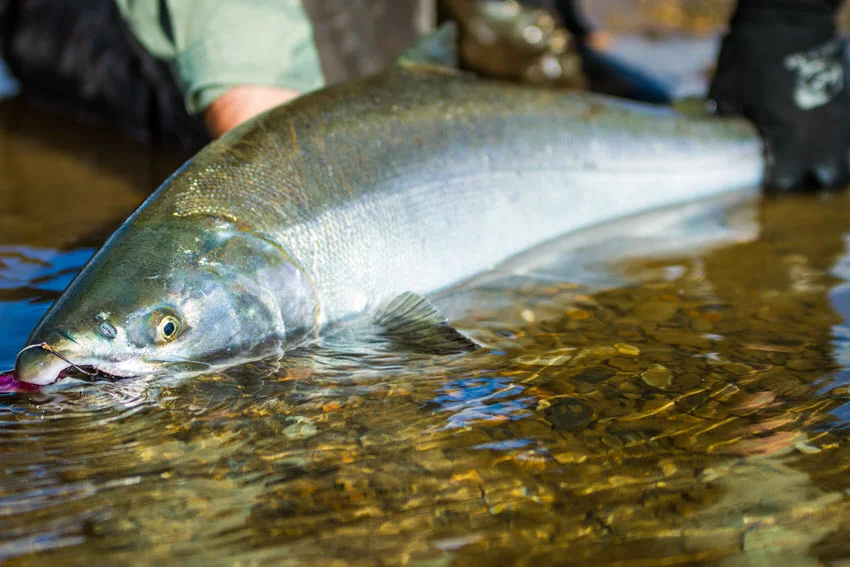
Coho Salmon typically measure between 24 and 30 inches in length, weigh between 8 and 12 pounds, and have an average lifespan of about 3 years.
Late summer to early fall offers the most action for anglers targeting this species. The prime fishing months are July to October. These Salmon are usually found in the upper 50 feet of the water column. This is ideal for anglers using light tackle.
Coho Salmon are aggressive feeders. Juveniles eat insects and plankton, while adults feed on small fish such as herring and anchovies.
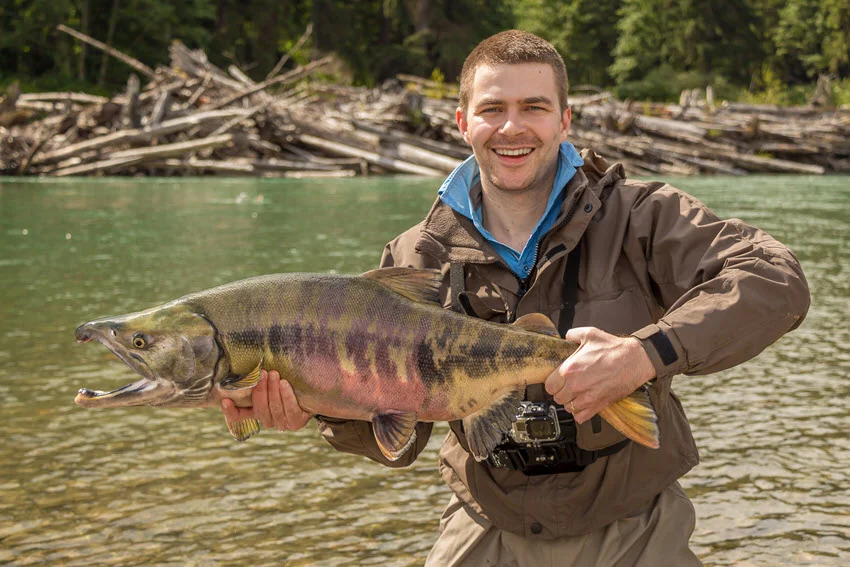
Chum Salmon can reach a length of up to 39 inches. They are considered one of the largest Salmon and weigh between 10 and 15 pounds on average. Some individuals reach 35 pounds. They usually live for 2 to 5 years.
Good catches of Chum Salmon usually occur from late summer to early winter. However, peak activity is achieved in November and December. They are typically found in the lower reaches of rivers. They can also be found in streams. They are generally found within 60 miles of the ocean.
Juvenile Chum Salmon feed on plankton. Insects may also be found in their diet. Adults, during their oceanic period, eat small fish. They stop feeding when they return to freshwater to spawn.
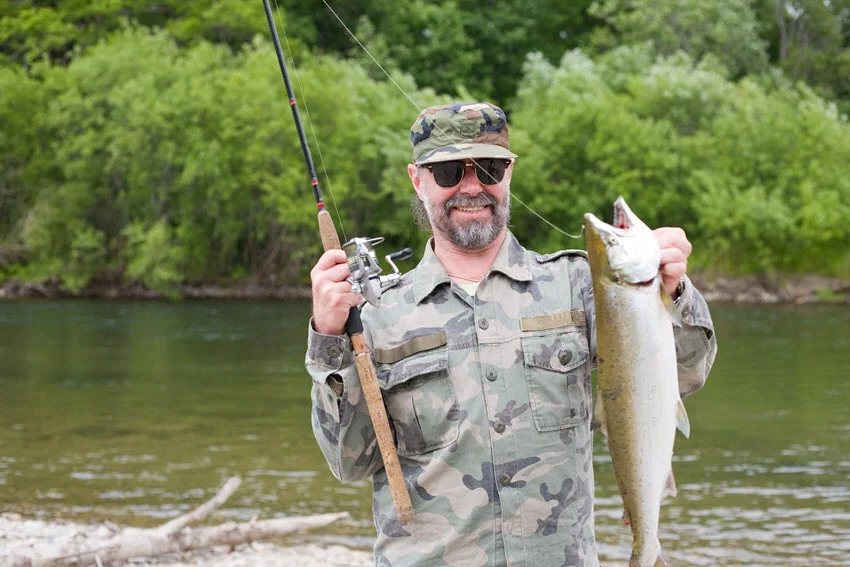
Pink Salmon are the smallest Pacific Salmon species. They typically average 20 to 25 inches in length and weigh between 3 and 6 pounds. Their lifespan is fixed at just 2 years.
The best time to fish for Pink Salmon is during their spawning season. This period runs from July to mid-October. They are usually found in shallow water. You can often see them near river mouths and estuaries. They go below 10 feet deep.
Pink Salmon feed on plankton, small fish, and squid in the ocean. They stop feeding when they enter freshwater to spawn.
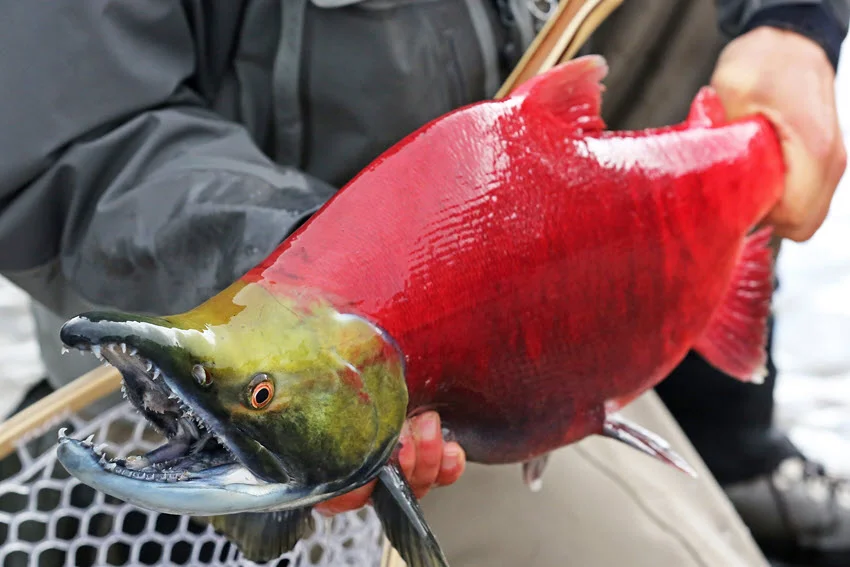
Sockeye Salmon are not the largest Pacific Salmon species. However, they are certainly among the most visually distinctive. During spawning season, their bodies turn vibrant red, and their heads shift to an intense green. They grow between 18 and 31 inches long and weigh 4 to 15 pounds. Most live around 4 to 5 years.
Fishing is best from late spring through September. During the spawning season, Salmon gather in freshwater streams and lakes. In the ocean, they stay at different depths based on food availability.
Sockeye Salmon primarily feed on tiny crustaceans. Also, they eat plankton throughout their lives. This specialized diet fuels their energy and gives their flesh its famously deep red color and rich flavor.
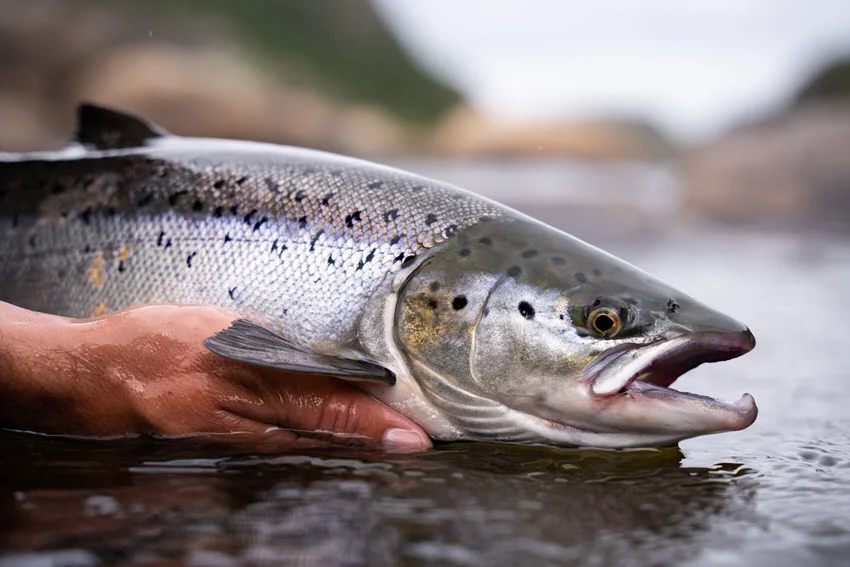
Atlantic Salmon typically grow 28 to 30 inches and weigh between 8 and 12 pounds. However, individuals that feed in the ocean reach larger sizes. The largest fish recorded weighed 79 pounds 2 ounces in the Tana River in Norway. These fish generally live for about 4 to 5 years.
This species can be found at depths of 30 to 100 feet in freshwater and ocean waters. The best fishing season is from late spring to early fall, when they migrate to rivers to spawn.
While their freshwater diet consists of insects and small fish, Atlantic Salmon switch to herring, shrimp, and other marine organisms once they reach the ocean. Their ability to adapt to both environments is key to their survival.
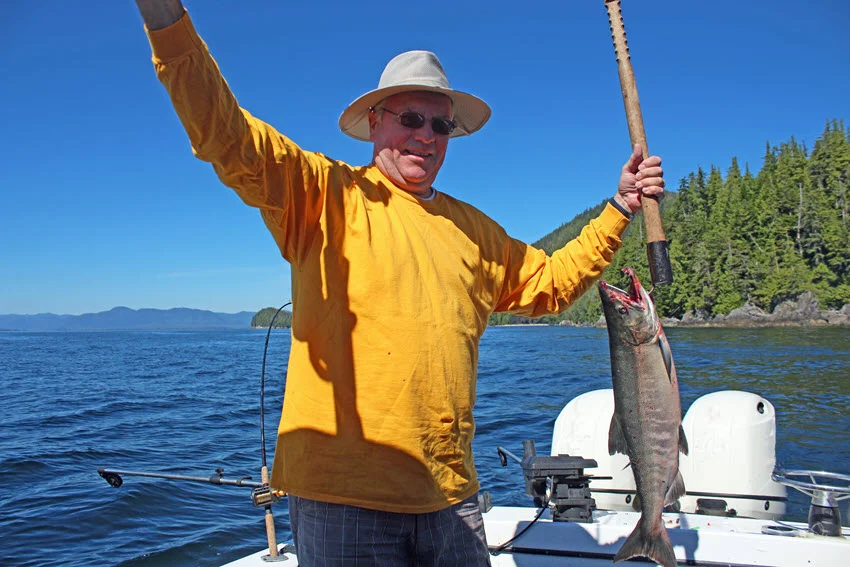
Timing is critical when fishing for Salmon. You need to know when they bite and where they swim. Good conditions can bring more Salmon to you. Below, we explain the best times and things to watch for a great Salmon trip.
It's best to go in late spring for Salmon fishing, which runs until early fall. This is the prime window for Salmon fishing. The key is to watch when the Salmon begin their annual migration to the spawning grounds.
Salmon activity peaks in rivers and coastal areas during the summer. This is when the fish are at their strongest and most aggressive. They eat a lot and compete for dominance, so they bite more during this period.
During winter, Salmon fishing becomes more challenging. However, it's still possible. Most Salmon have already spawned. Their activity drops significantly, and fishing slows as they begin to deteriorate or die off. Winter is the least productive season for targeting them.
Salmon prefer cooler water. They are more active when the temperatures drop, so the best chance of catching them is during periods of low light. This is suitable at sunrise and sunset, as the cooler conditions during these periods allow Salmon to feed and move.
Fishing after a rainstorm can lead to better Salmon catches because the rain stimulates the rivers and creates stronger currents. These fast-moving waters form natural pathways that Salmon prefer to use. To increase your chances of catching them, look for areas where the water flows rapidly after heavy rainfall; this is where Salmon often gather.
Salmon fishing is popular worldwide. These fish have a unique life cycle. They are born in freshwater, then migrate to the ocean, and later return to freshwater to spawn. This long journey makes them strong and exciting to catch.
Salmon are known to live in both saltwater and freshwater. Therefore, anglers have many options for catching them. Anglers can target Salmon in various environments, including fishing in lakes, rivers, estuaries, and even the sea.
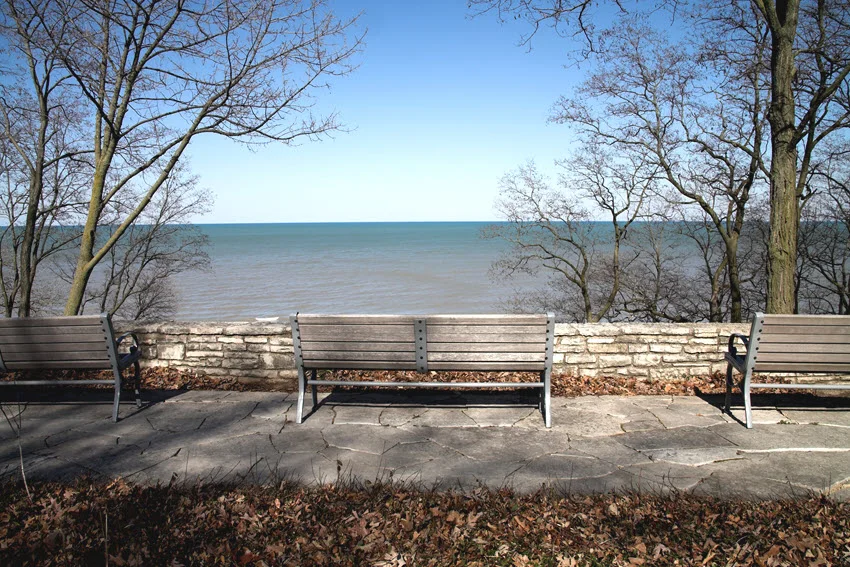
Lake Michigan, the second-largest Great Lake, is one of the top destinations for Salmon fishing in the United States. It provides ideal conditions for catching Chinook and Coho Salmon. Anglers come from cities like Chicago, Milwaukee, and Grand Rapids.
The fishing season runs from May through October. The peak season is from June through August. During this time, the Salmon are large and aggressive, making for an exciting and rewarding fishing experience. Fishing is mainly done from boats, and specialized charter services are popular.
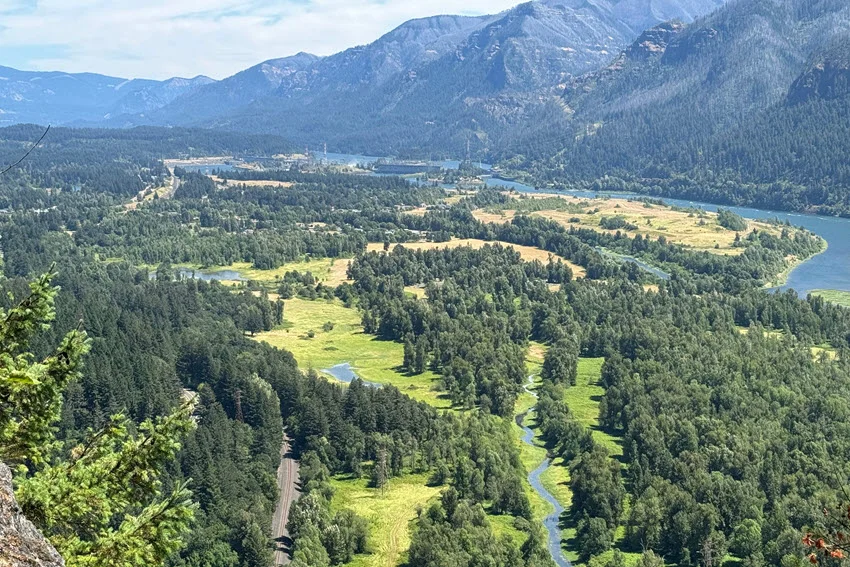
The Columbia River is one of the most famous rivers for Salmon fishing in the United States. It flows through the states of Oregon and Washington. This river is especially renowned for its abundant Salmon runs in the fall, making it a top destination for anglers.
The peak season for Salmon fishing on the Columbia River typically runs from late summer to early fall. The best months are August through October. Anglers can fish from both the riverbanks and boats, and various guided charters are available.
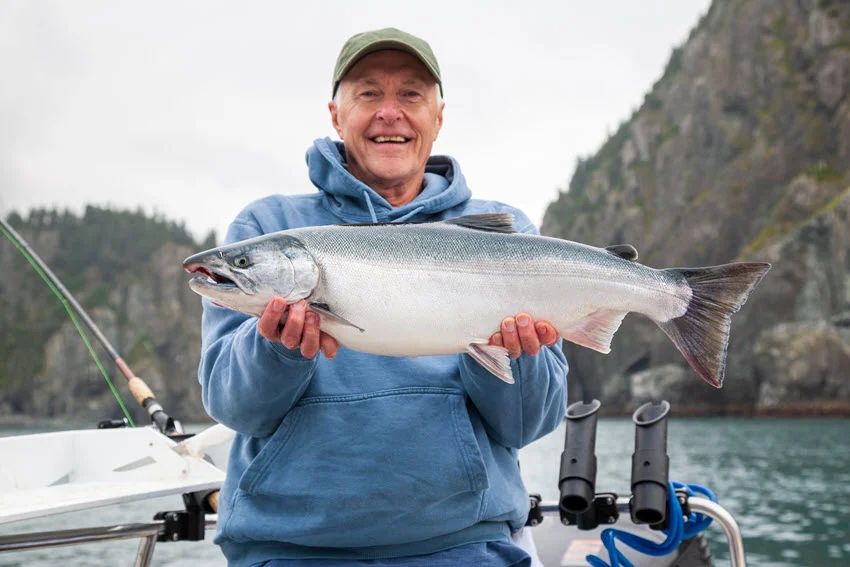
Bristol Bay is legendary among anglers and widely considered one of the top Salmon destinations in the world. Multiple Salmon species run here seasonally, and the mix of wild scenery and strong fisheries makes every trip feel like a true adventure.
The ideal time to fish in Bristol Bay is generally from mid-June to early September. During the summer, fish runs are most consistent, allowing you to fine-tune your fishing techniques based on the locations where the fish are gathering and how they move through the system.
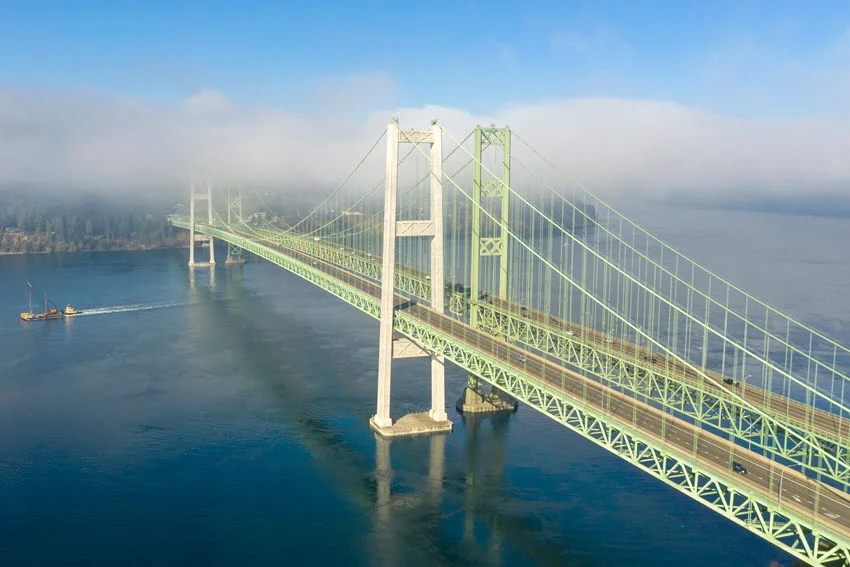
Puget Sound is a popular Salmon fishing destination thanks to its saltwater access, scenic coastline, and proximity to Seattle. Depending on the season, anglers can find steady opportunities here, with Coho and Chinook being two of the most common targets.
The best time to fish Puget Sound is generally June through September. During that window, many anglers lean on boat trips and local charters to cover water efficiently and stay on moving fish as conditions shift.
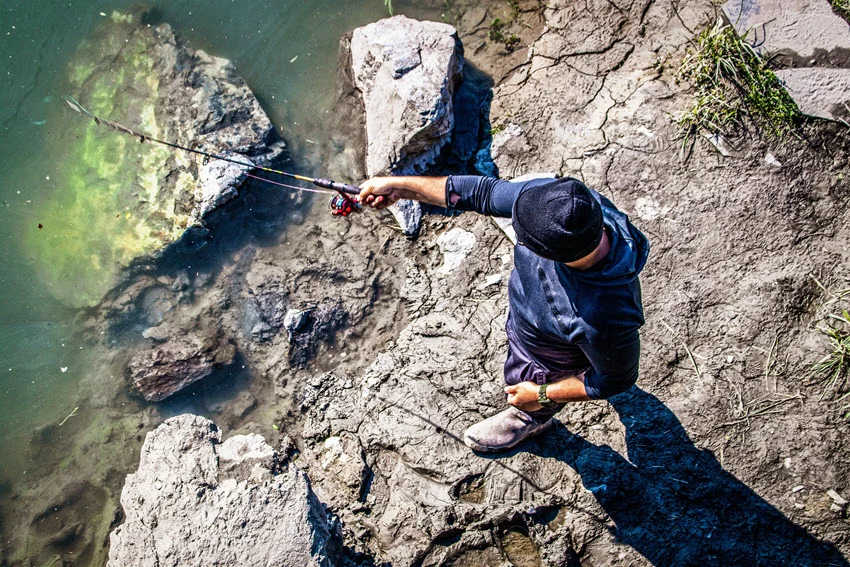
The Willamette River in Oregon is the best place for freshwater fishing. It is primarily known for its Chinook migrations in late fall and winter. Urban anglers can easily find great fishing spots here. The Willamette also has native fish, which makes every trip memorable.
The best time to fish for Salmon in the Willamette River is from late February through May. Peak fishing typically occurs in April and May. During this time, you have a big chance to catch numerous fish.
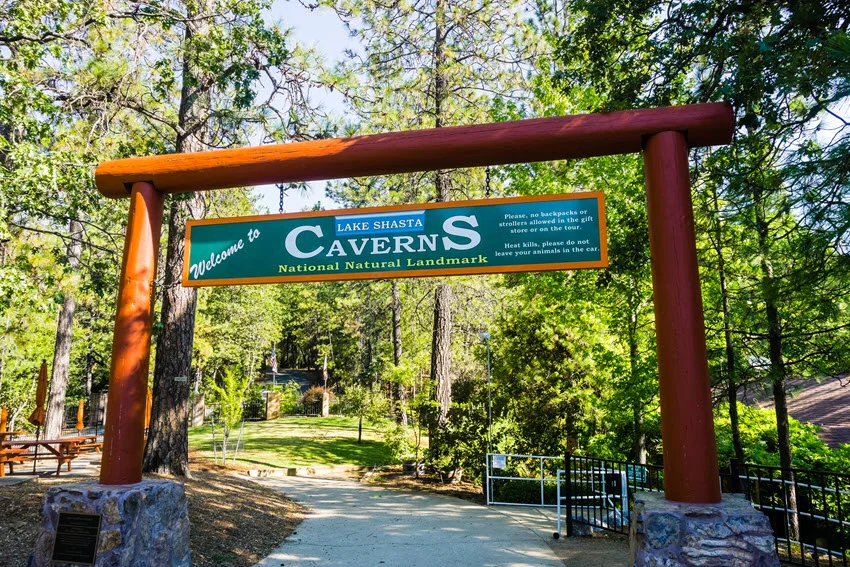
Lake Shasta is one of the largest lakes in California and a well-known spot for Salmon fishing, especially King (Chinook) Salmon. With big open water and plenty of structure, it gives anglers lots of room to explore without the pressure you see on smaller lakes.
Spring and early summer are usually the prime months here. Trolling is the go-to approach, and deep-water trolling can be especially productive when fish slide deeper as conditions change, making Lake Shasta a solid pick for a quieter freshwater trip.
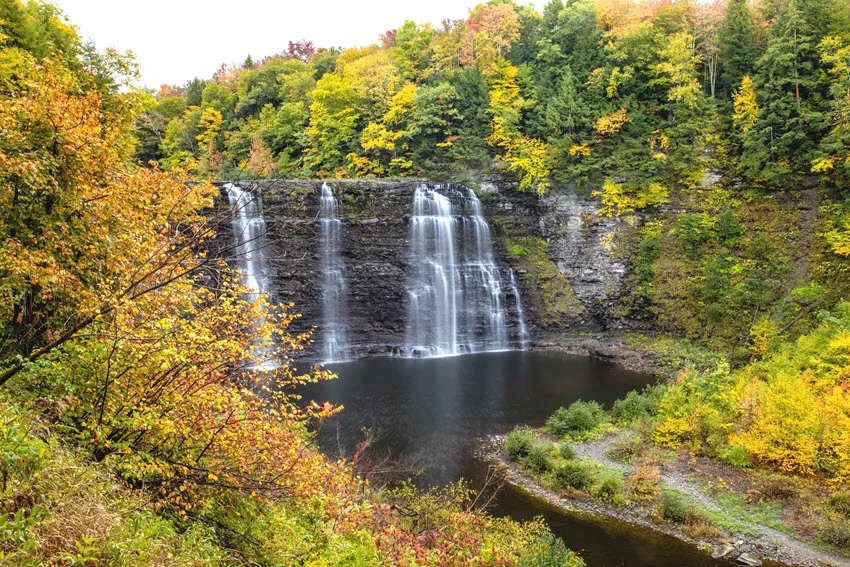
This river truly lives up to its name. Each fall, King Salmon push upstream, and anglers can also run into Coho and Atlantic Salmon depending on conditions and timing. It is a classic setting with both quick-water and deeper-holding areas, so you can fish it in a few different ways.
The fast-moving runs are a strong fit for fly fishing and swinging presentations through seams, while deeper pools give Salmon a place to rest and stack up. The prime window is usually late September through early October, when the fall run is at its strongest.
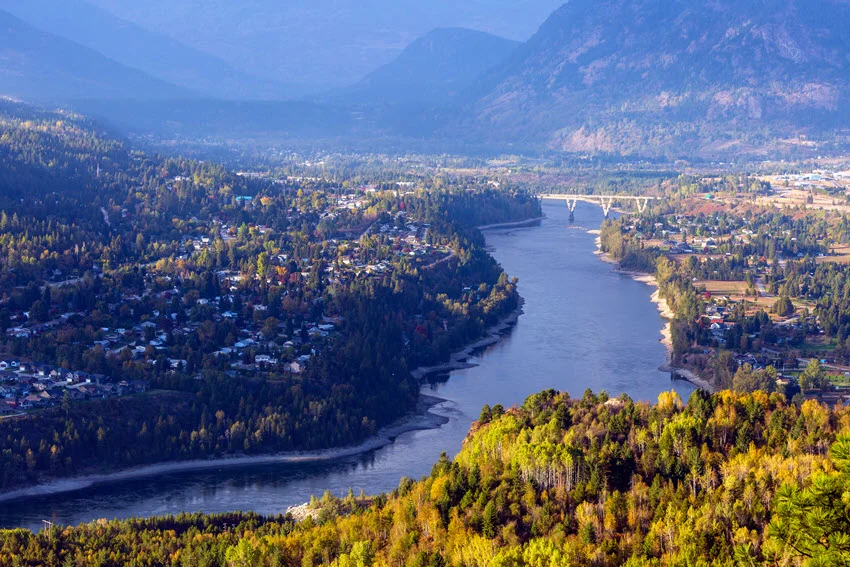
The Skeena River runs for more than 360 miles through British Columbia and is one of the region's most respected Salmon fisheries. Its cold water and powerful flow create classic big-river conditions, and the remote feel is a major reason anglers travel here.
The best time to fish the Skeena River is generally late June through October. That window lines up with seasonal runs and gives anglers a real shot at quality fish, especially when you focus on travel lanes, current breaks, and deeper holding water as conditions change.
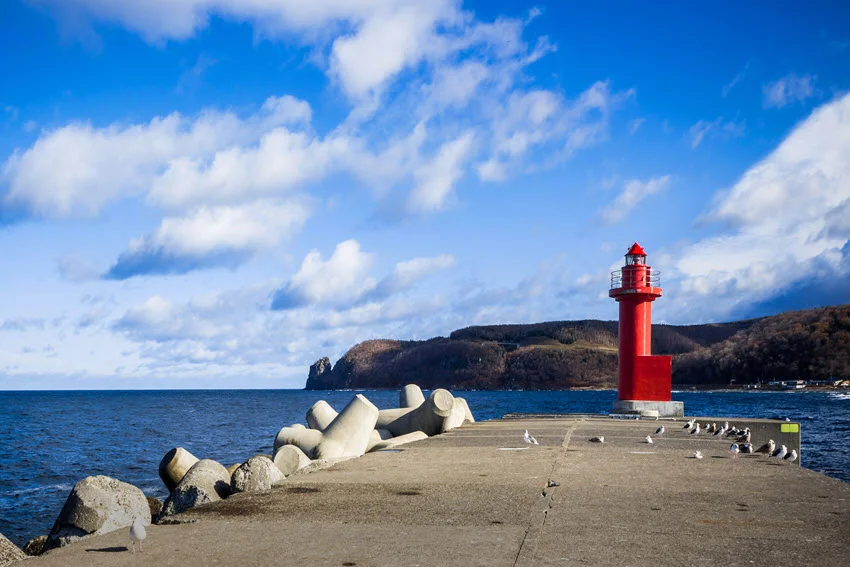
Part of a national park, the Shiretoko Peninsula in Hokkaido is a rugged destination known for seasonal Chum Salmon. The coastline is dramatic and wild, which makes the experience feel like much more than a typical fishing trip.
The peak season usually starts in early fall. It is not as widely talked about as some North American fisheries, but for anglers looking for a different setting and a rewarding bite, Shiretoko can be a memorable place to target Salmon.
Catching Salmon takes more than just showing up at the right place. These powerful fish are fast, clever, and always on the move. Luckily, there are several proven techniques for catching them. Whether fishing in rivers or open waters, the proper method can make all the difference. Below, we analyzed techniques.
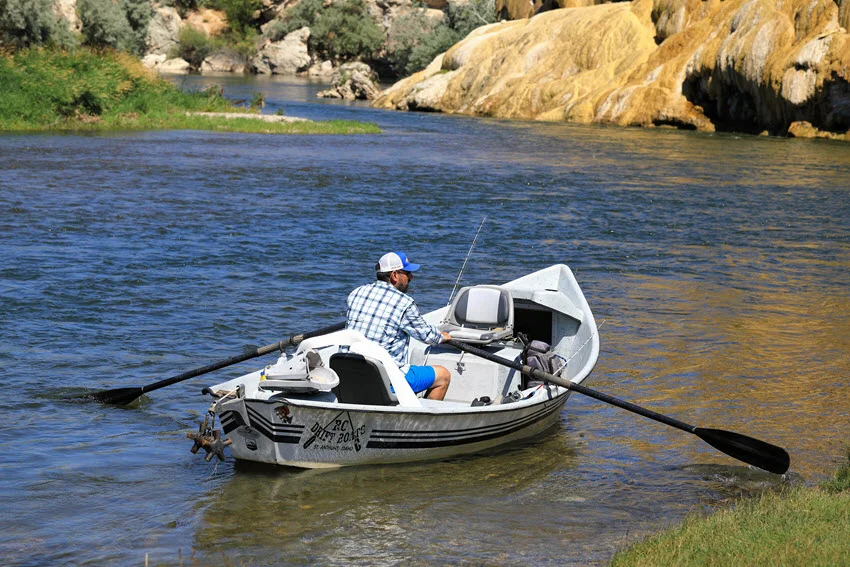
Drift fishing is one of the most popular ways to catch Salmon, especially in rivers. First, cast your line upstream. Let the current naturally carry your bait downstream, mimicking real prey's movement and often attracting hungry Salmon.
Anglers often attach a small weight or sinker to get the bait closer to the riverbed, where Salmon tend to rest. The right timing is important, so stay alert. This method works well from both the shore and the boat. It's great for all anglers.
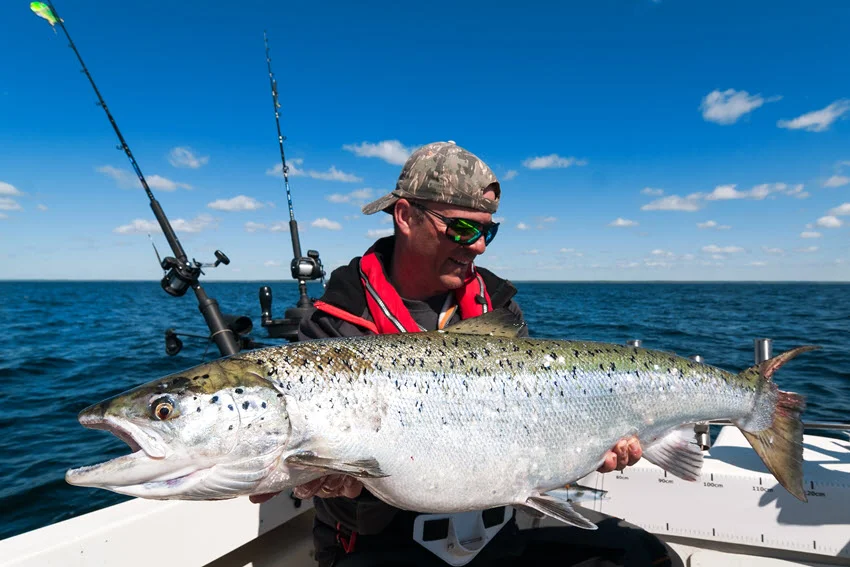
Trolling involves slowly pulling your bait behind a moving boat. Depending on how it's rigged, the bait travels at different depths as the boat moves, allowing you to cover a lot of water and find active fish.
You can use either artificial lures or real bait when trolling. Many anglers also add a dodger or flasher to attract attention with flashes and vibration. It's especially effective when Salmon are scattered or suspended at various depths.
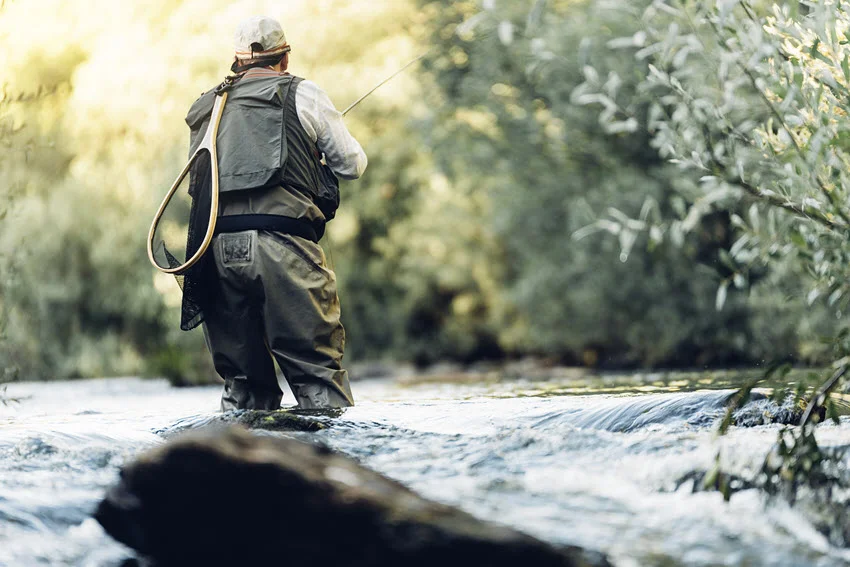
Fly fishing for Salmon is a unique experience. It requires skill, patience, and the right gear. This method uses lightweight flies that float or sink in the water to imitate insects or small baitfish.
Fly anglers usually fish in rivers where Salmon move upstream to spawn. It's essential to read the water well and position your cast. You're in for an exciting fight once you hook a Salmon on a fly rod. This method isn't easy, but it's gratifying.
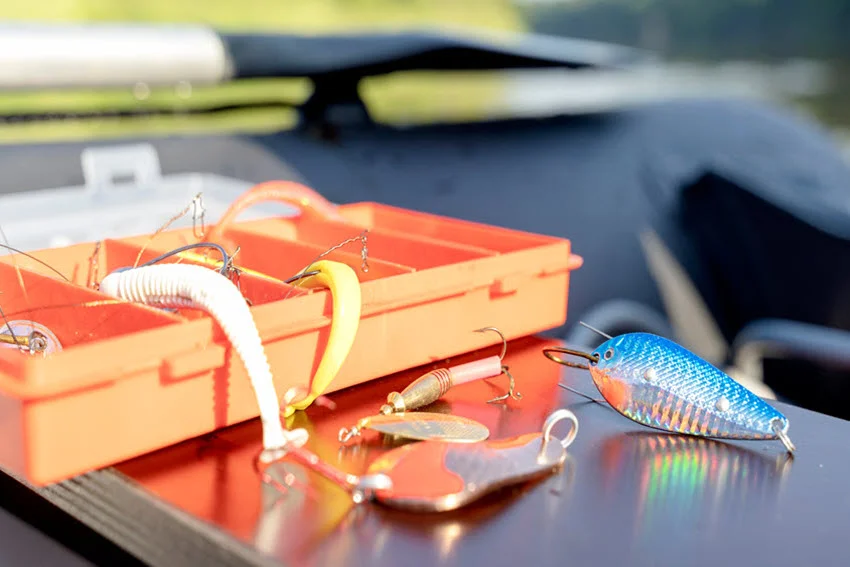
Fishing for Salmon is exciting, but picking the right bait makes all the difference. Salmon have strong instincts when it comes to food. Knowing what they like helps you catch more fish. Let's explore the best live and artificial options for Salmon fishing.
Live baits are a top choice for catching Salmon. Their natural scent and movement attract Salmon. Some of the best live baits include herring. This is a classic and common option, especially good for bigger Salmon.
Also among effective live baits are minnows, sand shrimp, and worms, which are simple but still highly effective. You can buy live bait from bait shops. Also, you can catch your own. Drifting live bait with the current often works best.
Many artificial options work well if you prefer not to use live bait. These baits are designed to look like Salmon's favorite foods. Great artificial choices include spinners that spin and grab attention.
Solid options are hoochies made from soft plastic that wiggle like real prey, flashers, and rigs that create light and movement. You can also use paddle tails that swim naturally. A 3-inch lure is usually the perfect size for Salmon.
When choosing bait, be careful about the color. Color can greatly affect its effectiveness. Some colors are more effective in clear, transparent water. Others are more effective in murky water, where visibility is reduced. Light colors work well in clear water. You can try red or orange. Purple, blue, and black are colors for murky water.
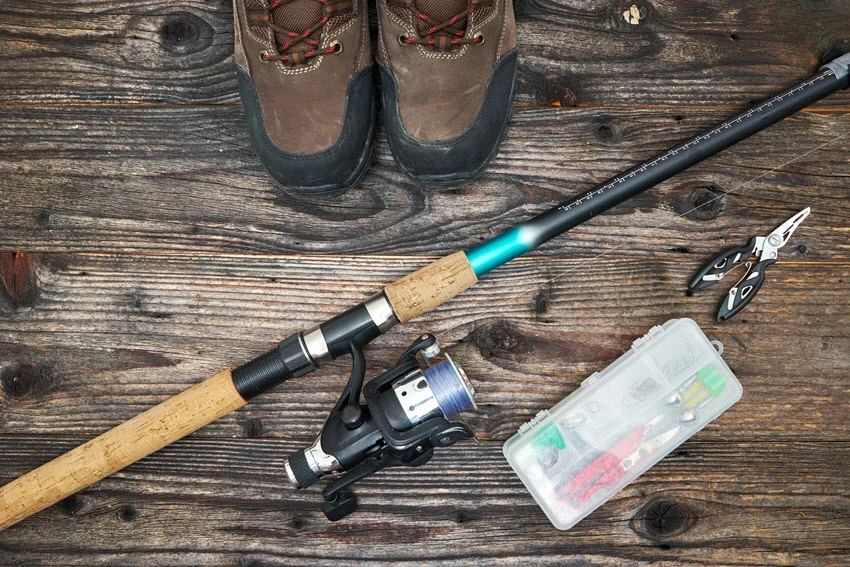
The right equipment will increase your efficiency in Salmon fishing. In the next part, we will explain which equipment to use for smaller and larger Salmon.
A medium-action spinning rod is a solid choice if you're targeting smaller Salmon like Pink or Sockeye. Pair it with a spinning reel loaded with 10 to 20-lb braided line. Adding a 12 to 15-lb fluorocarbon or monofilament leader will give you extra invisibility and strength.
Hooks between size 2/0 and 4/0 usually work best. Many anglers add a swivel before the hook to avoid line twists, but it's optional. Using a bobber can help detect gentle bites, especially when the Salmon are cautious.
Light gloves and a small landing net are handy to safely bring the fish to shore without hurting them or yourself.
You'll need heavier gear for large Salmon like Chinook (King Salmon). A medium-heavy to heavy spinning or casting rod gives the backbone you need for big fights. Reels should hold 20 to 30-lb braid, and a strong 20 to 30-lb leader helps handle powerful runs.
Hook sizes between 3/0 and 5/0 are recommended for bigger fish. A strong swivel can be important for handling twisting and heavy tension during battle.
Waders, waterproof boots, and thermal gloves make a massive difference in cold areas where King Salmon are common. Staying dry and warm will keep you fishing longer and more comfortably.
Understanding fishing regulations and preserving specific fish species contributes to protecting fish populations and ecosystems and promoting responsible angling practices.
Anglers Booking Team
This section will discuss regulations and permits for Salmon fishing. Please note that Salmon fishing is strictly regulated. Read the section below carefully.
If you do not adhere to these rules, you could face fines or penalties. So, be conscientious and responsible. Also, when you adhere to regulations, you help preserve Salmon.
Here we are at the very end of our adventure. We have given you all the essential information for successful Salmon fishing. If you have carefully analyzed our article, there is no doubt that you will have a successful fishing day!
We are interested in your experience. Where do you prefer to fish for Salmon? What is the largest specimen you have caught? We'd love to see your answers in the comments.

The expert copywriters at Anglers Booking have meticulously crafted this article. Our dedicated team of writers provides valuable insights and information to enhance your angling experience.

November 21, 2025

January 24, 2025
Subscribe to our newsletter and receive a selection of cool articles every week.
Embark on unforgettable fishing adventures with us at Anglers Booking.
book your charter
September 8, 2026
August 21, 2026
August 18, 2026
August 15, 2026
August 12, 2026
August 8, 2026
August 4, 2026
April 17, 2026

You're now part of our exclusive community. Get ready for premium content and updates straight to your inbox.
close
Subscribe to our newsletter and receive a selection of cool articles every week.
Please enter a valid email address.
Be the first to know when we're back in action.
Please enter a valid email address.
Leave a Comment
Your email address will not be published. Required fields are marked *
Thank you for your comment! It has been submitted for review and will appear on the site shortly.