


Anglers Booking Team
The expert copywriters at Anglers Booking have meticulously crafted this article. Our dedicated team of writers provides valuable insights and information to enhance your angling experience.
 9 minutes read
Salmon fishing with lures is exciting, and it works in rivers, lakes, and the ocean. Both Pacific and Atlantic Salmon can strike hard. It is just as important to find the right timing. Besides the right timing, you must have the right lure and the correct method.
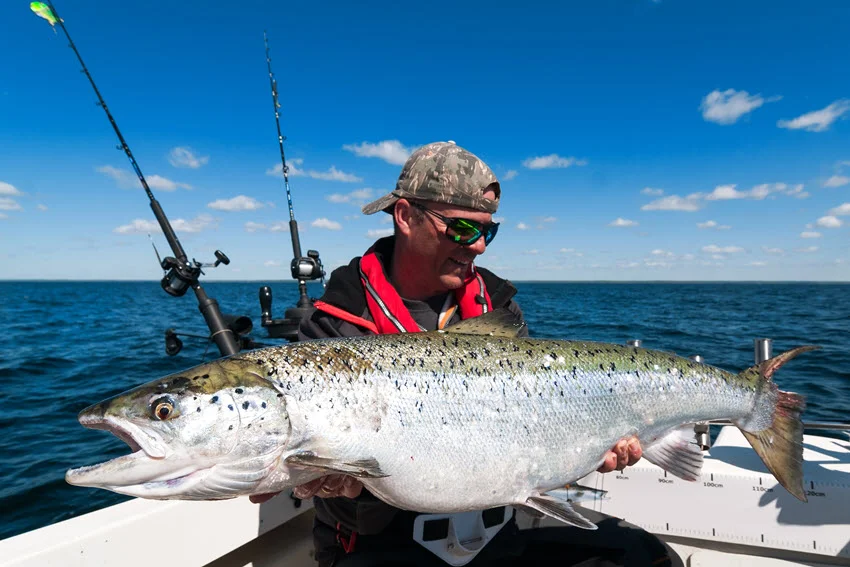
To be successful, you need to understand how Salmon behave. Their mood and movement change with water, weather, and season. Today, we are dealing with the best Salmon lures. You will get all the essential information about it. Let's get started.
Several factors, including water, light, and season, influence Salmon behavior. To catch Salmon, you must know how they act. With us, you can learn where Salmon swim and when they feed. The more you understand them, the better you fish.
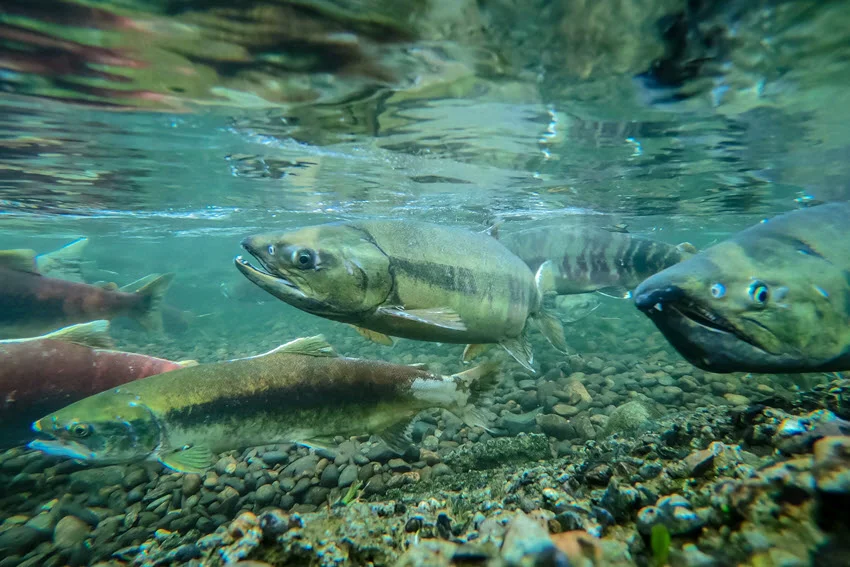
Salmon live in both saltwater and freshwater. They swim from the ocean into rivers to spawn. After that, most types die. Only Atlantic Salmon can spawn more than once. Salmon eat small fish, shrimp, and insects. They can be very aggressive when feeding. At other times, they do not bite much.
In rivers, they like cool, clear water with rocks and gravel. In the ocean, they swim in schools and follow food. While in freshwater, Salmon stop feeding. But before they enter rivers, they still hit lures out of instinct. They strike fast and strong. Timing matters.
Look for Salmon in deep pools, river mouths, and near current breaks. In lakes and bays, they stay in cooler layers. Trolling or casting in these zones works best.
As the season changes, the Salmon's behavior also changes. Water temperature and spawning runs affect how they move and feed. We analyze seasonal behavior and the best times to fish.
If you follow these Salmon behavior patterns, there is no doubt that you will be successful in hunting them.
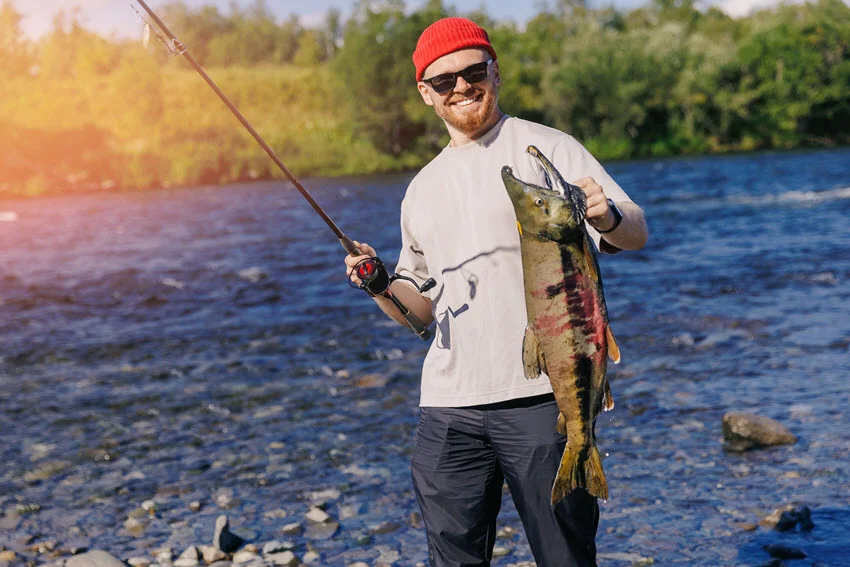
Knowing where Salmon like to stay makes fishing easier and more successful. Salmon live in different waters depending on the season. They thrive in rivers and oceans. Also, they can be found in deep pools and river mouths. Use the right lure for each spot to get the best results.
Use the right lure for each spot and adjust your technique to the conditions. With careful observation, you'll maximize your chances for a successful and rewarding Salmon fishing experience.
There are many good lures for Salmon, and it is crucial to find the right one for the right place. Salmon move often. They hold in deep pools, quiet water, and follow strong currents when running upstream. Below are the best lures for catching Salmon. Each works in different ways, but all can help you land a fish.
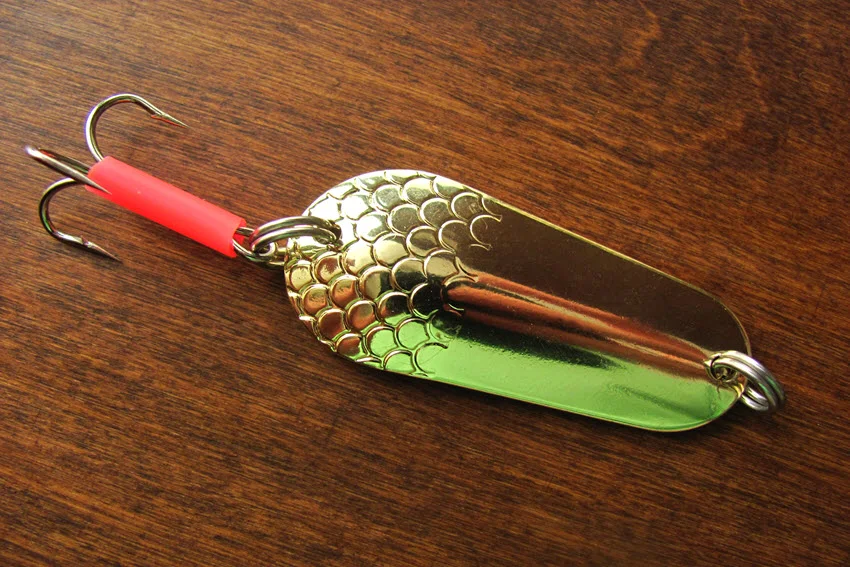
Spoons shine and wobble in the water. This grabs the Salmon's attention. They sink fast and work in both rivers and saltwater. You can troll them in a bay, cast them in deep pools, or back troll from a boat. Spoons with pink or chartreuse colors often work best. Use a steady or twitching retrieve to trigger bites. Spoons are versatile and easy to fish with.
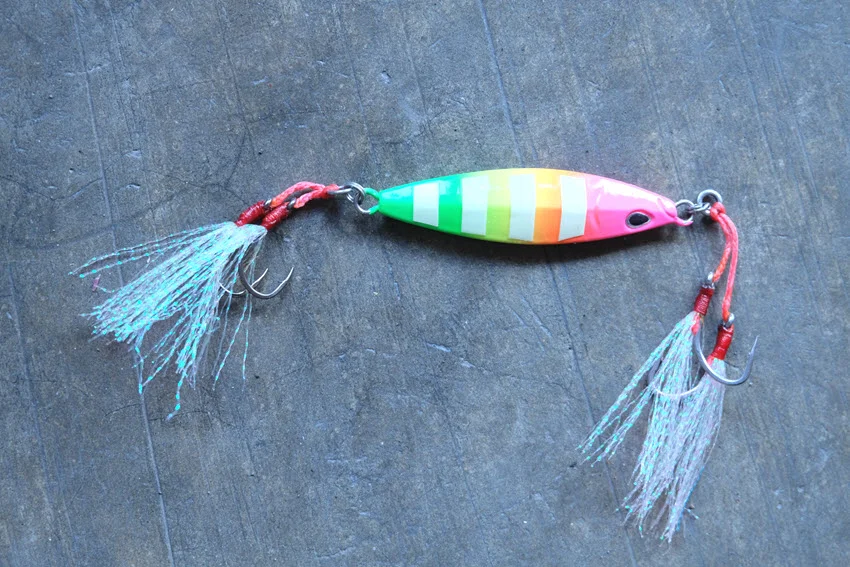
Jigs are great when Salmon are not very active. They work best in deep pools where fish are resting. Use pink, purple, or white colors. Drop the jig to the bottom and lift it slowly. Keep the lure in the strike zone until a fish hits. Jigs can be bounced along the bottom or slowly worked through the water column, making them suitable for tricky bites.
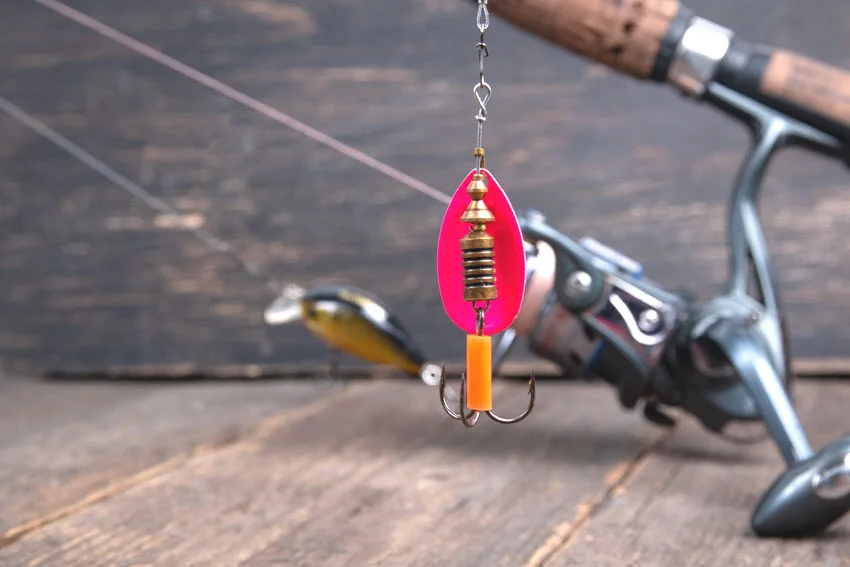
Spinners have a spinning blade that flashes and vibrates. This makes them easy for Salmon to see, even in rough water. You can cast them like spoons or use them while trolling. Choose strong spinners with thick hooks. Salmon hit hard, and weak hooks may bend or break. Spinners work well in fast currents where fish rely on sight and vibration to detect prey.
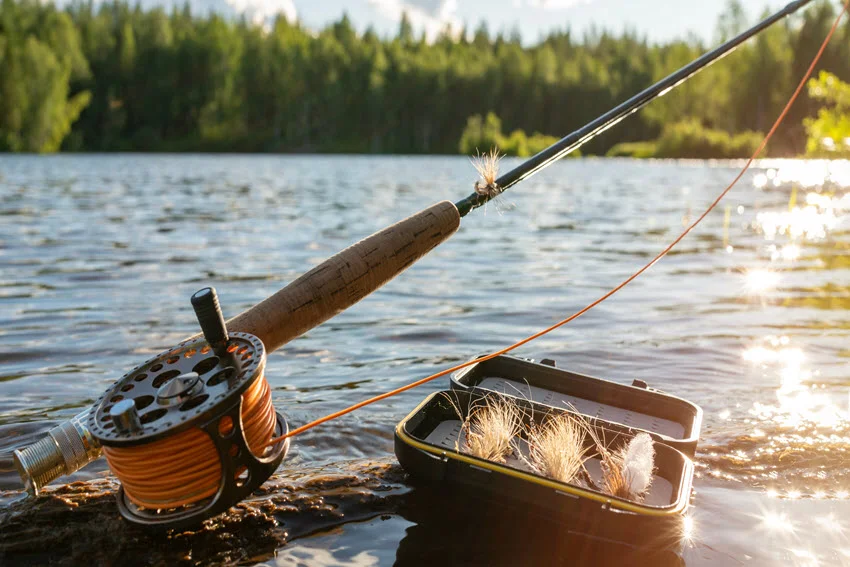
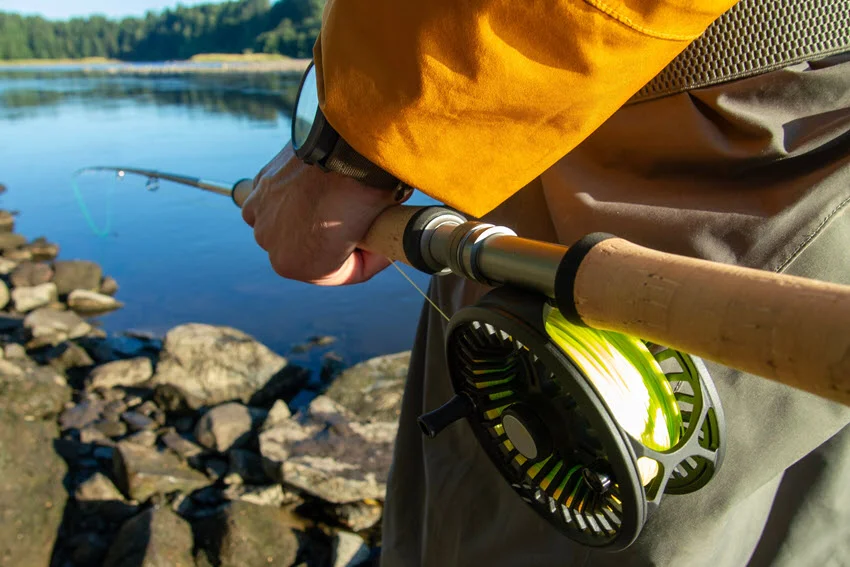
Flies also catch Salmon. Big flies work well for Chinook (the largest, fattier Pacific Salmon), while Coho (smaller, leaner Pacific Salmon) like smaller, softer flies. Try swinging flies near the bottom or drifting egg and flesh patterns when fish are close to spawning. Fly fishing works best within a few days after the Salmon leave saltwater. Flies need good presentation and timing to trigger strikes.
Salmon fishing is not too hard. The key is to find the fish and read the water. When you do that, catching Salmon becomes easier.
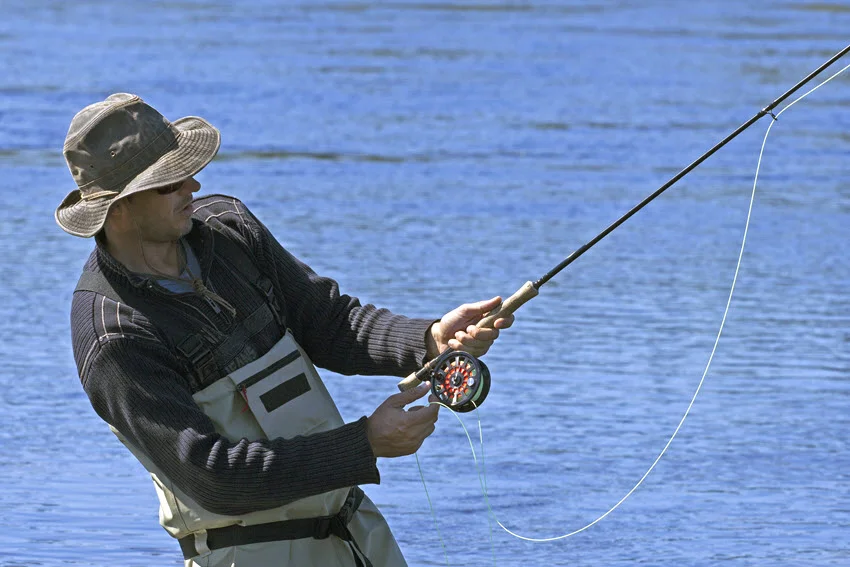
Casting and retrieving is an effective method. It is simple. You can do it from the shore or a boat. Use spoons, spinners, or jigs. Cast near pools, rocks, or currents where Salmon like to hold. Try different speeds and watch for strikes. This method lets you cover a lot of water and find active fish.
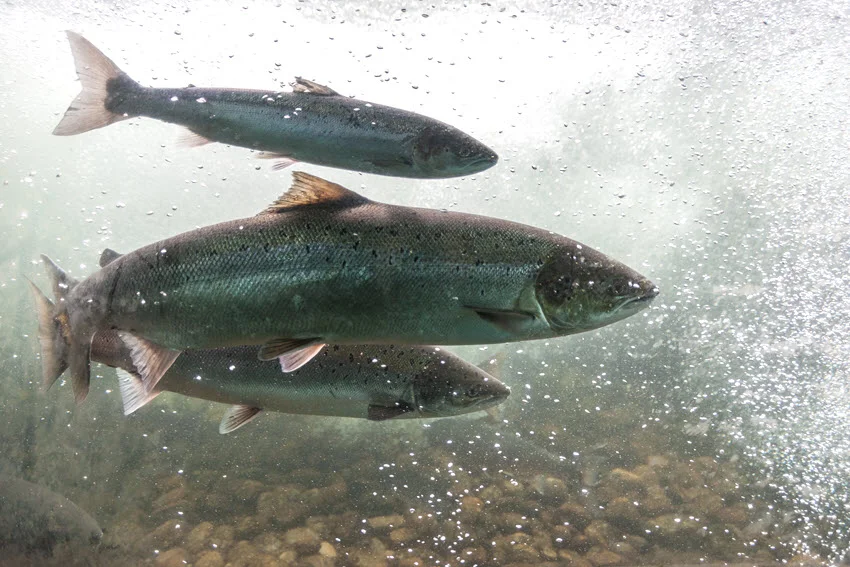
Back trolling means moving slowly against the current. Use a motor or oars to hold your boat in place. Cast your lure and let the current swing it below the boat to keep your lure in the strike zone longer. It works very well to catch Salmon moving upriver.
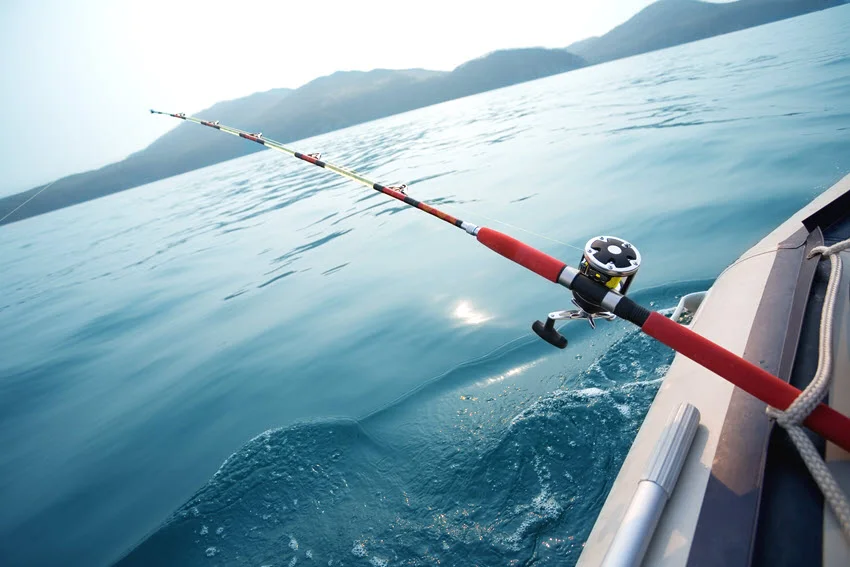
Trolling is a popular way to fish in bays and ocean areas. Use flashers and downriggers to reach the proper depth. Fish finders help locate Salmon schools. Free trolling with lures can work well when Salmon are feeding. Crossing back and forth near river mouths is a good spot to troll.
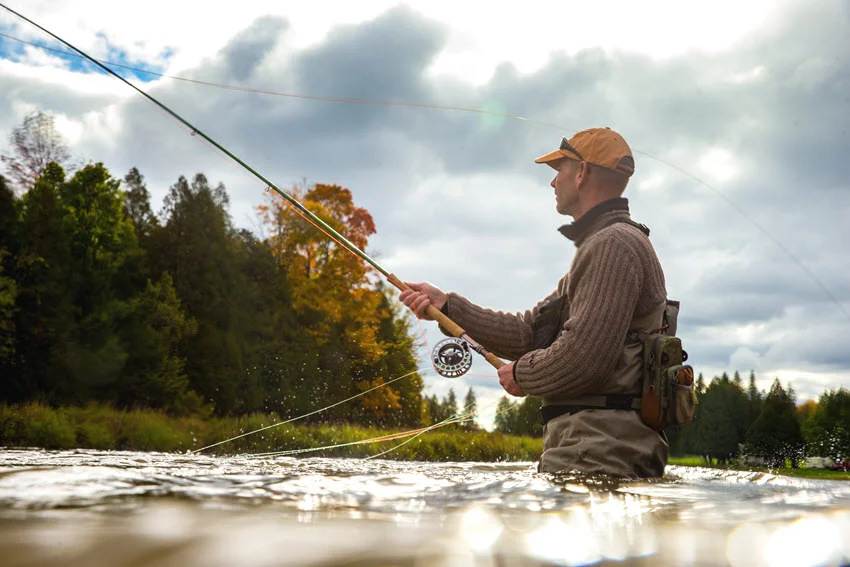
Bouncing the bottom is a great way to fish with jigs or weighted rigs. The lure or bait floats just above the riverbed. A strategy like this works exceptionally well in deep pools, helping you target Salmon near the bottom.
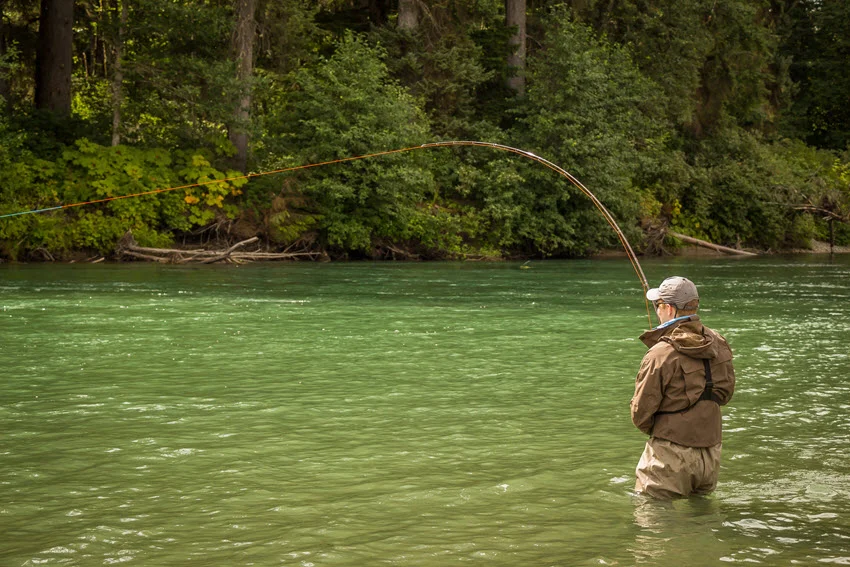
Snagging is a method used when Salmon are very thick. Anglers drag heavy lures or treble hooks along the bottom. This causes fish to hook when the lure hits them. Sockeye Salmon are often caught this way. Snagging is popular for freezer limits but less common for sport fishing.
Understanding fishing regulations and ethical practices about specific fish species protects fish populations and ecosystems and promotes responsible angling practices.
Anglers Booking Team
Salmon's fishing regulations are here to keep this population available while also protecting the environment. Many states set daily catch and size requirements for Salmon. In some places, there are seasons when Salmon fishing is allowed or closed. These rules protect Salmon during spawning and ensure their numbers stay strong.
When you catch a Salmon, handle it with care. Your hands ned to be wet to protect their delicate skin and slime coat. Use pliers or a hook remover to gently remove the hook. Support the Salmon's body horizontally to avoid injury. If you plan to release it, do so quickly and carefully.
Many fishing areas encourage or require the use of barbless hooks. Barbless hooks reduce harm and make releasing fish easier and safer. The goal of these practices is to help maintain healthy Salmon populations.
Rules vary by state, river, or lake, and they can change from season to season. Knowing and following the regulations will help you fish responsibly and protect the sport for future anglers.
Avoid fishing in known Salmon spawning areas, especially during their breeding season, to allow Salmon to reproduce successfully and maintain stable populations.
Salmon fishing with lures can be an enriching and exciting experience. Choosing the right lure for the species and conditions can significantly increase your chances of a successful catch. It's essential to adjust your techniques according to the season, water temperature, and location, as Salmon behavior varies throughout the year.
What's your favorite Salmon lure or fishing technique? Whether it's trolling with spoons, casting with spinners, or fly fishing with intricate flies, we'd love to hear your stories and tips. Sharing your experience helps the entire fishing community grow and enjoy this incredible sport even more.

The expert copywriters at Anglers Booking have meticulously crafted this article. Our dedicated team of writers provides valuable insights and information to enhance your angling experience.

September 8, 2025

January 1, 2025
Subscribe to our newsletter and receive a selection of cool articles every week.
Embark on unforgettable fishing adventures with us at Anglers Booking.
book your charter
October 2, 2026
September 8, 2026
August 21, 2026
August 18, 2026
August 15, 2026
August 12, 2026
August 8, 2026
August 4, 2026

You're now part of our exclusive community. Get ready for premium content and updates straight to your inbox.
close
Subscribe to our newsletter and receive a selection of cool articles every week.
Please enter a valid email address.
Be the first to know when we're back in action.
Please enter a valid email address.
Leave a Comment
Your email address will not be published. Required fields are marked *
Thank you for your comment! It has been submitted for review and will appear on the site shortly.