


Anglers Booking Team
The expert copywriters at Anglers Booking have meticulously crafted this article. Our dedicated team of writers provides valuable insights and information to enhance your angling experience.
 9 minutes read
Snapper are among Florida's most popular saltwater fish because they're great on the table and fun to fight. You'll find them around reefs, wrecks, bridges, and rocky bottoms. Anglers target them inshore, nearshore, and offshore. Snapper fishing is accessible for all skill levels.
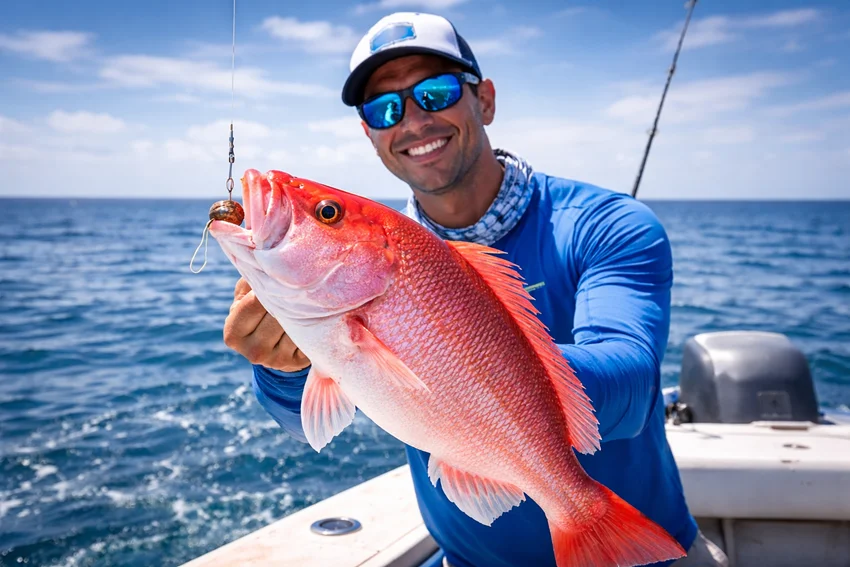
Targeting Snapper works best when you know where to go and understand water conditions and local regulations. The Florida Fish and Wildlife Conservation Commission (FWC) tracks Snapper populations year by year and adjusts open seasons as needed.
Snapper rules in Florida are species-specific. This guide covers general Snapper patterns and a high-level regulatory overview, with Red Snapper seasons and limits covered separately because they are often tightly managed.
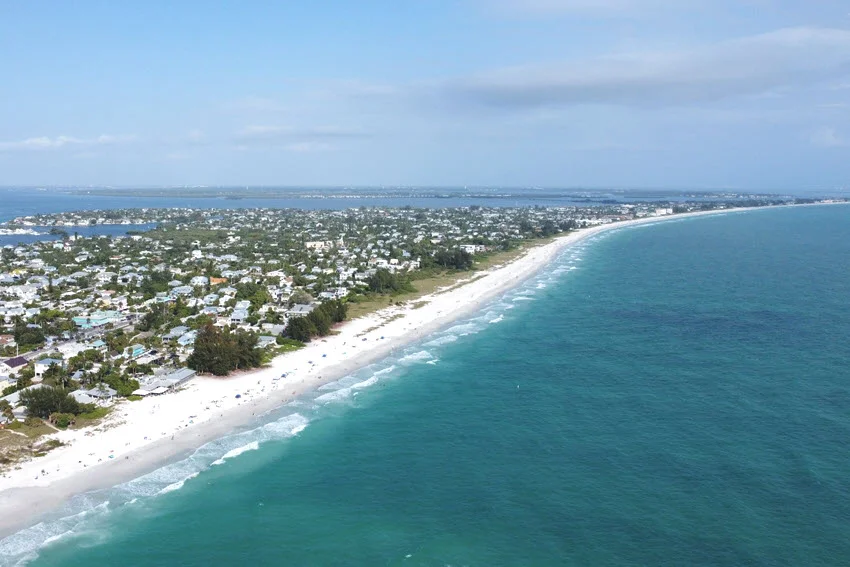
Many Snapper rules differ between Florida's Gulf and Atlantic coasts, and between state and federal waters. In the section below, we discuss the Gulf Coast regulations and the Atlantic Coast regulations in detail.
The state and federal fisheries managers control harvest and protect spawning stock. Snapper rules are species-specific, so there is no single season, size limit, or bag limit that applies to every Snapper.
On Florida's Atlantic coast, Snapper species are managed under particular rules. There is no single season that applies to all Snapper species. Limits and open periods vary by species and may change with updated assessments.
Regulations can vary between state and federal waters on the Atlantic side. Fishers should verify regulations before harvesting, especially near the boundary.
Some of the more popular departure points for reef trips in the Atlantic include Jacksonville, Daytona Beach, Fort Pierce, and an offshore structure near Stuart and Palm Beach. Reefs, wrecks, and ledges provide year-round habitat for Snapper, but depth and water conditions have a great deal to do with how and where they will settle.
Along Florida's Gulf coast, many Snapper species can be targeted year-round, but bag limits and minimum sizes vary by species. There is no single Snapper season that applies to all Snapper species.
Rules can also differ between state waters and federal waters offshore. What is legal to keep near the beach may not match what is allowed farther offshore, so anglers should always confirm which set of regulations applies to the waters they are fishing before keeping any Snapper.
Productive Gulf Coast areas include the Panhandle, Big Bend, Tampa Bay region, and Southwest Florida. Snapper hold on reefs, wrecks, bridges, and hard-bottom structure throughout this coast. Depth, current, and structure usually matter more than any broad regional label when planning where to fish.
Some Snapper species are long-lived and heavily managed, so they need time to reach maturity and reproduce. By using seasons and harvest limits for certain species, fisheries managers help protect spawning fish and keep populations productive.
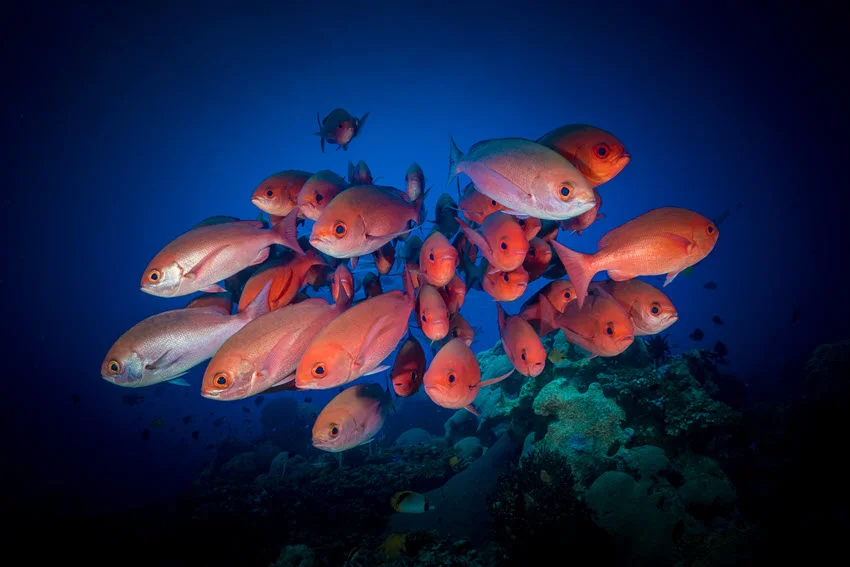
Understanding Snapper behavior throughout the year helps you become more consistent on the water. Snappers rely on structure, sharp eyesight, and quick bursts of speed to grab prey. They often school around reefs, wrecks, rock piles, and ledges, where baitfish and crustaceans gather.
Many Snapper species feed more actively in warmer months, but depth and bite windows vary by species and local conditions. In winter, Snapper often move deeper to find stable conditions. Warmer months bring them closer to nearshore reefs and shallower structure where bait is easier to find.
Common Snapper baits include small fish, shrimp, crabs, and squid, especially during moving currents, at the start or end of tidal swings. Strong current pushes bait along structure, making Snapper more aggressive and willing to bite.
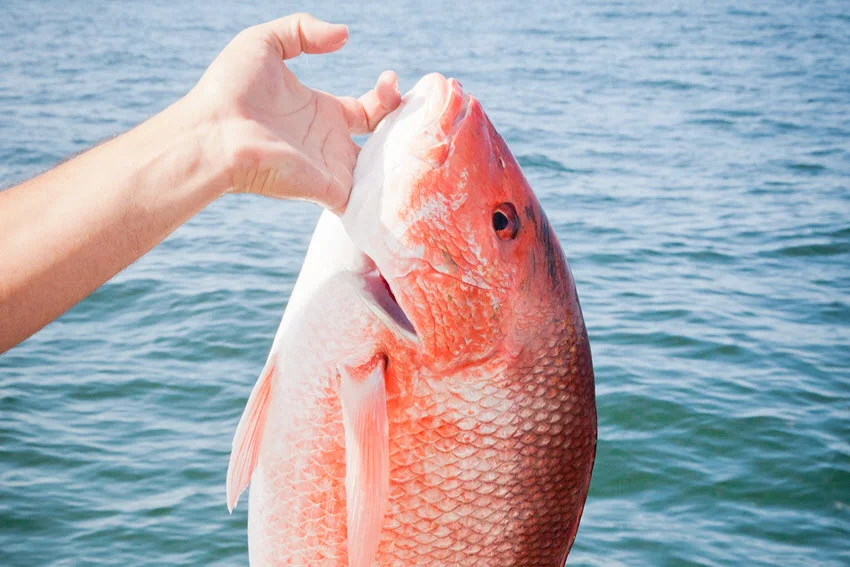
While Snapper can be caught year-round in Florida, the most productive fishing occurs from late spring through early fall, when the water is warm, and bait schools are more abundant.
Fishing deeper offshore reefs and ledges during the winter months is more effective when the waters around the nearshore area are cooler. The summer months can bring the best offshore Snapper fishing action.
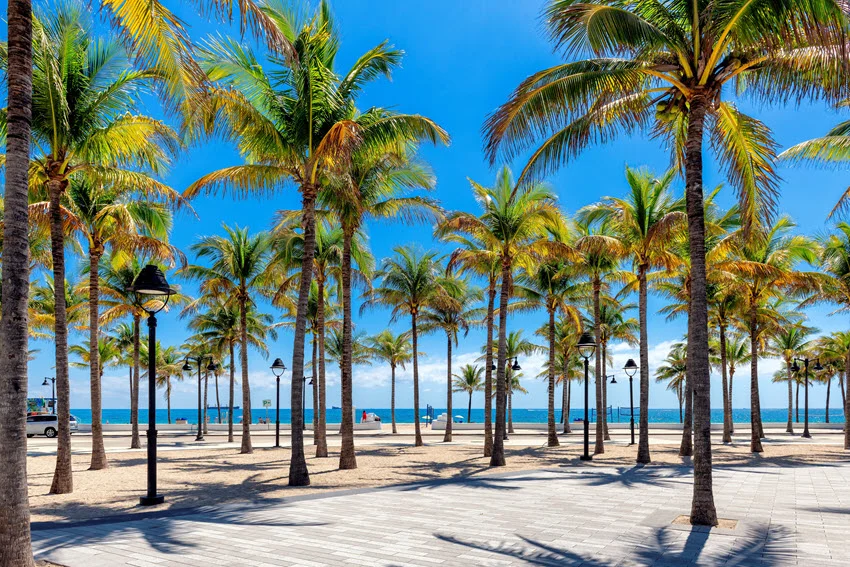
Florida has very productive Snapper fishing opportunities in reef, wreck, and hard-bottom environments. Below, we will discuss the best locations to find Snapper fishing.
These locations have been proven to have good fishing. It is always a good idea to check what is currently biting in the area.
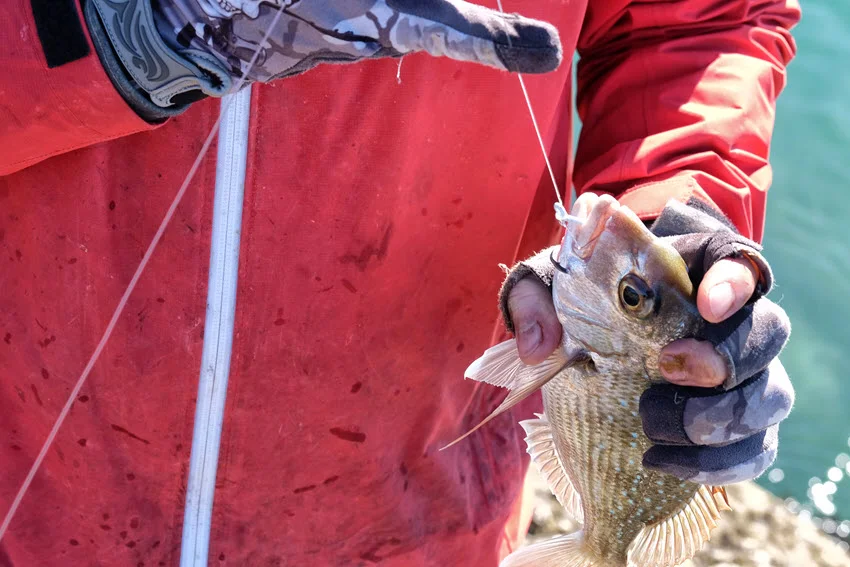
These fish will fight hard and can retreat into structure once hooked. In the following section, we will outline the most productive equipment and tackle.
Using the right rig helps you pull Snapper away from structure quickly and land more fish. Proper technique, paired with good tackle, will lead you to great results.
Understanding fishing regulations and preserving specific fish species contributes to protecting fish populations and ecosystems and promoting responsible angling practices.
Anglers Booking Team
It regulates the licensing and harvest rules to protect Snapper. At the same time, it ensures sustainability, especially considering the intense fishing pressure on Snapper. The following are key facts regarding licenses and fishing regulations in Florida.
Recreational fish cannot be sold. To fish for Snapper for commercial purposes and sales, one has to obtain the necessary licenses and permits. To fish for Snapper in Florida legally, one has to adhere to certain regulations and laws. Before going fishing, check the requirements on official sites such as FWC and NOAA.
Snappers are of great significance in the reef environment in Florida. Therefore, it is important to fish with care and be aware of the laws and regulations. A proper tackle should be selected to avoid deep-hooking. If the Snapper is undersized or out of season, it should be released quickly.
If you plan to release your Snapper, return it carefully to the water instead of simply dropping it. If you want to keep your fish, ice it immediately. "Catch and release" fishing practices are important to secure a healthy supply of fish for all to enjoy good Snapper fishing.
Snapper fishing in Florida offers incredible action for anglers. With a mix of shallow reefs, deep wrecks, calm inshore waters, and accessible offshore grounds, there is always a way to target these prized fish.
By understanding seasonal movements and using effective tackle, you will improve your success. Check current FWC guidelines before fishing. Consider fishing with trusted local captains for the best experience.
What about you? Where do you like to target Snapper in Florida? With what bait did you have the most success? We are happy to see your answers.
Disclaimer: Fishing regulations and open seasons may vary by region and are subject to change. The information in this guide is for general reference only. Learn the latest fishing rules, size limits, and season dates on the official websites of the state or federal government before your trip.

The expert copywriters at Anglers Booking have meticulously crafted this article. Our dedicated team of writers provides valuable insights and information to enhance your angling experience.

April 20, 2025

October 21, 2024
Subscribe to our newsletter and receive a selection of cool articles every week.
Embark on unforgettable fishing adventures with us at Anglers Booking.
book your charter
October 2, 2026
September 8, 2026
August 21, 2026
August 18, 2026
August 15, 2026
August 12, 2026
August 8, 2026
August 4, 2026

You're now part of our exclusive community. Get ready for premium content and updates straight to your inbox.
close
Subscribe to our newsletter and receive a selection of cool articles every week.
Please enter a valid email address.
Be the first to know when we're back in action.
Please enter a valid email address.
Leave a Comment
Your email address will not be published. Required fields are marked *
Thank you for your comment! It has been submitted for review and will appear on the site shortly.