


Anglers Booking Team
The expert copywriters at Anglers Booking have meticulously crafted this article. Our dedicated team of writers provides valuable insights and information to enhance your angling experience.
 16 minutes read
Family relationships are complicated everywhere, even in the fish world! But it wouldn't be interesting if all fish were the same. Red Snapper and Vermilion Snapper are from the same Snapper fish species but are very different, although it may not be noticeable at first glance!
Both fish rock those fiery red scales and share the same water, so it's hard to tell them apart. However, these two Snappers have unique personalities and appearances; one is more prominent, the other is brighter, and besides, their characters, the way they are caught, and the taste of their meat are not only different in shades.

So whether you're chasing the next big catch or preparing a seafood feast, knowing which Snapper you have or which is better for your dinner idea is key. Fish flesh is delicate, and so is their character.
In this ultimate guide, we'll put these two Snappers against each other, explain everything you need to know to tell the difference, and pick your favorite or adore both!
If you don't look closely, the differences between Vermilion Snapper and Red Snapper may seem subtle, but they are vital to telling them apart. So, the Vermilion Snapper is generally smaller, with a slimmer, more streamlined body, while the Red Snapper boasts a stockier build.
Likewise, the Vermilion Snapper has a more vibrant, almost orange-red hue, while the deep crimson color of the Red Snapper is more reddish. Even their habitat preferences differ; while Vermilion tend to hang out in deeper water, Red Snapper mostly stick to reefs and other underwater structures. There is more, so let's dive deeper into these differences so you can spot them like a pro!
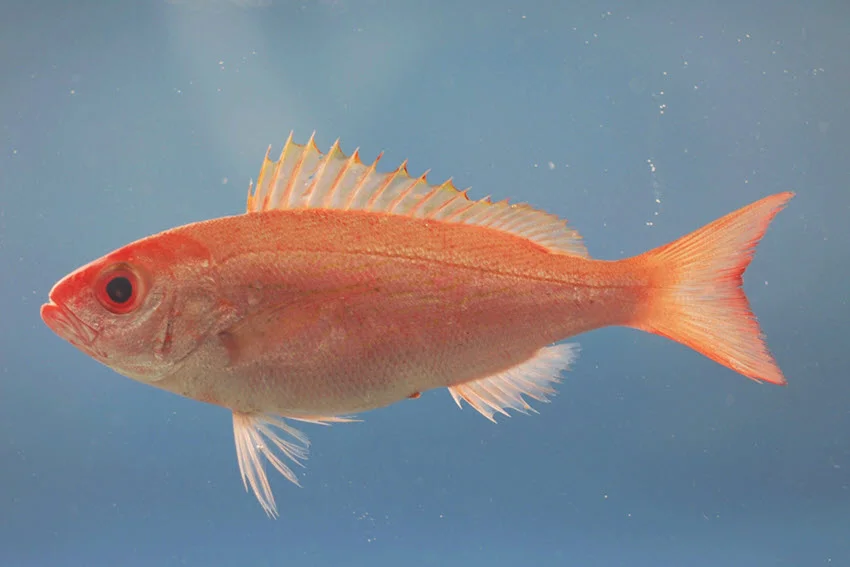
When we put a Vermilion Snapper and a Red Snapper side by side, we will see that the difference in size is relatively straightforward, although in the water and when hunting, it is only sometimes obvious. The Vermilion Snapper weighs between 1 and 3 pounds, although larger specimens can reach around 6 pounds and have bodies from 12 to 24 inches long. In contrast, the Red Snapper is much more giant, with an average weight of 5 to 10 pounds, although some can grow to 40 pounds or more!
They range in length from 20 to 30 inches, and trophy-sized Red Snappers can even exceed 3 feet. If you are familiar with both species, the difference in size is one of the easiest and most obvious ways to tell these fish apart when you are on the water or at the market.
If you are focused on size and trophy specimens, there is no doubt that Red Snapper should be your choice because they are more challenging to catch and have a higher meal yield. Conversely, Vermilion Snappers, although smaller, are often caught in more significant numbers as they generally swim in schooling formations, making them a frequent catch in deeper water and a suitable species for novice anglers.

The colors, patterns, and differences are more subtle for the eyes, but you will notice the differences when you compare them in more detail. The Vermilion Snapper has a striking and more orange-red hue with diagonal, wavy yellow lines running along its body. In contrast, the fins often have a yellowish tint, giving it a brighter and more vibrant appearance. On the other hand, the Red Snapper has a dominant dark red or crimson color, with its body appearing more uniform and darker.
The Red Snapper does not have the diagonal Vermilion lines and has completely red fins, with no detail or pattern that adds to its bold appearance. A significant difference is in the eyes: the Vermilion Snapper has pale or silvery eyes, while the Red Snapper's eyes are more vivid, often with a reddish tint. The differences are subtle at first glance, but when you compare them more closely, you can see that these two fish are quite different.

Lifespan is where these two fish relatives differ greatly and contribute significantly to their differences in size and maturity. Vermilion Snapper typically live up to 15 years, with most reaching full maturity around 3 to 4 years. Due to their relatively short life span, they tend to breed more quickly but do not reach the massive size of a Red Snapper.
On the other hand, Red Snapper can live an impressive 50 or more years in ideal conditions. This longevity allows them to grow much larger and reproduce over a more extended period, with specimens taking several years to mature fully. However, their longer lifespan makes them more vulnerable to overfishing, which is why strict regulations are often applied to ensure the sustainability of their populations.
Because of these differences, trophy anglers are more likely to target Red Snapper, while those looking for a faster and more plentiful catch will often find Vermilion Snapper.
Regarding habitat and behavior, Vermilion and Red Snapper touch at specific points, sharing some similarities but also significant differences. Let's dive deeper into how their environment shapes their habits.

Interestingly, when we start comparing what we were sure was more similar than different, we still discover a significant difference! The same is true regarding the preferred habitats of these two species.
If you search for Vermilion Snapper, then focus on deeper marine waters since they are often found between 80 and 350 feet. They are almost always in school formation and on or around rocky bottoms, ledges, and structures such as oil rigs or wrecks. Ideal places for hunting are the Gulf of Mexico areas, and the Southeastern US coast are prime locations.
Red Snappers, also inhabiting the same general regions, tend to stay closer to shore and prefer shallower waters ranging from 30 to 200 feet. They love to school around reefs, wrecks, and artificial structures. Red Snappers are more abundant in the Gulf of Mexico and along the Atlantic coast from Florida to North Carolina.
Although both species are sought after in the same waters and can stray into each other's territory, their preferences for a certain depth and behavior will help you more easily determine the technique and create a better strategy.

The behavior of Vermillion and Red Snapper is conditioned primarily by the season in terms of water temperature and food availability. Both fish are available year-round, but it is more complex. Seasonal changes affect where they can be found and how they feed and move within their environment.
The better you understand and know the behavior of the fish you want to catch, the easier it will be to adapt your technique and bait. So, let's explore how changing seasons affect their feeding habits and availability.
In spring, Vermilion and Red Snapper become more active and move in line with warm water areas. Depending on the weather and spring temperatures, Vermilion Snapper swims around deeper coastal structures but often near rocky ledges. When it comes to Red Snapper, they begin to migrate from their deeper winter habitats towards shallower reefs and wrecks, gradually preparing for the spawning season in late spring.
Both species then feed actively and lustily. They are focused on hunting, so spring is an excellent season for anglers who want to catch either species. When there are plenty of them, and they are not so careful. In addition, they move aggressively, which creates excellent opportunities for successful and fun fishing trips.
In the summer, both Vermilion and Red Snapper are at their peak of activity, and Red Snapper is the best spawning season, so they gather in large numbers around reefs, wrecks, and artificial structures. More exposed than ever, it is relatively easy to target them, or at least you don't have to waste time locating them. Vermilion Snapper also remains active, primarily sticking to deeper inshore areas and schooling near edges and structure.
Warm waters make both species aggressive feeders, and summer provides some of the best fishing opportunities. However, that's when anglers are most numerous, especially those targeting Red Snapper, and this season often comes with stricter fishing regulations to manage the population.
The water temperature starts to drop during fall. Vermilion Snapper continues to inhabit the deeper offshore areas, but their feeding activity is beginning to slow. After the summer spawning season ends, Red Snapper returns to deeper waters, looking for reefs and wrecks as far from shore as possible.
Although both species continue to feed more actively, they are less aggressive, so anglers must adapt techniques to target them effectively. Fall can be an excellent time for slower, more strategic versions of fishing and, to some extent, more profound.
Winter is the period when both fish retreat to deeper waters. Vermilion Snapper starts to form in schools near rocky ledges and deep-water structures, while Red Snapper moves farther offshore, inhabiting deeper reefs and wrecks. Both fish begin to calm down, and their feeding slows down, making them less aggressive and more complicated to catch.
However, they are still present, and with the proper technique, winter can yield a valuable catch with a bit more challenge and intrigue. It is then important to use slower bait presentations and target deeper spots.

The best time to fish for Snapper depends primarily on the angler's character because not everyone prefers fishing at the height of the season or the idea of catching them when it is most accessible. If you like crowds, spring and summer are best, and early fall is good if it is still sunny and warm.
Of course, it is essential to familiarize yourself with local regulations and the behavior of each species. Although both Snappers are available throughout the year, with peak activity in spring and summer, Snappers are more limited. Many regions implement strict summer fishing seasons to protect their populations.
Typically, the Red Snapper season runs from June to early August, coinciding with their spawning period when they congregate around reefs and wrecks in large numbers. Fall and winter fishing can still yield catches for both species, but colder waters slow their feeding, making them less active. Whichever you prefer, be aware of the regulations and respect these two beautiful fish.
While the Vermilion Snapper is a more opportunistic feeder, favoring small fish, shrimp, and squid, especially around reefs, the Red Snapper is more discerning but also more diverse, so their feast includes lots of fish, crabs, and mollusks. So, to help you choose better bait and learn the essence of these fish-feeding habits, keep reading!

Vermilion Snappers are versatile feeders, and their taste is diverse and gourmet. At the same time, they reflect their adaptability to different marine environments. They will not avoid small fish, crabs, and squid, and they are especially fond of shrimp, which they can detect with incredible precision. This distinct love and preference is due to the availability of crayfish in their preferred habitats. They are abundant around rocky reefs, wrecks, and sandy bottoms.
Squid is also part of their menu as it is a high-protein meal that supports their active lifestyle. The Vermilion Snapper has a good sense of smell and a highly sharp vision for locating prey in the often murky waters of its habitat.
They will not resist or be squeamish about scavenging, adapting to the availability of food sources and scavenging any food from which they can extract some helpful ingredient. These fish hunt in the twilight hours and thus coincide with the increased activity of their prey, which means that they are best caught in the early morning and late afternoon.

Red Snappers have a true marine, raw hunting sense and are predators with a pedigree that emphasizes their role as predators. They primarily feed on a mixture of fish, crustaceans, and mollusks. Small fish, such as menhaden, sardines, and anchovies, are the basis of their diet, providing essential nutrients and energy for their sturdy frames. Crayfish, with their protein source, are also often on the menu of these fish, and they also have a strong affinity for mollusks, including octopus and squid.
The Red Snapper's primary weapon is its sharp, conical teeth, which capture and crush its prey, showing its effectiveness as a hunter. Their eating habits are adapted to the environment, so they prefer to swim around structures such as coral reefs and underwater reefs, which attract their favorite food sources and are also excellent ambush sites. Usually more active during daylight hours, the Red Snapper takes advantage of the increased visibility to hunt and prepare a feast.
Fishing would not be what it is without challenges. Unlocking the secrets to landing Vermilion Snapper and Red Snapper involves a conscious-intuitive knowledge of specific techniques and the art and skill of adapting them to their unique behavior and habitats.

Hunting for Vermilion Snapper requires a strategic approach, and the most successful technique is vertical jigging. This means dropping the jig directly under the boat and pulling it out with a sharp, jerking motion. Thus, the movements of small baits are imitated, luring the Vermilion Snapper to attack. To inspire them to come and look at the bait, opt for jigs in bright colors like pink or orange. A good option is to use live bait, such as small shrimp or fish.
Thread the bait on a weighted circle hook to keep it close to the bottom, where Vermilion Snapper tends to feed. For optimal results, fish around rocky reefs, wrecks, or ledges, as these structures provide ideal habitats and attract their favorite prey.
In addition, using fish finders can help locate schools of Vermilion Snapper by identifying underwater structures and the depth at which they are active. Timing is also of the essence; early morning and late afternoon are their usual feeding hours, so you should take advantage of that fact.

The redder and larger type of Snapper is also more aggressive and, therefore, requires a targeted approach that matches its glutinous feeding habits and preference for specific habitats.
One of the most effective techniques is bottom fishing with heavy tackle. This technique uses a stout rod and reel paired with a strong leader and sinker to keep the bait near the bottom of the ocean, i.e., in the target position where you have determined the Red Snapper is fishing.
A good option is to use whole menhaden or large squid and cut bait, especially when fishing around reefs, wrecks, or underwater structures that attract these top predators. Spread the bait on a circle hook base for optimal results to ensure a secure hook set.
Depending on when you plan to catch some of these fish and in what environment, the right gear choice can make a massive difference between a successful catch and a missed opportunity.
Vermilion Snappers are usually found in deeper water, requiring a more precise approach and lighter gear. In contrast, Red Snappers, known for their combativeness and weight, require more robust gear to tackle successfully.

The Vermilion Snapper wisely compensates for its lack of weight by forming in schools and fishing at greater depths. This fish is smaller and less combative than Red Snapper, so lighter tackle is a better choice, but it is still essential to have robust components due to the depth. To maximize your chances of catching, we recommend the following equipment:
Light to Medium Rods: Use 6 to 7-foot rods designed for accurate casting and better control at depth.
Multiplier or Spinning Machine: A multiplier is better for working at depth while spinning machines are lighter and better adapted to different techniques.
Braided Line: Due to depth, reefs, and rocks, a 20-30lb braided line provides a better feel, is secure, and reduces water drag.
Heavy Lead Jigs: Jigs from 2 to 6 ounces have proven ideal for vertical jigging on deep reefs.
Combining these rigs with any deviations and conveniences allows you to effectively target Vermilion Snapper in deeper water, giving you the precision and control you need.

You will also need a big tackle that can handle tough fights and bigger fish for a big Red Snapper. Therefore, pay attention to the following equipment.
Medium to Heavy Rods: Although Red Snapper can vary, 6.5 to 7.5 feet rods are your safest bet, especially if you encounter a trophy specimen.
High-Gear Multiplier Machines: They are the best option for fighting strong fish at great depths. They provide stability, strength, and easy control.
Braided Line: Choose a 50-80lb line for durability and minimal drag in the water. This line will serve you well at depths over 100 feet.
Heavy Jigs and Lead Heads: Jigs of 4 to 10 ounces will reach deep enough to get cell structure without much trouble.
Combining these provides the necessary strength and precision, guaranteeing it will withstand all your and Snapper's combat maneuvers. You will successfully land it in your fishing basket if you are lucky.
These fish are highly prized as culinary delicacies. Each has a unique culinary profile that makes it incredibly sought after in the kitchen and for fishing. Let's explore these aspects of these fish in more detail.

Vermilion Snapper, also known as "Beeliner" in culinary circles, has mild meat with a sweet note to the taste and a very delicate meat texture, which makes it an actual little culinary miniature. Its meat is light in color, low in fat, and has a delicate, firm structure, perfect for light and simple preparations that will not destroy but rather bring out the fish's natural taste.
One of the more popular ways to prepare Vermilion Snapper is grilling. Thanks to its firm flesh, this fish is easy to grill without falling apart, and light marinating with olive oil, lemon, garlic, and fresh herbs further enhances its mild but distinctive flavor.
You can't go wrong baking it in the oven, especially when the fish is prepared with simple seasonings like sea salt, black pepper, and butter. They will bring out the finest notes of meat without destroying the essence and recognizability of the taste.
You can perform a similar culinary mastery by frying it in a pan, using a simple bread pan made of flour. This results in a crispy crust and juicy meat inside. Finally, use citrus sauces or light olive oil sauces to highlight the sweetness.

Red Snapper, similar to Vermilion, has a mild flavor and a sweet note but more firm and juicy meat, which makes it perfect for various culinary methods. Its texture is robust enough to withstand different cooking techniques, and it is popular among chefs and fish lovers precisely because of its universality.
One particular way of preparing Red Snapper that is gaining popularity is "ceviche," the marinating of fish in citrus juices. It does not require heat treatment, but lemon and lime acid "cook" the fish, giving it a refreshing, light texture and rich taste. The dish is often arranged with cubes of Red Snapper, fresh vegetables such as tomatoes, red onions, and peppers, and seasoned with coriander and olive oil.
Delicate and stylishly refined, this preparation method perfectly highlights fresh fish's natural sweetness. It is especially popular in the warm months as a light spread.
You can bake Red Snapper in salt. The fish is coated with a thick layer of salt, which retains moisture during baking, allowing it to cook in its juices. After it is done, it reveals extremely juicy and tasty meat that is not oversalted but perfectly balanced, with a rich aroma and extraordinary texture. It is often used for special occasions.
So, whether you're planning a fishing adventure or a culinary delight, understanding the unique characteristics of Vermilion Snapper and Red Snapper can help you make the right decision. Again, it all concerns your intention, character, and fishing taste. Let's summarize what each fish is better for.

Suppose you're a beginner angler, either very ambitious or just curious and looking for something new to learn. In that case, Vermilion Snapper and Red Snapper offer excellent learning opportunities. However, a few key differences can make your choice easier.
Because of its character and behavior, the Vermilion Snapper is often considered more accessible for beginners. The requirements are less complex, and the equipment is easier to manage. The Vermilion Snapper is lighter and less combative than the Red Snapper, making it a better choice for those just entering the fishing world.
Why choose Vermilion Snapper?
Smaller Size: Easier to land and perfect for learning basic fishing techniques.
Simple to Catch: Vermilion Snapper can be caught with vertical jigging or standard casting with lighter gear.
Fewer Dangers: Due to its size and not-so-strong fighting, there is less chance of getting hurt or losing equipment or fish.
Quality Meat: Although it is not a trophy species, Vermilion Snapper is delicious, and no matter how you prepare it, you will taste the taste of trophies and victory.
Although it is not a trophy fish, the challenge of hunting this fish lies in the simplicity of the catch, which results in excellent meat.
The Red Snapper is significantly larger and thus offers a more significant challenge. It is great for those who want to progress in fishing. It can be considered a fish for intermediate to advanced anglers, but you don't have to limit yourself to that. Due to its size and strength, it takes more robust gear and more experience to pull it off successfully.
Why choose Red Snapper?
Fishing Challenge: Requires a grain of fishing wisdom, more advanced use of technique, and better control over fishing gear.
Bigger Prize: Bigger prey, often trophies, and an inspiring fight when pulling during landing.
Excellent Taste: It has good or generous meat, which can be prepared in various ways without losing its luxurious taste.
So, the Vermilion Snapper would be a great first step towards mastering basic fishing skills before taking on the challenge of the Red Snapper.

To slightly more experienced anglers or those looking for a new challenge to expand their fishing repertoire, choosing between Vermilion Snapper and Red Snapper can add excitement, more strategic planning, or variety. Not all adventure is always in the size of the fish, so knowing their specific characteristics can lead you to a more profound fishing experience.
It is definitely not a fish that brings a significant sense of pride and is not a trophy species if you measure your trophy solely by its weight. However, the Vermilion is prized for a reason, and there is no reason to be disappointed with this wonderful fish.
Why choose Vermilion Snapper?
Technical Sophistication: Although significantly smaller, the Vermilion Snapper is excellent for using sophisticated techniques such as vertical jigging and deep-drop fishing, where a good mind game and strategic thinking are often in focus.
Strategy and Tactics: Fishing for this fish often involves using different types of lures, which requires detailed planning and assessment of the location and situation.
Challenge and Enjoyment: The Vermilion Snapper is ideal for anglers who want to balance combativeness and fine, delicate control and explore different depths and techniques.
Vermilion Snapper is great for perfecting technical skills because with it you can enjoy the challenge of precision fishing and discovering new depths and techniques.
The Red Snapper is an adventure, risk, and solid fishing enjoyment that can result in excellent and delicious fish. It is light enough and transparent to catch, but this depends most on your fisherman's experience.
Why choose Red Snapper?
More Significant Challenge: Known for his strength and combativeness, Red Snapper is a more substantial challenge, literally and metaphorically. It offers exciting combat that tests your equipment and skills.
Variety of Techniques: It is perfect for more advanced and complicated fishing methods, often robust and sometimes risky.
High Reward: Their size, fighting spirit, and endurance provide solid action and satisfying results, making them an excellent target for experienced anglers looking for a big reward.
As an experienced angler, you can catch both species on the same day, and sometimes, your decision may depend on the current availability of gear, desire for challenges, and preferences for the type of fishing you want to practice. Whatever you choose, you shouldn't overestimate or underestimate any species because each is a trophy of its level.

Understanding fishing regulations and preserving specific fish species contributes to protecting fish populations and ecosystems and promoting responsible angling practices.
Anglers Booking Team
When venturing into fishing for Vermilion and Red Snapper, it is essential to know that both species are highly valued and sought after in every type of fishing. This also makes their protection crucial for preserving the balance in marine ecosystems. Depending on where you plan to fish, these regulations mainly relate to size limits, quotas, seasonal bans, and specific requirements for fishing methods.
Compliance with these rules contributes to the sustainability of fish populations and ensures that future generations of anglers can enjoy the hunt and taste of these wonderful species.
To ensure sustainable fishing and the stability of the ecosystem, strict conservation measures have been introduced. The primary step is setting catch quotas, which limit the number of fish that fishermen may catch in a certain period. They mainly vary by country and, sometimes, the location where seals are placed based on scientific population estimates, taking into account migration patterns, reproductive cycles, and fish habitats.
The National Oceanic and Atmospheric Administration (NOAA) plays a key role in the conservation and management of the populations of most fish species, including Vermilion Snapper and Red Snapper. Through its Division of Fisheries, NOAA enforces various regulations and implements scientific strategies to ensure sustainable fishing practices.
Thus, in the case of the Red Snapper, a species that was once heavily fished, NOAA introduced quota systems and the Individual Fishing Quota (IFQ) program to control commercial fishing and allow the species to recover. Also, NOAA supports habitat conservation by protecting essential fish habitats (EFH), coral reefs, and artificial structures, directly contributing to the recovery of these fish populations.
The most straightforward and effective step for anglers is to comply with legal regulations, such as catch quotas and seasonal bans. This ensures that the fish have enough time to spawn and restore populations.
Besides respecting the law, anglers can also practice catch-and-release, especially when dealing with larger specimens or during restricted seasons. For this approach to be practical, it is important to use suitable gear, such as barbless hooks and gentler fish handling techniques, which reduce injuries and increase survival.
They can also contribute to conservation by reporting violations or helping to preserve habitats by volunteering in local initiatives to protect ocean ecosystems. Responsible fishing is significant because the ecological balance of marine life is very delicate.
Finally, we leave the verdict on which type of Snapper suits you and your fishing preferences. If you are an experienced angler, you know both fish can offer enough intrigue; otherwise, they would be less popular.
Vermilion Snapper is an excellent choice for those who like a finer taste and less of a fishing challenge. At the same time, Red Snapper, with its combativeness and richer meat, appeals to those who want more of a challenge and more varied culinary options.
Both are valuable fish, so you must have all the permits and respect all the restrictions so that future generations can enjoy their beauty and value. So, which Snapper is your next choice? Share your experience, recipe, and opinion in the comments, and tell us which fish attracts you more!

The expert copywriters at Anglers Booking have meticulously crafted this article. Our dedicated team of writers provides valuable insights and information to enhance your angling experience.
Your email address will not be published. Required fields are marked *
Thank you for your comment! It has been submitted for review and will appear on the site shortly.

November 3, 2024

November 4, 2024
Subscribe to our newsletter and receive a selection of cool articles every week.
Embark on unforgettable fishing adventures with us at Anglers Booking.
book your charter
October 2, 2026
September 8, 2026
August 21, 2026
August 18, 2026
August 15, 2026
August 12, 2026
August 8, 2026
August 4, 2026

You're now part of our exclusive community. Get ready for premium content and updates straight to your inbox.
close
Subscribe to our newsletter and receive a selection of cool articles every week.
Please enter a valid email address.
Be the first to know when we're back in action.
Please enter a valid email address.
I would like to find these fish in my next catch! Great article and insights.