


Anglers Booking Team
The expert copywriters at Anglers Booking have meticulously crafted this article. Our dedicated team of writers provides valuable insights and information to enhance your angling experience.
 8 minutes read
The Snook is easily recognizable by its sleek silver body. Powerful runs combined with intelligent feeding behavior make them a real challenge to catch. They attract anglers of all experience levels.
The strict regulations in place are essential for protecting Snook and ensuring a sustainable fishery, helping anglers fish responsibly.
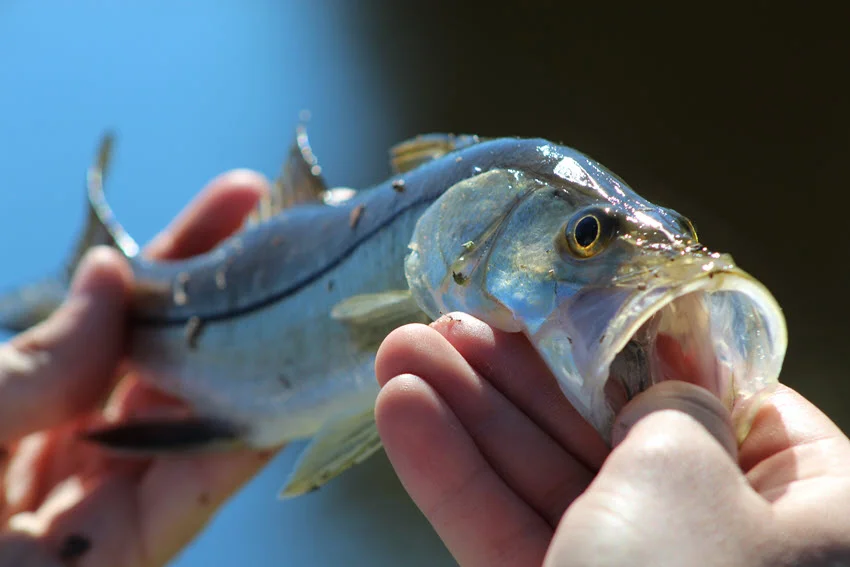
The Florida Fish and Wildlife Conservation Commission (FWC) conducts annual Snook population analyses and adjusts open seasons accordingly, sometimes adjusting catch limits based on the state's trends and environmental conditions.
Before each fishing trip, check the FWC's official website for the latest updates. This helps anglers feel responsible and confident, ensuring they respect regulations and protect Snook populations.
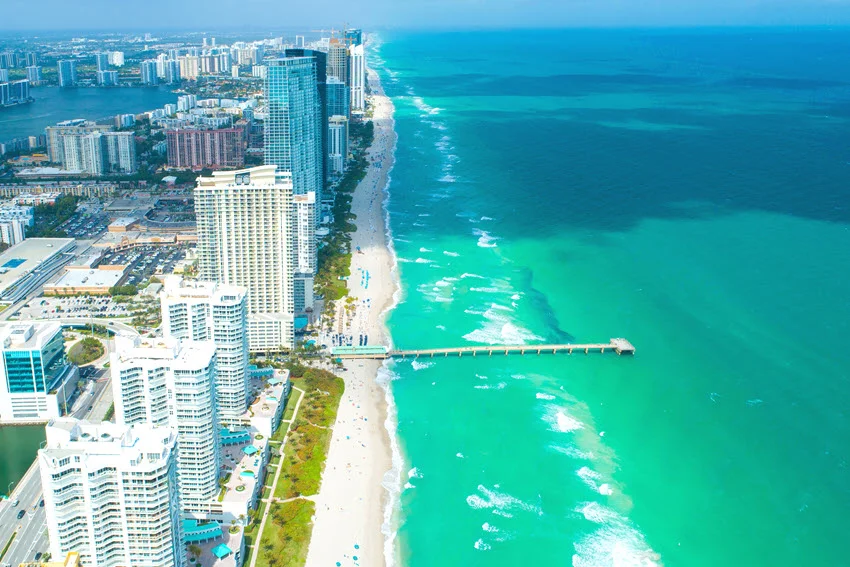
Florida divides its coastal waters into multiple management regions. Each of them has specific open and close dates and unique size limits. In the section below, we discuss the Atlantic Coast Regulations and the Gulf Coast Regulations in detail.
On the Atlantic side of Florida, Snook fishing remains tightly managed. The season is closed from December 15 through January 31, and again from June 1 through August 31. This closure protects Snook during colder months and the peak of the summer spawning period.
During the open season, which runs from February through May and September through mid-December, anglers may keep one Snook per person per day. The fish must measure between 28 and 32 inches in total length.
Across Florida's Atlantic Coast, and on the Gulf as well, Snook often stack up around bridges, docks, seawalls, and inlet passes and jetties, where tidal currents concentrate baitfish. But it's worth remembering that Gulf Coast regulations vary by management region, so the key dates and limits are outlined below.
The regulations on the Gulf Coast are similar to those on the Atlantic Coast, but there are still some differences. In the Panhandle, Big Bend, Tampa Bay, and Sarasota Bay regions, the season is closed from December 1 through the end of February, and again from May 1 through August 31.
Harvest is open from March 1 to April 30 and from September 1 to November 30. During open months, anglers may keep one Snook per person per day, with a 28 to 33 inches slot limit.
In the Charlotte Harbor and Southwest regions, the season is closed from December 1 to the end of February and again from May 1 through September 30. Harvest is open from March 1 through April 30 and from October 1 through November 30. Because Gulf rules vary by management region, always confirm your zone and current season dates on FWC before keeping a fish.
These seasonal closures align with Snook's breeding seasons and environmental needs, helping maintain healthy populations for future fishing opportunities.
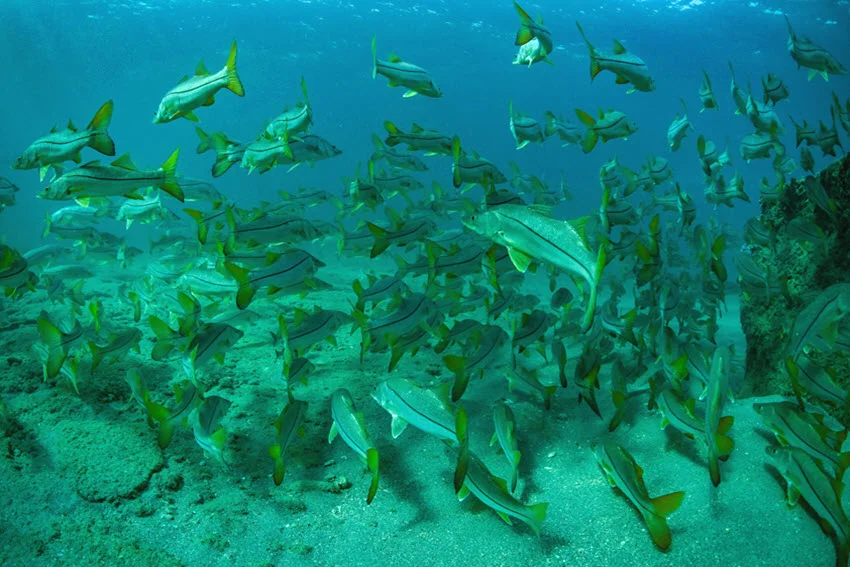
Understanding how Snook behaves throughout the year is vital for the success rate. Snooks rely on stealth, current flow, and structure to surprise their prey. Their upward-facing eyes allow them to strike baitfish swimming above. Anglers often find them near drop-offs and mangrove edges.
They favor warm, brackish water and move most when the temperature stays between 70°F and 85°F. Cold harms them, as soon as the temperature falls to the mid-60°F, they shift into deeper canals, backwaters, or inland areas to escape the chill.
Some of the favorite baits for Snook include small fish, shrimp, and crabs. At tidal movement, during outgoing tides, when bait is flushed from estuaries, this fish is the most active.
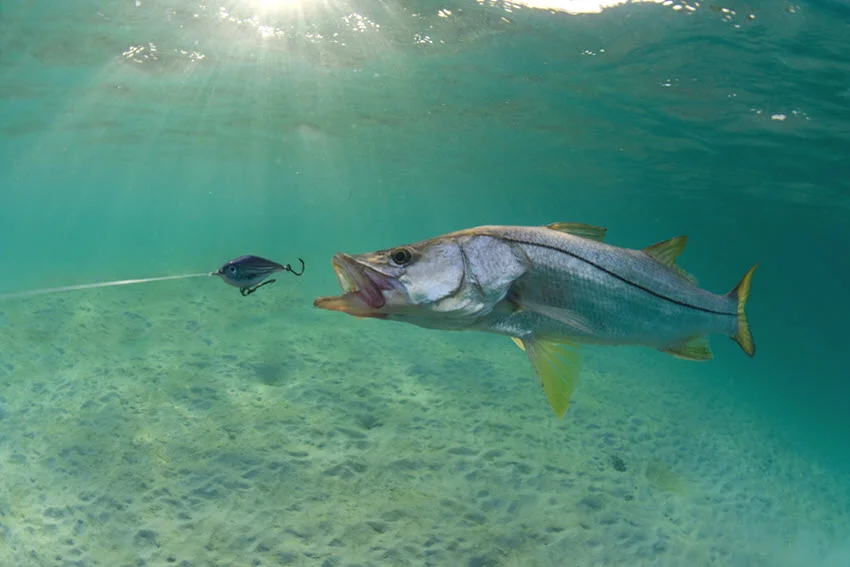
While Snook can be targeted year-round, fishing is often best from late spring through early fall, especially around passes, bridges, and inlets. This period overlaps with spawning activity in many areas, but harvest seasons vary by region and can include seasonal closures.
When water temperatures cool in winter, Snook move inland into rivers and canals. Targeting them often calls for lighter tackle and a slower presentation.
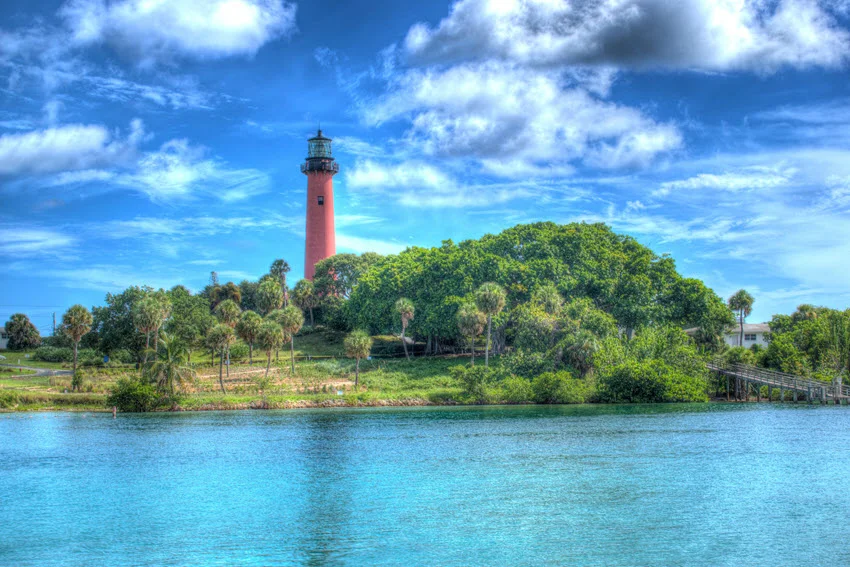
Florida offers many productive fishing spots. Knowing these locations can boost anglers' confidence. In the next part, we tour some of the most productive fishing locations in Florida.
These locations will provide you with a great day on the water. It is undoubtedly a good idea to ask about the area before going fishing, so you know what to expect.
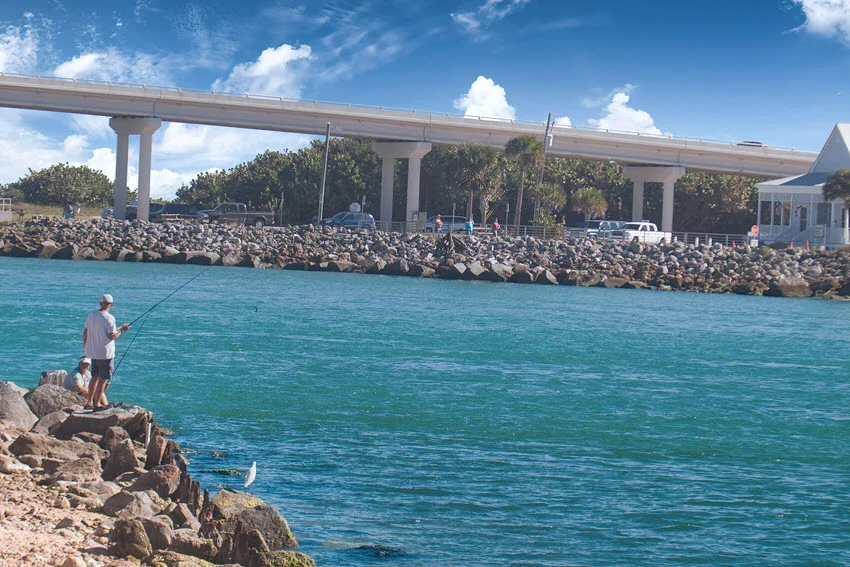
To successfully target Snook, you will need a proper setup. Here are a few things you should consider for your tackle.
The advice is straightforward: use the correct tackle and maintain strong fishing knots, and you'll increase both your hookup rate and your ability to land fish safely.
Understanding fishing regulations and preserving specific fish species contributes to protecting fish populations and ecosystems and promoting responsible angling practices.
Anglers Booking Team
Fishing in Florida for Snook requires compliance with the law. Anglers must carry the proper licenses unless they are exempt, and a Snook permit (commonly called a "Snook stamp") is required only if you plan to keep a Snook, and it is not necessary for catch-and-release.
Both the license and permit are available online, and you can also purchase them from approved local license agents. Keep in mind that Snook cannot be sold and are for personal use only.
Support it with your hand underneath its belly, below where the pectoral fins are, and with your other hand underneath the tail. This will help you avoid picking it up by the mouth, which could harm it. Also, release it only when it has regained strength and can swim away on its own.
Although catch-and-release fishing practices are advocated, anglers are allowed to harvest a Snook caught within the slot limit. If you decide to harvest your fish, care for it, and put it on ice.
A Florida Snook season provides anglers with unprecedented opportunities to experience this exciting fishery. Whether you're interested in night fishing off dock lights, lure fishing in mangrove creeks, or sight fishing in shallow flats, you must know some information about this fish.
If you pay heed to rules and seasonal cycles, as well as proper tackle configuration, you will find yourself a better angler. Furthermore, you are doing your bit to ensure the survival of this incredible species.
Before your next trip, be sure to check Florida's licenses and rules. Respect all regulations, and use our trusted fishing charter platform to find verified local captains and guides.
Disclaimer: Fishing regulations and open seasons may vary by region and are subject to change. The information in this guide is for general reference only. Learn the latest fishing rules, size limits, and season dates on the official websites of the state or federal government before your trip.

The expert copywriters at Anglers Booking have meticulously crafted this article. Our dedicated team of writers provides valuable insights and information to enhance your angling experience.

December 6, 2024

October 19, 2024
Subscribe to our newsletter and receive a selection of cool articles every week.
Embark on unforgettable fishing adventures with us at Anglers Booking.
book your charter
October 2, 2026
September 8, 2026
August 21, 2026
August 18, 2026
August 15, 2026
August 12, 2026
August 8, 2026
August 4, 2026

You're now part of our exclusive community. Get ready for premium content and updates straight to your inbox.
close
Subscribe to our newsletter and receive a selection of cool articles every week.
Please enter a valid email address.
Be the first to know when we're back in action.
Please enter a valid email address.
Leave a Comment
Your email address will not be published. Required fields are marked *
Thank you for your comment! It has been submitted for review and will appear on the site shortly.