


Anglers Booking Team
The expert copywriters at Anglers Booking have meticulously crafted this article. Our dedicated team of writers provides valuable insights and information to enhance your angling experience.
 8 minutes read
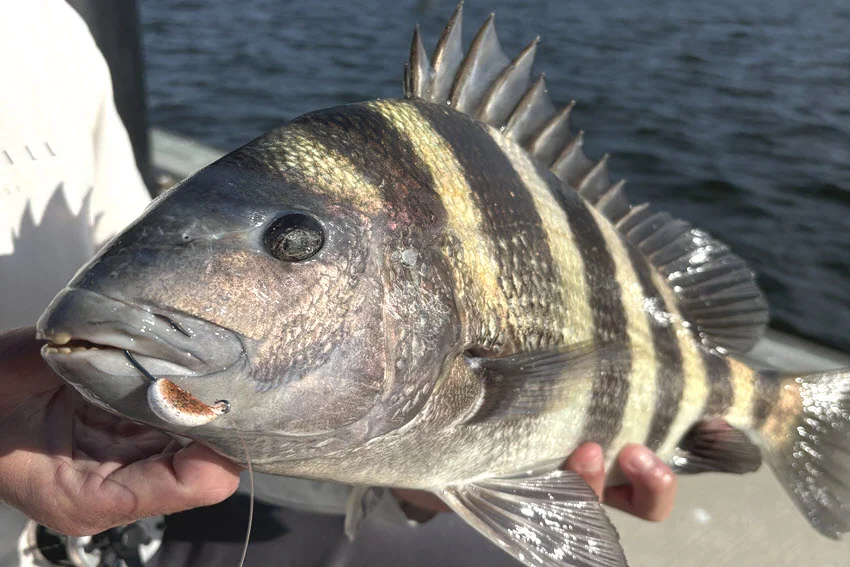
The Sheepshead is one of the most popular inshore targets in Florida. They are known for distinctive black stripes and strong fighting on light tackle. You will usually find them around oyster bars, pilings, jetties, bridges, seawalls, and other hard structures where they feed on crustaceans and small mollusks.
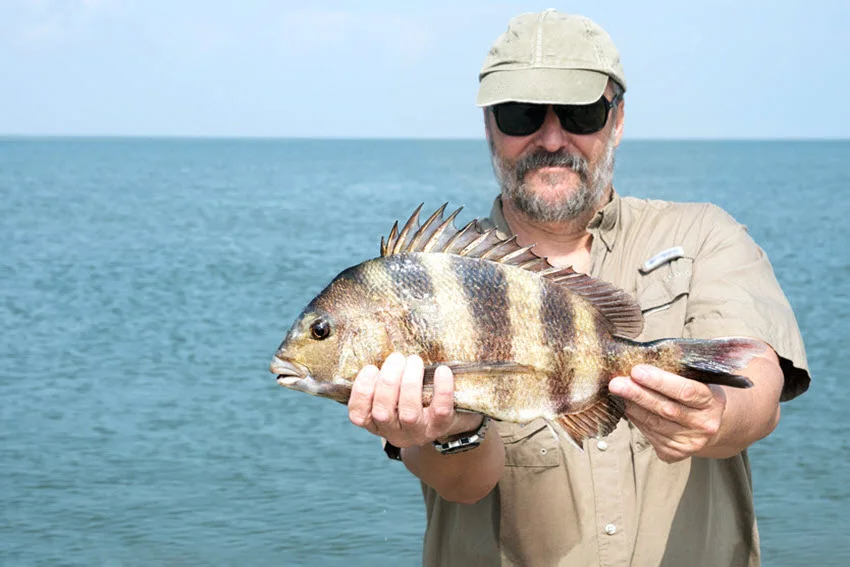
The Florida Fish and Wildlife Conservation Commission (FWC) monitors Sheepshead populations to support sustainable fishing. Understanding regulations, seasonal patterns, and proven fishing strategies is essential for anglers targeting this species. Our goal is to familiarize you with all essential details about the Sheepshead season in Florida.
Florida divides its coastal waters into two central regions: the Atlantic and the Gulf Coast. For Sheepshead, both areas share the same rules. Sheepshead can be harvested year-round, with size and bag limits in place to protect the fishery. Knowing these limits ensures anglers fish legally and responsibly.
On the Atlantic Coast, Sheepshead season is open with no closed periods. Anglers can target and keep them year-round, but must still follow all size and bag limits.
To protect spawning fish, a vessel limit applies during March and April. Each angler may harvest up to 8 Sheepshead per person per day, with a minimum total length of 12 inches. During that period, a vessel limit of 50 fish applies to all recreational anglers combined on the same boat.
Very often, Sheepshead gather in large schools around structures (docks, bridges, seawalls, and nearshore reefs). Responsible harvesting helps ensure the fishery remains strong through summer and fall, making anglers feel part of conservation efforts.
The Gulf Coast follows the exact open dates as the Atlantic. There is no seasonal closure, and the daily bag limit, size limit, and vessel limit remain the same.
From December through April, Gulf Coast anglers enjoy some of the best Sheepshead action of the year. These fish gather around reefs, rock piles, bridge pilings, and nearshore ledges. The cooler water during these months brings larger fish closer to shore.
As spring transitions into summer, Sheepshead begin to spread out into deeper structures. While they remain catchable year-round, fishing slows during the warmer months. More information on how the weather influences the behavior of these fish is provided in the following sections.
Even though the season is technically open year-round, late-winter restrictions help protect spawning groups and ensure healthy populations for future anglers. Following these FWC regulations helps you contribute to a sustainable fishery you can enjoy for years to come.
In addition, keep in mind that regulations can change over time. Always check the latest updates on the FWC website before your trip so you have the most current season dates, size limits, and bag limits. Staying informed helps you fish responsibly and avoid penalties.
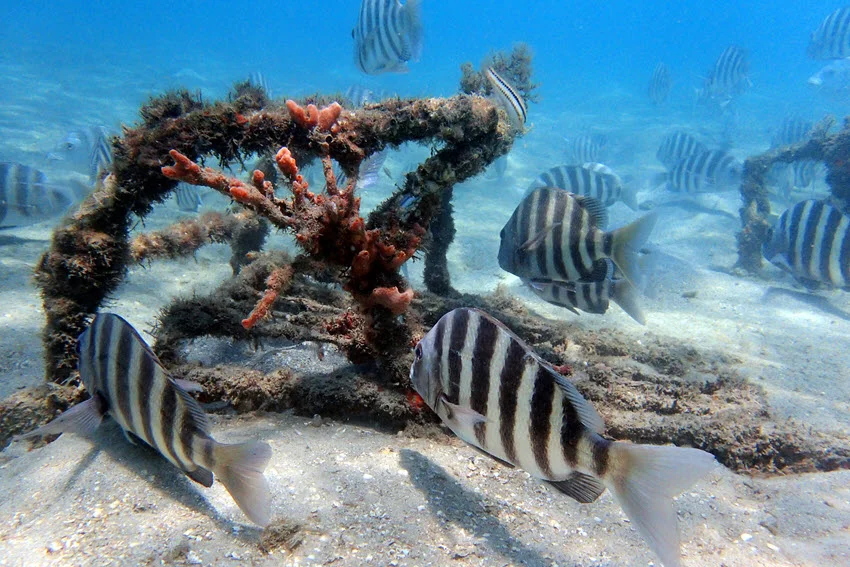
These fish are known for their human-like teeth, which they use to crush barnacles, oysters, and small crabs. They live around hard structures such as docks, bridges, seawalls, jetties, and reefs, as well as in any habitat where crustaceans are found. Recognizing these habitats can help you locate Sheepshead more efficiently.
Sheepshead prefer water temperatures between 65°F and 75°F. During the cooler months (December through April), they move into shallow coastal areas and gather in large schools to spawn. In summer, they spread out across grass flats and nearshore reefs, feeding more actively at high tide.
Their cautious nature means you'll need patience and finesse. They nibble very lightly, so anglers must pay attention to even the slightest tap on the line.
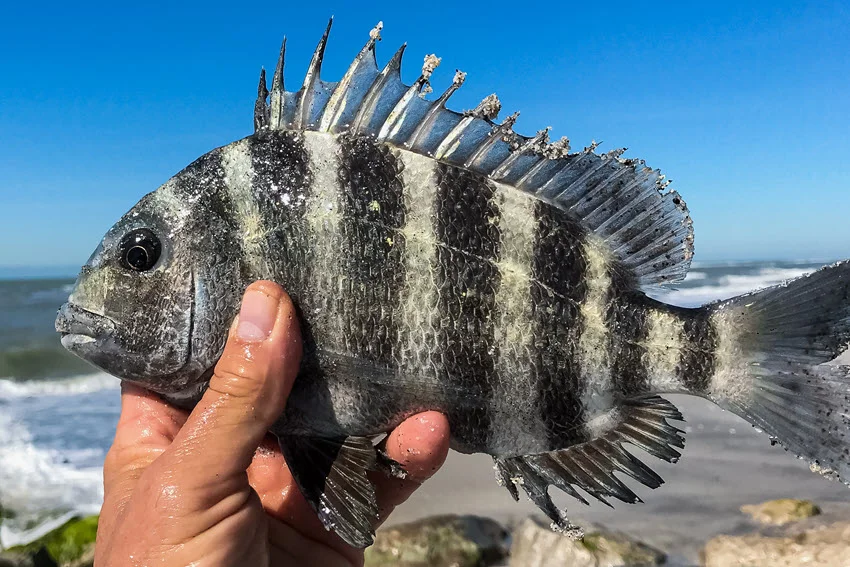
Sheepshead can be caught year-round. The peak bite occurs in February and March.
During summer and fall, they can still be caught, but you'll find them deeper and more scattered. Cooler winter temperatures make them more active in shallow water.
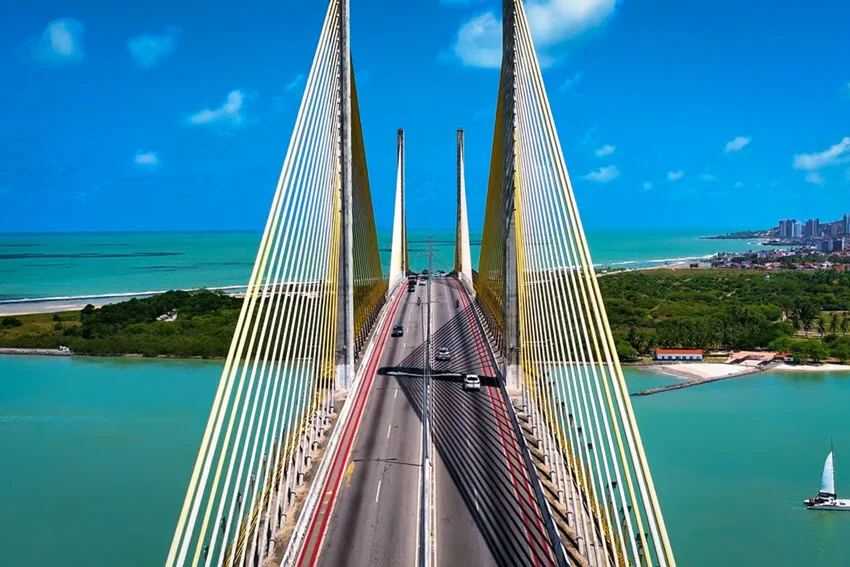
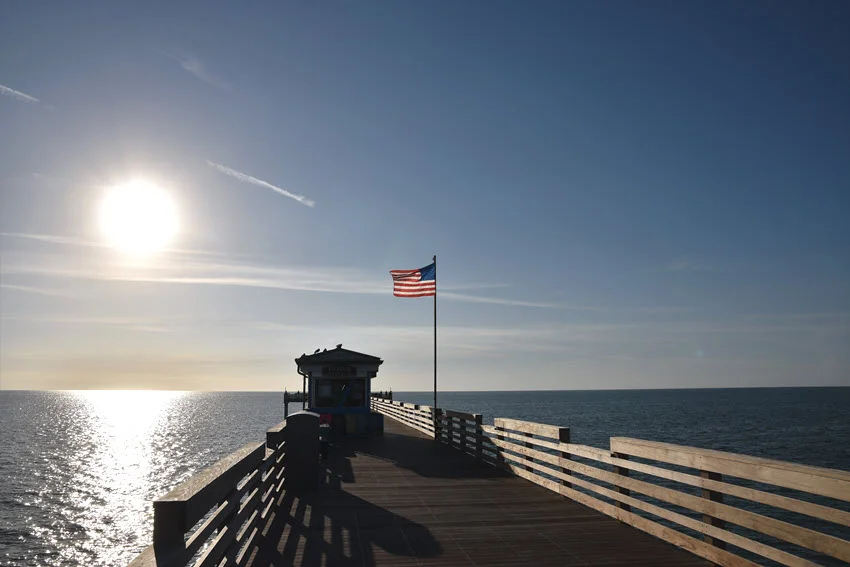
Florida is one of the best places for Sheepshead fishing. Whether you want to fish from a pier, a boat, or the shore, you will find a location that suits your preferences.
For the best fishing experience, plan your trip during the cooler months, when you are most likely to encounter large schools of Sheepshead, making your outing more rewarding and memorable.
To catch Sheepshead consistently, you need the correct tackle. A proper setup increases your chances of feeling subtle bites and landing fish. Here is what you need for a productive trip.
With the recommended tackle and careful technique, you can confidently fish in any of Florida's top Sheepshead spots. Following these tips will reduce fish stress and make your day on the water more productive.
Understanding fishing regulations and preserving specific fish species contributes to protecting fish populations and ecosystems and promoting responsible angling practices.
Anglers Booking Team
Most anglers need a Florida saltwater fishing license, unless they are fishing under a valid charter, vessel, or pier license that covers passengers. Fishing without the proper permit or breaking harvest rules may result in fines and other penalties.
The Sheepshead season is open year-round, but anglers must still follow all harvest rules and regulations established by the FWC. Staying properly licensed keeps you legal. Following FWC regulations protects the Sheepshead population.
When you catch a Sheepshead, be careful to avoid injury. Never squeeze the fish or drop it on hard surfaces, as this can damage its internal organs.
If you want to release your catch, be gentle when you remove the hook and keep the fish in the water as much as possible. Let it swim away on its own. Sheepshead are hardy, but careful handling greatly increases their survival rate.
If you decide to keep a fish within legal limits, store it on ice immediately. Treating the fish and the environment with respect keeps this popular Florida fishery thriving for everyone.
Florida's Sheepshead fishery is one of the most dependable and rewarding inshore experiences you can have. Whether you're fishing under a bridge in Tampa Bay, along a jetty in St. Augustine, or off a pier in Destin, these striped "convicts" always put up a fun and tasty challenge.
By fishing within the rules, using light tackle, and being responsible, you're improving your own success. Additionally, you're helping protect Florida's inshore ecosystem.
Have you ever fished for Sheepshead in Florida? Where did you find the best bite, and what bait worked best for you? Share your experience or favorite fishing tip in the comments below!
Disclaimer: Fishing regulations and open seasons may vary by region and are subject to change. The information in this guide is for general reference only. Learn the latest fishing rules, size limits, and season dates on the official websites of the state or federal government before your trip.

The expert copywriters at Anglers Booking have meticulously crafted this article. Our dedicated team of writers provides valuable insights and information to enhance your angling experience.
June 19, 2026

September 8, 2025
Subscribe to our newsletter and receive a selection of cool articles every week.
Embark on unforgettable fishing adventures with us at Anglers Booking.
book your charter
October 2, 2026
September 8, 2026
August 21, 2026
August 18, 2026
August 15, 2026
August 12, 2026
August 8, 2026
August 4, 2026

You're now part of our exclusive community. Get ready for premium content and updates straight to your inbox.
close
Subscribe to our newsletter and receive a selection of cool articles every week.
Please enter a valid email address.
Be the first to know when we're back in action.
Please enter a valid email address.
Leave a Comment
Your email address will not be published. Required fields are marked *
Thank you for your comment! It has been submitted for review and will appear on the site shortly.