


Anglers Booking Team
The expert copywriters at Anglers Booking have meticulously crafted this article. Our dedicated team of writers provides valuable insights and information to enhance your angling experience.
 14 minutes read
The expansive Florida coast is blessed with so many small and big cities that it is not unusual that some places pass under the radar of general popularity and hype.
Ponce Inlet is one such place, tucked between the attractions of Daytona Beach and New Smyrna Beach, overshadowed by its bustling neighbors, but it's this seeming obliviousness that adds to its allure.

However, it's not just that; Ponce Inlet has a lot to offer; a barrier island surrounded by the Halifax River, the Indian River, and the vast expanse of the Atlantic Ocean, all of which make for an irresistible offering of diverse fishing opportunities! Home to the famous 1,000-foot pier and towering lighthouse of the state's tallest lighthouse, Ponce Inlet is more than just a destination; it's an experience.
So, without further ado, let's dive into the shallows and depths of Ponce Inlet together and let a new fishing adventure happen!
Whatever fish species you remember or associate with Ponce Inlet, what is certain is that a vibrant mix of native and migratory species awaits you here. We'll start with the hosts, the native species, which for centuries have delighted hunters who know how to recognize the subtle value of Ponce Inlet!
There is some beauty in the security of knowing that the species you love most is waiting for you at your favorite angling corner or spot. There are many fish that are native to the waters of Ponce Inlet, with a particular emphasis on Redfish, which thrive here in rich, trophy sizes. So, let's start with Redfish!

Red Pond, Red Drum, or Spot Tail are all names for the same species, a copper-colored fish with a delicate black spot close to the tail! Although it is relatively easy to catch trophy specimens in Ponce Inlet, Redfish size range here is from 18 to 40 inches in length, with some reaching up to 50 inches.
They prefer shallow coastal waters, flats, swamps, and oyster beds, and you can fish both from the shore and a boat using different techniques.
Best Time to Catch: Warmer months, with a particular emphasis on October
Habitat: Shallow coastal waters
Preferred Bait: Mullet, shrimp, crab, spoons, soft plastics and water plugs
Fishing Technique: Casting, jigging
Difficulty: Moderate
Depth: Shallow to moderate
In Ponce Bay, they can be found throughout the year but are primarily active during the warmer months, with a particular emphasis on October. You can easily lure them in with cut mullet, shrimp, crab, or artificial bait such as spoons, soft plastics, and water plugs. Casting and jigging are the most common techniques that best suit the habitat and character of this species.
In addition to the delicious meat, there is something about Redfish that always makes them an attractive catch for many anglers, and they will also be happy to respond with an offensive and vigorous defense.

Due to the arrangement of longitudinal black patterns on the body, Sheepshead is often called "Convict Fish," which somehow fits with this species' intriguing character. Their size is not particularly imposing; they generally range from 12 to 20 inches, although some specimens of more than 30 inches are not uncommon. They swim in various habitats, including jetties, pilings, docks, and submerged structures.
Best Time to Catch: Colder months
Habitat: Jetties, pilings, docks and various submerged structures
Preferred Bait: Crabs and shrimps or sand fleas
Fishing Technique: Casting, live bait, artificial bait fishing
Difficulty: Moderate
Depth: Shallow to moderate
Convict fish are the most active during the colder months, and although they are generally very voracious, you should try to lure them with crabs and shrimps or sand fleas as bait, and of the artificial ones, small baits and soft plastics proved to be the best.
They are also known for skillfully stealing the bait from the hook, which makes anglers even more excited to hunt them. A sensitive stick with a light touch is best to help you feel their subtle touches. Once bitten, the Sheepshead will fight back fiercely, using its powerful jaws and body to resist capture.

Mangrove Snapper is another native species that, in addition to its character, is often pursued due to its tasteful meat. They have a dark olive to reddish-brown body decorated with a series of yellow-gold spots and usually grow 10 to 14 inches long. However, more prominent individuals exceeding 20 inches are not uncommon.
They swim in the waters of Ponce Inlet all year round, with the fact that it is the most active during the warmer months, especially from spring to fall.
Best Time to Catch: Warmer months, especially from spring to fall
Habitat: Mangroves or around reefs, bridges, and pilings
Preferred Bait: Sardines, shrimp and small fish
Fishing Technique: Bottom fishing
Difficulty: Moderate to challenging
Depth: Moderate to deep
Anglers mainly use live bait such as sardines, shrimp, and small fish or cut and artificial bait such as lures and soft plastics. They also use bottom fishing techniques with hooks. They have very sharp vision and are extremely cautious, so they look for a delicate approach and the ultimate deception to end up in your fishing basket.

Flounder is an endlessly lovable species known for its distinctive flat shape and interesting camouflage behavior. They are usually between 12 and 24 inches long, although larger specimens inhabit sandy, muddy bottoms. Their particular specificity is that they contain both eyes on one side of their flattened body, allowing them to camouflage perfectly.
Best Time to Catch: Warmer months
Habitat: Sandy bottom
Preferred Bait: Mud, mullet, and soft plastic artificials
Fishing Technique: Casting, trolling
Difficulty: Moderate to challenging
Depth: Deep
Despite their cute appearance, they are not at all naive, and although not significantly heavy, they hide their superpower in camouflage. They are most abundant during warmer months.
Try your luck with live bait such as mud, mullet, and soft plastic artificials for bait. Flounders are regularly caught using slow trolling and casting techniques. They subtly bite, and even though they are masterful at camouflaging, they require focused observation and quick reflexes from anglers.

The Spanish Mackerel, an elegant, refined species famously prized for its lively tracks and sleek, silvery body, is another favorite native species in Ponce Inlet. Their usual size is between 12 and 20 inches long, although specimens over 30 inches can be found.
They like coastal waters, including reefs, shoals, and channels. They are impressive, with an aerodynamic body, perfectly matched with the sea currents and waves.
Best Time to Catch: Warmer months, spring to fall
Habitat: Coastal waters, including reefs, shoals and channels
Preferred Bait: Small fish, small spoons, plugs or feather baits
Fishing Technique: Trolling
Difficulty: Moderate to challenging
Depth: Moderate
Spanish Mackerel shows increased activity during the warmer months, especially from spring to fall. They adore small fish, so you should include them as baits, adding anchovies and sardines. Anglers catch them by trolling small spoons, plugs, or feather baits. Once they bite, they offer strong resistance and will certainly not leave you indifferent.
Creatures from the open sea and great depths have always inspired anglers and their desire to overcome vicious catches, thus connecting with the primordial fishing tradition. To be aligned with the tradition, we will present to you interesting offshore species that visit the waters of Ponce Inlet during their migratory phase!

Mahi Mahi, heralded by their colorful exterior of shimmering green and yellow hues and robust bodies, these dolphins migrate through Ponce Inlet several times a year, from late winter to late spring, then during the summer and into December.
They are a large species, ranging from 20 to 30 inches long to specimens exceeding 40 inches. Mahi Mahi likes to linger around floating debris and weed lines.
Best Time to Catch: From late winter to late spring, then during the summer and into December
Habitat: Floating debris, weed lines
Preferred Bait: Small fish, squid, crabs, ballyhoo or artificial squid
Fishing Technique: Trolling, casting
Difficulty: Moderate to challenging
Depth: Moderate
As befits an aquatic species, they are greedy and love feeding a diverse diet of smaller fish, squid, and crabs. Traditionally, fishing is mainly trolling with brightly colored lures rigged with ballyhoo or artificial squid or casting and retrieving surface plugs.
Anglers also often hunt for quality meat, and to do this successfully in Ponce Bay, you can use the tactics of scouting for signs of life, such as diving birds, floating remains that often indicate the presence of fish feeding below. Mahi Mahi is a fish with an attractive appearance, fighting, and taste.

Blackfin Tuna is a species perfectly shaped by ocean water and habitat, characterized by speed, strength, and very tasty and valued meat. Their body is sleek and torpedo-shaped, with a blue-black color on the back, which changes to silver-white on the belly, and as a final touch, with yellow fins and a crescent-shaped tail.
They come in various sizes, averaging 20 to 30 inches in length. However, specimens exceeding 40 inches are not uncommon-tunas like swimming, feeding, and hiding around steep outlets, underwater structures, and warm currents.
Best Time to Catch: Warmer months, especially from spring to fall
Habitat: Steep outlets, underwater structures and warm currents
Preferred Bait: Smaller fish, squid and crustaceans, feather baits
Fishing Technique: Trolling, casting
Difficulty: Moderate to challenging
Depth: Moderate
In Ponce Bay, you will encounter Blackfin Tuna during the warmer months, especially from spring to fall, which coincides with their movement along migratory routes. They are selective and feed on smaller fish, squid, and crustaceans.
Anglers use techniques that suit their habitat, mainly trolling with rigged bait, small lures, or feather baits and casting. This type of Tuna is anything but a boring opponent, and in addition to the beauty of the scenery, body, and flesh, they will give you a solid fight and an excellent memory.

Sailfish are one species for which hunting is a window into genuine admiration of nature and its power. Giant acrobats, these migratory fish often weighing over 100 pounds, prefer dark blue waters near steep drop-offs, underwater structures, and current edges.
Their elongated body is decorated in shades of blue and silver, complemented by striking sail-like dorsal fins and a long, slender beak.
Best Time to Catch: From January and October to December
Habitat: Near steep drop-offs, underwater structures, and current edges
Preferred Bait: Smaller fish, squid
Fishing Technique: Trolling
Difficulty: Moderate to challenging
Depth: Moderate to deep
They migrate through these waters from January and October to December. They feed on smaller fish and squid and are caught by trolling with large, brightly colored baits.
Sailfish is a legendary aquatic species that traditionally magnetically lures anglers with its combative appearance. It is a magnificent species, and if you are lucky, you can experience one of those once-in-a-lifetime mythological fishing battles.

Wahoos love deep blue waters and have lightning speed and elusive nature. They loiter along coastal structures, steep drop-offs, and underwater canyons. They have beautiful bodies, attractive blue and silver colors, vertical stripes, and sharp teeth.
Seasonal migrations through Ponce Bay are most pronounced during the warmer months, especially from late spring to late fall, when they follow the Gulf Stream.
Best Time to Catch: Warmer months, especially from late spring to late fall
Habitat: Near steep drop-offs, underwater structures, and current edges
Preferred Bait: Colored lures or rigged bait
Fishing Technique: Trolling, live bait fishing, drifting
Difficulty: Moderate to challenging
Depth: Moderate
Catching them involves high-speed trolling with large, brightly colored lures, rigged bait, or live bait fishing with drifting techniques.
They have the reputation of being a sort of Speedy Gonzales fish species. They can get you out of focus in a fraction of a second. In addition, their sharp teeth combined with an incredible attack make them a very demanding species.

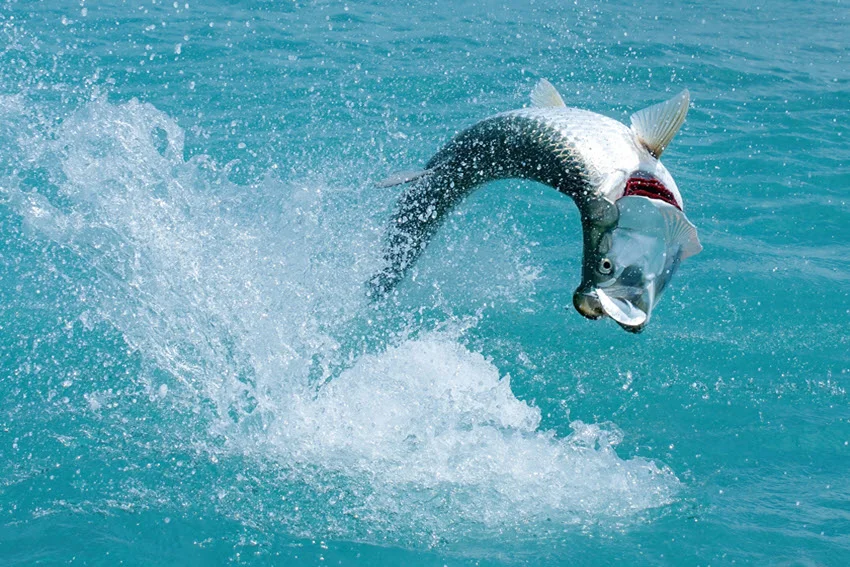
The Atlantic Tarpon is, without significant competition, one of the most fearsome and majestic fish that sail the Atlantic. A cult species that is etched in the collective memory of many anglers.
It can reach weighing more than 200 pounds, making it one of the largest and most feared sport fish. They are one of those species that are hunted for the thrill of the conflict but also to return to the water.
Best Time to Catch: Warmer months, especially from late spring to early fall
Habitat: Shallow coastal waters, estuaries, and canals overgrown with mangroves
Preferred Bait: Mullet, crabs or large shrimp, keels of artificial bait such as swimbaits
Fishing Technique: Casting, fly fishing
Difficulty: Moderate to challenging
Depth: Moderate
In Ponce Bay, Tarpon is most abundant in warmer months, especially from late spring to early fall. They are fond of shallow coastal waters, estuaries, and canals overgrown with mangroves.
Anglers catch them by casting with live bait such as mullet, crabs, or large shrimp, keels of artificial bait such as swimbaits, and fly fishing. These Silver Kings are always the leaders and the ones marked by the epic fishing spectacle.
It is always good to save time and have several prime fishing destinations to consider during a fishing expedition. Here are some of them.

A trademark of sorts in Ponce Inlet fishing, which stretches an impressive 1,000 feet into the Atlantic Ocean. It is a unique and iconic building that has summed up all the wishes and needs of anglers.
It is located in the southern part of the Halifax area, south of Daytona Beach, and is very easily accessible by car via South Atlantic Avenue (A1A). Such a straightforward inflow into the waters of the Atlantic Ocean can only result in encounters with many Atlantic species, including Redfish, Tarpon, and Sheepshead.
Access to the pier is easy; ample parking, toilets, and picnic areas surround it. The location is excellent for casting, live or artificial lure fishing, and fly fishing. The attraction of this place is hard to avoid, so even if you don't fish regularly, it is more than enough to walk and enjoy the view of the ocean.

Lighthouse Point Park is near another iconic site, the historic Ponce Inlet Lighthouse. It is an excellent location for anglers seeking peace and fishing along the scenic Halifax River and Atlantic Ocean. There are many species, and it is always busy and dynamic in these waters, where Spanish Mackerel, Pompano, and Bluefish stand out as superstars.
In addition to fishing, you can also come here for a picnic, making it a welcoming destination for anglers and families. You will have to pay an entrance fee, but in return, you will receive a hospitable and peaceful location from which you can cast or launch a kayak and even drift if you have all the necessary permits.
The Ponce Reserve is an oasis of natural beauty along the tranquil west bank of the Halifax River. The scenic preserve entices visitors with walking trails and well-maintained fishing piers, creating an exceptionally welcoming image for anglers of all ages and skill levels.
The reserve's fishing jetties are strategically positioned along the coast, from where you can easily access habitats known for their wealth of Redfish, Snook, and Mangrove Snapper.
There is also a large parking lot for anglers and marked footpaths that add to the overall charm of the fishing experience. The reserve also allows you to experiment with casting, fly fishing, or bottom fishing techniques. The location is all for the glory of nature and its gods, and fishing here is genuinely an absolute pleasure.

This exciting location has tidal cycles when fertile feeding grounds attract a variety of fish and are a playground for exploration. You can target various species, such as Founder, Black Drum, and Pompano, as these species are magnetically attracted to the shoals that flood to feed on the bait and crustaceans that inhabit the area. You can fish from a boat, drift or wade in the shallows, and cast or sight fishing.
Weather is a critical ingredient in fishing the Ponce Inlet Sandbars. As the tide comes in, bait fish and crabs are carried across the sandbars, attracting hungry fish. Whatever your choice of technique, fishing on these banks is genuinely unique, with the opportunity to experience first-hand the incredible power of the tides.
The famous bridge across the even more famous Halifax River, in addition to its central role, also serves as a popular fishing destination, accessible to shore and boat anglers. Sheepshead, Black Drum, and Redfish are mainly caught from here. These species have a hotspot for bridge piers and underwater structures, which provide them with habitat and food and allow them to seek refuge from strong currents.
All that watery expanse that stretches out before you is truly seductive and is one of the must-experience locations in Ponce Inlet. Anglers from here mostly use the casting technique from a bridge or an anchored boat. It is an excellent location for those who have just become infected with the magic of fishing.
Of all the techniques that can be applied in Ponce Inlet, it seems that casting and all its variations are the most prevalent but not the only one! Read more about the most popular fishing techniques loved by anglers in Ponce Inlet.

There is something in casting, some oblique fishing basics that, from the very beginning until today, connect the history of fishing with thin threads. And in Ponce Inlet, this is a widespread technique that fits somewhat retro into the overall ambiance of Ponce Inlet, its piers and bridges, but also boats.
Throughout history, it has involved delivering baits to targeted areas where fish are likely to hide. In Ponce Bay, these are mainly Redfish, Snook, and Sheepshead, among others.
Rods are mainly used to spin or throw baits when casting, and the rod is chosen based on the size of the bait and the target species. Spinning rods are popular due to their ease of use and versatility. They are great for beginners and those who only fish occasionally.
If you want a slightly higher level of casting, there are baitcasting rods, which offer more precision and control and are ideal for casting around tight spaces. Casting is one of those techniques that can be learned and improved constantly. In the foreground are the focus, a steady hand, movement control, and strength.

As its name suggests, bottom fishing is a technique used to lure fish species living on or at the bottom. In Ponce Bay, bottom fishing is popular because there are many easily accessible areas and habitats where you can bottom fish and target species such as Flounder, Black Drum, or Sheepshead, which are typical near-bottom feeders. Likewise, the technique is excellent for Baitfish that stay around underwater structures such as reefs, bridges, and piers.
They mostly use strong rods equipped with strong reels that can withstand the weight of the line, pressure, and fish. Baits such as shrimp, mullet, or squid are mainly used. As with most techniques, the key is in the quality presentation of the bait, i.e., a top-notch fishing trick.

If any technique is synonymous with fishing dynamism, then it is trolling. It combines quickness and steady positioning, is practical, and covers large water areas. Trolling involves bait presentation, while rods and bait are fixed on the boat's back while in motion.
It is primarily used to target predatory fish such as Mahi Mahi, Wahoo, and Kingfish in the coastal waters of Ponce Bay. Trolling pulls bait or lures behind a moving boat, attracting predatory fish strikes.
Fish intended for sale due to tasty meat are often caught this way because the technique is very effective and comprehensive. It allows reaching various depths within the water column and catching many specimens in one go.
Accessories such as a combination of sinkers, planning boards, or diving devices are often used to effectively target fish held at different depths or even monitor temperature changes. The choice of boat and bait is also essential, as is adjusting the speed.

This technique has a cheerful name, and indeed, there is some truth in that. Jigging is set up at various levels and depths to attract species inhabiting underwater structures. Since Ponce Inlet has a lot of these structures, the technique is quite popular. It comes down to imitation, or the ability of anglers to transmit erratic movements to the bait or bait, imitating the natural behavior of the prey.
If he does this successfully, the fish will bite. In the waters around Ponce Bay, jigging has proven very effective for catching Amberjack, Snapper and Grouper. You can target many other species, and depending on whether you catch heavier or lighter fish, you can also choose the strength of the jigging rods. Most specialized jigging rods are equipped with high-quality reels and braided solid lines.
Jigging spins somewhere in between requires skill, finesse, and persistence, as anglers must master maintaining control over the jig. They often use sonar or fish finders to locate fish and adjust tactics accordingly.

Many see fly fishing as a fantastic technique that adds a unique dimension to fishing. It can be mystical, although it is straightforward and natural. The method involves using specialized fly rods, reels, and weighted flies that accurately and finely present to jellyfish, most commonly species such as Redfish, Trout, and Snook in shallow waters.
In Ponce Bay, thanks to the generosity of nature, anglers have a significant number of locations and the opportunity to connect with nature and test their skills through this technique. Many piers and shores, marshes, winding waterways, and pristine flats are the perfect opportunity and a pleasant backdrop for fly fishing.
If you're a fan of this technique, you can wade or pole through shallow water, scanning the surface for signs of feeding fish. Equipment usually includes lightweight fly rods and lines, which allow anglers to present their flies delicately.
Similar to casting, it is a technique that can be perfected for a lifetime and is usually practiced by those who love the process and do not catch fish en masse or solely for meat.

Understanding fishing regulations in an area is crucial for protecting fish populations and ecosystems and promoting responsible angling practices.
Anglers Booking Team
To fish comfortably, legally and happily in Ponce Bay, you must follow the fishing regulations established by the Florida Fish and Wildlife Conservation Commission (FWC). These regulations ensure the sustainability of marine resources and the protection of all fish species.
All anglers over the age of 16 who plan to fish Ponce Inlet must possess a valid Florida fishing license. It can be obtained relatively easily online or from authorized sellers. Such permits are necessary regardless of which technique you apply and whether you fish from the shore, boats, or other vessels.
Fishing regulations often include size and bag limits for different species, gear limits, and rules for protected species. Also, you must be familiar with any marine protected areas or fisheries management zones within Ponce Bay, which may have special regulations.
Adherence to these regulations is of immeasurable importance to the preservation of the diverse marine ecosystems and fish species in Ponce Bay.
If you're one of those people for whom popularity and general hype don't mean you'll like and tune with the location, you might want to give Ponce Inlet a try. There is a decent amount of noise, even more peace, and more than enough fishing spots, oceans, and depths to make you a lucky angler.
If you decide to go and try your luck here, use this guide as the ultimate advisor and compass to help you experience the best fishing, saving you time and unnecessary annoyance!
In the meantime, especially during fishing and when you come back, write to us in the comments about everything that happened to you, what you caught, what you missed, and whether you discovered a new location or maybe even a fish species! We can't wait to hear your experiences! Happy fishing!

The expert copywriters at Anglers Booking have meticulously crafted this article. Our dedicated team of writers provides valuable insights and information to enhance your angling experience.

April 2, 2025
February 21, 2026
Subscribe to our newsletter and receive a selection of cool articles every week.
Embark on unforgettable fishing adventures with us at Anglers Booking.
book your charter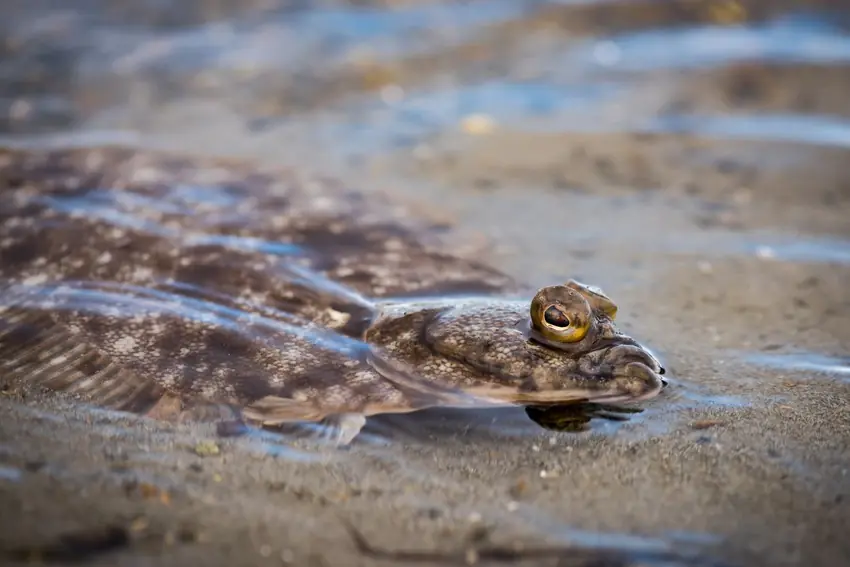
October 2, 2026
September 8, 2026
August 21, 2026
August 18, 2026
August 15, 2026
August 12, 2026
August 8, 2026
August 4, 2026

You're now part of our exclusive community. Get ready for premium content and updates straight to your inbox.
close
Subscribe to our newsletter and receive a selection of cool articles every week.
Please enter a valid email address.
Be the first to know when we're back in action.
Please enter a valid email address.
Leave a Comment
Your email address will not be published. Required fields are marked *
Thank you for your comment! It has been submitted for review and will appear on the site shortly.