


Anglers Booking Team
The expert copywriters at Anglers Booking have meticulously crafted this article. Our dedicated team of writers provides valuable insights and information to enhance your angling experience.
 12 minutes read
While New Orleans is renowned for its music, diverse culture, and culinary delights, its best-kept secret lies in its waters. The city offers a unique blend of urban charm and untamed wilderness, making it a perfect destination for fishing enthusiasts. New Orleans has everything from serene channels to expansive waters teeming with big catches.

Of the record, New Orleans is considered the capital of Spotted Seatrout fishing. Redfish and many other species in New Orleans offer one of the most exciting fishing destinations in the South.
So grab your rods, ready, because this guide will walk you through everything you need to know to get started and ensure the ultimate fishing experience in the heart of NOLA. Get ready for an adventure as relaxed and lively as the city!
Whether you're a fan of local favorites or exotic migratory species, New Orleans's waters are never short of a catch. This rich diversity makes fishing in New Orleans complex and relaxing, offering something for every angler.
The abundance of fish in the waters of New Orleans has never been in doubt. Everyone can always find something to bite into, whether they are local favorites or migratory exotic species. Every day offers a new adventure for anglers, especially those with a taste for variety and a knack for finding action.
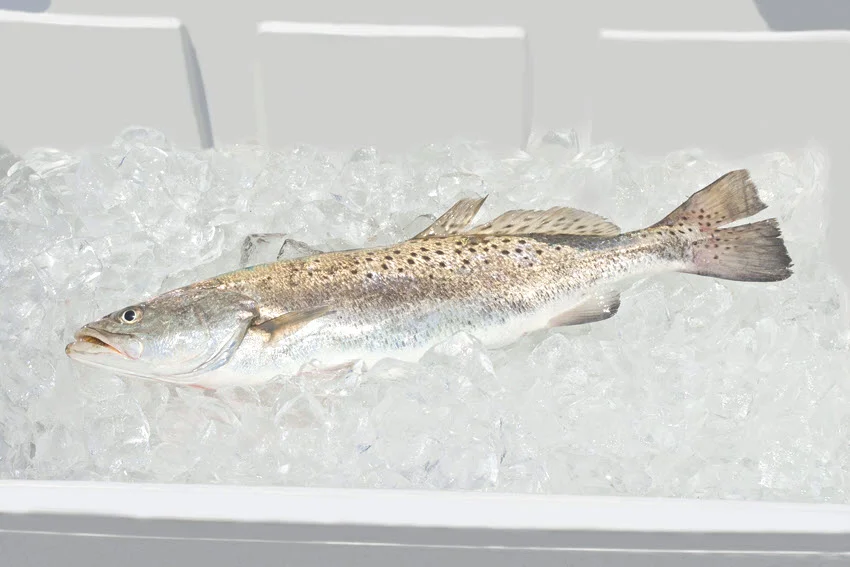
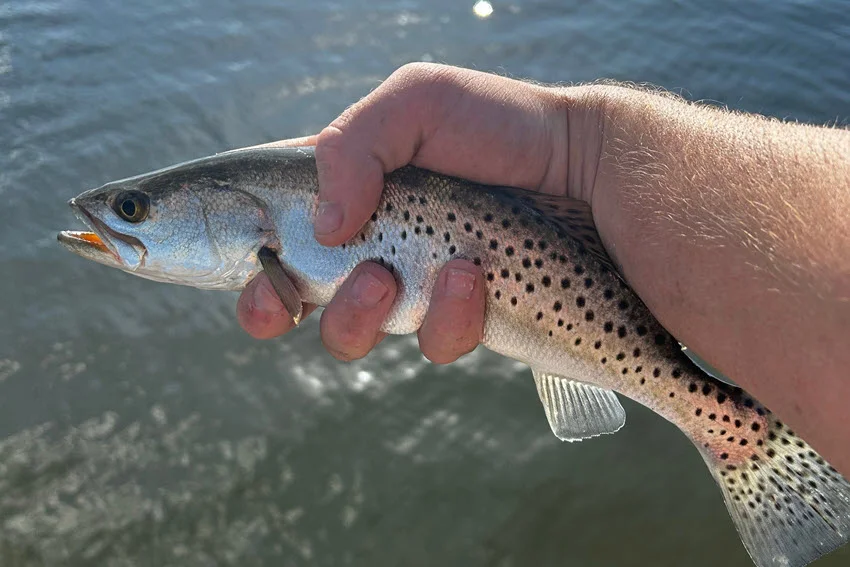
With its elegant, silvery body and recognizable black spots, the Speckled Seatrout or Speckled Trout is a thrilling catch in New Orleans. Similarly, the Redfish, with its copper body and characteristic black spots near the tail, is a trademark of inshore fishing in New Orleans. These species, abundant in shallow estuaries and grass flats, offer an exciting and lively fishing experience.
In New Orleans, specimens can grow up to 30 inches and weigh about 7 pounds, although some can be larger. They are often hooked using live shrimp or soft plastics that mimic small baitfish. They are available throughout the year, although spring and fall are the ideal times for fishing for these beauties, while the colder months offer the best opportunity to land larger specimens.
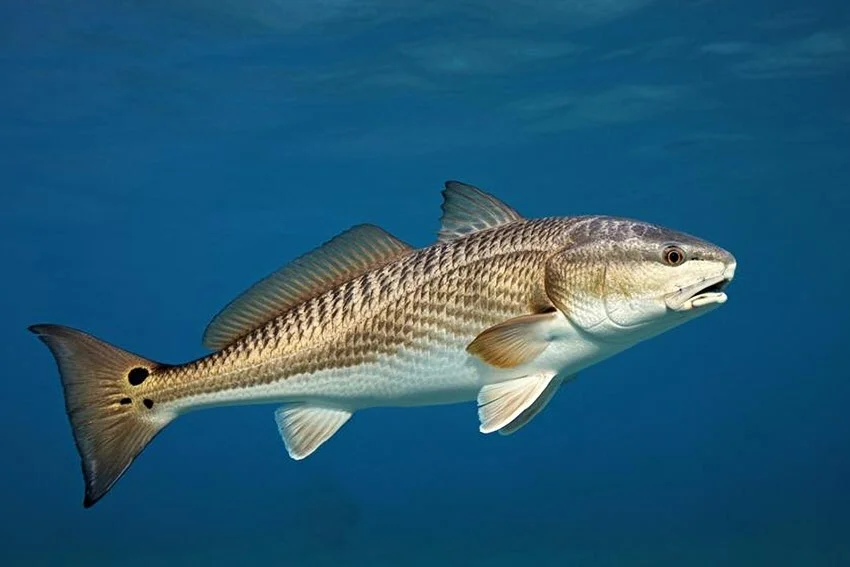
Redfish or Red Drum is also a trademark of inshore fishing in New Orleans. If you are an active angler, you will find it hard to miss the recognizable copper bodies and characteristic black spots near the tail. They wander in shallow swamps and bays, and their prime season is during the fall.
Redfish typically grow to 40 inches and weigh over 30 pounds. They are usually hooked with live bait such as shrimp or crabs, although artificial bait is also effective, especially those that imitate baitfish. Casting and spinning techniques with medium to heavy tackle are most commonly used. Known for their tenacity and fighting spirit, catching redfish requires a good understanding of their behavior.
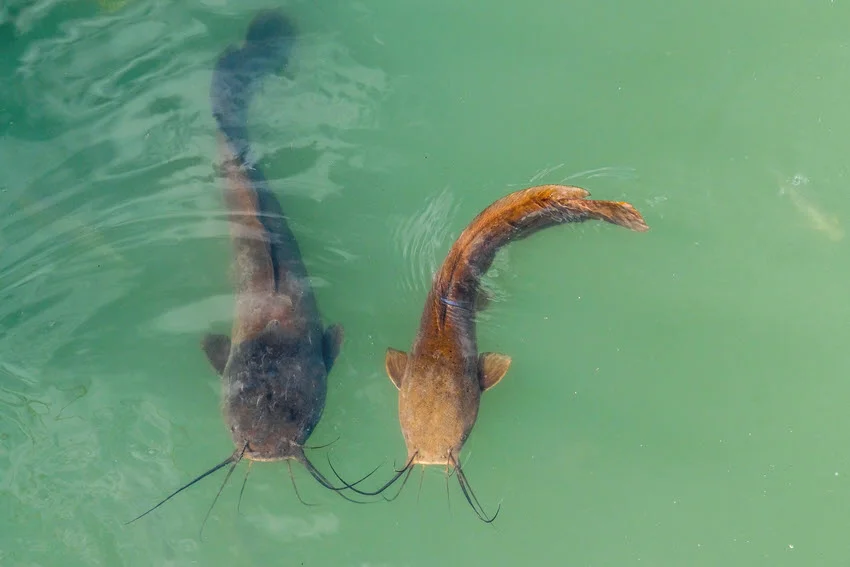
Catfish are the dominant species in the freshwater and brackish waters of New Orleans. With their distinctive barbels (whiskers) and strong builds, these bottom dwellers are robust and heavy. They have a big appetite and are often found searching riverbeds and bays. The best time to catch them is spring and summer because that's when they are the least cautious.
Depending on the species and the type of water it swims in, a Catfish can grow to an average of 30 inches and weigh over 20 pounds. They are big gourmands and will not resist an offer of strong, smelly baits such as worms, chicken liver, or cut bait. Considering they are heavy, it is best to catch them by bottom fishing with heavy equipment.

With their serpentine, long bodies and sharp teeth, Garfish present a unique and somewhat mysterious catch in New Orleans' diverse waterscape. Their emerald green color and distinctive armor-like scales make them stand out, adding a touch of exotic flair to your fishing experience.
Garfish can reach lengths up to 36 inches, display a fascinating array of greenish hues, and look striking in water. To lure them on the hook, it is best to use live fish bait or small bait that imitates their natural prey, with the help of trolling or casting with light tackle. Known for their sharp teeth and quick reaction, catching them requires patience and a sharp eye.
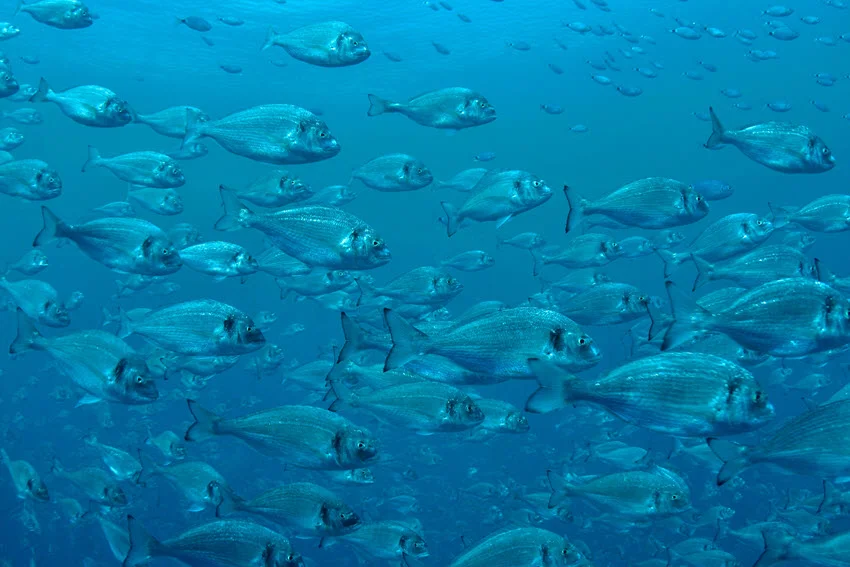
Breams are an excellent, modest catch in New Orleans waters, but size and appearance can always trick you. Offering both excitement and accessibility for anglers of all skill levels, these marine native fish, which include various species such as Bluegill and Sunfish, are known for their striking colors and aggressive eating habits.
Bream can grow to 8-12 inches and create a fun and solid fight for their size. The easiest way to lure them is with live bait such as worms, crickets, or small jigs that mimic their natural prey. Spring and summer are the best times to fish for Bream. Their large numbers and willingness to bite make this species an enjoyable and affordable option, perfect for a leisurely day on the water.
Besides a solid offering of respected native fish, New Orleans is a hotspot for migratory species that pass through its waters according to their seasonality. They bring variety, excitement, new opportunities, and often vicious fishing action. Let's meet some of them.
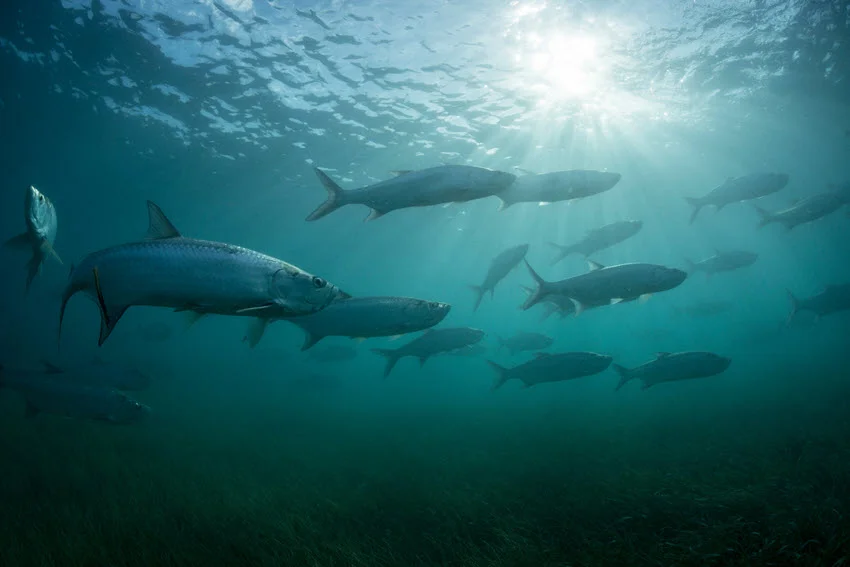
It is tough to miss Tarpon anywhere along the Gulf, and why would you? The famous "Silver King" is one of the most famous migratory fish in New Orleans, and by default, they attract a lot of attention. Tarpon is a massive fish known for acrobatic leaps and raw strength. With their shimmering silver scales and commanding presence, they also provide a visual spectacle in coastal waters.
Tarpons can reach lengths of up to 7 feet and weigh over 150 pounds. They are often caught by live bait such as mullet or crayfish, using heavy tackle to manage their power better. The prime migration time through these waters is from late spring to summer. They are known to be tricky when caught, so prepare for explosive jumps and long runs that will test your skills and stamina.
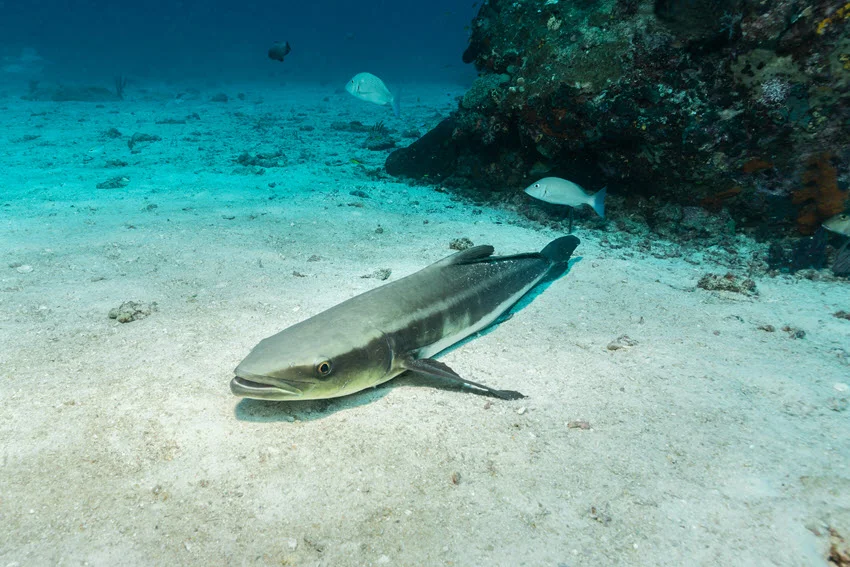
Cobia, or "Ling" or "Lemonfish," is another much-loved and sought-after migratory species. These are strong fish known for their curious nature and ruthless appearance, similar to a shark. However, they will very gladly and often swim to boats. With their elongated bodies and dark stripes, cobia are also visually striking, and you'll easily spot them lurking around offshore structures, reefs, and buoys.
It can grow up to 6 feet and weigh over 80 pounds on average. You can catch fish using techniques such as trolling, bottom fishing, and sight fishing using live bait such as eels and crabs. Late spring to early fall is the best season to catch Cobia as they migrate through the area. They put up a tough, tenacious fight when hooked, but they're also some of the best table fare in these waters.
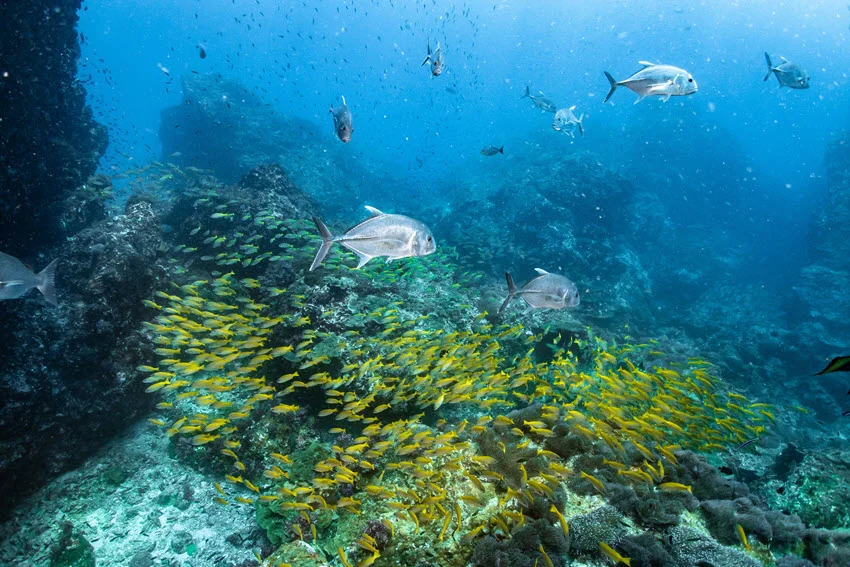
Jack Crevalle, or simply "Jacks," are real brawlers and boxers in the waters of New Orleans. Known for their relentless fight and aggressive strikes, these fish are not shy about testing your gear. Powerful with torpedo-shaped bodies and distinctive yellow tail fins, they may not be the tastiest catch, but they more than make up for it with sheer brute strength and exhilarating running.
In New Orleans, Jack Crevalle can be up to 30 pounds, and we often find them in large schools near the inlets and coastal waters, working their way through the baitfish and causing mayhem. Throwing a topwater or live bait into these swings usually results in an instant hookup, followed by a screaming run. These vicious fish are known for their endurance, giving you an intense workout from start to finish.
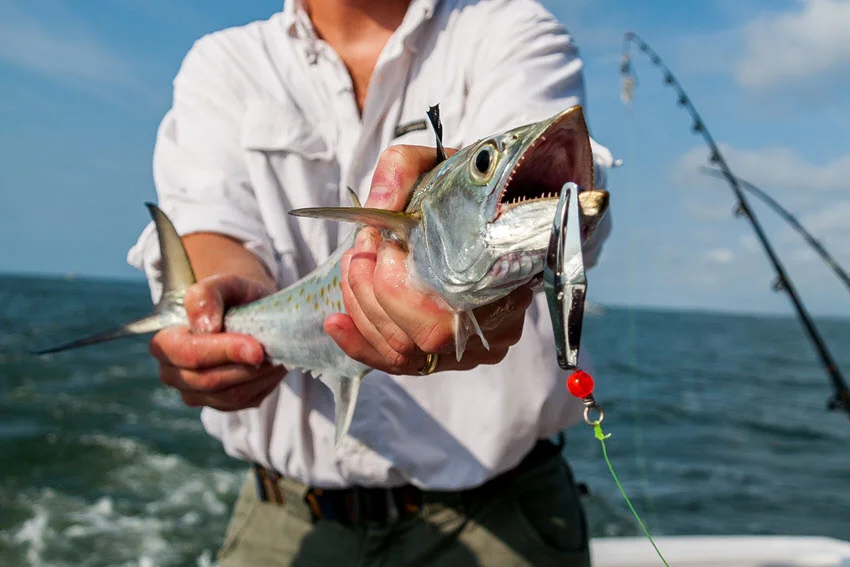
Spanish Mackerel is the epitome of speed, flash, and ferocity in the waters around New Orleans. This species is known for its fast swimming, silvery bodies dotted with bright yellow spots, aggressive strikes, and razor-sharp teeth. During periods of migration, you will find it lurking in coastal waters, passes, and around reefs.
Spanish Mackerel can reach up to 3 feet and is usually found in schools. They are mainly caught using flash or small lures, trolling techniques, and casting with light tackle. In the waters of New Orleans, their season is from late spring to summer. Their fast, high-energy runs make them a real hit, while their tender, flavorful meat is perfect for grilling.
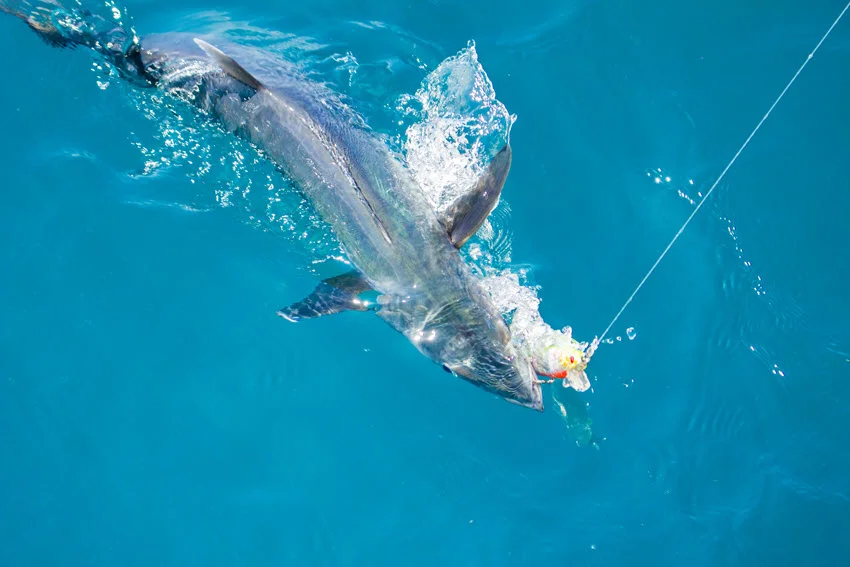
King Mackerel, or "Kings," are the more challenging and meaner relatives of the Spanish Mackerel. The King Mackerel has stripes that run along its sides, without dots. These fish are speedy and attack relentlessly. They bring with them the clarity and rawness of deeper waters and will test you to the limit.
King Mackerel can grow over 5 feet and weigh up to 50 pounds. They swim primarily near offshore structures such as wrecks and reefs, where they hunt in schools. Trolling with live bait or large diving plugs is the primary technique for targeting these rapids. From late spring to fall is the best time to visit because that's when they migrate along the coast.
New Orleans is unique in many ways; every corner of this city is a story. It is the same with top fishing locations. Whether you want coastal or deep water activities, this city offers a variety of fishing spots that will meet your angling skills.
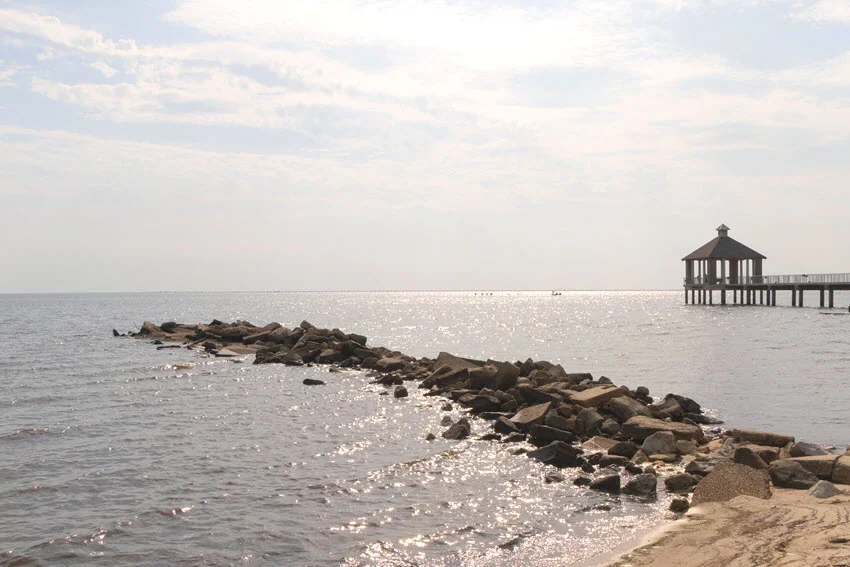
Lake Pontchartrain is just a massive brackish lake, but it also has a dimension: It's a hot spot for coastal action. It is a place where salt and freshwater mix, and those water types are always fruitful in terms of fish so that you will find Speckled Trout, Redfish, and Flounder here.
Underwater piers, bridges, and levees that span the lake serve as feeding grounds for trophy-sized fish, making them perfect ambush sites. You can cast from the shore, launch a boat, or kayak – whatever you choose, you will be in a prime area. As a great way to end a successful day of fishing, you can stop for a late lunch in the French Quarter.
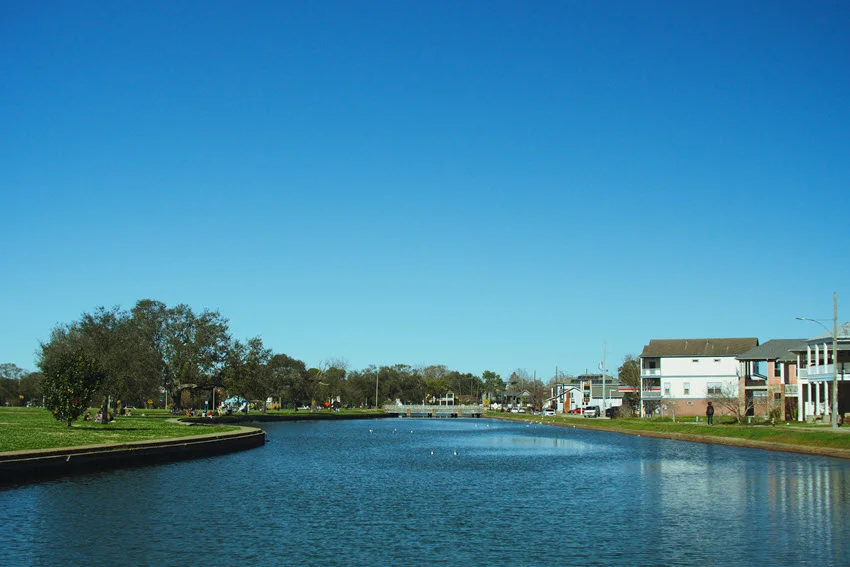
It is located in the heart of New Orleans. Bayou St. John is where city life meets easy fishing and is the true everyday embodiment of the Big Easy style. This historic waterway is all about convenience without sacrificing your catch. There are Bass, Catfish, and the occasional Redfish lurking in these calm waters, perfect for a quick fishing getaway.
The location is discreet, maybe modest for some, but don't be fooled; enjoyment is guaranteed! Whether you're casting from a kayak, paddleboard, or shore, Bayou St. John provides a tame, urban fishing atmosphere with solid catch results.

Rigolets are where the idea of a bigger, more severe catch becomes real. This narrow waterway is the lifeline connecting Lake Pontchartrain to the Gulf of Mexico and is a fish highway. Strong currents, tidal movements, and deep water make it a magnet for Speckled Trout, Kingfish, and even Tarpon when the conditions are right.
A mixture of salt and fresh water creates ideal feeding zones, so fish constantly bite. It can be challenging sometimes, but when you nail something, it's worth fighting for. Timing your trips with the tide is critical to turning those bites into dates.
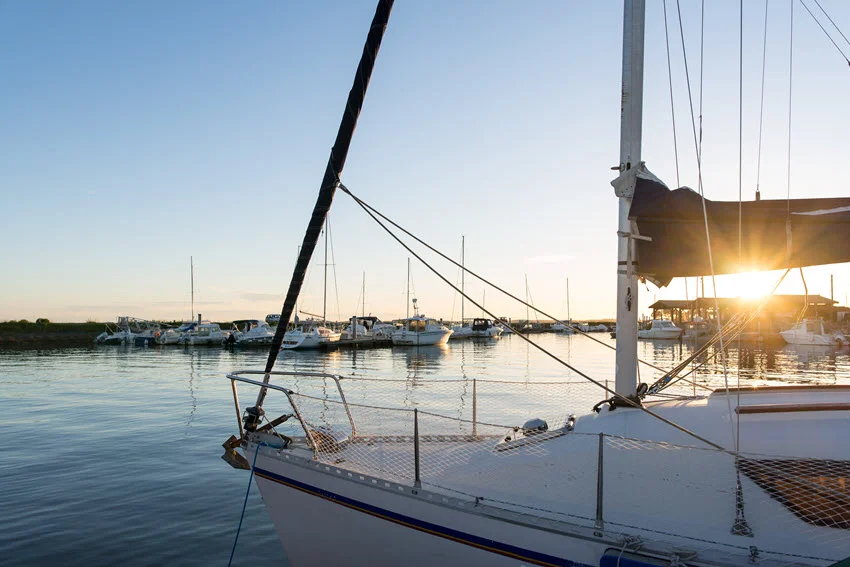
When anglers with extra miles in their fishing lines talk about offshore fishing in Louisiana, Venice is the place that dominates the conversation. Just a short drive from New Orleans, Venice is the starting point for some of the Gulf's most legendary fishing. With some luck, you can catch Yellowfin Tuna, Snapper, or even Marlin here.
But that's not all. You will find Redfish or Trout lurking if you go deeper, towards the passes and swamps. This place brings good luck. It's raw, remote, and all about big catches and unforgettable battles. Venice is the starting point if you are serious about filling your fridge and recording fresh and unforgettable fishing adventures.
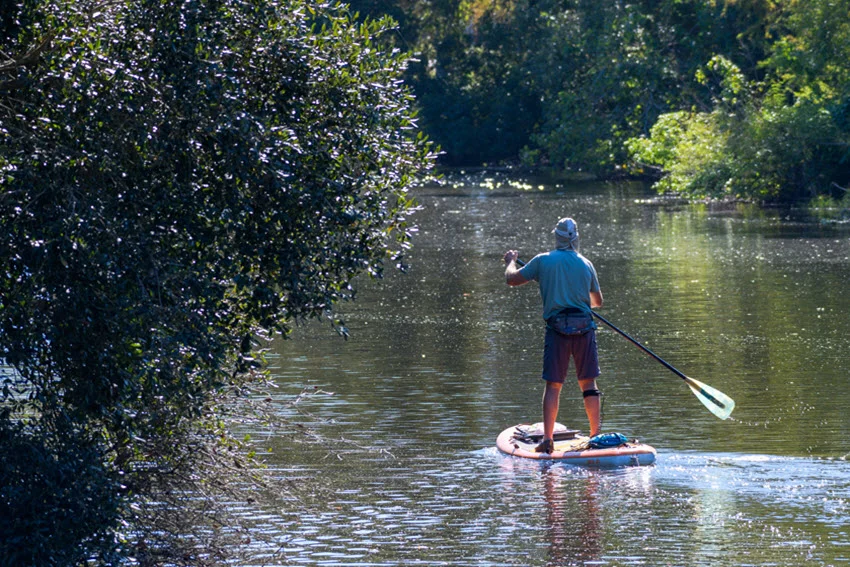
If the focus of your search is for relaxed and, on the fishing side, profitable fishing locations, then check out City Park Lagoons. An urban yet peaceful oasis, it hides Sea Bass, Bream, and Catfish waiting for a well-placed bait.
Whether you're a seasoned pro or just starting, you'll find easy access and a steady bite without leaving town. And don't underestimate these lagoons – they are regularly stocked, and the fish can strike a surprising fight. Ideal location: If you are in the mood for a relaxed afternoon surrounded by greenery, the lagoons are your choice, where the only competition is the ducks.
Whether you're chasing trophies, pelagic fish, or just enjoying the thrill of any catch, the near and far waters of New Orleans cater to just about any style imaginable. Below, find more details on the five deep fishing methods that dominate the New Orleans fishing scene.
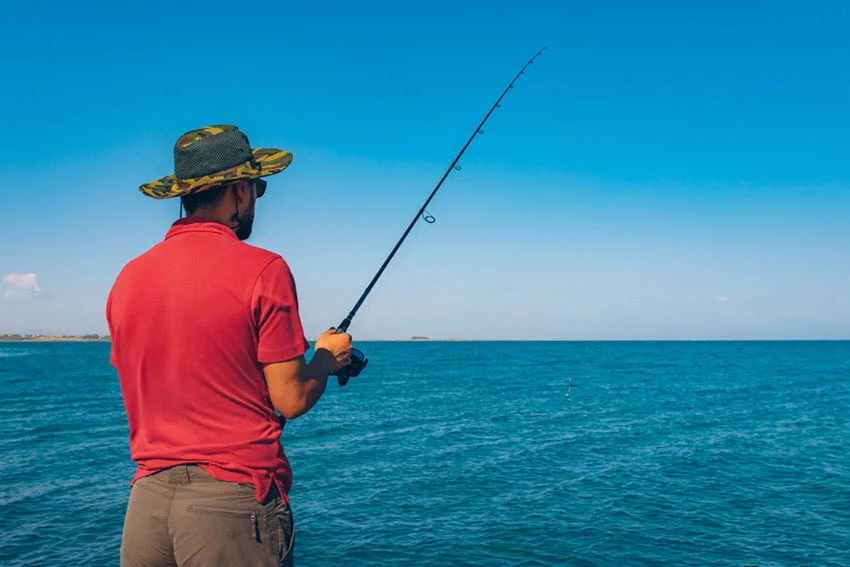
This technique goes best with the overall charm and vibe of New Orleans. The abundance of marshes, bays, and lakes invites you to cast in the coastal waters. Catch possibilities are more than solid, so you can hunt Redfish, Speckled Trout, and Flounder. Casting is an essential fishing technique that can be as complicated or simple as your fishing skills allow.
You can combine it with soft plastic or live bait, casting towards structures, grass lines, or oyster beds. The trick is knowing when to move, reel, or pause the line, which requires you to take care of the location and the usual behavior of the fish you are targeting. Casting is a hands-on, active approach that rewards skill and persistence, perfect for those who like to be involved in every role.
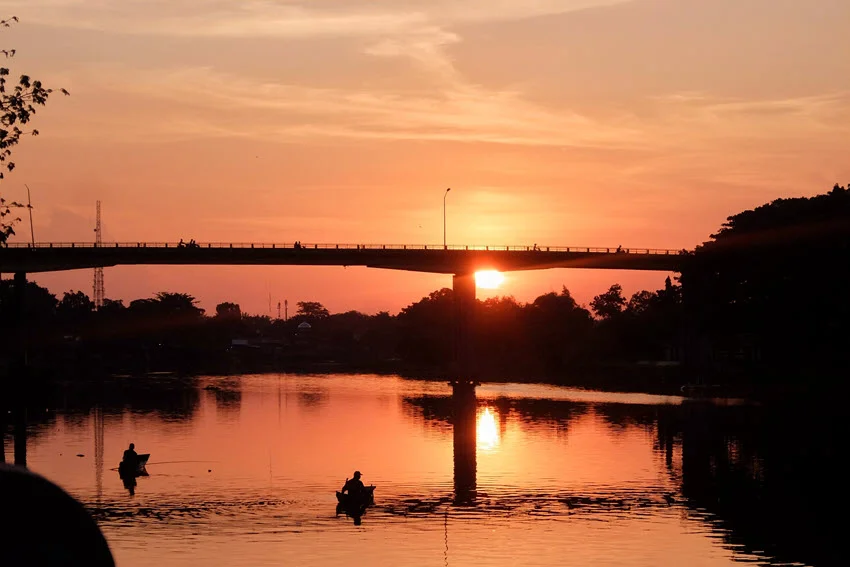
If you decide to fish the vast expanse of Lake Pontchartrain or the passes, the drifting technique is probably the most common. Therefore, you will see many boats bobbing almost imperceptibly in the water. As the name suggests, with drifting, you let the current do most of the work while your bait or lure floats naturally with the drift.
This technique is perfect for covering large areas without constantly moving the vessel, although sometimes you must do it to improve the presentation. Floating along tidal currents or deep channels allows you to encounter everything from Speckled Trout to Sheepshead. It is a simple, relaxed, and effective technique applicable to almost all calmer water surfaces and perfectly combines a strategic approach and relaxation.
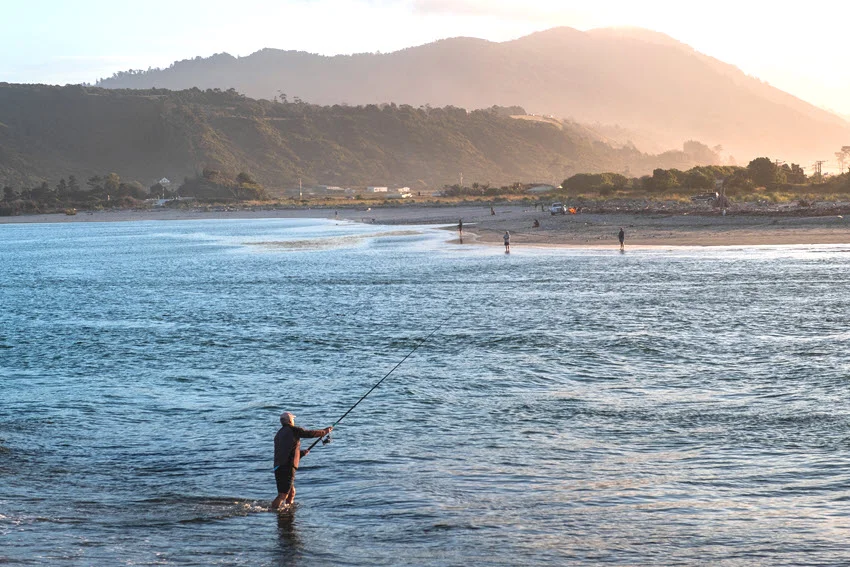
Sight fishing is always attractive, and sometimes, it even successfully masks how complex this technique is. Applied in shallow marshes and flats, sight fishing offers a unique thrill for anglers with sharp eyes and steady hands. While walking or floating in a kayak, you rely on visual cues – spotting the fish before casting.
Once you spot it, you have to be even more careful and quiet, avoiding startling or frightening it away. It is used in shallow waters, and the main targets are the main stars of the coast, such as Redfish, Snook, and Trout. It's all about stealth, precision, and creating a perfectly precise cast. For those who love the challenge and art of hunting and ambushing, sight fishing in New Orleans can be the ultimate experience.
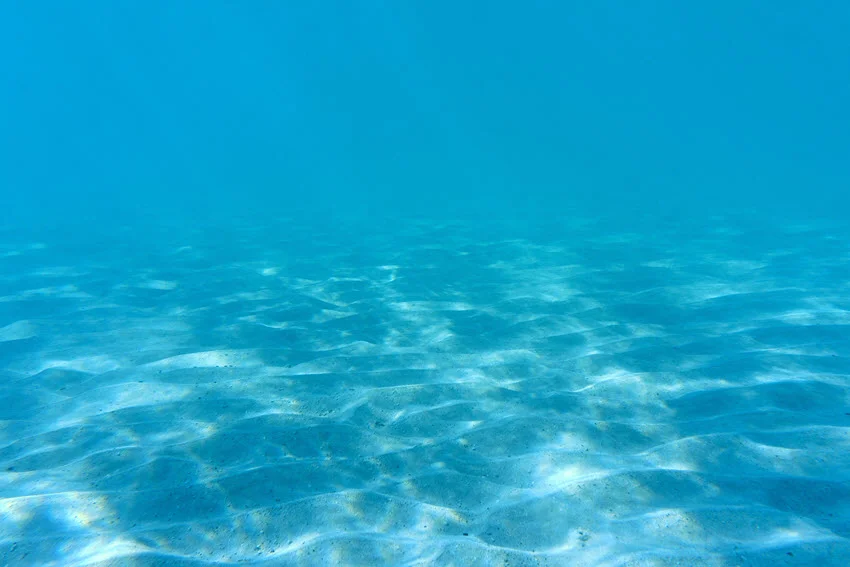
Bottom fishing is also a versatile technique for targeting bottom-dwelling species, such as Catfish, Drum and Sheepshead, found on various underwater structures. It means that, with the help of weights, you lower live or artificial bait to the desired depth and wait for a bite – simple.
It is a classic technique that can be adapted to various areas and practiced from the shore, boat, or kayak. It requires little maintenance and is excellent for beginners and experienced anglers who enjoy the steady rhythm of waiting and reeling. Arm yourself with patience; when that rod starts to bend, you'll know it was worth the wait.
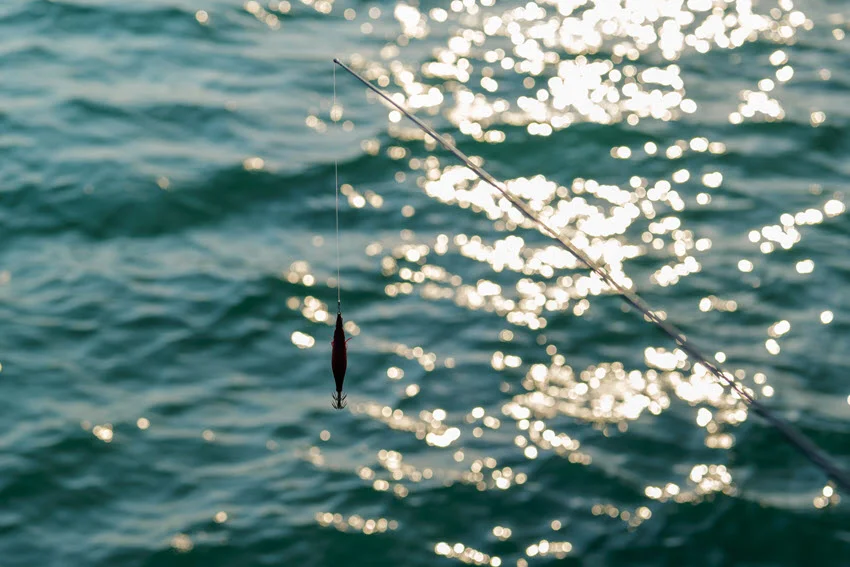
The best places to jig in New Orleans are the deeper passes and offshore near the Rigolets. Jigging relies on a heavy metal jig or soft plastic worked vertically, mimicking a wounded baitfish by rapidly moving the bait up and down.
In this way, a real little show is created, and ribs such as Redfish, Trout, and even Tarpon, which are visually sensitive, will attack and bite. Jigging is the art of synchronizing time and feel; it is a highly active, high-intensity method that requires finesse and quick reflexes, rewarding those in tune with every move underwater.

Understanding fishing regulations in an area is crucial for protecting fish populations and ecosystems and promoting responsible angling practices.
Anglers Booking Team
Understanding and following local fishing regulations in New Orleans keeps you within the law and contributes significantly to the preservation of the ecosystem. To ensure a more enjoyable and responsible fishing experience in these beautiful waters, the first step is to obtain a valid Louisiana fishing license, required for all anglers 18 and older, which can be purchased online.
Along with your permit, staying current on announcements and reports from the Louisiana Department of Wildlife and Fisheries (LDWF) is essential. These updates cover regulations such as daily baggage limits, minimum size requirements by species, and specific equipment restrictions. Also, watch for seasonal closures and restricted zones, which can change frequently.
Whether you take fishing very seriously and stoically or are right in line with the motto of living in New Orleans and seeing it all as one big game, for both approaches, you will find a place in New Orleans. Because that's all part of the charm of this city, to accept you as you are. You can chase reds in marshes or jig in deeper water, but remember – part of being a real angler is playing by the rules and keeping it sustainable.
Do you have a fishing experience in these waters, a story, or evidence of fun and catches? Feel free to praise us in the comment section, and of course, if you have questions and suggestions, leave them in the comments! We will be happy to read them and try to meet you! In the meantime, we wish you happy fishing.

The expert copywriters at Anglers Booking have meticulously crafted this article. Our dedicated team of writers provides valuable insights and information to enhance your angling experience.

October 14, 2024

November 8, 2024
Subscribe to our newsletter and receive a selection of cool articles every week.
Embark on unforgettable fishing adventures with us at Anglers Booking.
book your charter
September 8, 2026
August 21, 2026
August 18, 2026
August 15, 2026
August 12, 2026
August 8, 2026
August 4, 2026
April 17, 2026

You're now part of our exclusive community. Get ready for premium content and updates straight to your inbox.
close
Subscribe to our newsletter and receive a selection of cool articles every week.
Please enter a valid email address.
Be the first to know when we're back in action.
Please enter a valid email address.
Leave a Comment
Your email address will not be published. Required fields are marked *
Thank you for your comment! It has been submitted for review and will appear on the site shortly.