


Anglers Booking Team
The expert copywriters at Anglers Booking have meticulously crafted this article. Our dedicated team of writers provides valuable insights and information to enhance your angling experience.
 13 minutes read
Cedar Key is a small Florida town, the second oldest in Florida, with a population rarely exceeding 1000 residents. It was built on the foundations of a rich maritime and fishing heritage that remains alive and active today. Old, authentic buildings, lots of fishing boats, and the smell of salt and fish are the first things you will see and feel when you come to Cedar Key!

Of course, the always beautiful Florida coast has the most beautiful sunrises and sunsets, the sea rich in the most desirable fish species, and Cedar Key offers a well-rounded, complete fishing story and a consistently active scenography for new catches and adventures!
In our ultimate guide, we get to the heart of this coastal gem, following an in-depth exploration of its diverse fishing scene. Come with us to discover what has kept this small town going for more than a century and build diverse fishing stories into adventures without losing a bit of its identity! We are impatient and believe you are too, so let's dive in together!
Cedar Key would not be such an important fishing destination that its waters and shores are not the confluence of truly jewel fish species! Tarpon and Snook to Cobia or Permit, they all have long lured anglers from all over the world. In these waters, there are so many native and migratory fish in various sizes and habitats that are pretty enough to satisfy even the most demanding anglers.
Without Cedar Key's hospitable environment, various native species would not have succeeded in such large numbers. Below, we present the most attractive ones, sure to captivate anglers of all levels!

Redfish are a favorite species of many anglers along Cedar Key. They are known for their copper-colored bodies and a specific black spot near the fin tail. Although they can grow larger, redfish usually grow from 18 to 40 inches in length. Redfish love a variety of habitats, so they can be found around grassy areas, oyster bars, and swimming along mangrove banks.
Best Time to Catch: Late spring to early fall
Habitat: Grassy areas, oyster bars and mangrove banks
Preferred Bait: Shrimp, crabs, small fish
Fishing Technique: Casting, sight fishing
Difficulty: Moderate
Depth: Shallow to moderate
This species prefers shallow waters, although it can sometimes dive into deeper channels. They are also successfully caught on live baits such as shrimp, crabs, and small fish, while sight fishing, casting to structure, and drift fishing are the most effective techniques.
Redfish season in Cedar Key is during the warmer months, from late spring to early fall. Although they can be challenging due to their aggressiveness and selective feeding habits, Redfish abundance in Cedar Key waters allows all dedicated anglers to enjoy consistent success.

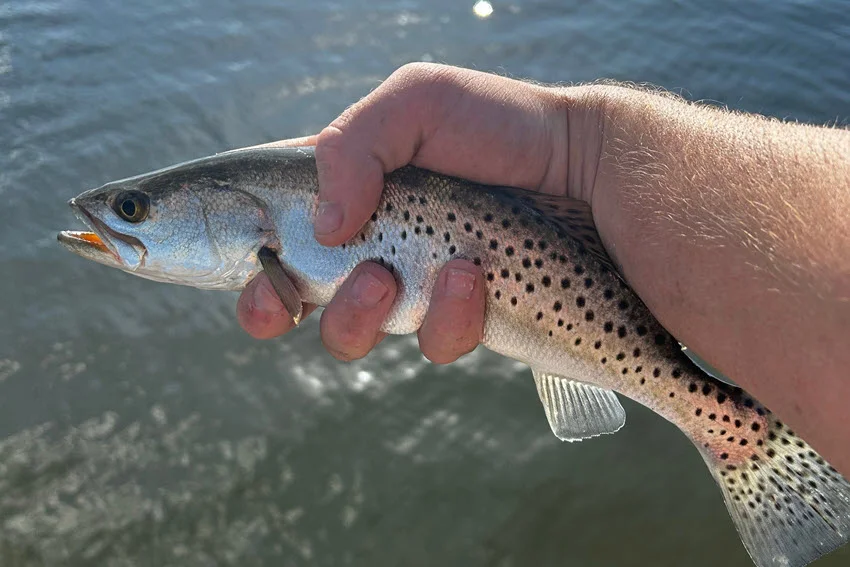
Speckled Trout is another favorite, especially among veteran anglers! It has an attractive, easily noticeable body with colorful markings along the back and sides. They typically range from 12 to 25 inches and are known for aggressive strikes and acrobatic fights.
They prefer habitats such as grassy areas, sandy bottoms, and oyster bars and are more likely to be found in shallow than deep water. Gluttonous but cunning and selective, Trout is not the easiest to catch.
Best Time to Catch: Spring to fall
Habitat: Grassy areas, sandy bottoms and around oyster bars
Preferred Bait: Shrimp, mullet, soft plastic, topwater plugs
Fishing Technique: Casting, drifting
Difficulty: Challenging
Depth: Shallow to moderate
Anglers use live shrimp, mullet, and artificial bait such as soft plastics and topwater plugs. The best options include drift fishing, casting around structures, and jigging. In Cedar Key, the season for speckled trout is usually from spring to fall, although you can find them year-round.
Besides being headstrong, with quite a changeable mood, Trout's abundance and willingness to attack make them an exciting and intriguing catch for anglers of all skill levels.

Tarpon is a genuinely magnificent species whose appearance and acrobatic performances take your breath away. Cedar Key's "Silver Kings" can grow up to 6 feet in length and weigh over 200 pounds. Tarpons visit a variety of habitats, such as coastal flats, canals, and bays, although they most often prefer warm, shallow waters.
Best Time to Catch: Late spring and summer
Habitat: Coastal flats, canals and bays
Preferred Bait: Mullet, crayfish, plugs and flies
Fishing Technique: Sight fishing, trolling, jigging
Difficulty: Challenging
Depth: Shallow to deep waters
Anglers use various techniques and baits, including live mullets, crayfish, and artificial lures such as plugs and flies. According to experienced anglers, the best techniques to catch Tarpon are sight fishing, trolling, and jigging near canals and buildings. In Cedar Key, Tarpon is most active from late spring to summer.
Fishing in Cedar Key wouldn't be what it is if it weren't for these magnificent species. Tarpon has earned such a revered status from its demand for patience, exceptional fishing skills, and a little luck.

Snook is often considered an elusive and cunning species. They are easily recognizable by their distinct sloping forehead and black lateral line, lengths exceeding 48 inches, and weighting over 30 pounds. Snooks are known for their agility and voracious feeding habits and are, therefore, best caught on shrimp and artificial lures such as jigs.
Best Time to Catch: Spring through fall
Habitat: Mangrove banks, docks, and through shallow flats
Preferred Bait: Shrimps, jigs
Fishing Technique: Drifting, casting
Difficulty: Moderate
Depth: Shallow to deep waters
You'll often find Snook patrolling mangrove banks, around docks, and through shallow flats, where they ambush prey. Precise casting around structures and drifting by slowly working lures can increase success rates. Cedar Keys Snook season typically runs from spring through fall, peaking during the warmer months.
Although Snook can be challenging with its complex behavior, this species is still worth the effort, as each catch adds to the fishing experience and reinforces the need for future excitement and larger specimens.

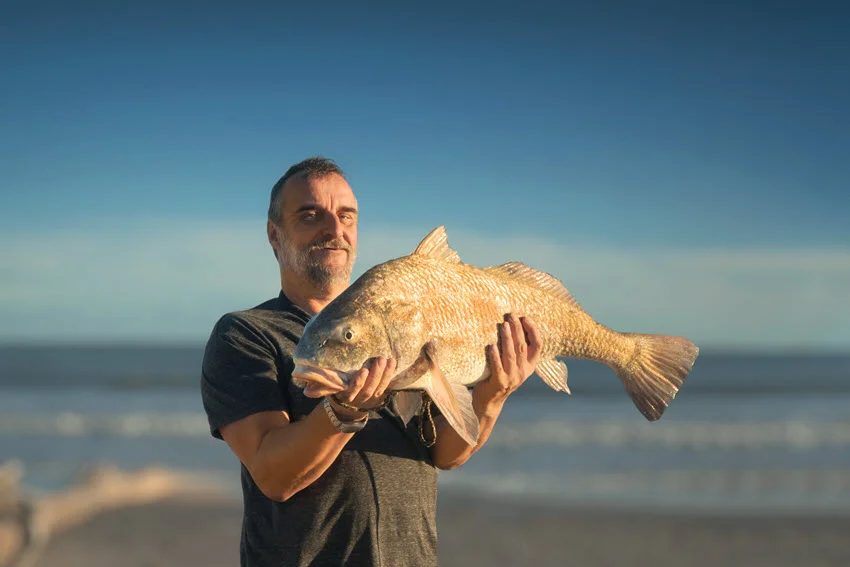
Black Drum is a lively and large fish, characterized by its distinctive black color and barbel on the chin. They can grow to impressive lengths, often over 30 inches, and weigh over 50 pounds. In addition to being considered a trophy species due to its remarkable size, anglers also pursue it for its mild, tasty meat.
Best Time to Catch: Late spring to early fall
Habitat: Grassy areas, oyster bars and around coastal reefs
Preferred Bait: Shrimps, crabs, clams
Fishing Technique: Drifting, casting
Difficulty: Moderate to challenging
Depth: Moderate to deep waters
You will regularly encounter it in grassy areas, oyster bars, and around coastal reefs, where crabs, mollusks, and small fish lurk. Anglers chasing Black Drum use natural baits such as shrimp, crabs, and clams, which they place on the bottom with a Carolina rig or jig.
The season in Cedar Key is from late spring to early fall, although they can be caught year-round. The critical factor for luring these fish is patience and persistence. While not exhibiting intricate fighting, they have a complex nature and know how to outwit fishermen.
Even though they are migratory and only grace the waters of Cedar Key at certain times of the year, all migratory species are equally welcome and eagerly awaited by all anglers. In addition to fishermen's curiosity and eagerness to catch them, migratory species enrich the marine life and ecosystem of Cedar Key in various ways.

Permit is a prized game, and the proud owner of its elegant silver body and extraordinary speed and agility. It has complex behavior; it is the ultimate fighter and very picky with feeding habits. This species can grow up to 30 inches and weigh over 20 pounds, making it a target for more experienced anglers.
Best Time to Catch: Spring to fall
Habitat: Shallows and flats, channels and wrecks
Preferred Bait: Crustaceans, mollusks and small fish
Fishing Technique: Sight fishing, casting
Difficulty: Challenging
Depth: Shallow to moderate waters
In Cedar Key, Permit swim or hide in the shallows, flats, channels, and wrecks along the coast, searching for food such as crustaceans, mollusks, and small fish. Anglers lure them to these baits most often. In addition to crabs and shrimp, they also use artificial flies presented with delicate precision.
Sight fishing and casting to cruising fish are standard techniques that have proven highly effective in attracting these wary predators. The season in Cedar Key typically runs from spring to fall. Despite their challenging reputation, the thrill of hooking one of these mighty fish amidst the picturesque waters of Cedar Key is well worth the effort.

Spanish Mackerel is a species that strikes like lightning with its smooth body. It has a blue-green back, silver flanks, and distinctive yellow spots along the lateral line. These migratory fish typically range in size from 12 to 20 inches, although there are larger specimens.
They usually patrol coastal waters around reefs, channels, and along the edges of flats, where they feed on small fish and crustaceans. Anglers target them using techniques such as trolling with spoons, plugs, or flash jigs, which mimic the fish's favorite prey.
Best Time to Catch: Late spring to early fall
Habitat: Inshore waters, around reefs, channels, and along the edges of flats
Preferred Bait: Small fish, crustaceans, spoons, plugs, flash jigs
Fishing Technique: Trolling
Difficulty: Moderate to challenging
Depth: Moderate to deep
They are most numerous from late spring to early fall, and the peak of activity occurs during the warmer months. Thanks to its aggressiveness and magnificent aerial acrobatics, the Spanish Mackerel is a challenging and exciting fish to catch, testing the angler's experience, strength, and humility.

The King Mackerel is a prized game found in the waters around Cedar Key. In addition to its streamlined body, it has sharp teeth and lateral lines. Anglers target this type of Mackerel for its tasty meat.
It can grow to an impressive 40 inches and weigh more than 30 pounds. Its favorite habitats are wreck reefs and places along the edges of canals. It can be fished using trolling techniques like live fish, artificial baits, or rigged baits.
Best Time to Catch: Late spring through fall
Habitat: Wreck reefs and places along the edges of canals
Preferred Bait: Live bait, artificial baits, or rigged baits
Fishing Technique: Trolling
Difficulty: Moderate to challenging
Depth: Moderate to deep
King mackerel season in Cedar Key runs from late spring through fall, with peak activity during the warmer months. Hunting for this species is challenging, but it also represents excellent enjoyment and satisfaction, which is why so many anglers chase it.

Cobia is a shark-like fish with a distinctive flat head, broad body, and supremely outstanding fighting abilities. These migratory fish can reach impressive sizes, often exceeding 50 pounds and over 6 feet. In the Cegar Key waters, they migrate from late spring to fall, with peak activity during the warmer months.
In addition to their appearance and size, they are also known for their delicious meat, which makes them a double win.
Best Time to Catch: From late spring to fall
Habitat: Inshore reefs, around wrecked buoys and structure
Preferred Bait: Pinfish, mullet or eels
Fishing Technique: Casting, sight fishing
Difficulty: Challenging
Depth: Moderate to deep water
Cobia roam the inshore reefs around wrecked buoys and structures, hunting small fish, crabs, and squid. Consequently, to lure Cobia, it is best to use live bait such as pinfish, mullet, or eels, which you will present on heavy tackle and stiff rods.
Standard techniques are sight fishing and casting to cruising fish. If you have ever hunted Cobia, you know that the experience is powerful, full of tension, and, if you are lucky, the ultimate climax is catching a trophy specimen.
Although a small town, Cedar Key and the surrounding area offer plenty of welcoming locations for anglers. These locations have everything an angler could need. In the following, we introduce you to the most exciting locations providing the best of the best.
Snake Key is relatively close to Cedar Key, approximately 6 miles southwest, making it easily accessible for those looking to explore its abundant fishing opportunities while enjoying Cedar Key's amenities. It attracts anglers due to its diverse marine habitats and plentiful fish, including Redfish, Spotted Seatrout, and Flounder.
This secluded island allows you to explore test fishing in the crystal clear shallows. Plus, Cedar Key never gets too crowded. It is a great place to get away and enjoy meditative, tranquil fishing.

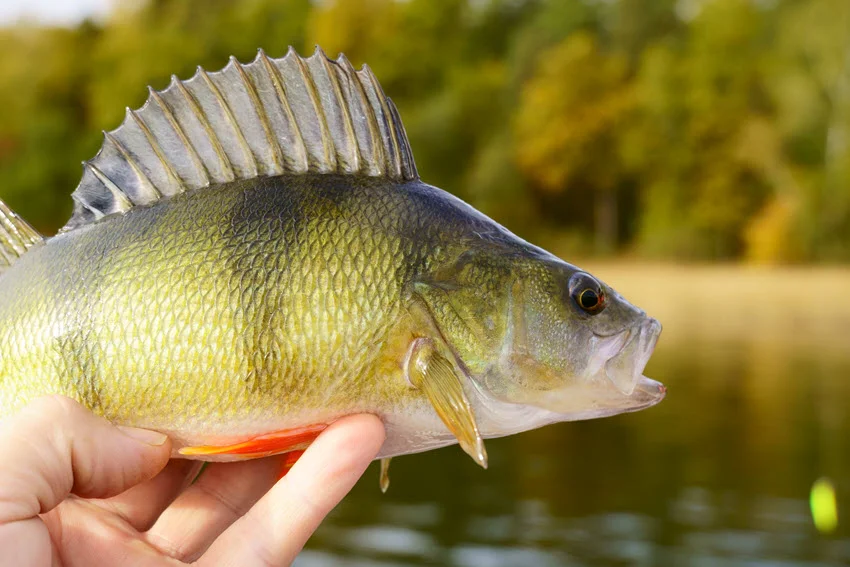
Atsena Otie Key is a secluded island in calm waters near Cedar Key. This location attracts anglers looking for peace without missing the thrill of hunting for the best fish species in the Gulf waters. Here, anglers can expect to encounter various types of fish, especially the abundance of Perch, Speckled Trout, Snook, and Flounder.
The island's pristine beaches, shallow flats, and mangrove-fringed shores provide ideal habitats for these prized game animals, offering anglers ample opportunity to cast a line and hone their skills.
The access point to Atsena Otie is usually by boat or kayak. It is a secluded fishing spot. Anglers can enjoy fishing from the city's public boat ramps or look for a guided excursion package.
Deadman's Bay, located along the Gulf Coast near Cedar Key, is a well-known fishing hotspot rich in diverse marine habitats and abundant game. A fascinating combination of shallow flats, submerged grass beds, and mangrove shores favors the growth of Redfish, Speckled Trout, Snook, and Flounder.
Deadman's Bay also offers offshore fishing opportunities dominated by King Mackerel, Cobia, and Tarpon, species usually found in deeper waters during certain seasons. A particular convenience is the proximity of Cedar Key Bay, which makes it easily accessible for anglers, thanks to the many boat ramps and marinas that provide convenient launching points for fishing expeditions.

Cedar Key Pier is a central hub for anglers looking for easy, shore-based access to the rich turquoise waters of Florida's Gulf Coast. This iconic jetty offers easy access to various fish, making it an ideal spot for beginners and experienced alike.
In addition to accessibility, what also sets this location apart is the aquatic species, such as Redfish, Speckled Trout, Flounder, and Sheepshead, but also aquatic species, such as Spanish Mackerel and Kingfish, at certain times of the year.
The pier and its surroundings also have well-equipped cleaning stations, bait shops, and nearby parking. What completes the story is the beautiful feeling of throwing ropes from the wooden boards of the jetty while enjoying the stunning view of the sunset and the bay.
Seahorse Reef, located along the coast of Cedar Key, is a significant fishing destination famous for its vibrant marine life. Anglers love Seahorse Reef for its diverse ecosystem, where they can often catch trophy Grouper, Spanish Mackerel, and Cobia.
The site is a generously intricate network of ledges, rock formations, and artificial reef structures where many species find shelter and a place to stalk prey. Easy accessibility and relative proximity to Cedar Key make Seahorse Reef attractive to anglers, with various charter services and boat rentals available.
Cedar Key truly allows anglers to try countless techniques from many different locations. You can also get top-notch support from guides, instructors, and random fellow anglers you meet on your expeditions. Here are some of the most commonly used techniques in Cedar Key that match the habitat, sea, and fish species.

Casting to the structure is a commonly used technique that involves precise, strategic targeting of specific underwater features such as submerged rocks, docks, fallen trees, or artificial reefs. They hide or stalk prey places for many species, such as Redfish, Bream, and Speckled Trout. It is mainly used by anglers who prefer coastal waters.
To make fishing with this technique as successful as possible, it is essential to pay attention to the appearance of the submerged structure and fish behavior and adjust the casting angles and retrieval techniques accordingly.
Casting to structure requires consideration, a deep understanding of the target species, and the selection of appropriate lures. However, going into more complex areas requires more experienced anglers.

Topwater fishing is an exciting fishing technique that uses surface lures specially designed to imitate prey that struggles on the water's surface. Properly placed and presented, these lures entice predatory fish to attack aggressively and respond explosively to this provocation, making this technique one of the most exciting forms of fishing.
In Cedar Key, topwater fishing is best done in the early morning or late evening when the fish feed near the surface. This technique helps anglers target species such as Speckled Trout, Redfish, and Snook, which are known to attack lures on the water eagerly.
Also, anglers must master the art of the "walking dog" retrieve, creating side-to-side movements that mimic a wounded baitfish. This technique requires patience and precise movements and is an excellent technique for beginners to learn patience, accuracy, and interpreting the cues from the water and fish.

Kayaking is an intriguing and attractive technique for most anglers in good shape. It allows anglers to explore the pristine coastal waters of Cedar Key uniquely and impressively. At the same time, it is environmentally friendly and will enable anglers to sail quietly through shallow flats, secluded bays, and winding tunnels.
Kayak fishing in Cedar Key can be a great way to catch fish such as Redfish, Speckled Trout, and Flounder. With minimal disturbance to the water's surface, anglers have the advantage of stealth, allowing them to sneak up on wary fish.
The equipment requires specialized fishing kayaks with rod holders, storage compartments, and finders. In addition to fishing, this technique is enjoyable in every possible way, and even if the catch is missed, the excitement of kayaking and discovering new places will certainly not.

Shore fishing focuses on simplicity, allowing anglers to enjoy the thrill of fishing without needing a boat, making it accessible to everyone. Anglers can cast their line from various vantage points along the coast, including piers, wharves, beaches, and jetties, offering endless possibilities.
From targeting Redfish and Speckled Trout to fishing for Spanish Mackerel and Snook, you can quickly catch them with luck and skill. Regarding equipment, you need rods, reels, and tackle. Anglers can spend hours casting lines from the shore, enjoying the peace and relaxation of this classic form of fishing. Shore fishing also allows anglers to enjoy stunning views of the scenic beauty of the Gulf Coast.

Jigging is an exciting and dynamic fishing technique that involves moving a lure, known as a jig, vertically up and down in the water column to mimic the movement of a prey fish. In Cedar Key, this technique catches species such as Grouper, King Mackerel, and Amberjack.
Jigging equipment implies the possession of specialized jigging rods with fast reels and heavy braided lines to use baits at different depths effectively. By presenting erratic movements to the jig, anglers attract the attention of the desired species.
This technique is effective in deeper offshore waters, where fish congregate around natural reefs, wrecks, and ledges. However, it can also be practiced in shallow coastal areas, especially in Spanish Mackerel and Kingfish species.
It requires finesse as anglers must adjust based on factors such as water depth, current, and the behavior of the target fish. With practice and persistence, jigging is possible to master the technique and catch top specimens in Cedar Key.

Understanding fishing regulations in an area is crucial for protecting fish populations and ecosystems and promoting responsible angling practices.
Anglers Booking Team
Compliance with fishing regulations and licensing requirements is vital to making your Cedar Key fishing adventure enjoyable for you and the environment. It is one of the primary ways to maintain the health of marine ecosystems. All anglers over the age of 16 are required to have a valid Florida fishing license. Such permits may be obtained online through the Florida Fish and Wildlife Conservation Commission (FWC) website or from authorized agents.
Depending on the season, licenses and permits dictate bag limits, which differ by species and the maximum number of fish caught daily. Also, seasonal closures may be in effect during spawning periods to protect breeding populations. It is essential to be aware of gear regulations, such as restrictions on certain types of gear or lures.
By confirming your fishing practices to these regulations, you contribute to conserving marine resources and ensure a sustainable fishing experience.
Cedar Key is an ideal destination for fishing enthusiasts. Located in the heart of Florida's Gulf Coast, Cedar Key offers excellent waterfront access and top-notch fishing spots where you can showcase your skills.
We are convinced that with our guide, we have helped you overcome whether you want to go on a fishing expedition in Cedar Key, and we eagerly await your latest stories and adventures!
In the meantime, while you are getting ready, buying equipment, and obtaining all the necessary permits, share your plans, wishes, doubts, and questions with us in the comment section! We and our fishing community will be happy to meet you and contribute to a pleasant and happy fishing on Cedar Key! So, remember to bookmark or share this page. Happy fishing!

The expert copywriters at Anglers Booking have meticulously crafted this article. Our dedicated team of writers provides valuable insights and information to enhance your angling experience.
June 9, 2026
April 28, 2026
Subscribe to our newsletter and receive a selection of cool articles every week.
Embark on unforgettable fishing adventures with us at Anglers Booking.
book your charter
October 2, 2026
September 8, 2026
August 21, 2026
August 18, 2026
August 15, 2026
August 12, 2026
August 8, 2026
August 4, 2026

You're now part of our exclusive community. Get ready for premium content and updates straight to your inbox.
close
Subscribe to our newsletter and receive a selection of cool articles every week.
Please enter a valid email address.
Be the first to know when we're back in action.
Please enter a valid email address.
Leave a Comment
Your email address will not be published. Required fields are marked *
Thank you for your comment! It has been submitted for review and will appear on the site shortly.