


Anglers Booking Team
The expert copywriters at Anglers Booking have meticulously crafted this article. Our dedicated team of writers provides valuable insights and information to enhance your angling experience.
 10 minutes read
Halibut fishing is a real challenge for all anglers. This fish is powerful, known for its size and strength, and is very combative. Fishing for it is a real opportunity for anglers to test their technique and knowledge. Wherever you fish, Halibut offers a great fishing experience.
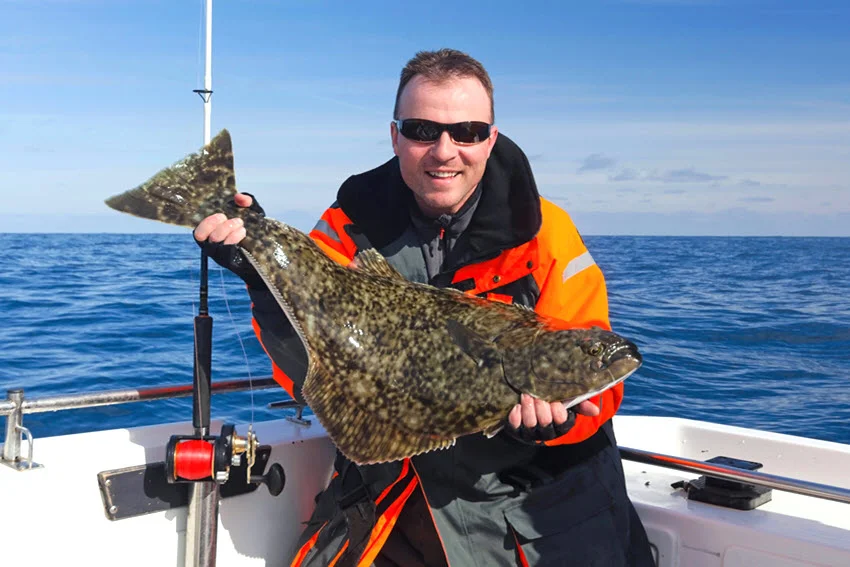
In the sections below, you'll learn everything you need to know to catch Halibut successfully. You will find out the best locations to target them. We will discuss the right baits, techniques, and timing. And that's just the beginning. Stick with us and let's go!
Several types of Halibut exist worldwide. However, two of them are the most famous and popular. They are the Pacific Halibut and the Atlantic Halibut. Both species are flatfish that inhabit the ocean floor. Next, we'll take a closer look at these two primary species.
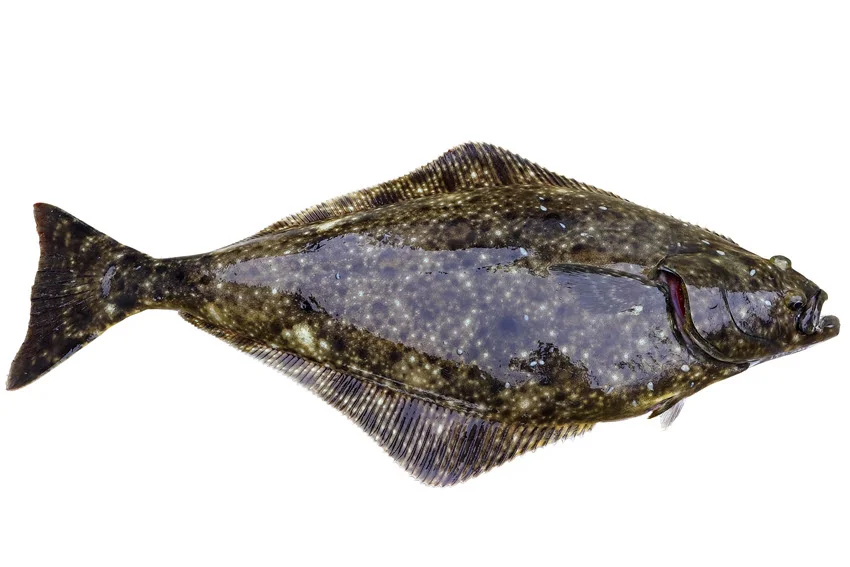
The Pacific Halibut (Hippoglossus stenolepis) is a large flatfish native to the North Pacific Ocean. These fish can reach lengths of over 8 feet. In some situations, it can weigh more than 500 pounds. However, average catch ranges from 20 to 150 pounds. Most Pacific Halibut live for 25 to 30 years, though some can exceed 40 years in age. They have broad, diamond-shaped bodies and a mottled brown color.
The best time to fish for Pacific Halibut is from May through September. Peak season is in June and July. These fish are most commonly found at depths ranging from 150 to 900 feet. Offshore plateaus and continental shelf edges are prime locations for fishing.
Pacific Halibut are opportunistic feeders. Its diet includes a wide range of marine life. They prey on herring, cod, sablefish, octopus, and crabs, among others. Juveniles feed on smaller invertebrates and fish, gradually shifting to larger prey as they grow. They have an ambush-style hunting technique. It involves lying in wait on the seafloor before striking with surprising speed.
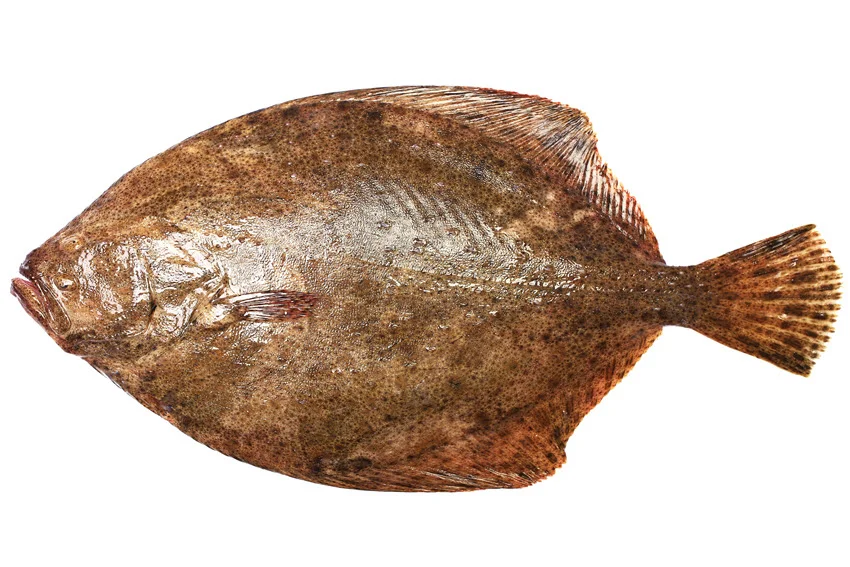
The Atlantic Halibut (Hippoglossus hippoglossus) is the largest flatfish species in the North Atlantic. It can grow to over 9 feet. Its weight can exceed 700 pounds. Most commonly, anglers catch individuals between 30 and 150 pounds. These fish have a lifespan of up to 50 years and grow at a slow rate. Their dark upper side and white underside help them remain camouflaged on the ocean bottom.
Fishing for Atlantic Halibut is best during the summer months, from June through August. It could be especially effective in colder waters near Newfoundland, Maine, and Nova Scotia. They are found at depths ranging from 200 to 2,000 feet. Commercial fishing operations often target them in deeper areas. Recreational anglers may have luck around deepwater banks and rocky outcrops.
Atlantic Halibut feed primarily on benthic and midwater prey. Their diet consists of Haddock, Herring, Flounder, Sand Eels, and squid. Larger Halibut have been known to consume smaller flatfish and even dogfish. Like their Pacific counterparts, they use their excellent vision and camouflage to ambush unsuspecting prey from the ocean floor.
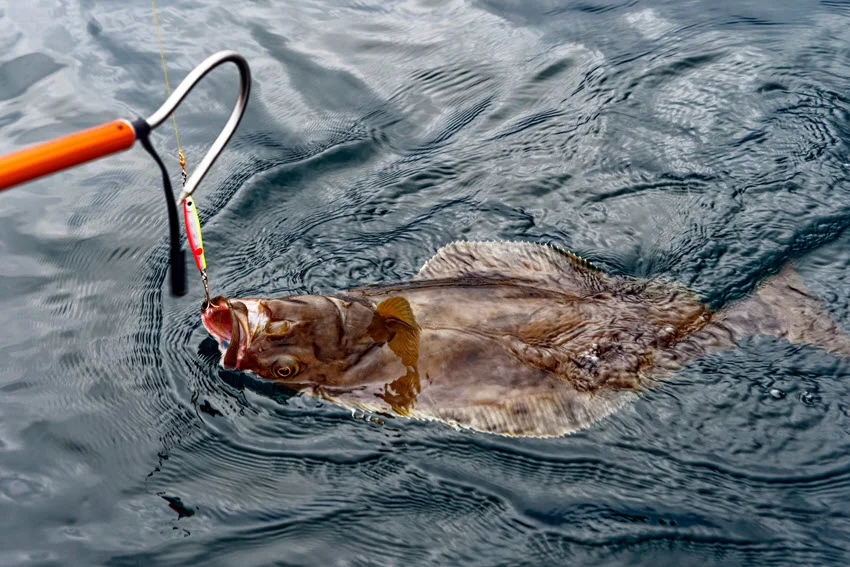
Fishing for Halibut is a highly seasonal activity, influenced by regional regulations, sea conditions, and the natural behavior of the fish. The general peak happens in warmer months. However, specific best times could vary by location.
Summer is the most popular and productive season for Halibut fishing. During these months, sea conditions are generally calmer, allowing anglers to reach deeper offshore areas where Halibut tend to gather. Spring can also be productive, especially in the early part of the season. Fall sees a gradual slowdown in activity as Halibut begin to move into deeper waters or become less active. This is the period when many regions start to close their seasons. Winter is usually off-limits or extremely limited for Halibut fishing.
Halibut are bottom-dwelling predators. They tend to feed more actively during specific parts of the day. Early morning and late afternoon are generally the most productive times to target them. During these hours, water temperatures are favorable, and Halibut tend to move around more. That increases your chances of a strike. Midday can be slower. It is especially notable on bright, sunny days when Halibut are less likely to leave the comfort of deeper waters.
Tides play a significant role in Halibut fishing because they directly affect bottom currents. Strong tidal movements can make it extremely difficult to get your bait to the ocean floor where Halibut feed. The ideal condition is a slack tide, a short period between high and low tides when the water is relatively still. These calm intervals make bait presentation much easier. While it's possible to catch Halibut during active tides, slack tide windows significantly improve efficiency and comfort.
Halibut can be found across both the Pacific and Atlantic Oceans. Key hotspots offer some of the most exciting opportunities for anglers. Here's a breakdown of the top regions where Halibut fishing truly shines.

Alaska is widely considered the premier destination for Pacific Halibut fishing. Cold, nutrient-rich waters and vast coastline provide an ideal habitat for large and abundant fish. Anglers regularly haul in Halibut weighing over 100 pounds, with trophy catches always a possibility.
The prime time for Halibut fishing in Alaska is during the summer months, particularly from June to August, when weather conditions are stable, and the fish are most active in shallower waters.

The Pacific Northwest also offers solid Halibut fishing, although access is more limited compared to Alaska. Regulations are often stricter, and the number of open fishing days varies from year to year. Despite this, experienced anglers continue to have great success offshore, primarily on charter trips.
Prime time here typically falls in late spring through early summer, from May to early July, when Halibut migrate into reachable depths along the coast.

Southern parts of California mark the southern limit of the Pacific Halibut's range. However, Halibut caught here are more likely to be California Halibut. Northern California, particularly around the Bay Area, still sees some true Pacific Halibut, although in smaller numbers.
When discussing the prime time for California's Halibut fishery, it typically occurs from late spring to summer, especially from May to July.

On the Atlantic side, Halibut fishing is more limited and tightly regulated. Historical overfishing has led to a decline in population, but conservation efforts are underway. The best opportunities are currently available in the far northeastern United States, particularly in the Gulf of Maine.
The prime time for Atlantic Halibut on the East Coast is typically June through July, when the few accessible populations move closer to shallower coastal waters.
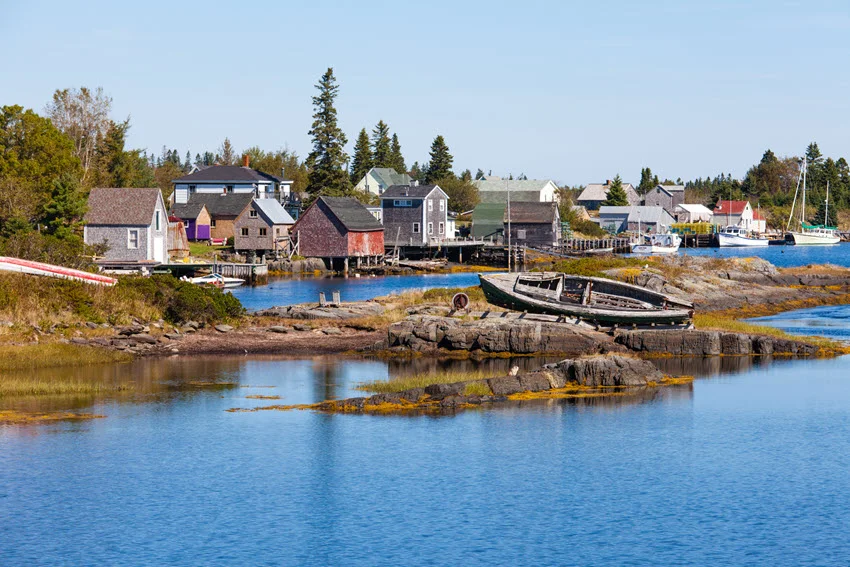
Canada offers both Pacific and Atlantic Halibut fishing, depending on the coast. The western provinces, such as British Columbia, are excellent for Pacific Halibut, while Atlantic Halibut can be found off the eastern provinces like Nova Scotia and Newfoundland. Both coasts are regulated for sustainability, with opportunities for both commercial and recreational fishing.
Prime time in Canada varies by region, but most areas experience peak Halibut fishing between May and September, with June and July being particularly productive months.

For adventurous anglers, Greenland offers a distinctive winter experience: ice fishing for Greenland Halibut through holes in the sea ice. Guided trips combine traditional fishing methods with dramatic Arctic scenery, though the species caught here differs from Atlantic Halibut.
Lastly, the prime time in this region generally runs from late spring through early fall, with June to August offering the best combination of weather and Halibut activity.
For Halibut fishing, using the proper technique is necessary. Below are the most effective Halibut fishing techniques to help you hook into a monster.
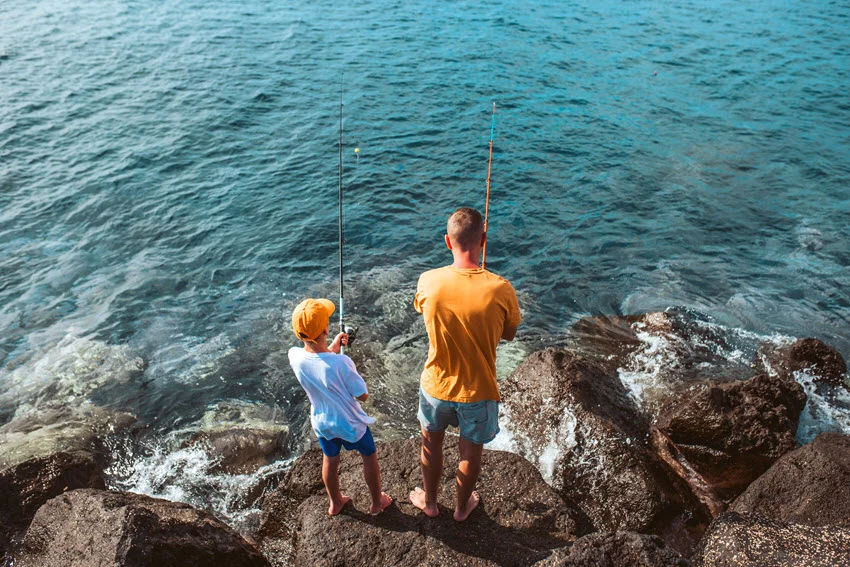
Halibut live close to the ocean floor, but that doesn't mean they're everywhere. To target them successfully, you need to identify the right underwater terrain. Focus on bottom features, such as ledges, drop-offs, underwater hills, and gravel flats. These structures create feeding zones where Halibut ambush prey.
Using a depth finder and nautical charts is essential. Depths can range from 40 to 400 feet or more, so technology helps narrow your target zone, conserving time and energy on the water.

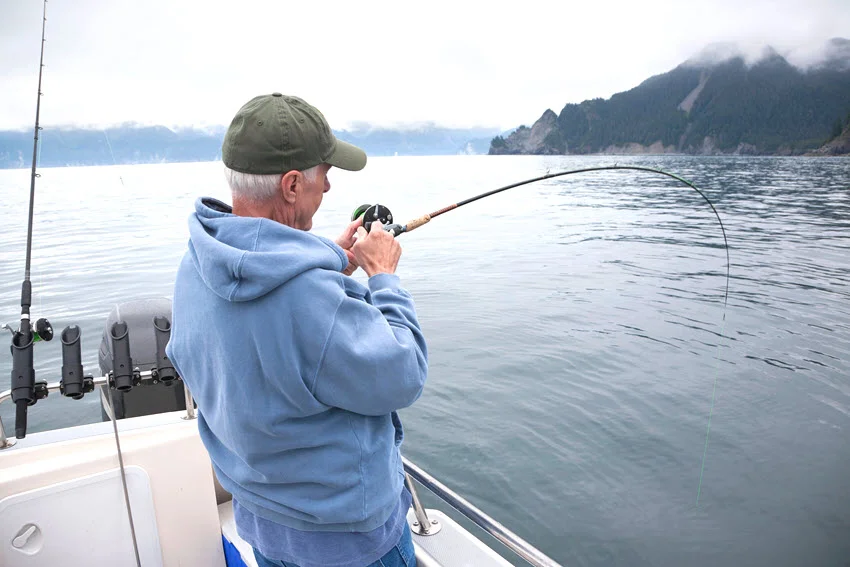
This technique is particularly effective when you identify a promising area. Anchoring allows you to cover and work it thoroughly. Anchoring works best in moderate currents, where drifting would cause your bait to move too quickly. Use a heavy pan to keep the bait on the bottom and let the scent do the work. Staying in one place helps attract Halibut, especially when combined with sachets or scent attractants.
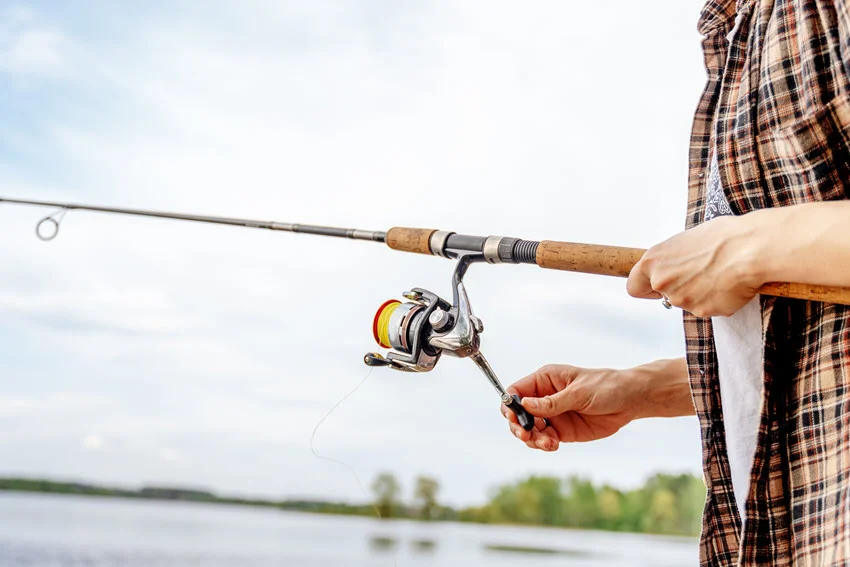
Jigging is a more active technique that keeps you engaged with your rod. Drop a weighted jig, either baited or artificial, to the bottom and then lift and drop it repeatedly. This way it mimics the movement of prey.
When Halibut are feeding aggressively, jigging can be especially effective. You'll often feel the bite directly, and the motion of the jig can trigger strikes from even hesitant fish.
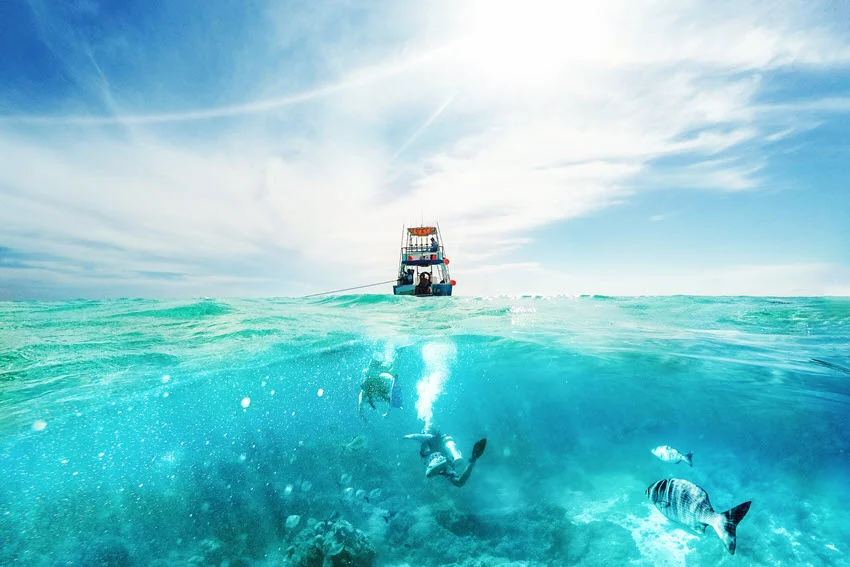
In areas with light to moderate currents and room to cover ground, drifting is a productive technique. Precisely, drifting is slowly moving across a fishing zone with your baited line dragging along the bottom.
Drifting is excellent when you're still trying to locate fish. If you are exploring a wider area, this technique is a good option. Just ensure your bait stays close to the seafloor; adjust your weight as needed to compensate for depth and drift speed.
A mesh bag filled with chopped baitfish, fish oil, or commercially prepared chum can slowly release scent into the water. It will create a feeding zone around your baits.
This passive technique works well in combination with bait fishing or jigging. The scent trail helps attract fish from a distance and keeps them nearby for an extended period.
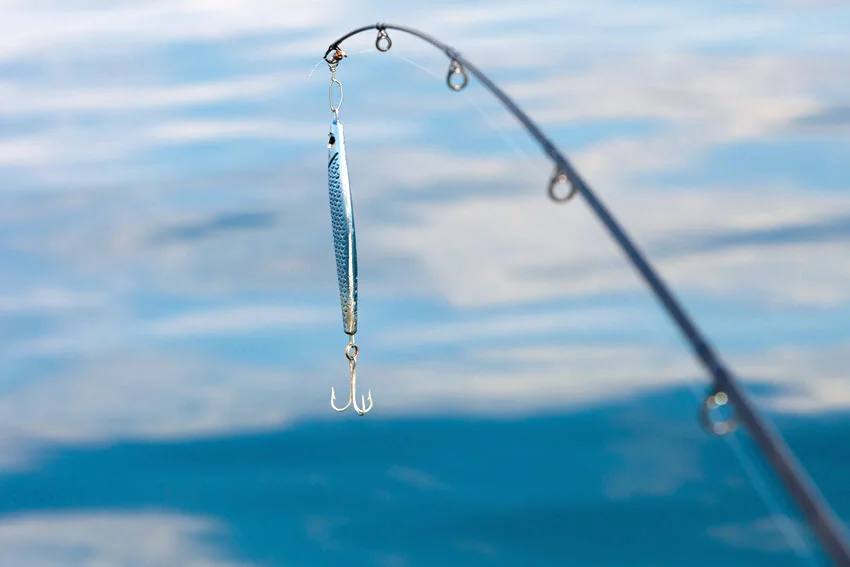
Bait selection is one of the most important elements of success. These fish are bottom dwellers. They rely heavily on scent and movement to find food. The goal is to position your offering near the bottom and maintain that position. Below are the most effective bait and lure options.
Live bait is highly effective for Halibut. They are especially productive when fished close to the seafloor. Herring is a top choice, thanks to its natural swimming motion. Also, a strong scent is one of their characteristics. Other solid options include Mackerel, Sardines, and Anchovies. Live bait should be rigged securely on a circle hook with enough weight to reach the bottom. Keeping the bait active and moving naturally will help trigger aggressive strikes from nearby Halibut.
Dead bait is another proven option and more accessible in many locations. Cut Herring, squid, octopus, and Salmon heads are all popular dead baits. The key here is scent. Halibut are drawn to oily, smelly baits, mainly when fished on or just above the bottom. Some anglers enhance dead bait with scent gels or use a chum bag nearby to increase the scent trail.
If used correctly, artificial lures can be very productive. Large jigs, especially those tipped with bait strips, are commonly used in deep water. Metal jigs, glow jigs, and rubber swimbaits are excellent options for quickly reaching the bottom. Bounce the jig slowly along the bottom to mimic a wounded baitfish; this often triggers a Halibut's ambush instinct.
Color can make a difference. It can make your fishing more successful. In general, bright colors like white, chartreuse, orange, and glow-in-the-dark work best for Halibut. These colors are more visible in low-light environments and more accurately mimic the appearance of prey fish. In clear water or sunny conditions, colors like silver, green, or brown may produce better results.
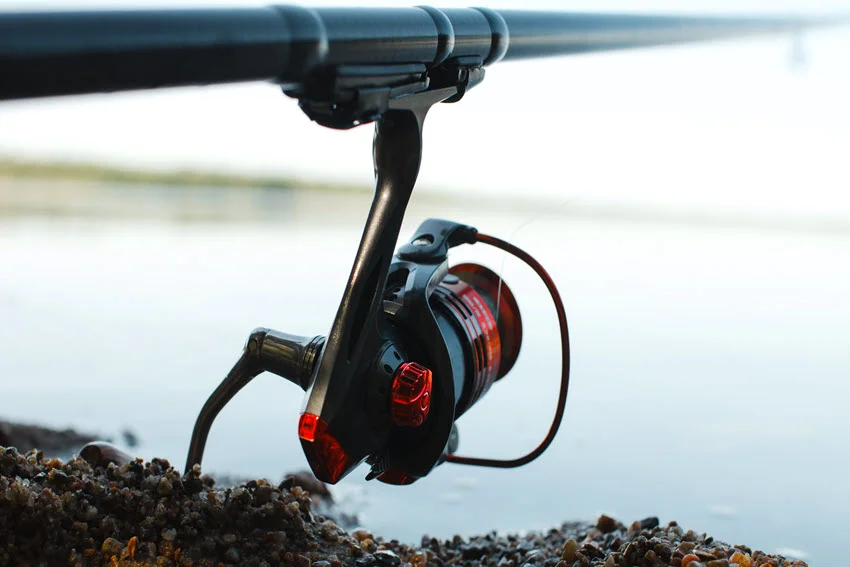
Halibut are powerful bottom-dwellers that require strong, dependable gear. The equipment you choose should match the size of the fish you're targeting. Also, it should be matched with depth and current conditions where you're fishing. Your setup needs to handle heavy pressure and long fights.
When targeting smaller Halibut, often referred to as "chickens," medium- to heavy-duty rods paired with conventional reels are usually sufficient. A rod rated for 30 to 50-pound test line provides the necessary sensitivity.
Braided line in the 40 to 60-pound range is ideal due to its sensitivity and strength, especially when fishing in deeper water. A 4/0 or 5/0 circle hook works well, especially when paired with a chunk of Herring or squid. While these fish are not giants, they still put up a good fight and can make deep runs, so solid gear is still essential.
Catching large Halibut, especially those over 100 pounds, demands heavy-duty tackle. A stout rod rated for 80 to 130-pound line should be combined with a high-capacity reel capable of handling deep drops. Many anglers use electric reels when fishing deeper than 300 feet. Braided line between 80 and 150 pounds is commonly used for its strength and reduced stretch.
Terminal gear should include a strong leader of at least 100-pound test and heavy-duty circle hooks sized 16/0 or larger. Large baits, such as whole Herring, Salmon heads, or squid clusters, are typically used to attract the largest Halibut. In these cases, a sturdy gaff or harpoon is also often necessary to land the fish once it has been brought to the boat.
Understanding fishing regulations and preserving specific fish species contributes to protecting fish populations and ecosystems and promoting responsible angling practices.
Anglers Booking Team
If you plan to fish for Halibut, it's essential to understand the regulations governing this activity. These rules may vary from place to place. It could vary by region. Below are some key facts related to licenses and regulations.
A straightforward way to stay informed about regulations is to check for updates before traveling. You can do this through your local authorities. Additionally, official websites are the primary source of the latest information on regulations. This is the best way to make sure you follow the rules while fishing.
Halibut fishing is much more than just catching a big fish. It's a complete experience. Pacific and Atlantic Halibut provide excitement, strength, and a rewarding fight. Whether you're exploring the icy waters of Alaska, heading offshore from Oregon, or chasing deep-sea giants off the coasts of Iceland and Nova Scotia, Halibut fishing connects you to nature in one of the most thrilling ways possible.
We have ensured that this article is helpful to all anglers. For beginners, our guide is a great foundation. For experienced anglers, it serves as a valuable reminder on how to be successful in catching this fish. Finally, be safe while on the water and follow the regulations.
When you return from fishing, we would appreciate it if you could share your experiences with us. Which of our tips was most useful to you? What type of Halibut did you fish for?

The expert copywriters at Anglers Booking have meticulously crafted this article. Our dedicated team of writers provides valuable insights and information to enhance your angling experience.
June 13, 2025

May 14, 2025
Subscribe to our newsletter and receive a selection of cool articles every week.
Embark on unforgettable fishing adventures with us at Anglers Booking.
book your charter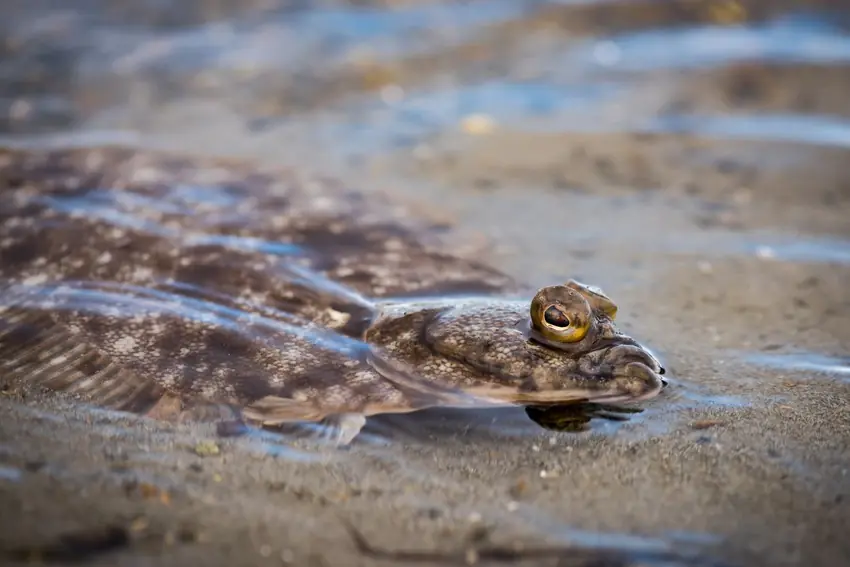
October 2, 2026
September 8, 2026
August 21, 2026

August 18, 2026
August 15, 2026
August 12, 2026
August 8, 2026
August 4, 2026

You're now part of our exclusive community. Get ready for premium content and updates straight to your inbox.
close
Subscribe to our newsletter and receive a selection of cool articles every week.
Please enter a valid email address.
Be the first to know when we're back in action.
Please enter a valid email address.
Leave a Comment
Your email address will not be published. Required fields are marked *
Thank you for your comment! It has been submitted for review and will appear on the site shortly.