


Anglers Booking Team
The expert copywriters at Anglers Booking have meticulously crafted this article. Our dedicated team of writers provides valuable insights and information to enhance your angling experience.
 12 minutes read
The focus of our article is on fishing for a fish that has gained popularity among sport and recreational anglers: the Black Drum. This fish is known for its robustness and combative nature, providing strong resistance when reeling in.
It is also more recognizable by the characteristic "beating" or drumming sound it produces underwater. This is precisely why it got its name. These are some of the reasons for its increasing popularity.
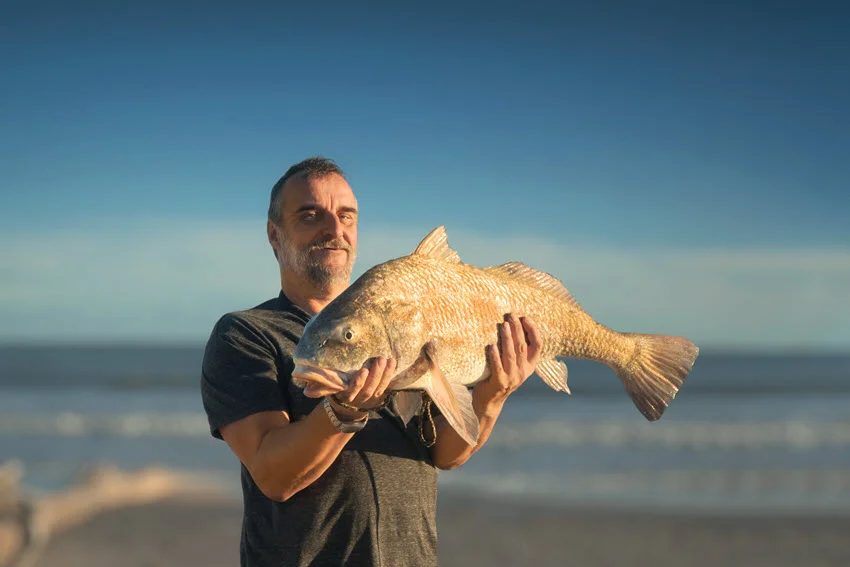
In this guide, you will find the necessary information about fishing for Black Drum, along with a detailed analysis to help you determine where to find them. We will present you with the best equipment and baits for this fish. To discover what else we have prepared for you, keep reading the article to its conclusion.
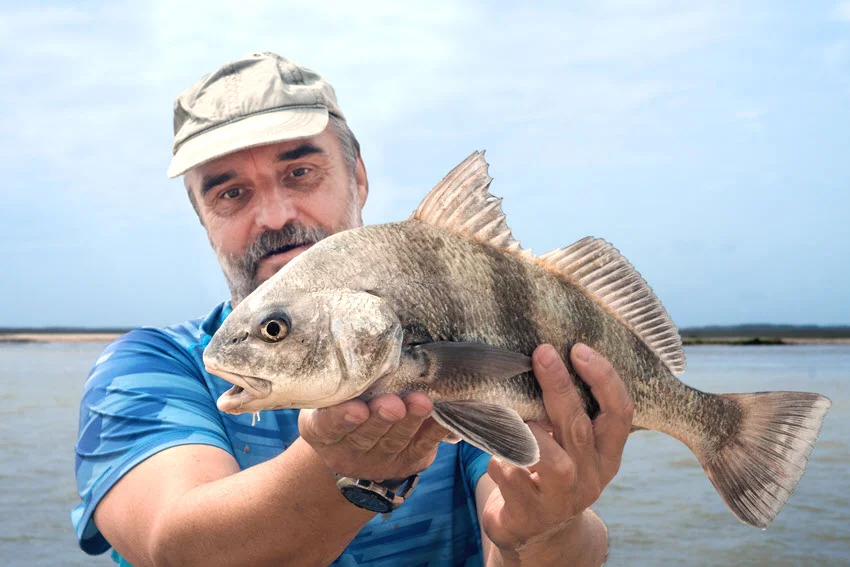
Black Drum (Pogonias cromis) are large, bottom-dwelling fish. It is native to the western Atlantic Ocean and the Gulf of Mexico. They are the most prominent members of the drum family. Adults commonly reach lengths between 20 and 30 inches. Most often, their weight is 5 to 30 pounds, but some specimens can grow even larger. Black Drum can live a very long time, up to 59 years.
The optimal time to fish for Black Drum varies by region. In the southern United States, the peak fishing season is winter. Prime time is from November through March. In the Chesapeake Bay area, spawning occurs between April and early June. Black Drums are widespread in shallow coastal waters, estuaries, and bays. They are often at depths ranging from 5 to 25 feet, but also inhabit waters as deep as 100 feet.
Black Drum are bottom feeders. Black Drum feeds on the bottom. Their diet changes as they grow. Juvenile Black Drum primarily consume small fish and marine worms. As they mature, they start to eat mollusks. Mussels, oysters, and clams, as well as crabs and other crustaceans, are often on their menus. They have strong pharyngeal teeth, which enable them to crush hard shells.
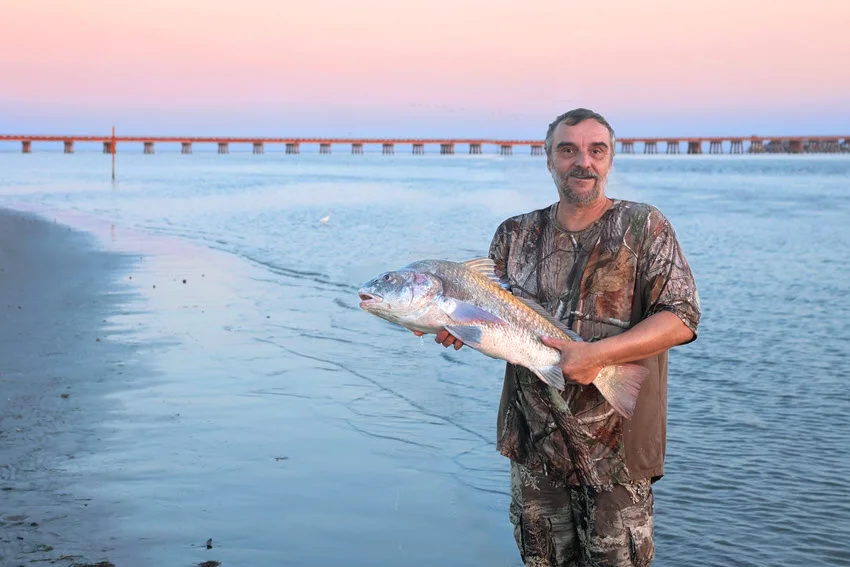
Black Drum can be caught all year. Their behavior changes with the seasons. Additionally, the time of day and water movement affect their behavior. Knowing when to fish helps you catch more.
Spring is one of the best times to catch Black Drum as they gather in large schools to spawn. They move to shallow waters near the shore, making them easier to catch.
In summer, Black Drum may move to deeper or cooler water. Early morning and evening are the best times. Midday can be slower, especially if the water is very warm.
Fall is also a good time. The water cools down, and the fish feed more to prepare for winter. You can find them near rocks, piers, and oyster beds.
In winter, Black Drum stay in deeper, warmer areas. They feed less, but you can still catch them with patience. Bigger fish are often caught in winter, especially in the southern states.
The best times to fish for Black Drum are early morning and late afternoon. They feed more during low light. At this time, they approach the shore more closely and become more active.
Midday can work, but usually only if the water is not too hot. Cloudy days are better than sunny ones. At night, fishing is possible, although it is not a common activity. Use bait with a pungent smell to help them find it in the dark.
Tides are significant for Black Drum. They feed more when the water is moving. Fish just before or after high tide or low tide for best results.
Strong currents help stir up food from the ocean floor. Black Drum like to feed near oyster beds, rocks, and bridges where water flows. If the water is calm, use fresh bait and wait longer. After rain, look for clear spots, because Black Drum may avoid muddy water.
While Black Drum can be caught year-round in many places, certain regions offer outstanding fishing opportunities during specific prime seasons. Below, we focus on the best locations for catching Black Drum. Let's analyze them.
The Texas coast is one of the best destinations for Black Drum fishing. Areas like Port Aransas, Corpus Christi, and Galveston Bay are the most productive. Inshore waters and passes are prime areas for fishing.
The prime season for Black Drum is from February through April. During this period, adult fish gather in massive schools near passes to spawn. Early mornings and late evenings are prime times to fish. Fish can be especially productive during moving tides.
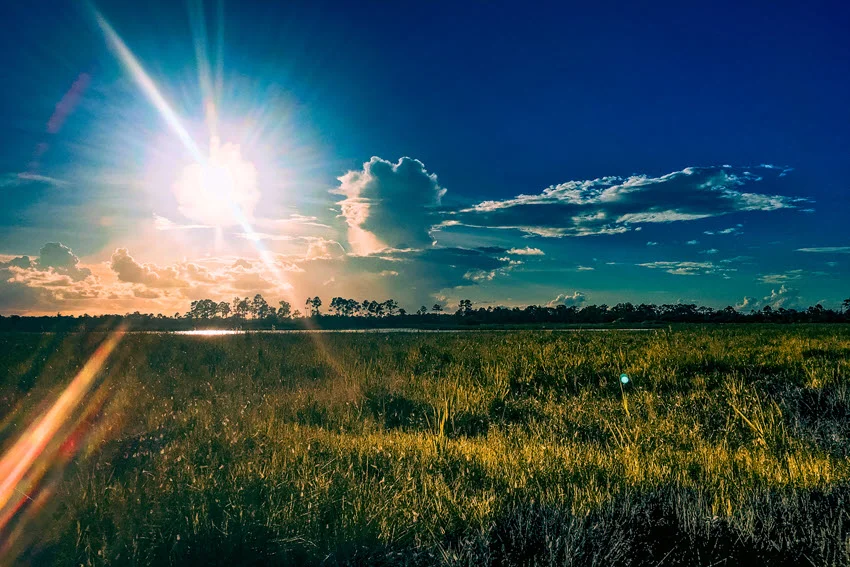
Louisiana's vast marshlands and bay systems provide the perfect habitat for the Black Drums. Lake Pontchartrain, Barataria Bay, and the area near Venice are prime spots for anglers to expect effective fishing.
Fishing is excellent year-round. The prime season for targeting large spawning Black Drum occurs from March through May. Shallow flats and deeper channels are places where this fish likes to hide. Early mornings and late afternoons are particularly productive when the water is cooler, and baitfish are active.
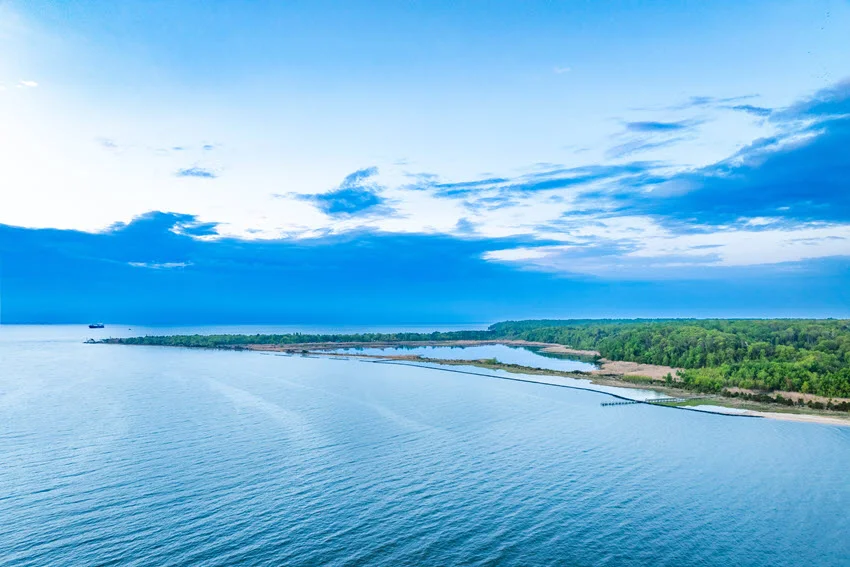
The Chesapeake Bay is famous for its spring Black Drum fishery. This area hosts one of the largest seasonal aggregations of spawning Black Drum on the Atlantic coast.
The prime season here spans late April through early June, offering the best chance to target the giant Black Drum. Fishing typically peaks at dawn and dusk, often around areas with structured bottoms, such as oyster beds and reefs.
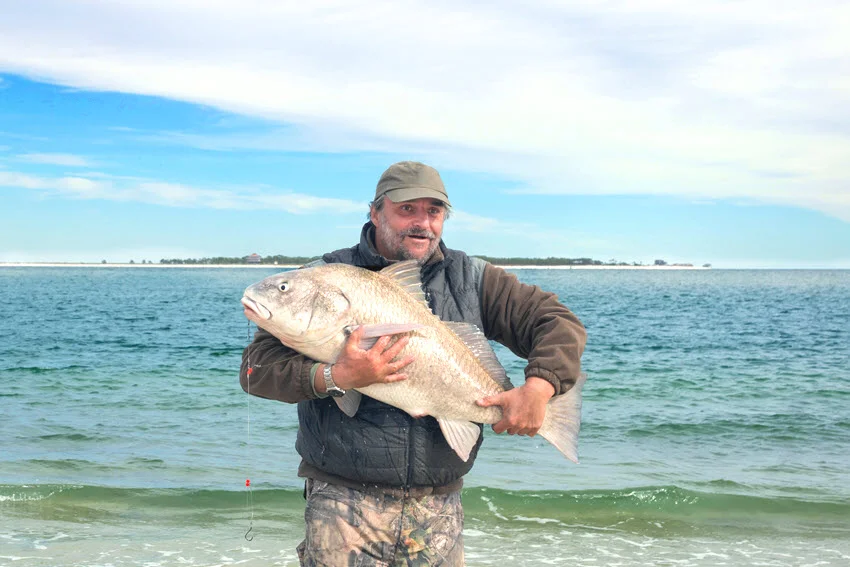
Florida offers year-round opportunities for fishing for Black Drum. The Indian River Lagoon, located on the Atlantic side, and Tampa Bay are hotspots. Additionally, Charlotte Harbor, located on the Gulf side, offers excellent fishing for Black Drum. The fish are most commonly found in brackish estuaries and around bridges, docks, and mangrove shorelines.
While Black Drums can be caught at any time, the prime season for large specimens is from December to March, particularly during the cooler months when they congregate in deeper channels and around structures. Early morning and late afternoon are generally best, particularly when tides are moving.
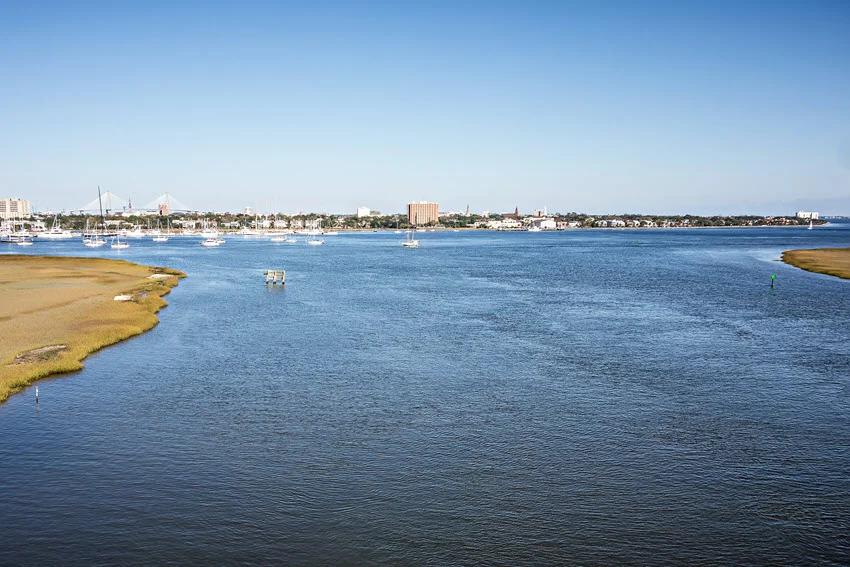
Inshore waters along the coasts of Georgia and South Carolina provide productive Black Drum habitats, which include the Savannah River estuary and Charleston Harbor.
Fishing is possible throughout the year. However, the prime season spans April through June. It corresponds with increasing water temperatures. The best fishing typically occurs in the early morning or during rising tides.
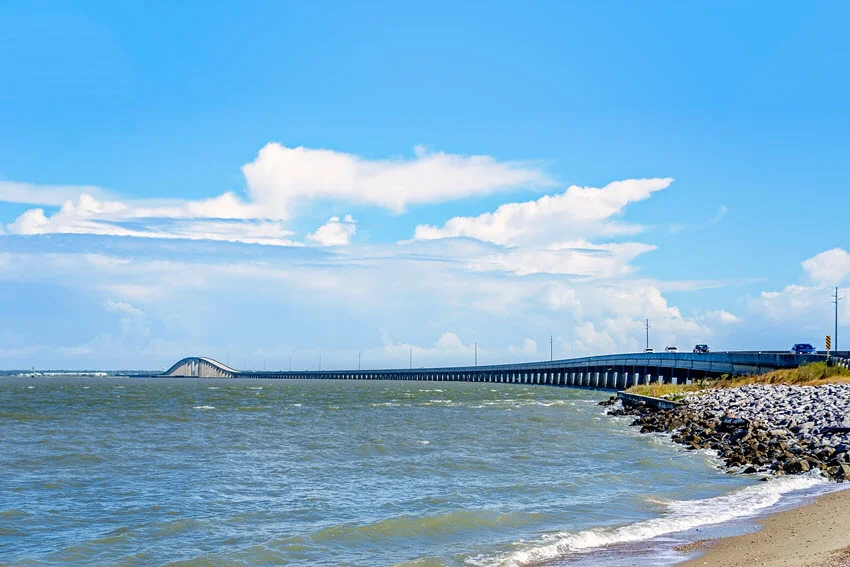
The Mississippi Sound and the Alabama Coast offer consistent inshore Black Drum action. Places around Biloxi Marsh, Mobile Bay, and Dauphin Island are very popular. The combination of estuaries, oyster beds, and channels provides an ideal environment for this fish.
The prime season occurs from March through May. As the water warms up, fish activity increases. Fishing near oyster reefs and muddy flats during morning or evening tides yields the best results.
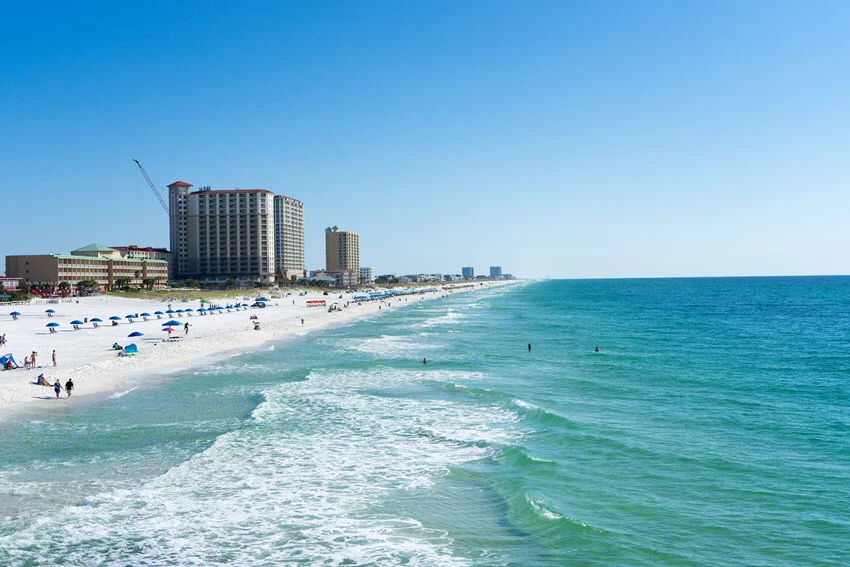
Along the northern Gulf Coast, particularly from Pensacola to the Mississippi Delta, Black Drum fishing is excellent near jetties, bridges, and sandy-bottomed bays. These places have large pre-spawn aggregations.
The prime season is from February to April, particularly during the full and new moon phases, when spawning activity is most intense. Anglers often have the most success during the early morning hours.
Targeting Black Drum successfully requires using proven Techniques. Below are the most effective and recommended fishing techniques for catching Black Drum.
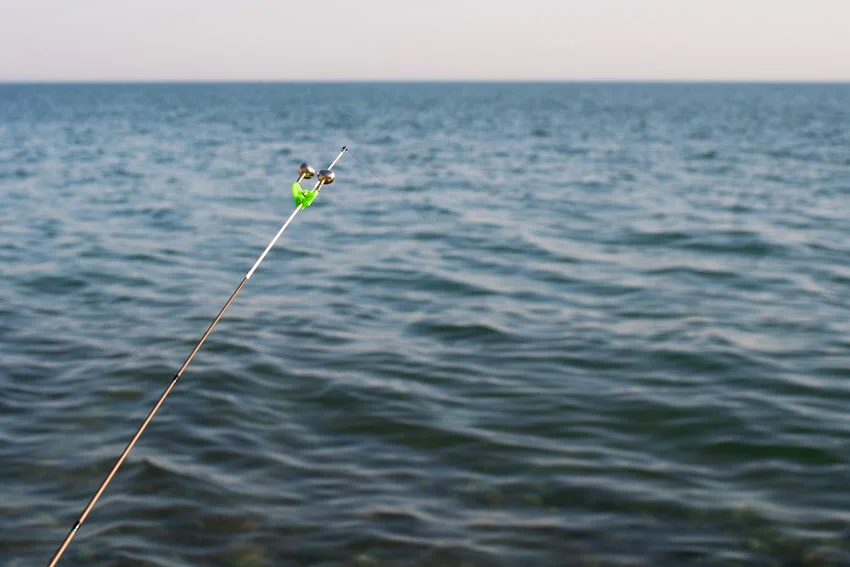
Black Drum are bottom feeders. Bottom fishing with live bait is a highly effective method. Anglers commonly use live or fresh dead shrimp, blue crabs, clams, and oysters. A popular rig for this technique is the fishfinder rig. It allows the bait to move naturally along the bottom.
For this setup, an 30 to 50-pound rod, a 4 to 5-foot fluorocarbon leader, and an 8/0 to 10/0 circle hook. When fishing from a boat, casting bait along structures like oyster beds, jetties, or bridge pilings and letting it settle on the bottom can be particularly productive.
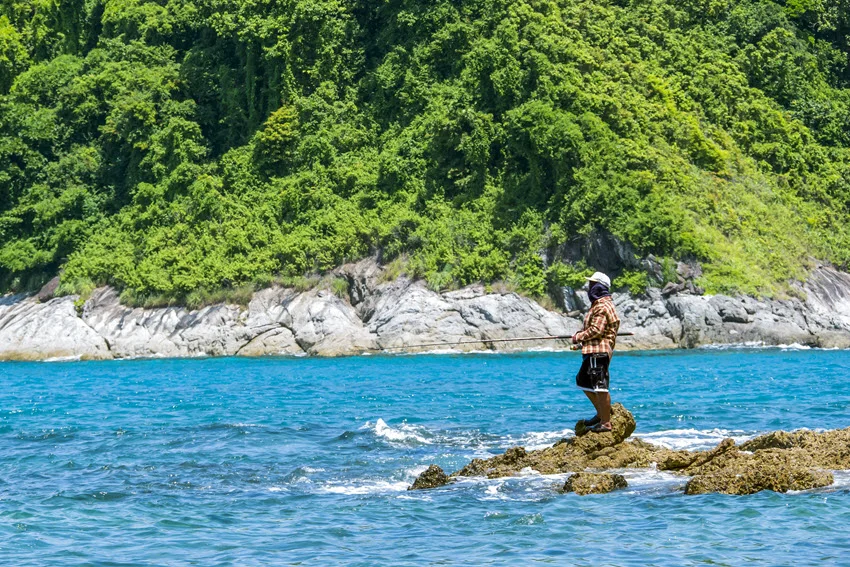
Jigging is effective when Black Drum are holding near structures. Using heavy metal jigs tipped with soft plastics can entice strikes. The technique involves dropping the jig to the bottom and then using sharp, upward jerks followed by a controlled fall to resemble an injured baitfish. This motion can provoke aggressive strikes from Black Drum.
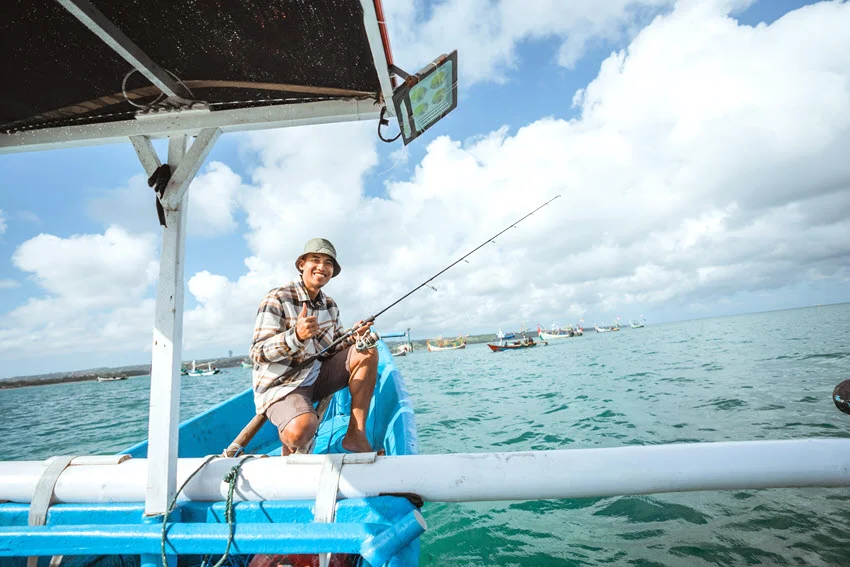
Drift fishing enables anglers to cover a large area by allowing the boat to drift with the current while presenting live bait or lures. This technique is productive for locating Black Drum that are spread out over a wide area. Adjusting the drift speed and bait presentation to match the current and water conditions is necessary for success.
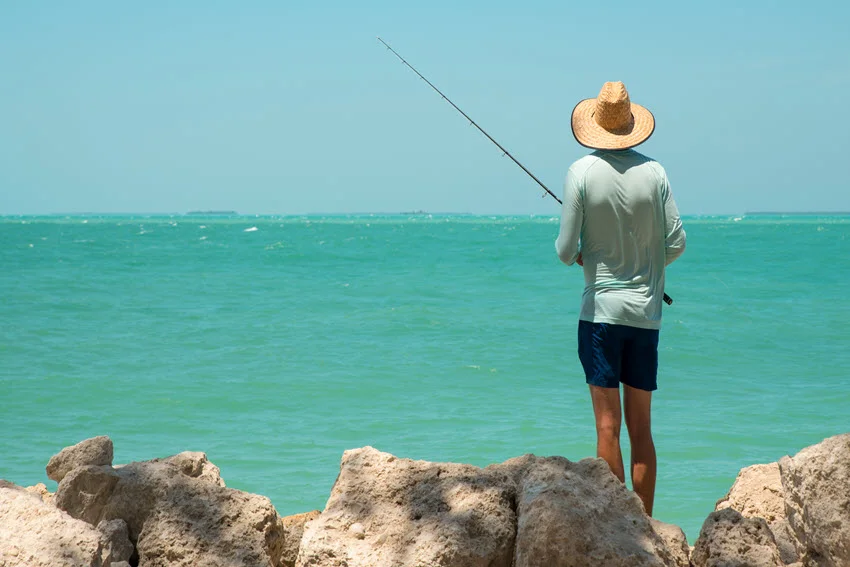
Using popping corks is a popular and productive technique, especially in bay fishing. The popping cork creates noise and surface disturbance that can attract Black Drum. This method is productive for targeting fish in shallower waters or when they are feeding near the surface.
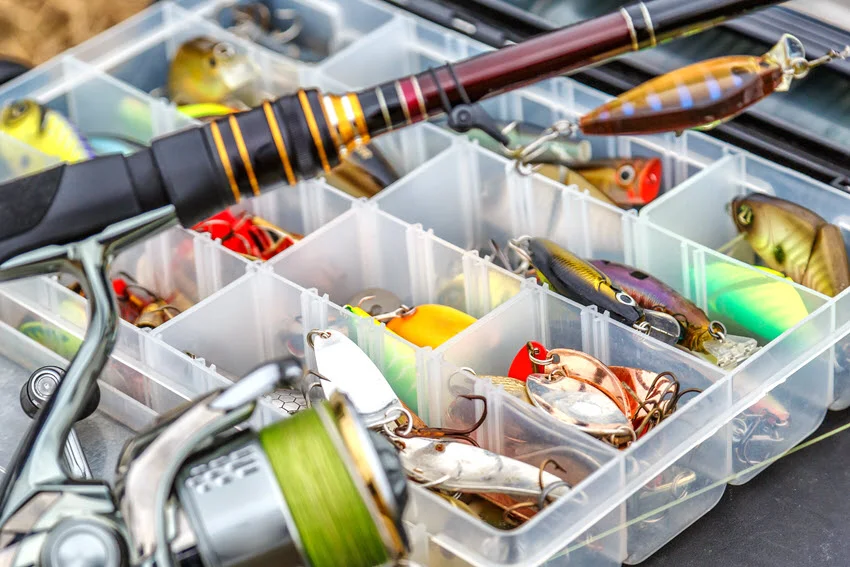
Black Drum possesses strong feeding instincts. This fish is willing to strike live and artificial baits. Understanding their diet and behavior is vital because it allows you to select the most effective bait or lure.
Live bait is the best solution for catching Black Drum. These fish primarily feed on bottom-dwelling invertebrates and small fish. Some of the best live baits include blue crab, shrimp, sand fleas, clams, mullet, and Ladyfish. Blue crabs are particularly effective. When using live bait, it's essential to add a sinker or use a bottom rig to ensure the bait sits on the seafloor.
Artificial lures can also be effective for Black Drum. It is a solid alternative when live bait is unavailable. The best artificial lures are infused with scent. They are designed to have similar movements and look like real shrimp. Paired with jig heads, they work best when bounced slowly along the bottom. Other productive options include soft plastic crabs, jerk baits, and jigs when fishing in shallow flats; topwater lures can occasionally draw strikes.
Dead and cut baits are also productive. The best choices include cut shrimp, crab pieces, clams, or mullet. Smaller bait can be used whole if dead, but larger ones should be cut into manageable pieces. These baits are especially effective in deeper channels when fishing for larger fish.
Black Drum relies on feel and scent. Still, choosing the right lure color is also important. In clear water, natural colors like white, pearl, gray, and light brown work best. In muddy waters, high-contrast colors such as chartreuse, orange, and pink help the lure stand out.
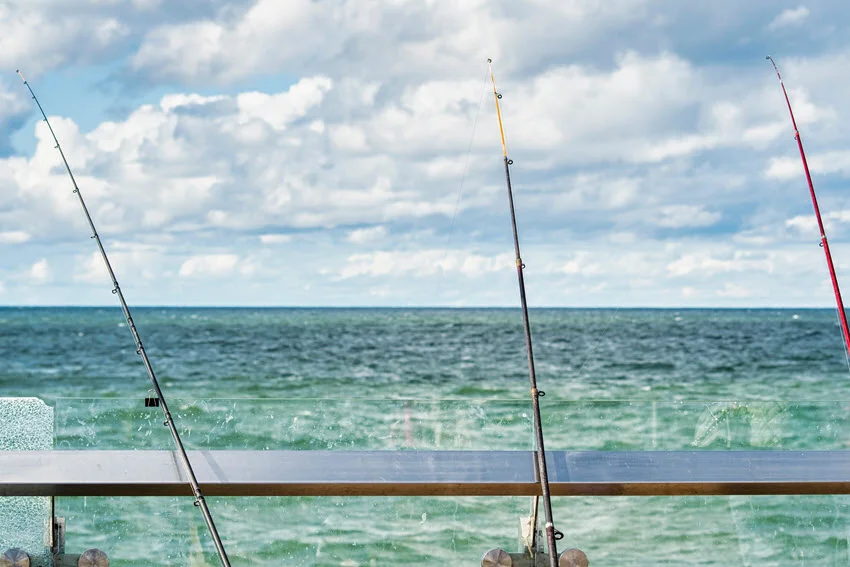
When fishing for Black Drum, the right gear depends mainly on the size of the fish. These fish can range from moderate sizes in some areas to trophy-sized giants exceeding 100 pounds. Below, we discuss it.
Smaller Black Drums are found in places like Southwest Florida. For them, light to medium-action spinning rods are effective. A setup with a light-to medium-weight rod, paired with a 3000+ size spinning reel, works well. Use approximately a 15-lb braided line, combined with a 20-lb or heavier fluorocarbon leader, to withstand abrasion from rough bottom structures. For hooks, 2/0 circle hooks are recommended for effective hooksets.
Opt for a medium–heavy rod with a 4000+ size spinning reel. Use a 20 lb or heavier braided line paired with a 40 lb fluorocarbon leader to resist the abrasive environment where Black Drum feed. Larger 4/0 circle hooks are used for better hook penetration.

Understanding fishing regulations and preserving specific fish species contributes to protecting fish populations and ecosystems and promoting responsible angling practices.
Anglers Booking Team
Let's discuss the regulations and permits you need when fishing, which is an essential part of your fishing trip.
Whether you're fishing in Florida, Texas, Louisiana, or North Carolina, it's essential to familiarize yourself with the latest local regulations by consulting with each state's conservation or wildlife agency.
Fishing for Black Drum offers real excitement. Whether you're a beginner seeking your first powerful hookup or a seasoned angler in pursuit of a 50-pound "big ugly," Black Drum provides the perfect challenge. Their sheer size, distinct drumming sounds, and hard-hitting resistance make them a very popular species to target in coastal waters.
From the Texas Gulf Coast to the inshore estuaries of Florida and the spawning grounds of Chesapeake Bay, Black Drum is accessible and offers consistent year-round opportunities.
And what is your favorite place for fishing Black Drums? What baits do you use most often?

The expert copywriters at Anglers Booking have meticulously crafted this article. Our dedicated team of writers provides valuable insights and information to enhance your angling experience.

April 18, 2025
May 26, 2026
Subscribe to our newsletter and receive a selection of cool articles every week.
Embark on unforgettable fishing adventures with us at Anglers Booking.
book your charter
October 2, 2026
September 8, 2026
August 21, 2026
August 18, 2026

August 15, 2026
August 12, 2026
August 8, 2026
August 4, 2026

You're now part of our exclusive community. Get ready for premium content and updates straight to your inbox.
close
Subscribe to our newsletter and receive a selection of cool articles every week.
Please enter a valid email address.
Be the first to know when we're back in action.
Please enter a valid email address.
Leave a Comment
Your email address will not be published. Required fields are marked *
Thank you for your comment! It has been submitted for review and will appear on the site shortly.