


Anglers Booking Team
The expert copywriters at Anglers Booking have meticulously crafted this article. Our dedicated team of writers provides valuable insights and information to enhance your angling experience.
 10 minutes read
Turbot and Halibut are prized saltwater Flatfish, but they provide very different fishing experiences. Turbot generally favor suitable bottom habitat in European coastal waters, while Pacific and Atlantic Halibut can reach much greater sizes and often require heavier offshore gear.
Both species are also valued for firm white flesh, but they differ substantially in size, distribution, seasonal movement, feeding behavior, and the tackle needed to target them effectively.
For beginners, accessible Turbot water or a guided Halibut fishing trip can provide a manageable introduction. Experienced anglers can add depth control, heavier tackle, and more technical drift or jigging strategies.
This comparison covers identification, habitat, seasonal movement, diet, fishing techniques, gear, table quality, and conservation so anglers can choose an approach that fits the species and location.
Turbot and Halibut are both Flatfish, but the comparison requires some precision. This article uses European Turbot for Turbot and distinguishes between Pacific Halibut and Atlantic Halibut where size, range, lifespan, or conservation status differs. Turbot are rounder and generally smaller, while Halibut are more elongated and can grow far larger.
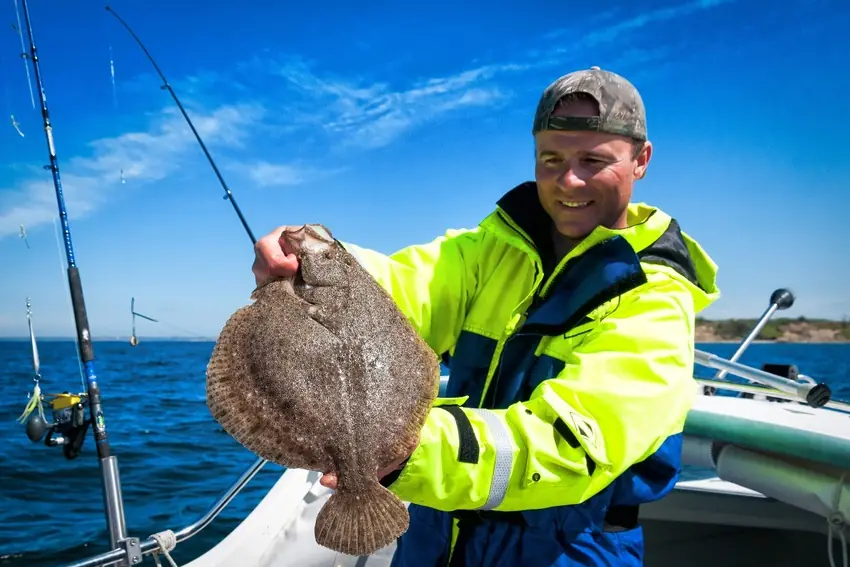
Turbot size varies by region, sex, and population. Published species records list a maximum length of about 39 inches and a maximum weight of about 55 pounds, although most fish caught by anglers are much smaller. Their bodies are broad, thick, and almost circular.
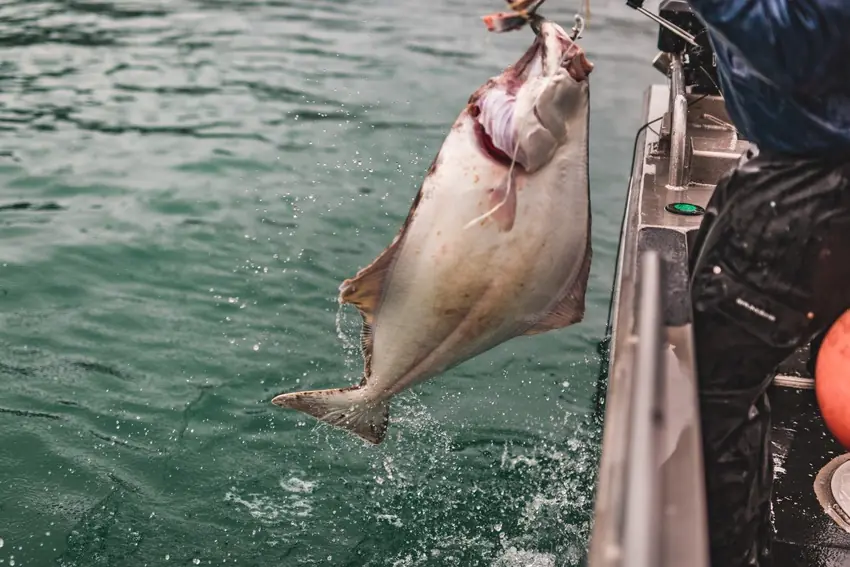
Pacific Halibut can reach about 8 feet and 500 pounds. Atlantic Halibut can grow even larger, with NOAA reporting lengths up to 15 feet and an exceptionally large recorded fish estimated at about 700 pounds alive. Fish approaching either maximum are rare, and recreational catch size varies widely by region.
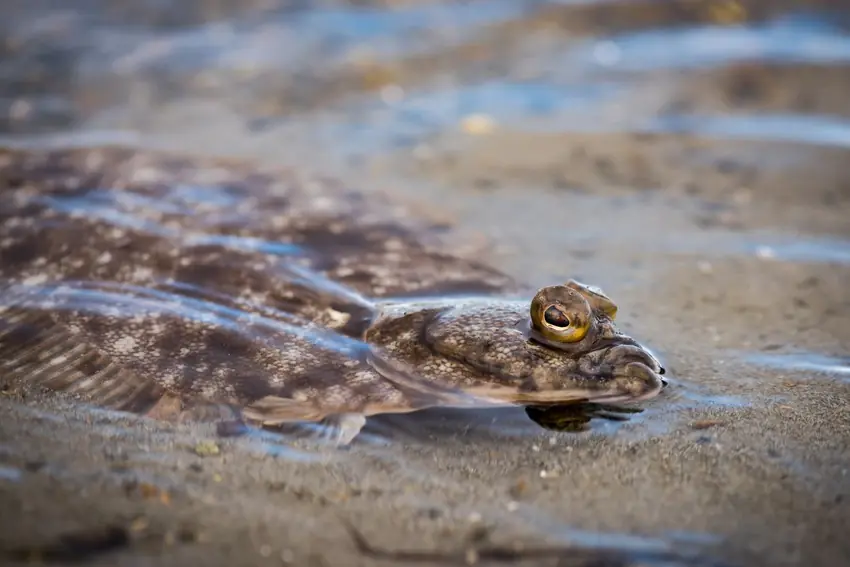
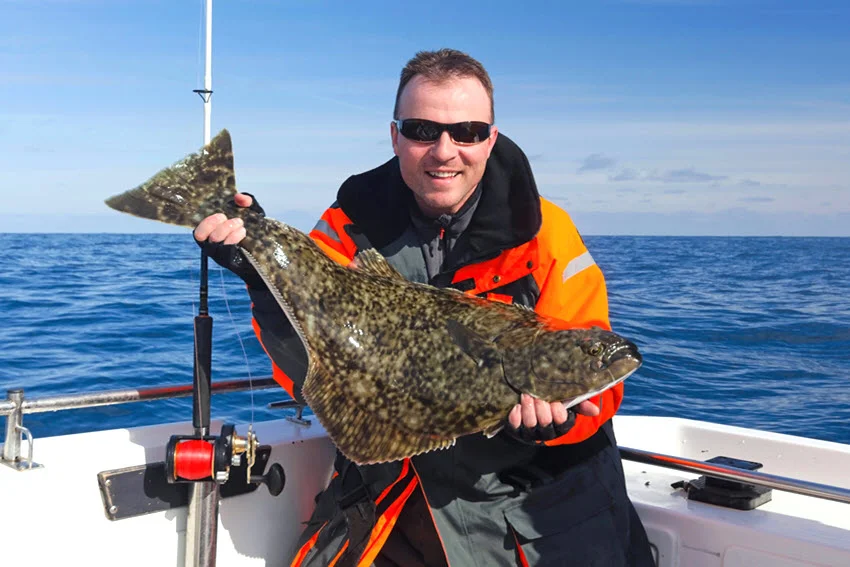
Turbot have broad, nearly circular bodies, with both eyes on the left side. The upper surface is mottled brown, gray, or olive and bears distinct bony tubercles rather than ordinary rough scales. The underside is pale.
Halibut are right-eyed Flatfish with a darker upper surface and a pale underside. Pacific Halibut are generally mottled gray to dark brown, while Atlantic Halibut are also brown or olive on the eyed side. Their elongated bodies and concave tails distinguish them from the rounder Turbot.
Reported Turbot longevity varies by population and source. Published species records place the maximum reported age around 25 years, while some regional studies report older fish. The safest comparison is to present longevity as stock-specific rather than universal.
Halibut are also long-lived. Pacific Halibut can reach 55 years, while Atlantic Halibut can live up to 50 years. Their slow growth and late maturity make stock-specific management especially important.
Habitat and behavior determine where anglers should fish, how much weight they need, and which presentation will maintain bottom contact. The comparison becomes clearer when European Turbot, Pacific Halibut, and Atlantic Halibut are treated separately.
Halibut habitat depends on the species. Pacific Halibut occupy the North Pacific, while Atlantic Halibut live across the North Atlantic. Both use bottom habitat, but depth and distance from shore change with age, season, and location.
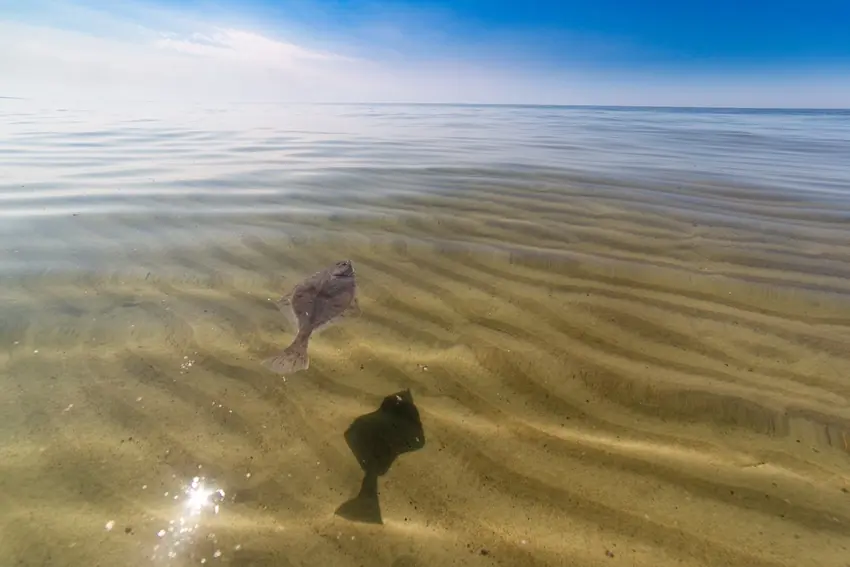
European Turbot inhabit the northeastern Atlantic, Baltic, Mediterranean, and Black Sea regions. They live on sandy, muddy, gravel, and mixed bottoms from shallow coastal water to depths of about 328 feet, with younger fish generally found closer to shore.
Anglers usually focus on sandbanks, channels, drop-offs, and transitions between sand, gravel, and mixed bottom. Productive depth and distance from shore vary by region, so local charts, tide information, and charter knowledge are more reliable than a single habitat formula.
Pacific Halibut occur across the North Pacific, from California through Alaska and into Asian waters. Atlantic Halibut range across the North Atlantic. Juveniles generally use shallower nursery habitat, while adults may occupy offshore shelf and slope areas and move seasonally between feeding and spawning grounds.
Seasonal movement is real, but it differs among European Turbot, Pacific Halibut, and Atlantic Halibut. Latitude, stock, spawning schedule, temperature, and prey distribution all influence where the fish are found.
Spring can bring increased coastal activity in some Turbot populations as water temperature, spawning behavior, and prey availability change. Pacific Halibut also begin moving from deeper winter spawning grounds toward shallower summer feeding areas, although timing differs across their range.
During summer, Pacific Halibut commonly use shallower continental-shelf feeding grounds than they do in winter. Turbot distribution is more regional: some populations use productive coastal banks, while others move deeper as temperature and spawning conditions change.
Fall movement varies by stock and location. Pacific Halibut begin moving away from shallow summer feeding areas toward deeper winter grounds, while Turbot may remain available on productive coastal banks or shift with water temperature and prey. Current local reports are more reliable than a fixed seasonal depth.
In winter, Pacific Halibut move toward deeper offshore spawning grounds. Atlantic Halibut and Turbot also show seasonal movement, but the direction and depth vary by population and region. Winter fishing should therefore rely on local data rather than a single rule for all three species.
There is no universal best hour for Turbot. Low-light periods may help in some shallow venues, while tide, current, water clarity, bait movement, and access to productive bottom often matter more. Local knowledge is especially valuable because Turbot behavior varies across regions.
Halibut can feed throughout the day. Many anglers favor periods around tide changes because weaker current can make it easier to hold bottom and control bait, but this should be described as a fishing advantage rather than proof that Halibut are universally most active at slack tide.
For either species, the most useful plan combines local reports, tide and current forecasts, seasonal access, and current regulations. Conditions that improve bait control and bottom contact are often more important than a single time of day.
Turbot and Halibut are carnivorous predators, but diet changes with species, age, size, habitat, and prey availability. Understanding what they eat helps anglers choose appropriate bait and presentation without treating every food item found in a fish's diet as a practical fishing bait.
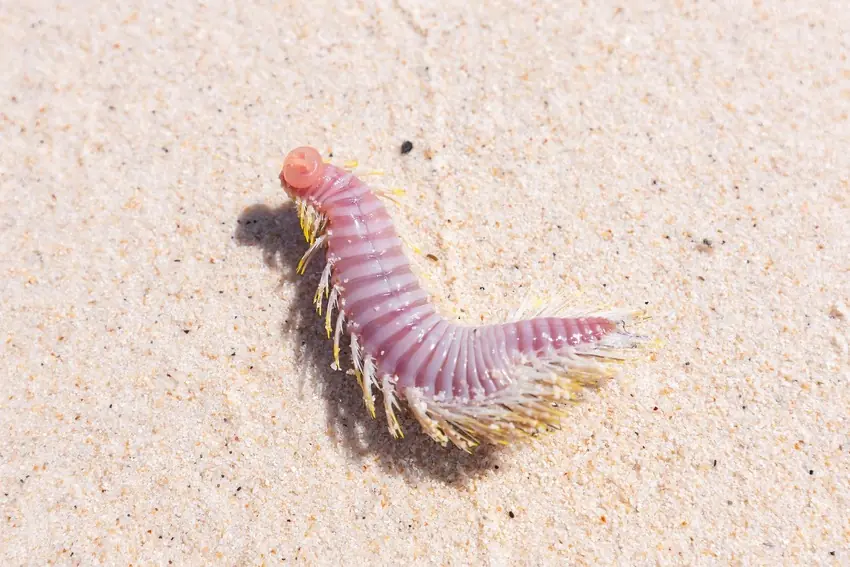
Turbot are ambush predators that use camouflage to remain close to the seabed. Juveniles eat more crustaceans, worms, and mollusks, while larger fish rely increasingly on Sand Eel, Gobies, and other bottom-dwelling fish.
As Turbot grow, fish become a more important part of their diet. This makes natural fish baits presented close to the bottom a logical choice, especially when the bait resembles local forage and moves naturally with the current.
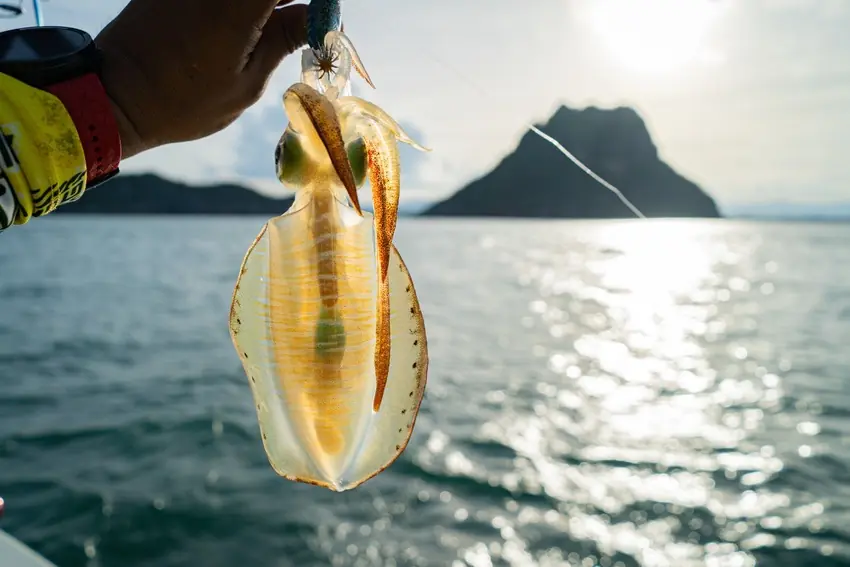
Halibut diet changes as the fish grows. Juveniles consume crustaceans and other small bottom-dwelling prey, while adults increasingly eat fish such as Cod, Herring, Pollock, Sablefish, and other Flatfish. Squid, Octopus, crabs, and clams may also be part of the diet.
Halibut can cover more ground than Turbot and may rise from the bottom to pursue prey. Their diet and behavior vary with age, species, season, and location, so anglers should match bait size and presentation to the local forage rather than relying on one universal setup.
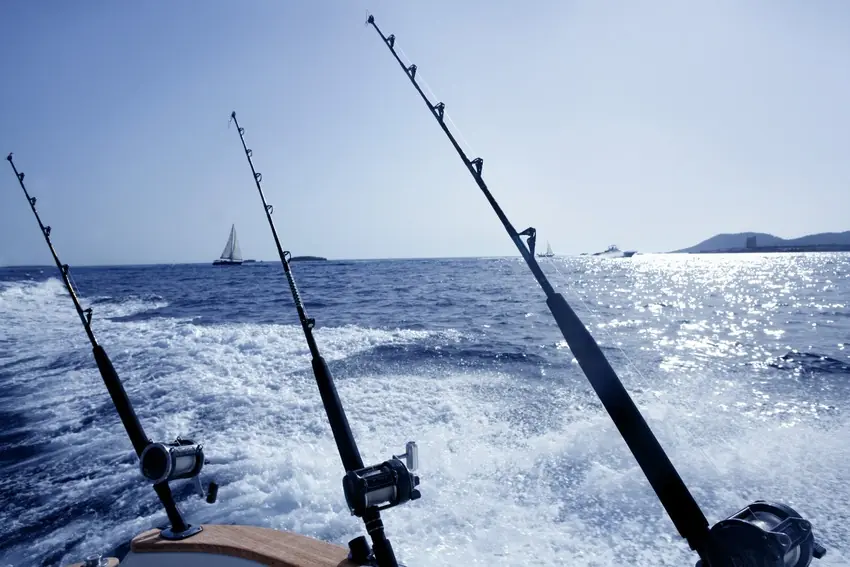
Both species are bottom-oriented, but fishing depth, current, fish size, and local habitat can require very different methods. Turbot fishing often emphasizes natural bait and controlled movement over sand or mixed bottom, while Halibut fishing may require heavier tackle and deeper presentations.
Bottom fishing is the primary approach for Turbot. Fish baits such as Sand Eel, Herring strips, Mackerel strips, and Squid generally match the diet of larger Turbot better than the small invertebrate baits used for many other Flatfish.
Controlled drift fishing can cover sandbanks, channels, and transitions between bottom types. Adjust weight and drift speed so the bait stays close to the seabed without dragging unnaturally or repeatedly snagging.
Halibut are commonly targeted with bottom fishing, vertical jigging, or slow trolling, depending on the region and local rules. Natural bait and artificial lures should be presented close to the bottom while the boat maintains a controlled drift or position.
Electronics can help locate depth changes, ledges, and productive bottom, but they do not replace local knowledge. Adjust sinker or jig weight to maintain contact with the seabed, and choose tackle that can control the fish without unnecessarily prolonging the fight.
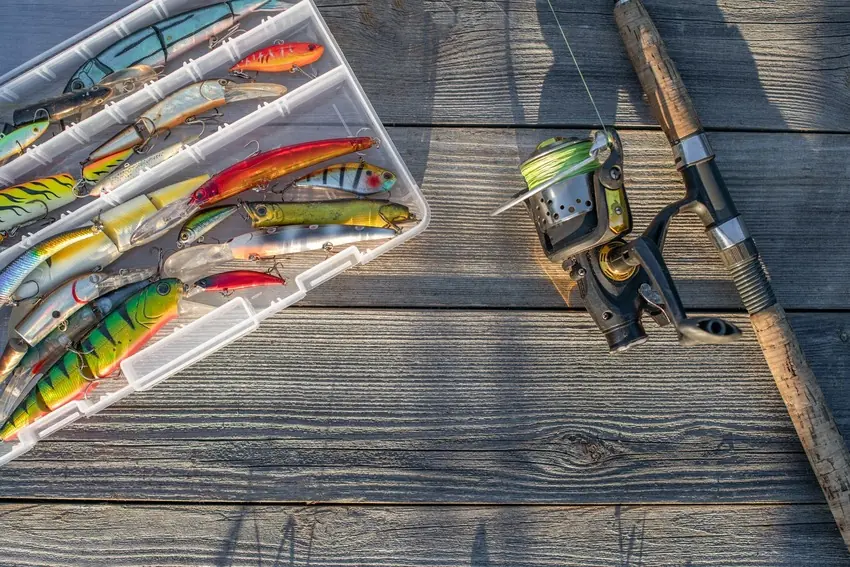
The right gear improves bite detection, fish control, and safe handling. Rod power, reel capacity, line strength, sinker weight, and terminal tackle should reflect the species, expected fish size, depth, current, and bottom structure.
Turbot fishing favors sensitivity, reliable bottom contact, and a natural presentation. Gear should match the venue because shore fishing, small-boat drifting, and deeper offshore banks place different demands on the setup.
The goal is a balanced setup that maintains bottom contact and transmits subtle bites without overpowering the presentation.
Large Halibut require durable tackle, adequate line capacity, and a controlled drag. The setup should be chosen for the expected fish size, water depth, current, and weight needed to reach the bottom.
Halibut gear must match the expected fish size, fishing depth, current, bottom structure, and local rules. Charter guidance is especially valuable when anglers are unfamiliar with the area.
Turbot and Halibut are both valued at the table, but texture, thickness, and fat content influence how each fish should be cooked. In either case, proper handling and avoiding overcooking matter more than an elaborate recipe.
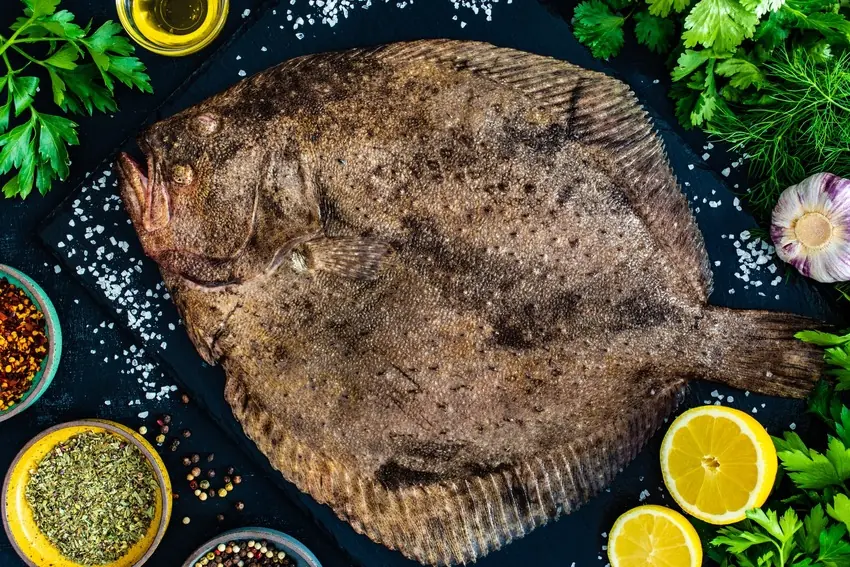
Turbot has firm, fine-textured white flesh with a mild, slightly sweet flavor. Gentle cooking methods such as pan-searing, baking, steaming, or poaching help retain moisture and highlight its natural taste.
Common preparations include baked Turbot with lemon and herbs, pan-seared fillets, and poached portions served with a light butter or white wine sauce. Mild vegetables such as asparagus, spinach, or carrots complement its delicate flavor.

Halibut has dense, flaky white flesh and a clean, mildly sweet flavor. It works well for grilling, roasting, baking, and pan-searing, but its low fat content means it can dry out if overcooked.
Halibut can be grilled, roasted, baked in foil, or pan-seared. Citrus, herbs, roasted vegetables, and light sauces complement the fish without overwhelming its flavor. Because Halibut is lean, careful timing helps prevent it from drying out.

Turbot and Halibut offer different challenges. Turbot fishing often emphasizes bottom contact, drift control, and subtle takes in coastal water. Halibut fishing can involve heavier tackle, greater depth, stronger current, and a more demanding landing process.
Beginners benefit from accessible water, moderate current, and straightforward bottom fishing. A guided trip can simplify species identification, rig selection, fish handling, and local regulations, particularly when Halibut are the target.
Turbot can be approachable where productive coastal habitat is accessible. Simple bottom rigs and controlled bait presentation let newer anglers focus on detecting bites and maintaining bottom contact.
Why Turbot Can Work for Beginners
Beginner anglers can start by learning bottom contact, bait placement, and patient hook-setting from shore or a small boat where local access allows. Turbot still require careful identification and compliance with local size rules.
Halibut fishing often requires boat access and heavier tackle, but beginners can target manageable fish with an experienced captain who selects suitable water, gear, and conditions.
Why Halibut Can Work for Beginners
A guided trip can introduce newer anglers to offshore fishing without treating every Halibut as an expert-only target. The captain should select gear and fishing depth that match the angler's experience.
Experienced anglers can pursue either species with more specialized gear and a closer reading of depth, current, bottom composition, and seasonal movement.
Experienced anglers can refine Turbot tactics by controlling a drift, reading seabed changes, and adjusting leader length and sinker weight to keep bait moving naturally near the bottom. The challenge is to cover productive ground without losing sensitivity or bottom contact.
Why Experienced Anglers Target Turbot
Experienced anglers can combine precise presentation with close attention to depth, current, and bottom structure. These variables often matter more than repeatedly changing bait or tackle.
Large Halibut provide a demanding offshore challenge. Heavy tackle, strong currents, substantial depth, and the fish's weight all require sound technique, careful boat handling, and a clear landing plan.
Why Experienced Anglers Target Halibut
Success depends on choosing gear that matches the fish, depth, current, and fishing method. Experienced anglers are rewarded with a demanding fight, but safe handling and compliance with local regulations remain more important than landing the largest possible fish.
Understanding fishing regulations and ethical practices about specific fish species protects fish populations and ecosystems and promotes responsible angling practices.
Anglers Booking Team
Fishing regulations protect spawning fish, limit harvest, and support healthy marine ecosystems. Turbot and Halibut rules differ considerably by species, stock, and jurisdiction, so no single set of limits applies across their full ranges.
Conservation status depends on the species and region. Pacific Halibut are tightly managed and are not currently overfished. Atlantic Halibut remain overfished in U.S. waters and are subject to rebuilding measures, while Turbot stock conditions and management rules vary across European and regional fisheries.
Effective management may include licenses, minimum sizes, bag limits, seasonal closures, catch limits, and gear restrictions. Because these rules vary by jurisdiction and can change, anglers should always consult the responsible local authority before fishing.
Conservation needs differ by species and stock. Pacific Halibut are not currently overfished, while Atlantic Halibut remain overfished in U.S. waters and are managed under a rebuilding plan. Turbot stocks are managed regionally through measures that may include quotas, minimum sizes, seasonal closures, and gear rules.
NOAA Fisheries monitors Atlantic and Pacific Halibut stocks, while the International Pacific Halibut Commission coordinates Pacific Halibut management across the United States and Canada. Turbot management varies among European and regional authorities, so conservation claims must be tied to a specific stock and jurisdiction.
Responsible fishing begins with current local rules. Carry the required license, follow bag and size limits, use appropriate tackle, and handle released fish carefully. Regulations can change by jurisdiction and season, so anglers should confirm the applicable rules before every trip.
Turbot and Halibut offer different saltwater fishing experiences. Turbot reward careful bait presentation over suitable coastal bottoms, while large Halibut demand heavier gear, boat access, and disciplined fish handling. In both cases, local conditions and regulations should shape the plan before an angler heads out.
Have you targeted either species? Share the conditions, bait, and fishing technique that worked for you in the comments below.

The expert copywriters at Anglers Booking have meticulously crafted this article. Our dedicated team of writers provides valuable insights and information to enhance your angling experience.
July 7, 2026

July 25, 2025
Subscribe to our newsletter and receive a selection of cool articles every week.
Embark on unforgettable fishing adventures with us at Anglers Booking.
book your charter
October 2, 2026
September 8, 2026
August 21, 2026
August 18, 2026
August 15, 2026
August 12, 2026
August 8, 2026
August 4, 2026

You're now part of our exclusive community. Get ready for premium content and updates straight to your inbox.
close
Subscribe to our newsletter and receive a selection of cool articles every week.
Please enter a valid email address.
Be the first to know when we're back in action.
Please enter a valid email address.
Leave a Comment
Your email address will not be published. Required fields are marked *
Thank you for your comment! It has been submitted for review and will appear on the site shortly.