


Anglers Booking Team
The expert copywriters at Anglers Booking have meticulously crafted this article. Our dedicated team of writers provides valuable insights and information to enhance your angling experience.
 10 minutes read
Peacock Bass is a powerful freshwater fish, known for its vibrant colors and intense fight, which are among its most notable characteristics. To many anglers, this fish is valuable because it provides an exciting and challenging experience. While it isn't easy to catch, the reward is well worth the effort.
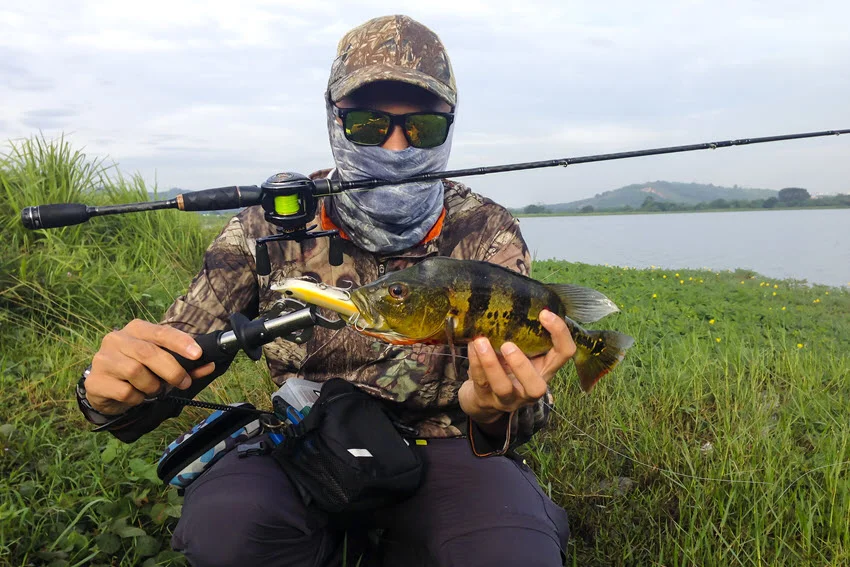
These fish species live in warm rivers and lakes. It is common in South America, particularly in the Amazon region. Anglers planning a trip around Florida's fishing seasons can also target this species in areas where it has been introduced.
These fish are like places with rocks, plants, and clear water. They hit lures aggressively, and when hooked, they jump and make fast runs, adding to the challenge. With the right gear and tactics, landing a large Peacock Bass can be an unforgettable fishing experience.
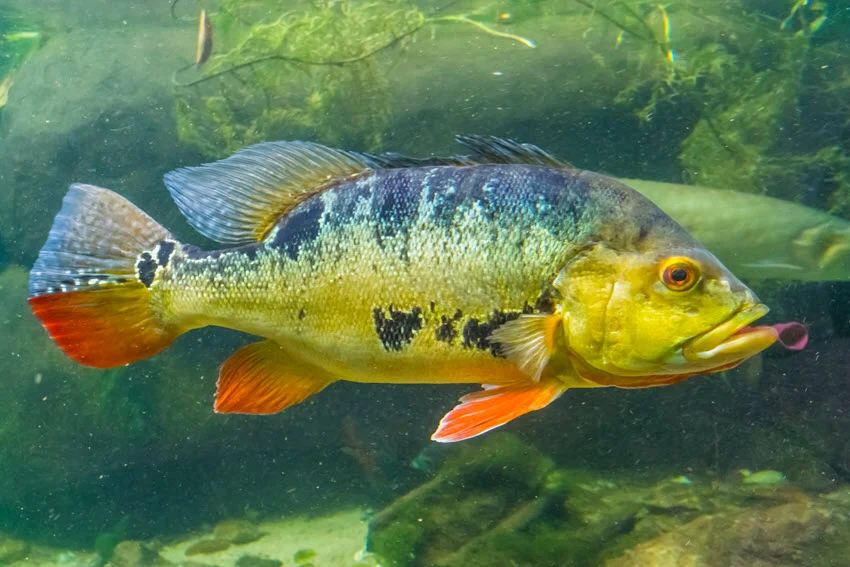
Peacock Bass can grow up to 30 inches long. Most fish are smaller, typically ranging in length from 12 to 20 inches. Big ones can weigh over 20 pounds. They can live up to 10 years in the wild. They prefer warm water and require ample space.
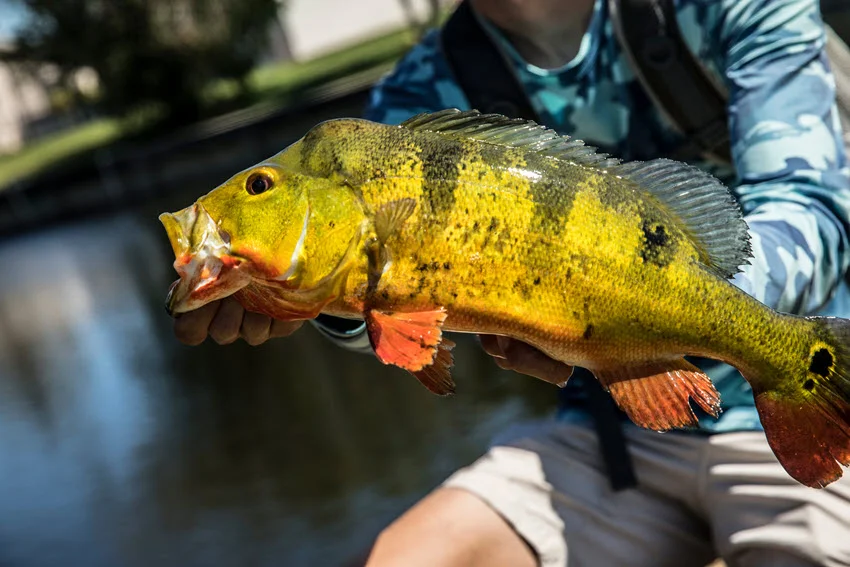
This fish is known for its vibrant colors, with bright yellow, green, and orange shades. Most have dark spots or stripes, with a black spot near the tail that looks like an eye. Peacock Bass live in rivers, lakes, and lagoons. They reside in shallow or mid-depth water, ranging from 3 to 10 feet deep. They like areas with rocks, weeds, or fallen trees where they hide and wait for prey. Warm, slow-moving water is best for them.
Aggressive by nature, Peacock Bass feed on smaller fish, insects, and crustaceans. They like fast-moving prey. That's why they strike lures hard. Their strong bite and hunting style make them fun to catch.
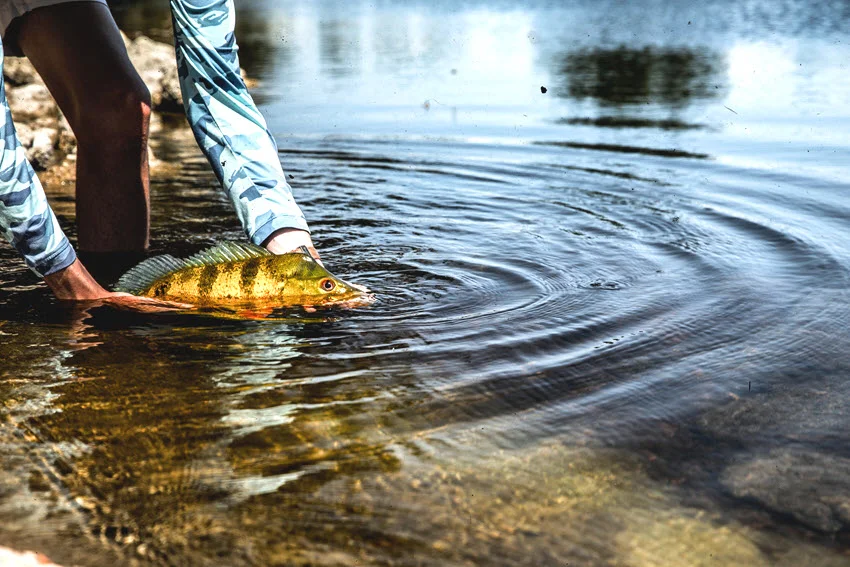
Peacock Bass can be caught throughout the year; however, their behavior varies with the seasons and water levels. Understanding these changes can help you catch more fish. In this guide, we will explore seasonal patterns, the best times of day to fish, and the impact of water movement. Be sure not to miss the sections below.
The best time to catch Peacock Bass is in spring and summer. During this time, they spawn and become more aggressive. Both males and females protect their nests and will attack anything nearby. In places like Miami, this makes spring and summer great for fishing.
During winter, fishing is still possible, but the fish may be less active. In the Amazon, the dry season (July to December) is best, because low water levels make it easier to find. Fish tend to gather in smaller, warmer areas during the dry season, which makes them easier to catch. Knowing these seasonal changes can improve your success on the water.
Early mornings are the best time to catch Peacock Bass, and late afternoons can also be productive. These fish are more active when the sun isn't too intense. While midday fishing can be effective, especially on cooler days, they tend to go deeper during hot weather. Overcast days are ideal for fishing, as the clouds help keep the water cooler and encourage fish to stay near the surface for longer periods.
Additionally, fishing during these times tends to be more comfortable for anglers. Paying attention to sunlight and weather conditions can help you determine the optimal times for fishing.
Peacock Bass thrive in warm, calm water, preferring temperatures between 75 and 85°F. In Miami, tides and water flow can affect the water levels in canals and rivers. A gentle current helps bring food to the fish, but strong tides or heavy rain can cause Peacock Bass to swim deeper. They often seek cover near rocks, submerged trees, and weed beds, which provide ideal hiding spots for them to ambush prey.
Understanding how water movement impacts fish behavior is essential for successfully locating them. By adjusting your fishing location according to tides and water flow, you can significantly improve your chances of a good catch.
Peacock Bass live in warm freshwater areas. They like calm water with plants, rocks, and sandy shores. They often hide near logs or in deep holes, which provide them with cover and a good view for hunting. In Miami, there are many great fishing spots where you can catch them. Here are some of the best places to try.
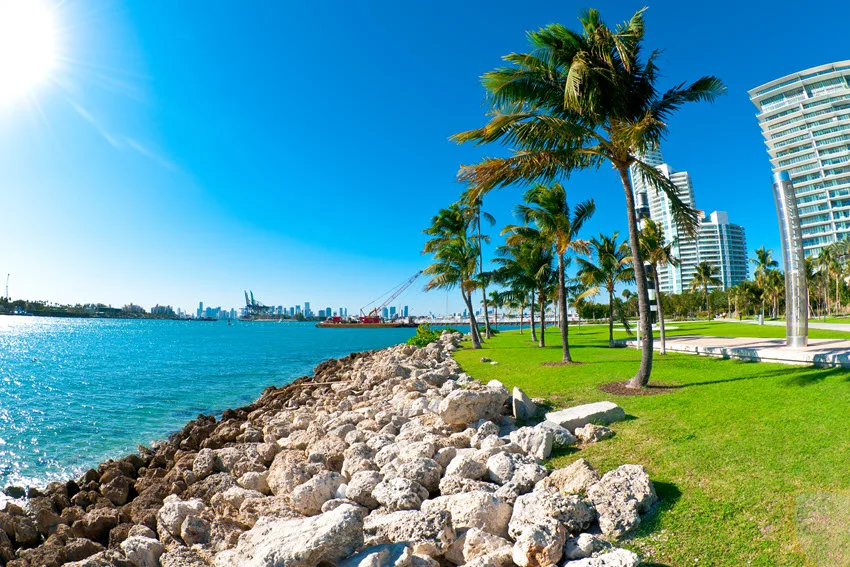
Snapper Creek is a 4-mile long waterway in Miami. It is full of Peacock Bass, especially in the summer months. The water is calm with many places for fish to hide. You can fish from the shore or a small boat. Many anglers report great action here.
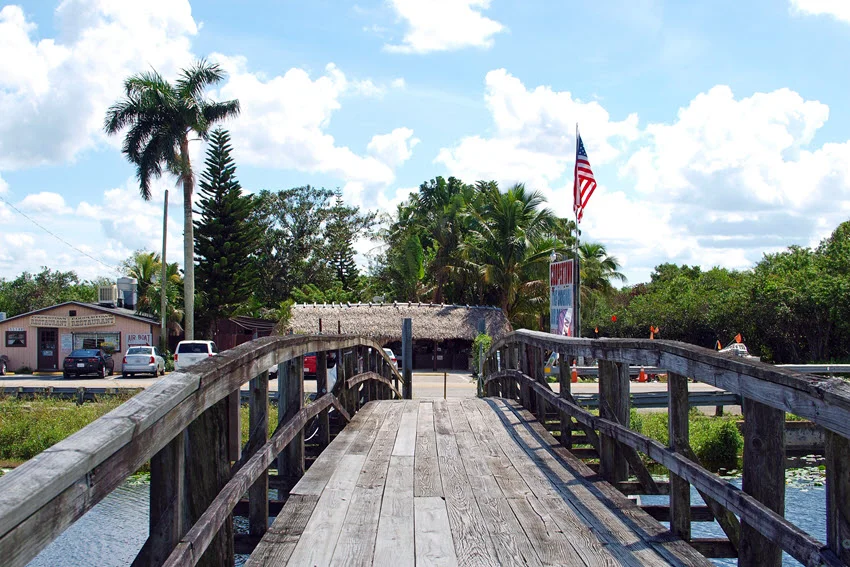
The Tamiami Trail runs across South Florida and features numerous canals along its route. These canals are full of fish, including Peacock Bass. You can fish almost anywhere along the trail. May to September is the top time.
Try near bridges, bends, and shaded spots. The canals provide lots of hiding places for fish. Many local anglers visit this area regularly because the fishing is good and easily accessible.

A beautiful lake near Blue Lagoon is a peaceful place to fish. Late spring through early fall is the best time. Look for fish near drop-offs and under trees. The lake has clear water, making it easier to spot fish. It's also less crowded, so you can relax while fishing.
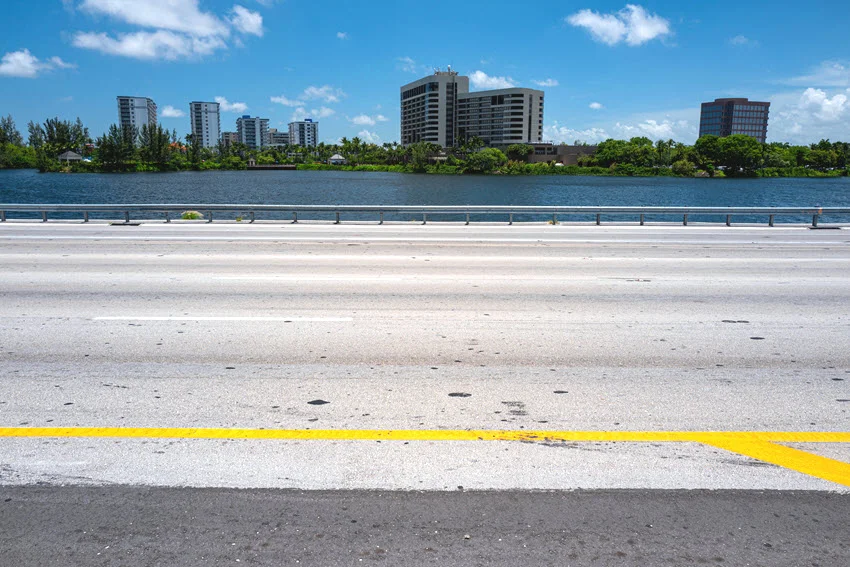
Blue Lagoon Lake is close to the Miami Airport. It spans approximately 167 acres and is easily accessible. This lake is home to a diverse array of fish, including numerous Peacock Bass. Spring and summer are the best times to fish in this area.
The fish prefer to stay near the edges, where plants and rocks are abundant. The water is usually calm, making it an ideal spot for fishing. Many anglers enjoy the peaceful setting while waiting for a catch.

Peacock Bass were introduced to Lake Wilson on Oahu. It is now a popular destination for freshwater fishing. The lake is easily accessible and offers steady fishing action. May to October is the top season as the fish stay near the banks early and move deeper later in the day. The warm climate makes fishing pleasant most of the year. Many locals and visitors enjoy fishing here for fun and sport.
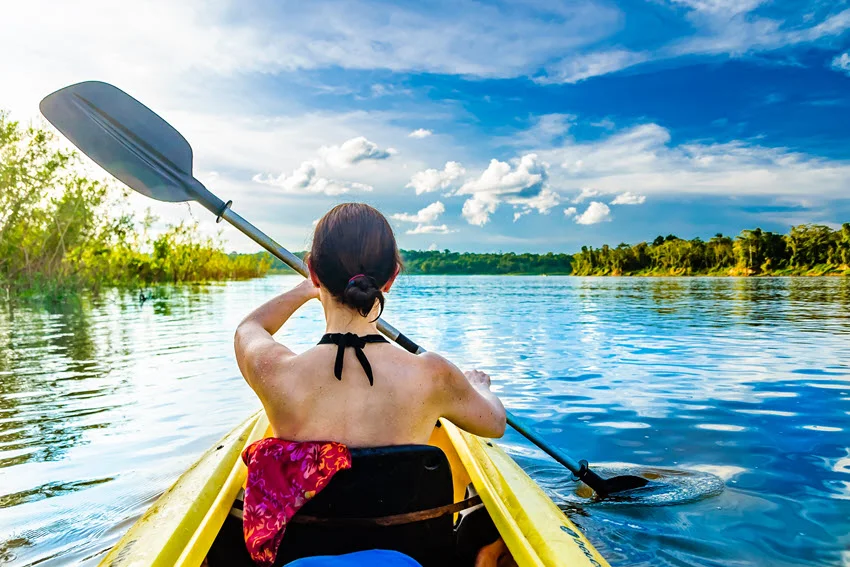
The Amazon River is the most famous place in the world for Peacock Bass fishing. It is the native home of this fish. Rivers, lagoons, and flooded forests are full of big Peacock Bass. Some can weigh over 20 pounds.
The best time to fish here is from July to December. Water levels are lower, and the fish are easier to find. Many anglers take guided trips by boat deep into the jungle. The jungle setting adds an element of adventure to the fishing experience.
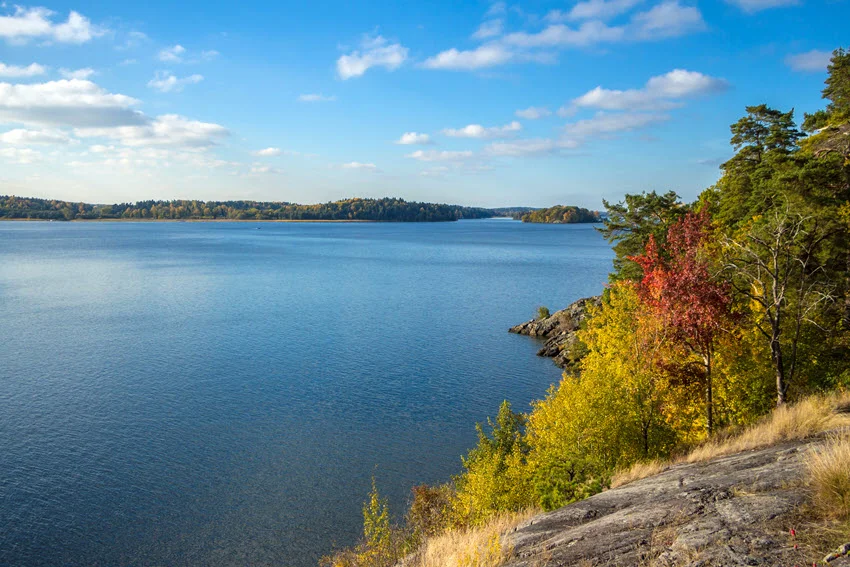
Lake Guri is one of the largest artificial lakes in South America. It is full of structures, such as trees, rocks, and islands, which make great hiding spots for Peacock Bass. Fishing here is good almost all year, but from September to February is the best time. The fish are active and aggressive during these months.
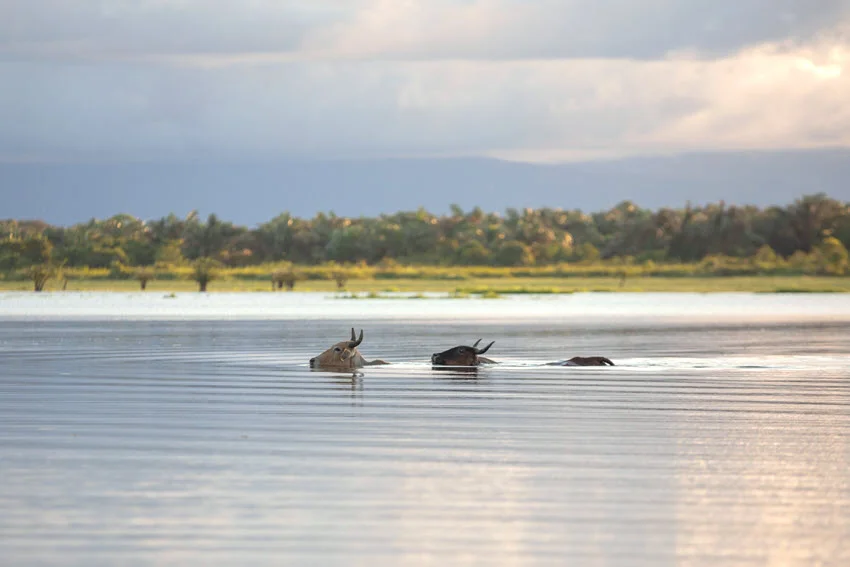
Caño Negro is a wildlife refuge featuring rivers and lakes teeming with fish. Peacock Bass were introduced here and have spread fast. It's an excellent place for anglers seeking action and nature. January to April is an ideal time to visit, as the dry season brings clear water and improved fishing conditions.
The area is also renowned for its diverse bird and wildlife population. Fishing here is a great opportunity to enjoy nature while reeling in fish.
To catch Peacock Bass, you need to stay active. These fish don't just sit and wait. They hide, watch, and then strike fast. If you use the proper methods, you will catch more of them. Below are the most common and effective techniques.
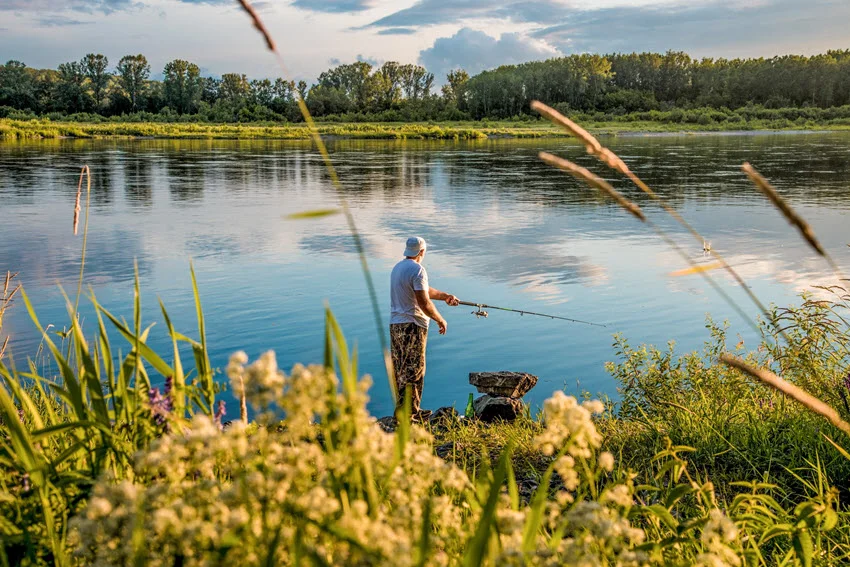
Peacock Bass like to hide near structures. Cast your bait close to rocks, weeds, tree roots, or bridges. Look for places with cover and shade. Cast just past the target, then reel slowly toward it. If the water is deep, let the bait sink before you move it. Fish often attack when the bait passes close to their hiding spot. This method works well in canals, lakes, and riverbanks. Move quietly and avoid spooking the fish.
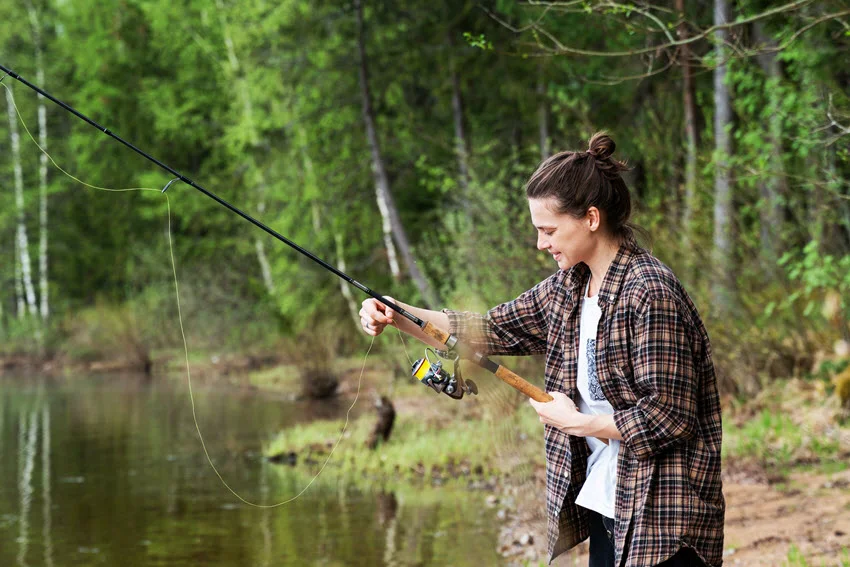
One of the most effective ways to trigger a Peacock Bass strike is by using a fast retrieve with pauses. After casting, reel in quickly for a few seconds, then stop and let the bait rest for a brief moment. Resume reeling, either fast or slow, then pause again. This start-and-stop action mimics a wounded fish, which Peacock Bass find hard to resist. Vary your speed and rhythm; some fish will hit during the pause, while others strike the moment the bait starts moving again.
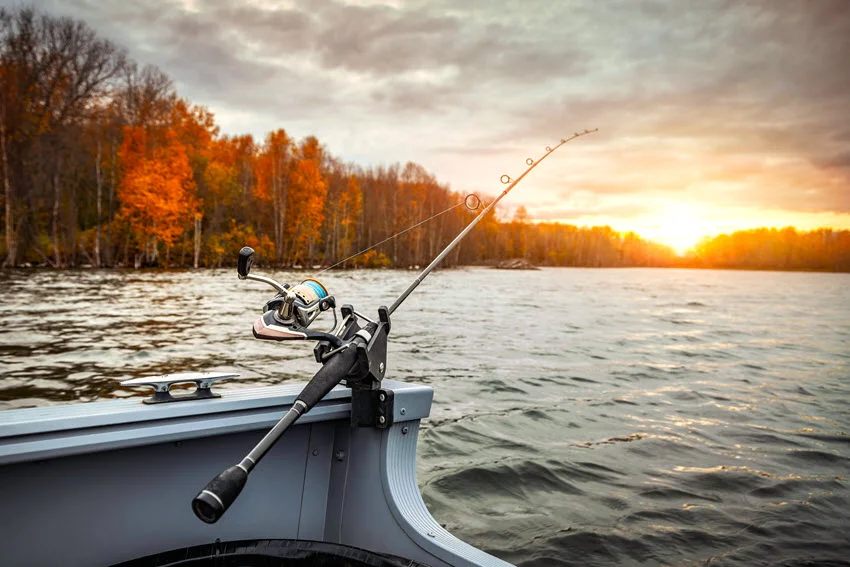
When fishing from a boat, let the boat drift slowly with the current. Cast your bait near the structure while the boat moves to cover a larger area without scaring the fish. Let your bait float or sink naturally, depending on depth. This method is great for fishing in rivers or large lakes. It helps when the fish are not near the shore, and you need to search larger areas of water.
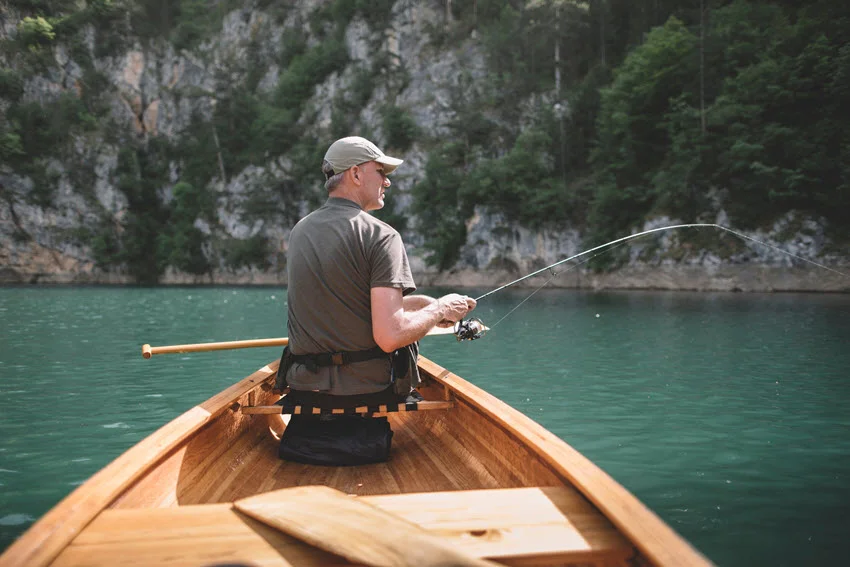
Peacock Bass hit hard. When you feel a strong thump, pull the rod back quickly to set the hook. Don't wait. Then reel in fast and try to move the fish away from any cover. These fish will try to swim into rocks, roots, or weeds. Keep your line tight so they don't break it. Use steady pressure and control the fish until you bring it in. After landing, handle the fish gently. If you plan to release it, revive it slowly in the water before releasing it.
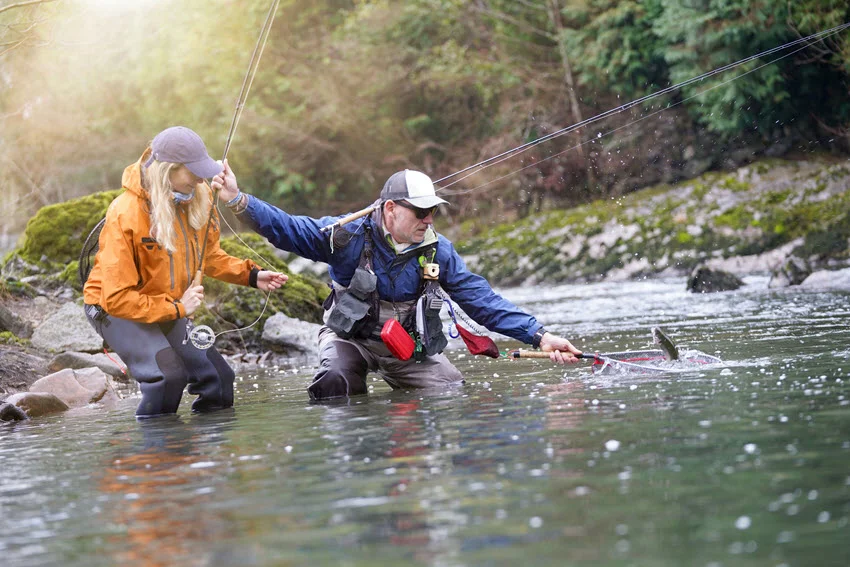
If you're new to Peacock Bass fishing, think about hiring a guide. In places like Miami or the Amazon, many local guides are familiar with the best spots. They can help you with casting, bait choices, and finding fish. A good guide saves you time and helps you learn fast. It's also a fun way to explore new waters with someone who knows the area well.
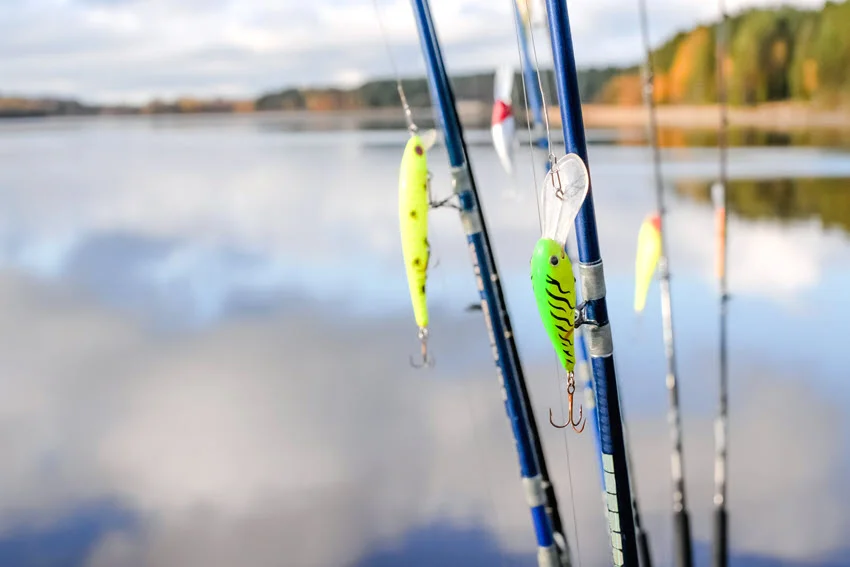
Choosing the right bait is crucial for catching Peacock Bass; these fish prefer both live and artificial baits. Using the best bait helps you catch more fish. Knowing which bait to use in different situations can significantly impact your success. It's a good idea to try other options to see what works best in your fishing location.
Live bait is perfect for Peacock Bass. You can use shad, shiners, tilapia, minnows, bluegill, and small cichlids. Put the live bait on a J-hook and let it swim freely. Sometimes, use a small sinker to help it reach the proper depth. The natural movement of live bait is very attractive to Peacock Bass. They are more likely to bite when the bait moves like real prey. Using fresh live bait increases your chances of a strike.
Artificial lures are popular too. There are many types and colors. Some good choices are jigs, topwater lures, crankbaits, and swimbaits. You can use poppers and chuggers on the surface to cause big strikes. Crankbaits and jigs work well in deeper water and can be used multiple times. They are suitable for fishing in areas where live bait is scarce. Experimenting with different lure types can help you find what the fish want that day.
Dead bait is not very common for Peacock Bass, but some anglers use it sometimes. It can work when live bait is not available. Pieces of fish or cut bait can attract Peacock Bass if placed near the structure. Dead bait does not move, so it works best if fish are slow or inactive. Using dead bait may also help when the water is colder or murky. It emits a scent that can attract fish from a distance.
Peacock Bass see colors well. Try bright colors on cloudy days. Use natural colors on sunny days. Changing the color of your lure can help catch more fish. Peacock Bass react to what they see. Finding the right color may trigger their hunting instinct.
To catch Peacock Bass, you need the right gear. The gear depends on the size of the fish and the fishing location. Using good gear helps you catch more fish and handle the intense fights. Keep in mind that the right equipment makes fishing easier and more fun. Additionally, consider fishing accessories like polarized sunglasses to enhance your visibility underwater and help you spot fish more easily. Gloves can protect your hands during the fight, especially when handling the fish.
Use a medium-light action rod about 6 to 7 feet long. This rod is strong enough. It can handle the tough fight of Peacock Bass. Pairing with a 3000-size spinning reel is a great solution. Use a strong fishing line with 10-pound test strength. This line is strong and thin. It works great for aggressive and quick fish. You can also bring gear to safely land the fish without harming the fish or yourself.
For bigger Peacock Bass, use a medium or medium-heavy rod with fast action. Use a reel that can hold enough braided line and fluorocarbon leader. The leader should be about a 15-pound test to prevent breakage. Strong gear helps you control the fish near rocks and structures. Taking care of your gear is important. It is recommended to clean and dry it after use to prolong its lifespan and ensure optimal performance on your next trip.
Understanding fishing regulations and preserving specific fish species contributes to protecting fish populations and ecosystems and promoting responsible angling practices.
Anglers Booking Team
If you want to fish for Peacock Bass, you must follow the rules and regulations. These rules are essential for protecting the fish and ensuring a fun fishing experience for everyone. Different places have different rules, so it's good to know them before you go fishing. This section explains the most important rules you need to follow.
Regulations keep the fish healthy and the waters full of life. Rules may change depending on the season or location. It is your responsibility to know and follow the laws where you fish.
Peacock Bass fishing is an exciting and rewarding experience. These fish are strong, fast, and fiercely determined. Many anglers enjoy the challenge of catching them. It is essential to adhere to fishing regulations. These rules are in place to help protect the Peacock Bass and maintain the fish population in rivers and streams.
By respecting the rules, we protect the sport and nature. This way, Peacock Bass will be around for many years. Everyone will have a chance to enjoy this amazing fish.
Now it's your turn. Where do you like to fish for Peacock Bass? What techniques work best for you? What was your most exciting catch? We are happy to see your answers!

The expert copywriters at Anglers Booking have meticulously crafted this article. Our dedicated team of writers provides valuable insights and information to enhance your angling experience.

November 11, 2024
February 23, 2026
Subscribe to our newsletter and receive a selection of cool articles every week.
Embark on unforgettable fishing adventures with us at Anglers Booking.
book your charter
September 8, 2026
August 21, 2026
August 18, 2026
August 15, 2026
August 12, 2026
August 8, 2026

August 4, 2026
April 17, 2026

You're now part of our exclusive community. Get ready for premium content and updates straight to your inbox.
close
Subscribe to our newsletter and receive a selection of cool articles every week.
Please enter a valid email address.
Be the first to know when we're back in action.
Please enter a valid email address.
Leave a Comment
Your email address will not be published. Required fields are marked *
Thank you for your comment! It has been submitted for review and will appear on the site shortly.