


Anglers Booking Team
The expert copywriters at Anglers Booking have meticulously crafted this article. Our dedicated team of writers provides valuable insights and information to enhance your angling experience.
 9 minutes read
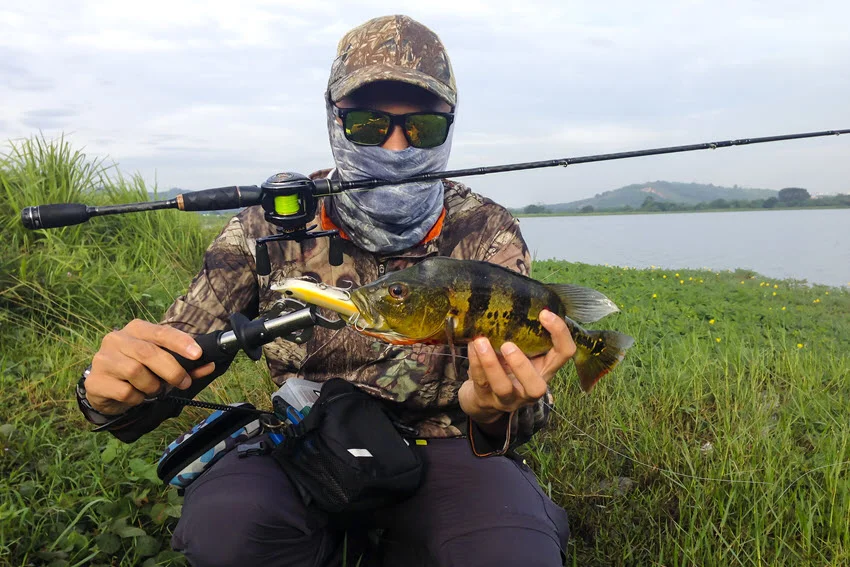
Do you want to have a successful day of fishing for Peacock Bass? Well, then you are in the right place. This guide will cover all the essentials about it. Our focus will be on lures for this fish. Additionally, you will receive all the necessary information related to fishing for this species.
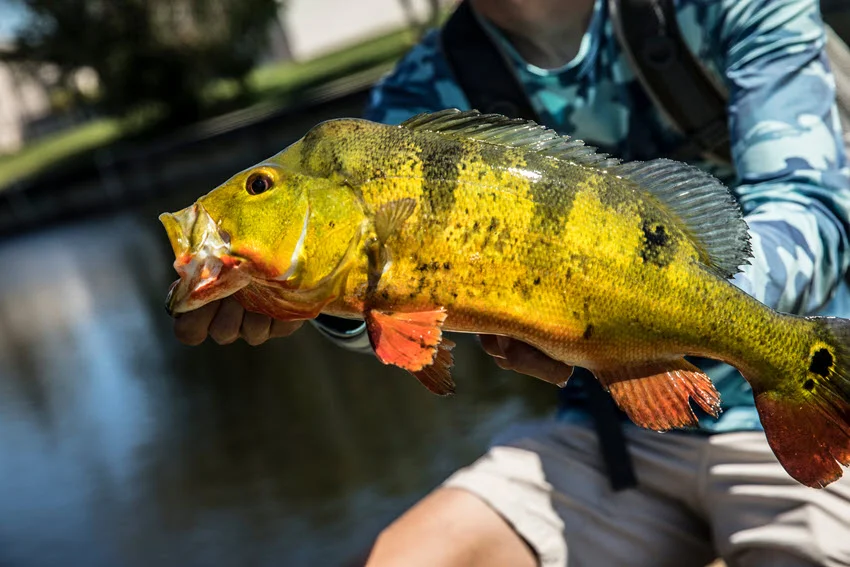
Stay with us, and you'll see, from clear Amazonian rivers to murky Florida canals, we've got you covered. The parts below will help you understand this fish to achieve fishing success. Let's go!
First, we must start with its name. Remember, Peacock Bass aren't true Bass. They're part of the cichlid family. These fish come from the Amazon Basin. Over time, they were brought to Florida and Hawaii. There, they quickly gained popularity among anglers. The reason? Their strikes are fast and exciting. Below, we will help you understand this fish.
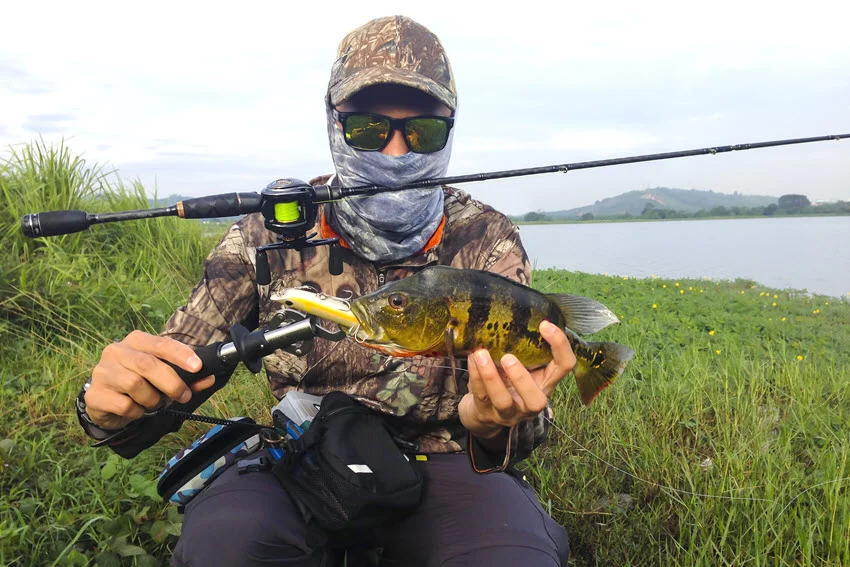
Peacock Bass prefer warm, tropical freshwater systems. Think submerged trees, weed edges, canals, and riverbanks. In Florida, they thrive in the canals of Miami-Dade and Broward counties. In South America, they dominate blackwater rivers and backwaters.
They're most active at water temperatures between 75°F and 85°F. Unlike Largemouth Bass, they do not tolerate cold water well. This fish can weigh over 20 pounds in their native range and up to 10 pounds in Florida.
Expect them to strike most aggressively during warm daylight hours. They're visual hunters. Bright light often helps rather than hurts your odds. Their hunting style is all about ambush, speed, and brute force.
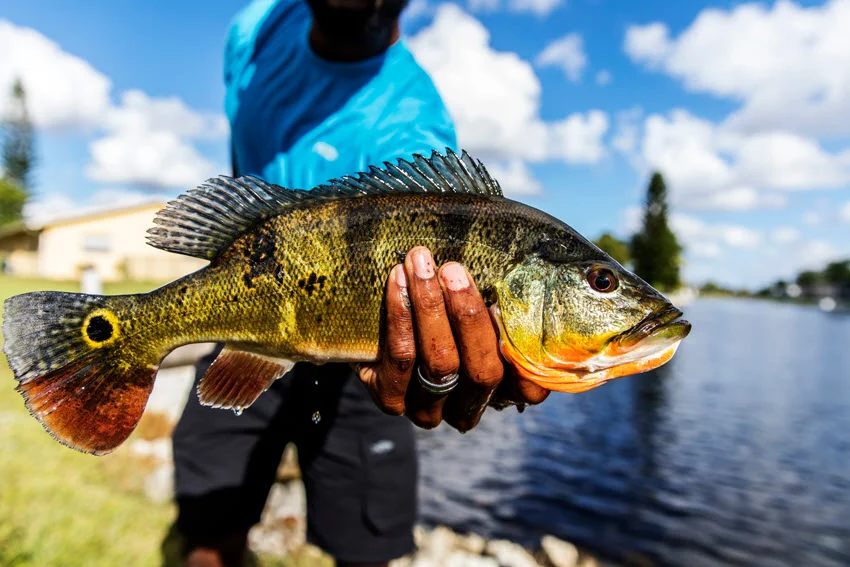
Peacock Bass do not follow the same seasonal feeding patterns as cold-water fish. Still, certain months produce better fishing. Here's what to expect each season.
Knowing how Peacock Bass behave each season helps you to be more successful in fishing. This way, you can fish successfully any time of the year.
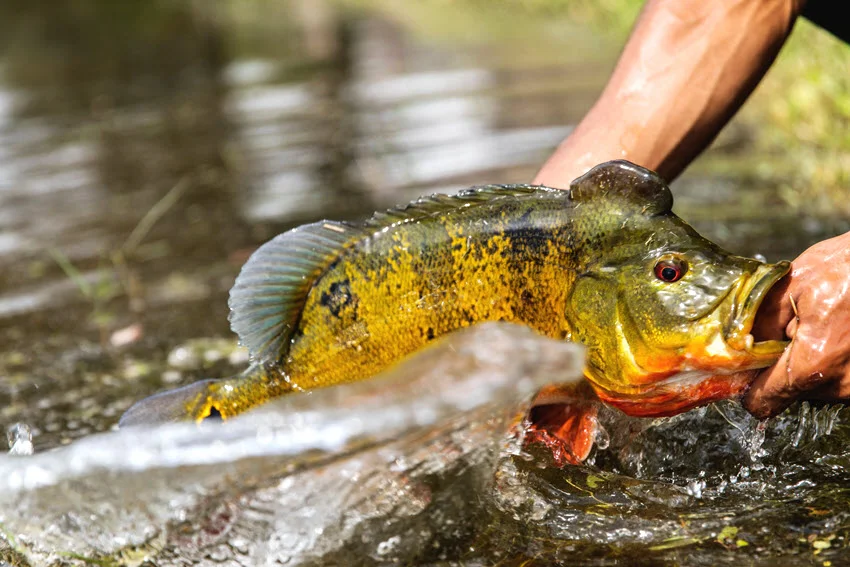
Peacock Bass live in warm freshwater. They react differently to lures depending on the location. Here's a quick guide on where to find Peacock Bass and which lures work best there.
Understanding their preferred habitats helps you pick the right lure. Try different lures. Pay attention to how the fish react.
When it comes to lures, the opportunities are endless with so many styles and colors. Jigs, topwater lures, crankbaits, and swimbaits are among the most popular options for artificial lures. The best part of using artificial bait is that you can reuse it again and again.
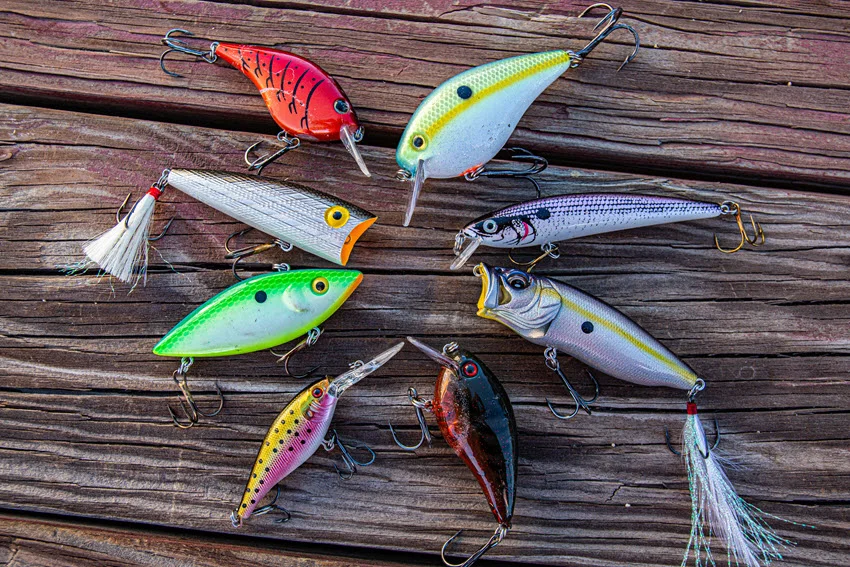
Topwater lures stay on the surface of the water. They create noise, splashes, or side-to-side action making them easy for Peacock Bass to see and hear. These lures often cause explosive strikes. Use them in shallow water. Also, you can try it near banks or around a corner. Early morning is an ideal time to try topwater fishing. A good way to use them is with a quick stop-and-go motion to get the fish excited and ready to bite.
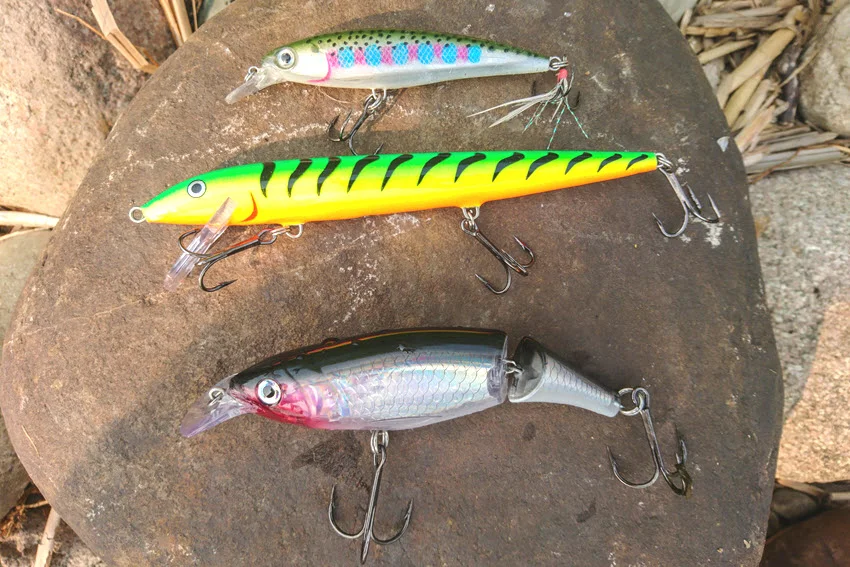
Jerkbaits are hard lures that move just below the surface. When you twitch your rod, the lure darts from side to side, resembling a small, injured fish. Peacock Bass love this kind of motion. Jerkbaits work well in clear water and near rocks. Use short, sharp jerks with pauses in between to make the lure look alive.
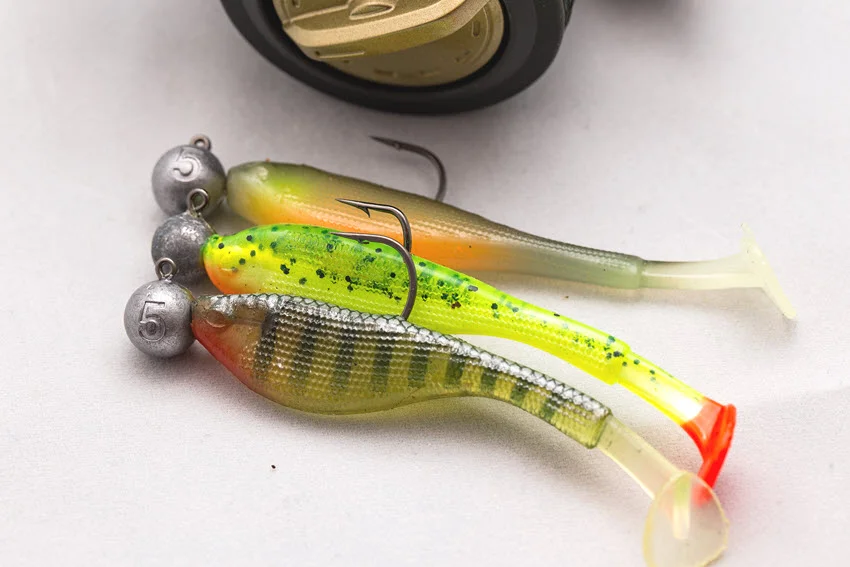
Jigs are simple yet highly effective fishing lures. They consist of a weighted head and a soft or feathered tail. To use a jig, let it sink near the bottom, then lift and drop it. This up-and-down motion mimics a prey fish trying to escape. Jigs work well in deep water, especially around heavy cover or in low visibility conditions. They can be used throughout the year, and slow movements typically yield the best results.
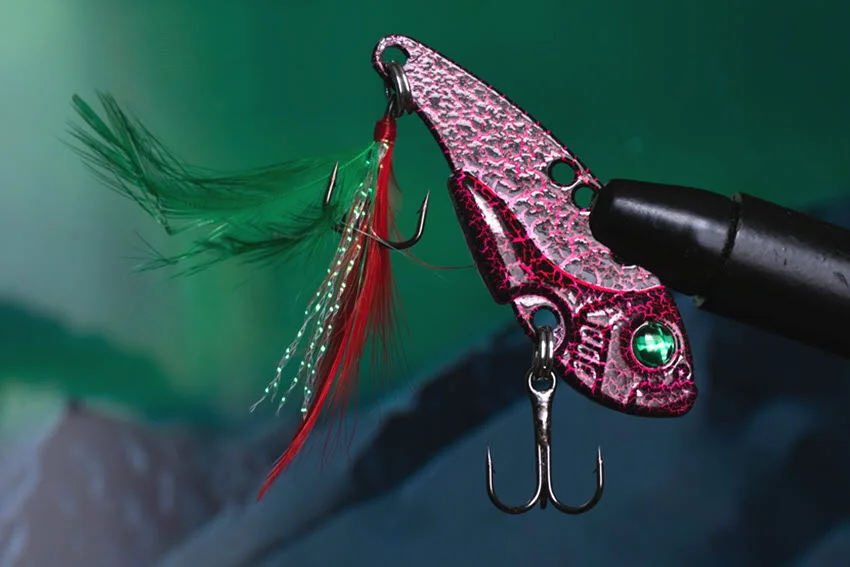
Crankbaits are hard lures that dive when you reel them in. They look like small baitfish. They often have a wobbling or rattling action. Peacock Bass will chase and strike them as they move by. Crankbaits are ideal for quickly covering a large area of water. Use them in lakes, canals, or deep channels. You can reel them steadily or use short bursts to trigger strikes. They are great for finding active fish.
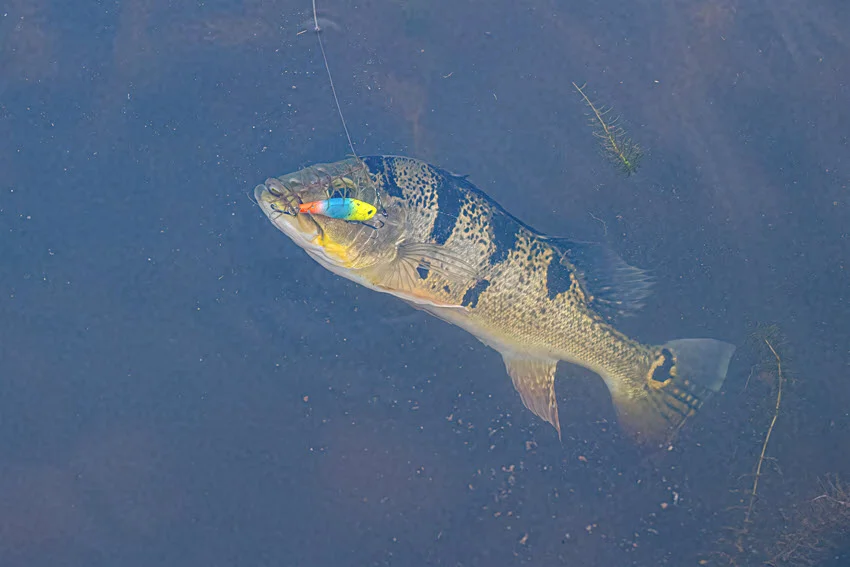
Swimbaits are soft or hard lures that look and move like real fish. They have a natural swimming action when retrieved, making them perfect for clear water. This lure is a good pick for targeting bigger Peacock Bass. You can use them in open water, around structures, or along drop-offs. A steady retrieve usually works best. Swimbaits are great when fish are not very aggressive but still hungry.
Peacock Bass are powerful fish. To catch them with lures, you need the proper technique. The way you move your lure in the water can make a big difference. Below are the best methods to catch Peacock Bass.
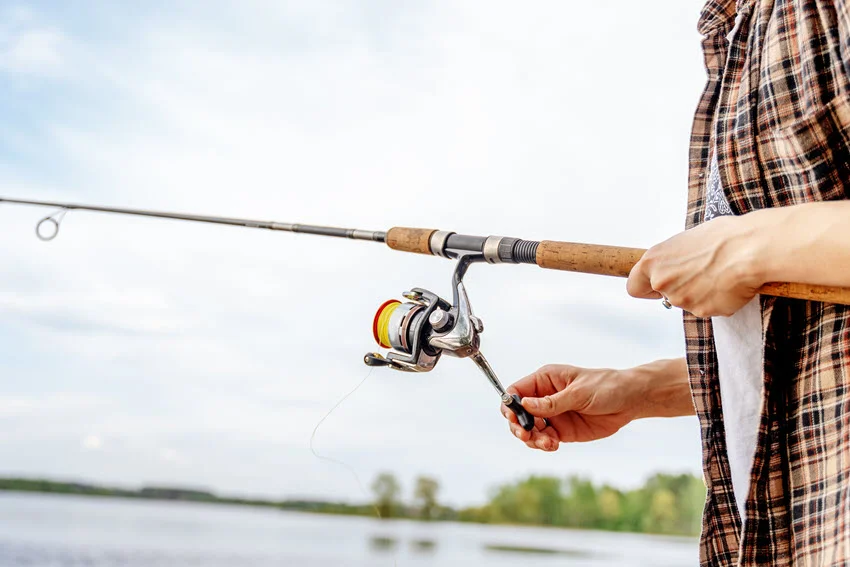
Work the lure with sharp rod jerks followed by short pauses. Keep it just below the surface to imitate an injured baitfish. This is most effective when Bass are following topwater lures but refusing to strike. It could be effective, especially during low-light or overcast conditions: target points, canal edges, and shallow flats where fish cruise for easy meals.
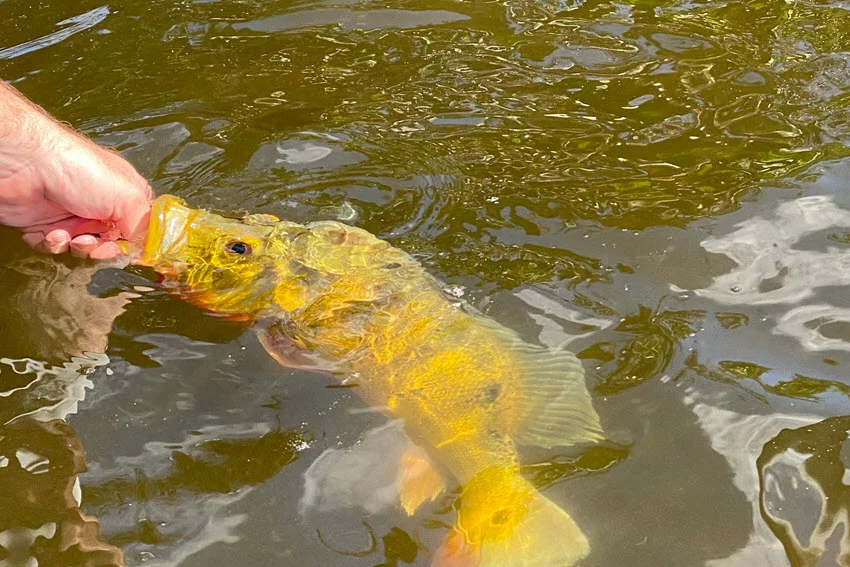
Cast a heavy jig near cover. Let it sink to depth. Then work it back with short, quick strips or hops to mimic fleeing prey. This approach works best in deeper holes or around structures during midday heat. Focus on submerged brush, docks, or steep drop-offs. At these places, Bass can ambush. If fish follow but don’t hit, slow your retrieve and let the jig flutter more naturally before lifting again.
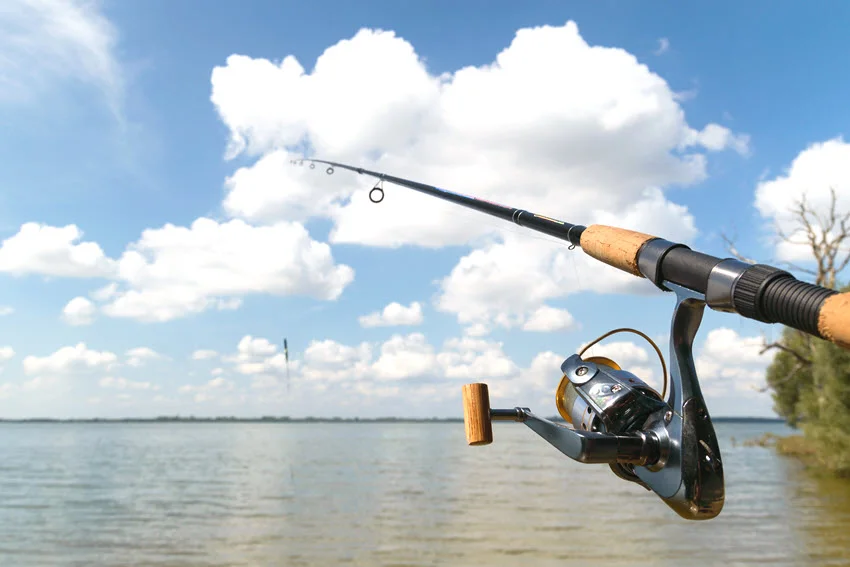
Retrieve with a rip-pause-rip rhythm, using short jerks of one to three feet to make the lure churn water and throw splashes. This method shines in low-visibility conditions, such as stained water, overcast skies, or dawn and dusk, when Bass hunt by sound. Cast along weed edges, canals, or backwater pockets where fish are aggressive. If strikes miss, slow down and let the lure sit briefly between rips to give the fish another shot.
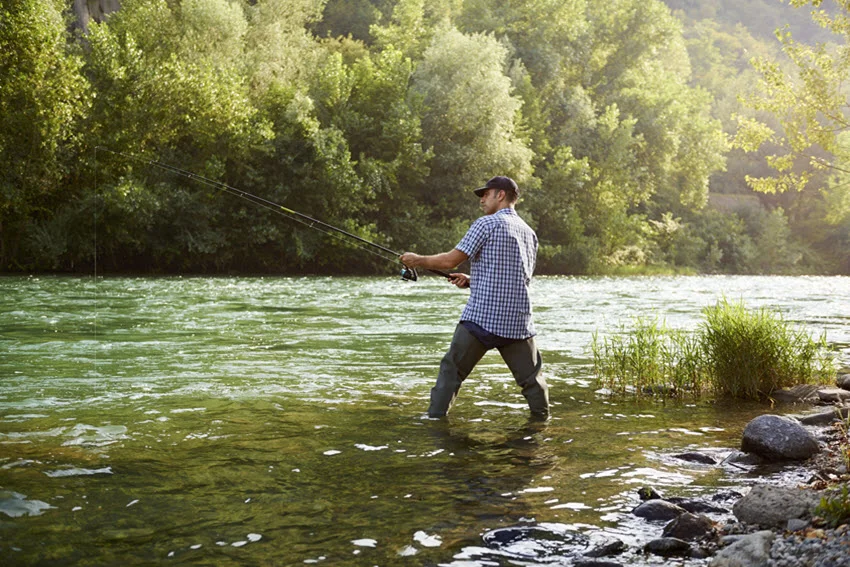
Work the lure with steady twitches of the rod tip down so it glides side to side like a fleeing baitfish. This technique works best in calm conditions, particularly during early morning or late afternoon, when Peacock Bass are actively hunting near the surface. Cast along canal edges, shallow flats, or near mangrove roots where baitfish are visible. If fish boil but miss, add a short pause after two glides. If they only follow without striking, increase the cadence slightly to trigger an aggressive bite.

Understanding fishing regulations and ethical practices about specific fish species protects fish populations and ecosystems and promotes responsible angling practices.
Anglers Booking Team
When fishing, it is important to respect the fish and the environment. Follow local fishing laws and regulations to help maintain healthy fish populations. Using proper catch-and-release methods helps protect Peacock Bass for future anglers. Handle the fish carefully. Quickly release them back into the water.
Be aware of closed seasons or protected areas where fishing might be restricted. Using the right gear, such as single hooks instead of treble hooks, can help reduce harm to fish. Avoid leaving trash or fishing gear behind to keep the waterways clean. Respect other anglers and nature to make fishing enjoyable for everyone.
Choosing the right lure for Peacock Bass can make your fishing trip great. Peacock Bass are strong and fast fighters. Using the right lure helps you catch more and have fun. Knowing how they behave in different waters and seasons makes a big difference. Experiment with various lures and techniques until you find the combination that works best for you.
What lures have worked best for you? Do you like fishing in rivers or canals? Share your thoughts and experiences in the comments below.

The expert copywriters at Anglers Booking have meticulously crafted this article. Our dedicated team of writers provides valuable insights and information to enhance your angling experience.

November 11, 2024

May 14, 2026
Subscribe to our newsletter and receive a selection of cool articles every week.
Embark on unforgettable fishing adventures with us at Anglers Booking.
book your charter
October 2, 2026
September 8, 2026
August 21, 2026
August 18, 2026
August 15, 2026
August 12, 2026
August 8, 2026
August 4, 2026

You're now part of our exclusive community. Get ready for premium content and updates straight to your inbox.
close
Subscribe to our newsletter and receive a selection of cool articles every week.
Please enter a valid email address.
Be the first to know when we're back in action.
Please enter a valid email address.
Leave a Comment
Your email address will not be published. Required fields are marked *
Thank you for your comment! It has been submitted for review and will appear on the site shortly.