


Anglers Booking Team
The expert copywriters at Anglers Booking have meticulously crafted this article. Our dedicated team of writers provides valuable insights and information to enhance your angling experience.
 8 minutes read
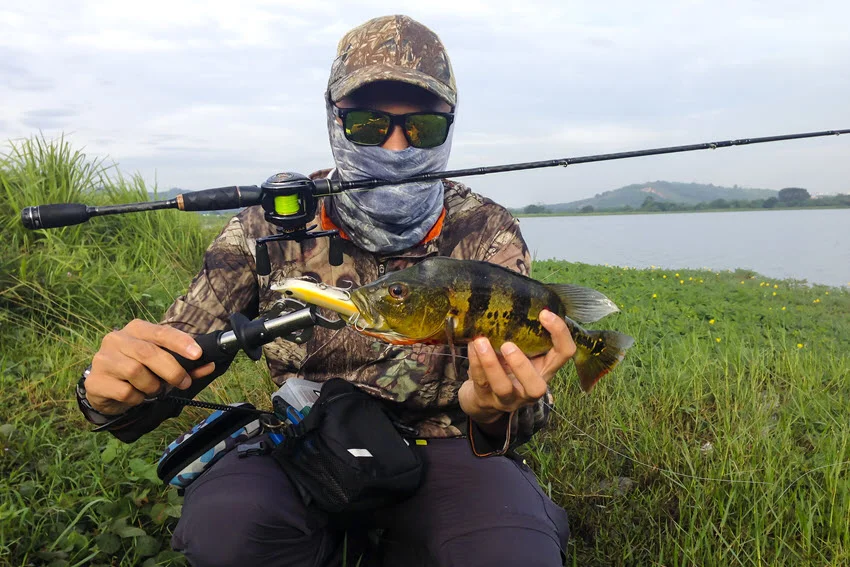
Peacock Bass are arguably among the most popular and hard-fighting freshwater targets in South Florida, with their explosive strikes, bright tropical colors, and aggressive behavior. Stocked in Florida by the FWC in 1984, they have grown to become one of the most sought-after catches throughout South Florida.
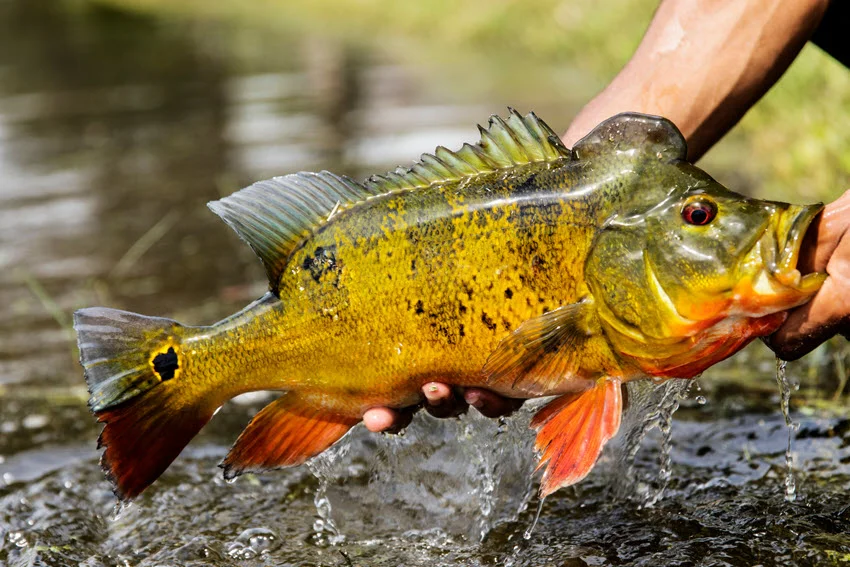
Although not native, they have become fully established within warm freshwater systems and are now carefully regulated by the Florida Fish and Wildlife Conservation Commission (FWC). This guide explains the regulations, biology, best times to target them, where to fish, the gear you need, and responsible handling techniques to ensure healthy populations for years to come.
The Florida Fish and Wildlife Conservation Commission regulates Peacock Bass and has adopted standard statewide freshwater regulations for the species. The fishing season for Peacock Bass is open year-round.
Currently, there are no separate regional seasons or special closures that apply specifically to Peacock Bass beyond standard statewide freshwater regulations. However, anglers should always review the most recent updates before fishing, as temporary rule changes, emergency orders, or access restrictions may apply to certain water bodies.
Because Peacock Bass occur in a limited geographic area in Florida, even minor regulatory adjustments can affect local fisheries. Checking the latest information from FWC before a trip is strongly recommended.
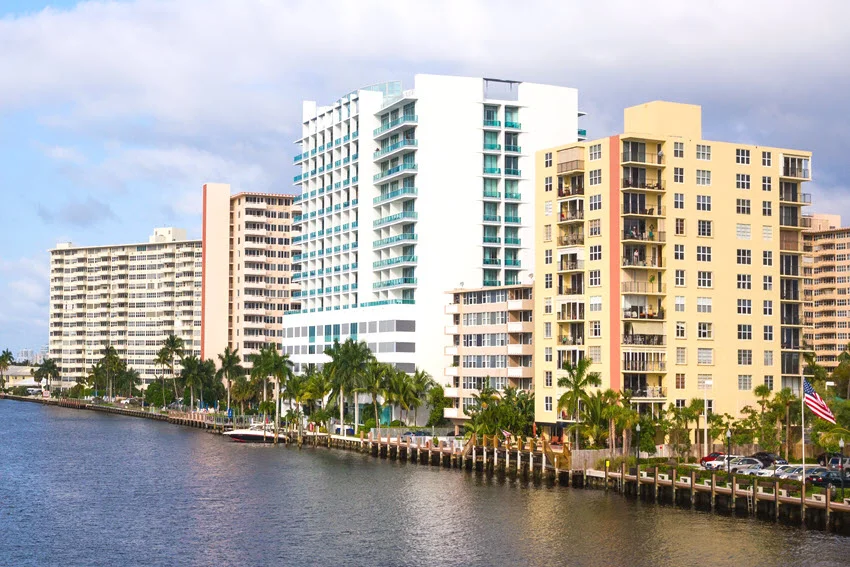
Peacock Bass are not distributed statewide. In Florida, Peacock Bass are concentrated in coastal Miami-Dade and Broward counties, where warm canal systems support year-round survival. The species was originally introduced from the Amazon River basin and thrives in consistently warm freshwater systems.
Their primary habitat consists of interconnected urban canals, residential waterways, and managed freshwater lakes. These shallow systems help keep water temperatures stable, which is important because Peacock Bass are highly sensitive to cold conditions. Abundant forage and structures such as bridges, culverts, seawalls, and vegetation edges create ideal feeding and ambush environments.
Since Peacock Bass are intolerant of cold water, their entire Florida population is confined to a very small geographic region. Since the habitat is so limited, FWC's rules are in place to prevent overharvesting and protect large, breeding fish. These rules help protect larger breeding fish in a limited-range fishery.
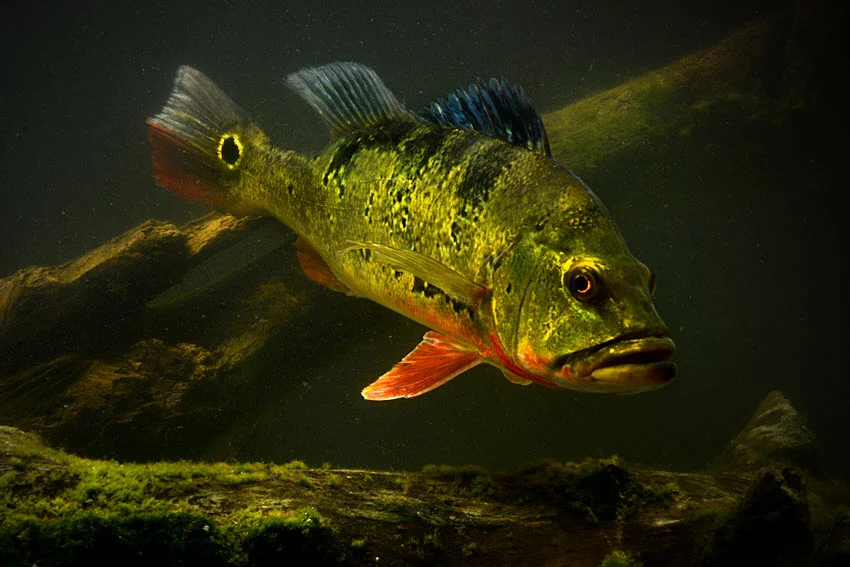
Peacock Bass are aggressive, colorful cichlids, known for their strikes and runs. Although commonly called Bass, Peacock Bass are not true Black Bass. Still, members of the cichlid family make them quite different in behavior from native species such as the Largemouth Bass. They prefer warmer, slow-moving freshwater with abundant structure and lots of shallow hunting areas.
Prefering temperatures above 72°F, their activity decreases in colder conditions, leading them to seek deeper canals or warmer spots during the winter to survive. That is why they are found only in South Florida and not throughout the state.
Their diet consists mainly of small fish, including shiners, cichlids, shad, and other forage species. They are visual hunters, relying on speed and sudden bursts of power to attack prey. This feeding behavior makes them an exciting catch on lures, especially topwater baits and fast-moving plugs.
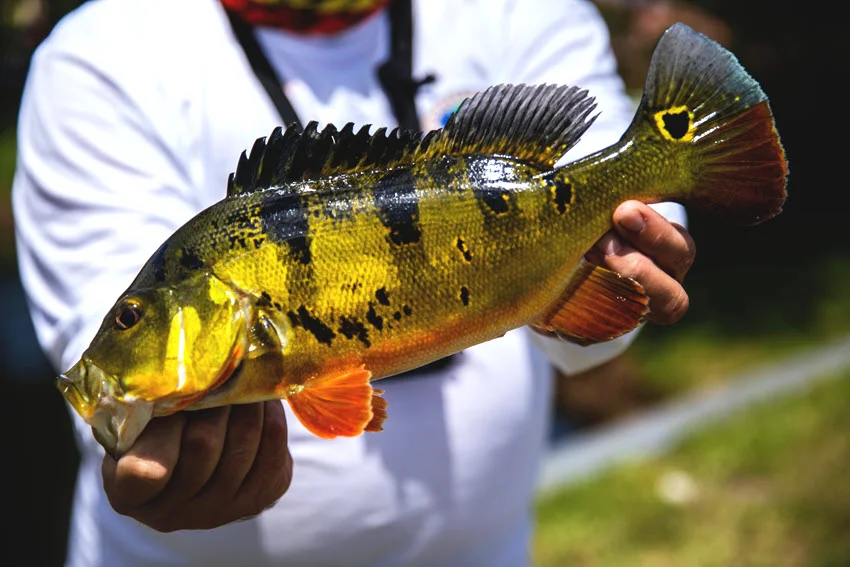
Peacock Bass can be caught year-round in South Florida, but the most consistent fishing usually comes during the warmer months, when canal temperatures stay high, and fish feed aggressively.
When winter temperatures drop, Peacock Bass often move into deeper canal water and warmer pockets where they can still be targeted with slower presentations.
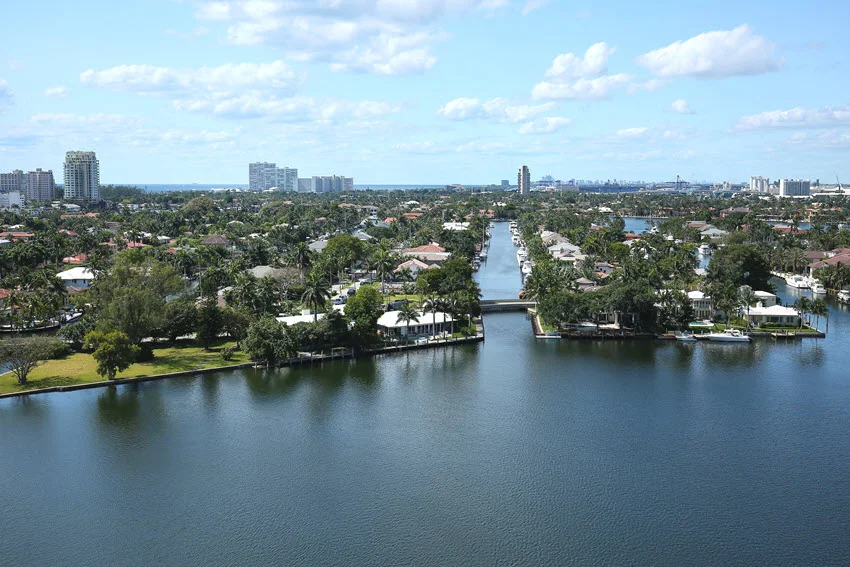
Florida is the number one state where Peacock Bass thrive. The following are among the best places in South Florida for catching this type of fish.
These venues offer the best fishing in South Florida. However, it is always a good idea to check the conditions beforehand so you know what to expect.
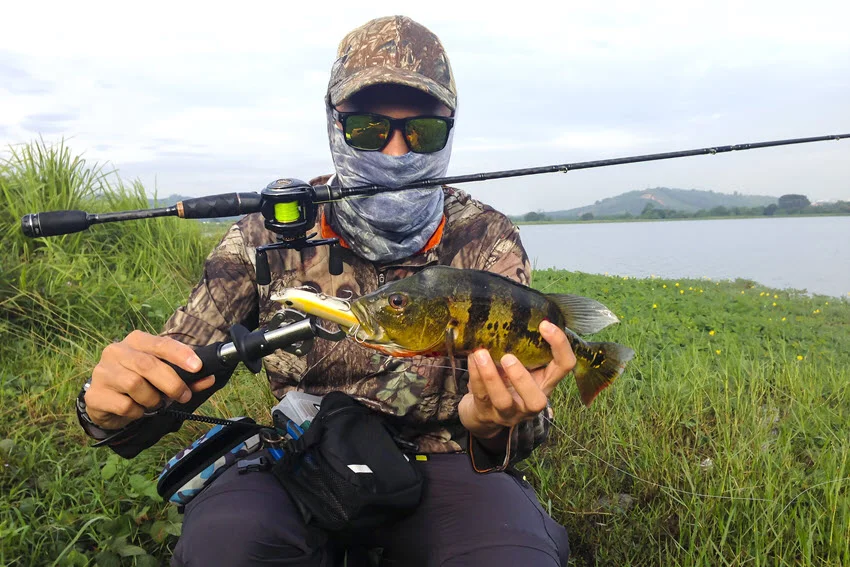
When planning on catching Peacock Bass, ensure that you have the right equipment suited to match their swiftness and powerful strikes. The following provides information on gear selection.
The right gear and setup will really make a big difference when fishing for such strong species.
Understanding fishing regulations and preserving specific fish species contributes to protecting fish populations and ecosystems and promoting responsible angling practices.
Anglers Booking Team
To fish for Peacock Bass in Florida, you must have a valid fishing license. Most anglers need a Florida freshwater fishing license, available online and through many license vendors. This ensures compliance with current regulations and supports the FWC's freshwater conservation programs. Florida's statewide bag limit is 2 Peacock Bass per angler, with only 1 fish allowed to be 17 inches or longer in total length.
Unlike some saltwater species, Peacock Bass do not require any special permits or stamps. Proper licensing helps protect both the angler and Florida's freshwater ecosystems, aiding FWC in managing this one-of-a-kind fishery responsibly.
The Peacock Bass is a delicate fish that requires careful handling for survival. When practicing catch-and-release fishing, wet your hands first, keep the fish horizontal, and minimize time outside the water. Using barbless hooks and dehookers can also help.
If you intend to keep one or two within the legal limit, use a cooler or livewell large enough to safely handle the fish. Ethical fishing practices will keep South Florida's Peacock Bass population healthy for future f anglers.
Peacock Bass fishing in Florida offers an exciting and unique fishing experience for anglers. With a solid understanding of regulations, the necessary gear, and timing, anglers can enjoy a day of action on the water in a sustainable fishery managed by FWC.
Before you head out to Peacock Bass fishing, what are your thoughts about this fishing adventure? Have you caught Peacock Bass before, or is it still on your list? Share your tips and local know-how with us and other anglers.
Disclaimer: Fishing regulations and open seasons may vary by region and are subject to change. The information in this guide is for general reference only. Learn the latest fishing rules, size limits, and season dates on the official websites of the state or federal government before your trip.

The expert copywriters at Anglers Booking have meticulously crafted this article. Our dedicated team of writers provides valuable insights and information to enhance your angling experience.

July 24, 2025
Subscribe to our newsletter and receive a selection of cool articles every week.
Embark on unforgettable fishing adventures with us at Anglers Booking.
book your charter
August 21, 2026
August 18, 2026
August 15, 2026
August 12, 2026
August 8, 2026
August 4, 2026
April 17, 2026
April 13, 2026

You're now part of our exclusive community. Get ready for premium content and updates straight to your inbox.
close
Subscribe to our newsletter and receive a selection of cool articles every week.
Please enter a valid email address.
Be the first to know when we're back in action.
Please enter a valid email address.
Leave a Comment
Your email address will not be published. Required fields are marked *
Thank you for your comment! It has been submitted for review and will appear on the site shortly.