


Anglers Booking Team
The expert copywriters at Anglers Booking have meticulously crafted this article. Our dedicated team of writers provides valuable insights and information to enhance your angling experience.
 11 minutes read
Fishing for Speckled Trout is one of the most exciting experiences for sport anglers along the coasts of the Gulf of Mexico and the Atlantic coast of the USA. The primary physical characteristic of this fish is the presence of dark spots along its silvery body. It is valued both for its combativeness during extraction and for the quality of its meat.
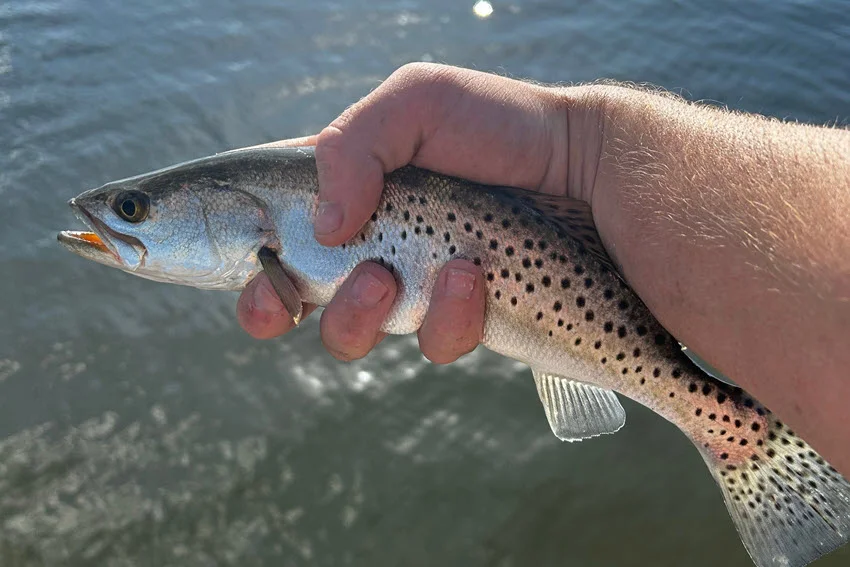
If you familiarize yourself with the behavior of this species, its habitats, the most effective baits, and suitable fishing techniques, you will have fishing success. In this guide, we will analyze everything you need to know about fishing for this fish. We will discuss the choice of lures and fishing equipment. Also, you will get information about the best locations and optimal weather conditions. Let's go on a new adventure!
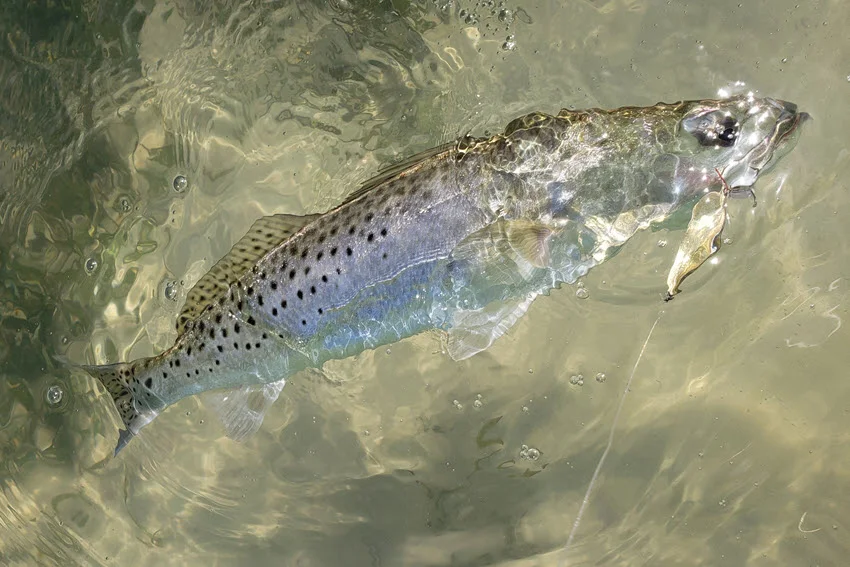
Speckled Trout (Cynoscion nebulosus) is also known as Spotted Seatrout. It measures between 14 and 24 inches in length. The average weight of this fish ranges from 1 to 4 pounds. Larger individuals, commonly referred to as "Gator Trout," can grow over 30 inches long and weigh 8 pounds or more. In rare cases, trophy fish may exceed 15 pounds.
Speckled Trout are relatively short-lived compared to some other saltwater species. Their average lifespan is 10 years. There are records that some specimens have been known to live up to 12 years under optimal conditions.
Speckled Trout inhabit shallow coastal waters. Most commonly, it is found at depths ranging from 1 to 10 feet. They prefer areas with seagrass beds, oyster reefs, sandy or muddy bottoms, and marshy estuaries. These fish often move with the tides and water temperature, shifting between deeper channels in winter and shallow flats during warmer months. In certain conditions, especially in hot summer weather or cold winter weather, they may retreat to deeper holes or drop-offs that are up to 20 feet deep.
Speckled Trout are opportunistic carnivores. Speckled Trout feed primarily on shrimp, small baitfish like mullet, and menhaden. Occasionally, on their menus, crabs can be found. Their feeding habits vary with the season and water conditions. They often become more aggressive during periods of high tides and low-light conditions. They rely on their keen vision and sharp canine teeth to ambush prey.
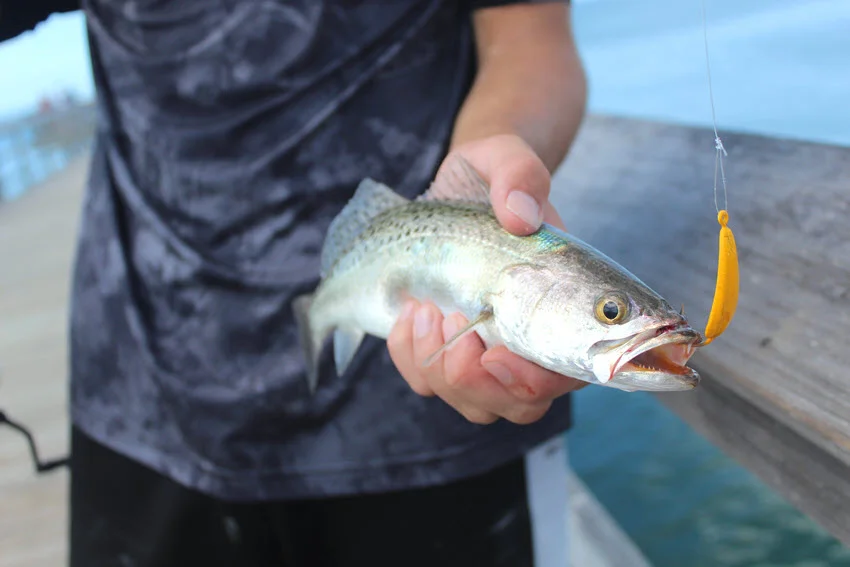
Speckled Trout live mostly in warm coastal waters where you can catch them year-round, but their behavior changes with the seasons. Knowing when to fish helps you catch more.
Spring and early summer are great times for Speckled Trout. They move into shallow bays and estuaries to feed and spawn. Water temperatures rise, and they become more active, making them easier to catch near grass beds and oyster reefs.
In summer, they often stay in warmer shallow waters early and late in the day. Midday can be slower because the water gets hot. Early morning and evening are the best times to fish.
Fall is also good. As the water cools, Speckled Trout feed more to build energy for winter. They gather near deeper channels and structures, such as docks and rocks.
In winter, they migrate to deeper, warmer waters. Fishing can be slower, but you can still catch big trout in some areas, especially in southern states.
The best time to fish for Speckled Trout is early morning and late afternoon. They feed more when the light is low. During these times, they often come close to shore.
Fishing midday can work on cloudy days or in cooler water. At night, some anglers fish for Speckled Trout using glowing lures or bait with a strong scent.
Tides affect Speckled Trout's feeding habits a lot. They often feed more during moving water, just before or after high tide and low tide.
They prefer to feed near oyster beds, grass flats, and around bridges, where currents bring them food. When the water is calm, fresh bait or artificial lures with intense action can help attract them. After heavy rain, look for clearer water, as trout avoid muddy areas.
Fishing in Florida offers some of the most productive Speckled Trout waters in the country. From sprawling wetlands to urban flats and panhandle bays, each region boasts its unique seasonal charm. Below, we discuss the best locations for catching Speckled Trout.
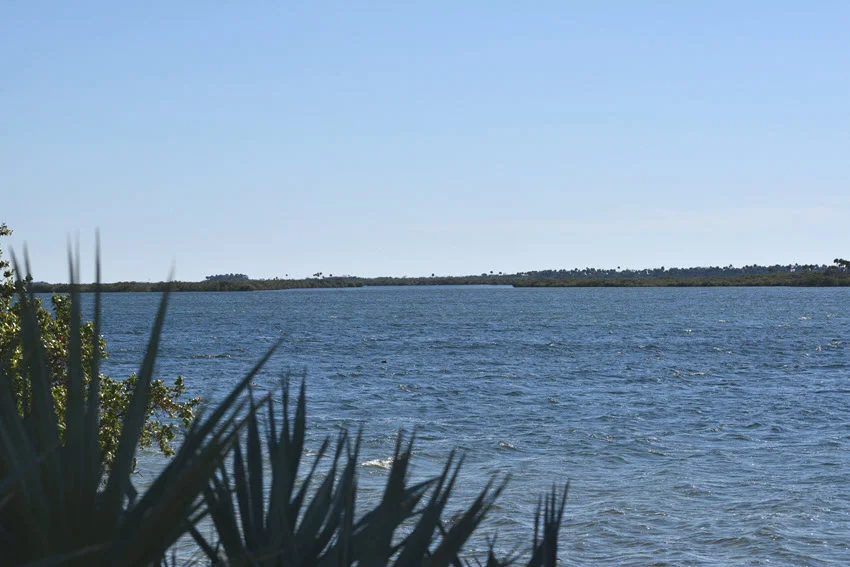
Mosquito Lagoon is located along Florida's east coast. If you're looking for a Gator, this is the place to come. The prime season is April to May. During this period, the water gets warmer. Then, Trout move onto shallow flats to feed before spawning. Early mornings are the prime time for catching this fish. Late evenings also offer solid action. The lagoon's clear water makes sight-fishing especially exciting. Fishing from a kayak is particularly effective near oyster bars.
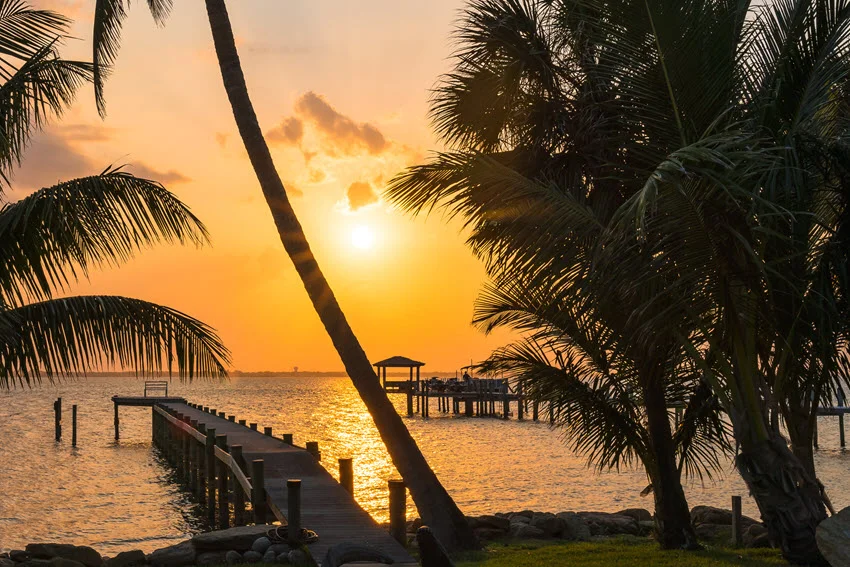
The Indian River Lagoon System stretches up along the Space Coast and is lined with mangroves, grass, and flats. It is the perfect habitat for Specks. Fishing peaks in late spring and early summer, with action most decisive during the first two hours after sunrise. Use topwater lures in low light and soft plastics later in the day. The northern Indian River near Titusville is especially productive. Watch for mullet schools, and Trout often follow.

Perfectly positioned at the mouth of the St. Johns River, Jacksonville fishing offers great access to brackish water fisheries. From October to December, Speckled Trout move into tidal rivers and creeks. Target deeper holes near bridges, jetties, and bends using live shrimp under popping corks during rising tides. Night fishing near dock lights can also produce excellent results. The Intracoastal Waterway offers protected spots on windy days.

Florida's "Sunshine City" is home to a healthy Speckled Trout population. Fish the flats off Pinellas Point and around Fort de Soto. The best time to fish is from November to March, particularly in the early mornings and at dusk. Use topwater lures and soft plastics over sandy bottoms and grass beds. Drift fishing is productive on calm days. Look for birds diving, they mean baitfish and Trout are nearby.
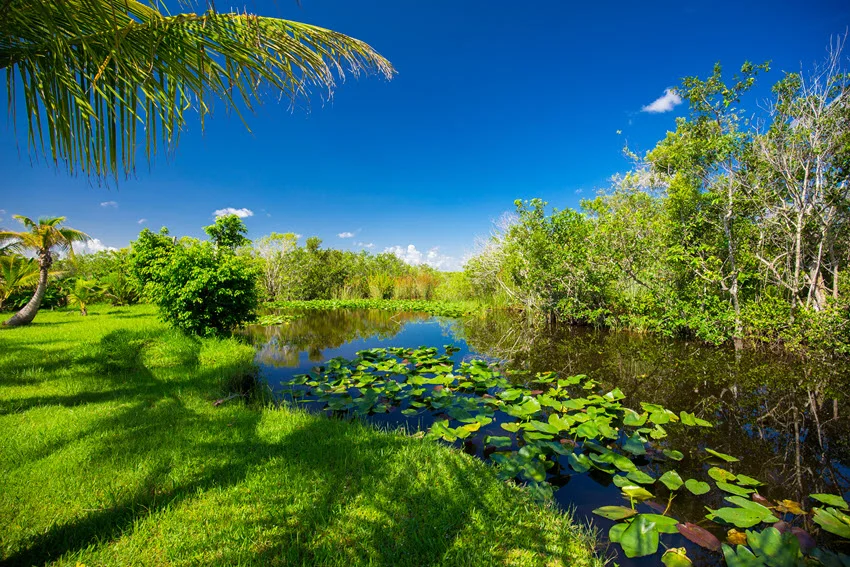
This place offers prime habitat for Speckled Trout. It is about mangrove shorelines, mud flats, and hidden channels. Fishing is best from December to April. During this period, the waters cool, and baitfish become plentiful. Target backwater creeks and shallow bays using soft plastics. Some areas are difficult to access, which is why guided trips are recommended. Weather shifts can cause fish to migrate to different places.
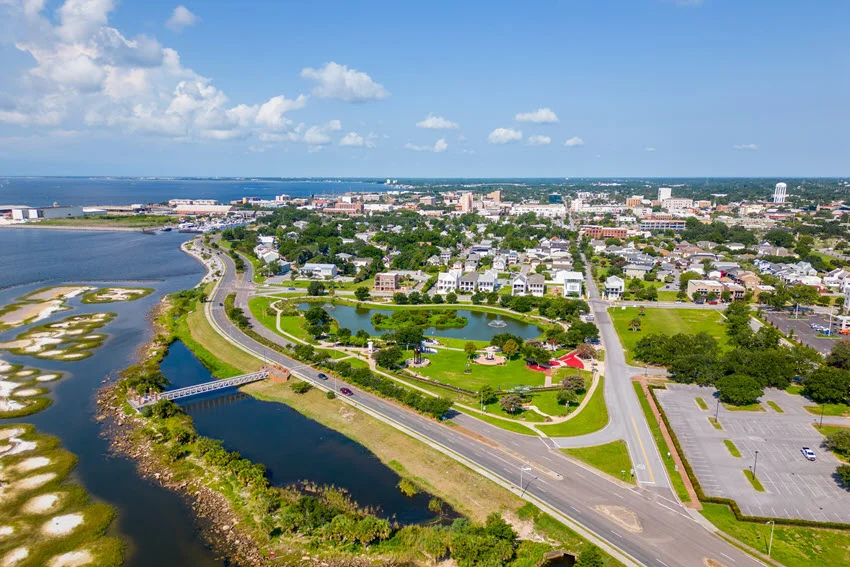
Pensacola features grassy flats and protected bay waters. Locations like Big Lagoon and Escambia Bay are hot spots. Prime months are March to May. The period from September to November is also a productive time. Fish early or late for your best shot at trophy-sized Gator Trout. Water clarity varies, so adjust lure color accordingly. Pier fishing in Pensacola is also great, as well as wade fishing during stable tides.
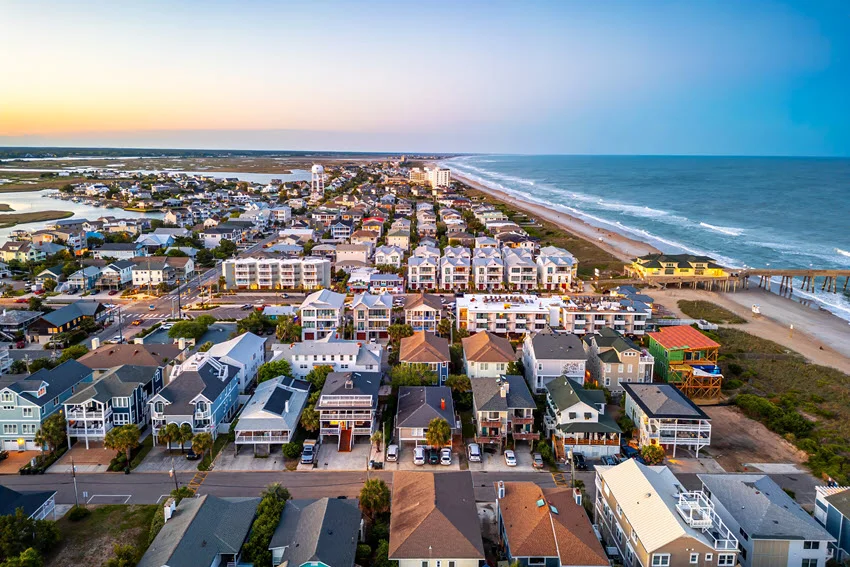
In Wilmington, the peak season typically runs from October to December. Explore the inlets and nearby Wrightsville Beach. Trout congregate in deep tidal creeks. They feed heavily before colder weather sets in. Slow retrieves with soft plastics work well in cooler water. Local piers can also be productive during mild winter days.
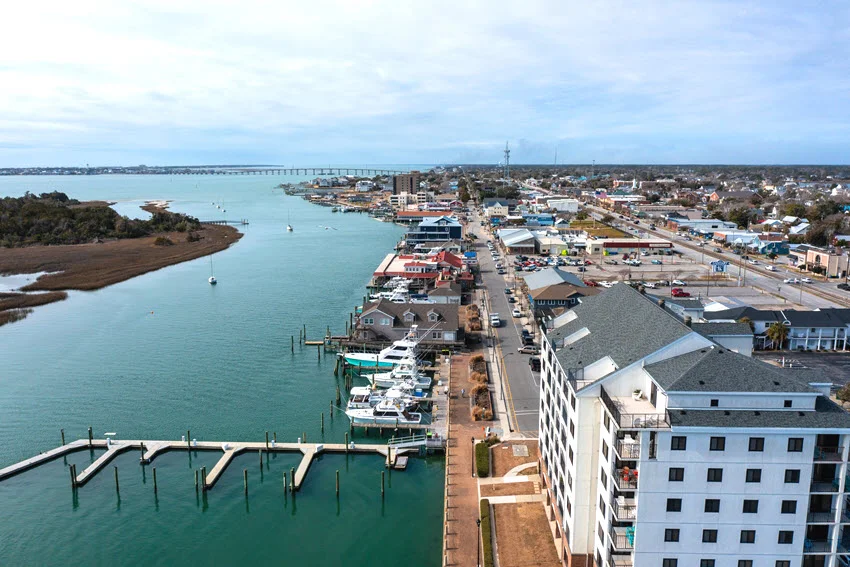
Just north of town, Newport Marshes and Broad Creek are loaded with Speckled Trout. The Haystacks area is especially productive. Fall is the best season to fish for them. They hit topwater lures early and switch to soft plastics later in the day; boat traffic drops in the fall, which makes it easier to reach quiet backwaters. Use scent-enhanced baits when the water gets murky.

Myrtle Beach is surrounded by inlets, bays, and sounds, making it a perfect launch point for nearby attractions like Murrells Inlet and Winyah Bay. Fishing is excellent during the summer months. For optimal success, early morning high tides are the best times to fish. Additionally, the outgoing tide tends to concentrate bait around the mouths of creeks.
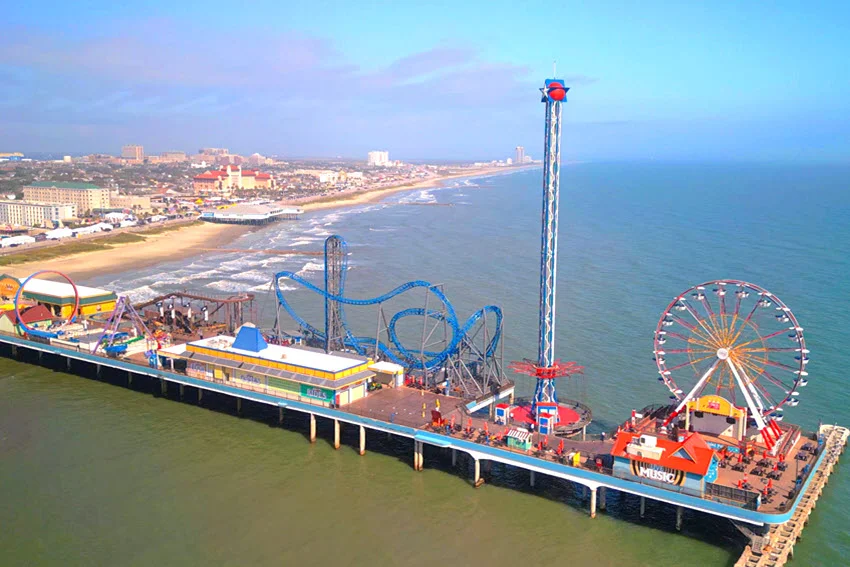
A blend of salt and freshwater, this bay system is a magnet for Speckled Trout. Texas City, Baytown, and Houston offer easy access. Spring and fall are prime times, when fish are most active near shell reefs, grass flats, and drop-offs. Tidal movement is key here; plan trips around significant tide swings. Live croaker is a go-to bait for big Trout.
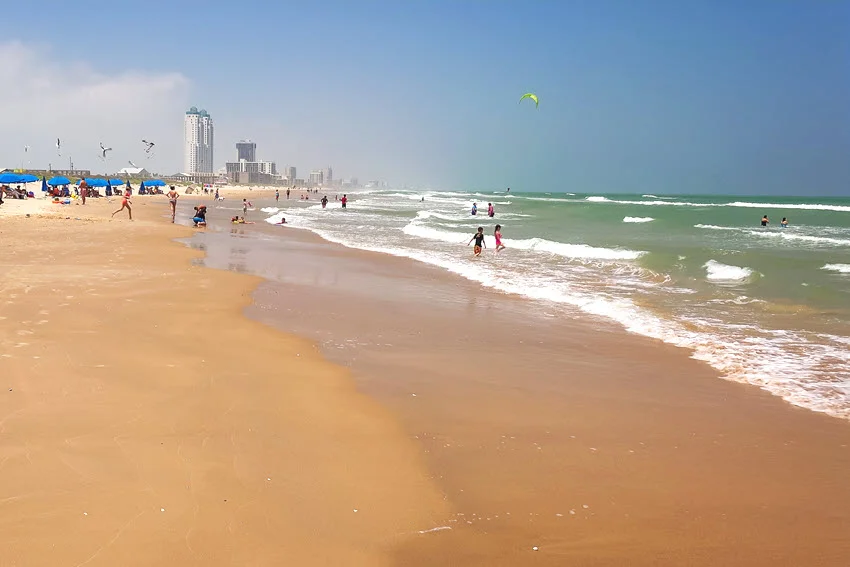
With direct access to Laguna Madre, South Padre Island delivers year-round Trout action. Fall is peak season, when big Specks invade the shallow flats. Wade fishing with topwater and suspending lures is very effective. The area's clear waters allow for sight-casting opportunities; target drop-offs near spoil islands for larger fish.
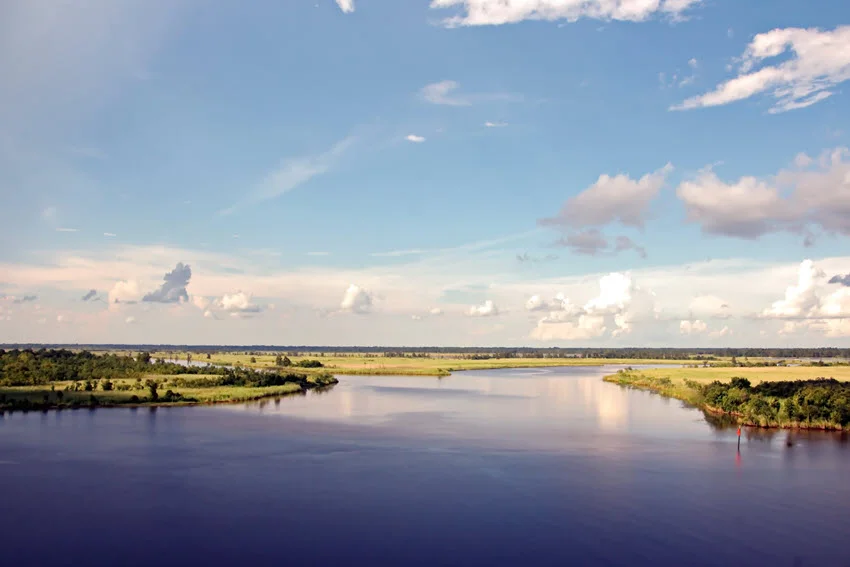
Looking for a true Gator Trout? Port Arthur gives you access to the Sabine and Neches Rivers, as well as Sabine Lake. Fish are at their largest from late fall to early winter, often exceeding 20 inches. Fish the river mouths and oyster reefs using live bait or soft plastics. Cold fronts can trigger feed frenzies, and be prepared to adapt to changing salinity levels.
For catching Speckled Trout (also known as Spotted Seatrout), it is essential to understand their habits and select the appropriate fishing method for the prevailing conditions. These popular inshore gamefish are known for their subtle strikes and preference for structure-rich environments such as grass flats, oyster beds, jetties, and estuaries. Do not miss the sections below, which include some of the best techniques.
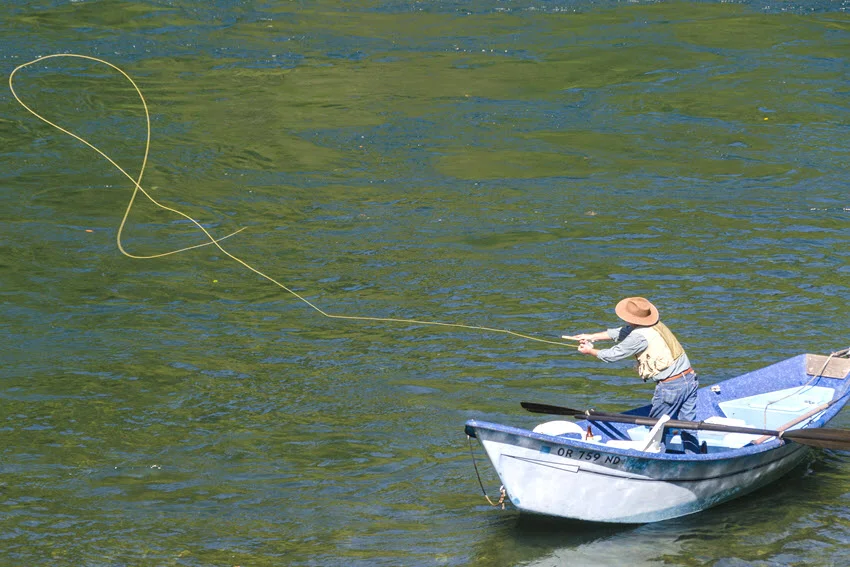
Drift fishing is a highly effective method, great for covering large shallow flats, estuaries, and bays. Anglers let their boat drift with the wind or current while presenting live bait or soft plastic lures. It's beneficial in locating scattered Trout across open water. This method allows you to fish without alarming the fish. It could be very effective in clear or calm conditions. Adjusting drift speed with a drift sock or trolling motor can improve control and bait presentation.
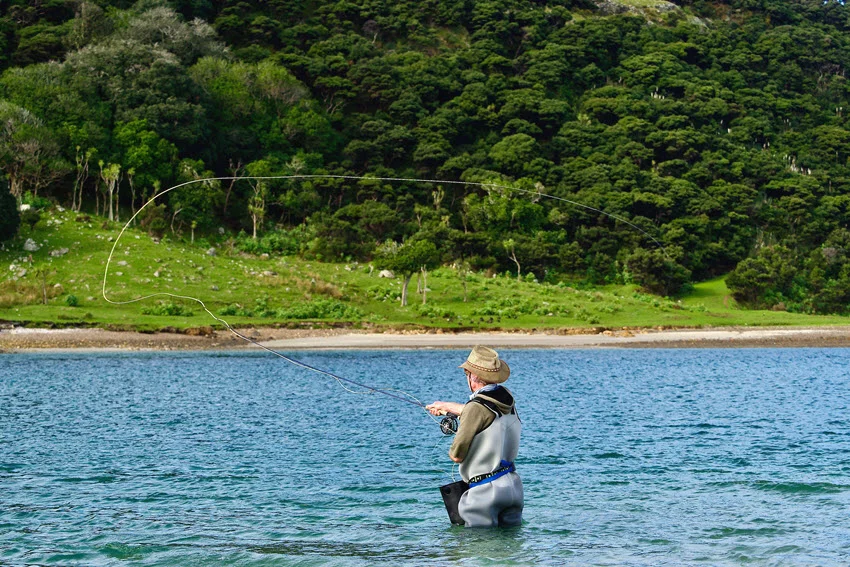
Fly fishing is used mainly in clear, shallow waters. Anglers use lightweight flies that mimic small baitfish or shrimp, casting to sighted fish on grass flats or near oyster bars. Calm mornings are usually most productive. For this method, precision is necessary. It can be very fruitful for experienced anglers. It's also a way to enjoy the visual aspect of Trout strikes in shallow water.
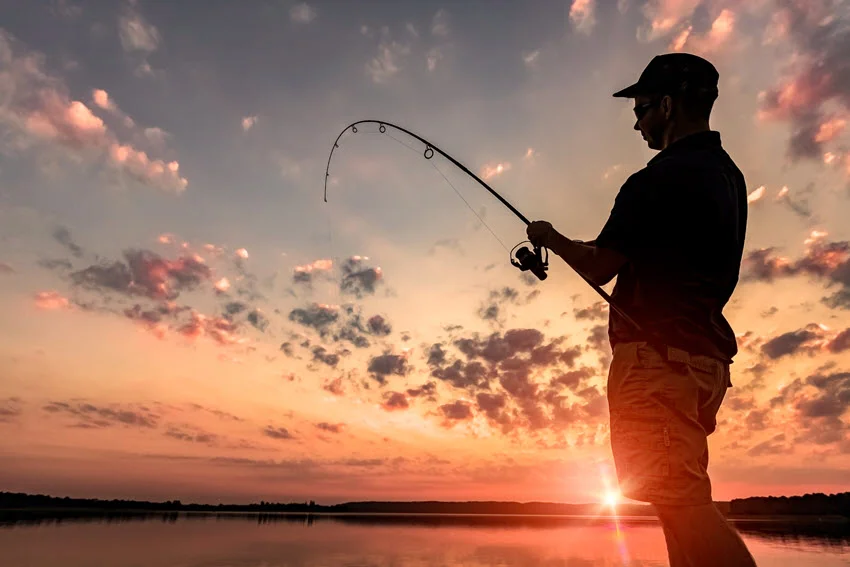
Wade fishing involves anglers entering the water on foot to quietly approach areas that hold Speckled Trout, such as grass flats or marshy shorelines. This stealthy method gives better access to skittish fish and allows precise casting. It's especially popular in the Gulf Coast regions. Waders often carry only the essentials, making it a minimalist but highly effective method. Wade fishing also provides a better sense of water depth, temperature, and bottom structure.
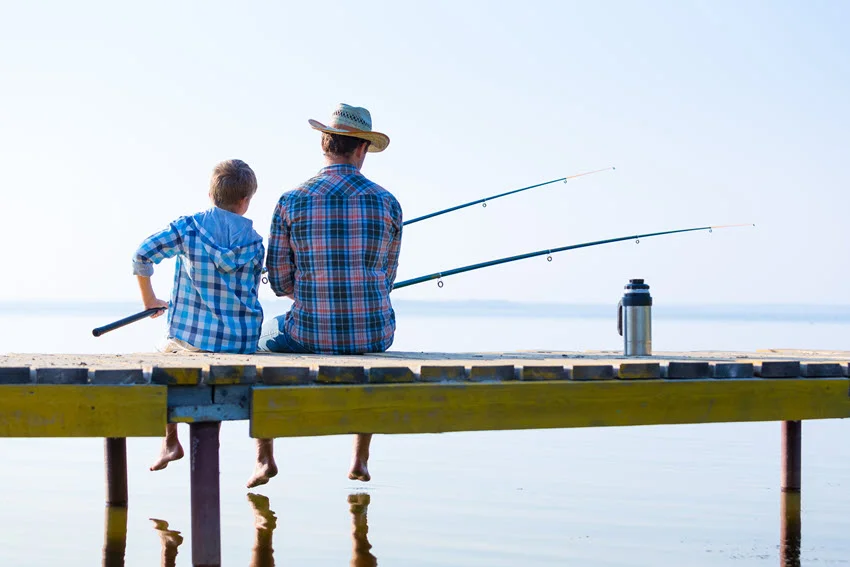
Fishing from piers and jetties provides the possibility for anglers to reach deeper water without a boat. Speckled Trout often hold near structure, especially during tidal changes. Anglers commonly use live shrimp under popping corks or soft plastic lures during early morning and late afternoon bites. These spots offer consistent access. They are great for beginners and families. The movement of baitfish and shifting tides can create ideal feeding opportunities near the rocks or pilings.
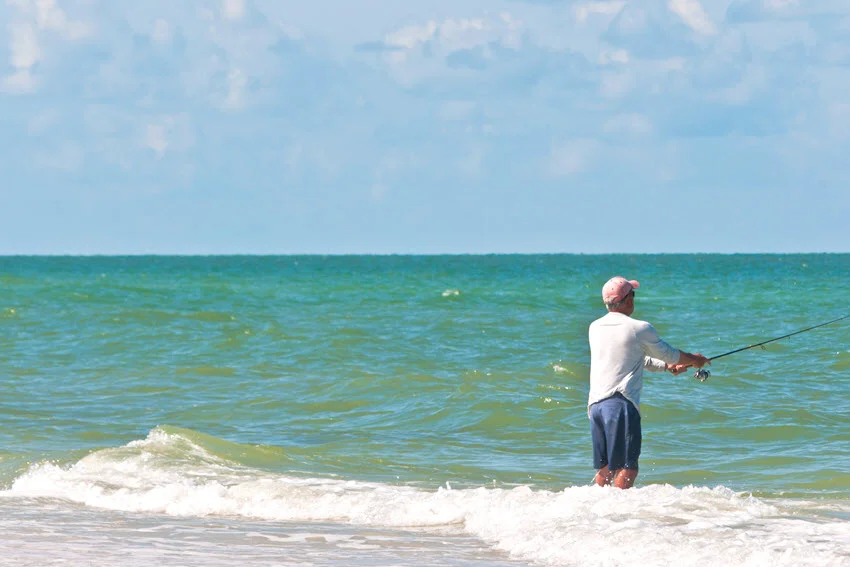
Surf fishing targets Speckled Trout that move close to shore in search of baitfish. It is effective during high tide. Anglers cast from beaches using heavier tackle, often with live bait or artificial lures. Calm surf and clean water are ideal conditions for success using these techniques. Surf anglers usually follow bird activity or baitfish schools to locate active Trout in the troughs and cuts along the beach.
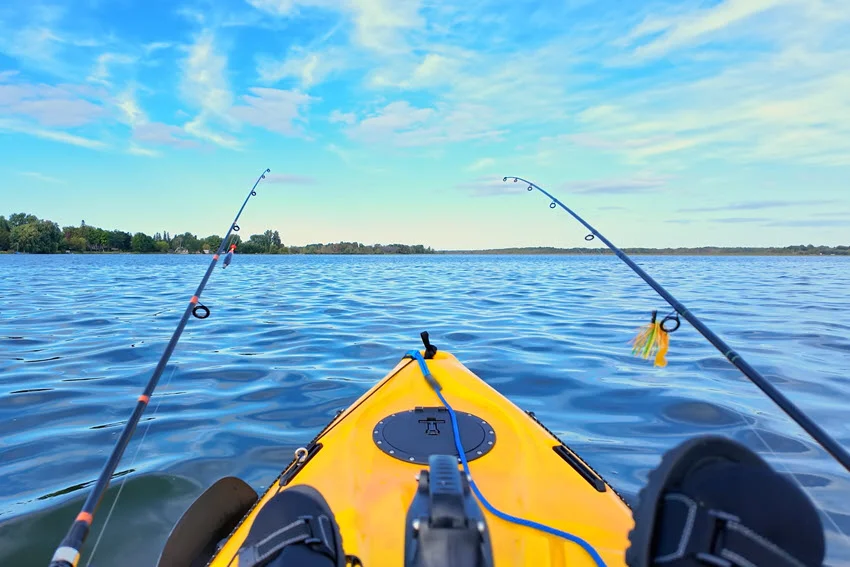
Kayak fishing for Speckled Trout offers stealth. Mobility is the main characteristic of this type of fishing. Using this method, anglers can reach shallow flats, creeks, and backwaters. This is an advantage of kayak fishing because larger boats can't access these areas. The quiet approach gives another advantage when targeting Trout in clear, pressured areas. Kayak anglers can easily reposition with a paddle or pedal drive, allowing them to stay over fish longer. It's also a cost-effective option compared to motorized boats.
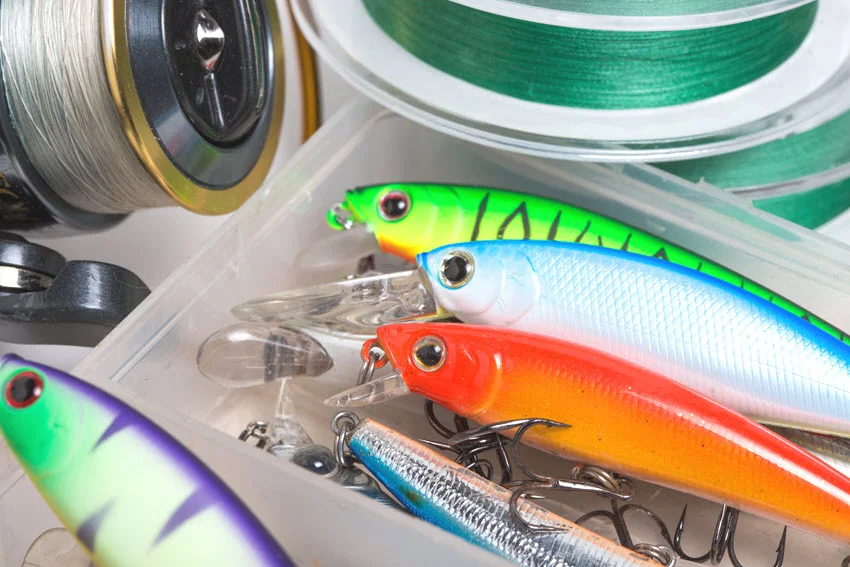
Selecting the right bait or lure is essential for enticing Speckled Trout. Successful anglers use a mix of artificial and live offerings to match local conditions and behavior patterns of the fish.
Live bait is a solid option. It is especially effective when you want to catch larger Speckled Trout. These fish respond well to natural motion and scent. Popular live baits include live shrimp, which are particularly effective when fished under a popping cork. Pinfish, mud minnows, mullet, menhaden, and even small crabs also produce great results. Presented near oyster beds or grassy flats, live bait can tempt even the most cautious Trout.
Anglers widely favor artificial lures. They provide versatility. Among them, jigheads are by far the most commonly used. Sizes vary based on depth: ⅛ oz for shallow waters up to 5 feet (especially in winter), ¼ oz for 5 to 10 feet creeks, and ⅜ oz for deeper water or surf zones. These are typically paired with soft plastics to imitate baitfish or shrimp. Hard plastic lures are another top choice, especially for targeting trophy fish. They work well in different environments and throughout the year. For an exciting surface bite, topwater lures are unbeatable in spring and fall, when Specks feed near the surface.
Dead baits are not the first bait choice for Speckled Trout. However, they can be effective. It is important to be properly rigged and fresh. Speckled Trout may take dead shrimp or cut bait when suspended beneath a popping cork, especially if there's current to spread the scent.
When it comes to color, visibility, and natural presentation, these factors have a significant impact on fishing success. In clear water and bright conditions, natural or translucent colors work the best, such as silver, white, or chartreuse. In low-light situations, purple, root beer, or black colors create stronger silhouettes that stand out better.
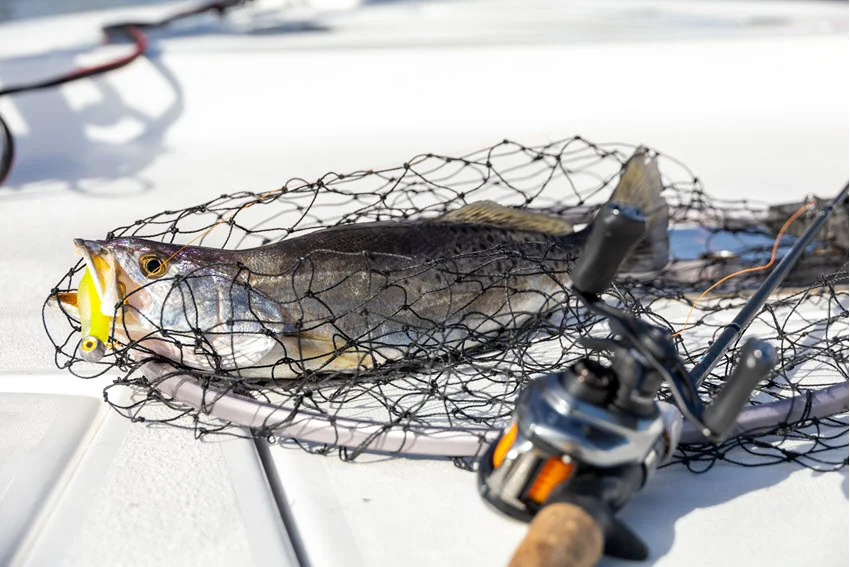
When targeting Speckled Trout, having the correct gear setup is essential. These fish are aggressive feeders but have delicate mouths. They can be found in shallow, structured waters, such as grassy flats and oyster beds. Your tackle needs to be sensitive yet strong enough to handle sudden runs and potential encounters with other inshore species.
For most Speckled Trout, especially those under 5-lb, a 7-foot medium to light-action rod is ideal. This rod allows you to feel even the slightest bites. Additionally, it provides sufficient flexibility to accommodate headshakes and quick turns. It's a staple in any inshore angler's setup.
Pair your rod with a spinning reel that has a fast retrieve. A 2000 to 3000-size spinning reel is a solid choice. Easy casting and line management are characteristic of this rod. That is why it is a solid option for beginners.
In terms of line, 10 to 20-lb monofilament is typically used for Speckled Trout, especially when paired with a popping cork rig. The cork creates noise and surface disturbance that mimics feeding baitfish, drawing Trout from a distance. This rig works best when the popping cork is set 2 to 6 inches above the bait.
If you want to catch larger Speckled Trout (5-lb and above), you need powerful equipment. Use a medium-power, fast-action rod that is approximately 7 to 7.5 feet in length, paired with a quality spinning reel designed for enhanced drag performance.
Braided line in the 15 to 20-lb range offers better sensitivity. It provides greater casting distance. You need it to connect with a fluorocarbon leader that is 1.5 to 3 feet long. This combo gives you abrasion resistance.
Many experienced anglers point out that while heavier line helps with bigger fish, keeping your leader length and size moderate ensures more strikes.
{{consRegNote}
Fishing regulations for Speckled Trout vary from state to state. The purpose of these rules is to protect the species from overfishing. At the same time, it ensures healthy populations. We focus on the regulations below.
You must follow all fishing regulations for a few reasons. It makes Speckled Trout populations available for the future. If you do not respect the rules and laws, you will be subject to fines.
Speckled Trout fishing is a simple and fun activity. Also, it could be rewarding. You don't need fancy gear or a big boat. What matters is being in the right place at the right time and knowing what works.
These fish are not only exciting to catch, but they also give us a reason to spend more time outdoors. Watching the sunrise while casting into calm water is something every angler should experience.
Where is your favorite place for catching this fish? Is it Florida, Texas, or the Carolinas? What bait or technique worked best for you?

The expert copywriters at Anglers Booking have meticulously crafted this article. Our dedicated team of writers provides valuable insights and information to enhance your angling experience.

November 7, 2024

December 1, 2024
Subscribe to our newsletter and receive a selection of cool articles every week.
Embark on unforgettable fishing adventures with us at Anglers Booking.
book your charter
October 2, 2026
September 8, 2026

August 21, 2026
August 18, 2026
August 15, 2026
August 12, 2026
August 8, 2026
August 4, 2026

You're now part of our exclusive community. Get ready for premium content and updates straight to your inbox.
close
Subscribe to our newsletter and receive a selection of cool articles every week.
Please enter a valid email address.
Be the first to know when we're back in action.
Please enter a valid email address.
Leave a Comment
Your email address will not be published. Required fields are marked *
Thank you for your comment! It has been submitted for review and will appear on the site shortly.