


Anglers Booking Team
The expert copywriters at Anglers Booking have meticulously crafted this article. Our dedicated team of writers provides valuable insights and information to enhance your angling experience.
 13 minutes read
The state of Texas and Texas City are complex, at times paradoxical, and contrasting destinations that result in fascinating natural beauty and, of course, what we are most interested in: an abundance of fishing opportunities.
Everything in this country and city seems big, so that you can fish from the longest pier in the world, choose whether you want fresh or saltwater fish, from lakes, rivers, or the sea!

And, if you are an excellent angler or aspire to be one, Texas City can fulfill your every fishing wish! It would be a shame not to meet and experience all these possibilities! That's why we created this guide, introducing you to the best fishing spots, popular species you can catch, and cool and practical tips!
Additionally, we will provide information on local fishing guides or charters if you want to enhance your fishing experience with professional assistance. Therefore, let's not waste time and go on a new fishing adventure together!
Texas City is genuinely an area rich in water and, at the same time, has an incredible number of diverse fish species, from freshwater Trout and Redfish to more dangerous ocean fish such as some types of sharks. Numerous lakes and a beautiful coast towards the Gulf of Mexico will overwhelm you and delight you with an incredible wealth of native and migratory fish species.
Native species inhabiting the waters of Texas City are predominantly river and lake-dominant species. From Trout to Bass, you can find all these fish year-round in Texas City waters. However, besides fishing luck, you also need to know them better to catch them.

Texas Cichlid, also called Rio Grande Cichlid, is a superstar of the native fishing scene in Texas City. It is an exciting and beautiful fish with a distinctive mixture of green, yellow, and blue patterns. Cichlids are native to the Rio Grande Basin and are favorites among anglers in Texas City. They can grow up to 12 inches and are usually found in slow-moving rivers, lakes, and reservoirs in shallower areas
Imagine the thrill of catching a Texas Cichlid, a stunning, exotic catch among native species. With their lively behavior, these colorful fish are typically caught using live baits, worms, or small minnows, employing bottom or float fishing techniques. Although they can be seen year-round, their season is during the warmer months, adding to the excitement of your fishing adventure.

Largemouth Bass are dominant and also one of the favorite native species in Texas City. A large and aggressive fish with a greenish body and a distinctive large mouth, they can grow up to 24 inches and weigh over 10 pounds. They are commonly found in freshwater environments, including lakes, reservoirs, and slow-moving rivers, where they thrive in shallow and deep water.
Largemouth Bass, with their aggressive nature and large size, present a challenging catch for anglers. Their greediness allows you to catch them on a solid range of bait, starting with plastic worms, crankbaits, or spinnerbaits. You can try everything from casting and trolling, depending on the water conditions and the fish's behavior. The seasons' peaks are spring and fall, when they are most active and aggressive, making them a valuable and always exciting and intriguing catch.

In addition to its size, strength, and fishing challenge, the Channel Catfish is also known for its excellent taste. It has a sleek, silvery body and a distinctive forked tail. It can reach lengths of up to 30 inches and weigh over 20 pounds. Channel Catfish are usually found in the slower waters of lakes and rivers with a lot of cover, where they use their sensitive barbels to locate food.
Anglers often use bait such as chicken liver, cut bait, or worms, and they use bottom fishing techniques. In Texas City, periods from spring to fall offer the best opportunities due to their increased feeding activity, although they can generally be found throughout the year. This also makes them one of the most common target fish in Texas City.

Bluegills, with their vivid colors and numerous presence, are a promising catch for anglers. They usually grow up to 10 inches long and are found in various freshwater environments, including lakes, ponds, and slow-moving rivers. Their curious and combative nature makes them a favorite among beginner anglers, promising an enjoyable fishing experience.
Anglers usually use live bait such as worms, crickets, or small jigs placed on rigs for float and bottom fishing techniques. Although they are available throughout the year, warmer months are the main seasons due to their increased feeding activity and spawning behavior. Most anglers find them extremely fun because they have unusually lively bites, and they bring a specific joy to every fishing action.

Crappie is easily recognizable thanks to its laterally compressed body, black or white spots, delicate taste, and challenging fight. Under favorable conditions, they can reach lengths of up to 15 inches and are abundant in lakes, reservoirs, and slow-moving rivers. They prefer submerged trees, brush piles, and weed beds.
There are many baits and techniques that you can use to catch these fish, usually live plugs, small jigs, or soft plastics. Anglers mostly opt for jigging and spider rigging techniques, especially around submerged structures where Crappies tend to congregate. Crappie fishing season in Texas City typically occurs during the spring and fall, when crappies are most active and feeding.
Texas City is blessed with rich waters, and its position is ideal for fish that migrate into or towards the Gulf of Mexico and occasionally stop in Texas for food or shelter.

Redfish is a famous species on the Gulf Coast, including Texas City. Valued for its strength and exceptional taste, these fish are recognizable by their reddish color and dark spots on the tail. They have a large size and weight range and can grow up to 40 inches in length and weigh more than 30 pounds.
Redfish are mainly caught on bait, such as live or cut crabs, with casting and trolling techniques most effective, especially in coastal areas and estuaries. Their peak season is spring and fall, when they are most active and restless. Redfish's strength, size, and numbers make them an exciting and relatively safe catch.

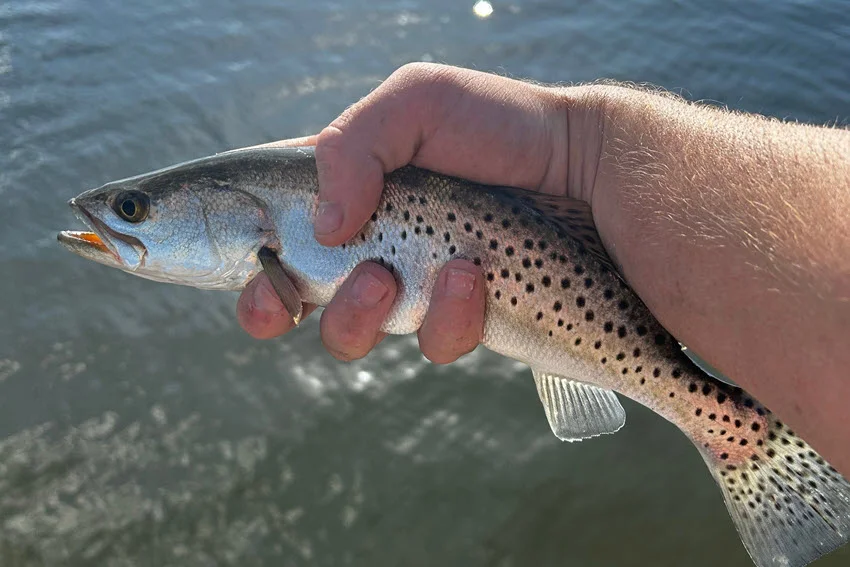
Speckled or Brown Trout is one of Texas City waters' most prized migratory catches. They have a beautiful body, a bright silver color covered with numerous dark spots, and can grow from about 20 to 30 inches. They are renowned for their fighting spirit and exceptional taste.
They fish on baits such as live fish, jigs, soft baits, or tiny wobblers, while anglers mostly prefer throwing, fly fishing, and trolling techniques. This type of Trout loves coastal areas and estuaries and is most numerous in spring and fall when it is officially their season. In addition to their taste, they are a lively and exciting species that intrigues anglers repeatedly.

Flounder, or Flatfish, is one of the most interesting migratory species in the waters of Texas City. This fish has a flat, flattened body and a distinctly colored side with colorful spots, which can be skillfully camouflaged, especially when the fish is on the sandy bottom. It can grow up to 30 inches in length and weigh more than 10 pounds, and in addition to its striking appearance, it also has delicious, mild meat.
Since they live mainly on the bottom, Flounder are caught using bottom fishing techniques, or jigging, with bait such as live jigs, soft baits, or cut baits. Flounder are most accessible to see in spring and fall, although they often migrate, and in principle, with a bit of luck, you can find them throughout the year.

King Mackerel is one of the Texas City waters' most exciting migratory catches. These beautiful fish have a long, slender body, are metallic blue with silver stripes, can grow up to 50 inches long, and weigh over 30 pounds. Inhabitants of the depths and the open sea, they are one of the favorite trophy fish.
Mackerel like fattier food, so anglers often use live sardines, wobblers, or large plastic baits with trolling, which has proven to be the most effective technique. Due to their migration and activity, the hunting season for these robust fish is in the spring and summer. Their power and size provide a stimulating experience, adding dynamism and a raw fishing experience.

Marlin are considered one of the toughest challenges for anglers worldwide, including in Texas City. These impressive fish are recognized by their long, slender build and characteristic long, sharp beak and incredible size that can reach more than 12 feet in length and weigh over 2,000 pounds. This makes them one of the most prized targets for anglers of all ages, all over the world!
These vast and vicious fish are like pungent food, so the easiest way to lure them is with sardines, live bait, or sizeable plastic bait. Trolling and vertical jigging techniques are indispensable and the primary choice for a clash with the almighty Marlin. In the waters of Texas City, catch them in the spring and summer when they migrate near the coast. Their size, strength, and fighting nature leave no one indifferent, and these fish carry their legendary status for a reason.
Choosing the ideal fishing spot can often be difficult, depending on your character. It's not just about the target species but also the location's ambiance and how well it suits your view of fishing, gear, and experience level. Texas City and its nearby waters offer a number of top spots, and whether you like busy piers, quiet marshes, or open bays, there's a place to suit your needs.

Texas City Dike extends into Galveston Bay, and this extensive structure offers a diverse range of habitats, from shallow flats to deeper channels and protected areas along the bay. The location is renowned for its abundance of sought-after species, including Redfish, Speckled Trout, and Flounder, as well as attracting migratory fish such as King Mackerel and Marlin.
This is an ideal place for exploring various fishing techniques, such as fishing with live bait or casting artificial baits to target Flounder and other species. The Dike design also supports successful panning for inshore species. It is a very representative location, which would be a shame to miss, because everyone is welcome.

Galveston Bay is one of the largest estuary systems on the Texas Gulf Coast. If you are an angler, it is impossible to avoid the fishing opportunities it provides. This vast bay is home to diverse habitats, including shallow plains, deep canals, large marshes, and a multitude of fish species.
There are mainly Flounder, Speckled Trout and Redfish – excellent for fishing in shallow water and estuary areas, and the techniques that go into such places. Galveston Bay can accommodate all fishing styles, from casual shore fishing to adventurous boat trips. With its size, habitat diversity, and healthy fish populations, Galveston Bay also offers anglers the rare chance of landing a catch big enough to challenge the current Texas state records.

This area is a network of canals and marshes located north of the city and is an excellent option for a daily fishing escape. It is known for its diverse aquatic habitats, shallow waters, and marshes, as well as an intricate network of canals that support a variety of fish, such as Catfish, Crappies, and smaller inshore species.
It is best to fish here in spring and autumn when the weather conditions are generally favorable and safe. However, the proximity and intriguing allure of different habitats make it quite comfortable to be your everyday fishing location if you live nearby.

It is located in the heart of Texas City and is a prime destination for freshwater species enthusiasts. This spacious lake, with its shallow areas, deeper pockets, and edges lined with overgrown vegetation, supports Channel Catfish, Bluegill and Crappie. The lake's structure provides ample cover and feeding grounds, making it an attractive destination for anglers seeking a productive fishing experience.
You can explore the lake by boat or along the shore. The biggest crowds are during spring and summer, when the most favorable catches are made for many fish species that inhabit this city's fishing location, which is a favorite among many.

Tiki Island, located just a few minutes' drive from Texas City, is another prime destination with a combination of shallow flats, tidal channels, and tidal inlets. Here, you will find Speckled Trout and Flounder abundant in shallow waters and estuarine zones. Additionally, the island's proximity to deeper channels offers opportunities to target migratory species, such as King Mackerel.
If you have a boat or kayak with good equipment, you can go to deeper waters and try your luck at drifting or trolling. But your fishing bucket should be complete, even if you stay to explore and hunt on the island.
With such an offer of top fishing spots, it's really hard not to stay inspired and not dare to try some new techniques, or at least from a different location. We have selected five of the most common techniques often used in the freshwater and saltwater areas of Texas City.

Texas has a lively and active fishing scene, and live bait fishing is an excellent technique for experimenting with gear of different calibers and quality. Known for its effectiveness in attracting a wide variety of fish, it involves using live fish, shrimp, or other bait organisms to attract larger predatory fish.
Live bait is set on a hook with a float or sinker and cast into areas where fish are known to congregate near structures or canals. For example, for species such as Sea Bass and Speckled Trout, live shrimp or mullet are often used, while larger predators might be attracted by live shrimp or pins. The essence is in the quality of the bait; it must be animated to imitate the panicked movements of frightened prey or completely calm. That's why you always pay attention to the storage and quality of the live bait.

Fishing with artificial lures is a dynamic and vibrant technique that uses various lures designed to mimic the movements of injured or frightened prey. Like live bait, these lures can be utilized with different methods, such as simple casting, fly fishing, trolling, or jigging. The variety of artificial baits available is extensive, ranging from soft plastics and crankbaits to topwater plugs, all designed to improve your chances of a successful catch.
Lures made of soft plastics are often placed on jig heads and bounced along the bottom, while crankbaits and topwater lures are retrieved at varying speeds to elicit aggressive strikes. Some can vibrate, flash, or be filled with real flesh. The focus is on the presentation, how the angler controls the bait, and how well he presents the show.

If you are in Texas City and intend to explore the deeper waters of the Gulf of Mexico or Galveston Bay to chase Marlin or Mackerel, trolling is essential. It seems simple, but it requires high fishing skills since it mainly catches large and dangerous fish. It involves dragging a bait or lure behind a moving boat, often changing speed to mimic the natural prey's moves.
Trolling requires experience or experienced guidance because it is not easy to maneuver the boat and watch the baits, so everything is practical. It also requires careful coordination and constant monitoring to adjust the speed and depth.

Bottom fishing is a widely used technique in Texas City, as it is easily adaptable and can be used in fresh and saltwater waters. It involves lowering baited hooks or jigs to the water's bottom and waiting for the fish to bite. The bait is combined with weights to fix it in the desired position. Bottom fishing is popular in Texas City for species such as Catfish, Snapper, and Flounder, the king of the bottom.
The target is fish found on the bottom, in deeper water, or around structures such as reefs and wrecks. For efficiency, use cut bait, squid, or shrimp primarily. The technique is simple but requires patience and skill to detect subtle bites and effectively manage the catch.

The famous technique has a lot of room to be successfully applied in Texas City. This is quite a narrow, specialized way of fishing that uses artificial flies to imitate insects or small baits. Thanks to its vast waters, you can practice fly fishing in many different habitats in Texas City! From shallow, clear waters of Galveston Bay or the nearby flats, some fish must bait your fly.
It is a reasonably straightforward technique that involves casting light flies with a rod using delicate movements to present the fly naturally. The most important part is selecting flies and carefully imitating and presenting patterns that match the feeding behavior of the fish you pursue. Fly fishing is very specific and requires great skill, but it greets the angler by catching elusive fish in beautiful waters.

Understanding fishing regulations in an area is crucial for protecting fish populations and ecosystems and promoting responsible angling practices.
Anglers Booking Team
Before beginning fishing in Texas, it is crucial that you are familiar with the fishing regulations and laws and that you follow them. This is the essential step to preserve sustainable fishing and protect marine resources, as well as the rules you must follow for relaxed fishing. First and foremost, all anglers over 17 years of age must have a valid Texas fishing license, which can be obtained online or at local stores in Texas City.
Throughout the year, in certain seasons and for certain species, the Texas Fish and Wildlife Commission (TPWD) limits the number and size of catches for different species to prevent overfishing and ensure a healthy fish population.
Such regulations often regulate the type of equipment and fishing techniques, and anglers should be aware of seasonal closures or restrictions. You must have all permits if fishing in specially monitored and protected areas to avoid paying fines and, most importantly, contribute to preserving the entire aquatic ecosystem.
Ultimately, it's clear that Texas City has everything you need for an epic fishing adventure. If you're not a fan of the drama of trolling and like to simply enjoy your daily casting, you'll find a place for that in the generous waters of Texas City. So, whether you're a local fishing legend or a first-time visitor, the variety of species and prime fishing spots will keep you busy.
If you enjoyed this guide and want to spread the word, please share your thoughts, questions, tips, or experiences in the comments below! Good advice and stories will undoubtedly contribute to fishing happiness, so feel free to use our comment section!

The expert copywriters at Anglers Booking have meticulously crafted this article. Our dedicated team of writers provides valuable insights and information to enhance your angling experience.

May 2, 2025

June 3, 2025
Subscribe to our newsletter and receive a selection of cool articles every week.
Embark on unforgettable fishing adventures with us at Anglers Booking.
book your charter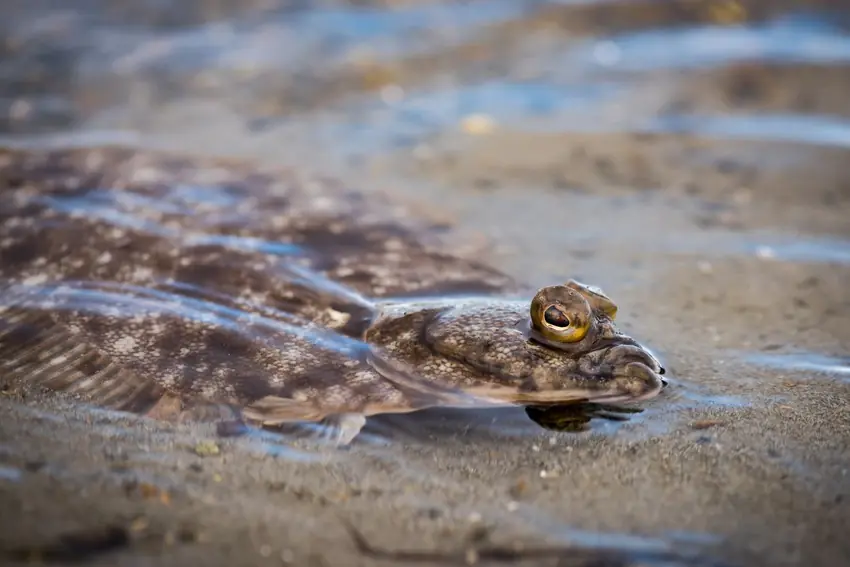
October 2, 2026
September 8, 2026
August 21, 2026
August 18, 2026
August 15, 2026
August 12, 2026
August 8, 2026
August 4, 2026

You're now part of our exclusive community. Get ready for premium content and updates straight to your inbox.
close
Subscribe to our newsletter and receive a selection of cool articles every week.
Please enter a valid email address.
Be the first to know when we're back in action.
Please enter a valid email address.
Leave a Comment
Your email address will not be published. Required fields are marked *
Thank you for your comment! It has been submitted for review and will appear on the site shortly.