


Anglers Booking Team
The expert copywriters at Anglers Booking have meticulously crafted this article. Our dedicated team of writers provides valuable insights and information to enhance your angling experience.
 10 minutes read
Perch fishing is one of the true classics in the freshwater world. These fish are popular due to their delicious fillets. They have sharp looks, but their colorful stripes and feisty fights make every catch memorable.
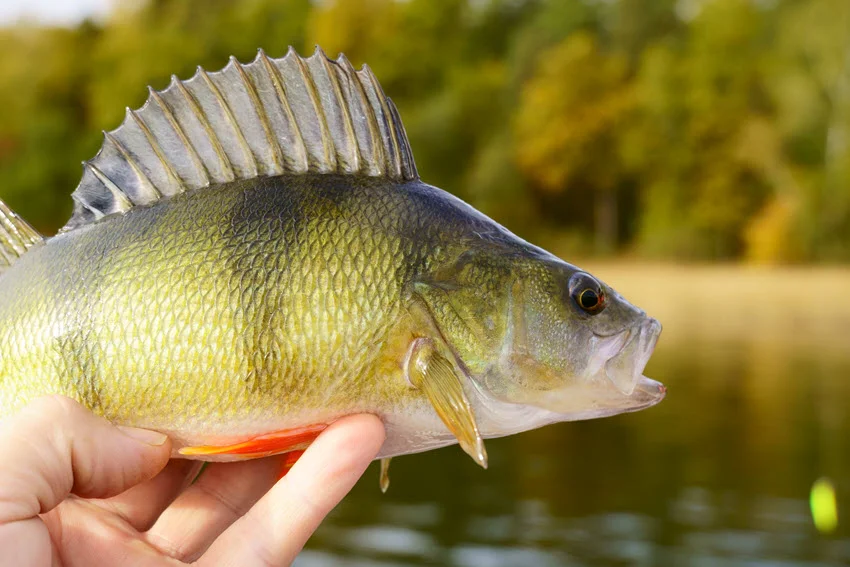
Perch thrives in many waters, in deep, cool lakes and slow, winding rivers. They usually move in schools, so when you find one, there's a good chance you'll find many more. When a Perch strikes, the fun begins.
For many anglers, Perch are more than just a catch. They are the start of a lifelong love of fishing. In this guide, you'll discover everything you need. Gear tips, some of the best Perch baits, and seasons are just a small part of the information that you will find in our article.
When it comes to Perch fishing, a few species stand out above the rest. They offer plenty of fun for all anglers. Below, we'll explore the most popular Perch species you can target.
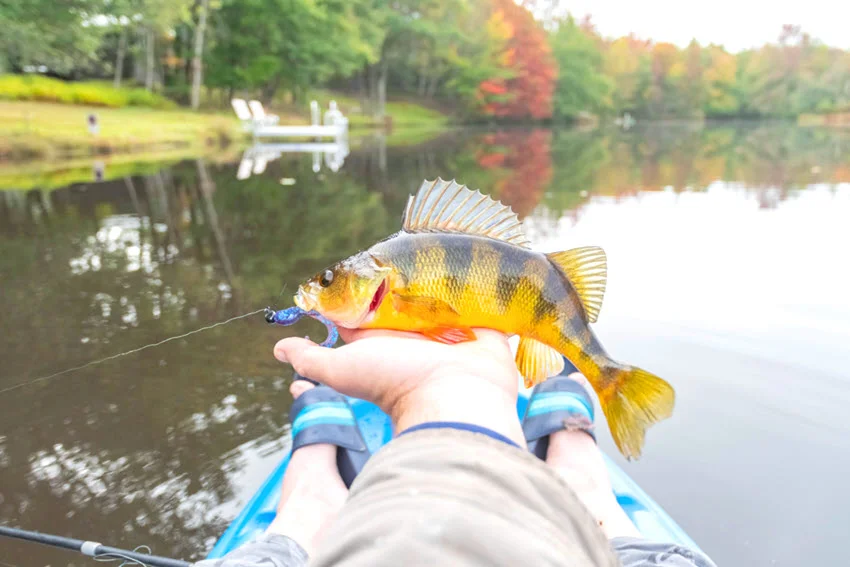
Yellow Perch usually grows up to 4 to 10 inches long and weighs between 0.5 and 1 pound. They have golden yellow bodies with dark vertical stripes. The Yellow Perch typically has a lifespan of 9 to 10 years.
Spring is the prime season for fishing for this fish. Also, fall could be productive too. They prefer depths of 10 to 20 feet. They may move shallower during the spawning season.
Yellow Perch mainly eat smaller fish. Also, they often feed on insects and crustaceans. Remember one thing. If the bait is right, they won't hesitate to bite.
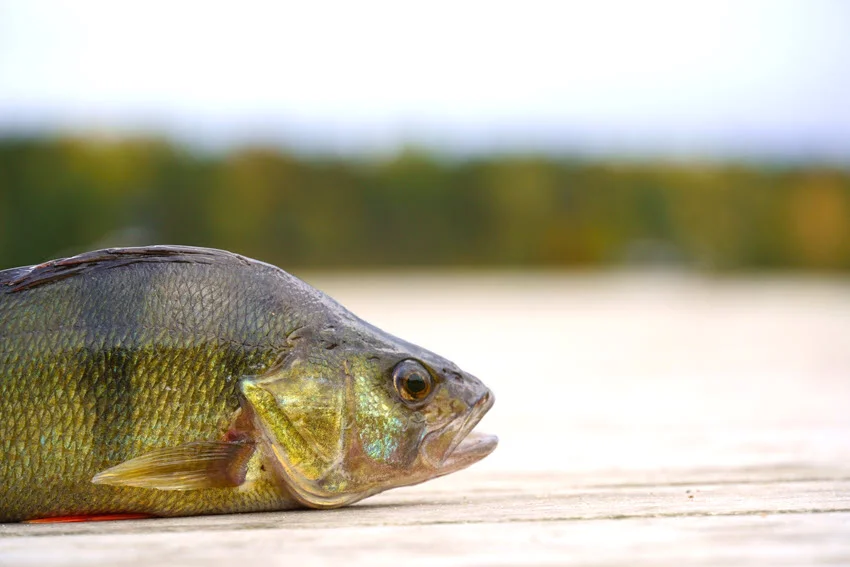
European Perch can grow bigger than their American cousins. Its length is about 10 inches. In rare situations, they can even exceed 24 inches in length. The weight of European Perch usually varies from 1 to 3 pounds, but sometimes older ones can weigh over 8 pounds. They can live as long as 22 years.
Fishing for European Perch is best in late summer and fall. They are commonly found in depths ranging from 1 to 30 feet, depending on the water temperature and the time of year.
When it comes to fish diets, they typically include small fish such as roach and minnows. Additionally, their menu features insects and aquatic invertebrates. They are not picky eaters.
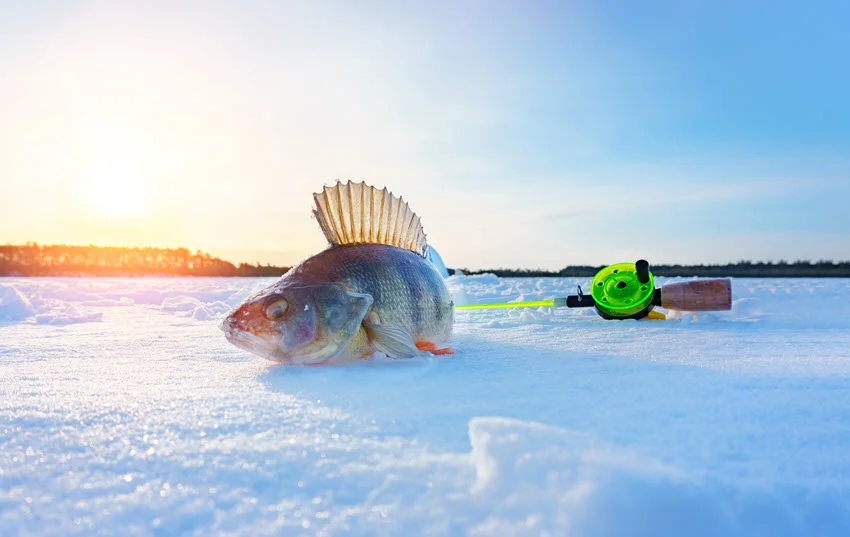
Knowing the best time to fish for Perch is essential. Here's what you need to know to time your fishing properly.
In spring, Perch head toward shallow waters to spawn. During this period, they are easy to catch. After spawning, they retreat to deeper waters to recover and replenish their food supply. During the summer, they are in deeper areas of the water. As fall approaches, they return to the shallows to feed. Winter brings a unique opportunity with ice fishing.
There are some times of day when Perch are easier to catch. These are early morning and late evening. In the early morning and late evening, they feed aggressively. Fishing at dawn or dusk is a good option.
Tides and water movement also play a role in Perch fishing. Perch are more likely to feed when there's a significant movement of water. Here we think during high or low tide. Water currents can carry food sources towards them. If you're fishing in estuaries or near tidal rivers, timing your trip with the tides can significantly improve your chances of landing a big catch.
If you're planning a fishing trip, you must know the top spots for Perch fishing. Below are some of the best places for this species of Perch. Below, we provide a detailed analysis of some popular locations where you can catch Perch.

Lake Cascade is renowned for its world-class Yellow Perch fishing, offering opportunities to catch fish weighing up to 2.5 to 3 pounds. Winter months provide the most productive fishing here.
Prime months are from January to February. Ice fishing is popular. Beautiful mountain surroundings are one of the main characteristics of this place.
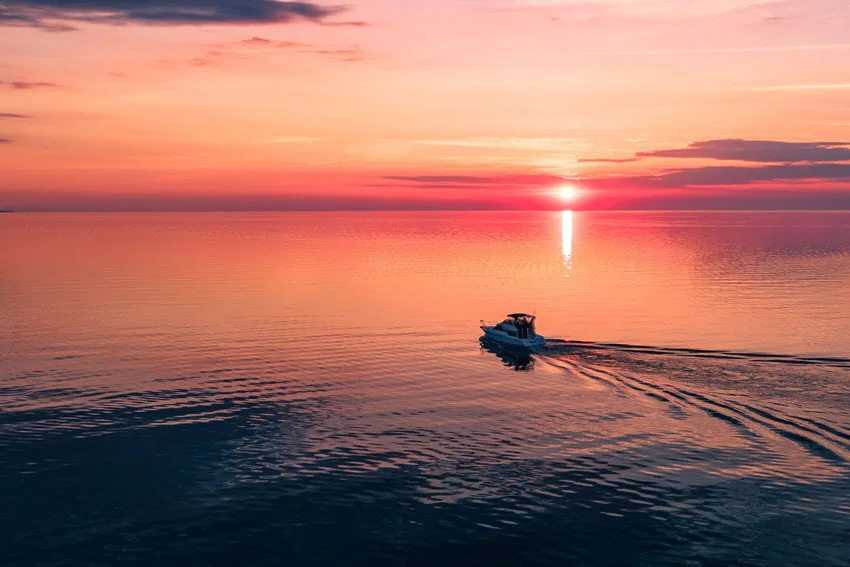
Chaumont Bay is a hotspot for jumbo Yellow Perch. It is situated along the eastern basin of Lake Ontario. The prime season is late winter through early spring. Ice fishing is popular here. The shallow waters and abundant weed beds create ideal conditions for Perch to feed. The bay often attracts large schools of fish in accessible areas.
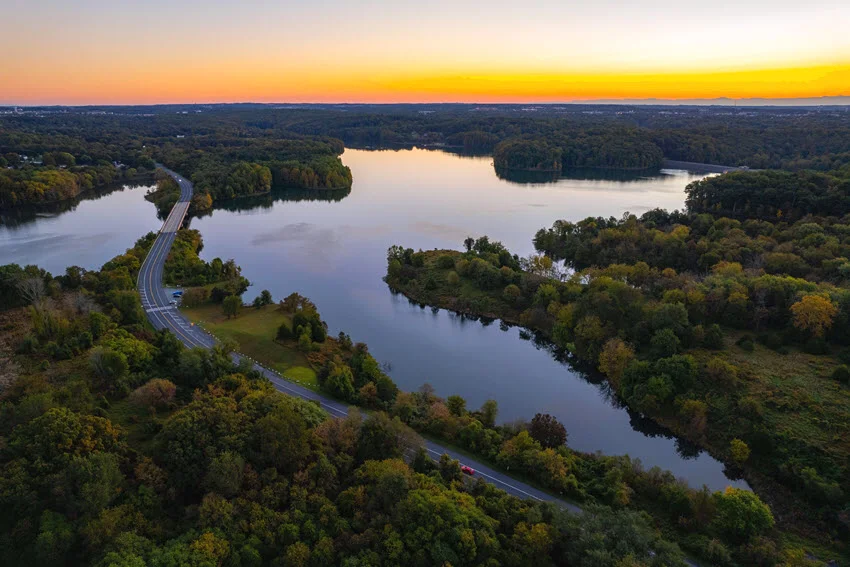
Seneca Lake is the largest of the Finger Lakes. It provides excellent Perch fishing in shallow bays, near weed beds. Also, fishing could be productive around docks and piers.
The prime fishing seasons are spring and fall. Its deep waters offer Perch year-round habitats, and the lake's well-developed public access points make it beginner-friendly.
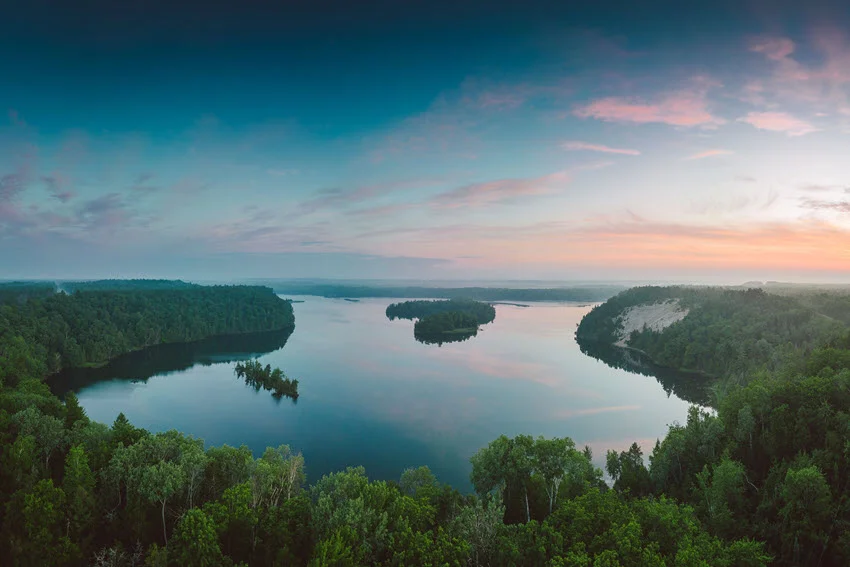
Lake Gogebic is the largest inland lake in Michigan's Upper Peninsula. It spans across Ontonagon and Gogebic counties. It offers diverse fishing environments. The lake is renowned for its healthy populations of Yellow Perch and other species.
The prime fishing season for Yellow Perch on Lake Gogebic spans from late spring through early fall. Peak activity is observed from July to September. During this period, Perch are abundant. Fishing is especially productive near weed beds and drop-offs.

This lake is nationally recognized for its impressive populations of Yellow Perch. Fishing is productive throughout the open-water season, with spring and fall being particularly fruitful.
Forested shorelines surround Lake Cobbosseecontee. Lake fishing here offers peaceful experiences. Fishing catch rates are high here. You can expect especially effective catching near submerged structures.
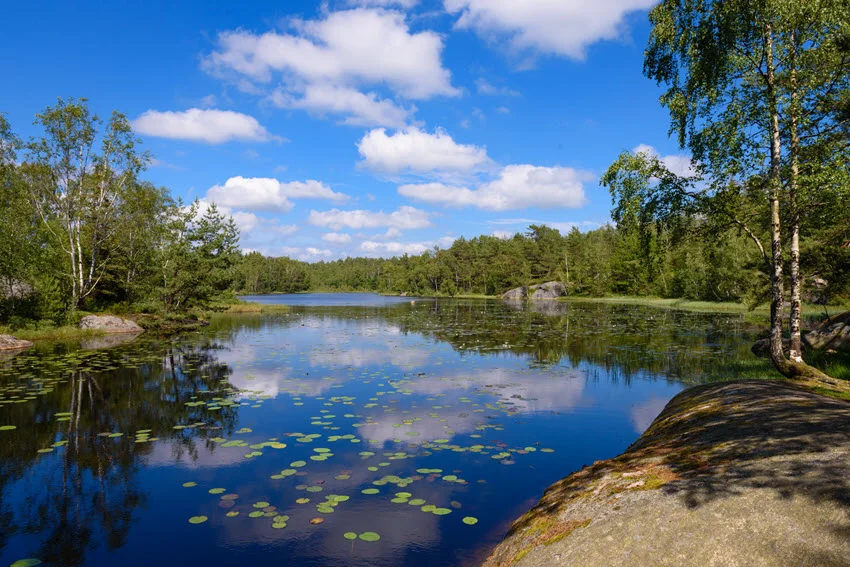
Bosarpasjön is a spring lake located in Hässleholm Municipality, Sweden. At this lake are a few types of Perch. The best fishing season is during the summer months. Prime time is from June to August. This is when the water temperatures rise just enough to stir up fish activity, making it an ideal time to cast a line. It's clear, cool water and scenic surroundings make it perfect for anglers.
If you're looking for a more personal and peaceful fishing experience, Bosarpasjön might be just what you need. This small spring-fed lake is known for its tranquil atmosphere and crystal-clear waters.
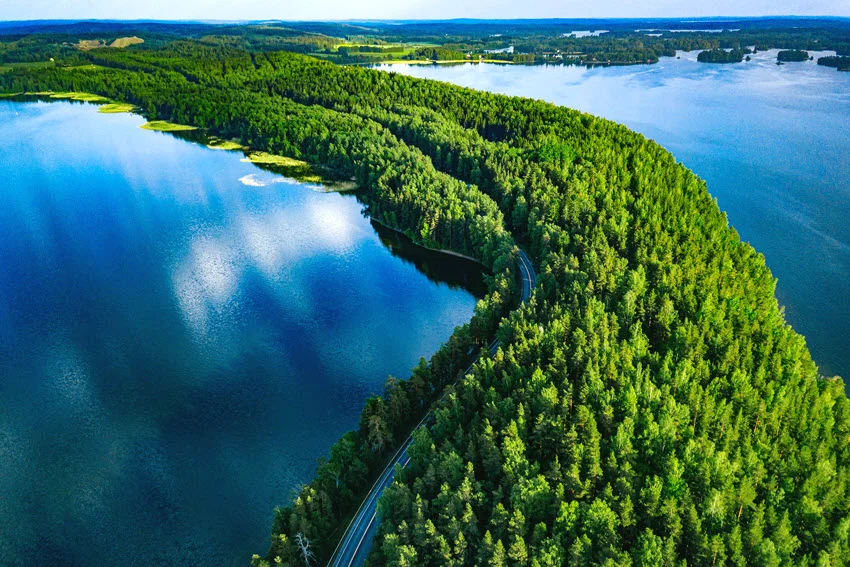
Lake Lestijärvi is located in Central Ostrobothnia, Finland. Known for its shallow waters, the lake provides excellent habitats for Perch. Its broad, open areas and easy shoreline access make it a beginner-friendly destination.
One of Lake Lestijärvi's highlights is its year-round accessibility. While summer brings long daylight hours and easy casting conditions, ice fishing becomes the star attraction in the colder months. From December to April, when the lake freezes over, anglers come to the area with their ice augers and tents, chasing active schools of Perch under the thick ice.
Fishing for these fish is an exciting experience. You must have the right strategy for success in fishing. You need to understand which techniques are the best. We deal with this in detail in the sections below.
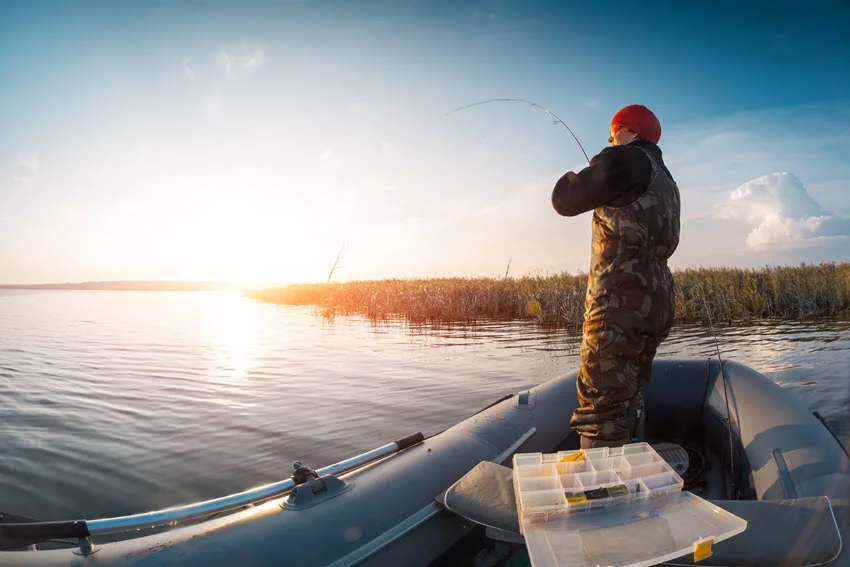
Vertical jigging is effective in deeper waters. This method involves dropping a small jig directly below your boat. Then you need to move it rhythmically. You need to do this in a way that mimics the movements of small prey.
In the summer months, Perch often react better to a more aggressive, quicker jigging action. That action should imitate fleeing baitfish. During colder periods, a slower, more deliberate movement tends to trigger more strikes. At this period, Perch becomes more cautious and conserves energy.
Successful vertical jigging depends on maintaining contact with your jig at all times. Using sensitive rods and light lines can help you detect subtle bites and significantly improve your catch rate.
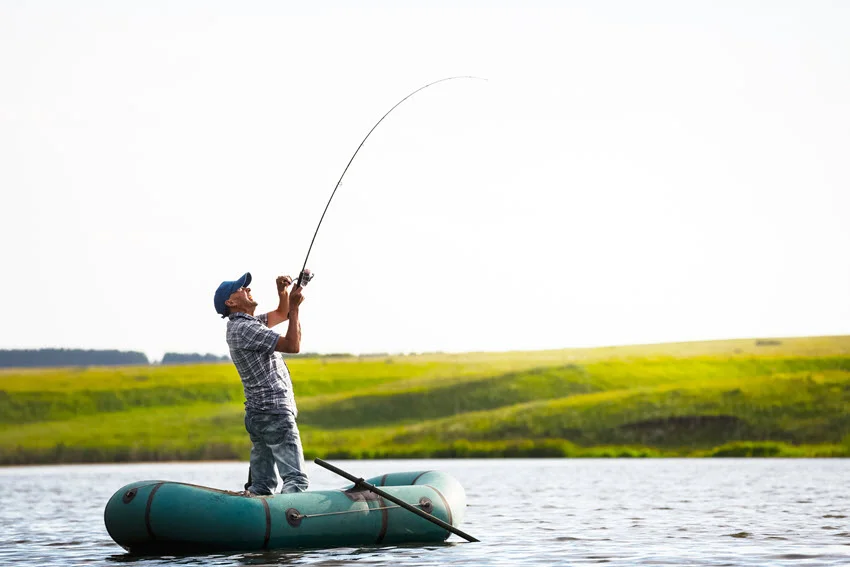
If you want to cover large areas, drifting is an excellent technique for doing so. This method involves letting your boat move naturally with the wind or current. During that time, your bait or lure moves through the water column. It's a relaxed yet productive way to explore different depths and locate fish.
Lightweight jigs or live bait rigs are commonly used when drifting. The subtle, natural movement of the bait as the boat drifts is highly attractive to Perch. Because Perch can be gentle biters, staying attentive to even the slightest tug on your line is critical for successful hooksets.
Drifting is most effective in bigger lakes or wide rivers, where finding stationary schools can be challenging. By moving steadily across different terrains, you should have a successful day of fishing.
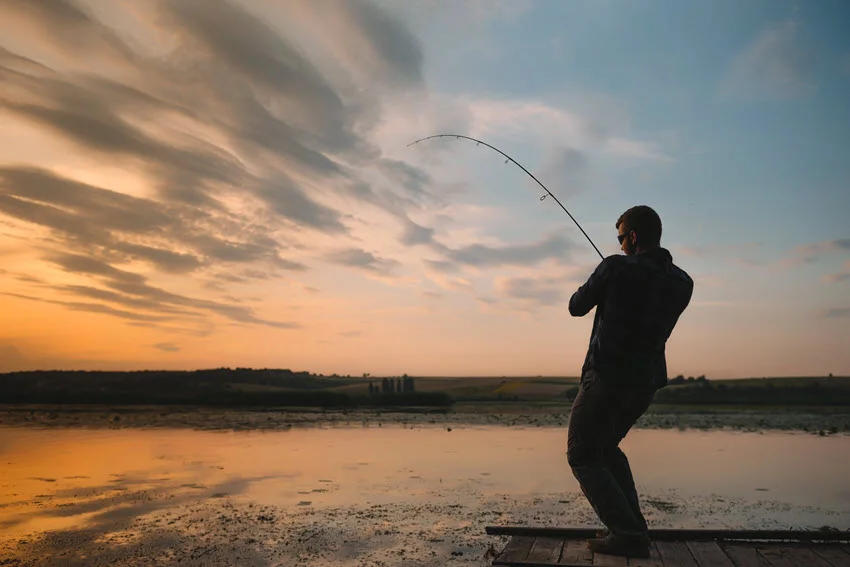
Still fishing remains a classic and effective method for catching Perch, especially for both beginners and seasoned anglers. Whether you're fishing from a rocky pier, shore, or a boat, this technique relies on placing your bait in a prime location and waiting for Perch to come to you.
Areas with submerged structures may be the ideal spots to find this fish. Check rocky bottoms. Perch also gathers in places with dense vegetation. Such places are suitable for it because they serve as both shelters and sources of food.
Controlling the depth of your bait is key to success with still fishing. Using a float or bobber allows you to suspend your bait at the depth where Perch are actively feeding. Early mornings and late afternoons are the best times for fishing. During these periods, Perch moves closer to shallow waters. At these places, they feed during low-light hours.
If you're fishing from a boat, a fish finder can be handy. By presenting live bait slightly above the bottom, you can target the most active Perch. Patience is important in this technique. Remember that the rewards can be well worth the wait.
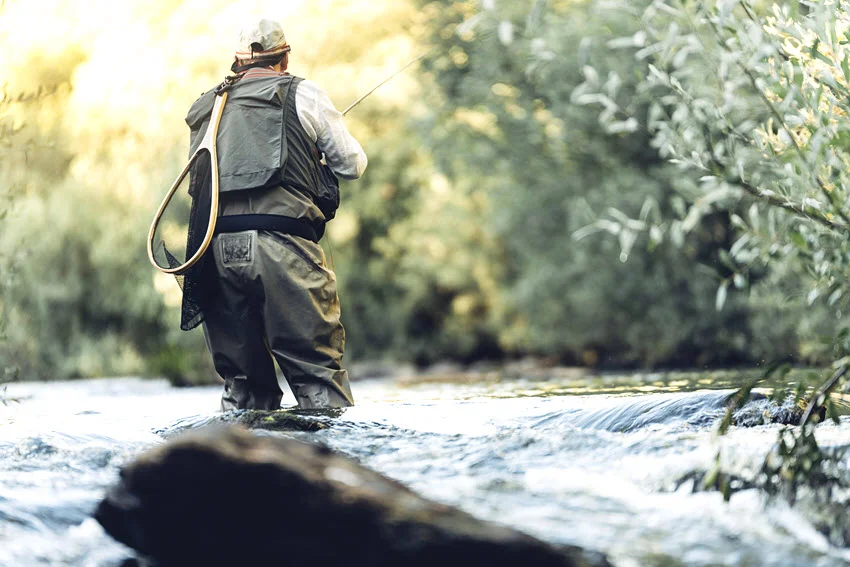
Casting and retrieving with small artificial lures is a great way to catch Perch. It could be very productive in shallow waters. This active technique allows you to cover a wide area quickly.
Spinners, spoons, and small crankbaits work particularly well for this method. The idea is to mimic the behavior of injured or fleeing prey, enticing Perch to strike out of both hunger and aggression. Using unpredictable patterns can trigger more bites, especially when fish are less aggressive.
Choosing the right lure color is essential. In murky water, bright or flashy lures often perform best. In clear water, opting for natural-colored lures that resemble local baitfish can give you a distinct advantage.
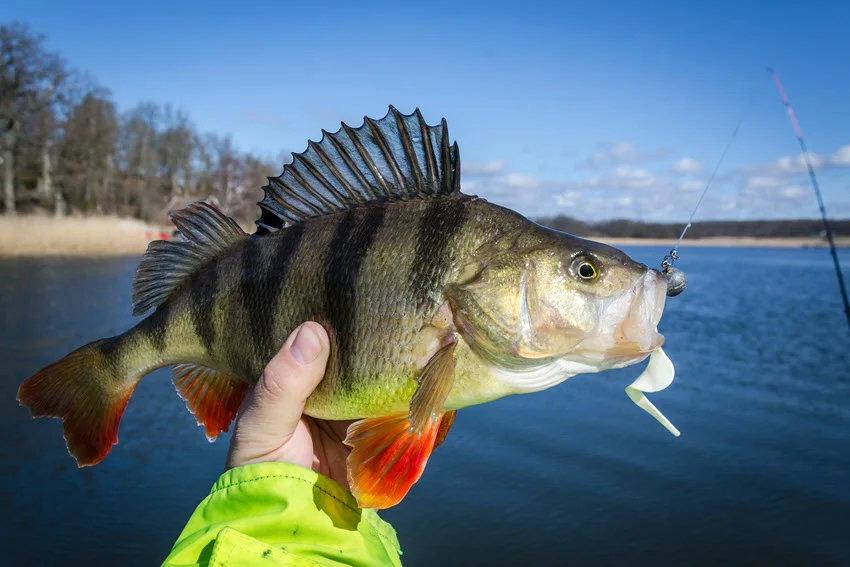
Choosing the right bait affects your fishing success. Below, we'll discuss the best live and artificial baits. Also, we will explain to you the importance of lure color.
Live baits are a top choice for Perch fishing. This type of bait is effective due to its scent, movement, and familiarity to the fish. Perch are opportunistic feeders, often attacking smaller fish, worms, and insects. Some of the most effective live baits include maggots and minnows.
Worms, especially nightcrawlers and red wigglers, are classic Perch baits. Rigged simply on a small hook and allowed to sink near the bottom, worms attract Perch with their natural movement and scent. They are especially effective during spring and early summer when Perch are actively feeding in shallow waters.
Minnows are highly productive. Hooking a live minnow through the lips or dorsal fin and allowing it to swim naturally can lead to aggressive strikes. Minnows work best when Perch are in deeper water or during colder months when they prefer baitfish over invertebrates.
Maggots and larvae, such as waxworms or bloodworms, are excellent choices when Perch are feeding cautiously or during ice fishing season. These baits can be threaded on small jigs or fished under a float to tempt even the most reluctant fish. Their small size and constant wriggling motion are particularly appealing to Perch in colder conditions.
While live bait remains effective, artificial lures are a solid option. With them, anglers can cover more water. Additionally, they are effective in high-pressure areas. Modern Perch anglers rely on soft plastics, spinners, and crankbaits. Baits like these mimic the appearance and action of real prey.
Soft plastic grubs and worms are among the most commonly used lures for Perch. Their lifelike movement and ability to be rigged in various ways make them highly adaptable. Jigging a soft plastic bait near the bottom or twitching it through weed lines often produces quick results. Natural colors like brown, olive, and silver perform well in most conditions.
Spinners, such as inline spinners or small spinnerbaits, are excellent for attracting aggressive Perch through flash and vibration. These lures are particularly effective in slightly stained water, where visibility is reduced. A steady retrieve along weed edges or near submerged structures can draw reaction strikes from schools of Perch.
Crankbaits and small hard-bodied lures are effective when Perch are actively chasing baitfish. Shallow-diving models are particularly effective in warmer months, near drop-offs, and in areas with underwater vegetation. Their wobbling action and realistic profiles help trigger strikes, especially from larger Perch looking for a substantial meal.
The right color of your lure could impact the productivity of fishing. In clear water, natural and subtle colors like silver, gold, and translucent shades mimic small prey and perform best. When fishing in water with a lighter color, you can use lighter colors. They reflect more light. They look more realistic. Colors like silver, gold, and translucent shades are most effective.
When fishing in stained water, brighter and bolder colors are the right option. Chartreuse, orange, and fluorescent variations create stronger contrasts and are easier for Perch to spot. In low-light conditions, specific color works the best. Dark colors like black or purple can silhouette better and provoke more bites.
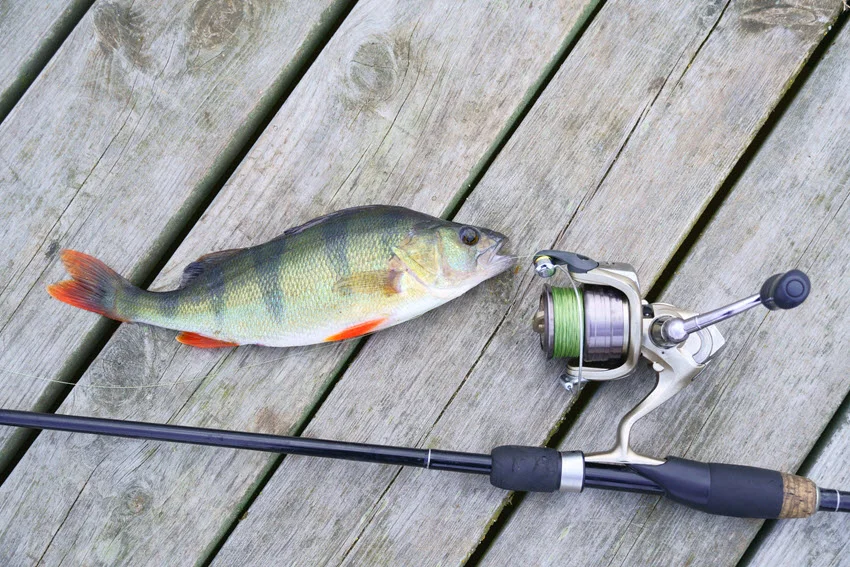
Although Perch are not large fish, they can be surprisingly feisty and provide great sport on light tackle. You must have adequate gear. Your setup should be sensitive and lightweight. Additionally, it needs to be tailored to the environment in which you're fishing.
For a smaller Perch, a light-action spinning rod around 6 to 7 feet is ideal. Pair this with a 1000 to 2000-size reel spooled with 4 to 6-lb monofilament or braided line for increased sensitivity. A setup like this is the right option. It will allow for precise casting and quick hooksets.
Fishing for smaller Perch means weaker bites. A sensitive rod tip and a light drag are important. A fluorocarbon leader can improve your presentation. It is productive in clear water where Perch can be line-shy.
Targeting trophy-sized Perch, often in deeper water or colder conditions, requires slightly heavier gear. A medium-light spinning rod, 6.5 to 7 feet long, matched with a 2500-size reel, provides the strength needed to handle larger fish. Use 6 to 10-lb braided line with a 6 to 8-lb fluorocarbon leader for better abrasion resistance and stealth.
Larger Perch often hold near submerged structures or drop-offs, so casting distance and control are essential. This setup gives you the ability to work larger lures like crankbaits or heavier jigs while still enjoying the fight that Perch are known for. A quality drag system helps absorb strong runs and prevents pulled hooks during aggressive head shakes.

Understanding fishing regulations and preserving specific fish species contributes to protecting fish populations and ecosystems and promoting responsible angling practices.
Anglers Booking Team
When discussing Perch, there are important rules to consider. Anglers must follow these rules. They could vary between states or provinces. Still, some general rules are outlined below.
While fishing for Perch, it's necessary to adhere to the low. You must respect catch limits. Returning small fish and avoiding overfishing in one spot helps maintain healthy Perch populations.
We are at the very end of our trip. We can only conclude one thing. Perch fishing is a great activity for all anglers. Their aggressive strikes and beautiful colors make fishing for these fish unforgettable.
If you apply the right strategy and choose the best time, you are well on your way to success in Perch fishing. Choose the location that best suits your preferences and go on an adventure. So, what is your favorite species of Perch? Which bait do you prefer to use?

The expert copywriters at Anglers Booking have meticulously crafted this article. Our dedicated team of writers provides valuable insights and information to enhance your angling experience.

December 21, 2025

May 19, 2025
Subscribe to our newsletter and receive a selection of cool articles every week.
Embark on unforgettable fishing adventures with us at Anglers Booking.
book your charter
October 2, 2026
September 8, 2026
August 21, 2026
August 18, 2026
August 15, 2026

August 12, 2026
August 8, 2026
August 4, 2026

You're now part of our exclusive community. Get ready for premium content and updates straight to your inbox.
close
Subscribe to our newsletter and receive a selection of cool articles every week.
Please enter a valid email address.
Be the first to know when we're back in action.
Please enter a valid email address.
Leave a Comment
Your email address will not be published. Required fields are marked *
Thank you for your comment! It has been submitted for review and will appear on the site shortly.