


Anglers Booking Team
The expert copywriters at Anglers Booking have meticulously crafted this article. Our dedicated team of writers provides valuable insights and information to enhance your angling experience.
 12 minutes read
Flatfish can be hard to identify due to their similar appearances and shared habitats. Additionally, the same species may have different names in various regions. Despite these challenges, Flatfish are highly valued for their delicious taste.

Does all this seem confusing to you? Well, don't worry. In this guide, we'll help you understand the most common types of Flatfish. We'll explain how to identify them and how to catch them.
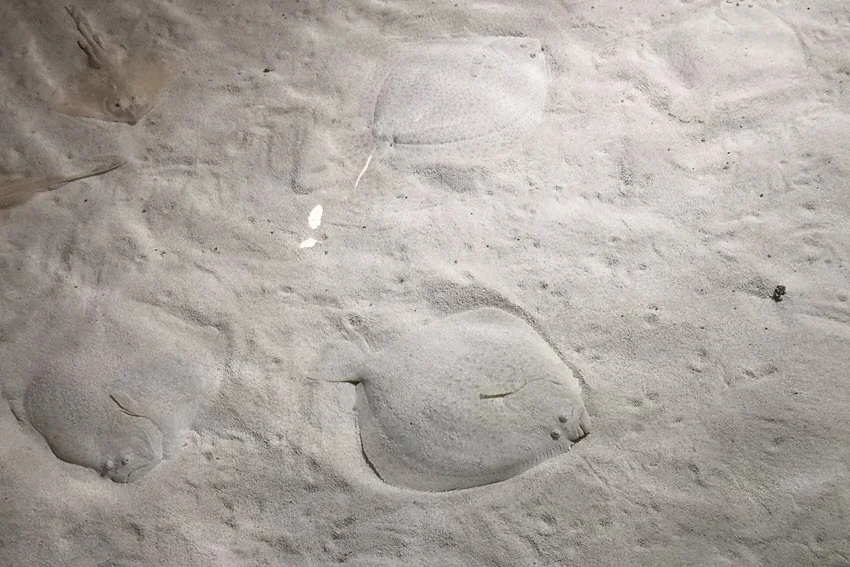
Flatfish are a broad term for a group of fish that live on the bottom. They have flat bodies and both eyes on the same side of their head. This group includes Flounder, Halibut, Sole, Turbot, Plaice, Dab, and more.
Flatfish start life like other fish. As they mature, one eye shifts to the opposite side, and their bodies flatten and twist to adapt to life on the bottom. Some species are right-eyed while others are left-eyed, so you cannot always identify a species by eye side alone. They also use camouflage to blend into sand or mud and ambush prey as it passes by.
Not all flat-looking fish are Flatfish. Rays, Skates, and Monkfish don't belong to this group. Flatfish are unique due to their eye placement and their distinctive lifestyle and movement.
Many types of Flatfish live along the Atlantic and Pacific coasts. Each has its own look, size, and habitat. Here are the most common species you can catch in North American waters.
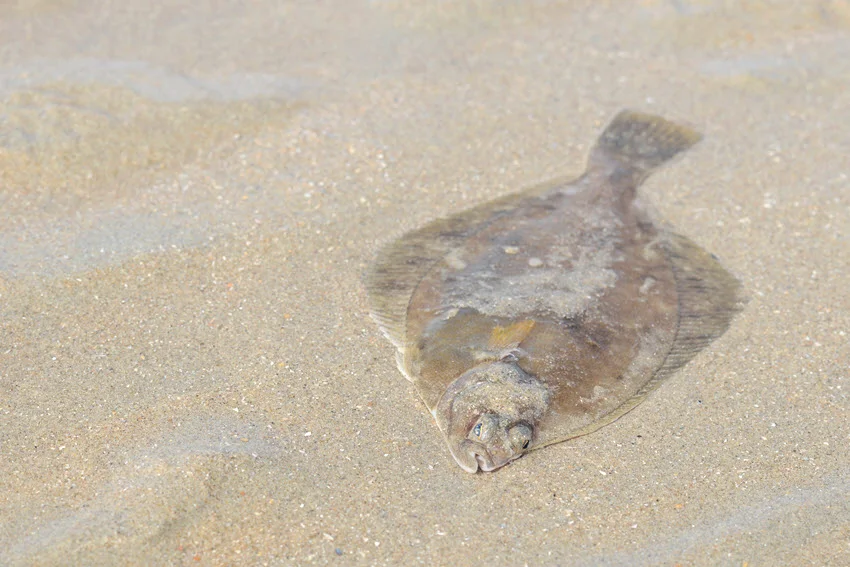
Flounder are Flatfish with both eyes on one side of the body, and depending on the species, they can be right-eyed or left-eyed. They are usually oval, thicker than Plaice, and more plain, with mottled brown coloring. Unlike Plaice, they lack bright spots and a bony ridge behind the eyes. Many Flounder can also handle brackish water, and some tolerate freshwater for long periods.
Several species are found in North America, including Southern Flounder (up to 24 inches and 10 pounds), Winter Flounder (up to 18 inches and 2 to 3 pounds), and Summer Flounder, also called Fluke (up to 30 inches and 10 to 15 pounds). In the US, Summer Flounder (Fluke) and Winter Flounder are Atlantic species, while Southern Flounder is most common in the Atlantic and Gulf. Pacific waters have different Flounder species, so names and ranges vary by region.
Flounder thrive in estuaries, river mouths, and sandy or muddy inshore flats. They're often caught far upriver in brackish water, especially during the cooler months. Mud banks, channels, and sandy gullies are prime spots, anywhere food collects, and the current slows.
You can catch Flounder both from shore and by boat. They tend to hug the bottom, so clean ground is best. At night, they may move into very shallow areas, sometimes just a foot deep, especially near light sources in clear water.
Flounder are most active from late fall through early spring, making them a prime winter target when other species slow down. They feed aggressively in colder months and are especially hungry right after storms, when bait is stirred up from the seabed.
In estuaries, they respond well to the flood tide, especially starting about an hour after low tide. They feed day and night, but nighttime action near structures or lighted areas can be excellent.
Flounder require slightly stronger gear due to their sometimes larger size and power. A medium-light to medium rod rated around 6 to 10 pounds test curve, about 9 to 11 feet long, works well for casting and controlling the fish near structure.
Match this with a spinning reel capable of holding 10 to 15-lb braided or monofilament line to handle stronger runs and abrasion from rocky bottoms. This combination balances sensitivity with enough strength to land bigger Flounder. Proper gear helps avoid break-offs during sudden, strong pulls.
Small ragworms are ideal. Flounder don't have huge mouths, so avoid overloading the hook. Thread one worm entirely, then tip with a second. Other top baits include lugworm, squid strips, mussels secured with bait elastic, mackerel belly, which is tough and highly visible, and sandeel, especially when paired with worm on a baited spinner.
Lure fishing is also effective. Many anglers use Mepps-style spinners tipped with ragworm, or bead-and-blade rigs with bait. Cast out, let it settle, and retrieve slowly to stir up the bottom.
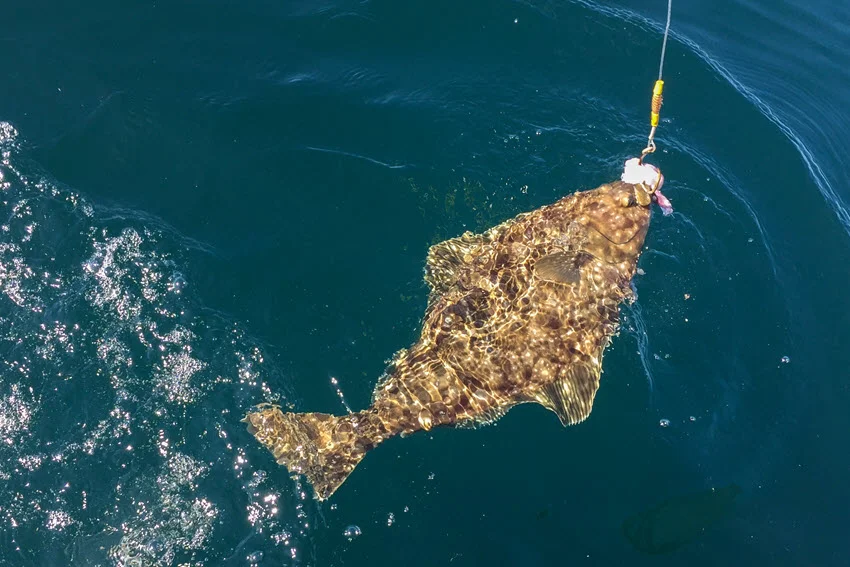
Halibut live on deep, sandy seabeds. They are ambush predators. In Alaska, sport anglers target them from both boats and surf zones, using strong gear. They often feed during tides when currents stir up baitfish. Larger Pacific Halibut migrate seasonally between shallow summer grounds and deeper spawning areas in winter.
Halibut are the undisputed largest Flatfish in the ocean. They dwarf other Flatfish and grow slowly, often living up to 50 years in cold waters. In North America, Atlantic Halibut (it can grow to over 9 feet, while its average weight is between 30 and 150 pounds) is endangered, so most fish sold are Pacific Halibut (it can reach lengths of over 8 feet, and average catch ranges from 20 to 150 pounds).
Best Halibut fishing is done from boats drifting over bottom ledges, continental shelf edges, or offshore banks in deep water (300 to 1,500 ft).
It's also possible from the surf on beaches over clean sand near a structure. In Alaska and the northern Pacific region, casting and mooching inshore can produce results. These fish are rarely caught close to shore, beyond the beach surf zone.
Halibut fishing season varies by region. In Alaska and the North Pacific, success is best during the warmer months, from late spring to early fall, when baitfish are abundant and Halibut feed near the bottom.
Daytime or nighttime both work, depending on tides and currents. Slow drifting into current edges and drop-offs works well to trigger strikes.
Halibut are among the largest Flatfish and demand firm tackle. A heavy rod, rated from 25 to 50 pounds test curve, 9 to 12 feet long, paired with a high-capacity conventional or spinning reel spooled with 50 to 80-pound braided line, provides the power and durability needed.
This gear helps you manage the weight and strength of Halibut, especially in deep water and strong currents. Proper tackle reduces the risk of line breaks and improves control during long fights.
The best baits for Halibut are oily fish parts, such as fresh or frozen herring, salmon bellies, squid strips, octopus tentacles, and mackerel. These baits have strong scents and natural oils that attract Halibut from a distance.
Fresh bait is preferred, but frozen bait can work well if appropriately thawed. Using whole or large chunks of bait helps attract bigger Halibut. Baits should be rigged firmly with bait elastic or wire to prevent loss during the strong strikes and pulls from large fish.
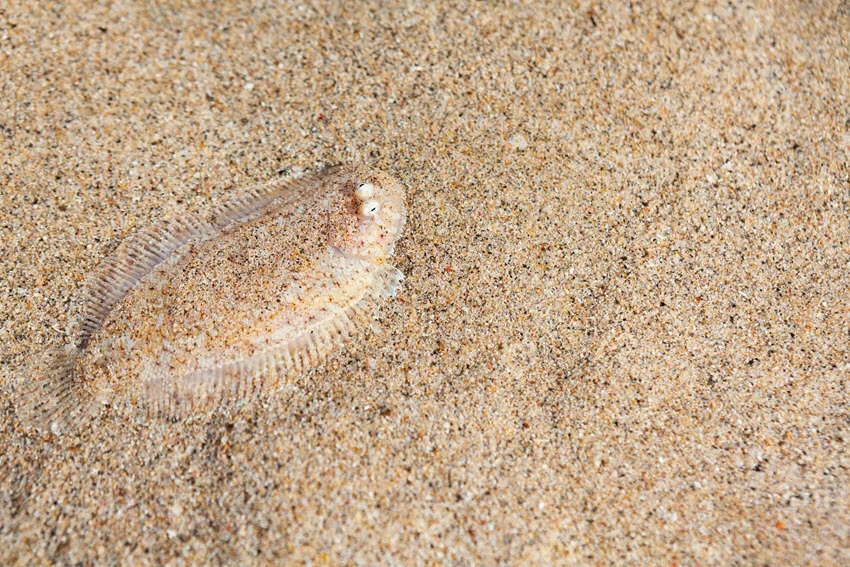
Sole are small, flat fish with a soft body and a narrow mouth. These fish live close to the seabed. Their bodies are adapted for life in sand or mud, where they blend in well. Sole are not often caught by casual anglers because they live deeper and have small mouths, which makes most common rigs too big for them.
The most common species are Dover Sole (up to 28 inches and 7 pounds), Lemon Sole (up to 24 inches and 4 pounds), and Megrim Sole (up to 22 inches and 2.5 pounds). Dover Sole has rougher skin and firmer flesh. Lemon Sole is smoother and a bit more delicate in shape. Megrim Sole looks plain and is less popular with chefs, but they are edible and can be found in deep water.
Sole live on sandy or muddy bottoms. This fish prefers deeper water. They are rarely found close to shore unless conditions are just right. Boat anglers often miss them because they use heavy tackle. Shore anglers usually can't cast far enough to reach them.
Your best chance to catch them is in calm weather. Fishing on clean, flat ground could produce the best results. Additionally, you can check quiet estuaries or deep inshore channels. You need lightweight gear and small hooks to succeed.
Sole are most active during the warmer months. They feed more when the water is warm. During this period, they stay in shallower waters. As the sea gets colder, they move deeper.
The evening is probably the best time to catch them. Night fishing can also be productive. These fish feed slowly and carefully. Patience is essential as they may take a long time to approach and fully eat the bait.
Sole is generally smaller and more delicate. For this reason, lightweight gear is ideal. A light rod rated around 3 to 5 pounds test curve, about 7 to 9 feet long, provides good feel. Pair with a small spinning reel spooled with 4 to 6-lb monofilament for precise bait presentation and excellent bite detection.
Lighter tackle ensures subtle bites are noticed, and the fish are played gently to avoid losing them. Choosing suitable gear for Sole keeps the fishing enjoyable and effective.
The best bait for Sole is a lugworm or ragworm. Thread the worm neatly onto the hook until it completely covers it. Make sure the bait stays close to the seabed. A soft scent trail helps draw the fish in.
You can also use small mussel pieces, strips of squid, or mussels, but worms are the most reliable. Make sure everything is trimmed and matched to the hook size. Big baits will not work for these small-mouthed fish.
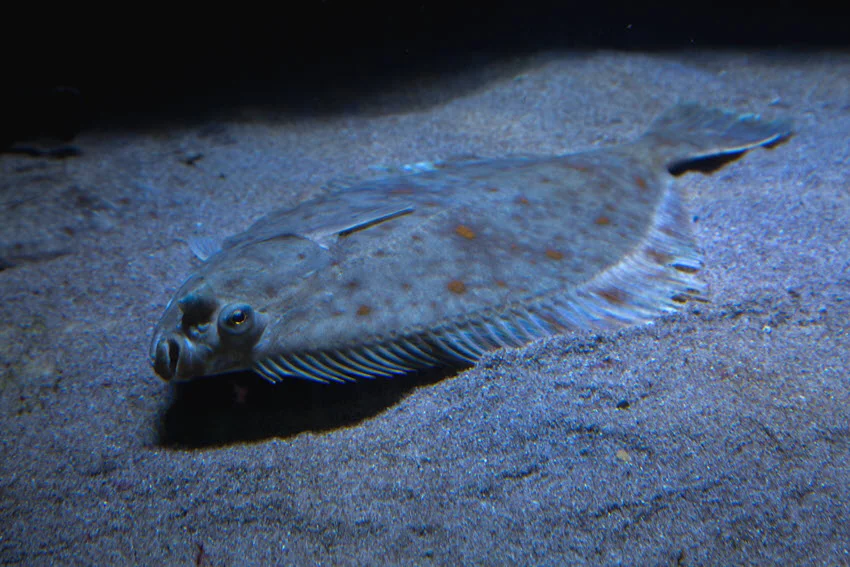
Plaice are right-eyed Flatfish, meaning both eyes are on the right side of their body. They have orange or red spots on their upper side and a smooth, brown skin. They are often confused with Flounder but are usually thinner and more colorful.
The American Plaice (up to 32 inches and weighing around 14 pounds) lives in the North Atlantic. In Europe, it is also called the Rough Dab. The Alaska Plaice (up to 24 inches and weighing less than 3 pounds) is found in the North Pacific but is not often seen in stores. Most Plaice sold in North America come from Canadian waters. In some markets, they are sometimes labeled as "Sole" as well.
Plaice prefers clean sandy or shingle bottoms. They are often found on deep water sandbanks, drop-offs, and gullies. You can also catch them nearshore if there is clean ground. Estuaries hold some Plaice, but they are not as common there as Flounder.
To reach the best spots, anglers often use small boats and drift across shallow offshore banks. Inshore areas with clean, sandy beaches can also produce fish.
Plaice are most active from February to September. During early spring, they often come closer to the shore.
Offshore fishing is best during big spring tides, when the current stirs up food. In shallower areas, such as estuaries, smaller tides may be preferable, as they offer steadier bait presentation.
Plaice are smaller Flatfish, so light tackle works best. Use a light to medium-light rod rated around 3 to 6 pounds test curve, about 8 to 10 feet long, for reasonable casting distance and sensitivity. Pair it with a smooth-action spinning reel spooled with 6 to 8-lb monofilament or light braided line for better bite detection and easy handling.
This setup lets you feel the subtle takes and play the fish without breaking the light line. Using the right gear increases your chances of landing these sometimes cautious fish.
Worms are the top choice, especially ragworm and lugworm. Use two small worms on the hook, threading one entirely and the second to hide the rest of the hook. Other good baits include squid strips, mussels, and mackerel. Use a bait elastic to secure soft baits, such as mussels, in place.
The white belly of mackerel is especially effective because it's tough and very visible. Slowly move the bait along the seabed to tempt a bite. Occasionally lifting it or letting it drift can also attract attention.
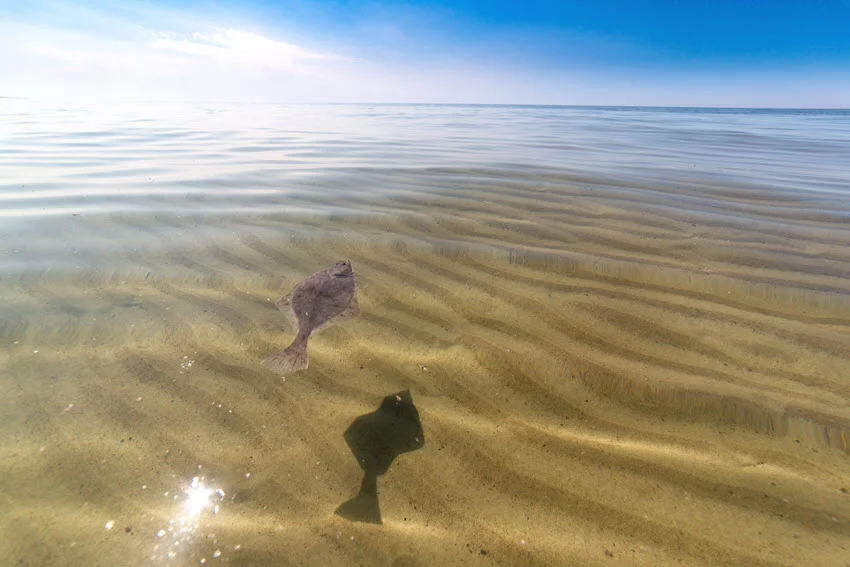
Turbot is a large, round Flatfish. They have a sandy, mottled body. Unlike Plaice or Flounder, they are thicker and stronger. They are powerful fish and hard to lift from the bottom.
Turbot can grow up to 31 inches. Their average weight is 30 pounds. Turbot is prized for its taste. They are the most expensive Flatfish. As a result, they are often overfished. Some restaurants even sell cheaper fish as Turbot. The species is now vulnerable.
Turbot are usually found over clean sandbanks. Good places to find them are deep surf beaches, sandbars, or sandy areas near channels.
They are more common in the English Channel, Bristol Channel, and some parts of the North Sea. Boat anglers catch them over wide sandy ground. Shore anglers need a long cast to reach the deeper feeding zones.
The period from May to late October is the best for Turbot fishing. They feed best during warm months. During this period, baitfish are plentiful.
The best time to fish is when the tide is moving. Incoming and outgoing tides stir up the bottom. They help bring food within reach. Early mornings are the best part of the day.
Turbot is a powerful Flatfish. It requires strong, durable gear. Use a medium-heavy rod rated from 15 to 25-pound test curve, around 9 to 11 feet long. With that kind of gear, you can handle big runs and heavy bottom structure.
A large baitcasting reel spooled with 20 to 30-lb braided line is best for strength and abrasion resistance. Heavy-duty gear is essential for safely catching these strong fighters.
The best bait choices are sandeel, mackerel, or garfish. Use long, oily baits that leave a strong scent. You can cut mackerel fillets into strips and wrap them with bait elastic.
This keeps the bait together and stops it from spinning in the water. Turbot also chases lures. Try slowly bouncing a soft plastic or jig over the sand. The movement triggers their attack instinct.
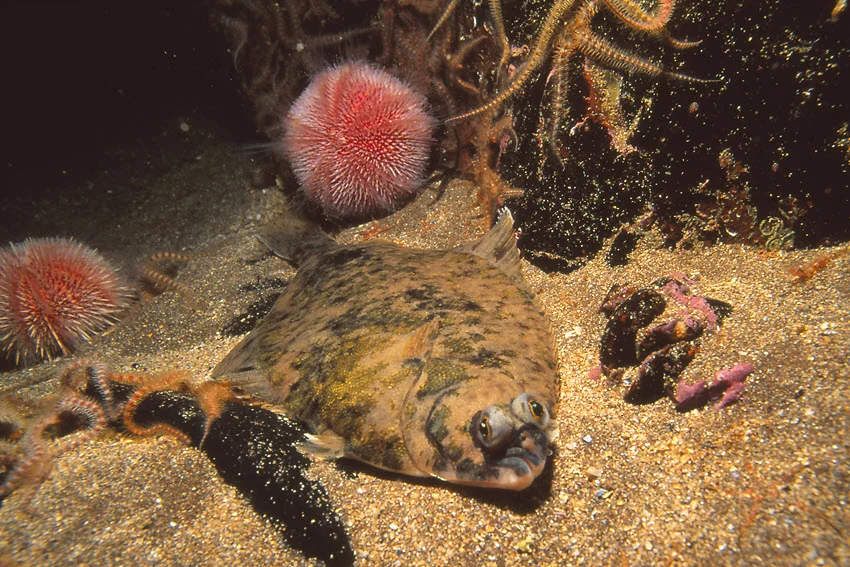
Dabs are Flatfish with both eyes on the right side of their body, similar to Plaice. They have a pale, sandy color. Their skin is rough and sandpaper-like. Unlike Plaice, Dab lacks bright spots or bony lumps behind the eyes.
Dab are common in estuaries and coastal waters. They could be found across the UK and northern Europe. They are often caught by anglers targeting other Flatfish. Due to their small size (up to 16 inches long and less than 1 pound in weight), Dab is considered less desirable in comparison to other Flatfish species.
This fish prefers sandy beaches and mudflats in estuaries and coastal areas. They live on or near the bottom, feeding on small invertebrates.
You can catch Dab year-round in shallow waters with sandy or muddy seabeds. Because they are small, they are often caught accidentally when fishing for larger Flatfish species.
The great thing about Dab's fishing is that they can be caught year-round. However, they are most active in warmer months when food is abundant.
They tend to feed close to the seabed and can be caught at any time, day or night. Fishing during tides that stir the bottom, such as incoming or outgoing tides, can be successful.
Light tackle, which matches their small size, is recommended for fishing for this species. Use a rod rated 2 to 5 pounds test curve, about 7 to 9 feet long, paired with a small spinning reel spooled with 4 to 6-lb monofilament or light braided line.
Light gear provides good sensitivity for detecting light bites, making fishing more enjoyable. This setup also reduces the risk of overhandling and helps release smaller Dabs unharmed.
Dab will take a variety of small baits, including ragworm, lugworm, and small artificial lures such as soft plastic worms or Gulp lures. Thread the bait neatly on a small hook and keep it close to the seabed.
Dab are opportunistic feeders. Very often, it can steal bait intended for bigger fish, so using slightly larger hooks and securing bait with elastic can help avoid unwanted catches.
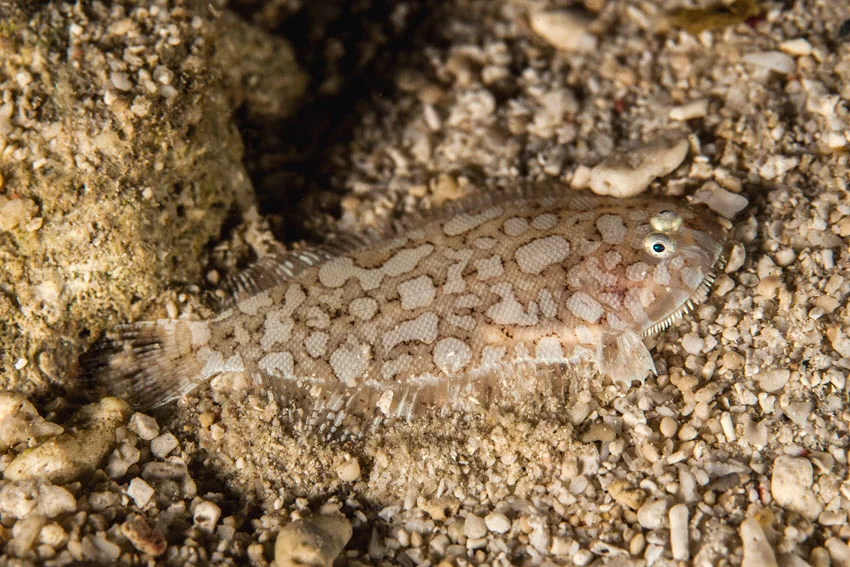
Flatfish are bottom dwellers. They often hide in sand or mud, waiting for their next meal. To catch them, you need patience. Right spot, and a few smart moves will lead to success. Just follow our fishing tips.
Use bottom rigs or sinkers to keep your bait on the seabed. Flatfish rarely swim up. Try fishing during a moving tide. That is when they feed the most. Move your bait or lure slowly (Flatfish prefer a slow, steady presentation). Adding scent helps, especially in dirty water.
If you don't get a bite, cast in different directions or try a new spot. Keep an eye on your rod tip. Flatfish bites are often soft and require only a slight tap. Be ready to set the hook gently.
These tips are also beneficial for beginners and intermediate anglers. Practice and local knowledge will result in a successful fishing day.
Understanding fishing regulations and preserving specific fish species contributes to protecting fish populations and ecosystems and promoting responsible angling practices.
Anglers Booking Team
Flatfish are fun to catch, but safety and rules matter too. Handling big fish like Turbot or Halibut can be tricky. Fishing laws vary across different places. Here's what you need to know before heading out.
Be careful when handling Flatfish. Some, like Halibut, are very strong. Below, you can find safety fishing tips.
Flatfish may look calm, but they can be surprisingly powerful. A little caution helps keep you safe and keeps the fish healthy for a clean release.
Before you go fishing, take time to learn the rules. These laws protect fish populations, habitats, and the future of the sport. Following them shows respect for nature and other anglers.
Fishing within the rules keeps waters healthy and fish stocks strong. It also helps you avoid fines and protects the sport for future generations. Check regulations at local tackle shops or on official websites, such as NOAA Fisheries in the US.
If you followed this guide, you can now tell the difference between Flatfish species and know where, when, and how to catch them. With the right gear and bait, you are ready for a great day on the water.
Do you have a favorite Flatfish to catch? What was the biggest one that you caught? Share your answers in the comments!

The expert copywriters at Anglers Booking have meticulously crafted this article. Our dedicated team of writers provides valuable insights and information to enhance your angling experience.

May 9, 2025
Subscribe to our newsletter and receive a selection of cool articles every week.
Embark on unforgettable fishing adventures with us at Anglers Booking.
book your charter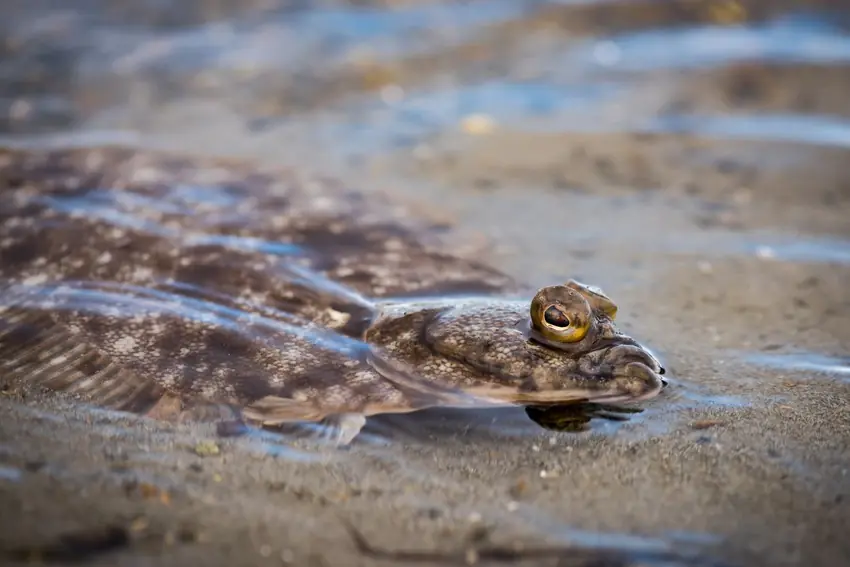
October 2, 2026
September 8, 2026
August 21, 2026
August 18, 2026
August 15, 2026
August 12, 2026
August 8, 2026
August 4, 2026

You're now part of our exclusive community. Get ready for premium content and updates straight to your inbox.
close
Subscribe to our newsletter and receive a selection of cool articles every week.
Please enter a valid email address.
Be the first to know when we're back in action.
Please enter a valid email address.

Leave a Comment
Your email address will not be published. Required fields are marked *
Thank you for your comment! It has been submitted for review and will appear on the site shortly.