


Anglers Booking Team
The expert copywriters at Anglers Booking have meticulously crafted this article. Our dedicated team of writers provides valuable insights and information to enhance your angling experience.
 8 minutes read
The Black Drum is an often-overlooked inshore game fish in Florida. Juveniles are recognized by dark, vertical stripes, while adults often turn more uniform gray to dark. The species is also known for its deep drumming sounds.
Unlike its relative, the Red Drum, this type of Drum can grow to massive sizes. Some fish can weigh over 60 pounds. You can catch them from shore, bridges, and deep estuaries. The main reasons for Black Drum's popularity are its intense fight and year-round availability.
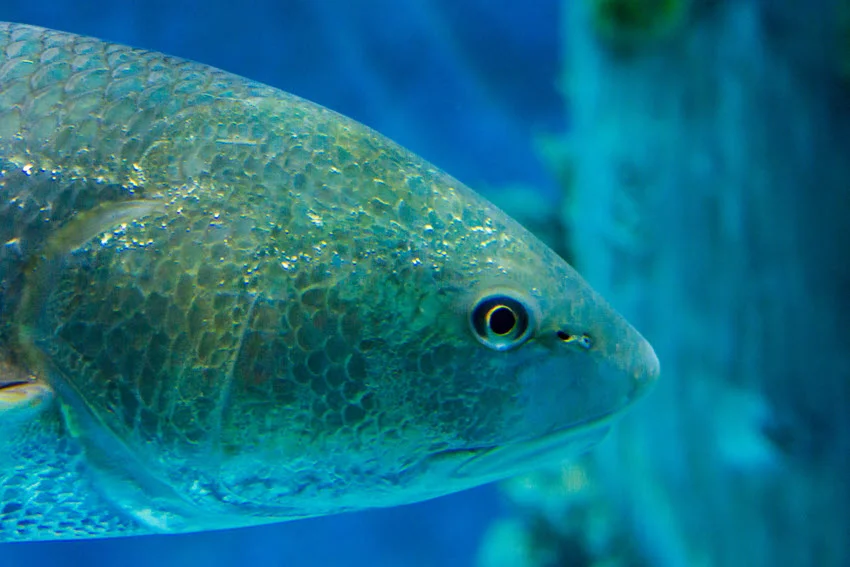
The Florida Fish and Wildlife Conservation Commission (FWC) manages Black Drum with size and bag limits designed to protect the fishery. The season is open year-round in Florida state waters. Regulations still exist to ensure sustainable harvest, especially for breeding-size fish.
This guide outlines the Black Drum season in Florida, including regulations, timing, and best practices. Its primary goal is to prepare you for your next fishing adventure while ensuring you comply with the law.
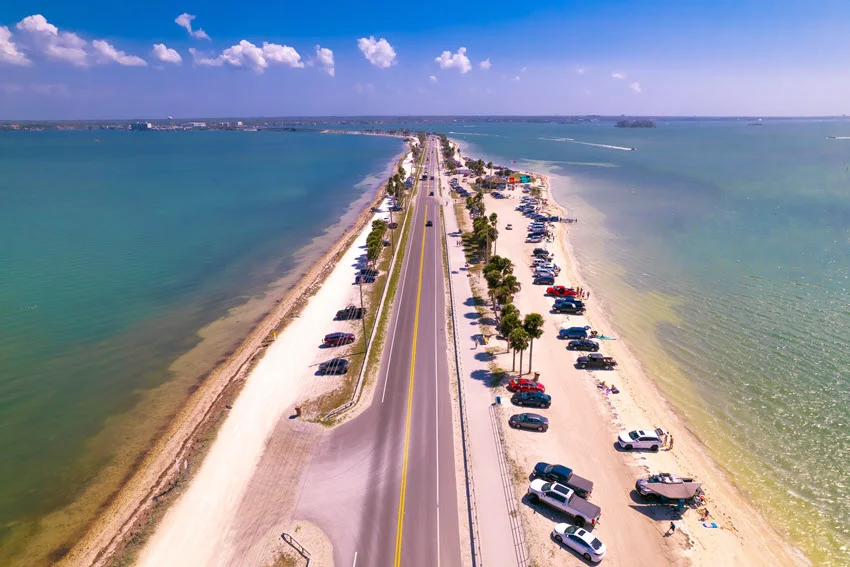
Florida separates its coastal waters into two major management regions. They are the Atlantic and Gulf Coasts. While the statewide regulations for Black Drum are the same, fishing conditions, habitats, and seasonal behavior vary between the two. Understanding these differences helps anglers locate and target fish more effectively.
On Florida's Atlantic side, anglers can find Black Drum in coastal rivers, estuaries, and inlets throughout the year. The area offers great action from Jacksonville to the Florida Keys.
Many inshore Black Drum fall within the 14 to 24-inch total length slot. Anglers may keep up to 5 fish per person per day, including one fish over 24 inches. Snatching is prohibited. Larger fish are occasionally caught during late winter (near inlets and deep passes where they gather to spawn). These mature fish are often released to protect breeding stocks.
In this region, they thrive around bridges, docks, oyster bars, and inlet jetties, where tidal currents push bait across the bottom. Anglers often find action in deep passes, river mouths, and sandy channels.
Along the Gulf Coast, Black Drum fishing is also open year-round. Still, habitat and angling styles differ. Here, the species thrives in estuaries and bays with abundant oyster reefs and muddy bottoms. From the Panhandle to Charlotte Harbor, Drum feed heavily on crabs, shrimp, and clams. That's why live bait is effective.
While the Atlantic side often produces smaller fish, the Gulf is known for larger "Bull Drum," which can exceed 40 pounds. Bag and size limits are the same as on the Atlantic coast. Anglers are encouraged to release oversized fish to preserve spawning populations.
In many Gulf bay systems, you can often fish with lighter weights, but current near passes and inlets can still be strong. Black Drum are often caught early in the morning, but evening tides can be productive too. They can be found near bridge pilings, grass flats, and mangrove edges.
Large Black Drum are critical breeders and can live for decades. By allowing only one fish over 24 inches, the FWC ensures these older spawners remain in the ecosystem.
Note that the regulations are the same on both coasts at this time, but you should always check the details on the FWC website, as rules may change.
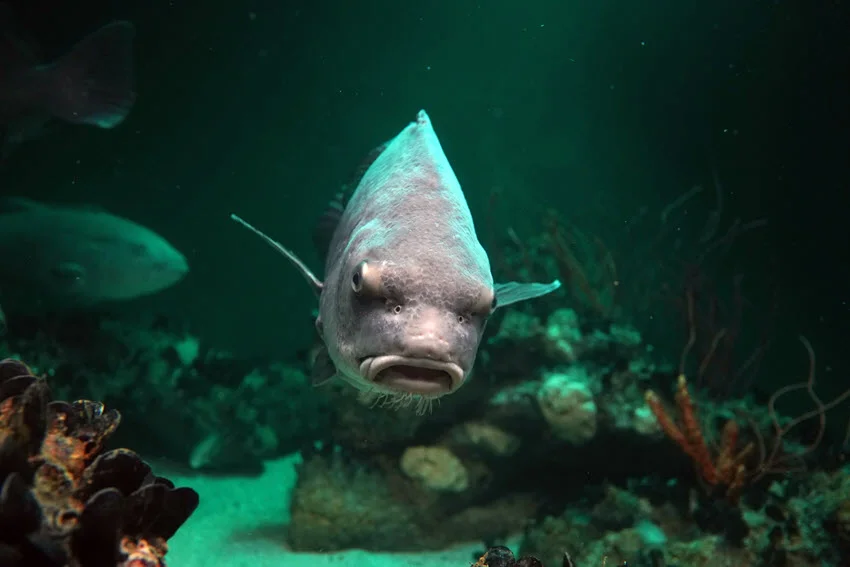
Black Drum are bottom feeders and use sensitive chin barbels to locate prey in muddy bottoms. They are often found near oyster beds, bridge pilings, and channel edges where crabs, shrimp, and clams abound.
Juveniles show dark vertical stripes, while adults are usually darker or silver-gray. These fish are tolerant of a wide range of salinities and are often found in estuaries, bays, and coastal rivers.
They can even venture into brackish or almost freshwater areas during the colder months. Feeding activity is most vigorous around moving tides when food gets dislodged from the bottom.
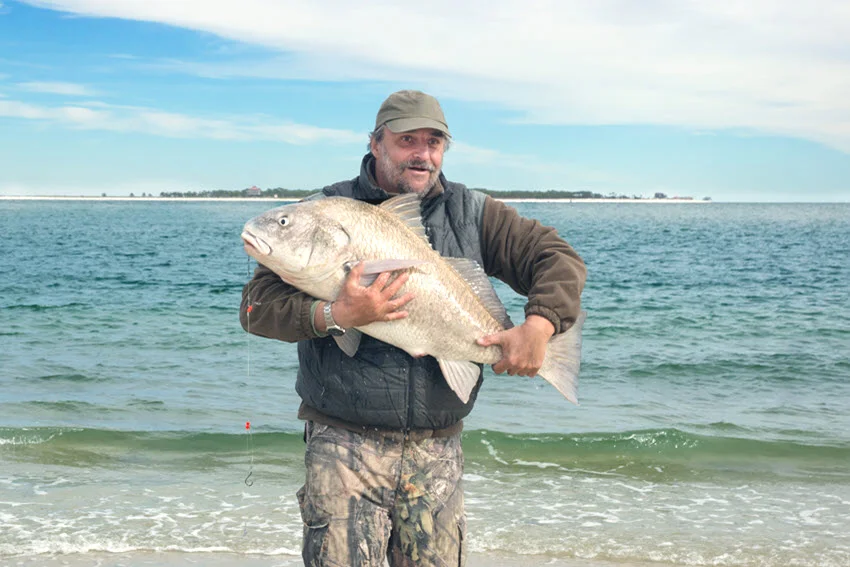
For successful fishing, you must know when the best time is to catch Black Drum. Late winter through early spring (February to April) is the best period. Late fall (October to December) is also productive. Below, we analyze how weather conditions influence Black Drum fishing.
With cooler water temperatures, fish are driven to feed aggressively in shallow bays and around structure.
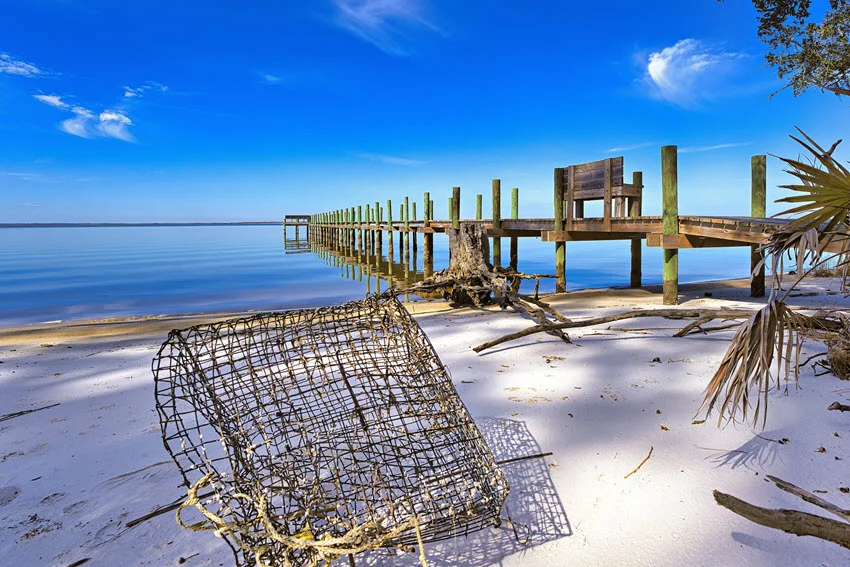
Florida offers incredible Black Drum fishing across both coasts. Here are some of the most productive areas.
These locations are excellent for catching Black Drum. Regardless of your choice, expect an enjoyable, productive fishing experience.
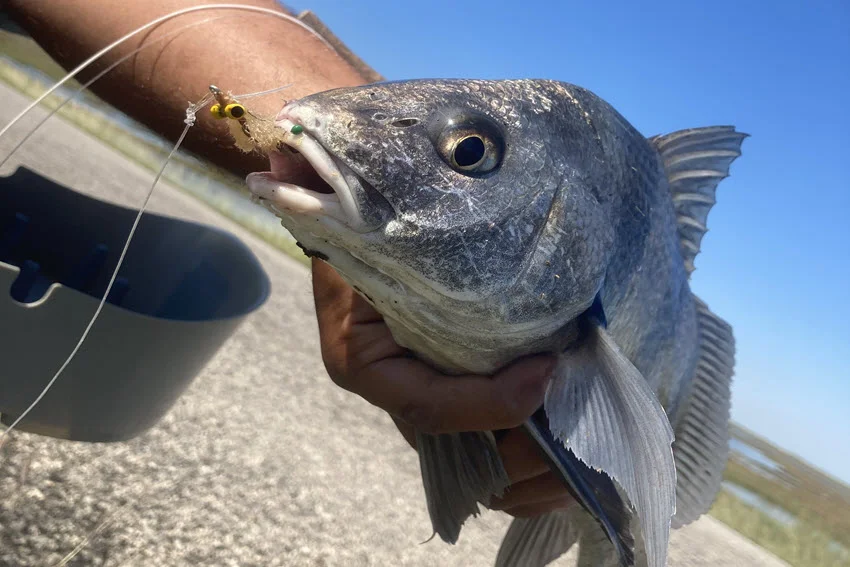
To catch Black Drum successfully, you'll need an effective setup and the bait. Below, we discuss that, so don't miss it.
By matching the right gear and bait to your conditions, you'll improve your hookup rate and safely land more fish.

Understanding fishing regulations and preserving specific fish species contributes to protecting fish populations and ecosystems and promoting responsible angling practices.
Anglers Booking Team
To fish for Black Drum in Florida, you typically need a Florida saltwater fishing license. Most anglers must have their own permit unless an exemption applies. If you are fishing on a licensed charter with a captain who holds the proper for-hire license, or from a licensed pier, your personal license may be covered.
Recreationally caught Black Drum are for personal use. Selling fish requires the proper commercial licensing and compliance with Florida rules. Management measures like size and bag limits help protect juvenile fish. These rules also limit the harvest of larger breeders to support a sustainable fishery.
Black Drum are strong fighters; however, they still deserve the gentlest of handling after landing. Avoid grasping the gills and not squeezing too hard. This may cause pressure on the organs. Big fish over 30 pounds are best released so they can continue spawning and support the next generation.
If you plan to keep a legal catch, chill it immediately to preserve the meat's clean, mild flavor. Smaller Black Drum are the best to eat; older giants should remain in the water. Obeying limits like this one helps keep the fishery healthy for all anglers who enjoy Florida's inshore waters.
Black Drum are available year-round in Florida. Good fishing occurs throughout Florida: oyster bars in Apalachicola to bridges in Tampa Bay, among many other places.
When you respect catch limits and fish responsibly, you help conserve Florida's marine ecosystem, which supports many species. To get the best results, hire a local guide.
What about you? What is your favorite spot, the Atlantic or the Gulf Coast? Live bait or artificials for Black Drum? Finally, we would like to see your answers in comments!
Disclaimer: Fishing regulations and open seasons may vary by region and are subject to change. The information in this guide is for general reference only. Learn the latest fishing rules, size limits, and season dates on the official websites of the state or federal government before your trip.

The expert copywriters at Anglers Booking have meticulously crafted this article. Our dedicated team of writers provides valuable insights and information to enhance your angling experience.
May 26, 2026
Subscribe to our newsletter and receive a selection of cool articles every week.
Embark on unforgettable fishing adventures with us at Anglers Booking.
book your charter
October 2, 2026
September 8, 2026
August 21, 2026
August 18, 2026
August 15, 2026
August 12, 2026
August 8, 2026
August 4, 2026

You're now part of our exclusive community. Get ready for premium content and updates straight to your inbox.
close
Subscribe to our newsletter and receive a selection of cool articles every week.
Please enter a valid email address.
Be the first to know when we're back in action.
Please enter a valid email address.

Leave a Comment
Your email address will not be published. Required fields are marked *
Thank you for your comment! It has been submitted for review and will appear on the site shortly.