


Anglers Booking Team
The expert copywriters at Anglers Booking have meticulously crafted this article. Our dedicated team of writers provides valuable insights and information to enhance your angling experience.
 9 minutes read
Tarpon fishing is among the most exciting challenges in saltwater angling. These fish are strong and fast, and fiercely determined. To catch one, you need the right lure. Additionally, it is crucial to employ the correct technique.
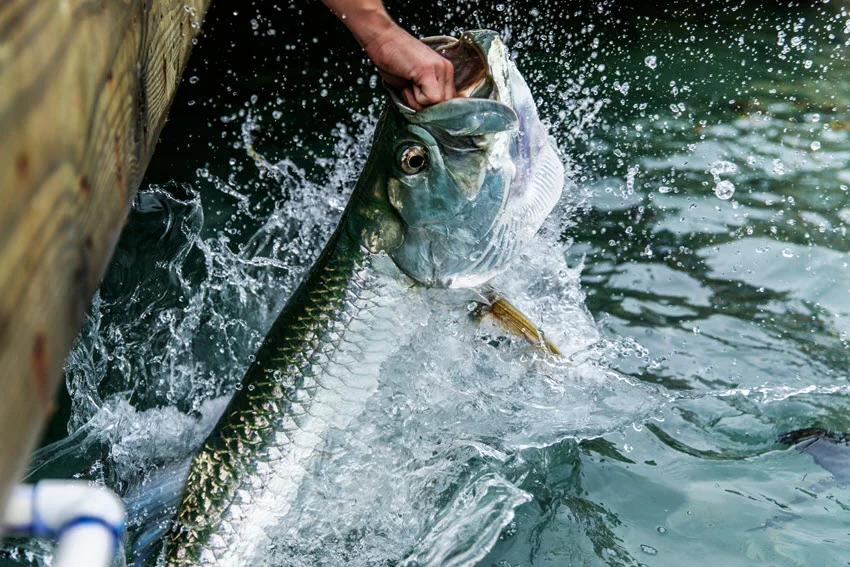
This guide will help you pick the best lures for Tarpon. In addition, you'll learn how Tarpon behave and where they live. We'll also cover how to use each lure and when it is most effective.
Tarpon are one of the most popular inshore game fish. Anglers respect them for their size and strength. They are not easy to catch, which makes the reward even more valuable. To avoid losing the fish, you must keep the line tight and give slack when they leap. This is called "bowing to the king." It helps reduce pressure and keeps the hook from popping out.
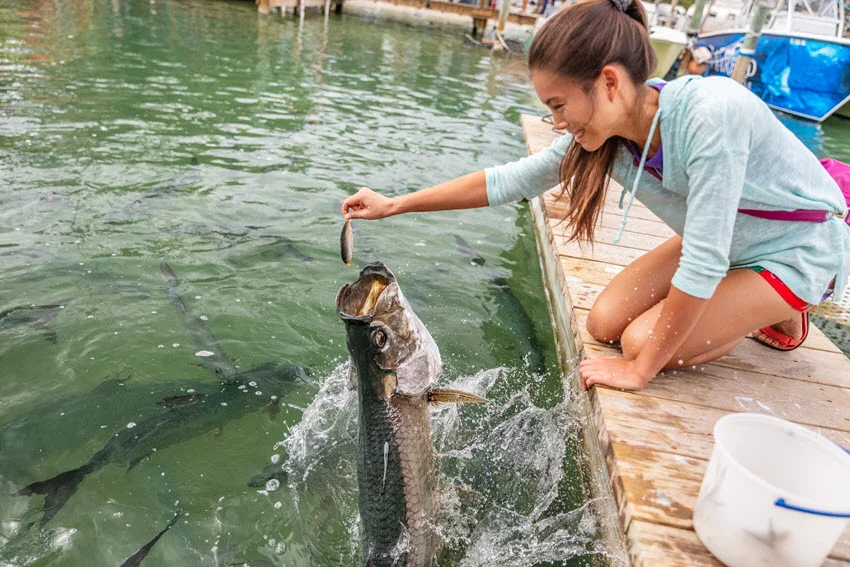
Tarpon live in warm, tropical, and subtropical waters. You can find them along the coasts of the Gulf of Mexico. Also, they thrive in parts of Central and South America. They change where they live as they grow.
Juvenile Tarpon stay in quiet waters like lagoons and mangrove creeks. These places have food and keep it safe. When they grow up, adult Tarpon move to open bays, beaches, and deeper channels. They like places with structure and a strong current.
Tarpon are sensitive to water temperature. They become less active when the water gets cold. They are also very alert fish; loud noises or heavy splashes can scare them away. That's why a quiet approach and accurate casting are important.
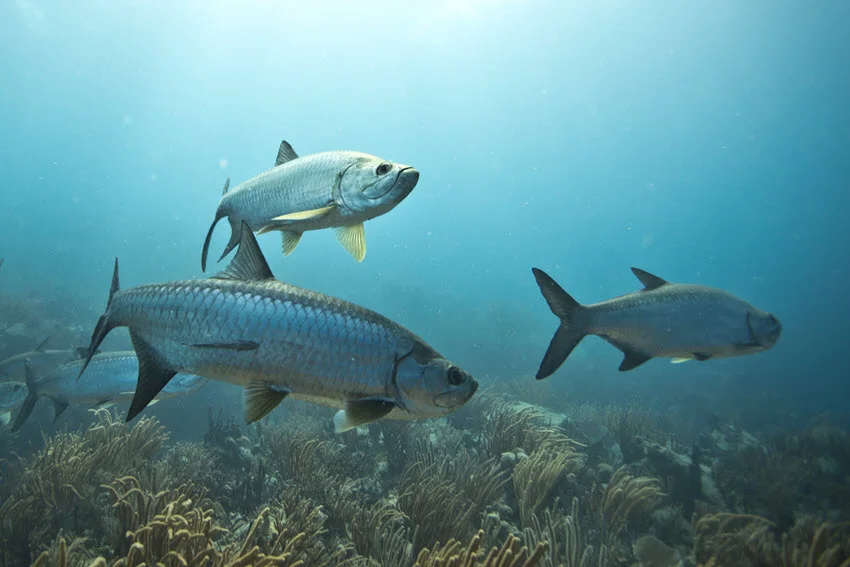
Tarpon don't stay in one place all year; they follow warm water and food. If you know where they go and when, you'll have a better chance of catching one.
The rule here is quite simple: plan your trip around the season, and your chances of landing a Tarpon improve significantly.
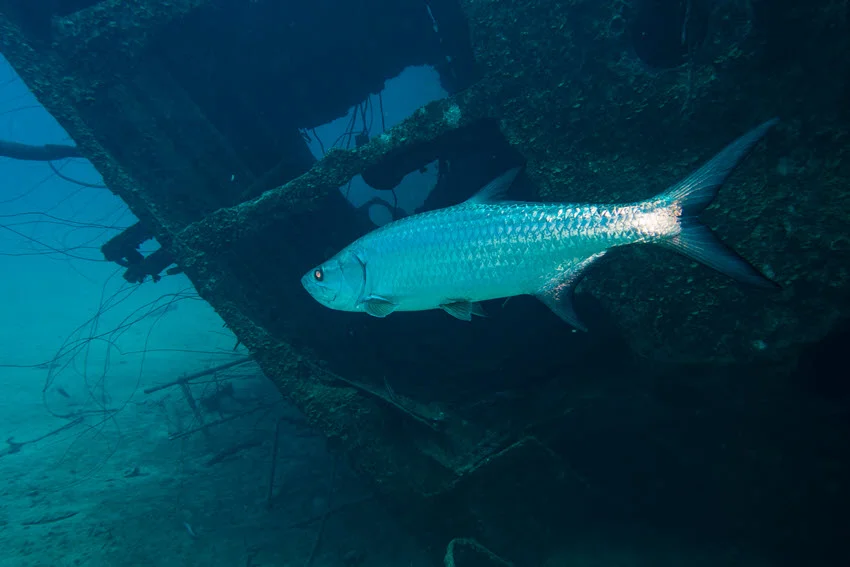
In this part, we discuss the best place for Tarpon fishing. To catch them, the first step is to know where to find Tarpon. Below are the most common places to target Tarpon, along with the best techniques for each spot.
Tarpon can be found in many places. Each location requires a different approach. Study the water, stay quiet. Match your gear to the conditions.
Tarpon can be picky, but artificial lures often work very well. The key is to use lures that mimic the movement of real fish or prey. Tarpon react to sight, sound, and vibration. Surface strikes are common, especially in the morning. Below are the best lures for catching Tarpon.
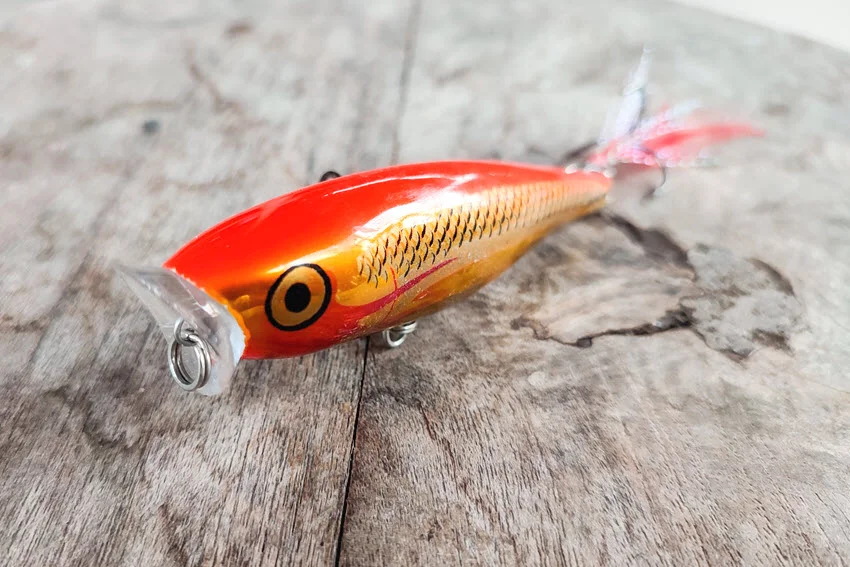
Topwater lures are great early in the morning. Tarpon hit hard on the surface. Use walk-the-dog style lures. Popping plugs could also be effective. Cast near rolling fish. Retrieve the lure with a steady motion or a light twitching action. The splash and noise draw attention.
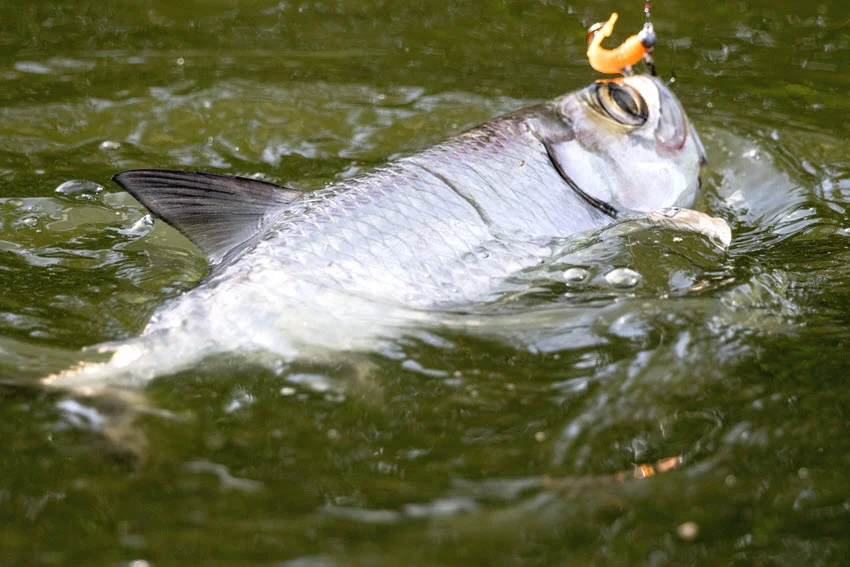
Soft plastic swimbaits are great for shallow and calm water. Select ones that are similar to mullet or sardines, also known as pilchards. Use a light jig head for a natural look. Cast far and reel in slowly. The moving tail draws attention. Tarpon often strike when the bait passes in front of them.
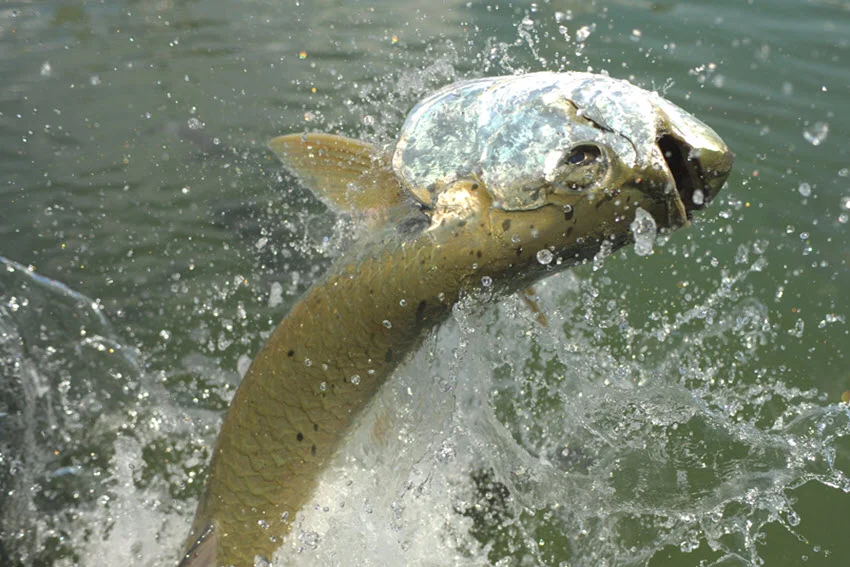
Jigs are great for deep water. Use a heavy jig head with a soft plastic. Let it sink to the bottom, and then lift it slowly or reel it in steadily. Tarpon often bite on the drop. Try this near bridges, passes, or deep channels. Hold your rod tip high and stay ready.
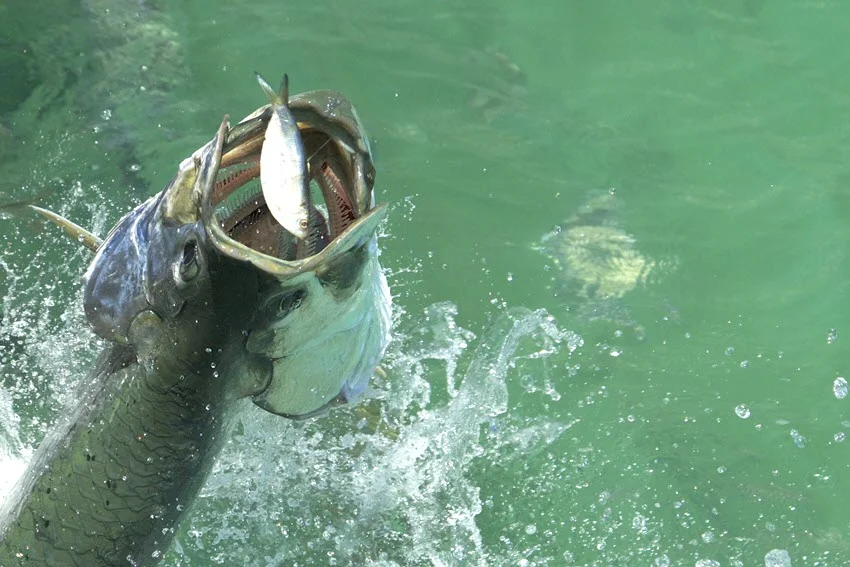
Sinking or suspending twitch baits are effective. Choose lures that have similar movements to injured baitfish. Use a twitch-pause-twitch action. This start-stop motion often triggers strikes from Tarpon following the lure.
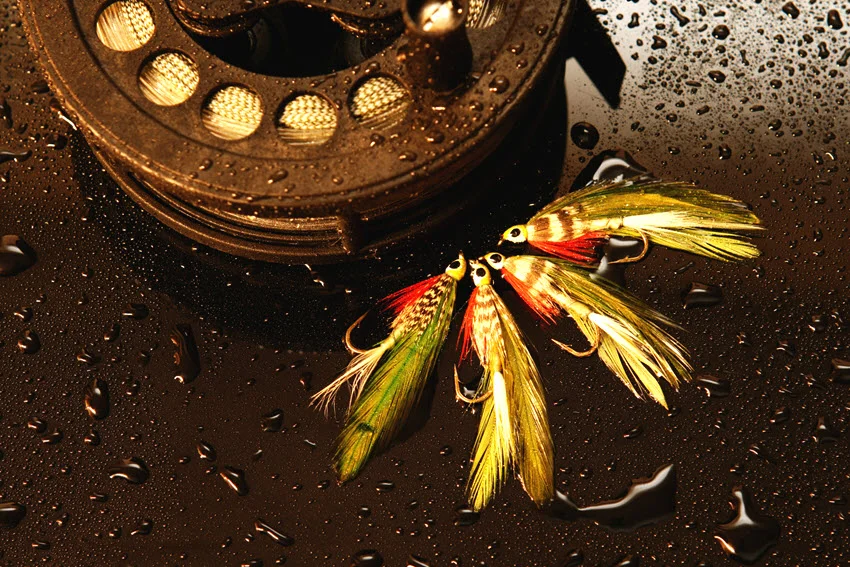
For fly anglers, big streamers are the top choice. Use black, purple, or white patterns. Cast ahead of cruising Tarpon and strip slowly. A steady retrieve works better than fast jerks. Watch for sudden eats.
To catch more Tarpon, you need to use the proper methods. In the following sections, we will present simple, proven methods that work. Don't skip them. You might learn a tip that helps you land your next big fish.
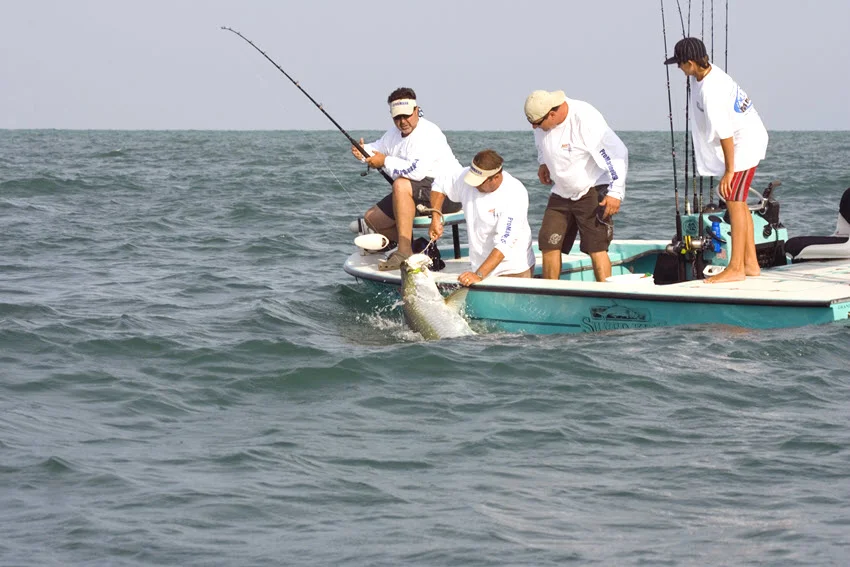
First, let your bait drift with the current, positioning it in the strike zone where Tarpon are naturally feeding. Cast up-current and let the bait drift back toward you. Also, keep steady tension in the line. Many anglers drift grass flats or inlets this way to cover water and present bait naturally.
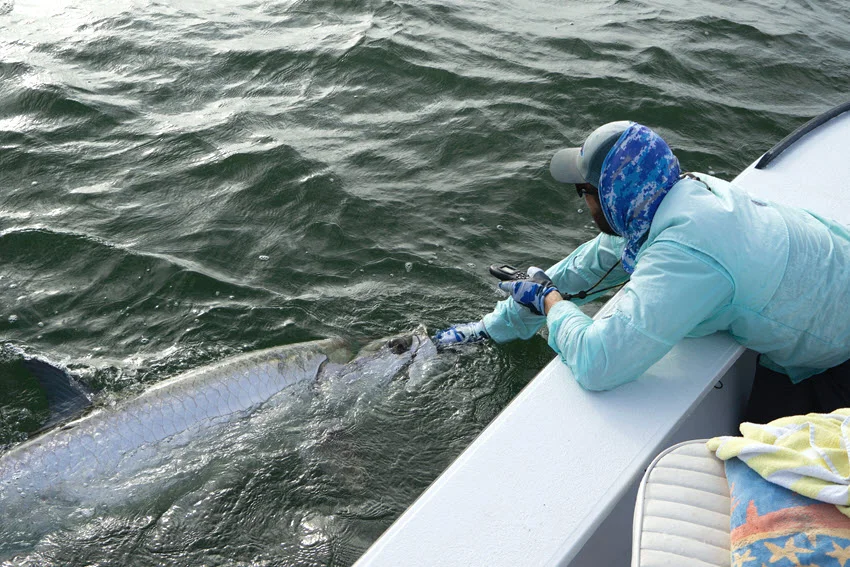
Reel in slowly, as Tarpon prefer slow-moving prey. This works well with soft plastics or plugs. Be patient and steady. Let the lure stay close to the bottom or mid-water, depending on depth. A slow retrieve often appears to be an easy meal to a cruising Tarpon. If the fish is following but not striking, add a short pause to trigger a reaction.
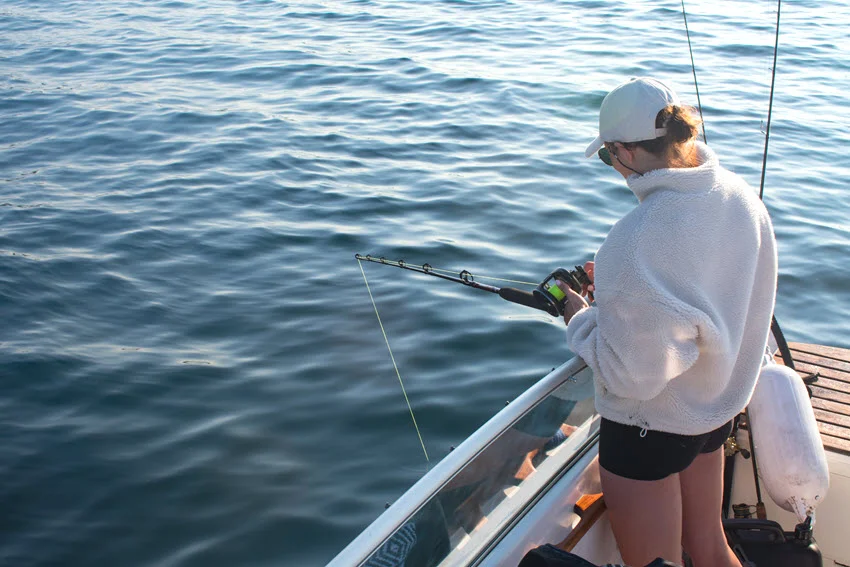
Drop your jig down deep. Lift it and let it fall. The vertical jigging method works near bridges and inlets. Tarpon hit hard on the drop. Hold your rod tip high and stay ready. Try to stay in contact with the jig at all times. Most strikes come as the lure falls.
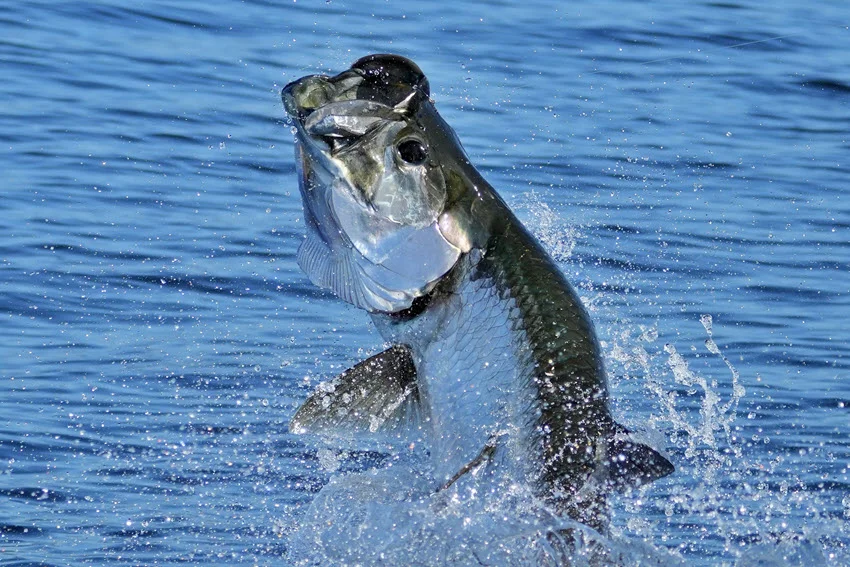
Tarpon have hard mouths, so be careful. Wait a moment before pulling to set the hook. Use a firm hookset with a sideways motion. Keep the fishing line tight while fighting the fish. Tarpon often make strong runs. Don't panic when this happens. When the fish jumps, lower your rod tip.

Understanding fishing regulations and ethical practices about specific fish species protects fish populations and ecosystems and promotes responsible angling practices.
Anglers Booking Team
Tarpon are prized fish, and many places protect them. In Florida, you need a special Tarpon tag to keep one, but most anglers release them. That is key to maintaining substantial Tarpon populations.
When handling a Tarpon, be gentle and careful. Use circle hooks since they cause less harm. Your hands need to be wet. Dry hands can damage the skin. Try to keep the fish in the water, and if you lift it, always support the body with both hands. Never hold a Tarpon by the jaw only, as this can cause serious injury.
Avoid dragging the fish onto land or into the boat. If you're fishing from shore, remove the hook while the Tarpon is still in the water.
Tarpon fishing is one of the most exciting things in sport fishing. These fish are big, fast, and powerful. They provide amazing jumping and fighting. Every battle with a Tarpon feels like an actual test.
You don't need to be a pro to try it. With the effective lure and the strategy, anyone can catch one. The feeling of seeing a Tarpon leap from the water is something you'll never forget.
We want to hear from you now. Have you ever tried fishing for Tarpon? What lures worked best for you? Share your answers in the comments.

The expert copywriters at Anglers Booking have meticulously crafted this article. Our dedicated team of writers provides valuable insights and information to enhance your angling experience.

December 8, 2024

April 25, 2026
Subscribe to our newsletter and receive a selection of cool articles every week.
Embark on unforgettable fishing adventures with us at Anglers Booking.
book your charter
October 2, 2026
September 8, 2026
August 21, 2026
August 18, 2026
August 15, 2026
August 12, 2026
August 8, 2026
August 4, 2026

You're now part of our exclusive community. Get ready for premium content and updates straight to your inbox.
close
Subscribe to our newsletter and receive a selection of cool articles every week.
Please enter a valid email address.
Be the first to know when we're back in action.
Please enter a valid email address.
Leave a Comment
Your email address will not be published. Required fields are marked *
Thank you for your comment! It has been submitted for review and will appear on the site shortly.