


Anglers Booking Team
The expert copywriters at Anglers Booking have meticulously crafted this article. Our dedicated team of writers provides valuable insights and information to enhance your angling experience.
 15 minutes read
Undoubtedly, Mississippi is not just an ordinary state but a true glory to nature, where the landscape thrives at its fullest, and fishing becomes an art easier than anywhere else. A vast complex of hidden swamps and wild bays stretches across expansive river estuaries and along the Gulf of Mexico coast, creating a paradise for anglers.
Every part of this state invites you to fishing action and adventure, where you do not just fish for fish – but for experiences, memories, and stories that will be told for years.

Mississippi is an authentic fishing paradise, but it has a very local and unique touch, which sets it apart and adds a specific Mississippi way of life and fishing. In addition to the typical coastal fishing challenges of Redfish or Speckled Trout, there is always attractive offshore fishing.
So, clean and pack your gear, free your spirit, and let yourself be on the water. This guide will help you immediately, leading you through the best places to catch, the most sought-after species, and tips to help you transform into a genuine fishing master more easily. Mississippi is waiting for you, and the fish, well, they're ready for a duel!
You can say anything about the Mississippi, but you can't deny that the area is rich in water and has an incredible number of different types of fish. Many iconic species swim in these waters, and Mississippi wouldn't be what it is without the fishing culture and scene. Below, read more about the most famous native and migratory fish of this wonderful country.
Mississippi's native water species are primarily dominant in freshwater areas. This country is famous for being named after the Mississippi River! But there are more rivers, lakes, and wetlands full of Catfish and Bass that you can find to a greater or lesser extent throughout the year. However, to catch them more efficiently or at least locate them, it is crucial to get to know them well, so keep reading!
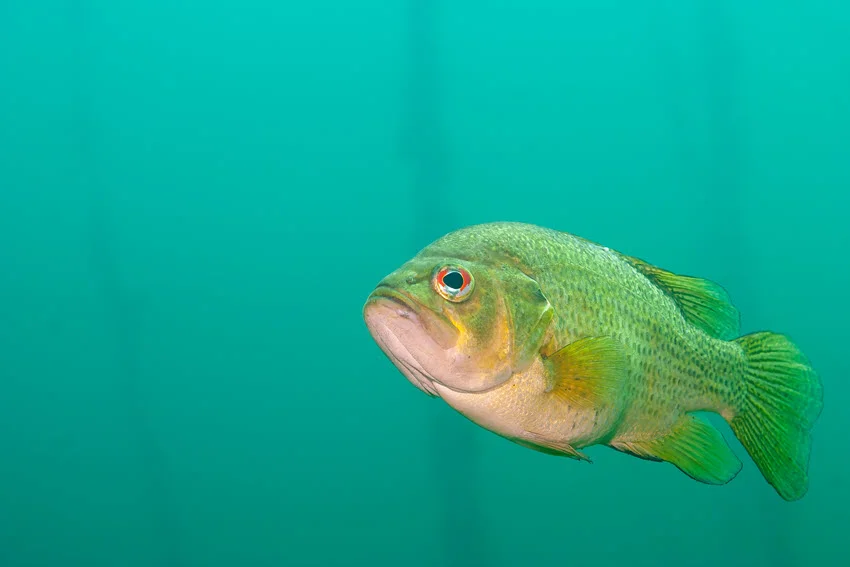
Largemouth Bass are the kings of freshwater fishing, not just in Mississippi but everywhere. With strong jaws and a massive mouth, they strike bait aggressively and put up a fierce fight. Their greenish, camouflaged bodies help them hunt, and they can grow up to 20 inches, thriving in warm lakes, rivers, and swamps near vegetation.
Largemouth Bass can be found all year round in Mississippi waters, but they are more numerous during spring and fall. Great fishing excitement is associated with these fish, and they aggressively attack crankbait and topwater lures, casting, and trolling techniques, especially if you are in deeper water. A cult and trophy species, the Largemouth Bass, is one of the favorites in Mississippi waters, and it's an absolute pleasure to feel their resistance as you draw them towards you.
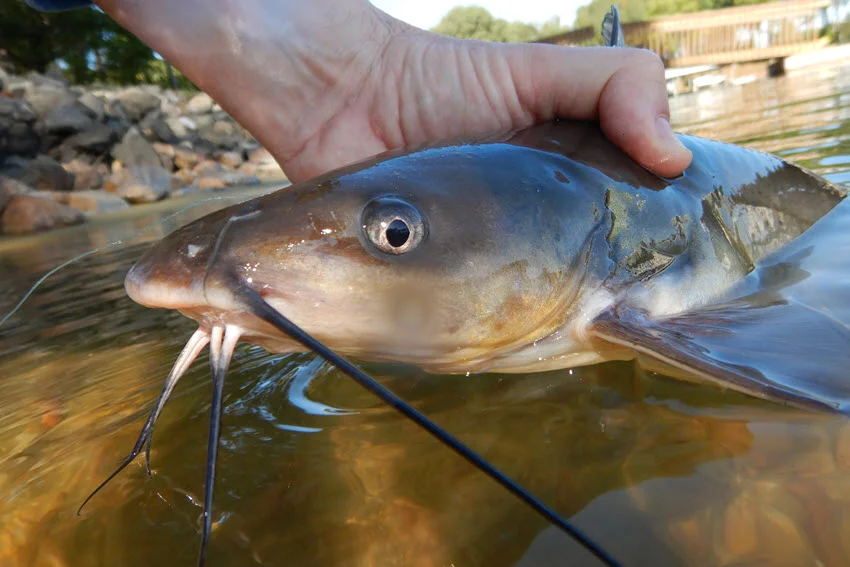
Another legendary native of Mississippi waters! With a rugged body, long whiskers, and a fearsome appearance, the Channel Catfish commands respect. These nocturnal hunters are prime targets at dusk and dawn, making them perfect for night fishing. Growing up to 40 inches, landing these giants takes patience and solid casting or bottom fishing techniques.
Beyond the thrill of the catch, Channel Catfish are prized for their excellent meat. They lurk in deeper waters, best hooked with bottom fishing using worms or chicken liver. Catfishing is an art for experienced anglers, requiring patience, skill, and a good fight – leading to a well-earned, delicious meal. The best time to catch them is early morning or late evening.
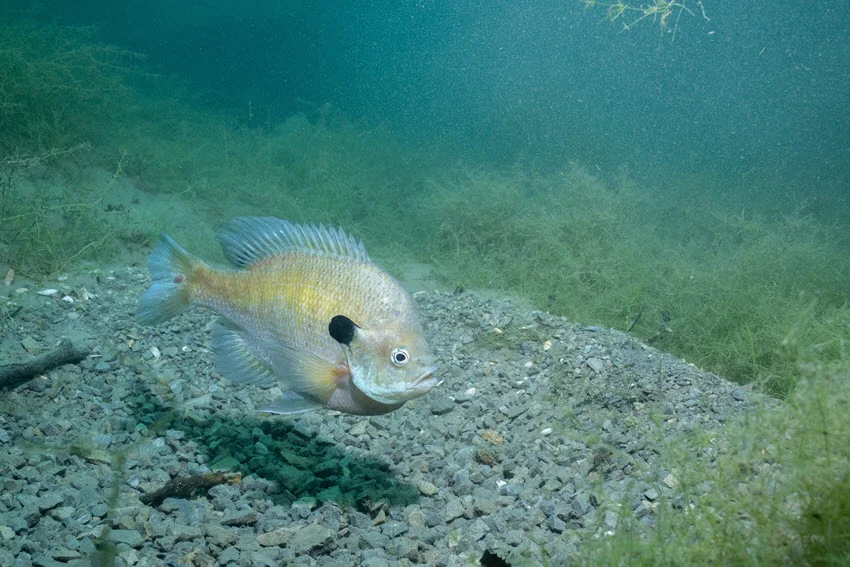
Bluegill is an excellent and sweet fish, but despite being small, it is a potent fighter! This colorful species has a body with blue and orange tones and is often the first catch of many anglers. It reigns in shallow, warm water and is easy to spot cruising near the surface. Rarely growing longer than 12 inches, the Bluegill is a favorite target due to its tenacity, quick attacks, and explosive nature.
You can catch it with various techniques, from classic casting to float fishing, combining small worms and water insects. Most bluegills are in the Mississippi waters during the spring and summer. Bluegill fishing can be a warm-up for a more experienced angler or simply enjoy these beauties' delicate, quick action.

Crappie comes in two varieties, White and Black Crappie, and you can catch both types in Mississippi. They are a favorite species among occasional and recreational anglers and gather in schools; although small, you can quickly catch them in several specimens. Their average size is about 10 inches; you can find them in lakes and slow-moving rivers.
Don't underestimate Crappie fishing – it can be a thrilling experience. If you find a school, you're in for a long and exciting adventure, as their calm appearance hides their speed and agility. Caught with artificial baits or small minnows using casting or float fishing techniques, Crappie fishing is a real treat. Spring is the ideal season for top Crappie catches.
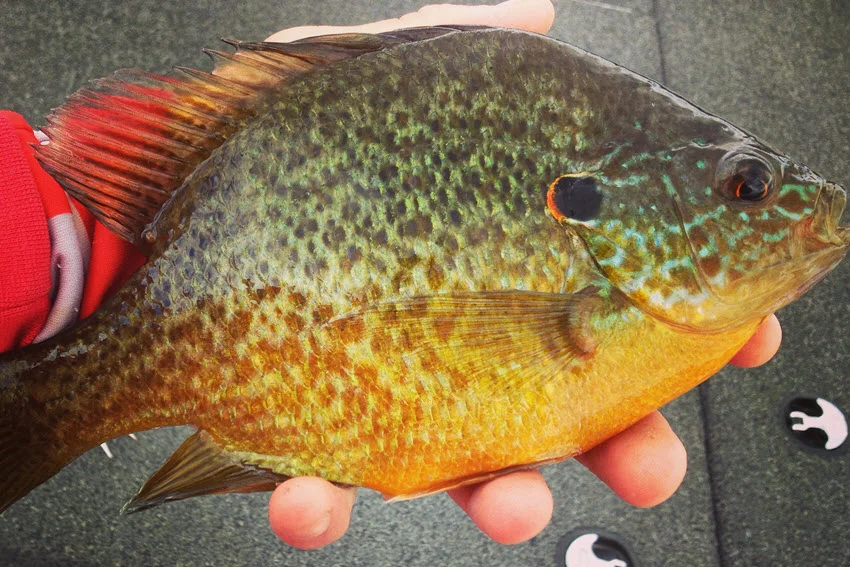
Known as the "Shellcracker," this fish species is distinctive for its reddish ear color, ability to crush small shells, and persistent and stubborn fights that can last surprisingly long. Its favorite habitats are the warm, still waters of lakes and marshes, and it likes to hide among structures on the bottom.
Although smaller than Mississippi's larger predators, the Redear Sunfish provides a surprise factor that exceeds all expectations. You can catch them using various techniques, from fly fishing and casting to bottom fishing, and worms and artificial baits have proven to be the best. It is best to hunt them when they are most active in the spring and summer.
The waters of the Mississippi host a dynamic array of migratory fish that make their way through the rivers, bays, and shoreline throughout the year. Migratory species bring new excitement, so you can meet Tarpon or King Mackerel here.
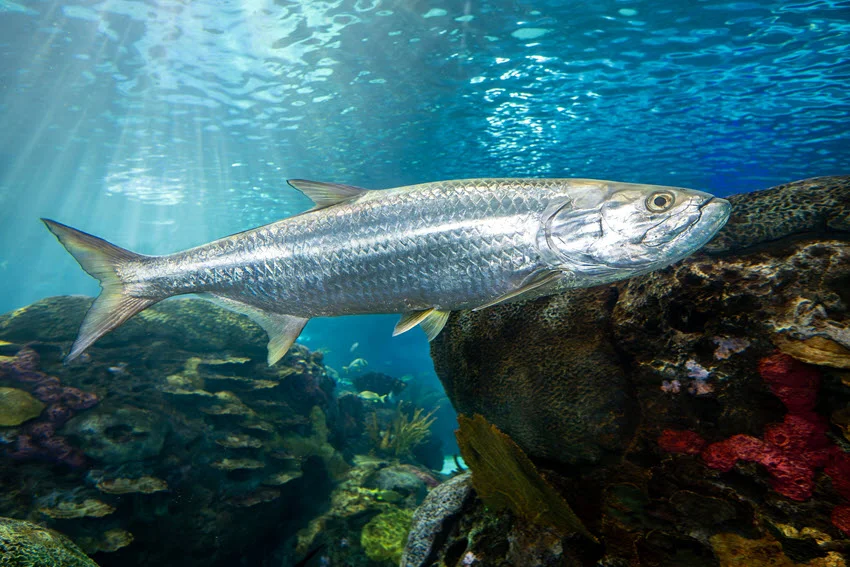
The "Silver King" reigns as the ultimate sport fish of Mississippi's Gulf waters. Tarpons earn their royal title with heart-pounding fights, reaching up to 7 feet and over 200 pounds. What sets them apart? Their wild acrobatic jumps and powerful runs make it feel like you have hooked pure muscle – and then watched it take flight!
Tarpon migrate through these waters during the spring and fall, then caught in estuaries and coastal areas. The choice of techniques is left up to you and your skill, so anglers hunt it fly fishing, trolling, and heavy tackle. However, you must be aware that Tarpon Fishing is no walk in the park, but if you are ready for a battle that will make your hands burn and your heart race, this is a fish that will give you all that and more!

If there is one inshore fish that can get your adrenaline pumping as if you were somewhere on the open sea, it's the Redfish. They can grow to over 40 pounds, and when they are migrating during the fall and winter, you better be ready for a fight and look for them in estuaries and coastal waters. Tasty and combative, whatever your goal is, a good thrill, a good lunch, or both, they will not disappoint you.
Fishing season for these red beauties is during fall and winter. Redfish are true fighters; to catch them, it is best to rely on bottom fishing and light tackle, with shrimp or crab as bait. Whatever your choice, know that catching a Redfish is like hitting the jackpot – power, size, and flavor all wrapped up in one fishy package.
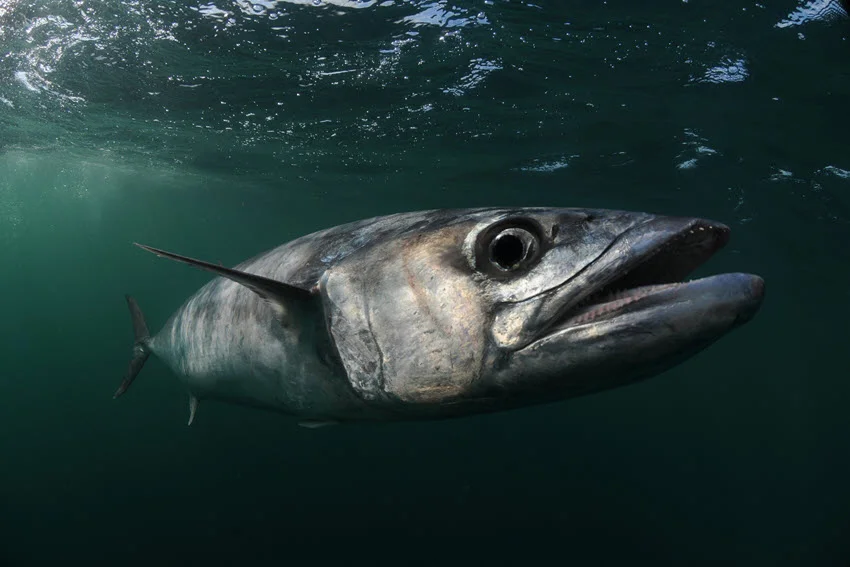
Fast, furious, and ready to swing the rod, the King Mackerel is a speedy demon of fish with a body in the shape of a torpedo that can reach over 50 pounds and will smoke your reel with its decisive run. They are not called "Kings" for nothing, and summer in Mississippi is the best time to try to dethrone the king. Its habitats are deeper waters, underwater structures, and reefs.
For those addicted to adrenaline, everything is about speed and power, and these fish provide both. It is also best to catch them using dynamic trolling, drifting, or jigging techniques that require robust equipment to help you land them. They are voracious, and it is best to bait them with live bait. However, you hunt them and know that landing King Mackerel is a wild ride from start to finish.
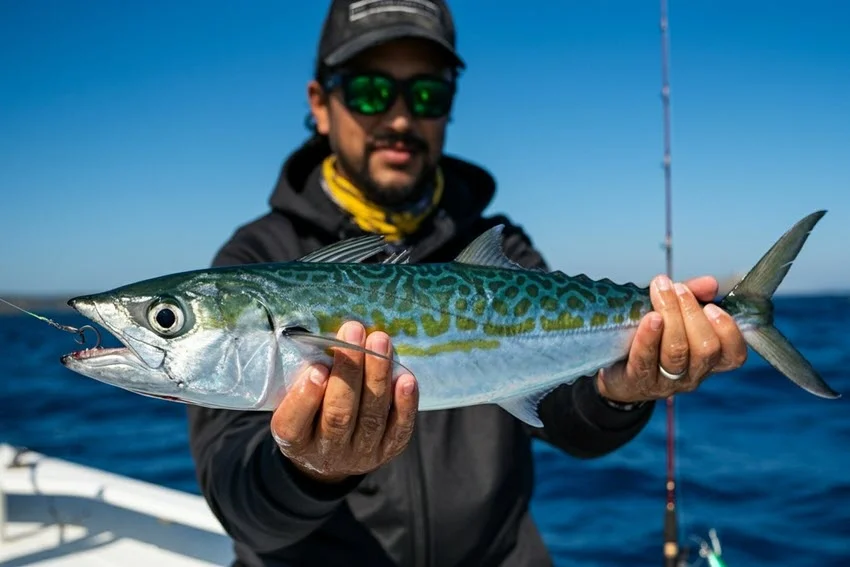
This type of Mackerel is not as big as their King cousins, but they are just as fun and fast! Known for their lightning reflexes, they are challenging to catch during the spring and summer seasonal runs along Mississippi's Gulf Coast. When you see birds diving and baitfish scattering, know that Spanish Mackerel are on the hunt. During the season, you will find them in coastal waters and bays.
You can lure them with a solid selection of techniques, from casting with heavier gear to trolling, jigging, and drifting. Spanish Mackerel hit fast and hard, so it's best to distract them with lures such as small spoons or jigs. They are perfect for lighter but intense fights, and when you find a school, it's non-stop chaos but good and exciting chaos.
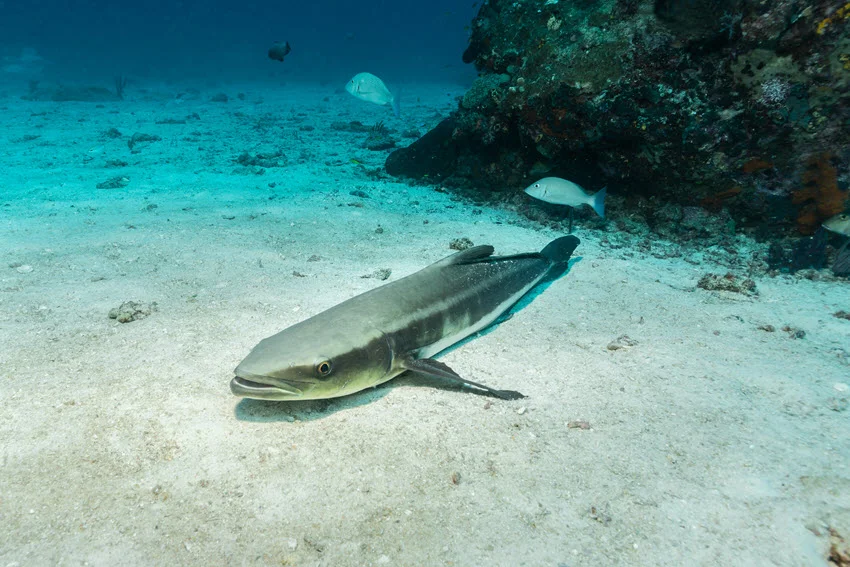
Cobia, often called the bruisers of the Gulf, are among Mississippi's most prized migratory catches. These powerful fish can surpass 100 pounds and are known for their relentless determination even after being hooked. They tend to swim near structures like reefs and buoys, preferring the depths over the surface. Cobia are built to test your strength, so come prepared for a serious fight. Their prime season is spring and summer.
If you're lucky enough to hook a heavy Cobia, expect a fight like a freight train. They'll dive, spin, and pull with all their strength. Their size and power make them one of the most challenging and rewarding catches. With natural bait like live eel, crab, or cut bait and bottom fishing techniques, reeling in Cobia is a badge of honor in the fishing world.
From bustling riverbanks to the turbulent deep waters of the Gulf of Mexico, Mississippi offers access to nearly every conceivable body of water from which fish can fish. If you're ready to cast your line into Mississippi's most beautiful waters, let us point you to some of the best fishing spots this state offers!
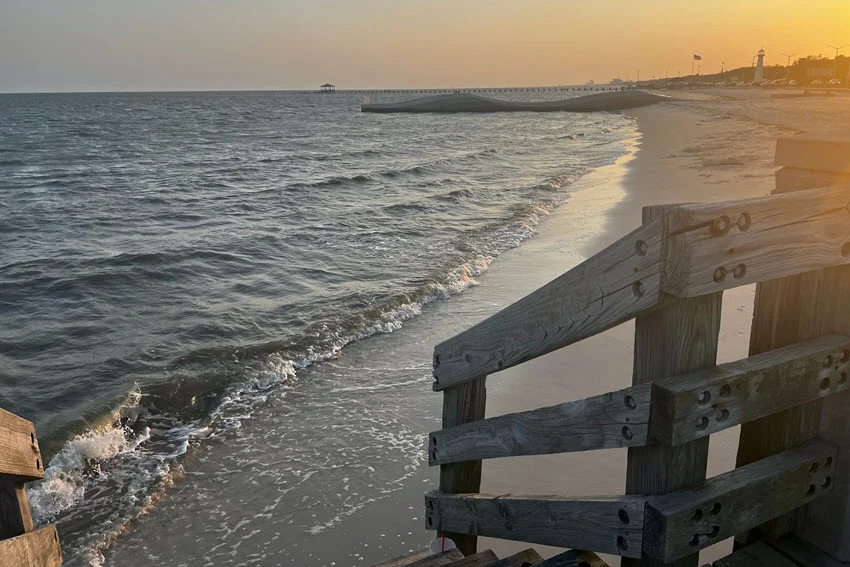
The Mississippi Gulf Coast is this state's first prime fishing destination, and rightly so. A fishing wonder of nature shaped by a combination of shallow coastal waters, rich marshes, and deep seas.
Starting from the shore, this one the muddy terrains and wetlands that stretch along the coast provide ideal conditions for hunting Redfish. Along with it, in shallow waters, you often come across Speckled Trout and Flounder, with their unusual flat appearance, also lurking from the hidden corners of the coast.
The fishing action continues beyond there, so offshore fishing leads to deeper waters where hunting for large predators such as Tuna, Mahi Mahi, and King Mackerel. This area is full of fishing jetties and bridges, and a coast marina is ideal for recreational and serious art and all possible fishing techniques.
Although the beauty of the scene and the priory goes without saying, we will mention it again because it is so breathtaking that it deserves to be honored with its mention!
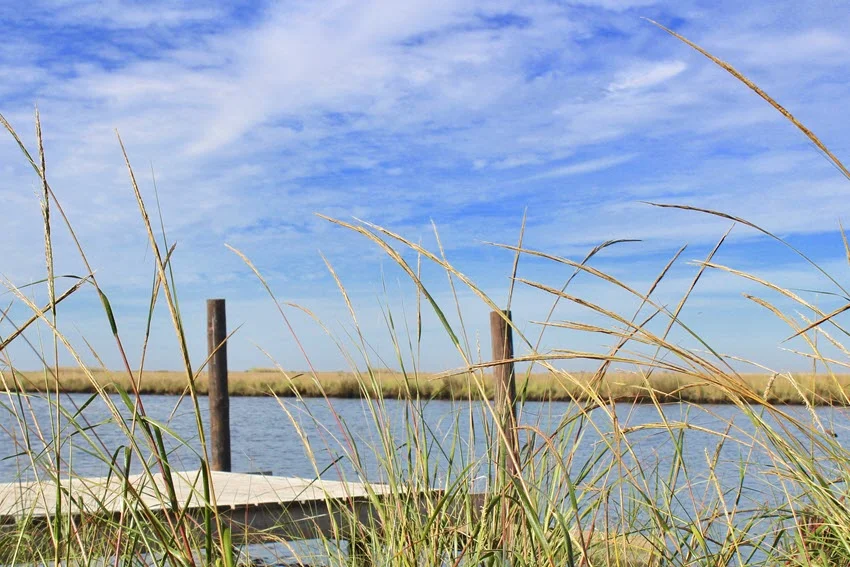
Biloxi Marsh is a must-see and must-try if you prefer to fish in shallow, calm waters. It is an endless network of shallow canals and marshes that stretches along the coast and primarily offers excellent conditions for fishing for Redfish and Speckled Trout, found here in large numbers.
You can rely on various techniques, from sight fishing through classic casting to floating and exploring by kayak and boat. However, fishing the Biloxi marsh often requires careful navigation through the narrow channels and marshes, as the large grass and various structures can be tricky.
In addition to Redfish, Biloxi Marsh is also known for Sheepshead, a famous sharp-toothed fish that lurks around shoreline structures and jetties. Kayaking is especially popular here because the shallow sea makes for easier navigation and a certain amount of mysticism. In principle, it is secretive and peaceful, and if you prefer such places, it can easily overwhelm you and draw you into peace but also sharpen your focus on fishing.

It is a widely famous lake, and if you prefer freshwater fishing, you simply must cast a rod here. It is especially rich in trophy-sized Crappie fish, and Lake Grenada is often the target and main attraction of the mecca for sport anglers. When the season hits, the lake turns into a field of action, where anglers love this juicy catch by the hundreds.
But Crappies aren't the only fish swimming in Grenada Lake. The lake is also rich in Bass, Catfish, and Bream, so the species are diverse, and everyone can find a catch that matches their skill and technique.
Lake Grenada is a vast lake surrounded by lush greenery. Its calm water surface reflects the clouds and trees, creating a magical pastoral atmosphere. It is pretty calm and suitable for relaxation. It is ideal for beginners and those craving an escape from the hustle and bustle of the city. Still, it is also a place to share fishing stories and experiences, especially during the Crappie hunting season.

The Mississippi River is one of the largest and longest rivers in the world. Famous, powerful, and legendary, it carries a lot of historical events, is the very heart of this country, and is rich in fish. Strong currents and various banks create many underwater habitats suitable for many fish.
The most popular species of fish caught in the Mississippi River include Catfish, especially Blue Catfish and Channel Catfish, Bass, Bream, and Crappie. Catfish are often the main target of anglers due to their size and fighting spirit, and Mississippi is known for its record catches of Catfish.
Fishing on the Mississippi River, after which this state is not named by chance, is a real adventure because of its size, power, and diverse ecosystems the river offers, from faster currents and deep channels to calm, shallow backwaters. The river flows through wetlands, forests, and coastal zones, providing anglers with a unique experience, especially when fishing in parts of the river that are rich in wildlife and natural beauty.
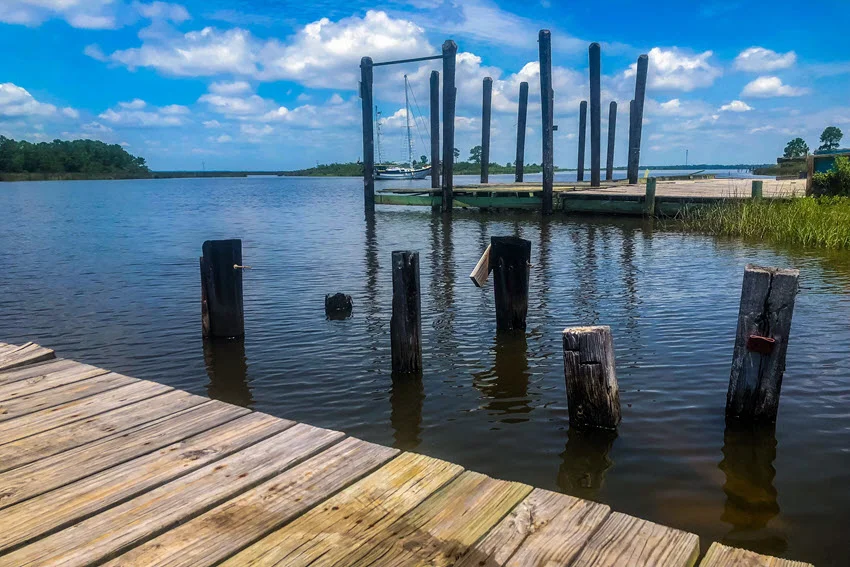
This river is undoubtedly one of the most famous in Mississippi. It offers the best of wildlife and fishing because of the natural wilderness and the diversity of species that inhabit this preserved river network.
As one of the last major free-flowing rivers in the US, it is home to Bass, Catfish, Bream, and Crappies. For the most part, anglers are deployed to search for Crappies in the shallow bays and lakes along the river, while Bass and Catfish dominate the deeper parts.
The Pascagoula River is long, winding, and wild enough to satisfy all types of anglers. Those who love adventure and those who want peace provided by nature make this place ideal for relaxation and focusing on fishing and the pleasures of lurking and catching the fish.
The Mississippi's diverse waters, from meandering rivers to the Gulf Coast, provide the perfect playground for various fishing techniques. You can explore, experiment, or just focus on one. Let's explore some of the most common fishing techniques used nationwide!
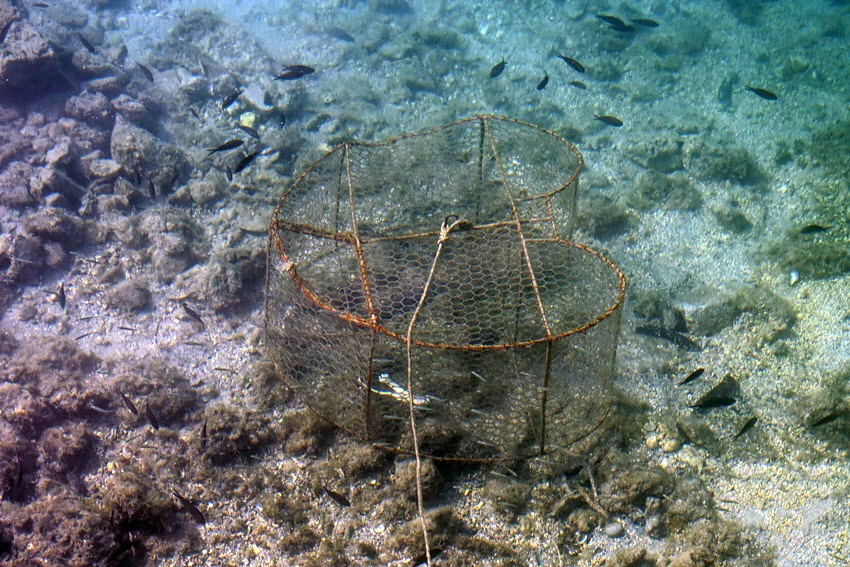
Boasting wide and deep rivers and lakes, as well as the Gulf Coast, bottom fishing is one of the most popular techniques in Mississippi's rivers and lakes. The deeper the water, the greater the chances for a better catch, and the focus is not only on the bottom but also on various structures and obstacles in deeper waters.
This technique involves placing heavy bait on the bottom of a river or lake using a lead and strong line, with the angler relying on feel to detect bites and, of course, using a sensitive enough line that does not compromise strength.
This is how Blue and Channel Catfish, Sheepshead, Cobia, Flounder, and many other species are caught in the salt and fresh waters of the Mississippi. Anglers mainly use live bait such as earthworms, crabs, or small fish. Bottom fishing is an old, traditional technique that has improved over time, but the essence is the same: it requires patience and strength from the angler due to the size and combativeness of most fish pursued by bottom approaches.

Float fishing, also called "Cork fishing," is one of the most popular and simplest fishing techniques, especially in the waters of the Mississippi. It uses the cork as a bite indicator to maintain the bait at the desired depth. The angler only needs to cast the rod and follow the cork floating on the water; when the fish bites the bait, the cork moves, sinks, or shakes suddenly, signaling a bite.
It is ideal for hunting Crappie, Bream, and smaller Bass. Most importantly, the float holding the bait is kept at a certain depth utilizing a cork.
It is used mainly on calmer waters such as lakes, bays, and rivers with slower currents. Mississippi has an abundance of such sites with rich vegetation and natural shelters. In addition, the technique requires simple and cost-adequate gear; you'll need a rod of medium weight, light nylon, a cork corresponding to the weight of the bait, a hook with live bait or artificial bait, and that's it.

Structure fishing, or fishing on obstacles, is what sportsmen often call this technique. It is a prevalent and successful technique in Mississippi since many underwater environments exist. It is very effective for species such as Bass, Crappie, and Bluegill. As a starting point, structure fishing uses the fact that many fish species like to hide near structures of natural or artificial obstacles that offer them shelter and a food source.
An obstacle or structure can change the flow and appearance of the water environment and submerged trees, branches, stones, rocks, or vegetation. The key is to precisely place the bait near or within the same obstacle or structure without tangling the line or dislodging the fish. Medium to heavy rods are recommended, with solid lines to control the fish and bait with weedless hooks, which allow the bait to slide safely through vegetation and structure.
Structure fishing offers challenge and excitement but requires tactical planning, precision, patience, and skill. The fish often go deep into structures, and the bites are usually quick and decisive.
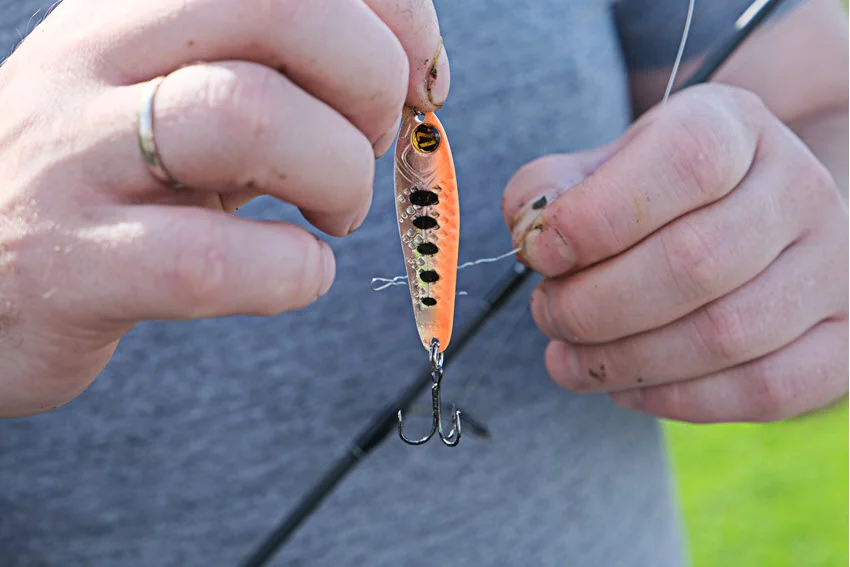
This is a dynamic and exciting technique that primarily relies on the use of artificial bait known as crankbaits. This type of bait imitates the movement of small fish or other swimming organisms, thus attracting predators such as Bass, Walleye, and Pike. The specificity of crankbaits is that they are specially designed baits with a built-in beak or "bill" that determines how deep the bait will dive when pulled through the water.
There are several different types of crankbaits for various depths and structures. This technique is straightforward: throw the bait and move with a constant rod pull. The pull can be uniform or with pauses; when the fish bites, the tension is sensitive, which allows the nylon to be tightened quickly.
At the same time, crankbait is a fun, dynamic method that does not require expert skill and gives excellent results.
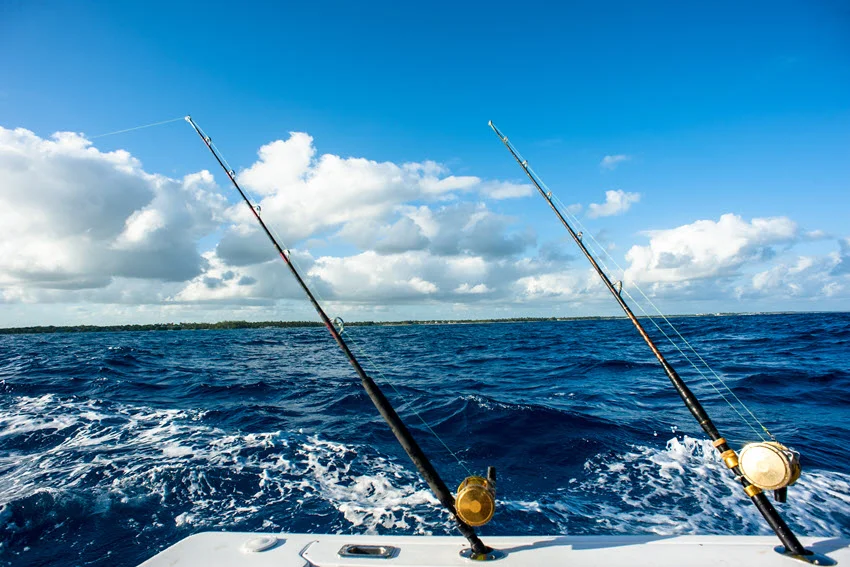
Trolling is a popular technique for hunting big game species in large and deep waters. These are primarily seas and oceans but can also be used in more profound and broader rivers and lakes. In Mississippi, especially in the coastal waters of the Gulf of Mexico and large lakes, trolling is used to catch fish such as Anglerfish and Catfish. Going out into the Gulf of Mexico, you can troll for Tuna, Marlin, and Mahi Mahi.
Trolling means towing live or artificial bait with a boat moving constantly. This is how large water areas are covered relatively simply, at least until the fish bite. The essence is to synchronize the speed of the bait's movement; too fast a pull can repel the fish, while too slow a pull can neutralize the bait's movement, and the fish's reaction may be absent.
To successfully land fish, you will need more potent and more stable rods resistant to strong currents and salt water and able to withstand intense pressure and aggressive fish fights.
Mississippi waters host some of the region's most famous tournaments, drawing anglers from the US. From saltwater to freshwater competitions, you have great opportunities in Mississippi to compete or cheer and enjoy a good fishing frenzy.
Held annually in Biloxi, the Mississippi Gulf Coast Billfish Classic is a traditional and prestigious event known for high stakes and big prizes. The focus is on saltwater fishing. This tournament targets massive species such as Blue Marlin, Tuna, and Wahoo. It is characterized by good organization, top competition, and a festival-like atmosphere. It is an event to be noticed by ambitious sea anglers who like to prove themselves and want to make a good impression.
The Big Bass Challenge, which takes place on Barnett Reservoir, and as you put it simply, focuses on catching the biggest Bass. Anglers of all levels can apply, from beginners to those with multiple competition trophies. Multiple weigh-ins throughout the day and plenty of cash prizes for the biggest fish. The tournament is an excellent opportunity for Bass fishing enthusiasts to show their skills, and the atmosphere combines a competitive and friendly spirit.
Hosted at Point Cadet Marina in Biloxi, the Gorenflos Cobia Tournament focuses on catching the powerful and elusive Cobia, known for their strength and endurance. As part of the tournament, you can also compete in catching other fish, so if you are not at the level of Cobia, you can focus and test your skill on another species.
Understanding fishing regulations in an area is crucial for protecting fish populations and ecosystems and promoting responsible angling practices.
Anglers Booking Team
You probably already know, but it doesn't hurt to mention that before you cast a line in Mississippi, you must have the proper fishing license and be familiar with the state's fishing regulations. All information and permits, depending on the type of fishing, location, and gear, can be easily found and purchased online through the Mississippi Department of Wildlife, Fisheries, and Parks (MDWFP) website.
It is essential to regularly monitor announcements and news, as MDWFP often enforces special regulations, such as catch and size limits and seasonal limits. It is important to be informed to avoid fines and other inconveniences.
In addition, specific fishing techniques and equipment may also be regulated, so pay attention to that part. By being informed, understanding, and following the rules, you help preserve Mississippi's natural resources for future generations and provide yourself with a much more enjoyable fishing experience.
Thanks to its stunning landscape, from winding rivers to the expansive Gulf Coast, Mississippi offers incredible fishing potential. From coastal shallows to freshwater hotspots and offshore tournaments, the state completes the fishing story. With the right technique, gear, and patience, you never know what you will reel in – but great catches are guaranteed.
If this guide has sparked your interest or you have already experienced Mississippi's fishing firsthand, we would love to hear from you! Share your tips, questions, or stories in the comments below. Happy fishing!

The expert copywriters at Anglers Booking have meticulously crafted this article. Our dedicated team of writers provides valuable insights and information to enhance your angling experience.

October 27, 2024
April 6, 2026
Subscribe to our newsletter and receive a selection of cool articles every week.
Embark on unforgettable fishing adventures with us at Anglers Booking.
book your charter
September 8, 2026
August 21, 2026
August 18, 2026
August 15, 2026
August 12, 2026
August 8, 2026
August 4, 2026
April 17, 2026

You're now part of our exclusive community. Get ready for premium content and updates straight to your inbox.
close
Subscribe to our newsletter and receive a selection of cool articles every week.
Please enter a valid email address.
Be the first to know when we're back in action.
Please enter a valid email address.
Leave a Comment
Your email address will not be published. Required fields are marked *
Thank you for your comment! It has been submitted for review and will appear on the site shortly.