What Is a Crankbait: How and Where to Use

Updated on October 30, 2026
time to read 12 minutes read

A crankbait helps you search a stretch of water with a lure that wobbles or vibrates as you retrieve it. Some models skim shallow cover, others dive toward ledges, and sinking lipless versions let you work different levels of the water column. The useful choice is the one that reaches the fish without constantly hanging up.

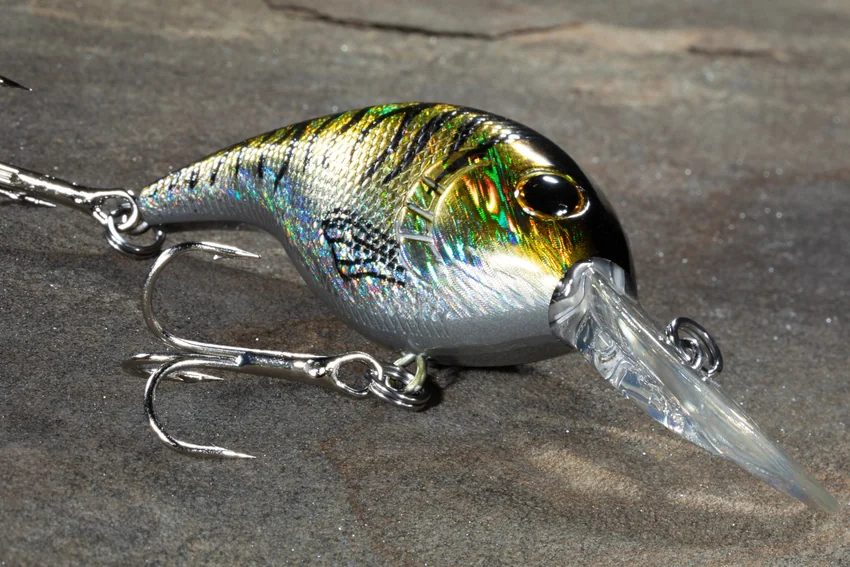
A rounded crankbait with a reflective green and silver body, clear diving bill, and treble hooks rests on a textured gray surface.

This guide explains the main crankbait designs, how to match them to depth and forage, and how to adjust your tackle and retrieve. Bass are familiar targets, but appropriately sized models also catch Walleye, Pike, Trout, and other predators.

What Is a Crankbait and How Does It Work

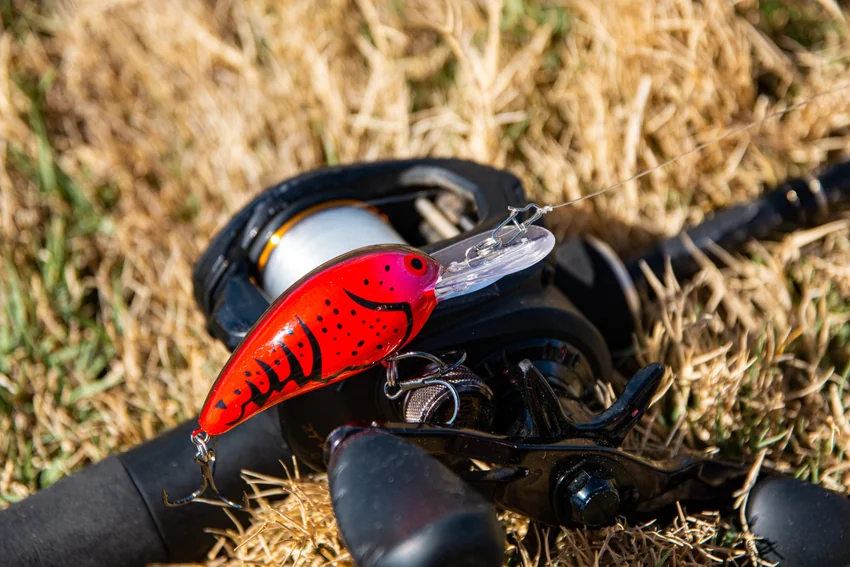
A red crankbait with black markings, a clear diving bill, and treble hooks rests across a baitcasting reel on dry grass.

A crankbait is a hard-bodied lure, commonly made from plastic or wood, that produces swimming action as water moves around it. On a billed model, the diving lip helps pull the lure downward and shapes its wobble. Lipless crankbaits use a different body design and line-tie position to create vibration without a diving bill.

Many imitate baitfish, while others suggest crawfish through their profile, color, and movement near the bottom. Rattles are optional: some designs are loud, and others are deliberately quiet. Flash, vibration, speed changes, or contact with cover can prompt a strike, but no one feature guarantees a response.

Check buoyancy as well as diving depth. A floating crankbait rises when paused, a suspending model may hold near its running level, and a sinking lure continues downward. Hooks, leader weight, and water conditions can change that behavior.

Types of Crankbaits

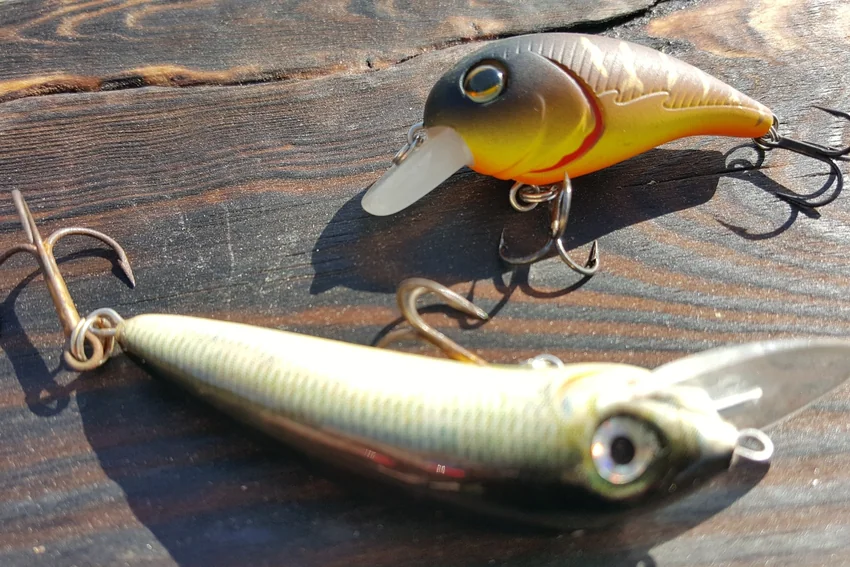
Two hard-bodied fishing lures with different profiles and diving bills lie on weathered wood, with their treble hooks visible in sunlight.

Crankbait categories describe useful differences rather than fixed depth standards. Check the manufacturer's running-depth guidance for the exact model and size. Casting and trolling ratings may differ, and line diameter, cast length, retrieve, and rod position affect the result.

Shallow-Diving and Squarebill Crankbaits

Shallow divers have bills designed to keep them near shallow cover. Many squarebill models run within roughly the upper 5 feet, but the label alone does not establish a lure's depth. Their squared lips can help deflect the body away from wood or rock during controlled contact.

Work them along riprap, laydowns, shallow points, and open lanes beside vegetation. Cast beyond the target when possible so the lure approaches it at the intended level. Deflection reduces some snagging, but exposed treble hooks still catch branches and grass.

Medium-Diving Crankbaits

Medium divers cover the water between shallow-running and deeper designs. Models described this way often work in roughly 5 to 12 feet, with considerable overlap between manufacturers. A longer bill does not establish an exact depth without considering the rest of the lure.

Try them along sloping banks, outside weed edges, and mid-depth points. Choose a running depth that brings the lure close to fish or allows occasional bottom contact where appropriate. Avoid forcing a diving lure through cover it cannot pass cleanly.

Deep-Diving Crankbaits

Deep divers generally use larger bills to reach deeper water. Many are designed for depths beyond about 12 feet, and specialized models can reach 20 feet or more under suitable conditions. Those figures are approximate; check whether the rating assumes casting or trolling.

Use them around deeper points, channel edges, and ledges within their reach. Cast far enough beyond the target to let the lure descend before it arrives. Larger bills create resistance, so the rod, reel, and line must suit both the casting weight and the load during retrieval.

Lipless Crankbaits

Lipless crankbaits have no diving bill and typically produce a tight vibration. Most familiar versions sink, allowing you to count them down before retrieving. Their fishing depth depends on sink time, speed, rod angle, and the model's behavior.

They can be retrieved steadily, worked above vegetation, or lifted and allowed to fall. A lipless lure is not automatically weedless, and pausing a sinking model above timber or rocks can put its hooks directly into a snag.

How to Choose a Crankbait

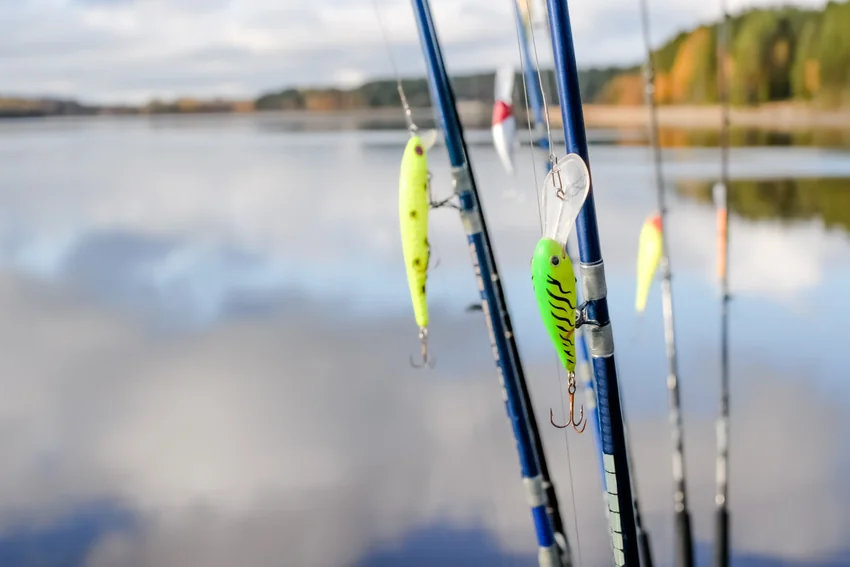
Brightly colored crankbaits hang beside upright fishing rods near calm water, with a green lure and its clear diving bill in focus.

Start with the depth and cover you need to fish, then compare profile, buoyancy, and action. Matching local forage is a useful starting point, but there is no need to copy every detail of a baitfish before making a cast.

  • Running Depth: Pick a model that passes near the fish. Around a clean, firm bottom, occasional contact can be useful; over dense vegetation, a shallower path may keep the hooks clear.
  • Size and Profile: Compare the lure with the prey you can observe and the casting range of your outfit. Downsize when small forage dominates, but do not assume a larger lure will only catch larger fish.
  • Buoyancy: Choose a floating, suspending, or sinking model based on what should happen during a pause. Test it near the bank before working unfamiliar cover.
  • Action and Sound: Compare tighter and wider wobbles, with or without rattles. Let fish response guide the choice rather than treating loud or subtle action as universally better.
  • Color and Visibility: Natural patterns and contrasting colors are options to test under different light and water conditions. Neither clear nor stained water requires one fixed color.

Change one feature at a time when practical. If the lure is passing above the fish, correcting its depth is usually a more useful experiment than repeatedly switching colors at the same running level.

Fish You Can Catch with Crankbaits

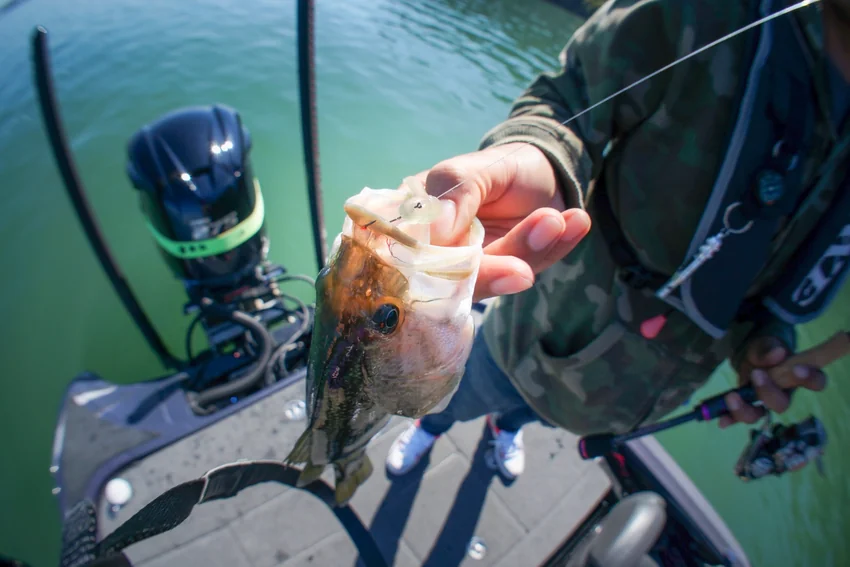
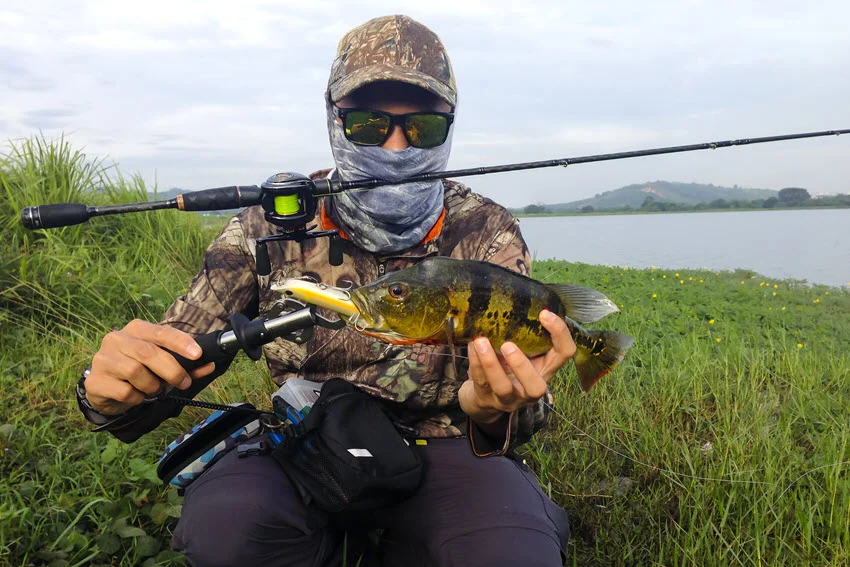
An angler holds a Bass beside a boat motor, with a small billed crankbait hooked near its mouth and fishing line extending upward.

Crankbaits suit a range of predatory fish, but lure size, hardware, and depth should match the species and water. The same small stream lure is not an appropriate setup for every fish on this list.

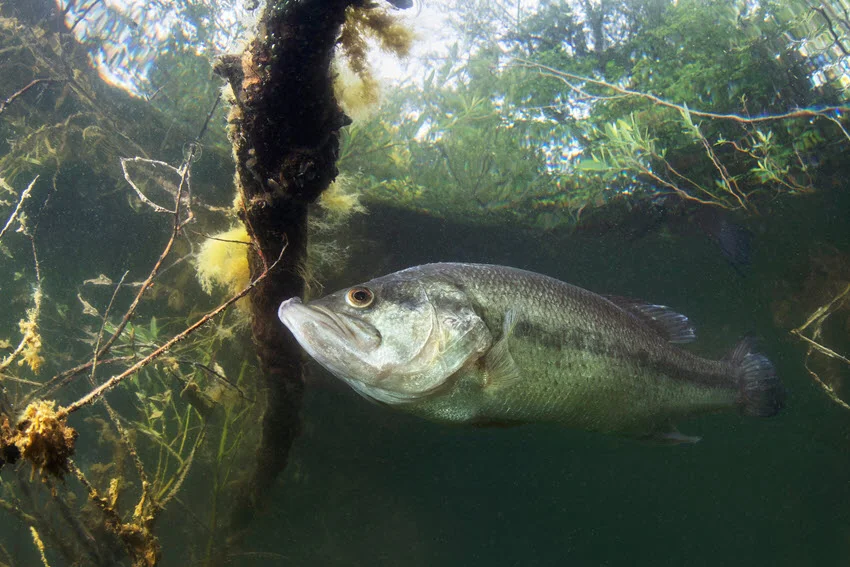
  • Largemouth and Smallmouth Bass: These Bass species respond to crankbaits around shallow cover, points, and ledges. Use suitable squarebills near wood or rock, and deeper models where fish hold farther down. Deflections and pauses provide alternatives when a straight retrieve draws follows.
  • Northern Pike: Search weed edges, points, and adjacent open water with an appropriately sized lure. Use a suitable bite-resistant leader, commonly wire or titanium; heavier main line alone does not provide reliable protection from teeth.
  • Walleye: Casting or trolling crankbaits can cover breaklines, reefs, and feeding flats. Control running depth and speed rather than assuming every Walleye presentation belongs directly on the bottom.
  • Trout: Smaller models can imitate minnows in rivers and lakes. Larger Trout may take larger plugs, but reaching deep Lake Trout can require trolling equipment beyond the lure's own diving capability. Check local hook and lure restrictions.
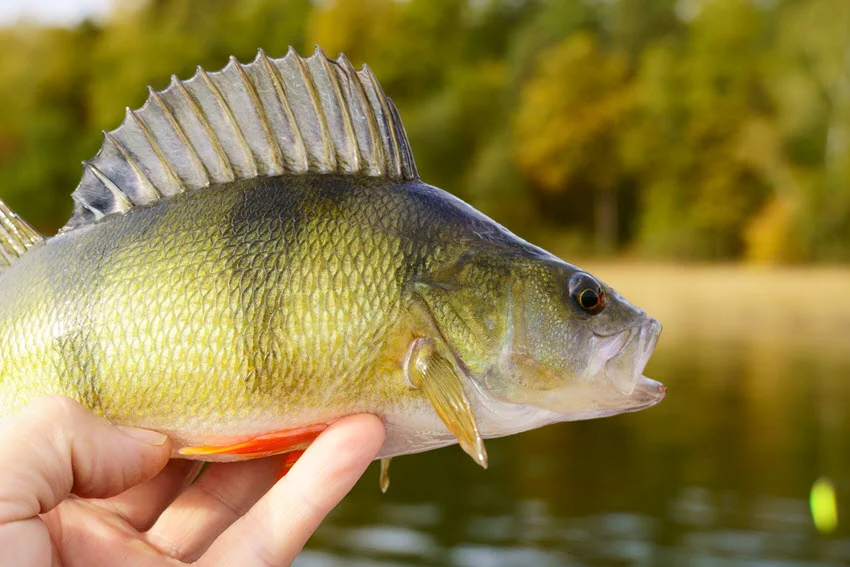
  • Perch and Zander: Small crankbaits can cover Perch feeding areas, while deeper presentations may suit Zander holding near structure. Match the lure to the available forage and depth instead of relying on a fixed time-of-day rule.
  • Saltwater Predators: Suitable hard baits can target fish such as Striped Bass, Bluefish, Snook, and Redfish. Select hardware and line for the intended species, then rinse and inspect the lure after saltwater use.

Consider fish handling before casting a treble-hooked lure. Keep fingers away from hooks and teeth, use suitable unhooking tools, and follow local regulations for harvest and release.

When and Where to Fish Crankbaits

A baitfish-patterned crankbait hangs beside a fishing rod aboard an inflatable boat, with its diving bill and treble hooks visible above the water.

Crankbaits are useful when you want to cover water and keep a moving lure near likely feeding areas. Fish location matters more than a simple warm-water or cold-water rule. Some tight-wobbling crankbaits also have established cold-water applications.

  • Rock and Wood: Work riprap, isolated rocks, stumps, or laydowns with a model suited to the depth. Contact cover deliberately and slow down if the lure begins to hang.
  • Weed Edges and Flats: Retrieve above the vegetation or along open edges. Lipless models can cover flats, but exposed hooks make thick, matted growth difficult to fish.
  • Points and Drop-Offs: Cast across different angles to find where the lure meets the depth fish occupy. Deep divers need enough distance to descend before reaching that area.
  • Wind-Blown Banks: Wind can concentrate forage along some banks and points. Check whether baitfish or feeding activity are present, and keep boat control and safe footing in mind.
  • Current and Seasonal Changes: Water moving past the lure affects its action and stability. Test retrieves across, with, and against the flow; neither direction guarantees greater depth. Follow fish location as conditions change.

Switch approaches when repeated snags prevent a clean presentation or fish will not follow a moving lure. A jig or soft plastic may hold in a small opening longer, while a shallower crankbait may solve the problem without changing lure category.

How to Retrieve a Crankbait

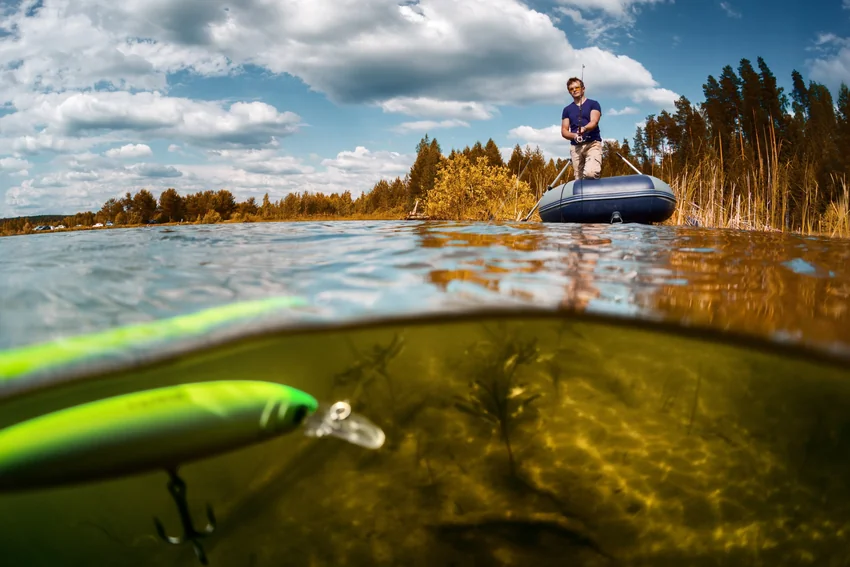
A green crankbait appears beneath the waterline in the foreground while an angler fishes from an inflatable boat beside reeds and autumn trees.

Begin with a controlled cast and watch the lure swim close to you before fishing it at distance. A steady retrieve is a useful baseline. Add changes only when they help keep the lure at the right level or produce a response.

  • Steady Retrieve: Turn the handle at a consistent pace that keeps the lure working properly. This can cover water efficiently and helps you recognize a change in resistance from grass, bottom contact, or a fish.
  • Stop-and-Go: Pause after several turns of the handle, then resume. Floating models rise, suspending models may hold, and sinking models fall, so choose the pause length with the cover beneath the lure in mind.
  • Deflecting off Cover: Let a suitable billed lure contact rock or wood under control. Ease pressure when it meets an obstacle and allow a floating model to rise where useful. Do not repeatedly drive the hooks into dense cover.
  • Lift-and-Fall: With a suitable sinking lipless crankbait, lift the rod to make the lure vibrate, then lower it while managing slack. Expect strikes during the fall and avoid letting the lure settle into snaggy bottom.
  • Trolling: Use a model with suitable trolling-depth guidance and monitor speed, line length, and rod position. Turns and speed changes alter the lure's path, so check depth and clearance rather than assuming a constant running level.

Watch for a lure that rolls onto its side, collects debris, or stops vibrating. Inspect the bill, hooks, line tie, and any trapped grass before changing the retrieve. Adjust speed to keep the intended action.

Crankbait Fishing Gear and Setup

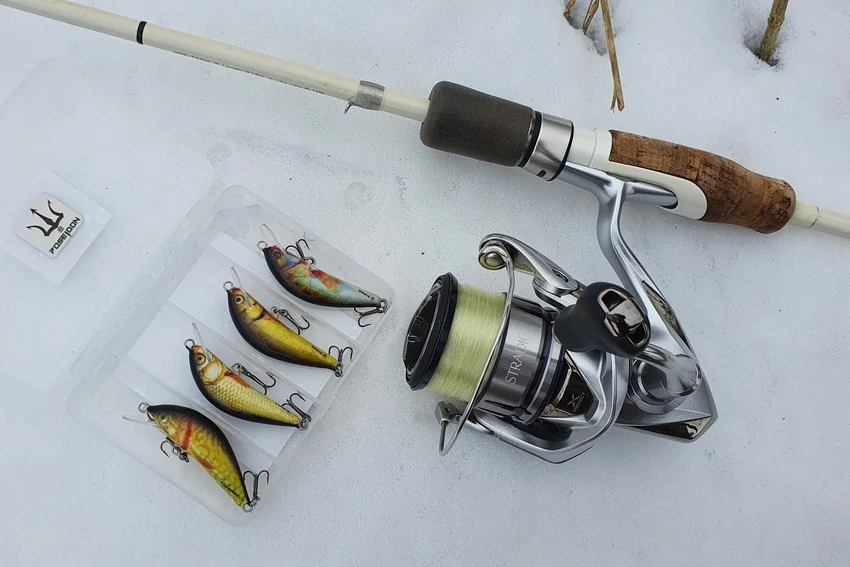
A spinning rod and reel lie on snow beside an open tackle box containing four hard-bodied lures with different colors and body profiles.

Match the outfit to the lure's casting weight, resistance, and target fish. Small stream crankbaits and large deep divers place different demands on tackle, so one rod rating or pound test cannot cover every application.

  • Rod Power and Action: Power describes resistance to bending; action describes where the rod bends. A moderate-action rod is a common choice for treble-hooked crankbaits, with power and lure ratings selected for the load. Glass, composite, and graphite designs can all serve different applications.
  • Reel and Retrieve: Spinning tackle handles many small, light crankbaits well. Baitcasting tackle is useful for many heavier presentations. When choosing a fishing reel, compare line recovery per handle turn and comfort under resistance instead of treating one gear ratio as mandatory.
  • Line and Leader: Match diameter, strength, and abrasion needs to the lure and cover. Thinner line often allows a billed lure to dive deeper, but reducing strength solely for depth can create other problems. Fluorocarbon, monofilament, and braid with an appropriate leader are application-dependent options. For Bass, compare your fishing line setup with the lure and cover you intend to fish.
  • Hooks and Hardware: Inspect points, split rings, and attachment points. Replace damaged components with compatible sizes and weights. Heavier hooks can change buoyancy and action, and larger hooks may foul each other or the body.
  • Drag and Handling Tools: Use a drag setting appropriate for the complete outfit and keep tension during the fight. Carry pliers and suitable landing equipment for managing treble hooks without placing hands beside them.

Test the assembled lure, leader, and hardware in shallow water before fishing. Confirm that it tracks properly and behaves as expected when paused. Recheck after a hard impact or hardware change.

Common Crankbait Mistakes and How to Avoid Them

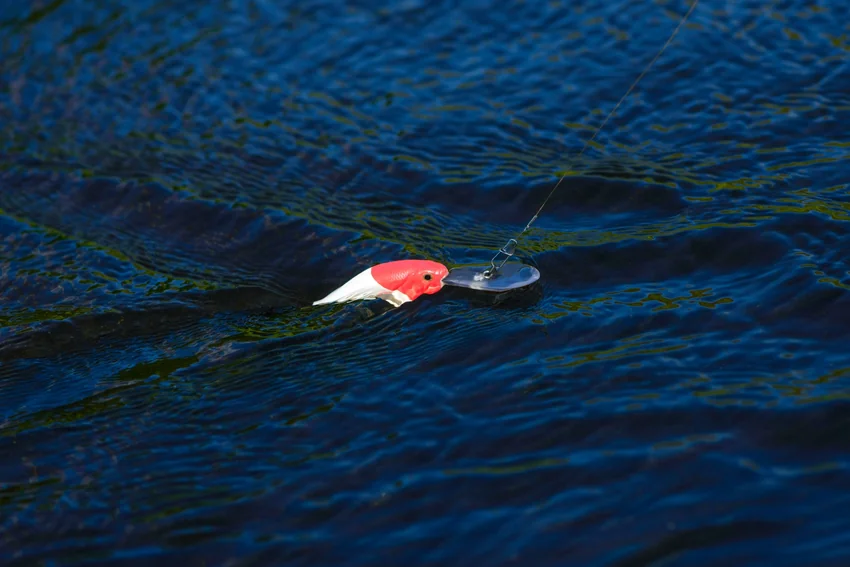
A red-and-white crankbait sits partly submerged in rippled blue water, with a broad diving bill and a snap connecting it to fishing line.

Before replacing a lure that is not producing, check whether it is reaching the target and running cleanly. A small adjustment to depth or casting angle may be more useful than changing several pieces of tackle at once.

  • Choosing Depth by Label Alone: Use the exact model's guidance and observe its performance. Do not assume all medium divers reach the same depth or that a casting rating applies unchanged to trolling.
  • Ignoring Buoyancy: Know whether the lure rises, suspends, or sinks before pausing near cover. A long pause that clears a floating bait may snag a sinking one.
  • Forcing Contact: Controlled deflection can be useful, but squarebills are not snag-proof. Change the angle, depth, or lure when the hooks repeatedly catch.
  • Changing Everything at Once: Keep a steady retrieve as a reference, then compare speed, pauses, or color individually. Consistency itself is not a mistake.
  • Overlooking Hardware Changes: Check action after replacing hooks, rings, or leaders. Added weight can change the behavior of a small or finely balanced lure.

If crankbaits repeatedly foul in thick vegetation or cannot stay near the fish, choose a presentation better suited to the space. The goal is a clean path through the strike zone, not making one lure work everywhere.

Final Thoughts

Choose a crankbait by its working depth, buoyancy, and ability to pass the cover in front of you. Then match the rod, reel, and line to that specific job. A repeatable retrieve gives you a starting point for comparing small changes.

Which adjustment has helped you most: running depth, lure profile, or retrieve speed? Share your experience in the comments.

Frequently Asked Questions

Logo

Anglers Booking Team

The expert copywriters at Anglers Booking have meticulously crafted this article. Our dedicated team of writers provides valuable insights and information to enhance your angling experience.

Leave a Comment

Your email address will not be published. Required fields are marked *

Please enter your comments.
Please enter your name.
Please enter a valid email address.

Thank you for your comment! It has been submitted for review and will appear on the site shortly.

Book your next fishing trip

Embark on unforgettable fishing adventures with us at Anglers Booking.

book your charter
Categories

view more
Anglers Booking

Thanks for subscribing!

You're now part of our exclusive community. Get ready for premium content and updates straight to your inbox.

close
Anglers Booking

Connect With Us

Subscribe to our newsletter and receive a selection of cool articles every week.

Please enter a valid email address.

subscribe By subscribing, you agree to our Privacy Policy.