


Anglers Booking Team
The expert copywriters at Anglers Booking have meticulously crafted this article. Our dedicated team of writers provides valuable insights and information to enhance your angling experience.
 9 minutes read
A lure that lands beside a weed edge gives you a different opportunity than one that splashes into the bank. Learning to cast starts with controlling where the rig goes, then repeating that movement without forcing the rod.
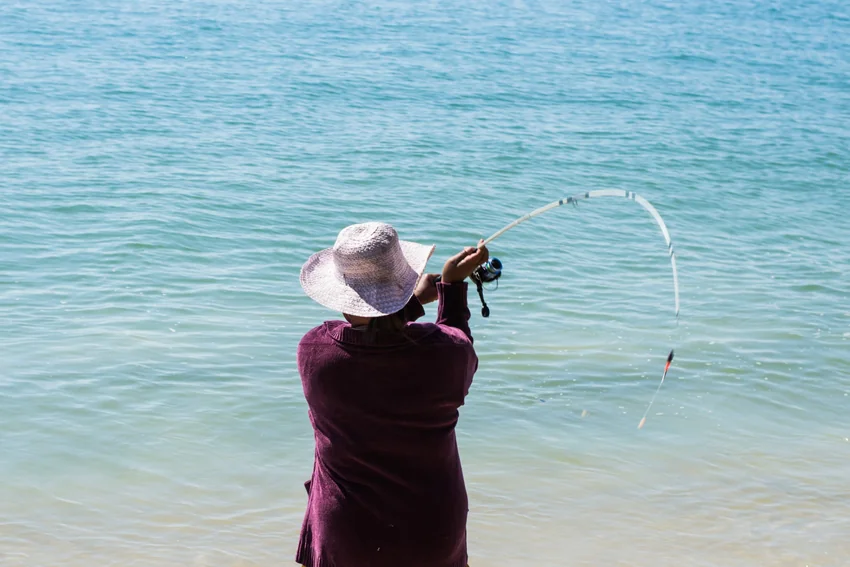
Start with a spinning outfit and a simple overhead cast. This guide walks through the release, explains how other reels differ, and shows how to correct common mistakes before adding distance or working around cover.
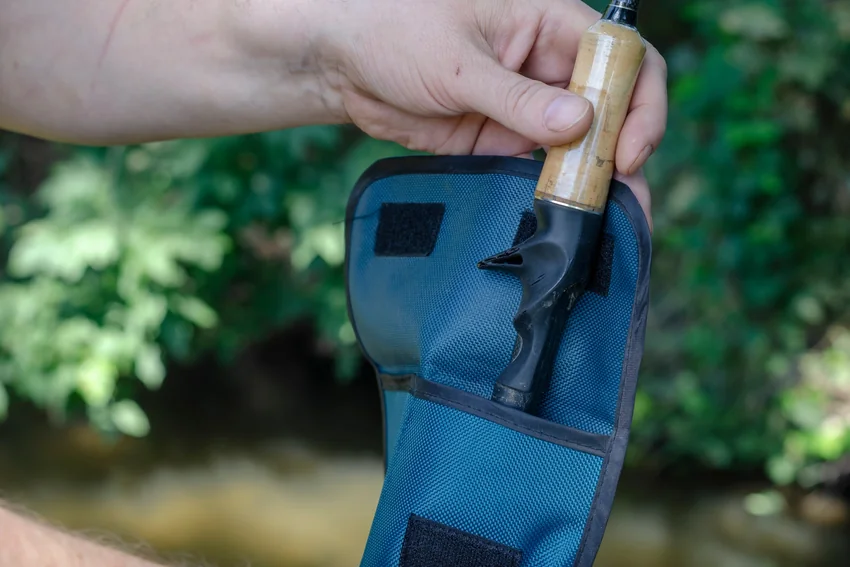
Choose an open area where the entire casting path is clear. Check behind you, overhead, and toward the target before picking up the rod. For land practice, use a purpose-made casting plug without hooks and keep other people outside its possible flight path.
Casting sends a weighted lure or rig forward while the rod bends and recovers. Smooth acceleration matters more than a hard snap. These instructions cover conventional rod-and-reel casting; fly casting uses different equipment and line mechanics.
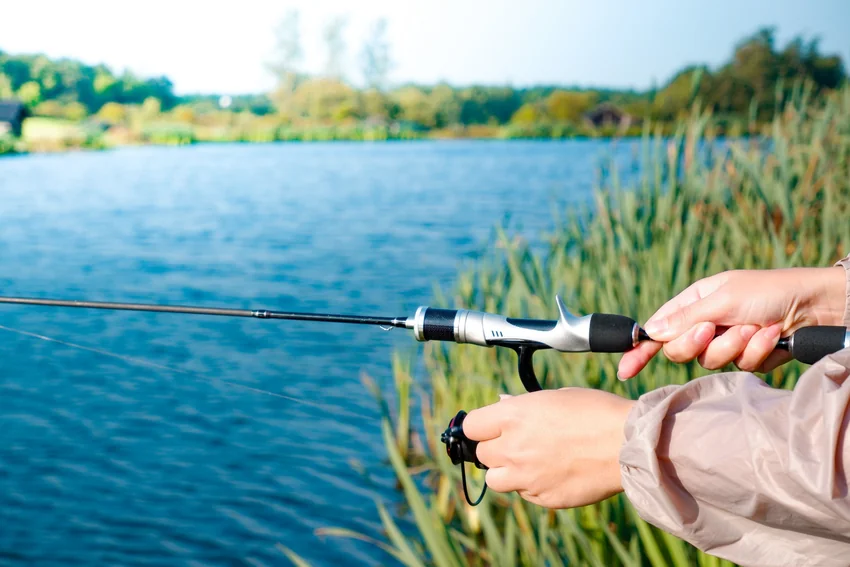
Use a short, comfortable overhead cast for the first attempts. The sequence below follows the basic spinning-reel procedure described by the Utah Division of Wildlife Resources. Practice with a hookless plug before trying it with a fishing rig.
Repeat at a modest distance until the release feels predictable. Spinning fishing allows many presentations, but changing lures will not correct a release that varies on every cast. Work on one movement at a time.
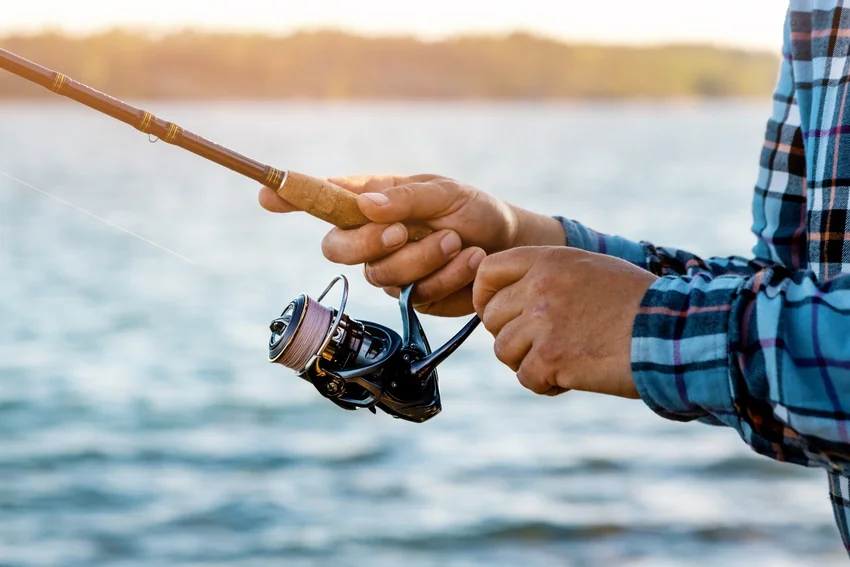
The forward casting motion may look similar across outfits, but the release controls are different. Identify the reel before following instructions: a spincast push button, a spinning bail, and a baitcaster's spool release are not interchangeable.
A baitcaster's spool turns during the cast. If it keeps turning faster than line leaves the reel, loose loops can form into a backlash. Start with short casts and conservative brake settings, then adjust gradually; a baitcaster does not automatically make a beginner more accurate.
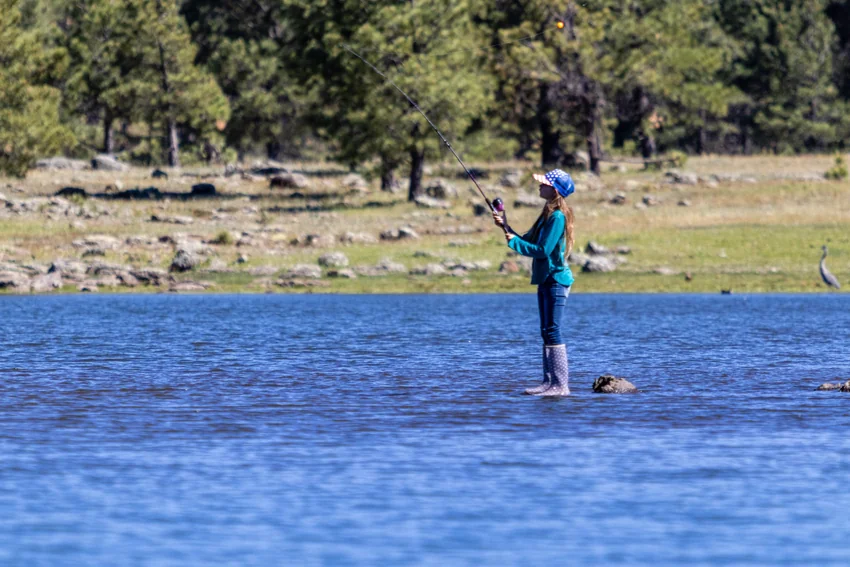
Once the release is consistent, vary the path of the rod to suit the available space. Begin each new style with a short cast and a clear area. A lower trajectory still requires room for the full swing and the moving lure.
A roll cast in fly fishing belongs to a separate skill set. It uses a D-loop and an anchor of line touching the water, rather than the release used with a spinning reel described above. It can help where a full fly backcast is restricted, but it still needs room for the line to form safely.
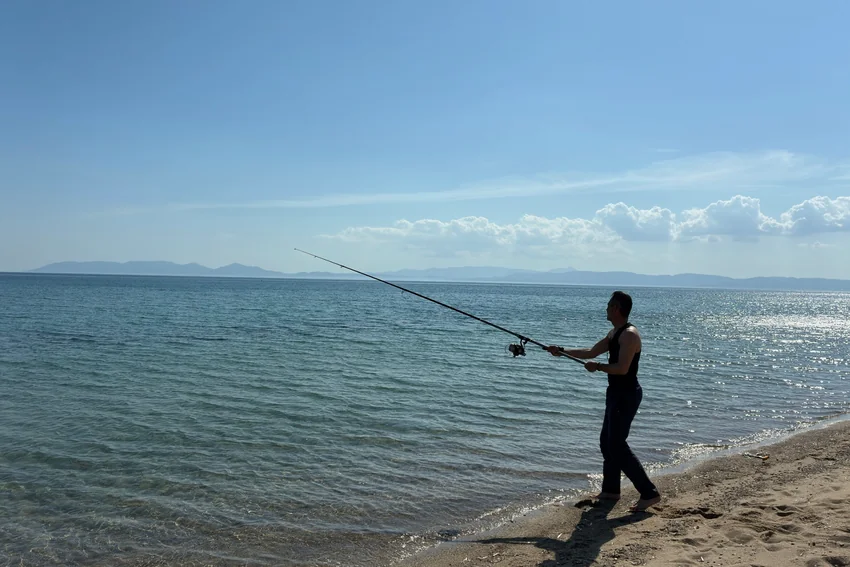
The best cast is one that places the presentation in useful water without compromising control. Distance is only one consideration. Wind, footing, current, and nearby cover can change the angle or target that makes sense.
After the cast, choose what happens next. Retrieve a lure, let a jig sink, or leave a baited rig in position as appropriate. The ability to cast does not mean every presentation requires continuous movement.
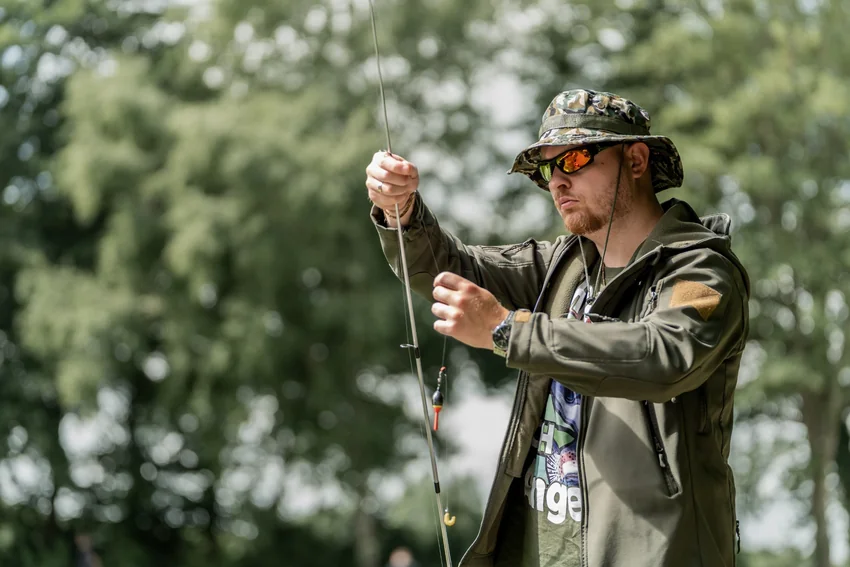
Watch the result of each cast and change one thing at a time. A repeated problem is easier to diagnose than a cast made with a different grip, speed, and target on every attempt.
An unsuitable lure weight can also limit distance and control. When choosing fishing lures, match the complete casting load to the rod and conditions. A harder swing is not a substitute for a balanced setup.
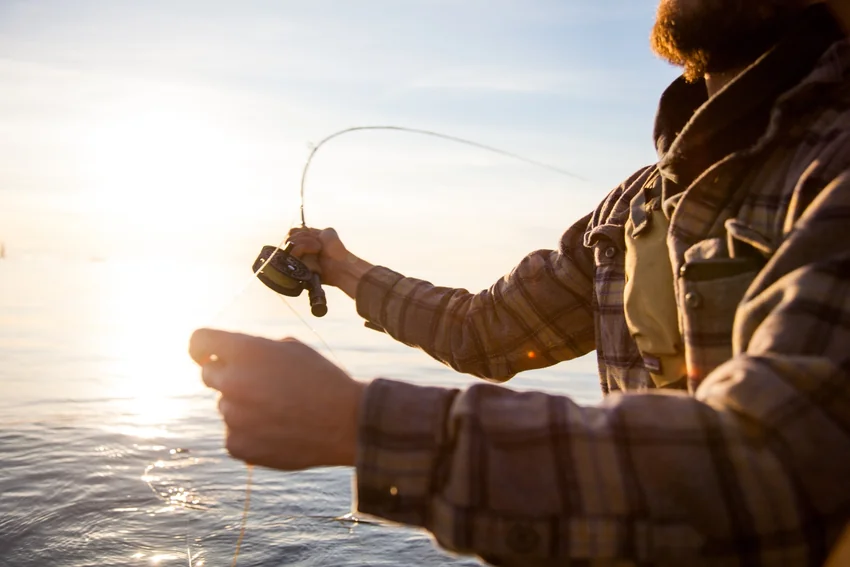
Set a broad target in a clear practice area and use a hookless casting plug suitable for the rod. Begin close enough to land around the target consistently, then move farther away only when the motion remains controlled.
A short session with useful feedback is more valuable than repeated uncontrolled casts. Stop when fatigue changes your grip or timing, and inspect the line and plug before putting the outfit away.
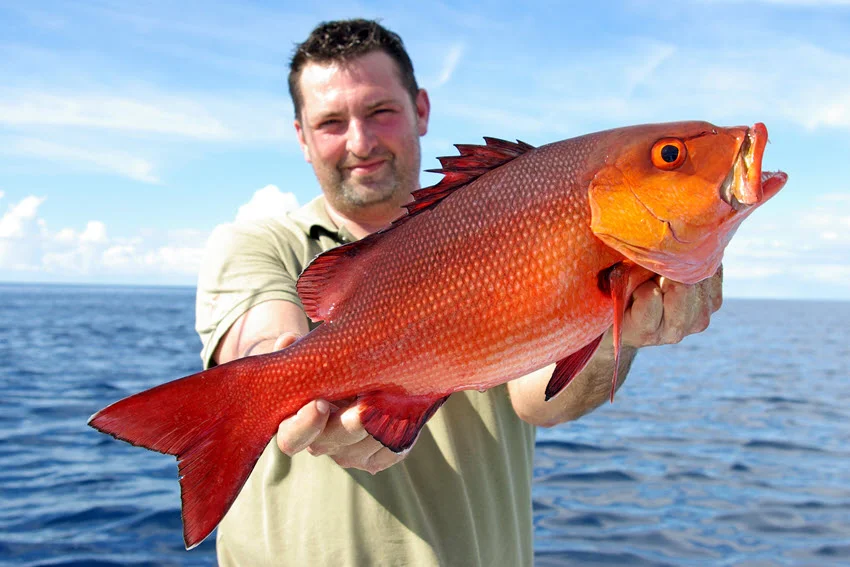
Understanding fishing regulations in an area is crucial for protecting fish populations and ecosystems and promoting responsible angling practices.
Anglers Booking Team
A hookless plug reduces hook-related risk, but a moving weight can still injure someone. Wear eye protection, keep spectators clear, and look around before every cast. Never cast toward power lines, swimmers, boats, or wildlife.
Keep a stable stance and allow extra room on docks, boats, and uneven banks. If the casting path is crowded or obstructed, choose another position. Do not use the rod to jerk a snagged rig toward yourself or another person.
Before fishing, check the rules for the actual water and target species, including license requirements, access restrictions, seasons, and permitted tackle. Learning to cast does not replace those checks. Children should practice with close adult supervision.
Build a reliable short cast before chasing extra distance. Secure the line, prepare the reel, make a smooth forward stroke, and finish with the line under control. Once that sequence feels familiar, adapt the angle and range to the water in front of you.
Which part gives you the most trouble: releasing the line, reaching the target, or preventing tangles? Share what you are practicing in the comments.

The expert copywriters at Anglers Booking have meticulously crafted this article. Our dedicated team of writers provides valuable insights and information to enhance your angling experience.
September 8, 2026

July 2, 2025
Subscribe to our newsletter and receive a selection of cool articles every week.
Embark on unforgettable fishing adventures with us at Anglers Booking.
book your charter
October 2, 2026
September 8, 2026
August 21, 2026
August 18, 2026
August 15, 2026
August 12, 2026

August 8, 2026
August 4, 2026

You're now part of our exclusive community. Get ready for premium content and updates straight to your inbox.
close
Subscribe to our newsletter and receive a selection of cool articles every week.
Please enter a valid email address.
Be the first to know when we're back in action.
Please enter a valid email address.
Leave a Comment
Your email address will not be published. Required fields are marked *
Thank you for your comment! It has been submitted for review and will appear on the site shortly.