


Anglers Booking Team
The expert copywriters at Anglers Booking have meticulously crafted this article. Our dedicated team of writers provides valuable insights and information to enhance your angling experience.
 8 minutes read
Bass fishing in Florida centers on Florida Bass and Largemouth Bass, which FWC now treats as separate species for naming but treats as a single species for most regulations because anglers cannot reliably tell them apart in the field. Florida's Bass fishery is one of the state's signature freshwater draws.
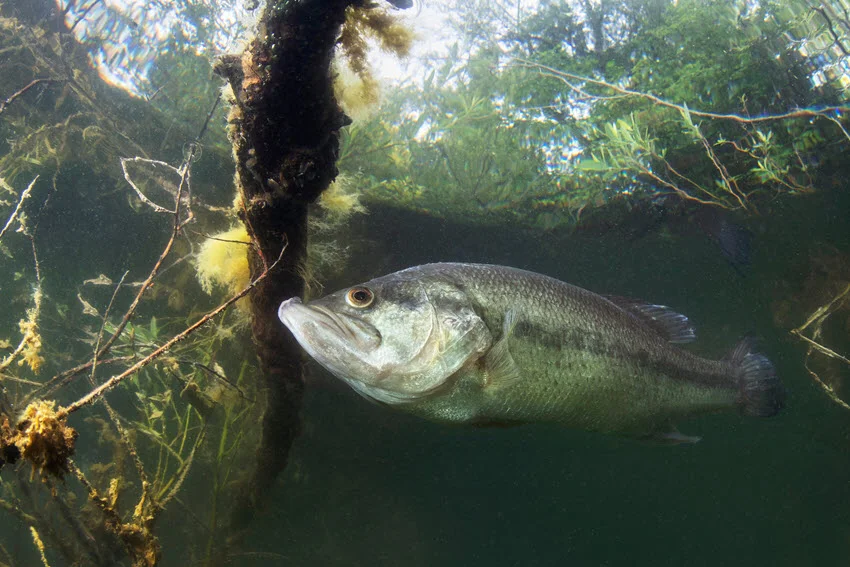
The Florida Fish and Wildlife Conservation Commission (FWC) is responsible for the management of Florida Bass populations to ensure that there is a healthy fish population for recreational use and for trophy hunting.
Understanding the current regulations for the body of water you will be fishing in will not only keep you in compliance but also support long-term conservation of this iconic species. Next, we will go over the key regulations for Florida Bass.
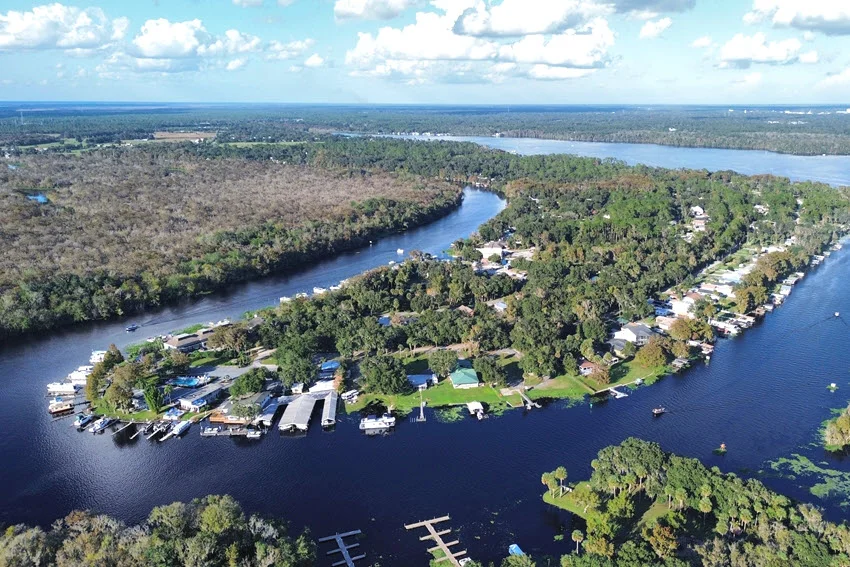
There is no closed season for Largemouth Bass in Florida, and they can be targeted year-round. The statewide bag limit is 5 Black Bass in total, including Florida Bass, Choctaw Bass, Suwannee Bass, Shoal Bass, Spotted Bass and Largemouth Bass. Only 1 fish may be 16 inches or longer.
The 5-fish aggregate limit applies to most waters, but some lakes and rivers have special regulations. In some cases, there may be special bag limits, slot limits, or even special trophy management. As a result, anglers should check the exact regulations for the waters they wish to fish in before harvesting Bass.
North Florida is also known for its cold winters, which cause delayed spawning and force Bass into deeper water during cold fronts. Fishing activity increases as temperatures rise during late winter and early spring.
Central Florida has a mild climate that supports longer spawning and feeding periods. Many productive lakes with abundant vegetation are found here, giving Bass strong cover, forage, and year-round habitat.
The longest fishing season is found in South Florida because of its stable water temperature. Bass are known to grow quickly and feed aggressively year-round, but water levels here are unstable.
The rules safeguard Florida's renowned trophy Bass by preserving the state's oldest and largest females that spawn the most eggs. The harvesting limits prevent overfishing in highly pressured lakes. Voluntary catch-and-release during the spawn can help protect larger breeding fish.
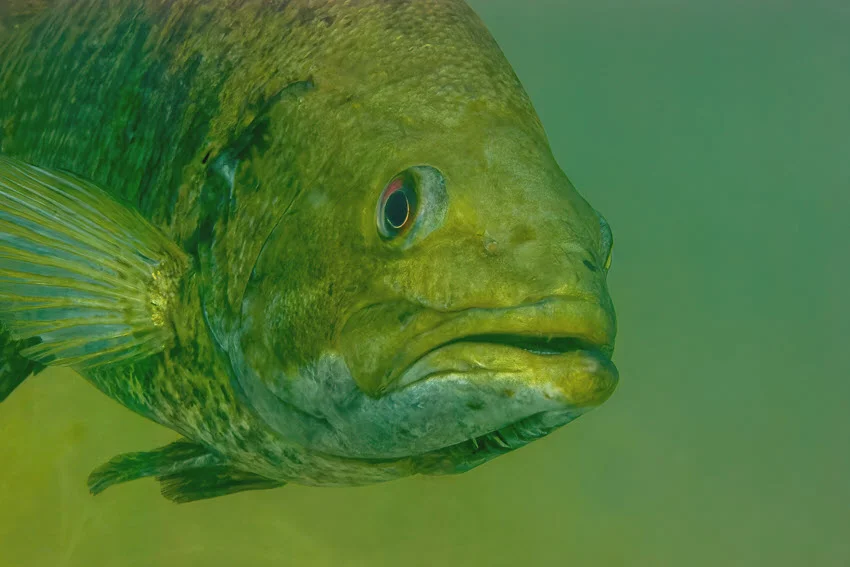
The Largemouth Bass is an adaptable predator, found in lakes, ponds, marshes, rivers, and canals. They prefer to live among vegetation, stumps, or underwater structures where they may lie in wait to ambush prey. Bass feed on whatever is available, and their sensitivity to most changes around them makes knowledge of their biology particularly important to the angler.
Bass do best when the water temperature is between 65 and 85°F. Peak feeding and spawning occur once the temperature stabilizes in the low 70s. During cold fronts, Bass commonly become lethargic, holding tight to cover or deeper drop-offs. When water gets too warm in summer, they move to shaded areas, spring-fed creeks, or deeper hydrilla beds where oxygen levels are higher.
As predators, Bass feed on shiners, shad, bluegill, crayfish, frogs, and occasionally small snakes or lizards. Their diet changes with the seasons, but their hunting style is consistent: using bursts of speed from cover to strike quickly. And it's for this reason that lures that imitate wounded baitfish, such as soft plastics or topwater plugs, work so well.
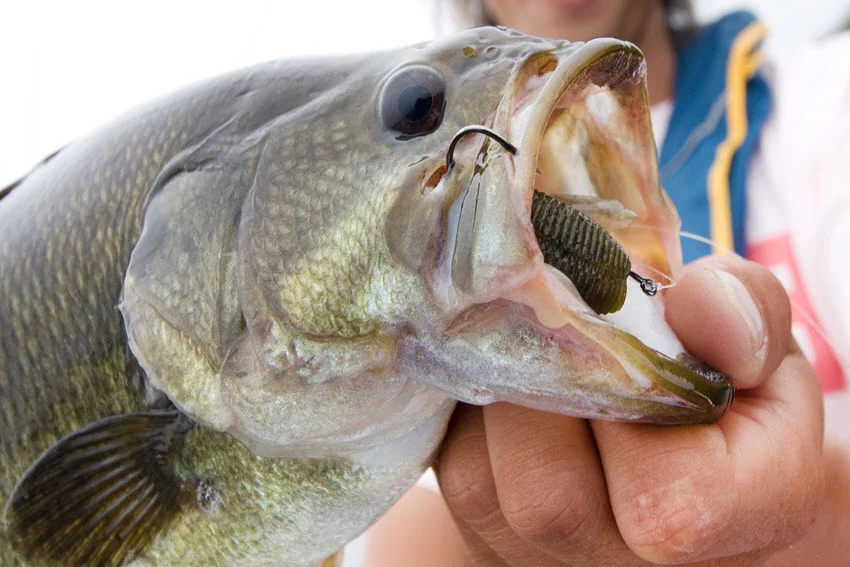
Although Bass can be targeted at any time of the year, the best times for catching them are during the pre-spawn season or the spawn season itself, i.e., between January and April. Let's explore the factors that affect Bass daily so you can plan your trips accordingly.
In winter months, when water temperatures drop, the Bass find comfort in deep, warm spots such as spring runs, canals, and river holes.
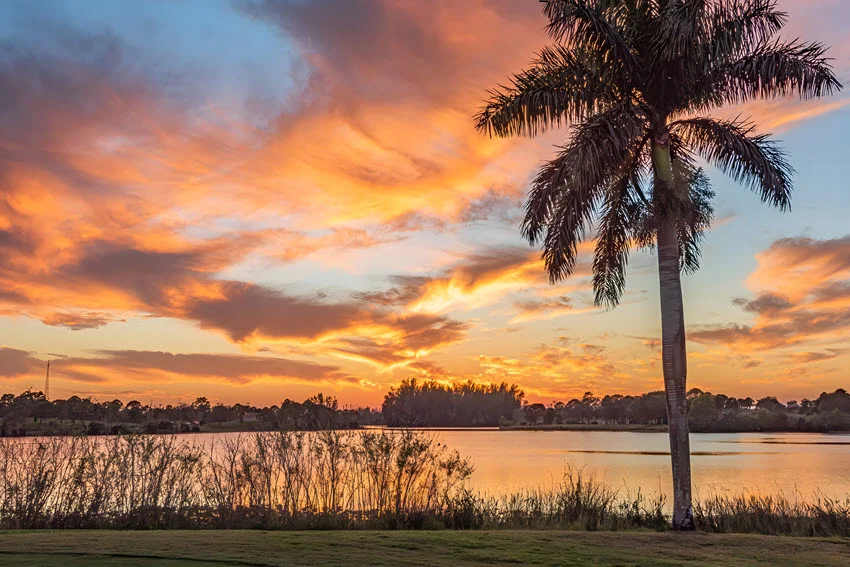
Florida offers endless lakes, rivers, canals, and marshes, making it one of the best Bass fishing destinations. Many of the best Florida fishing spots include productive freshwater systems, and some of the most renowned Bass hotspots are listed below.
These places are among the most famous fishing spots; however, the season and weather also play a significant role in fishing.
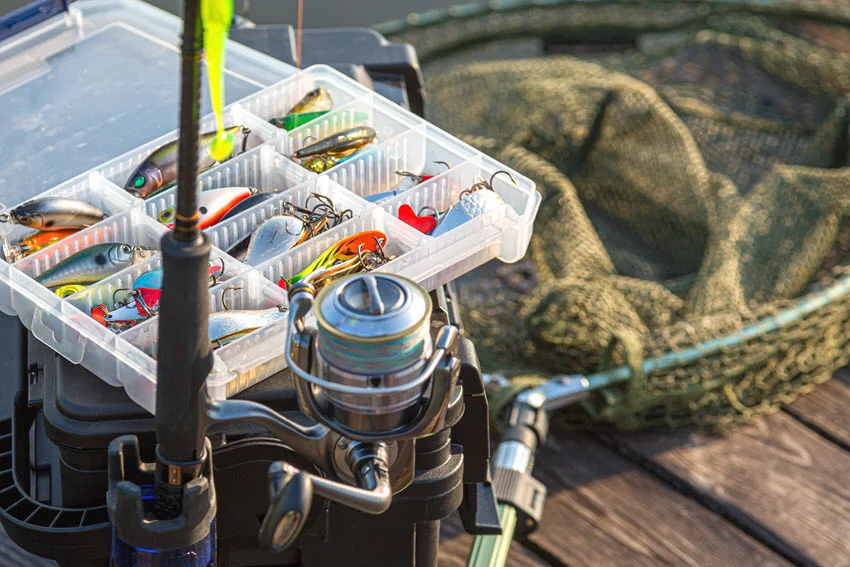
To get the most out of your fishing trips, it helps to understand the best Bass fishing rigs for different cover, lure styles, and water conditions. Here's what anglers in Florida use:
With the right tackle and proper knots, you'll increase your hookup ratio, improving your chances of landing big Florida Bass safely and efficiently.
Understanding fishing regulations and preserving specific fish species contributes to protecting fish populations and ecosystems and promoting responsible angling practices.
Anglers Booking Team
Bass fishing in Florida requires proper documentation to ensure legality and maintain the fish population. Anglers need a freshwater license unless they are exempt.
To ensure you are legally covered, you will need a Florida freshwater fishing license. TrophyCatch is FWC's optional citizen-science program for documenting and releasing trophy Bass weighing 8 pounds or more, but it is not a license or permit.
Handle Bass carefully to reduce stress and improve survival. Barbless hooks, wet hands, and a quality landing net can help reduce injury, especially with larger fish.
When releasing a Bass, especially a larger female, keep it in the water as much as possible. Revive it gently, then release it once it can swim away on its own.
One of the most thrilling Bass fishing experiences in the United States is in Florida. With massive trophy Bass and fast action in the Everglades, this state has a great offer for all types of anglers.
What is your favorite region in Florida for Bass fishing? Share your tips with us and help other anglers compare local patterns, seasonal bites, and favorite fishing spots across the state.
Disclaimer: Fishing regulations and open seasons may vary by region and are subject to change. The information in this guide is for general reference only. Learn the latest fishing rules, size limits, and season dates on the official websites of the state or federal government before your trip.

The expert copywriters at Anglers Booking have meticulously crafted this article. Our dedicated team of writers provides valuable insights and information to enhance your angling experience.

March 10, 2025

February 10, 2026
Subscribe to our newsletter and receive a selection of cool articles every week.
Embark on unforgettable fishing adventures with us at Anglers Booking.
book your charter
August 21, 2026
August 18, 2026
August 15, 2026
August 12, 2026
August 8, 2026
August 4, 2026
April 17, 2026
April 13, 2026

You're now part of our exclusive community. Get ready for premium content and updates straight to your inbox.
close
Subscribe to our newsletter and receive a selection of cool articles every week.
Please enter a valid email address.
Be the first to know when we're back in action.
Please enter a valid email address.
Leave a Comment
Your email address will not be published. Required fields are marked *
Thank you for your comment! It has been submitted for review and will appear on the site shortly.