


Anglers Booking Team
The expert copywriters at Anglers Booking have meticulously crafted this article. Our dedicated team of writers provides valuable insights and information to enhance your angling experience.
 11 minutes read
Bass are some of the most popular fish in America. Anglers love them for a lot of reasons. They provide strong fight and bold strikes. There are many kinds of Bass. They don't all look the same. Some have big mouths. Others have spots or stripes. Each one lives in a different place and acts differently.
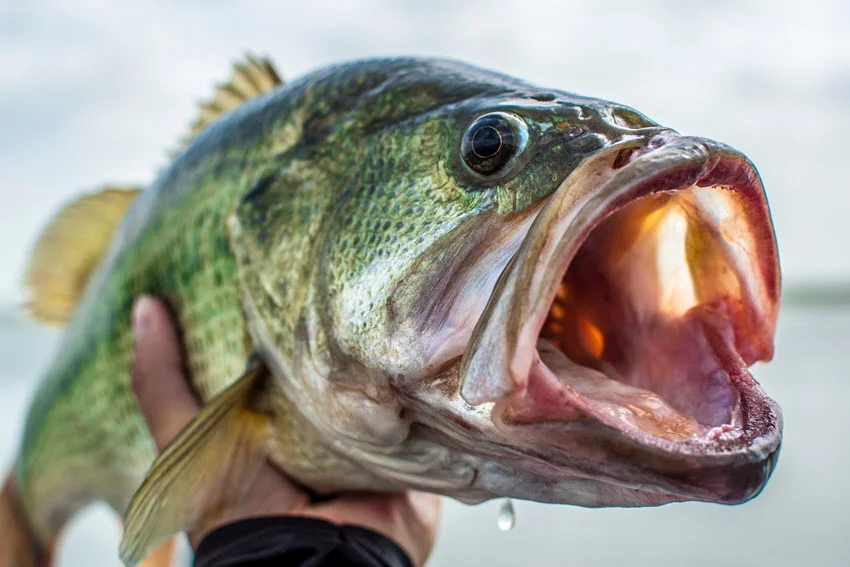
Today, you will learn how to tell these fish apart. We will show you what each type looks like. We will also discuss where you can find them. You will know which gears and best Bass baits to use. This guide will help you fish smarter. So, don't miss any of the parts below.
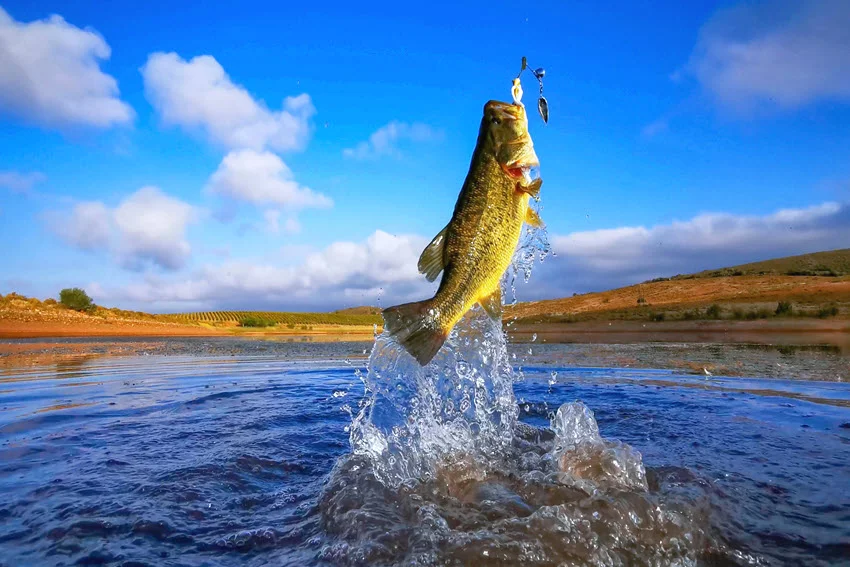
Bass are strong, aggressive, and fast fish, and live in freshwater, lakes, rivers, and reservoirs.
The word "Bass" includes many different fish. Not all of them are closely related. Some look alike but live in various places. Some are true Bass, others only have "Bass" in the name.
One of the most famous moments in bass fishing history happened in 1932. George W. Perry caught a Largemouth Bass weighing 22.4 pounds in Montgomery Lake, Georgia. That catch became the official world record and remains so to this day.
Basses come in several distinct types. They are different in physical appearance. Some live in rivers or lakes. Others prefer deeper or warmer water. Knowing the differences helps you catch them more successfully.
We will focus on these common Bass species: Largemouth Bass, Smallmouth Bass, Striped Bass, Spotted Bass, Guadalupe Bass, Redeye Bass, and Florida Bass.
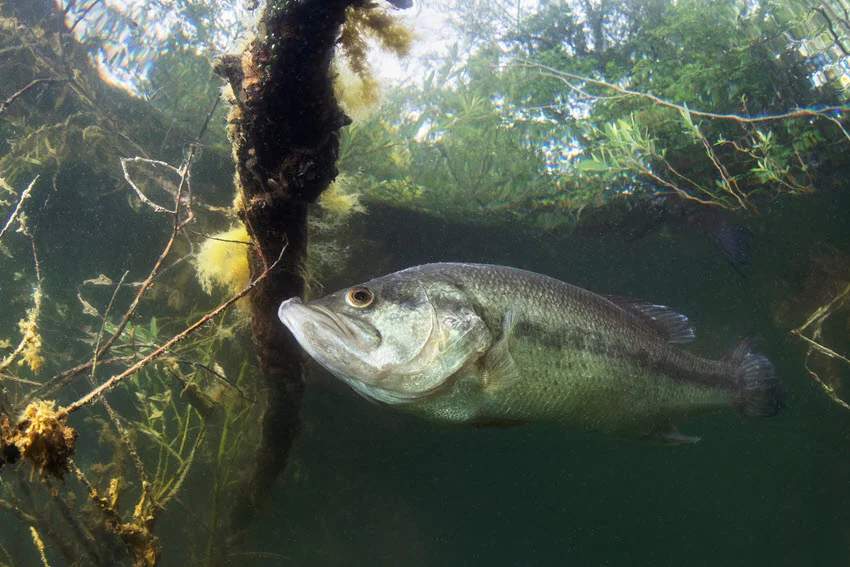
Largemouth Bass have a greenish body with a dark horizontal stripe on each side. Their belly is white. The jaw extends past the eye, which helps identify them. They grow large and have a thick, deep body.
Their average length is 12 to 20 inches. They weigh 1 to 5 pounds. In ideal conditions, this fish can grow over 25 inches and weigh more than 10 pounds. They eat small fish, frogs, crayfish, and insects. These fish are ambush predators. They stay hidden and attack quickly.
They inhabit freshwater habitats across the U.S. and southern Canada. Largemouth Bass prefer lakes, ponds, slow rivers, and reservoirs. They prefer areas with vegetation, fallen trees, and submerged structures, where they can hide and ambush their prey.
Warm, slow-moving water with abundant plants is a habitat that attracts Largemouth Bass. This fish inhabits depths of 3 to 15 feet. During the summer, it may go deeper to find cooler water.
Spring and early summer are the best times, especially during the spawning season; fish early in the morning or late in the evening when Bass are most active. In warmer months, they often move deeper during midday.
During the fall, Bass feed more to prepare for winter. This makes them easier to catch. Look for them near drop-offs or creek channels as the water cools.
Use a medium-heavy spinning or baitcasting rod with 10 to 17-lb monofilament or fluorocarbon line. For heavy cover, braided line may be a better option. A 6'6" to 7' rod gives control for casting near structure.
Use a reel with a smooth drag and a good gear ratio. Ensure your gear is sturdy enough to withstand sudden strikes and intense battles.
Plastic worms, spinnerbaits, and topwater frogs are effective options for fishing. In spring, use soft plastics near spawning beds. In summer, try crankbaits and jigs near deep structure or weed edges. Match your bait to the local forage.
Try changing the color or size if the fish aren't biting. Bass often react to subtle changes, especially in clear or pressured waters.
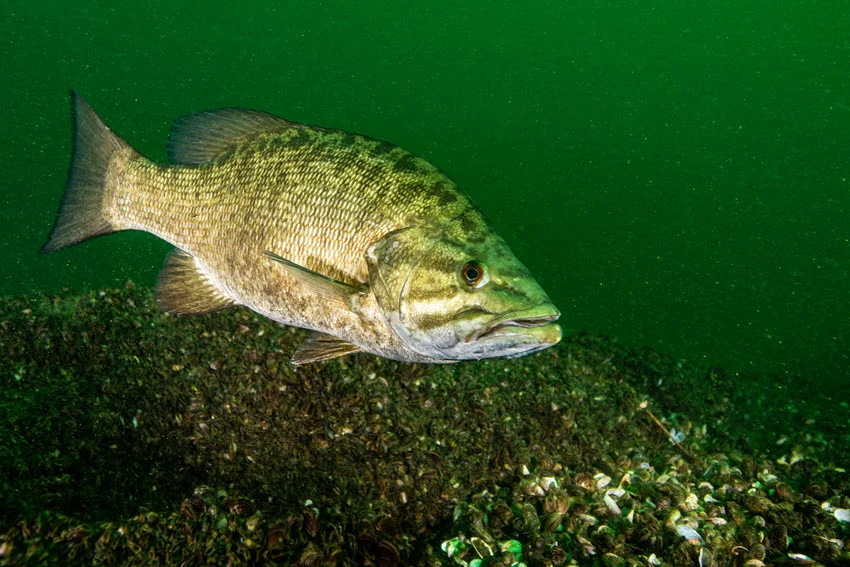
Smallmouth Bass have a bronze to brownish-green body with vertical dark bars. Unlike Largemouth Bass, their upper jaw does not go past the eye. They have red or orange eyes and a more streamlined shape.
Smallmouth Bass are typically between 12 and 18 inches long. Its average weight is 1 to 4 pounds. Larger individuals can grow up to 24 inches and weigh over 6 pounds.
They live in clear, cool freshwater streams, rivers, and lakes. Smallmouth Bass prefer rocky areas, ledges, and gravel bottoms. You can find them in the northern U.S. and parts of Canada.
In addition, many reservoirs and tailwaters created by dams have become excellent habitats. Smallmouth Bass adapt well to both lakes and rivers, especially where water remains cool and is well oxygenated. Some of the best fisheries are located in Great Lakes tributaries, the eastern states, and certain parts of the Midwest.
Spring and fall are prime times. They become active when water temperatures range from 60 to 70°F. Early mornings and evenings are ideal for topwater action.
Also, pre‑spawn warming in the upper 40 to low 50°F can produce aggressive early bites, especially on sunny days. As water warms, Bass move into shallower current breaks and structure to feed heavily before spawning.
Use a medium spinning rod with 6 to 12-pound test line. A rod ranging from 6'6" to 7' is suitable for casting in clear, open water. Lighter setups help when the fish are line-shy.
Pair it with a smooth drag reel and use fluorocarbon leader if necessary. This setup provides sensitivity to light strikes and control when fighting strong Smallmouth Bass around rocks and structure.
When it comes to the best Smallmouth Bass baits, you should try with jigs, tube baits, and small crankbaits. Soft plastic craws and swimbaits also work well around rocks and ledges. In rivers, use spinnerbaits in moving water.
As ice-out transitions to spring, crayfish-like soft plastics and bottom-dwelling mini jigs often trigger strikes. In the summer, small prop baits and drop-shot rigs fished around brush or ledges yield consistent bites.
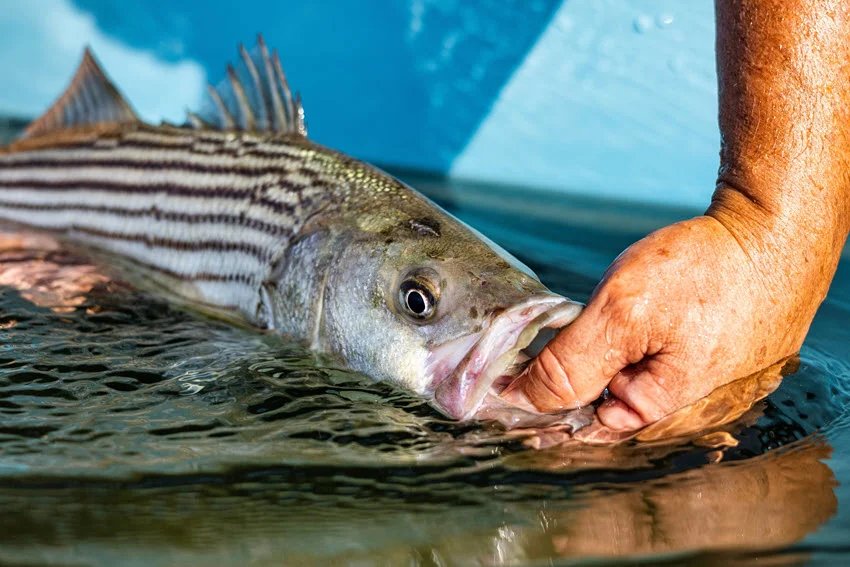
Striped Bass have a silver-white body with 7 to 8 horizontal dark stripes along the sides. They are large, strong fish with a slightly forked tail and a sleek build.
Striped Bass measure between 20 and 40 inches. Most weigh 10 to 30 pounds. Bigger fish are called "Cows." These can grow over 50 inches long and weigh more than 60 pounds.
They inhabit both saltwater and freshwater environments. Coastal waters, estuaries, and tidal rivers are key spots. Some populations live in freshwater lakes. They're common along the U.S. East Coast and in stocked inland lakes.
In rivers, Striped Bass often stay near structures (bridge pilings, rocks, or drop-offs). These spots give them good cover and hunting grounds for prey.
Spring and fall are peak seasons for them, especially when they migrate or chase baitfish. Early morning and late evening are the top times. In summer, fish deeper during the day.
During fall runs, Striped Bass feed aggressively to prepare for winter, making it an excellent time to catch larger fish.
Use a medium-heavy rod with 15 to 30-lb braided or monofilament line. A strong reel with good drag is essential. For big ones, upgrade your tackle for saltwater use.
Gear durability is key because striped Bass make sudden, powerful runs. Ensure your reel has a smooth drag to prevent line breaks during the fight.
Some of the best Striped Bass baits are eels or bunker, and they are highly productive in saltwater. In freshwater, try swimbaits, topwater plugs, and jerkbaits. Match the size to the baitfish they are chasing.
Soft plastic lures that mimic shad or herring are also effective. These baits can attract Striped Bass feeding in schools near the surface or mid-water.
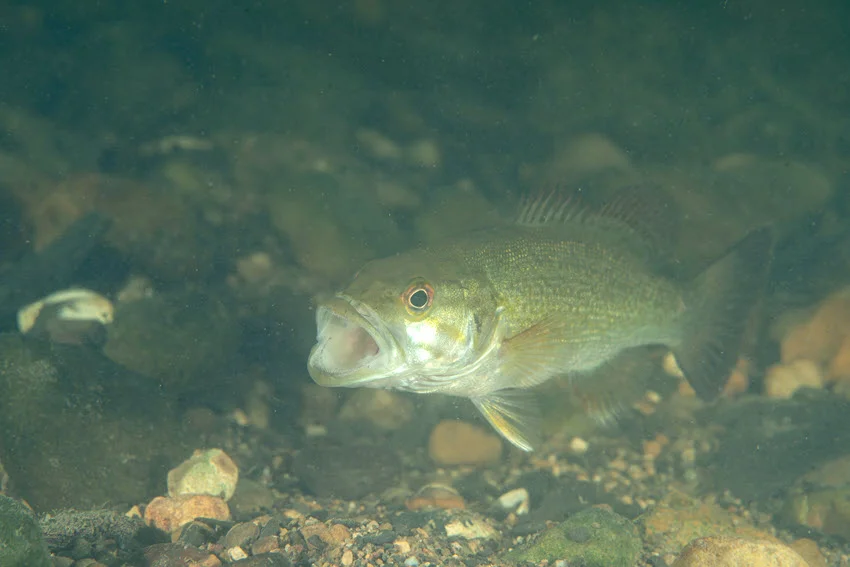
Most anglers confuse Spotted Bass with Largemouth Bass, but the Spotted Bass is more petite and more slender. They have dark spots along the lower sides and a jaw that does not extend past the eye. Their dorsal fins are more connected.
Spotted Bass usually grow between 12 and 17 inches long. Their weight is around 1 to 3 pounds. Some can reach up to 5 pounds, but that's less common.
They live in freshwater lakes and rivers, mainly in the southeastern U.S. Spotted Bass like current, rocks, and submerged trees. They also inhabit deeper, clearer lakes.
You can find them while fishing in rivers with steady flow, especially near rocky points and ledges. In reservoirs, look for them near dam walls, creek channels, and steep drop-offs.
They bite well in spring during spawning. Fall can also be productive. Early morning and overcast days work best, especially near cover.
They are more active when water temperatures range from 60 to 75°F. In summer, they may move deeper, but you can still catch them with finesse lures.
Use a medium spinning or baitcasting rod with 8 to 15-lb test line. A 6'6" to 7' rod works well in open or moderate cover. Use lighter tackle in clear water.
If you're fishing in deeper lakes or rivers, a sensitive rod helps you feel even the lightest bites. A fluorocarbon line is also beneficial when fishing finesse rigs in clear water.
Jigs, finesse worms, and drop shot rigs are great choices. Crankbaits and spinnerbaits work around rock piles and ledges. Try swimbaits when they chase baitfish.
Use natural colors (green pumpkin or shad). In clear water, small soft plastics work great. Around current or cover, reaction baits like chatterbaits can trigger strikes.
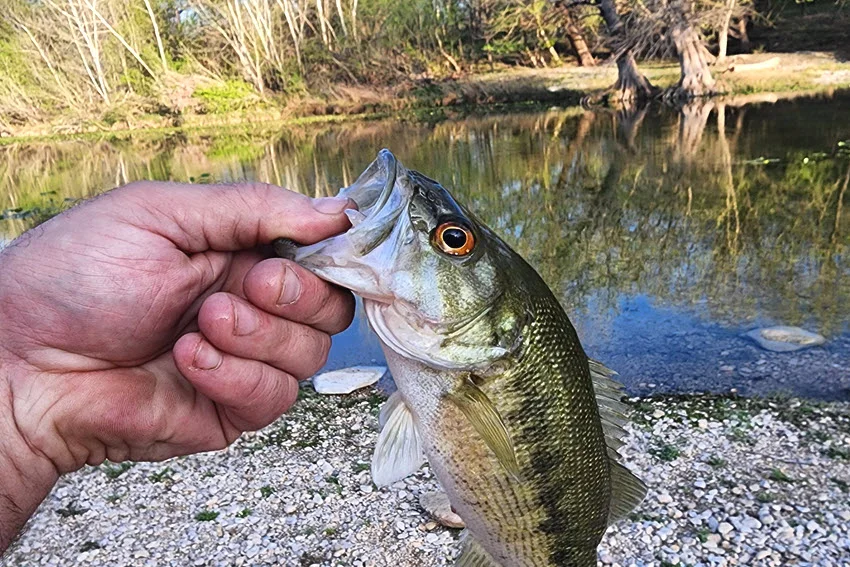
Guadalupe Bass are small and green, with dark vertical bars along their bodies. They resemble Spotted Bass but have a more slender body shape. Their jaw does not reach past the eye.
They usually grow up to 12 inches and rarely weigh more than 1.5 pounds. These fish are the state fish of Texas and are valued for their unique habitat and limited range. Their size makes them great fun on light tackle.
They live in freshwater rivers and streams in central Texas. These fish prefer flowing water, rocky bottoms, and shaded areas near cover. They're found mostly in the Guadalupe River system.
You can also find them in the Colorado and Llano River systems. Look for them near boulders, undercut banks, and riffles where they wait to ambush prey.
Spring and early summer are best. They feed more actively when water temperatures are between 60°F and 75°F. Fish during the day in shaded, moving water.
In summer, try fishing early or late when it's cooler. During hot afternoons, they may hide in deeper pools or under rocks to avoid the heat.
In winter, Guadalupe bass become less active. Focus on fishing during the warmest part of the day, usually in the afternoon. Target deeper pools where they seek stable conditions..
Use ultralight to medium-light rods with 4 to 8-pound test line. A spinning setup is most effective in narrow rivers and creeks. Light gear makes the fight more fun.
A sensitive rod helps detect bites in the current. Small reels with smooth drag help when these fish dart around rocks and obstacles.
Use small crankbaits, inline spinners, and soft plastics. Finesse worms and grubs are also good in clear water. Topwater lures can work early in the morning.
Match your lure color to the local forage. Shad and minnows are common prey. In deeper pools, try jigs bounced along the bottom.
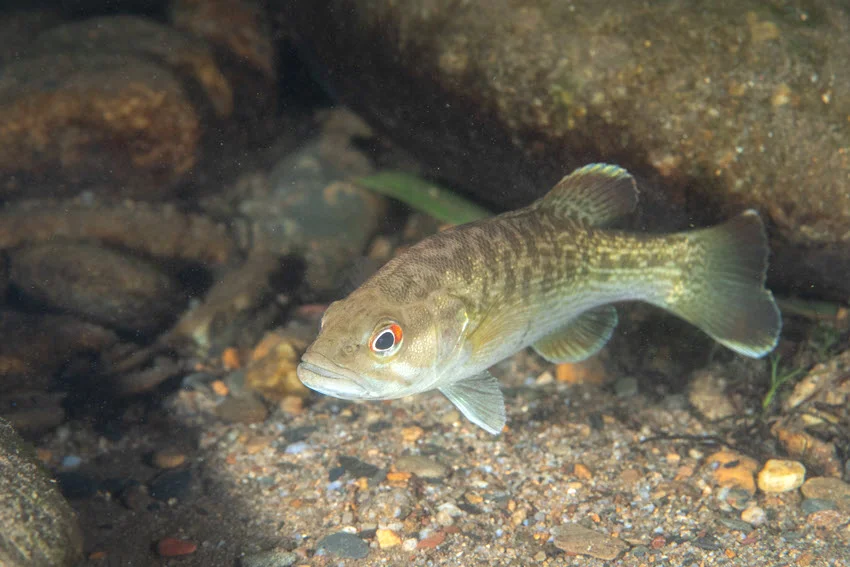
Redeye Bass are small, bronze-green fish with red eyes and faint vertical bars. They often have blue or white edges on their tail and fins. They resemble other small Bass species.
They typically measure less than 12 inches and weigh less than 1 pound. Their unique red eyes make them easy to identify, especially when the light hits just right.
They inhabit clear, cool streams and rivers in the southeastern U.S., particularly in Alabama, Georgia, and South Carolina. They prefer rocky areas and fast-moving water.
Redeye Bass are most active in mountain streams. Look for them in riffles, runs, and pools near boulders or fallen logs.
Late spring through early fall is the best time to target them. They feed actively during the warmer months and daylight hours. Shady pools and runs are good places to try.
Midday fishing can be effective in clear mountain streams, particularly when the water is shaded. Small insects and baitfish stir up activity.
Use a light spinning gear with a 4 to 8-lb line. A 6-foot rod gives reasonable control in tight spaces. These fish don't need heavy tackle.
A fast-action rod allows accurate casts. It works well in small streams. Use a small reel for balance. It will also provide smoother casting.
Try small topwater lures, soft plastic grubs, and inline spinners. Crayfish imitations also work near rocks and in current. Use natural colors in clear water.
In low water, try finesse techniques. A tiny jighead with a small worm is effective. Redeye Bass will often strike when a lure drifts naturally in the current.
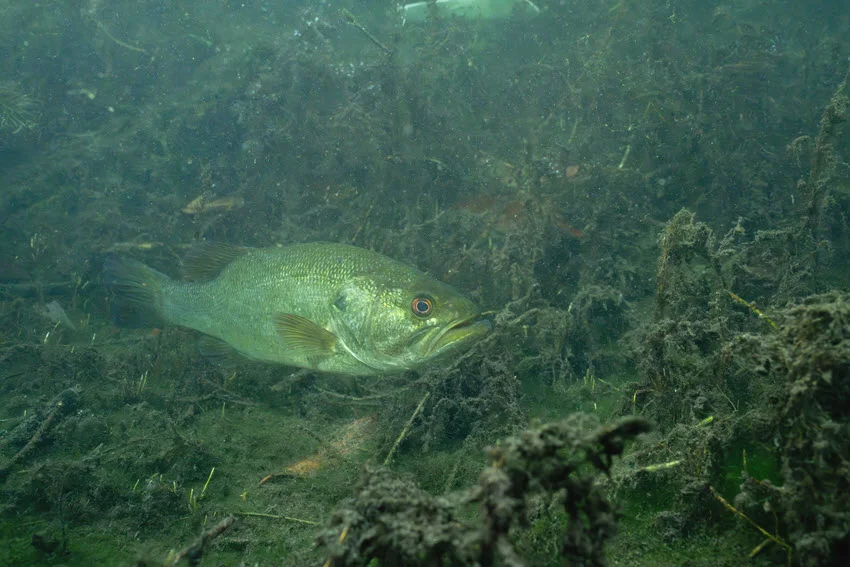
Florida Bass is a subspecies of Largemouth Bass. They look very similar, but can grow much larger in the right conditions. These fish have a dark green back and light green sides with irregular blotches.
Their jaw is broad and extends past the eye, similar to that of the common Largemouth. Their average length is 15 to 25 inches. Big ones can weigh 10 to 15 pounds or more.
Florida Bass live in freshwater lakes, ponds, canals, and slow rivers. They are most common in Florida waters but can also be found in nearby southeastern states.
These fish prefer warm, shallow waters with heavy vegetation. Thick cover, such as lily pads, grass mats, or fallen trees, provides them with shelter and ambush points for prey.
The best time to catch Florida Bass is in the spring, during their spawning season. They move into the shallows to make beds, making them easier to find.
Early morning is the most productive time of day. Late evening is also a solid period for Bass fishing. In hot summer months, they go deeper in the water. They also hide in thick shade to avoid the heat.
A medium-heavy baitcasting rod is ideal for fighting big Florida Bass. Use a 12 to 20-pound test line, especially in weedy or muddy areas.
Braided line provides extra strength and helps you pull fish out of thick vegetation. A strong reel with good drag is also important for landing larger Bass.
Soft plastic worms are a top choice. Creature baits also work very well. They are effective when fished slowly through heavy cover. Frogs and topwater lures are great early in the morning. Additionally, you can use them in areas with dense vegetation.
In open areas or deeper zones, try crankbaits or spinnerbaits. Flipping jigs are also effective near structures.
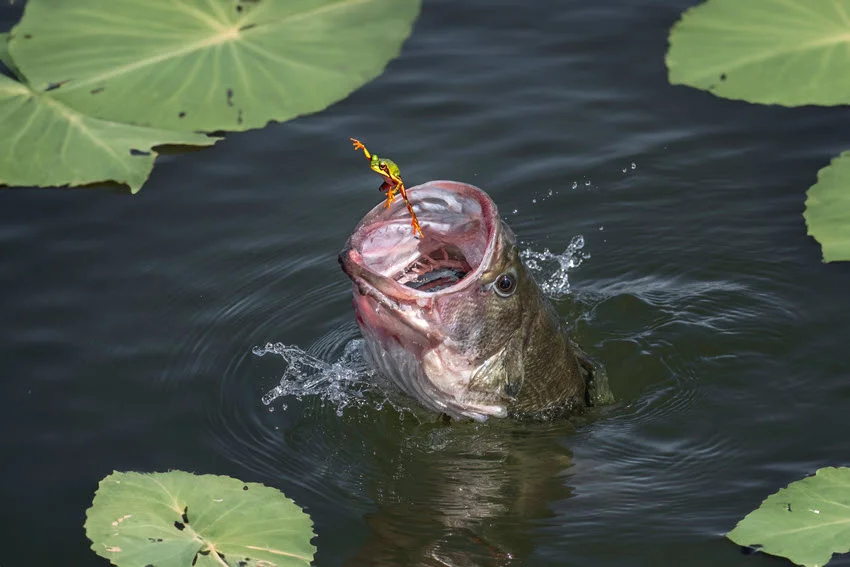
Bass live in freshwater lakes, rivers, and reservoirs. They like places with cover. Weeds, logs, and rocks are among them. To catch Bass, you need to find these spots and use the right bait. Patience and observation help a lot.
Use a variety of lures. Plastic worms, crankbaits, and spinnerbaits are very effective. Cast near structures where Bass hide. Try fishing early in the morning when Bass are most active. Vary your retrieve speed to find what the fish want. If you don't get bites, move to a different spot or change your lure. Watch your rod tip carefully for subtle strikes.
These tips are suitable for both beginners and experienced anglers. Learning local water conditions and Bass habits will improve your catch rate.
Understanding fishing regulations and preserving specific fish species contributes to protecting fish populations and ecosystems and promoting responsible angling practices.
Anglers Booking Team
Bass fishing is fun and exciting, but safety and rules are important, too. Handling big Bass can be challenging. Also, fishing regulations vary by location. Here is what you need to know before you fish.
Be careful when handling Bass. Large fish can thrash and cause injury. Because of that, don't miss the part below. We discussed safety tips for Bass fishing.
Bass may seem calm, but they can be powerful fighters. A bit of caution helps keep you safe and the fish healthy.
Before you go fishing, learn the local rules. Regulations protect Bass populations and their habitats. Following them shows respect for nature and other anglers.
For detailed rules, check with local authorities or visit NOAA Fisheries (U.S.) or the UK Government's Fishing Rules and Permits page. Additionally, state wildlife agencies and organizations such as the American Fisheries Society (AFS) play a key role in the conservation and management of Bass populations through field data and scientific research. The U.S. Fish and Wildlife Service (USFWS) is also a leading force in fish conservation, working to protect habitats and ensure sustainable populations of both Smallmouth and Largemouth Bass across the country.
Bass fishing is more than catching fish. It's about enjoying nature, learning, and doing your part to protect the water and wildlife. Use safe methods, follow the rules, and be kind to other anglers. These small steps make a big difference.
Now it's your turn. What's the most important fishing tip you've learned? Drop it in the comments below. Let's share the knowledge.

The expert copywriters at Anglers Booking have meticulously crafted this article. Our dedicated team of writers provides valuable insights and information to enhance your angling experience.

January 13, 2026

December 2, 2024
Subscribe to our newsletter and receive a selection of cool articles every week.
Embark on unforgettable fishing adventures with us at Anglers Booking.
book your charter
October 2, 2026
September 8, 2026
August 21, 2026
August 18, 2026
August 15, 2026
August 12, 2026
August 8, 2026
August 4, 2026

You're now part of our exclusive community. Get ready for premium content and updates straight to your inbox.
close
Subscribe to our newsletter and receive a selection of cool articles every week.
Please enter a valid email address.
Be the first to know when we're back in action.
Please enter a valid email address.
Leave a Comment
Your email address will not be published. Required fields are marked *
Thank you for your comment! It has been submitted for review and will appear on the site shortly.