


Anglers Booking Team
The expert copywriters at Anglers Booking have meticulously crafted this article. Our dedicated team of writers provides valuable insights and information to enhance your angling experience.
 10 minutes read
Fast, powerful, and incredibly tasty; those are the three traits that define the Wahoo. It is one of the most exciting trophy fish you can catch in warm, open seas. With speeds topping 60 mph, Wahoo are built for the ultimate fight, offering a true challenge for even the most experienced anglers.
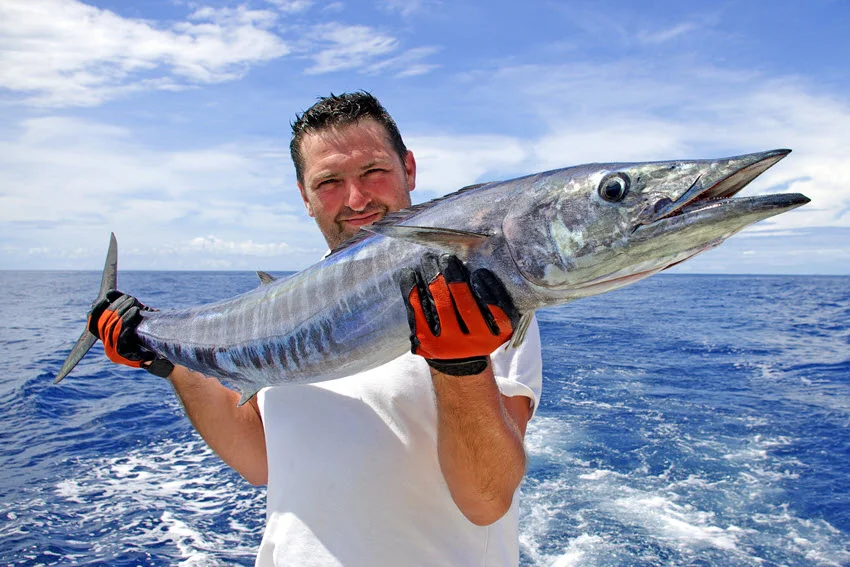
In this guide, you'll learn everything you need to know about targeting Wahoo. From the best gear and bait to prime fishing locations and expert techniques, we've got you covered. Read closely, apply what you learn, and you'll be one step closer to landing this lightning-fast game fish. Let's dive in!
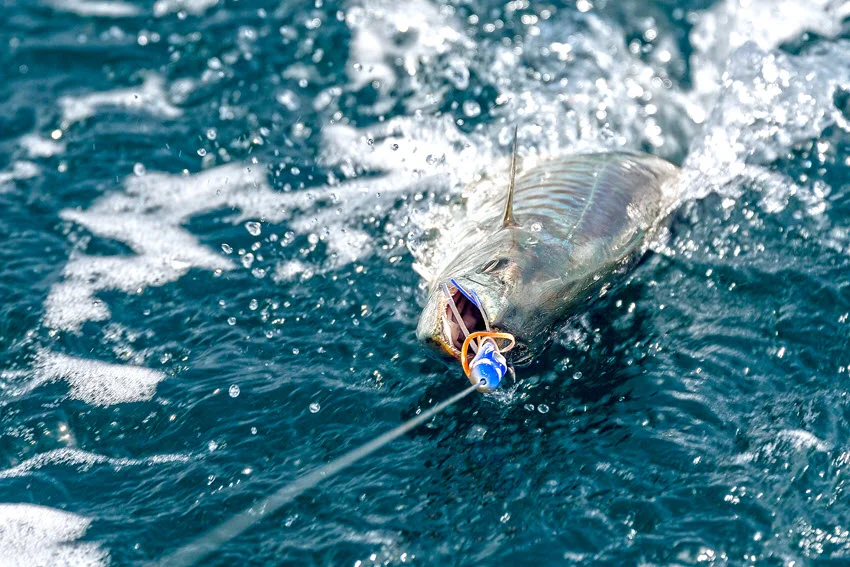
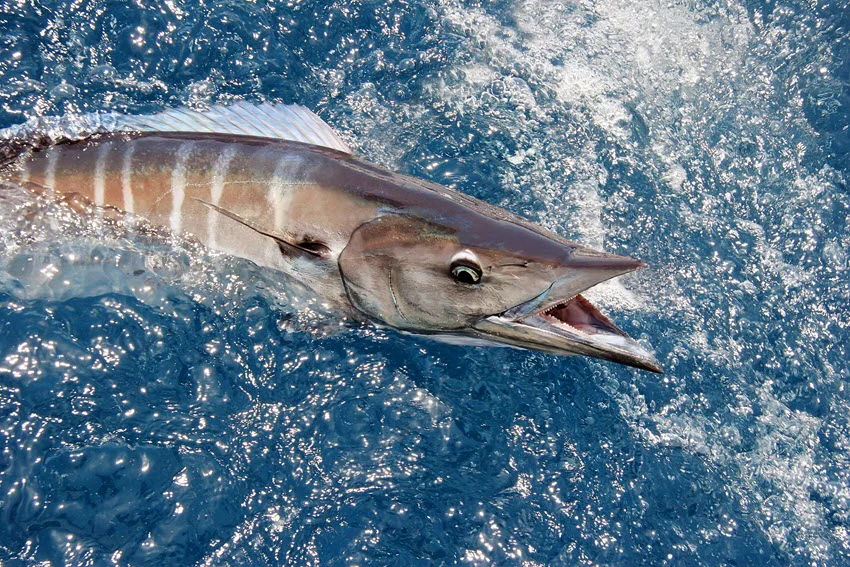
Wahoo (Acanthocybium solandri) are fast, torpedo-shaped fish known for their impressive size. They typically measure between 39 and 66 inches, though some can exceed 80 inches. Most adults weigh 20 to 50 pounds, with trophy fish reaching over 100 pounds. Wahoo has a streamlined body, razor-sharp teeth, and vivid vertical blue bars along its sides. They usually live 5 to 6 years, although some may reach up to 9 years.
The best time to fish for Wahoo depends on the region. Generally, late spring through early winter offers the highest chances of success. In the Atlantic and Gulf regions, the peak season is from June to October. Fishing can be productive year-round in Pacific waters, such as around Hawaii, with slight peaks during the fall months. Wahoo are primarily found in offshore waters at depths ranging from 100 to 300 feet, often near steep drop-offs, underwater ledges, and current lines where baitfish gather.
Their diet is focused on fast-moving prey. They eat small Tunas, Flying Fish, Mackerel, and Jacks. Also, their diet includes other pelagic baitfish. Wahoo is a highly effective hunter. This is thanks to their speed and sharp teeth. Very often, they strike from below or behind. Wahoo use short bursts of speed to surprise and capture their prey.
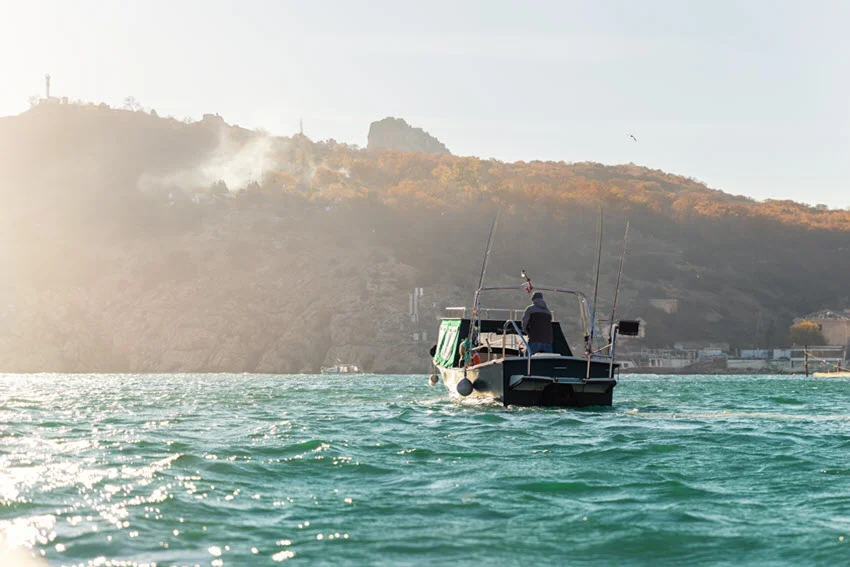
Wahoo can be caught year-round in many regions. Wahoo are migratory predators. Ocean temperatures, lunar phases, and the movement of baitfish influence them. Below, we analyze the best time for Wahoo fishing. There are some periods when fishing can be most successful. We deal with that below.
Wahoo favor moderate to cooler water temperatures. In tropical and subtropical regions like Florida, the Bahamas, and Hawaii, Wahoo can be caught year-round. In the Florida Keys, the fall through early spring period (October to March) is the best time to catch Wahoo, especially around cold fronts and full moon phases. On the Atlantic side near Miami, June to August can also be productive.
In the Gulf of Mexico, spring and fall are prime seasons due to the more favorable temperatures and higher concentrations of baitfish. Around Hawaii, Wahoo are caught consistently year-round, with slight increases in activity from May through October.
Wahoo are crepuscular feeders. They are most active around dawn and dusk. The golden window for Wahoo fishing is considered to be the early morning hours. Wahoo often dive deeper to stay in cooler water layers as the sun rises and surface temperatures increase.
For this reason, getting offshore before sunrise gives anglers the best shot at encountering aggressive fish near the surface. Evening can also produce solid bites. Midday hours can be more difficult unless fishing deep with high-speed trolling or vertical jigging.
Many experienced anglers target intense tide phases, particularly new and full moons, when tidal flow is at its most extreme. These lunar phases create strong incoming and outgoing tides, which move baitfish around ledges.
During outgoing tides, bait is flushed offshore where Wahoo frequently wait in ambush. Tide rips, current edges, and areas where different water masses meet can also concentrate bait and hold feeding Wahoo, even in deep offshore water.
Wahoo fishing is popular worldwide, especially in deep, warm waters. These fish are often found near underwater structures, strong currents, and offshore drop-offs. While they can be found in many regions, some destinations are particularly renowned for their consistent Wahoo action, as explored below.
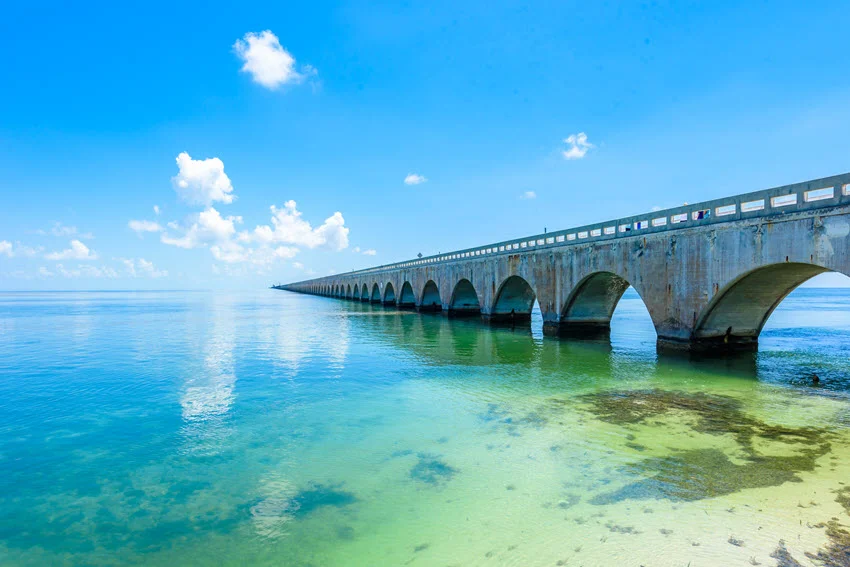
The Florida Keys fishing is one of the most famous destinations in the world for anglers. For Wahoo, the waters off Key West are especially productive. With reefs, wrecks, and deep channels nearby, Wahoo are regularly drawn into these waters to hunt. Fishing for Wahoo is possible throughout the year. Peak action occurs from November through February. During these cooler months, the fish move closer to the reef edges and respond aggressively to trolling lures.
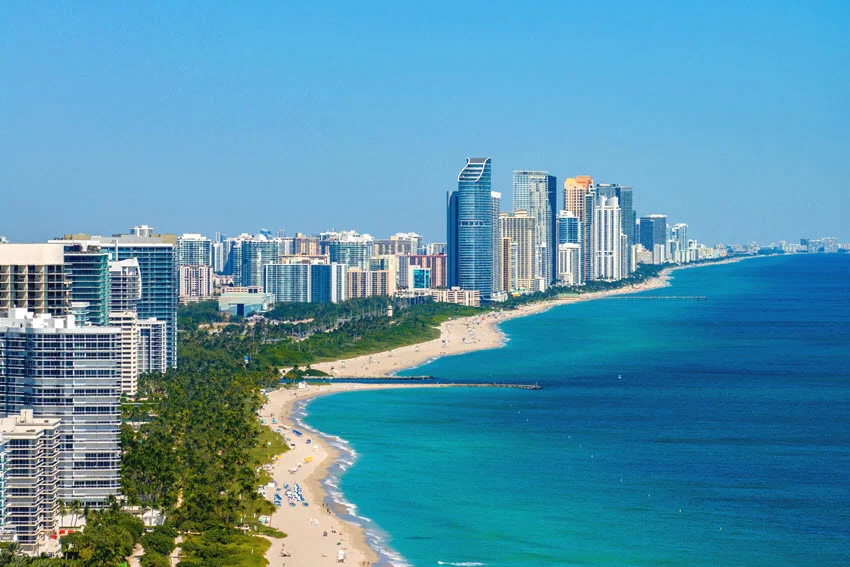
Fishing in Miami offers direct access to the Atlantic Ocean. The proximity of the Gulf Stream, only about three miles offshore, makes it easy for anglers to reach prime Wahoo territory shortly after leaving port. Wahoo are found here year-round. However, a prime time is from early spring through late summer. These months offer warmer surface temperatures.
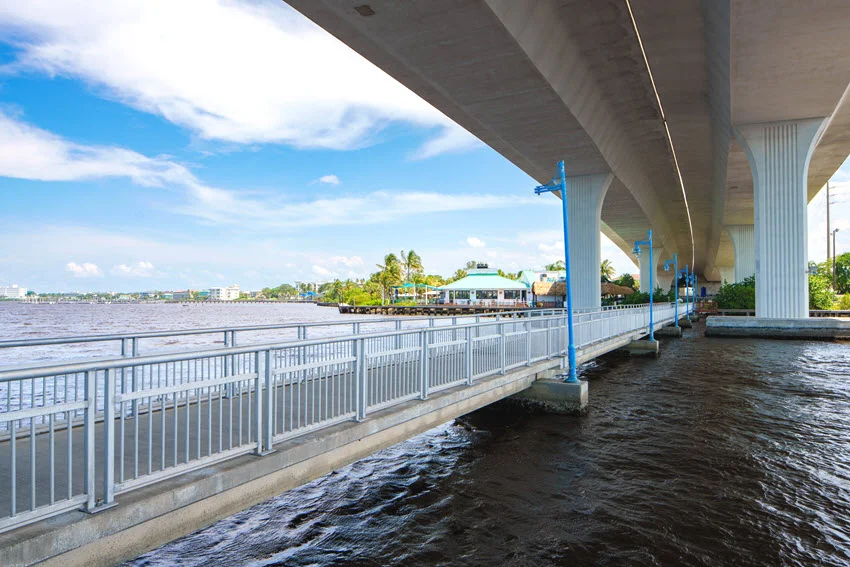
Stuart is another hotspot on Florida's east coast. It has quick access to the Atlantic Ocean. It is known as the "Sailfish Capital of the World." Stuart sees consistent Wahoo action. Prime time here runs from June through August. During this period, surface temperatures rise. Large schools of baitfish pass through the region. Trolling near the edge of the continental shelf can yield excellent results.
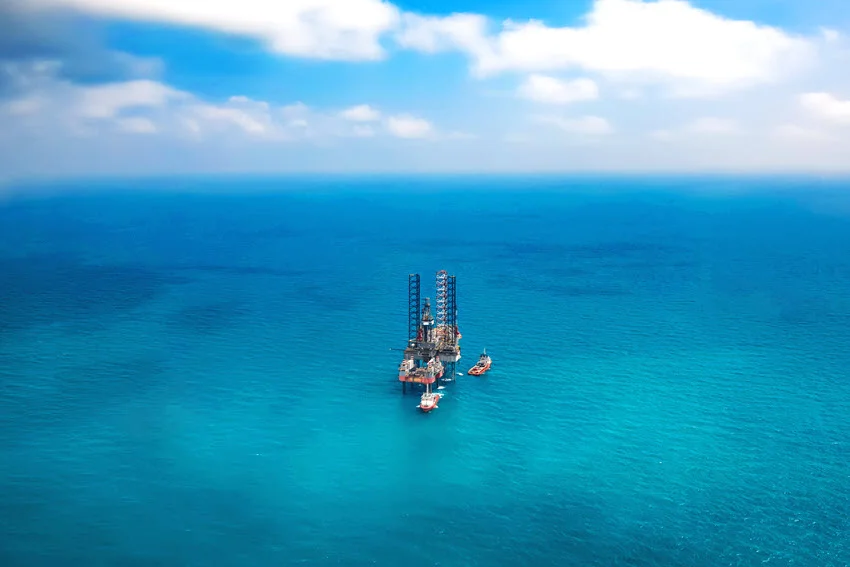
Far offshore in the Gulf of Mexico, oil rigs act as artificial reefs, attracting a wide range of marine life. These structures provide shelter and hunting grounds for Wahoo. The best time to fish these waters is from May to August. Peak activity often occurs early in the morning. Additionally, the period immediately after sunrise can be a productive time.
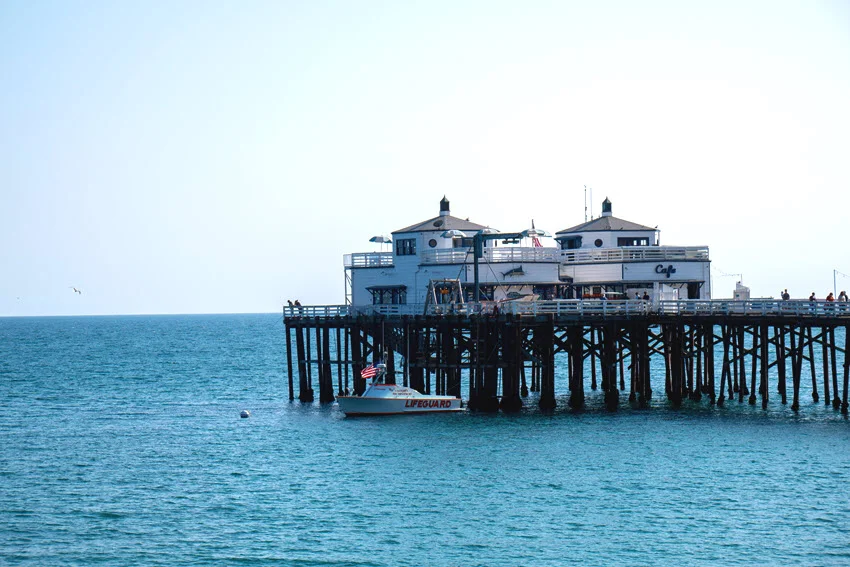
Venice is at the mouth of the Mississippi River. It offers exceptional offshore fishing opportunities. Known for its proximity to deep water, Venice provides a structure-rich habitat that is ideal for Wahoo. These fish inhabit the area year-round and swim around submerged rigs, ledges, and drop-offs. The prime season stretches from January through March.
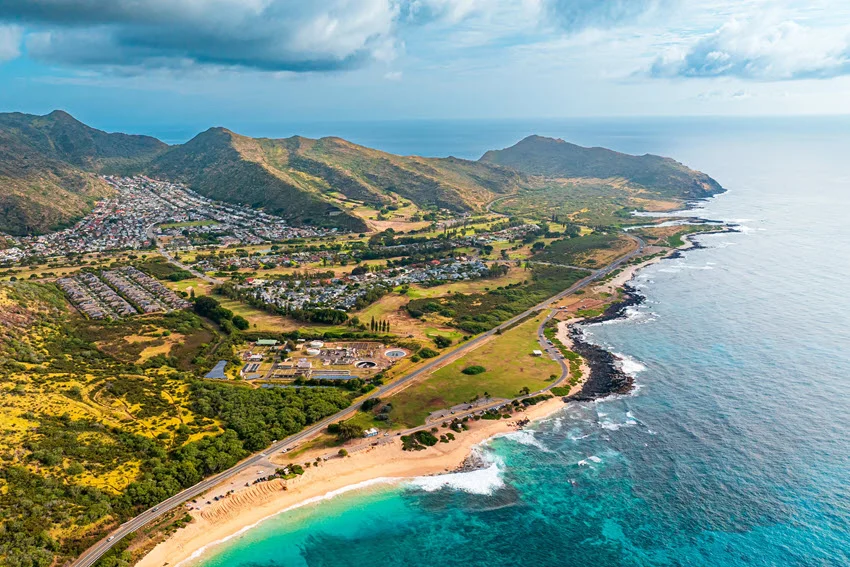
Oahu is the third-largest Hawaiian island. It is surrounded by deep Pacific waters that are home to Wahoo, known locally as "Ono." The underwater topography here quickly drops off into the deep, creating the perfect setting for trolling. Although Wahoo are present all year, the most productive time to fish is between March and September.

Cabo San Lucas is a gateway to the Pacific's rich pelagic waters, located at the tip of Baja California. The proximity of deep ocean trenches means anglers don't have to travel far to reach Wahoo grounds. Fishing here is best from July through November. During this period, water temperatures climb and Wahoo move in to feed on migrating sardines and other baitfish.
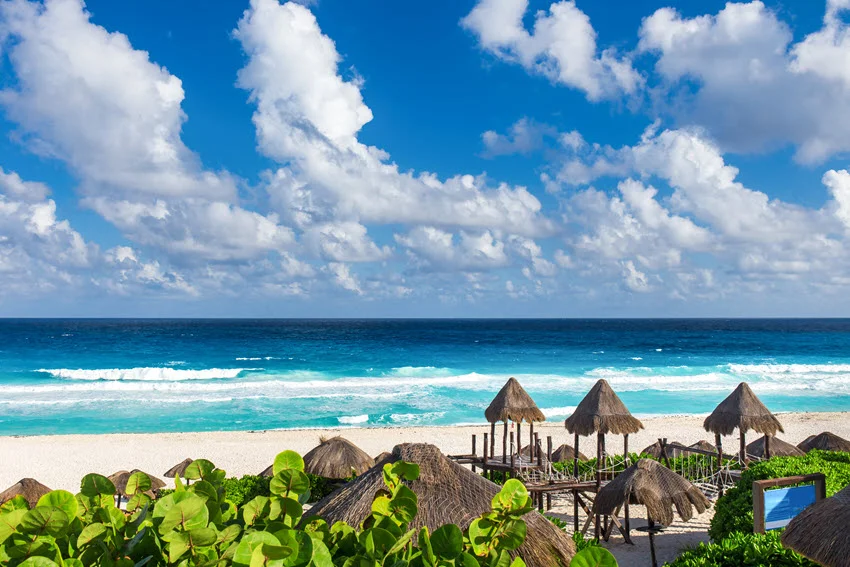
On Mexico's Caribbean coast, Cancún offers excellent access to Wahoo-filled waters. It is situated where the Gulf of Mexico meets the Caribbean Sea. The region features immediate drop-offs and strong currents that attract pelagic predators. March through June is the best time to fish for Wahoo here, as this is when water clarity improves, and large schools of bait attract aggressive feeders.
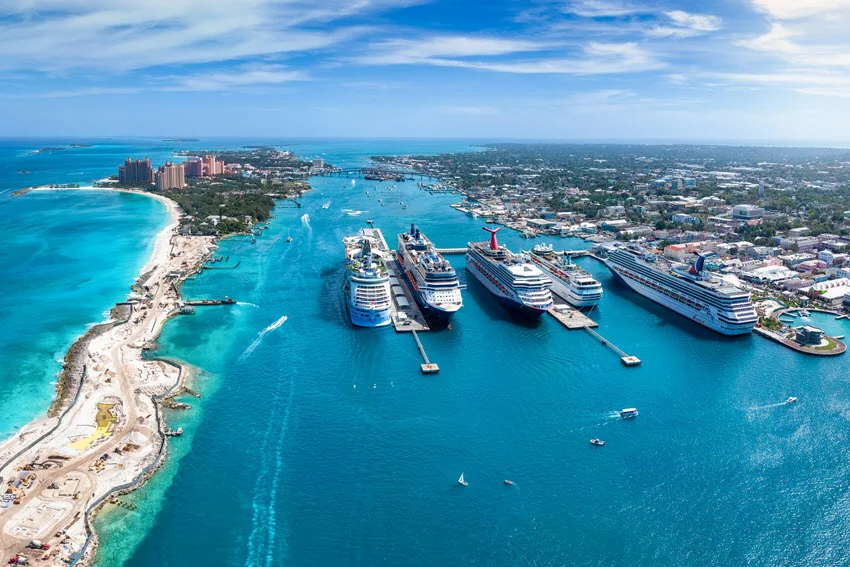
The waters surrounding Nassau are renowned for their clarity, structure, and depth, all of which are ideal conditions for Wahoo. The Bahamas sit along the edge of the continental shelf, with deep water just miles from shore. November through March is the prime time to target Wahoo here, as large migrations sweep through the area in search of food.
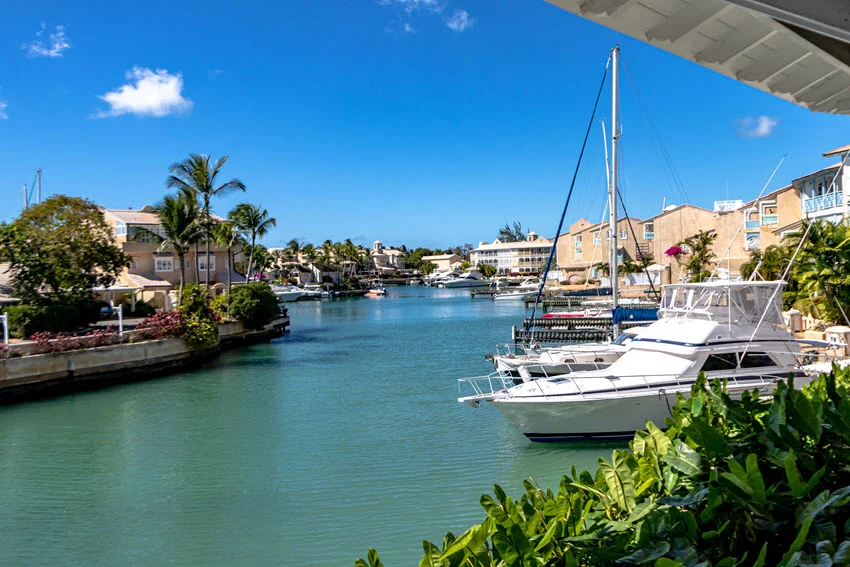
Barbados, located in the southeastern Caribbean, offers quick access to deep water from nearly every point on the island. Wahoo fishing is excellent from November through March, when seasonal movements bring them close to the island's reef edges and underwater drop-offs.
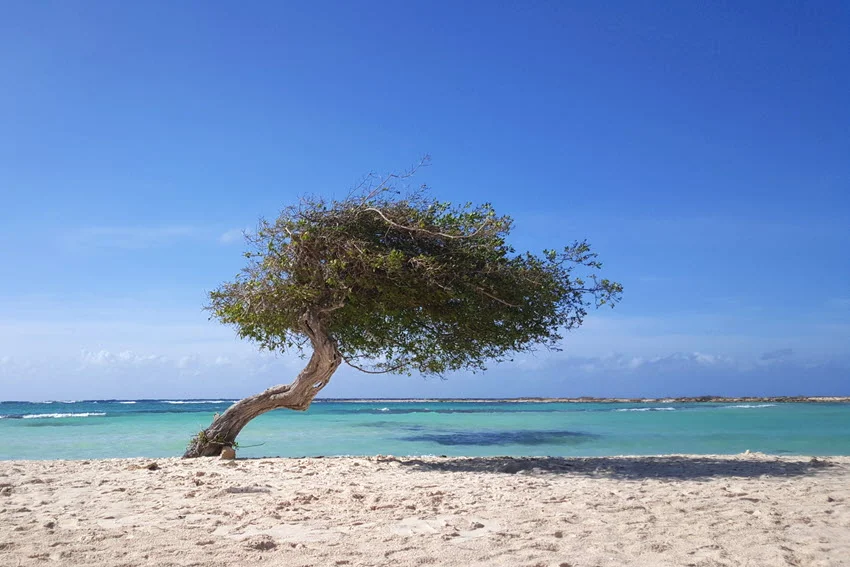
Just off the northern coast of South America, Aruba offers year-round Wahoo opportunities thanks to its steep underwater terrain. The waters here get deep just a few miles offshore, making it easy to start trolling as soon as you leave the dock. While Wahoo can be caught any time, the best months are from March through September.
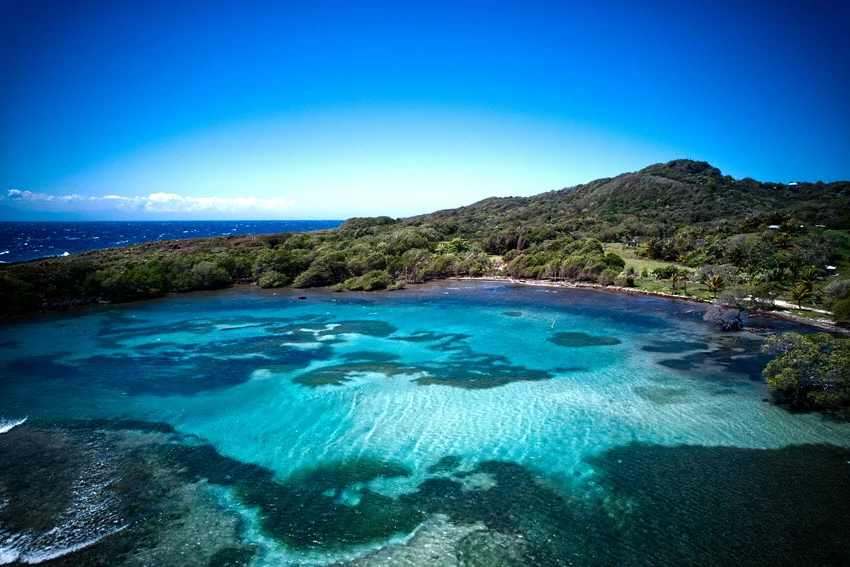
Part of Honduras' Bay Islands, Roatan is a hidden gem for Wahoo fishing. The island's steep drop-offs begin less than five miles offshore, plunging to depths of over 1,000 feet. These waters are home to Wahoo throughout the year, with activity peaking between December and April. The remote, undeveloped nature of Roatan means the local fishery is relatively untouched, increasing your chances of encountering large, unpressured Wahoo.
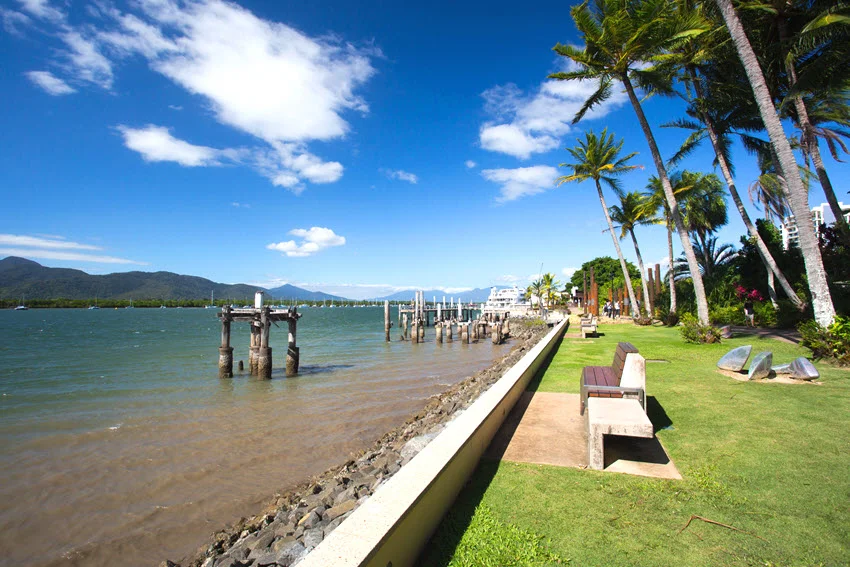
Cairns, in the northeastern part of Queensland, is best known for its proximity to the Great Barrier Reef, but it also offers excellent Wahoo fishing. The Coral Sea's deep waters lie just beyond the reef, creating an ideal environment for offshore predators. December through April is the prime time, when summer temperatures and strong currents bring large numbers of Wahoo into the area.
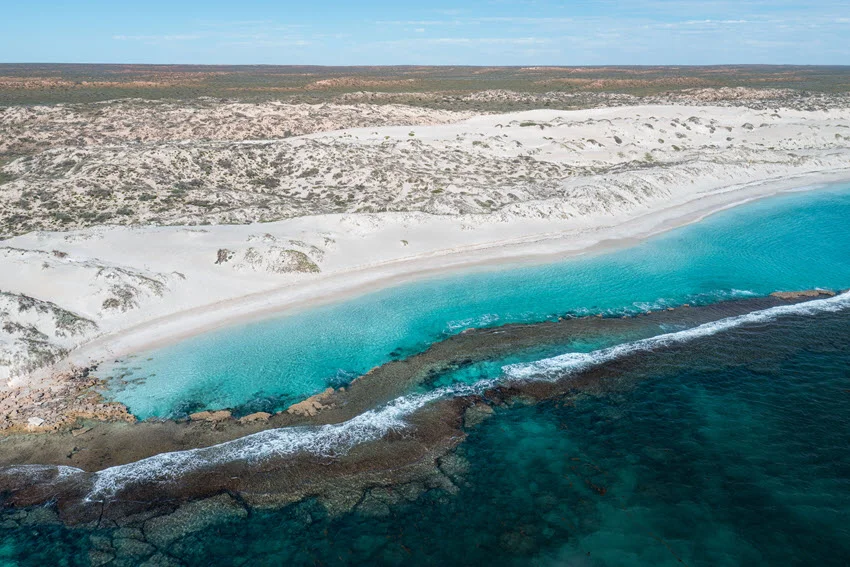
Western Australia features vast stretches of undeveloped coastline and access to the Indian Ocean's deep offshore waters. The Rowley Shoals and surrounding areas near Exmouth are particularly productive for Wahoo, with fish present throughout much of the year. However, the best time to plan a trip is from February through May, when warm currents concentrate fish along reef walls and drop-offs.
Wahoo are known for their incredible speed and solitary behavior, often traveling alone or in pairs, which makes them challenging to locate. However, once you find them, several proven techniques can help you hook and land these powerful fish. We break them down below.
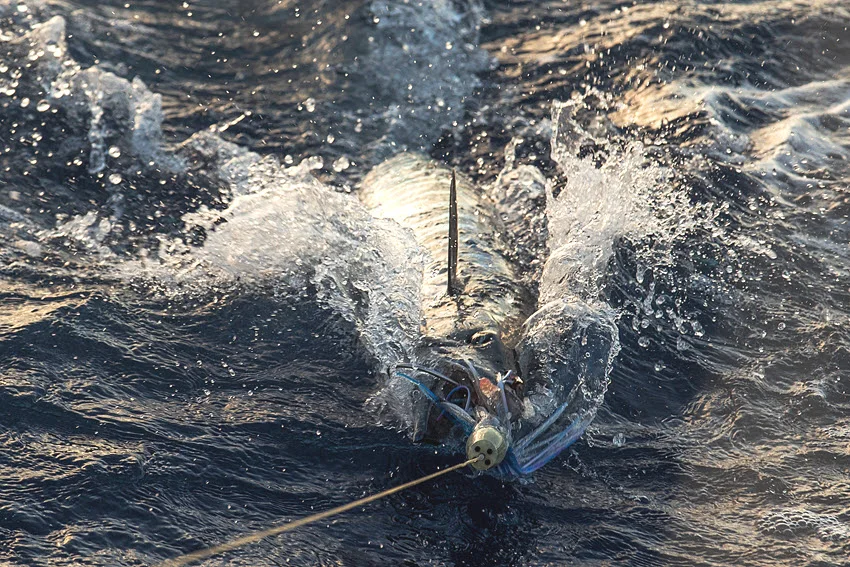
Trolling is the most popular technique for Wahoo fishing. These fish are renowned for their speed, and trolling enables anglers to match that speed while covering extensive areas. Using brightly colored lures that mimic baitfish or live bait such as Mackerel, ballyhoo, or mullet in cut or chunked form is very effective. The setup usually involves a spread of multiple lines.
Lures are positioned at different distances and depths to maximize coverage. Recommended speeds range from 10 to 15 knots to keep up with the Wahoo's fast swimming. Downriggers are often used to reach depths between 20 and 30 feet. Other lures should be kept closer to the surface. A strong 100-lb braided line is typical for this technique. It provides you with the strength needed to handle powerful runs.
While trolling dominates, jigging offers an exciting alternative for catching Wahoo. It could be effective in areas with underwater structures, such as oil rigs or deep shelves. Vertical jigging involves dropping a metal jig to depth. Then, rapidly lifting and lowering the rod to mimic a wounded baitfish. This technique requires stamina and patience.
It can be physically demanding. It's highly effective for targeting Wahoo near the bottom or around structures. Using a stiff 7 to 8-foot jigging rod paired with a high-speed reel capable of fast retrieves helps keep the action lively. Jigging is especially popular in areas such as the Gulf of Mexico.
Like with any predatory fish, knowing what Wahoo find irresistible is the key to success. These hunters respond aggressively to movement, flash, and color. Understanding which bait to use is fundamental. Here's what to know next.
Wahoo are carnivorous by nature. They are particularly drawn to oily, fast-moving baitfish. Some of their favorite meals include Blue Runners, Bonito, squid, and octopus. Also, they eat small fresh crabs. Anglers often use these baits whenever possible. They are slow-trolling them behind the boat to mimic a struggling fish. If live options aren't available, fresh dead bait or cut bait can also work.
When live bait isn't an option or when convenience is key, dead bait or cut bait can still deliver results. Mackerel, mullet, and ballyhoo, cut into chunks or strips, are great for trolling or drifting. The scent trail these baits leave behind can attract Wahoo from a distance. Some anglers prefer using dead bait rigged with a flashy skirt, which could improve visibility and add movement. Dead bait is especially effective when paired with high-speed trolling setups.
Artificial lures are a staple in Wahoo fishing due to their durability, speed, and visual appeal. Lures that work best usually have flashy, metallic finishes. Popular options include high-speed trolling lures. These lures come in a variety of shapes and sizes. They are often rigged with heavy-duty hooks and wire leaders, which are necessary to withstand the sharp teeth and aggressive strikes of Wahoo.
When discussing baits, it's essential to note that color selection plays a vital role in achieving fishing success. Bright colors are commonly used, including purple, black, red, green, and blue. The key is to match your lure's color with the lighting and water clarity. Darker colors are a solid option on overcast days or in deeper water. Flashier, reflective lures shine brightest under full sun and in clearer conditions.
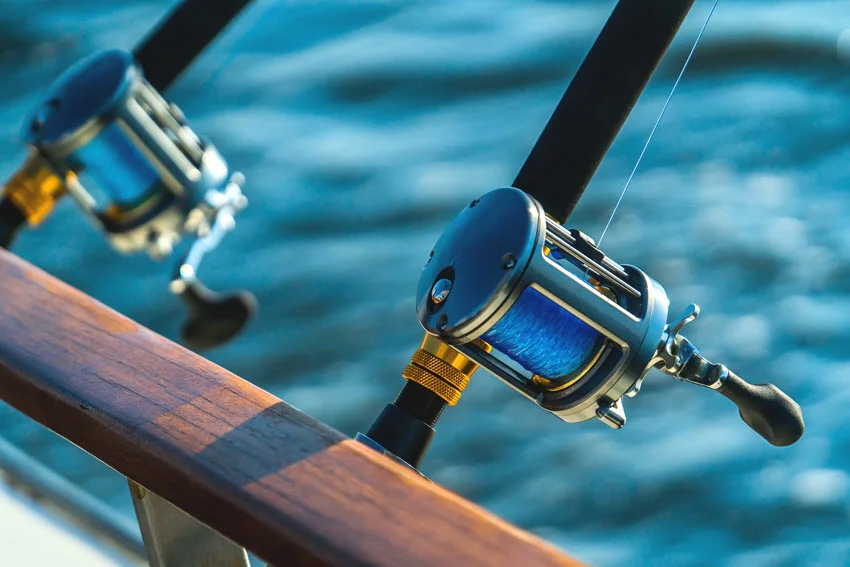
Wahoo are known for their razor-sharp teeth, which makes them one of the most thrilling pelagic species to catch. For success in fishing, you need to have the right gear.
When targeting smaller Wahoo in the 15 to 40-pound range, a medium-heavy conventional or spinning setup will suffice. Opt for a 6'6" to 7' rod rated for 30 to 50-lb line, paired with a high-speed reel capable of quick line retrieval.
Braided line in the 65 to 80-lb range offers both sensitivity and strength. A fluorocarbon or monofilament leader, around 150 to 200-lb, adds abrasion resistance. A short wire leader (30 to 60-lb) is often added to avoid bite-offs. This setup is well-suited for high-speed trolling and vertical jigging in mid-depth waters.
Larger Wahoo, especially fish in the 50 to 100-lb class, require much heavier-duty tackle. A heavy-action trolling rod matched with a lever-drag conventional reel is a standard choice. These reels should be filled with 100-lb braided line and backed with a 300-lb monofilament shock leader.
Add a short wire leader or cable to protect against their sharp teeth. Terminal tackle should include high-strength swivels and 10 to 16 oz sinkers for deep trolling. This heavy gear is designed for high-speed trolling at 12 to 18 knots and long battles offshore.

Understanding fishing regulations and preserving specific fish species contributes to protecting fish populations and ecosystems and promoting responsible angling practices.
Anglers Booking Team
Wahoo is one of the most thrilling and delicious pelagic species you can catch in U.S. waters, especially around Florida. Before heading out, you must know the regulations related to Wahoo fishing. Below, we break down everything you need to know.
Regardless of where you launch from, always double-check regional rules. Wahoo may be easier to harvest than many other species, but following the rules remains crucial.
We've reached the very end. As you can see, Wahoo fishing is a real challenge for anglers. It is essential to know at least the basic things about the behavior of this fish. This will improve your chances of fishing success.
Now that you're ready to chase Wahoo, where will you start? Explore top destinations, grab the right gear, and let us know how your trip goes!

The expert copywriters at Anglers Booking have meticulously crafted this article. Our dedicated team of writers provides valuable insights and information to enhance your angling experience.

January 23, 2025
June 13, 2025
Subscribe to our newsletter and receive a selection of cool articles every week.
Embark on unforgettable fishing adventures with us at Anglers Booking.
book your charter
September 8, 2026
August 21, 2026
August 18, 2026
August 15, 2026
August 12, 2026
August 8, 2026
August 4, 2026
April 17, 2026

You're now part of our exclusive community. Get ready for premium content and updates straight to your inbox.
close
Subscribe to our newsletter and receive a selection of cool articles every week.
Please enter a valid email address.
Be the first to know when we're back in action.
Please enter a valid email address.
Leave a Comment
Your email address will not be published. Required fields are marked *
Thank you for your comment! It has been submitted for review and will appear on the site shortly.