


Anglers Booking Team
The expert copywriters at Anglers Booking have meticulously crafted this article. Our dedicated team of writers provides valuable insights and information to enhance your angling experience.
 9 minutes read
The Spotted Seatrout is also known as Speckled Trout. It is one of Florida's most popular inshore game fish. These fish inhabit grass flats, oyster bars, and shallow coastal waters where they can feed, spawn, and grow.
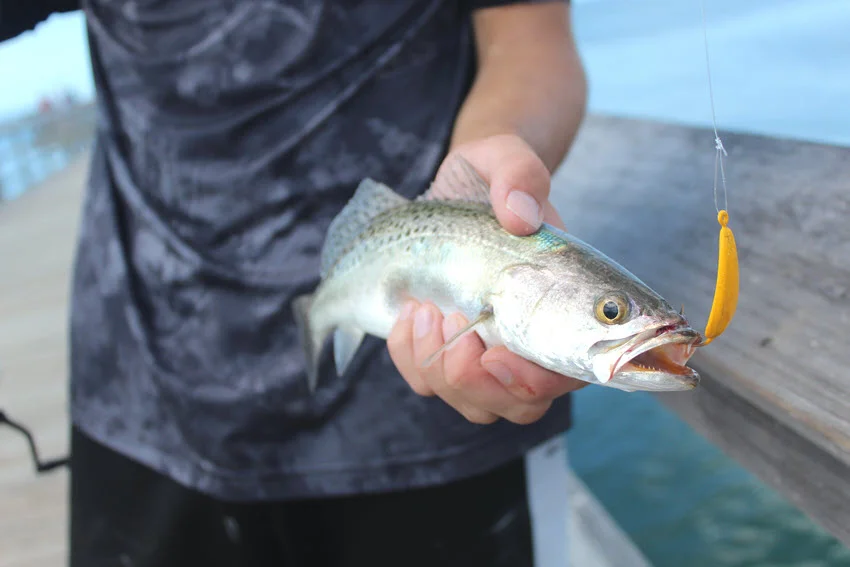
The Florida Fish and Wildlife Conservation Commission (FWC) follows Spotted Seatrout populations from year to year. Because of their popularity and habitat pressure, this species is strictly protected. Knowing the current regulations and seasonal habits is vital for all anglers. In this article, you will learn all the essentials about the Spotted Seatrout season in Florida.
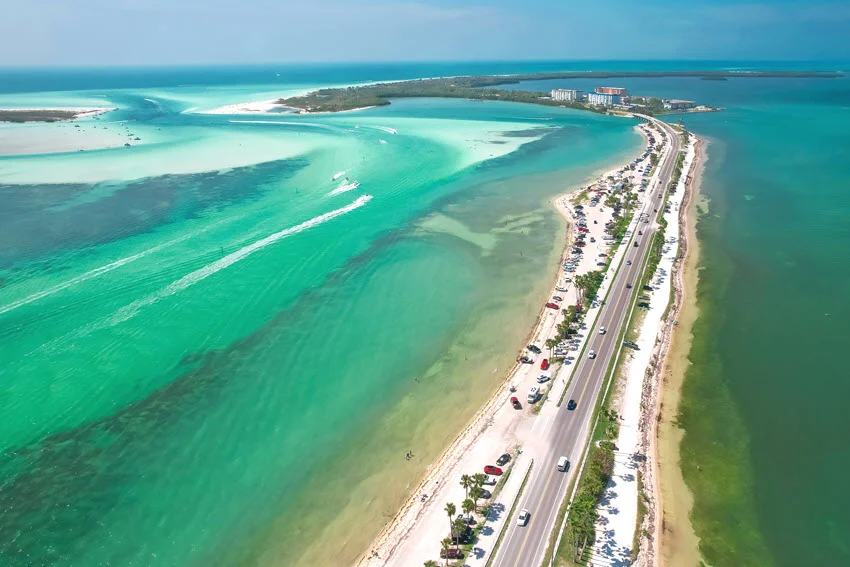
Florida manages Spotted Seatrout with region-based rules. This guide presents the current five-region setup: Western Panhandle, Big Bend, South, Central East, and Northeast. Always verify your region and current limits before you fish.
The Central East FWC region, which covers Palm Beach through Volusia counties, is open to recreational harvest from January 1 through October 31 and closed from November 1 through December 31. Each person may keep 2 fish per day. Each fish must measure between 15 and 19 inches total length.
In the Northeast region, recreational harvest is open year-round. Each person may keep 5 fish per day. Each fish must measure between 15 and 19 inches total length.
For the Atlantic Coast management regions, anglers may keep one overslot fish per vessel when fishing from a boat, or one overslot fish per person when fishing from shore. That overslot fish counts toward the daily bag limit, not as an extra fish.
Across the Gulf Coast regions, Spotted Seatrout must measure between 15 and 19 inches total length. Anglers may keep one overslot fish (over 19 inches) per vessel when fishing from a boat, or one overslot fish per person when fishing from shore.
On the Western Panhandle coast, anglers are limited to 3 fish per person per day, with a February closure. By comparison, Big Bend remains open year-round in most state waters, and the daily bag limit is 5 fish per person.
In the South region, regulations allow each person to keep 3 fish per day, and harvest is open year-round. Special regulations apply to this species when fishing in Biscayne National Park, so confirm the park rules on the FWC website if fishing there.
These rules help keep Spotted Seatrout populations healthy. By limiting catches and protecting larger breeding fish, the FWC ensures there are plenty of fish to enjoy now and in the future.
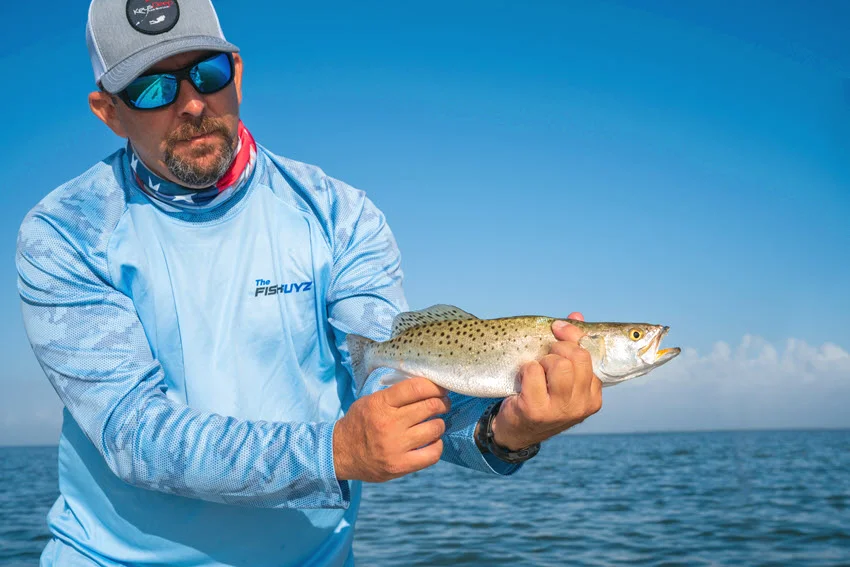
Spotted Seatrout live in shallow bays, grassy flats, and tidal creeks. In these areas, they hunt shrimp, small crabs, and baitfish. Their spotted bodies help them blend into the sandy or grassy bottom, giving them an advantage when hunting.
They prefer warm, shallow water, usually between 68°F and 86°F. In colder months, Spotted Seatrout move to deeper channels or nearshore waters to stay comfortable. They are susceptible to changes in water temperature, so weather and tides have an important role in where they hold. Calm conditions and moving tides usually offer the best bite.
During spring and summer, these fish gather in large numbers to spawn, mainly around grass flats and sandy holes with good tidal flow. Early morning is usually the best time to catch this fish, and late evening can also produce solid results.
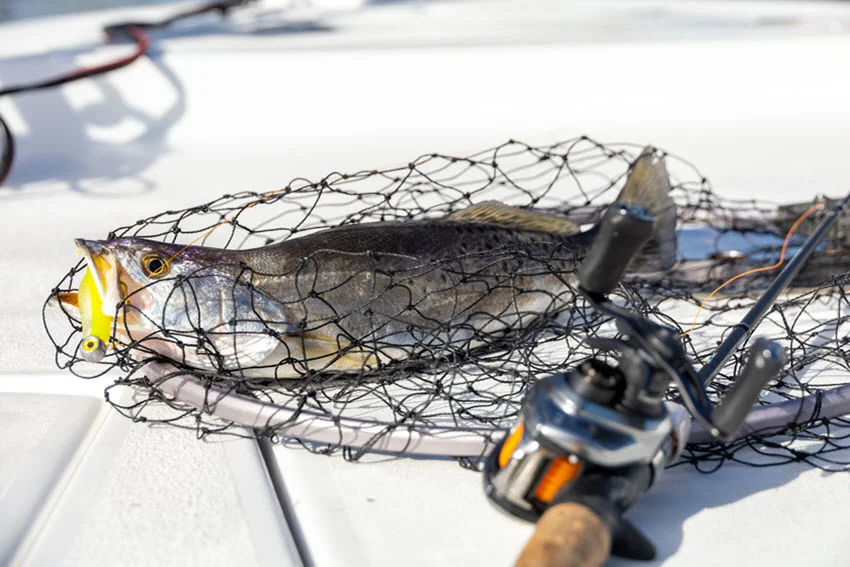
While Spotted Seatrout can be caught throughout the year, the best fishing takes place from late spring through early fall, especially April through September. During this period, water warms up, and baitfish are abundant, making them more active and easier to target.
During the colder winter months, fish tend to hold in holes, rivers, or protected bays to stay warm. Slow presentation styles when fishing with soft plastic lures are most effective.
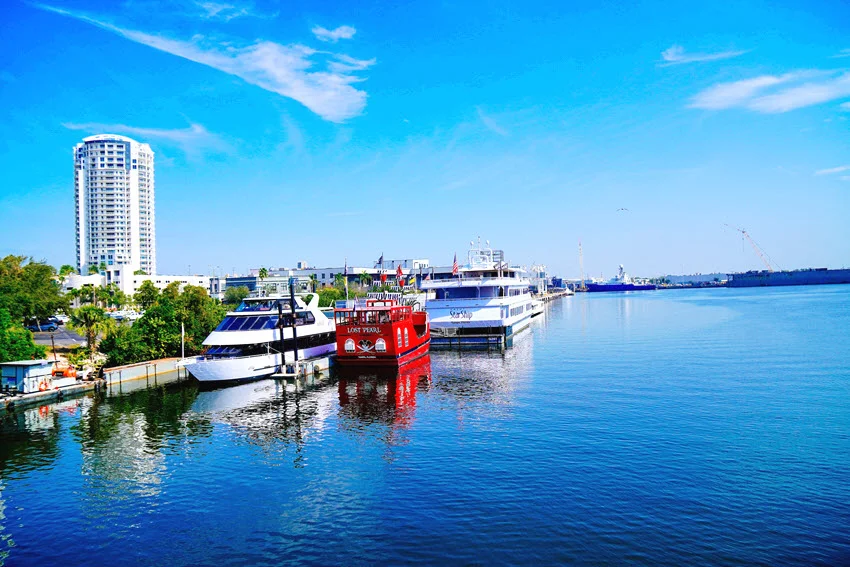
In Florida, there are infinite locations where you can easily find and catch Spotted Seatrout. You only need to choose a suitable location based on your preferences, then enjoy your journey. Below are the most preferred locations in Florida to catch this species.
Everything can be found in these places, from quiet kayak trips to heart-pounding inshore action. Just choose which place you find best for you and just go there to enjoy an adventure.
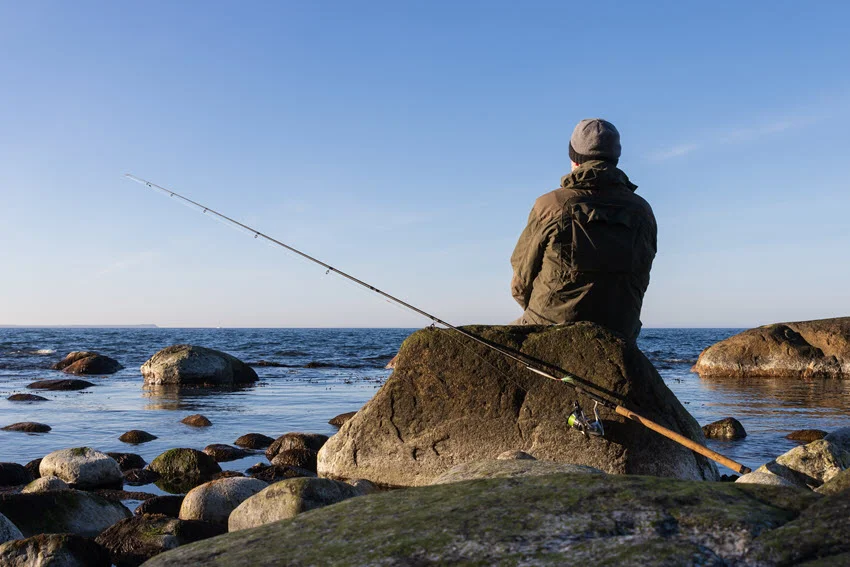
Having the proper setup makes a big difference when fishing for Spotted Seatrout. This species prefers light tackle and stealthy presentations. Here's what works best.
When using natural bait, stick to a single-hook setup, as multiple hooks with natural bait are not allowed for harvest. Spotted Seatrout have soft mouths, so use smooth drag, keep hooks sharp, and avoid setting the hook too hard.
Understanding fishing regulations and preserving specific fish species contributes to protecting fish populations and ecosystems and promoting responsible angling practices.
Anglers Booking Team
Before targeting Spotted Seatrout in Florida, have the correct fishing license and follow local regulations. A Florida saltwater fishing license is required unless you qualify for an exemption. Some Florida residents fishing from shore may qualify for a free shoreline license or other exemptions, so confirm your license requirement on the official FWC website before your trip.
Always check the current FWC rules for your specific region, since seasons and bag limits vary statewide. On for-hire trips, the captain and crew have a zero-bag limit for Spotted Seatrout.
Violating regulations or fishing without a license can result in fines, citations, and the confiscation of catch and gear.
Spotted Seatrout are delicate fish with soft mouths, so be careful. Avoid dragging them onto dry surfaces, because this can cause serious injuries. If releasing, keep it in the water long enough and allow it to swim off on its own.
Catch-and-release is strongly encouraged, especially for large breeding females over 19 inches. If you keep a fish within legal limits, place it on ice immediately and handle it humanely.
Handle Spotted Seatrout gently and always follow the rules. Be careful with big fish, release them when possible, and treat all fish humanely to keep populations stable.
The Florida Spotted Seatrout fishery offers anglers some of the most rewarding inshore experiences in the state. Whether you enjoy drifting across grassy flats, casting topwater lures at sunrise, or wading quiet bays in search of trophy Spotted Seatrout, understanding this species is key to success.
To enhance your catch and support the future of the Spotted Seatrout population, it's essential to fish within legal limits and use appropriate light tackle. Always check the FWC for the most current fishing regulations, as they are subject to change.
What is your favorite place to catch Spotted Seatrout? Which lure or tactic worked well? We are happy to see your answers in the comments below.
Disclaimer: Fishing regulations and open seasons may vary by region and are subject to change. The information in this guide is for general reference only. Learn the latest fishing rules, size limits, and season dates on the official websites of the state or federal government before your trip.

The expert copywriters at Anglers Booking have meticulously crafted this article. Our dedicated team of writers provides valuable insights and information to enhance your angling experience.
September 29, 2025

February 22, 2025
Subscribe to our newsletter and receive a selection of cool articles every week.
Embark on unforgettable fishing adventures with us at Anglers Booking.
book your charter
October 2, 2026
September 8, 2026
August 21, 2026
August 18, 2026
August 15, 2026
August 12, 2026
August 8, 2026
August 4, 2026

You're now part of our exclusive community. Get ready for premium content and updates straight to your inbox.
close
Subscribe to our newsletter and receive a selection of cool articles every week.
Please enter a valid email address.
Be the first to know when we're back in action.
Please enter a valid email address.
Leave a Comment
Your email address will not be published. Required fields are marked *
Thank you for your comment! It has been submitted for review and will appear on the site shortly.