


Anglers Booking Team
The expert copywriters at Anglers Booking have meticulously crafted this article. Our dedicated team of writers provides valuable insights and information to enhance your angling experience.
 13 minutes read
Gulf Shores is one of the easiest Alabama Gulf Coast destinations to understand at first glance, but it gives anglers more variety than the beach view suggests. Between Little Lagoon, beach surf, Gulf State Park Pier, nearby passes, inshore water, and reef structure offshore, fishing in Gulf Shores can be as simple or as ambitious as you want it to be.
The key is matching the target to the water in front of you. A family beach session, a light-tackle inshore trip, a pier outing, and a reef run are all different plans, even when they happen within the same general area.
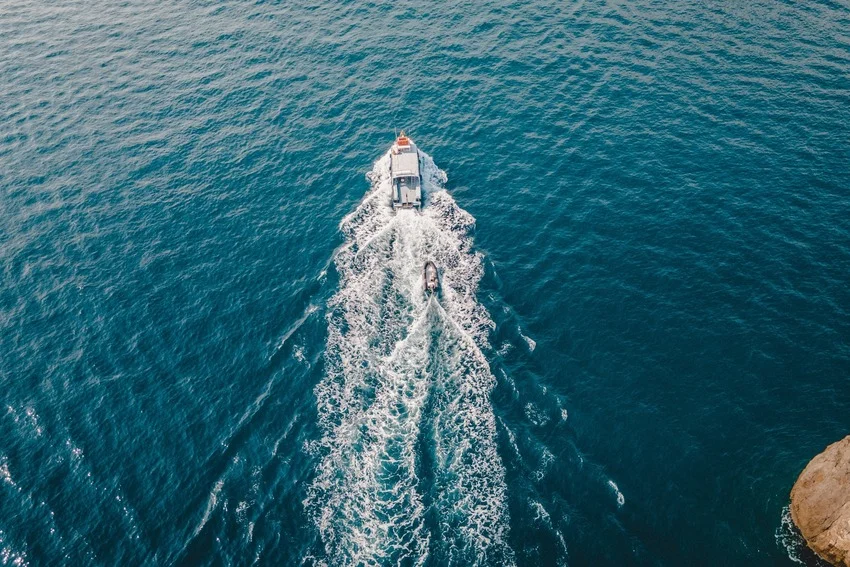
Pompano and Gulf Kingfish are classic beach targets; Red Drum and Spotted Seatrout are reliable around inshore water and moving bait, and Sheepshead hold tight to structure when conditions line up. Offshore and reef trips can add Red Snapper, Vermilion Snapper, Gray Triggerfish, Greater Amberjack, King Mackerel, and other Gulf species into the mix.
This guide breaks down the common fish species in Gulf Shores, where they live, when they are most active, and how anglers usually target them. Regulations can change, especially for reef fish, so always check Outdoor Alabama, NOAA Fisheries, and local guidance before keeping fish.
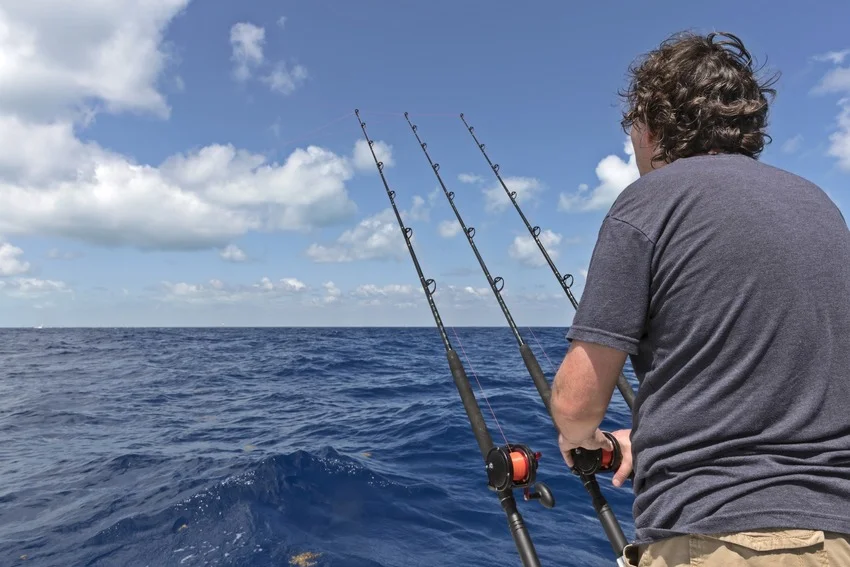
Gulf Shores gives anglers several ways to fish without needing one perfect plan. You can cast from the beach, fish Little Lagoon, work pier and pass structure, or run offshore when the weather, season, and rules line up.
A good Gulf Shores plan starts with access and water movement. Beach anglers should read the troughs and sandbars. Inshore anglers should look for tide, bait, and edges. Reef anglers need to plan around weather, distance, open seasons, and current rules.
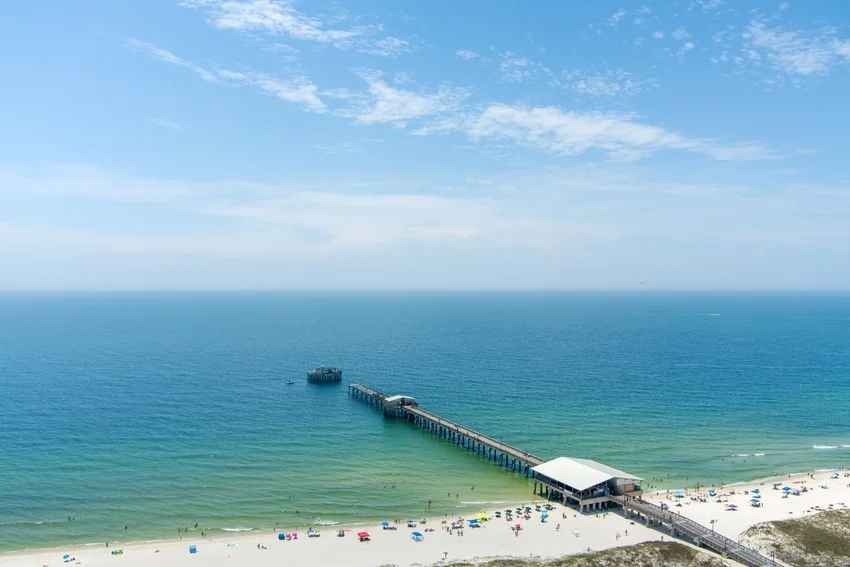
Gulf Shores is not only a beach fishery. The area gives anglers access to surf, lagoon water, pier structure, pass edges, backwater habitat, and Gulf reef structure, and each environment fishes differently.
Little Lagoon is one of the most important inshore-style areas around Gulf Shores. It offers anglers protected water, grass edges, docks, sandy bottom, and an option when beach or Gulf conditions aren't ideal. Gulf Shores and Orange Beach tourism notes that Little Lagoon can provide a place to fish when weather or conditions make other inshore waters harder to fish.
Inshore fish use these protected areas because bait has places to hide and move. Red Drum, Spotted Seatrout, Southern Flounder, Black Drum, and smaller baitfish can all relate to grass edges, docks, channels, sandy potholes, and moving water. The best results usually come from fishing edges instead of open water.
Structure gives fish shade, current breaks, and feeding lanes. Around Gulf Shores, that can mean Gulf State Park Pier, bridge pilings, docks, seawalls, jetties, pass edges, and hard structure where bait gathers.
Gulf State Park Fishing and Education Pier is one of the best-known fishing landmarks in the area, and it gives shore-based anglers access to deeper Gulf water than they would reach from the beach. Around pier and pass structure, anglers may run into Spanish Mackerel, Sheepshead, Red Drum, King Mackerel, Bluefish, Ladyfish, and other bait-driven fish depending on season and water clarity.
The Gulf Shores surf is one of the most approachable fishing zones in Alabama. You do not need a boat to find fish, but you do need to read the water. Troughs, sandbar cuts, washouts, and small changes in wave action can all concentrate bait.
Florida Pompano and Gulf Kingfish are two of the most realistic beach targets. Red Drum, Spanish Mackerel, Bluefish, Ladyfish, and Sharks may also move along the surf when bait is present. Many bites happen closer than beginners expect, so casting past the first trough is not always the best move.
Gulf Shores is close enough to Alabama reef fishing that nearshore and offshore trips become a major part of the local picture. Alabama has one of the largest artificial reef programs in the country, and Outdoor Alabama lists approximately 1,060 square miles of offshore waters in Alabama artificial reef areas.
Nearshore and reef trips can produce Spanish Mackerel, King Mackerel, Vermilion Snapper, Gray Triggerfish, Red Snapper during open seasons, and other structure-oriented fish. Farther offshore, longer trips can add Greater Amberjack, Grouper, Cobia, Mahi Mahi, Wahoo, and Tuna depending on season, distance, and conditions.
Now it is time to break down the common types of fish you are likely to find around Gulf Shores, along with the simplest ways to target each one. Focus on zones, water movement, bait presence, and realistic access before trying to chase every species at once.
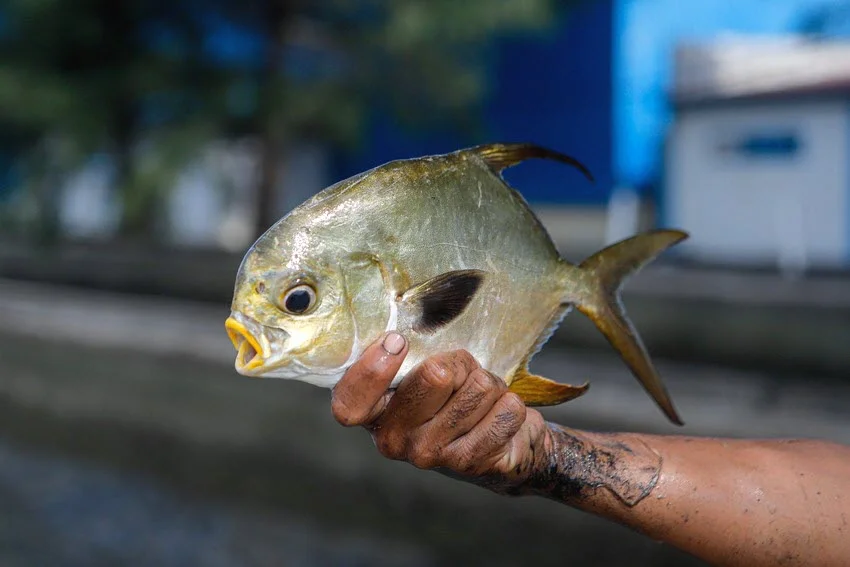
Clear moving surf is the first thing to look for when targeting Florida Pompano in Gulf Shores. These fish often move along the beach in small groups, feeding on sand fleas, shrimp, and other small prey stirred up by wave action.
Pompano fishing is a water-reading game. Look for clean water with enough wave action to stir the bottom, then focus on troughs, cuts, and sandbar edges. If the water is too dirty or too flat, moving down the beach may be better than waiting in one spot.
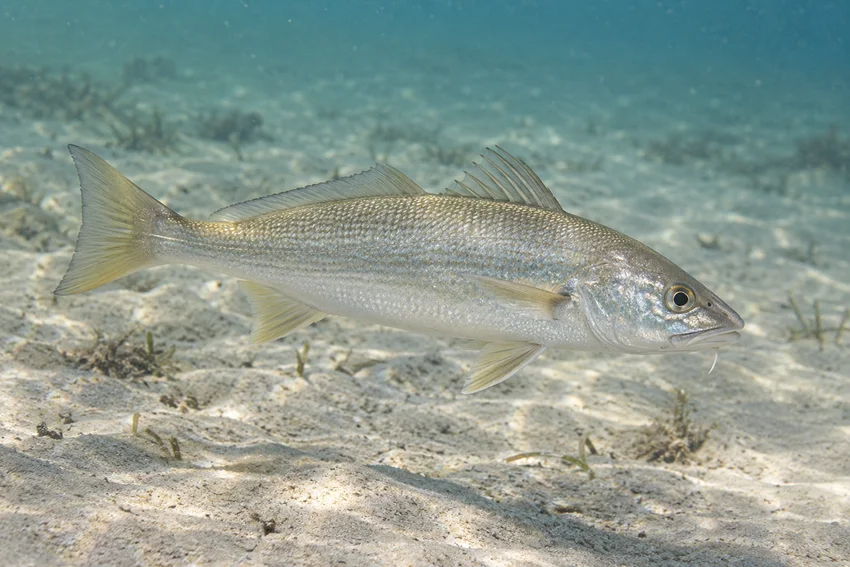
Gulf Kingfish, commonly called Whiting, are one of the easiest and most reliable surf fish around Gulf Shores. They feed along sandy beaches and shallow troughs where small natural baits are moved by waves and current.
Many Whiting are closer than anglers expect. A simple bottom rig in the first trough can outfish a long cast beyond the active feeding zone. Light tackle also makes the bite easier to feel and keeps the fishing more fun.
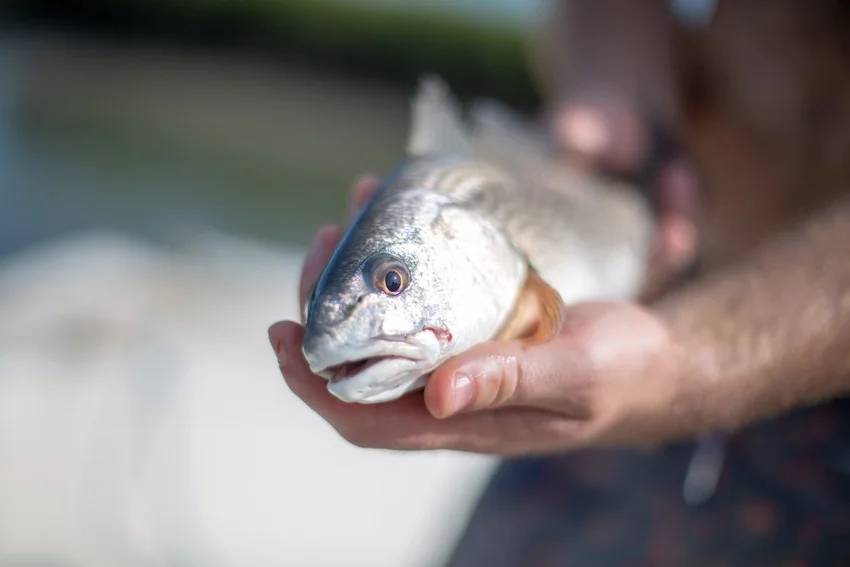
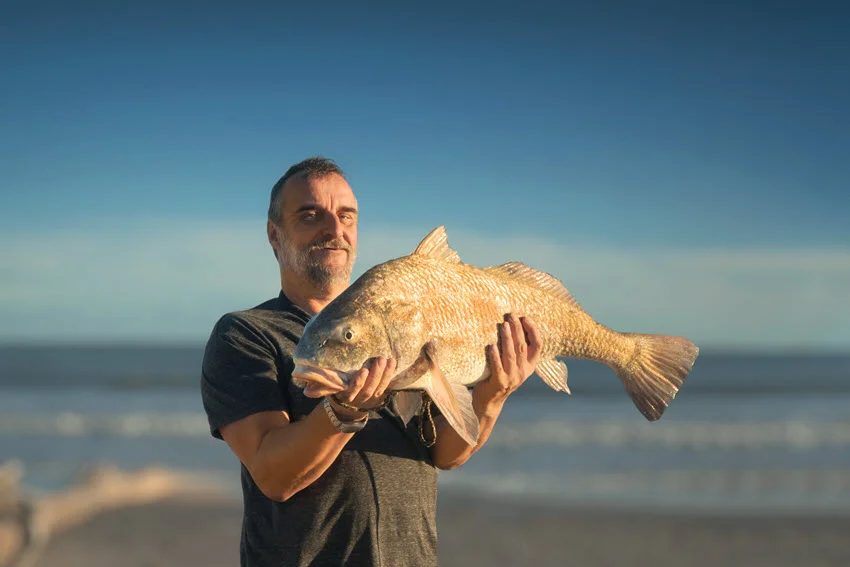
Red Drum are one of the most dependable fish around Gulf Shores because they can use several environments. They move through inshore water, pass edges, beach troughs, docks, grass edges, and sandy potholes where bait is pushed by tide and wind.
Cast ahead of moving Red Drum instead of dropping bait directly on top of them. Watch for nervous bait, wakes, tails, or fish pushing water. Around docks, cuts, and pass edges, moving water often decides whether Redfish are feeding or just holding nearby.
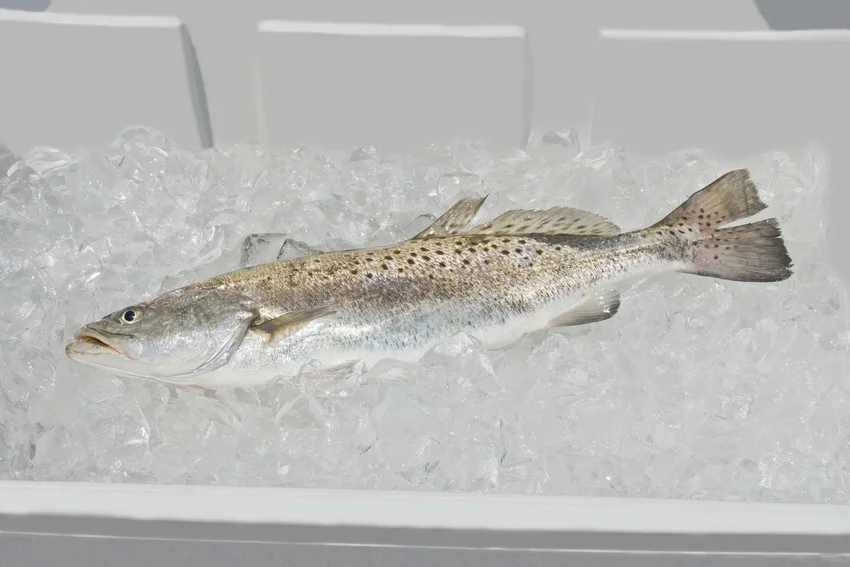
When bait settles around grass, sandy potholes, and current seams, Spotted Seatrout become one of the better light-tackle targets near Gulf Shores. They are popular because they hit live bait and artificial lures, and they often school when conditions are right.
Trout often sit just outside the strongest current and wait for bait to pass. If you catch one, make several more casts in the same area before moving. Low light, clean water, and active bait can make topwater fishing especially productive.
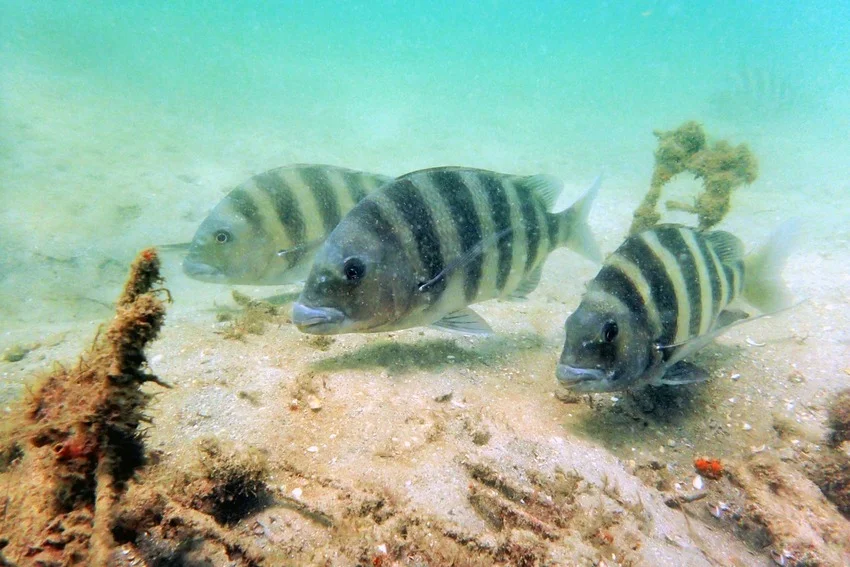
Sheepshead are structure specialists, and Gulf Shores has plenty of places for them to feed. Pilings, rocks, jetties, pier structure, docks, and barnacle-covered edges can all hold fish when the season and conditions line up.
The best Sheepshead fishing usually happens close to hard structure. Drop bait tight to pilings or rocks, keep slack out of the line, and watch for a small tap or slight weight change. These fish often bite carefully, so a sensitive rod tip helps.
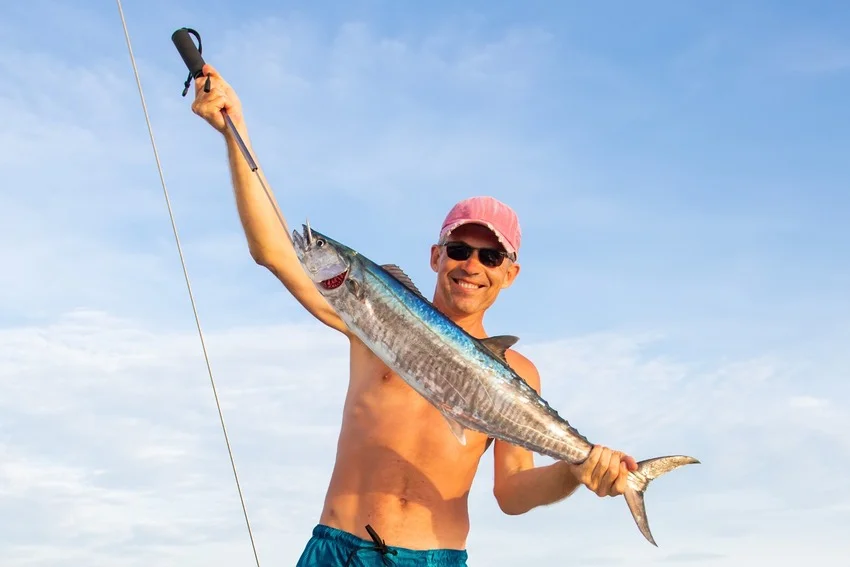
Spanish Mackerel bring speed and visual action to Gulf Shores fishing. They move along beaches, pier water, passes, and nearshore areas when baitfish are present, often showing themselves through surface strikes, birds, or bait scattering.
Speed is usually your friend with Spanish Mackerel. A quick, steady retrieve often works better than a slow presentation, especially when fish are chasing small bait. Light wire or a heavier leader can reduce cutoffs, but too much hardware may hurt bites in clear water.
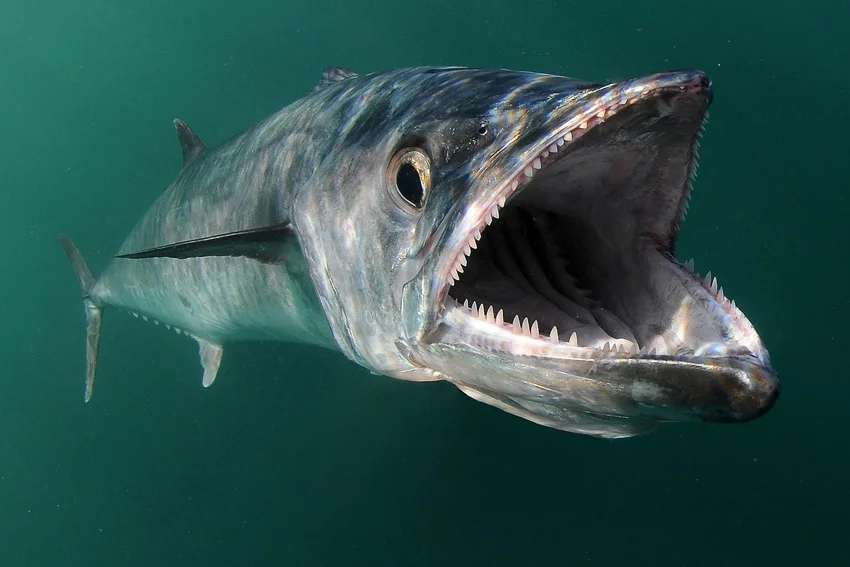
King Mackerel are larger, stronger relatives of Spanish Mackerel, and they become more active when bait is thick around pier water, nearshore structure, reefs, and offshore current edges. They are built for fast runs and hard strikes.
Kings often hit moving baits with force, so drag settings and line management matter. Do not rush the fight after the first run. Keep steady pressure, stay clear of other lines, and let the fish burn energy before bringing it close.
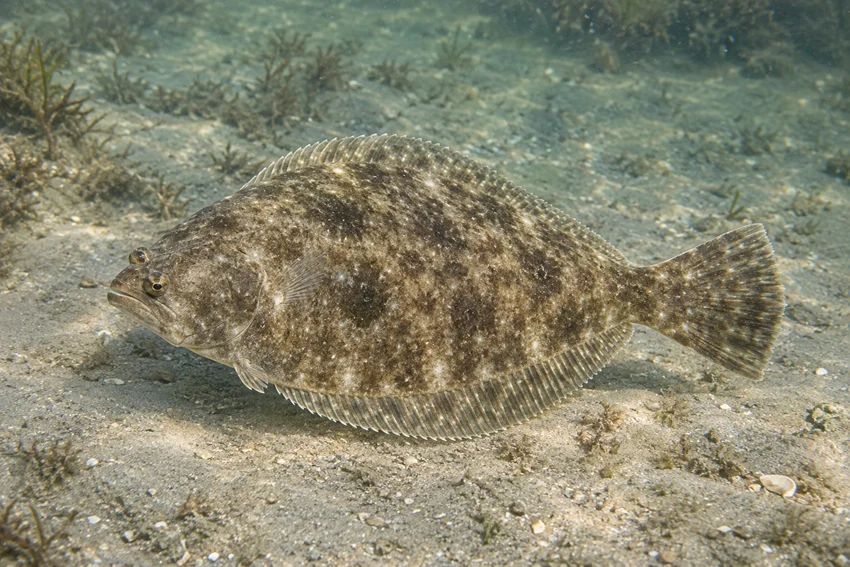
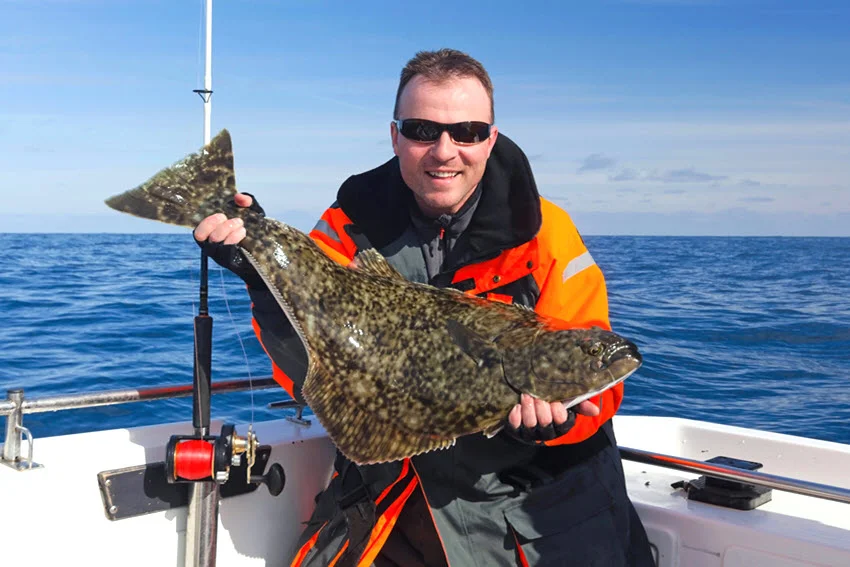
Southern Flounder reward anglers who slow down and fish the bottom carefully. Around Gulf Shores, they can hold near sandy or muddy edges, lagoon mouths, docks, passes, creek mouths, and places where bait moves across the bottom.
Flounder bites are often subtle. Instead of a hard hit, you may feel weight, a soft thump, or light pressure. Keep contact with the bottom, give the fish a moment, and use a steady hookset instead of jerking too fast.
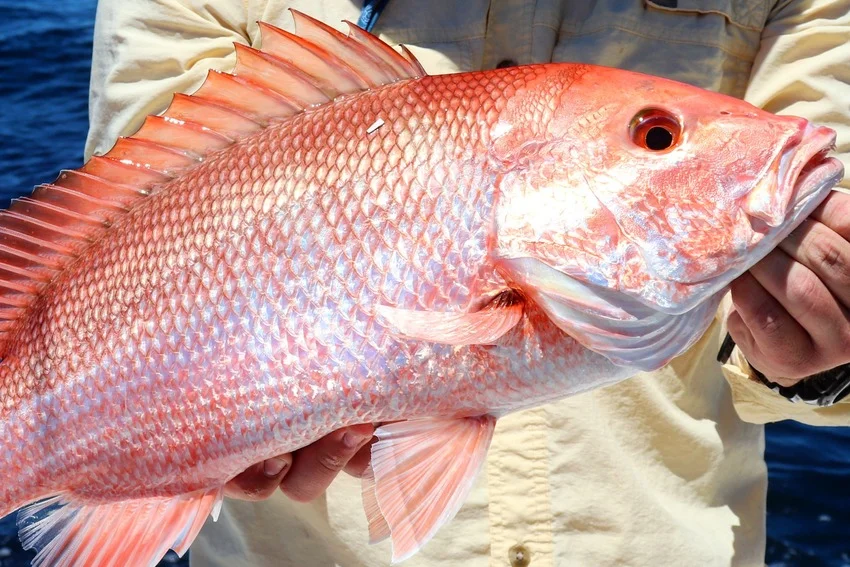
Red Snapper are one of the major reef targets for Gulf Shores anglers when the season is open. They relate to reefs, wrecks, ledges, hard bottom, and offshore structure, and Alabama reef habitat gives anglers plenty of places to look.
Red Snapper fishing is not only about finding fish. It is also about fishing legally and planning around the right season. Season dates can differ between federally permitted charter trips, private recreational trips, Alabama state waters, and Gulf federal waters, so always check current rules before keeping fish.
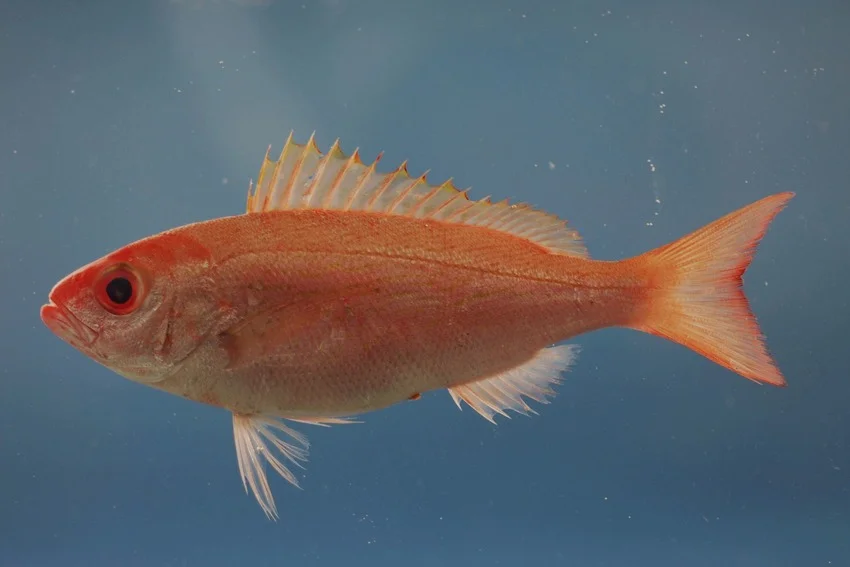
Vermilion Snapper are a steady offshore option when anglers want consistent reef action. They are smaller than Red Snapper, but they often school tightly and can keep rods bent on bottom fishing trips.
Smaller baits usually work better for Vermilion Snapper than oversized chunks. Keep the bait near the bottom or slightly above structure, and pay attention when the first fish bites. Where one Vermilion Snapper feeds, more are often close by.
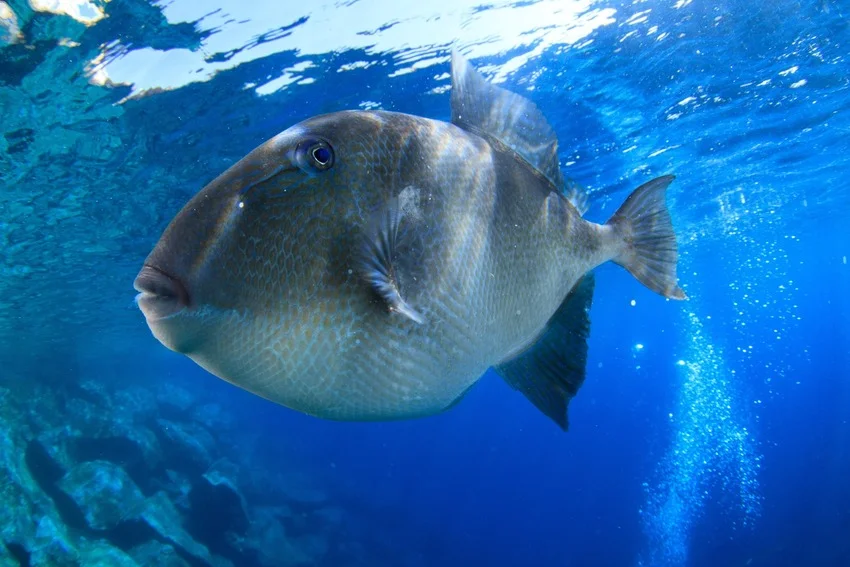
On offshore structure, Gray Triggerfish can turn a simple bottom fishing trip into a more technical challenge. They have strong teeth, tough mouths, and a habit of picking bait apart before anglers feel a clean strike.
Downsizing is often the right adjustment for Gray Triggerfish. Smaller baits and sharp hooks help because these fish nibble more than they inhale. Alabama requires harvested Gray Triggerfish to be reported through Snapper Check when the respective season is open, so current rules should be confirmed before keeping them.
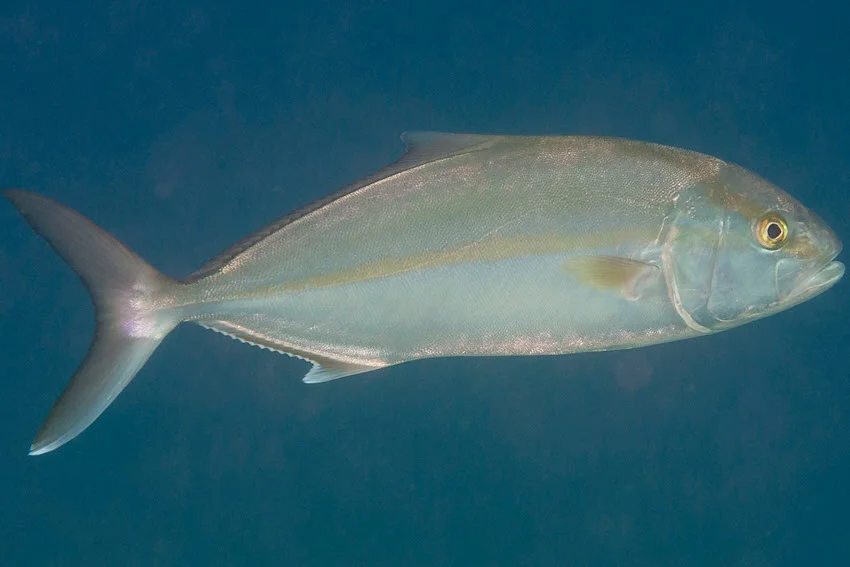
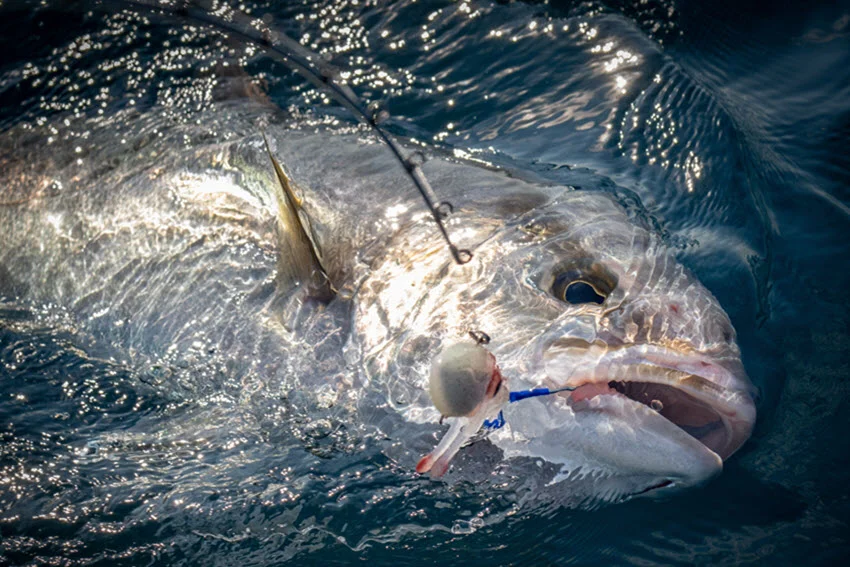
Greater Amberjack are built for anglers who want a real fight. They live around deeper wrecks, reefs, rigs, and offshore structure, and they are known for pulling hard toward cover as soon as they are hooked.
The first part of the fight is usually the most important. Amberjack try to get back into structure quickly, so anglers need strong gear, steady pressure, and enough stamina to stay in control. Greater Amberjack are also part of Alabama's Snapper Check reporting system when harvested during open seasons.
Gulf Shores has more variety than one main species list can cover. These fish may not be the first target for every angler, but they add action and opportunity when the right season, water clarity, bait movement, or trip distance lines up.
The pattern matters more than the species count. Once you learn how bait, current, structure, and season work together, it becomes easier to understand why different fish show up in different places.
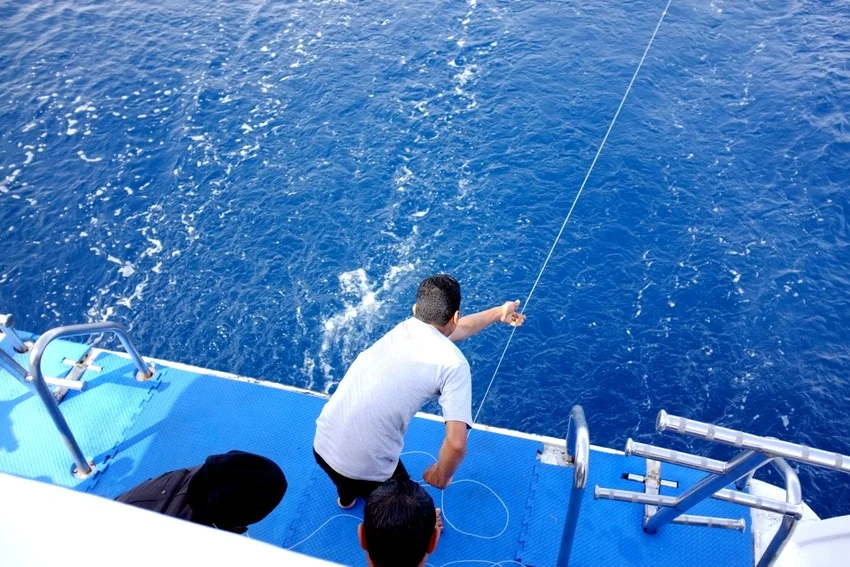
First-time anglers in Gulf Shores should start with the easiest access and the most realistic target. The goal is not to fish every environment in one day. It is to pick a zone, read the water, and make a few smart adjustments before moving.
Simple usually works best. Match your target to the zone, fish the moving water, and avoid switching species every 20 minutes just because the first few casts are quiet.
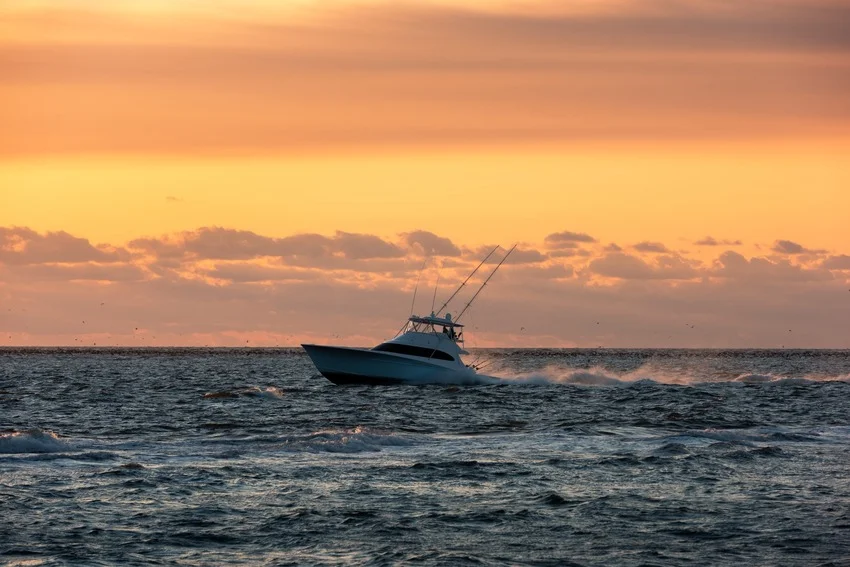
Gulf Shores can produce fish year-round, but the mix changes with water temperature, bait movement, weather, and open seasons. The best trips usually match the target species to the right time of year instead of forcing one pattern in every season.
Water clarity and bait movement can override the calendar. A good tide with clean water and visible bait can make a slow season fish better than expected, while dirty water and no movement can make a good month feel quiet.
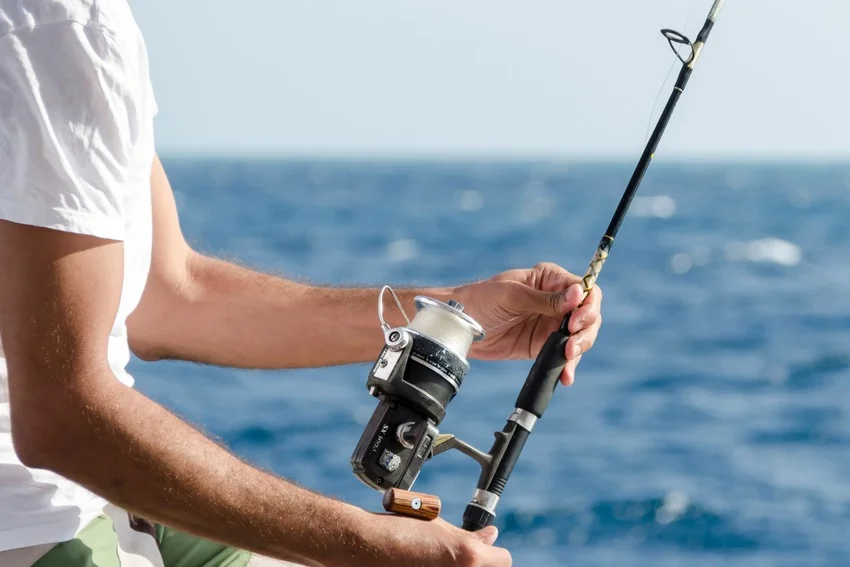
Gulf Shores fishing can mean light surf rigs, inshore spinning setups, pier gear, or heavier offshore tackle. You do not need every setup at once, but you do need gear that fits the target and the zone.
Good tackle is not just about strength. The right bait size, leader length, hook size, and sinker weight often matter more than using the heaviest setup available.
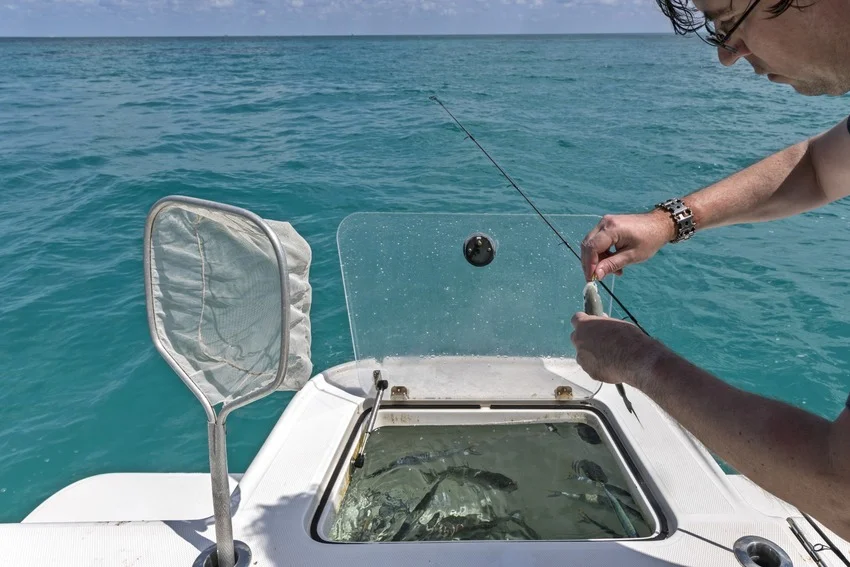
Most slow days in Gulf Shores come down to a few repeatable mistakes. The area has plenty of fish, but the wrong presentation, wrong zone, or wrong timing can make productive water look empty.
Small adjustments catch fish. In Gulf Shores, changing bait size, casting angle, depth, or retrieve speed can matter more than moving to a completely different area.
Fishing regulations in Gulf Shores depend on where you fish, what you target, and whether you are fishing from shore, a pier, a private boat, or a charter. State and federal waters can have different rules, especially for reef fish.
Before keeping fish, confirm current rules through official sources and ask your captain or local marina if anything has changed. This is especially important for reef fish, seasonal closures, pier rules, and trips that may move between state and federal waters.
Gulf Shores is a strong fishing destination because it gives anglers several different ways to build a trip. You can keep things simple from the beach, fish Little Lagoon when protected water makes more sense, work structure for Sheepshead and Red Drum, or head offshore for reef species when the season, weather, and regulations line up.
The best results come from matching your target to the right environment. Watch the tide, look for bait, respect the rules, and adjust your presentation before giving up on a spot.
If you fish Gulf Shores often, share your experience, local knowledge, or seasonal tips in the comments. First-hand reports help other anglers plan smarter trips and understand how the bite changes through the year.

The expert copywriters at Anglers Booking have meticulously crafted this article. Our dedicated team of writers provides valuable insights and information to enhance your angling experience.

April 11, 2025

March 27, 2025
Subscribe to our newsletter and receive a selection of cool articles every week.
Embark on unforgettable fishing adventures with us at Anglers Booking.
book your charter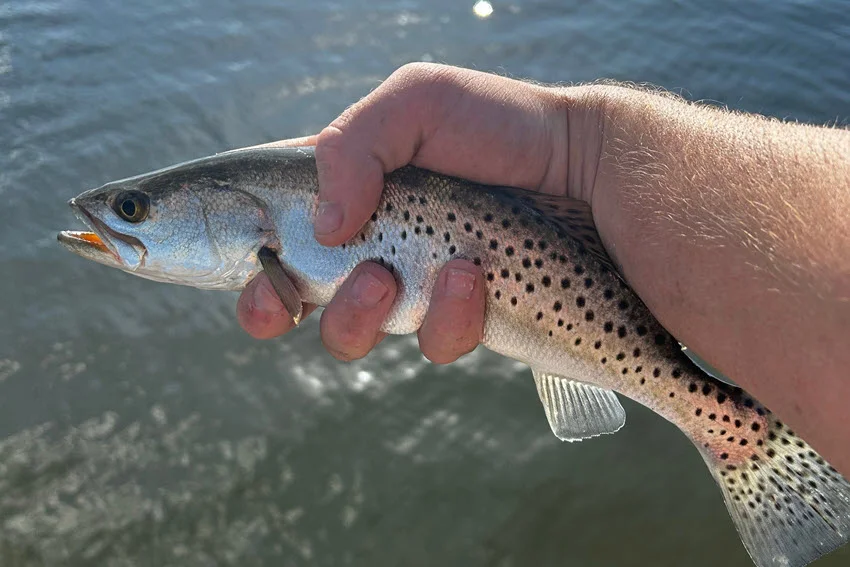
August 21, 2026
August 18, 2026
August 15, 2026
August 12, 2026
August 8, 2026
August 4, 2026
April 17, 2026
April 13, 2026

You're now part of our exclusive community. Get ready for premium content and updates straight to your inbox.
close
Subscribe to our newsletter and receive a selection of cool articles every week.
Please enter a valid email address.
Be the first to know when we're back in action.
Please enter a valid email address.
Leave a Comment
Your email address will not be published. Required fields are marked *
Thank you for your comment! It has been submitted for review and will appear on the site shortly.