


Anglers Booking Team
The expert copywriters at Anglers Booking have meticulously crafted this article. Our dedicated team of writers provides valuable insights and information to enhance your angling experience.
 10 minutes read
Trout can keep feeding even when nothing is rising. Insects drift through the current below the surface, and a nymph lets you put a fly in their path. Learning to control its depth and drift gives you another option when fish won't take a dry fly.
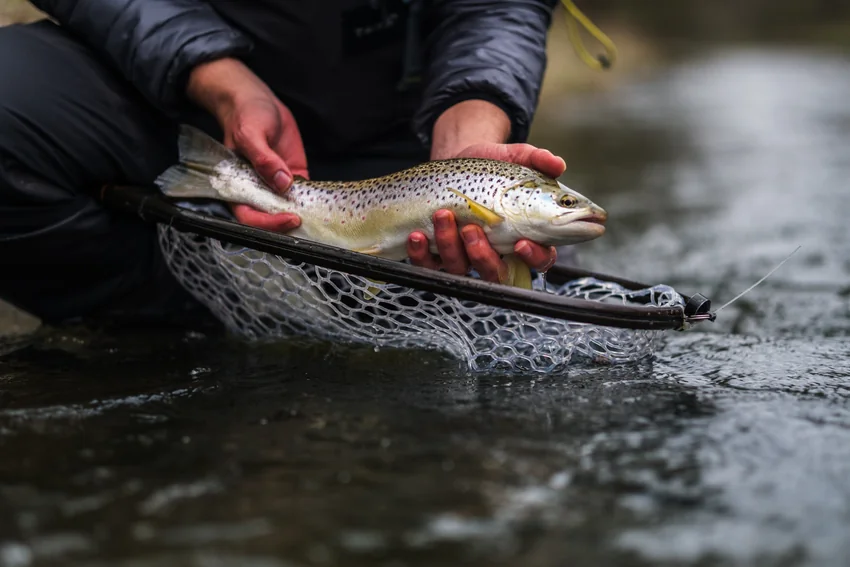
This guide focuses on nymph fishing in streams and rivers. You'll learn how to build a simple rig, control depth and drift, recognize strikes, and choose a few useful fly patterns. If you're new to the sport, our fly fishing guide explains the broader basics.
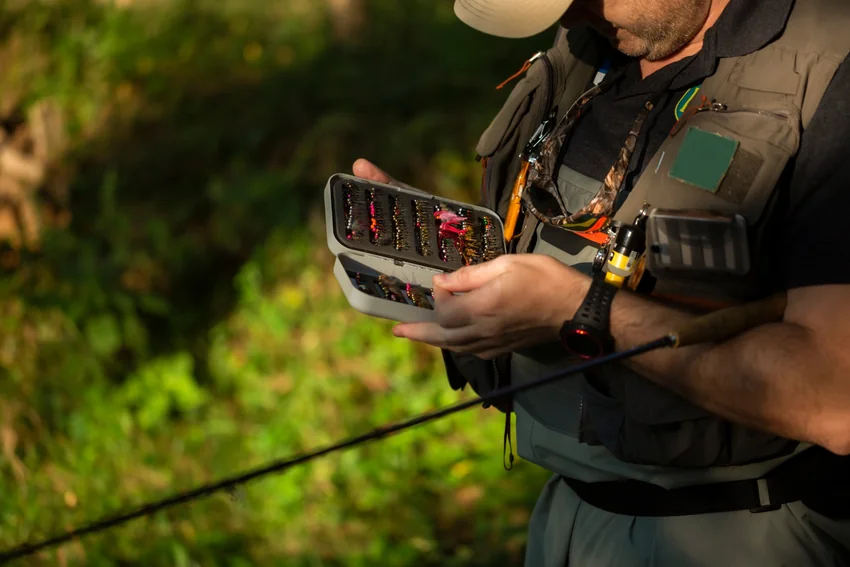
Nymph fishing is a form of fly fishing that uses artificial flies below the surface to imitate aquatic insects and other small food items.
Mayflies and stoneflies have aquatic nymph stages. Caddisflies and midges have larvae and pupae instead, but anglers commonly group their subsurface imitations with nymph flies.
Some patterns suggest several kinds of prey, while others imitate a particular insect more closely. Weighted versions use beads, wire, or other materials to help them sink. Unweighted flies also have a place, especially in shallow water or when fish are feeding higher in the water column.
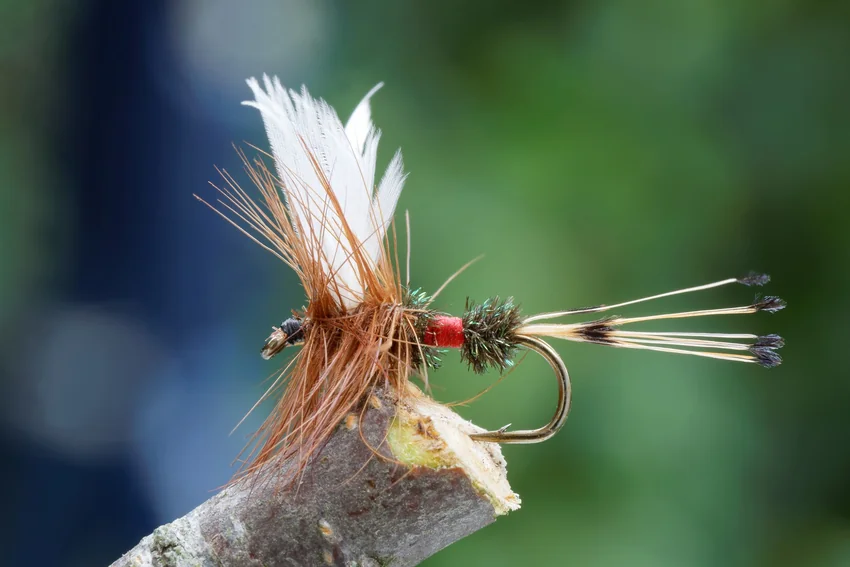
Nymphs and dry flies are both artificial flies. The main difference is where you fish them: a dry fly stays on the surface, while a nymph is presented below it. That choice depends on what the fish are eating and where they're feeding.
Dry flies float on the surface. They can imitate adult aquatic insects, terrestrial insects such as ants and grasshoppers, or other food in the surface film. Streamers generally imitate larger prey, including baitfish, leeches, and crayfish. Anglers often retrieve them to create movement.
Nymphs are usually presented below the surface, often on a natural drift. They can be fished near the bottom, in midwater, or just below the surface, depending on where fish are feeding. Watch the water before choosing a method. Visible surface feeding may favor a dry fly, while subsurface feeding gives you a reason to try a nymph.
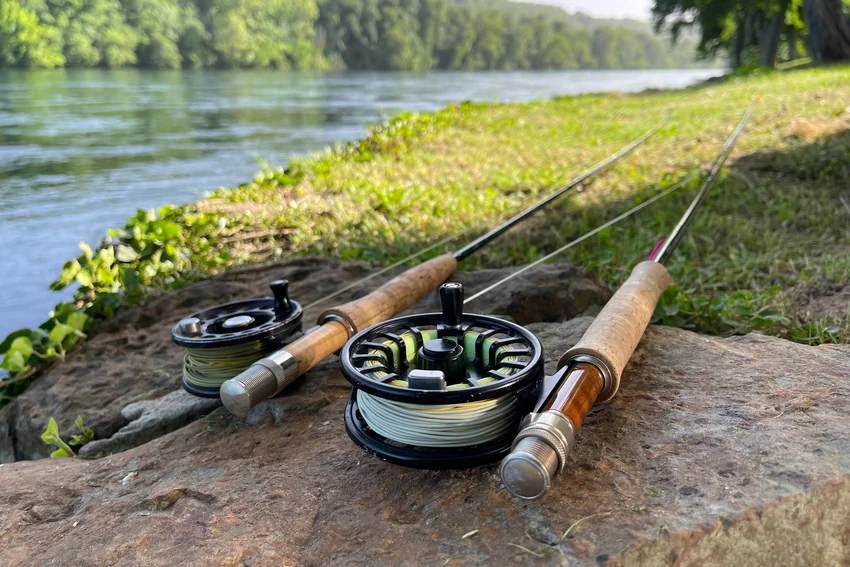
For a general stream setup, a 9-foot, 5-weight fly rod with a matching reel and floating line is a useful starting point. If you already own a suitable Trout outfit, begin with that rather than buying a specialized Euro rod.
Pack a tapered leader, spare tippet, a few nymphs, an adjustable strike indicator, and optional split shot. A 9-foot leader with a 4X tippet or a thinner 5X tippet works for many small to medium Trout flies. Match the tippet to the fly and conditions, using stronger material for larger or heavier flies.
The leader connects the fly line to the fly. Tippet is the thinner material at the end, which you replace as it shortens or becomes damaged. An indicator floats above the fly to help you track the drift. Carry nippers and forceps for rigging and hook removal.
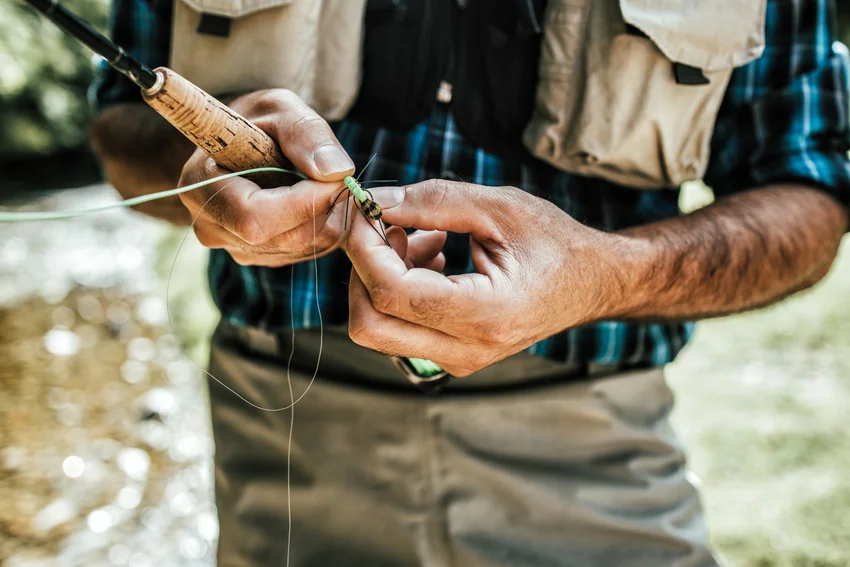
Begin with one beadhead nymph and an adjustable floating indicator. Connect the leader to your fly line and tie the nymph to the tippet with an improved clinch knot. Place the indicator on the leader using the manufacturer's instructions, choosing one that supports the rig without being unnecessarily large.
For an initial stream setting, position the indicator about 1.5 times the estimated water depth above the fly. In a run roughly 3 feet deep, that means about 4.5 feet between indicator and fly. This is a starting point, not the fly's guaranteed depth; current, weight, and leader angle affect how the rig fishes.
If the fly isn't reaching the feeding zone, try a heavier nymph or a small amount of split shot about 12 inches above it, where permitted. Use forceps rather than your teeth to pinch on shot. Check the tippet for damage, and reduce weight or shorten the setting if you snag repeatedly.
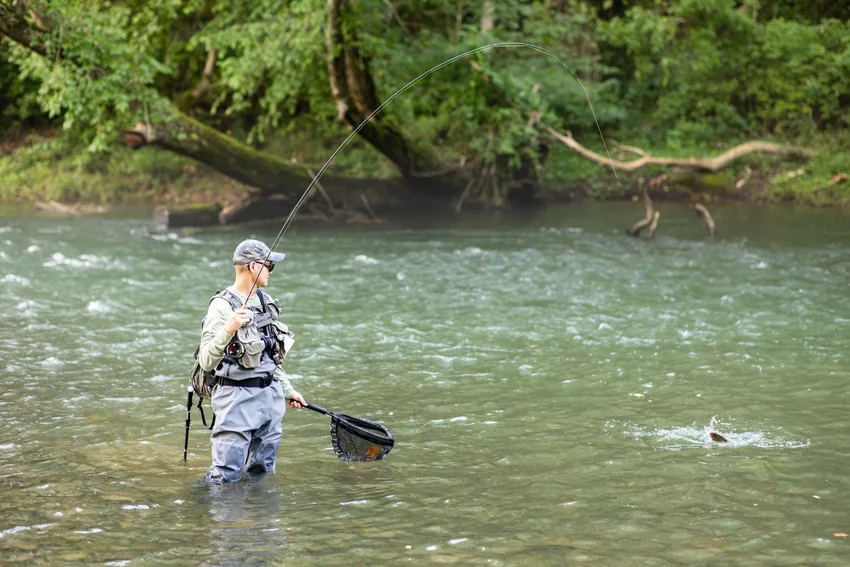
Keep your first casts short enough to control. The goal is to let the nymph sink, drift through a likely holding spot, and notice a take before the fish lets go. Work through the steps below, then adjust the rig as the water changes.
Start with a nearby seam or run that you can cover from a stable position. Look for drifting food and changes in current speed. You don't need to wade into the middle of the river to make your first useful drift.
Use a short cast upstream or slightly upstream and across. Give the nymph enough lead to sink before it reaches the likely holding spot. Weighted rigs tangle more easily, so use an open casting loop and avoid unnecessary false casts.
As the indicator drifts toward you, gather loose line. If a bow in the line begins pulling the rig, gently reposition that line with a mend, preferably before it creates drag. Avoid jerking the indicator or fly while doing so. Keep the presentation in the intended current lane.
Watch for an unexpected pause, dip, twitch, or sideways movement. Respond with a short, controlled lift of the rod. Some changes will be bottom contact rather than a fish, but waiting for a hard pull can mean missing a light take.
After several drifts, reassess. If the rig never gets near the bottom and you're targeting fish there, adjust depth or weight. If it snags repeatedly, shorten the setting or lighten the rig. When a hatch brings fish higher, move the fly up instead of automatically adding weight.
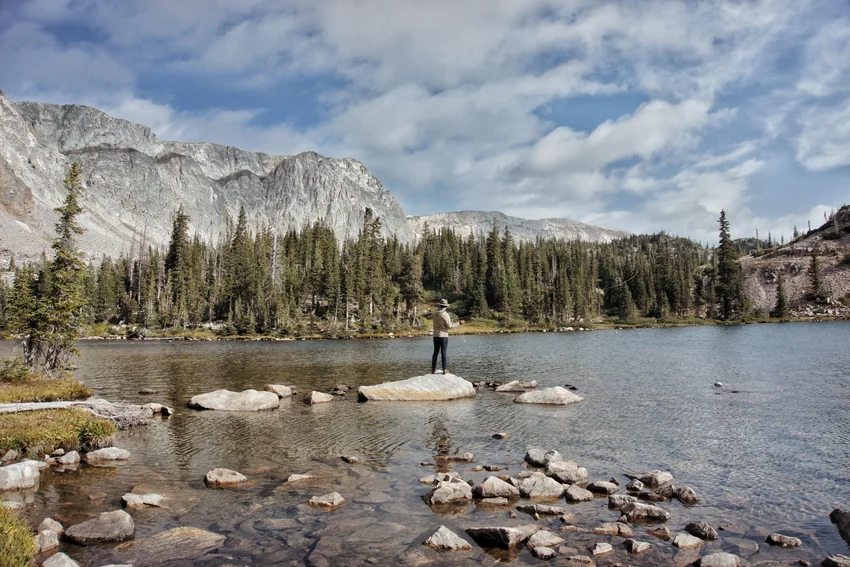
Start with a current seam, riffle, run, or pocket behind a rock. These spots can carry food past Trout holding in slower water. Fish the nearby lanes before wading farther out. If nothing is rising, try a nymph, but use the drift to work out the depth rather than assuming the fish are on the bottom.
Nymph fishing can work across seasons wherever conditions and local rules allow. In colder water, a controlled presentation near holding fish may matter more than covering water quickly. During a hatch, Trout may feed higher in the water column, so don't assume every nymph must be fished on the bottom.
Changes in flow, clarity, and insect activity can shift the productive depth. Treat each new run as a fresh problem to solve. Our guide to types of Trout provides more background on the freshwater species you may encounter.
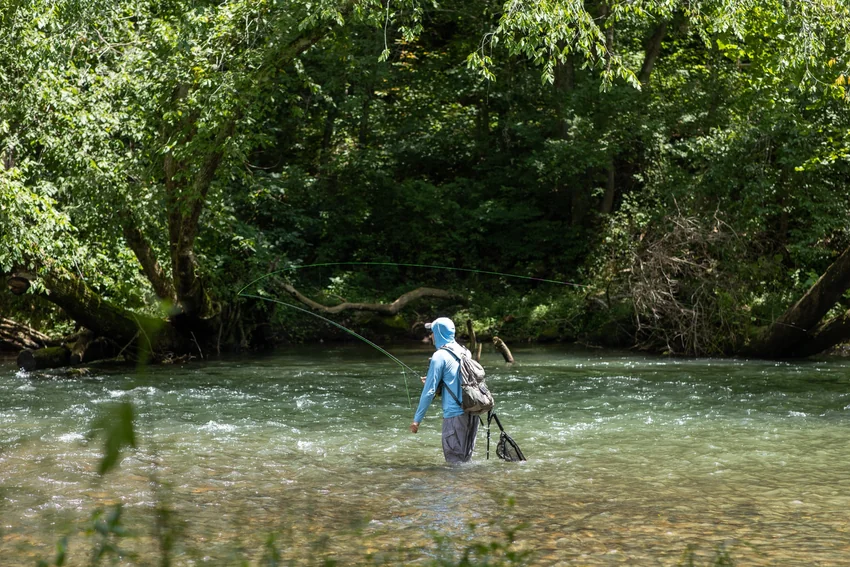
Indicator nymphing is a practical place to start. Once you're comfortable managing a drift, you can explore other approaches for different water and feeding situations.
A floating strike indicator helps you track the drift and notice changes that may signal a take. Cast upstream or slightly upstream and across, give the nymph time to sink, and control loose line without towing the fly. A dead drift means the fly travels with the current rather than being pulled unnaturally by the line.
High-sticking means raising the rod to keep excess line off the water and reduce drag during short drifts. It can be used with different rigs.
Euro nymphing is a broader group of tight-line methods that commonly use weighted flies, longer leaders, and a colored leader section called a sighter instead of a floating indicator. The sighter helps track depth and detect changes in the drift. Czech nymphing is one style within that broader group; the terms aren't interchangeable.
A controlled swing or lift can be useful when fish are taking emerging insects, particularly caddis pupae. Cast across or slightly upstream, allow the fly to sink, and let it move across the current below you. This creates an active presentation, so it serves a different purpose than a dead drift.
A dry-dropper rig combines a buoyant dry fly with a nymph below it. One common setup attaches a length of tippet to the dry fly's hook bend and ties the nymph to the other end. Match the dropper length to the water you want to cover, and choose a nymph light enough for the dry fly to support.
Watch the dry fly as both a fishing fly and an indicator. If the nymph pulls it under, lighten the nymph or use a more buoyant dry. A dry-dropper lets you cover surface and subsurface feeding in one drift, though deeper runs may still call for an indicator rig.
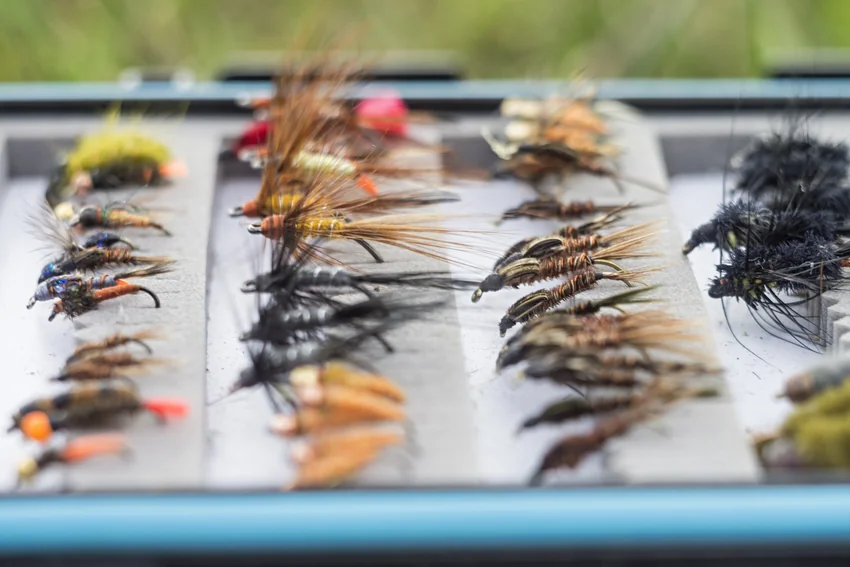
Start with a small selection in several sizes and weights. You don't need every pattern below. A local fly shop can help you match the insects and conditions on the water you plan to fish.
Build a small box around the patterns that suit your local stream, with a few different sizes and weights. Before tying on another fly, check the drift. Getting a familiar pattern into the feeding zone is often a better next move than changing it again.
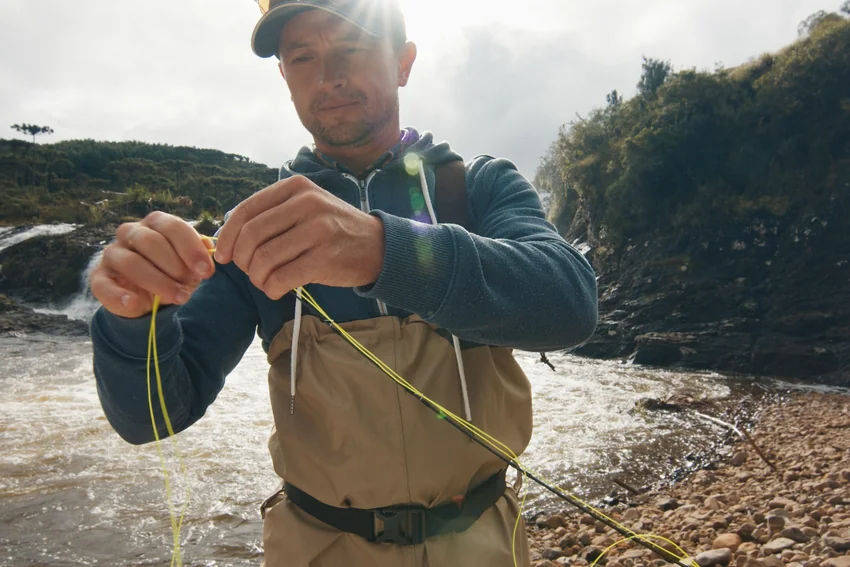
Before changing flies, check depth and drift. A new pattern won't fix a nymph dragged across current lanes. Adjust indicator position or weight one at a time, and reduce weight if the rig snags repeatedly.
Don't wait for a hard pull. A take may appear as a pause, twitch, or sideways movement. Gather loose line as the rig approaches, without towing the fly, and respond with a short, controlled hook set.
After several controlled drifts, try another lane or depth instead of repeating the same cast. Review safe wading practices before entering the stream, stay within your ability, and check local rules for seasons, tackle, added weight, and the number of flies allowed.
You don't need a full fly box or a specialized rod to start nymph fishing. One fly, an adjustable indicator, and a cast you can control give you enough to learn. Pay attention to where the rig drifts and how it behaves as it passes through the run.
If it keeps snagging, lighten the rig or shorten the depth setting. If the line pulls the fly across the current, work on line control. Make one change, try another drift, and see what improves. That habit will teach you more than switching flies after every cast.

The expert copywriters at Anglers Booking have meticulously crafted this article. Our dedicated team of writers provides valuable insights and information to enhance your angling experience.

December 7, 2024

November 13, 2024
Subscribe to our newsletter and receive a selection of cool articles every week.
Embark on unforgettable fishing adventures with us at Anglers Booking.
book your charter
October 2, 2026
September 8, 2026
August 21, 2026
August 18, 2026
August 15, 2026
August 12, 2026
August 8, 2026
August 4, 2026

You're now part of our exclusive community. Get ready for premium content and updates straight to your inbox.
close
Subscribe to our newsletter and receive a selection of cool articles every week.
Please enter a valid email address.
Be the first to know when we're back in action.
Please enter a valid email address.
Leave a Comment
Your email address will not be published. Required fields are marked *
Thank you for your comment! It has been submitted for review and will appear on the site shortly.