


Anglers Booking Team
The expert copywriters at Anglers Booking have meticulously crafted this article. Our dedicated team of writers provides valuable insights and information to enhance your angling experience.
 7 minutes read
On Florida's Atlantic coast, a fishing spot can be in federal waters while a spot the same distance offshore on the Gulf remains in state waters. Before planning the catch, identify the coast, the route, and the rules for the boat you will use.
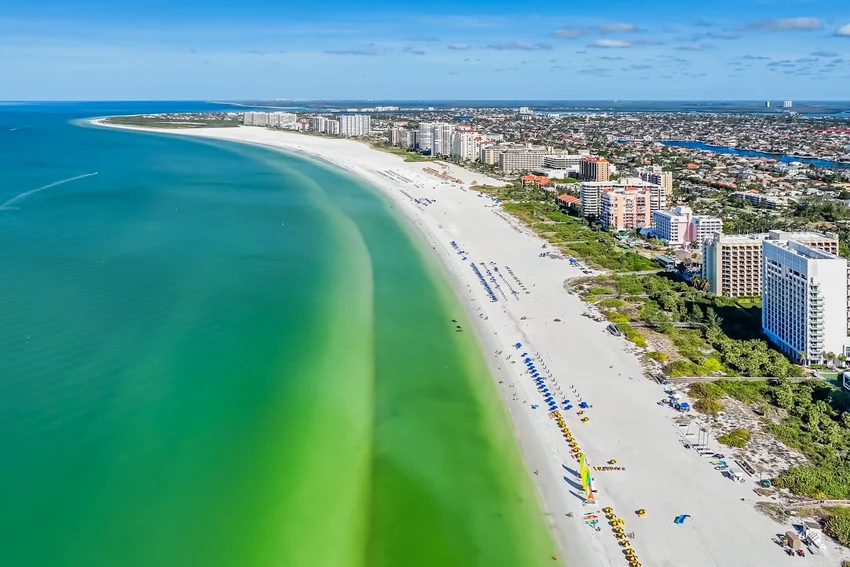
The distinction between state and federal waters matters when you keep fish, check license coverage, or book a species-specific charter. This Florida guide connects the coastal boundaries with practical decisions about reef fish, permits, protected areas, and bringing your catch back to port.
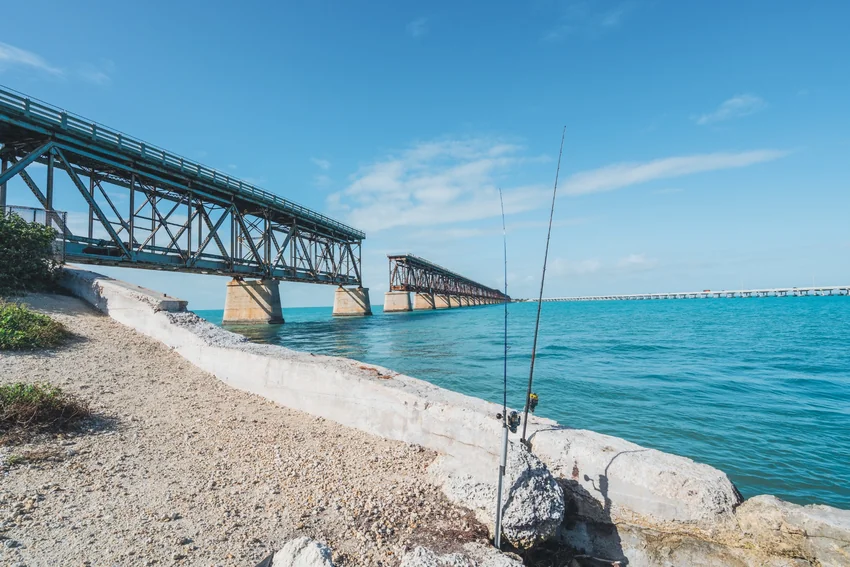
Florida's coastal state waters extend 3 nautical miles into the Atlantic and 9 nautical miles into the Gulf. These are legal coastal boundaries, not distances measured from the marina or the point where a boat leaves a channel.
The Florida Fish and Wildlife Conservation Commission (FWC) manages many recreational fishing requirements in these waters, including harvest seasons, size and bag limits, and permitted gear. County lines and species management zones can introduce additional differences within state waters.
A bay, bridge, or nearshore reef may be within Florida's jurisdiction, but that does not establish whether you can keep a particular fish. Check the species rule and any protected-area restrictions as well as the general state-water boundary.
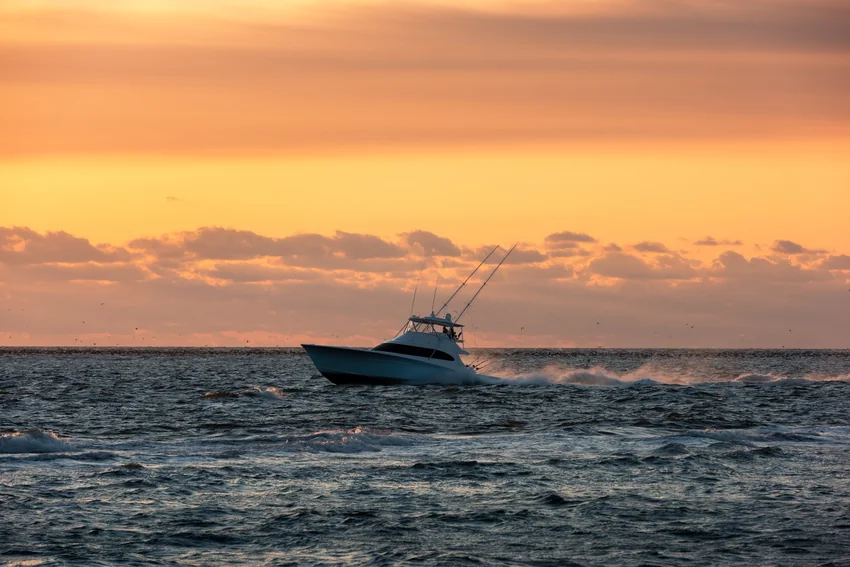
Beyond Florida's coastal state boundary, federal fisheries rules generally apply within the U.S. Exclusive Economic Zone. The EEZ extends up to 200 nautical miles from the baseline, subject to international maritime boundaries.
Federal management is not one statewide rulebook. The South Atlantic Council develops fishery management plans for Florida's Atlantic side, while the Gulf Council covers the Gulf side. NOAA Fisheries implements federal regulations; the Atlantic Highly Migratory Species program separately manages covered Tuna, Sharks, and Billfish.
State requirements can still matter after an offshore trip. Where you land the catch, which fish are aboard, and how the vessel is permitted can affect the rules you must follow. Crossing into federal waters does not simply switch every Florida requirement off.
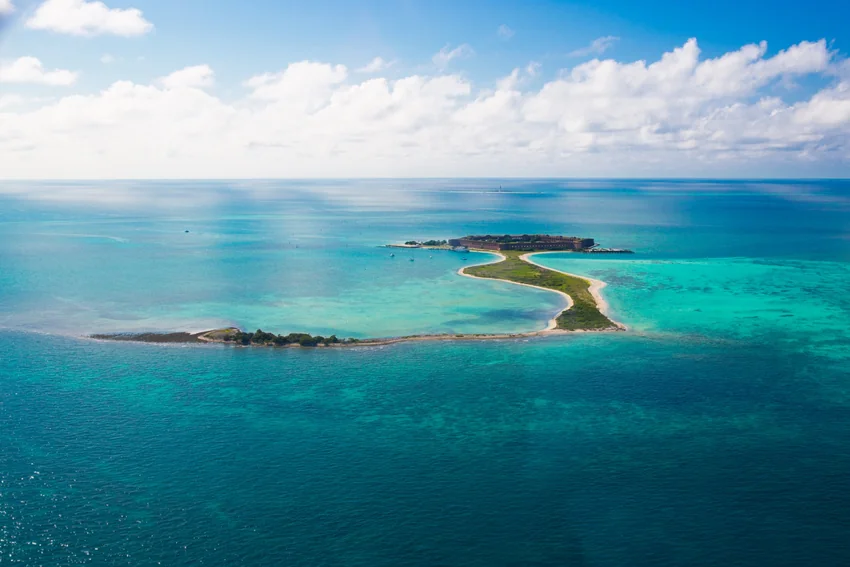
The same run offshore can cross different jurisdictions on Florida's two coasts. A spot 5 nautical miles seaward of the relevant baseline is generally beyond Atlantic state waters, but within Gulf state waters. Use that comparison to understand the framework, not as a substitute for checking the actual charted boundary.
Use FWC's boundary maps and management zones with current nautical charts or a chartplotter. Straight-line distance from a marina, beach, or phone location can give the wrong impression where the legally defined baseline does not follow the route you traveled.
The Florida Keys need particular care. A Gulf-versus-Atlantic management division, a state-water boundary, and a sanctuary zone are different lines. Some park or sanctuary areas restrict fishing even where surrounding waters are open; check the exact zone before choosing a fishing spot.
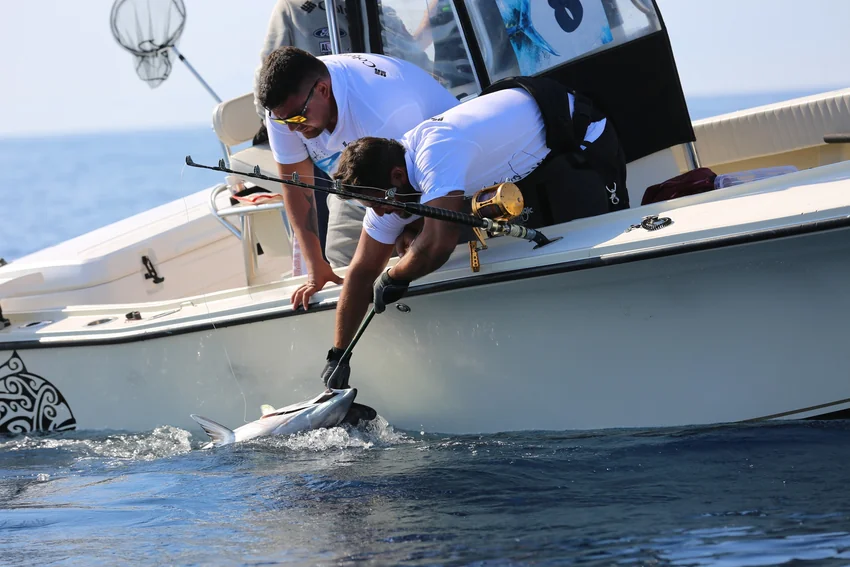
A familiar fishing spot does not guarantee familiar rules. Before keeping a fish, check more than the distance from shore: the coast, species, vessel, and landing location can all affect the answer.
Resolve these questions while planning the route, rather than after the fish is in the cooler. On a charter, ask the operator which permits and season apply to the booked trip.
Understanding fishing regulations in an area is crucial for protecting fish populations and ecosystems and promoting responsible angling practices.
Anglers Booking Team
A Florida saltwater license is generally required to land saltwater species in Florida, even when the fish were caught in federal waters, unless an exemption or qualifying license coverage applies. Check Florida fishing license requirements for your circumstances rather than assuming that an offshore catch is outside the state licensing system.
Private-boat reef fishing can involve another state requirement. Anglers age 16 and older targeting specified reef fish generally need the no-cost State Reef Fish Angler designation, including when fishing in federal waters and transiting Florida waters or landing the catch in Florida. FWC lists exceptions, including qualifying licensed for-hire trips; an exemption from the ordinary saltwater license does not always remove this designation requirement.
Federal requirements depend on the operation and fishery. A private recreational boat does not need a federal Gulf reef fish permit merely to target Red Snapper, while a for-hire vessel needs the appropriate federal authorization. Covered HMS trips have separate vessel permits. For charter passengers, confirm the operator's state license coverage as well as the vessel's federal permits.
Start with the planned route and the species you hope to retain. These checks make the information from FWC, NOAA, and your operator useful for the specific trip:
Florida's Red Snapper rules provide a useful example. FWC's private recreational Gulf season applies to private vessels in Florida Gulf state and federal waters; state-only for-hire vessels are limited to state waters. Federally permitted for-hire boats follow their federal season. Our federal waters fishing in the Gulf article explains that permit-and-season distinction in more detail.
Keep required licenses and vessel permits valid and available, and confirm how your catch must be measured and retained. Officers may check fishing activity, catch, gear, and documentation; a license alone does not establish compliance with every applicable rule.
If a state summary, federal notice, or operator's explanation appears inconsistent, contact the relevant agency before fishing. FWC is the starting point for Florida requirements, while NOAA provides federal fishery information. In a park or sanctuary, check that area's rules too.
Florida's two coasts make jurisdiction an important part of trip planning. Know which boundary your route crosses, then check the rules for the species, vessel, and place where you will bring the catch ashore.
A short conversation with the operator and a check of current agency information can settle questions that a distance-from-shore rule cannot answer. Keep the route, license coverage, and target list aligned before the trip begins.
Have you had to change a Florida fishing plan because of a boundary, season, or permit requirement? Share your experience in the comments.

The expert copywriters at Anglers Booking have meticulously crafted this article. Our dedicated team of writers provides valuable insights and information to enhance your angling experience.

June 25, 2025

May 19, 2025
Subscribe to our newsletter and receive a selection of cool articles every week.
Embark on unforgettable fishing adventures with us at Anglers Booking.
book your charter
October 2, 2026
November 16, 2026
August 21, 2026
August 18, 2026
August 15, 2026
August 12, 2026
August 8, 2026
August 4, 2026

You're now part of our exclusive community. Get ready for premium content and updates straight to your inbox.
close
Subscribe to our newsletter and receive a selection of cool articles every week.
Please enter a valid email address.
Be the first to know when we're back in action.
Please enter a valid email address.
Leave a Comment
Your email address will not be published. Required fields are marked *
Thank you for your comment! It has been submitted for review and will appear on the site shortly.