


Anglers Booking Team
The expert copywriters at Anglers Booking have meticulously crafted this article. Our dedicated team of writers provides valuable insights and information to enhance your angling experience.
 6 minutes read
A fishing license does not tell you everything you need to know about where you can fish or keep your catch. On a U.S. saltwater trip, the rules can depend on your location, the species you target, and whether you are fishing from a private boat or a permitted charter vessel.
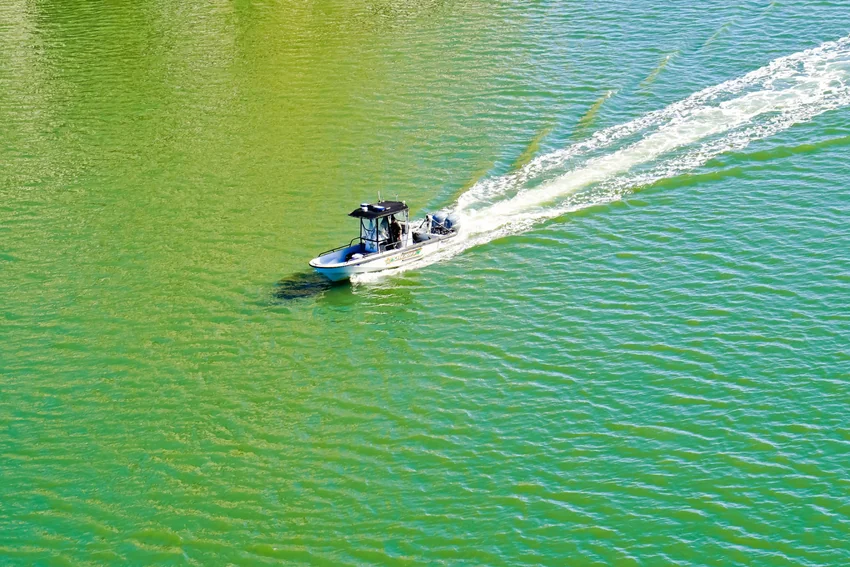
State and federal waters describe areas of jurisdiction. They are not simply another way to say nearshore and offshore. This guide explains the main boundaries, the exceptions worth knowing, and how to check the rules for your trip.
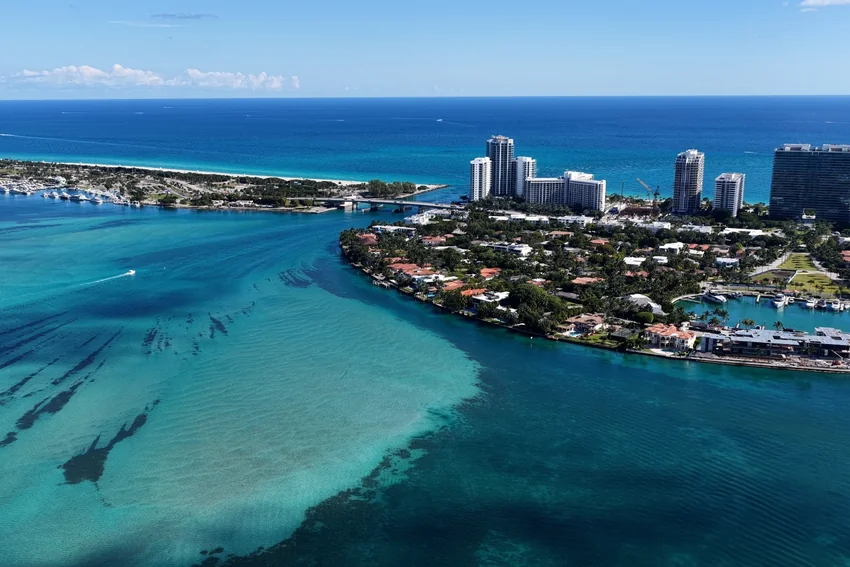
State marine waters generally extend 3 nautical miles from the legally defined coastal baseline. Texas and Florida's Gulf Coast are important exceptions, with boundaries generally extending 9 nautical miles. Florida's Atlantic Coast remains at 3 nautical miles. These distances describe the usual coastal framework, not every species-specific management boundary.
State agencies set many of the fishing rules in these waters, including license requirements and harvest restrictions. A short boat ride or shallow fishing spot does not automatically mean fewer restrictions: a species can still be closed to harvest, subject to a regional limit, or covered by a special permit requirement.
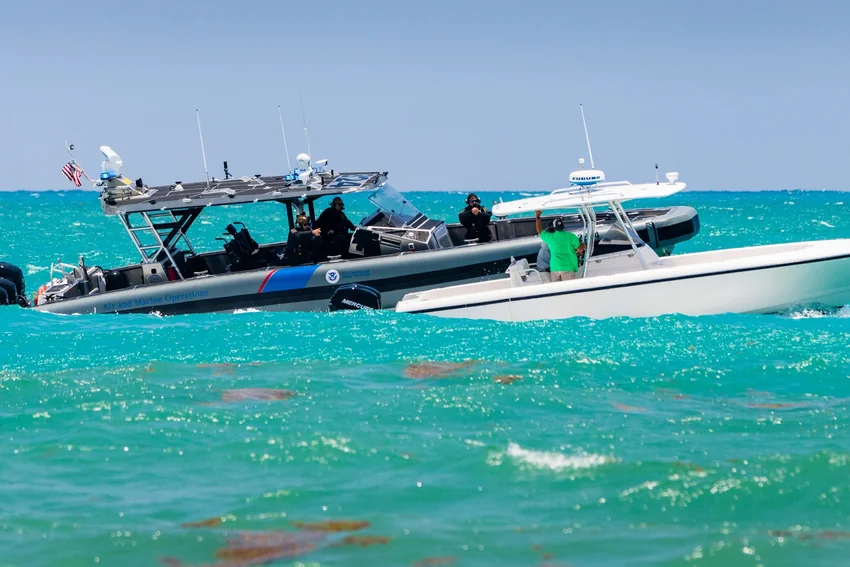
For marine fisheries, federal waters generally lie beyond state waters within the U.S. Exclusive Economic Zone. The EEZ extends up to 200 nautical miles from the coastal baseline, although international boundaries can bring its outer limit closer. NOAA Fisheries works with regional fishery management councils to manage many fisheries in this area.
There is no single nationwide offshore rulebook for every fish. The responsible region, fishery management plan, and permit category matter. An offshore fishing trip in the Atlantic may involve different management measures from a trip in the Gulf, even when anglers target similarly named species.
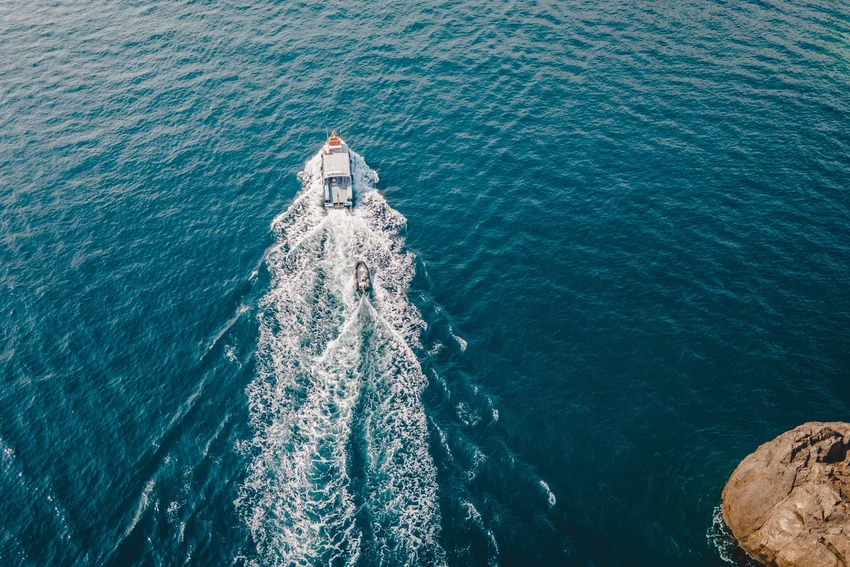
Use a charted boundary rather than the distance traveled from a marina. Maritime limits are measured from defined baselines, which are not simply a straight line from the beach closest to your boat. NOAA's maritime boundary resources explain the lines shown on official charts.
The Gulf also has an exception that a basic 3-mile or 9-mile summary can miss. Louisiana, Mississippi, and Alabama generally have a 3-nautical-mile state boundary, but the state/federal boundary for management under the Gulf Reef Fish Fishery Management Plan is 9 nautical miles off all five Gulf states. That does not move the general boundary for every species or purpose.
Check the boundary relevant to your target fish, then compare it with your position on a current chart or chartplotter. A fishing app can help you identify regulations, but its location settings and updates need to be correct. Do not assume that every offshore boundary displayed on a map serves the same regulatory purpose.
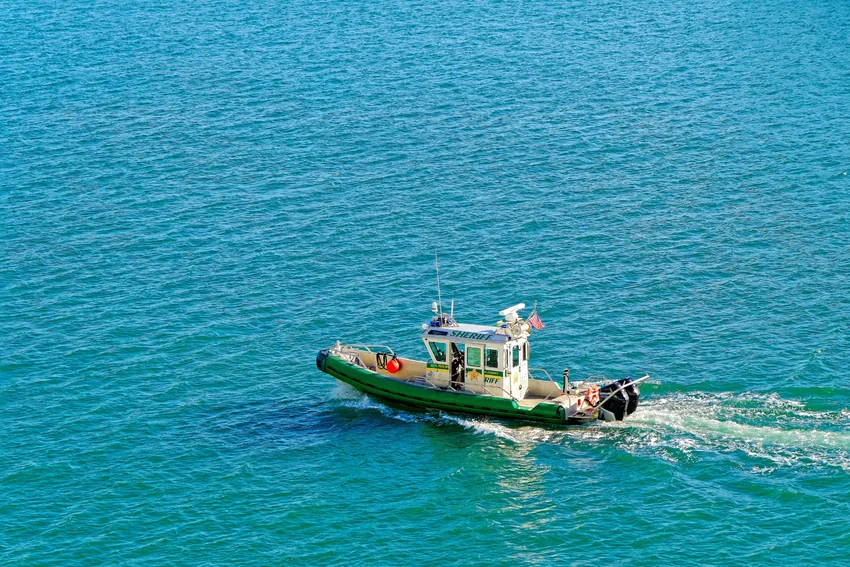
Fishery rules account for more than distance from land. Managers may use different seasons, harvest allocations, size limits, or gear requirements for a particular stock or fishing sector. A recreational limit should not be applied to a commercial trip, and a private-boat season should not automatically be applied to a charter.
Gulf Red Snapper is a useful example. Each Gulf state sets the private recreational season under delegated management, including the applicable federal-water season off that state. Federally permitted for-hire vessels follow a separate federal season. The fish and location alone do not tell you which calendar to use.
Returning inside the state boundary does not always remove federal restrictions. Federally permitted Gulf for-hire reef fish vessels must follow the more restrictive applicable state or federal reef fish rules when fishing for reef fish in state waters. Where fish are possessed or landed can also matter, so check the whole trip rather than only the spot where you made a catch.
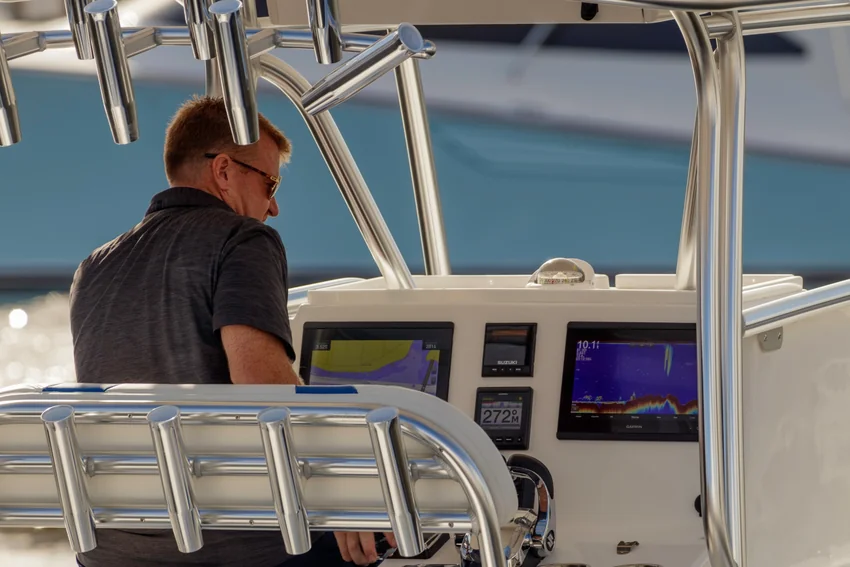
Several assumptions can lead to the wrong rule being applied. The most useful checks concern the actual trip, rather than a general idea of how far offshore you plan to go.
Understanding fishing regulations in an area is crucial for protecting fish populations and ecosystems and promoting responsible angling practices.
Anglers Booking Team
There is no universal federal recreational fishing license that replaces every state requirement. Depending on the trip, you may need a state license, a registration, a species permit, or coverage under an appropriately licensed charter. Work through these checks before leaving the dock.
If a rule appears to conflict with another source, check the current agency notice or contact the responsible agency before fishing. Save the relevant information for the trip, but recheck it before your next outing rather than relying on an old screenshot.
The useful question is not just whether you are in state or federal waters. It is which rules apply to your location, target species, vessel, and return route. Getting those details right makes the boundary much easier to work with.
Use this overview to understand the system, then check the current rules for the actual trip. Local exceptions deserve their own explanation, especially when a fishery's management boundary differs from the general state boundary.
Which part of state and federal fishing rules has been hardest to figure out on your trips? Share your experience in the comments.

The expert copywriters at Anglers Booking have meticulously crafted this article. Our dedicated team of writers provides valuable insights and information to enhance your angling experience.

February 12, 2025
March 6, 2026
Subscribe to our newsletter and receive a selection of cool articles every week.
Embark on unforgettable fishing adventures with us at Anglers Booking.
book your charter
October 2, 2026
September 8, 2026
August 21, 2026
August 18, 2026
August 15, 2026
August 12, 2026
August 8, 2026
August 4, 2026

You're now part of our exclusive community. Get ready for premium content and updates straight to your inbox.
close
Subscribe to our newsletter and receive a selection of cool articles every week.
Please enter a valid email address.
Be the first to know when we're back in action.
Please enter a valid email address.
Leave a Comment
Your email address will not be published. Required fields are marked *
Thank you for your comment! It has been submitted for review and will appear on the site shortly.