


Anglers Booking Team
The expert copywriters at Anglers Booking have meticulously crafted this article. Our dedicated team of writers provides valuable insights and information to enhance your angling experience.
 7 minutes read
Pompano are a favorite for surf anglers along Florida's coasts. They have bright, silvery bodies and forked tails, which makes them easy to spot in shallow water. Known for their quick, lively fight and tender, flavorful meat, Pompano draw both new and experienced anglers.
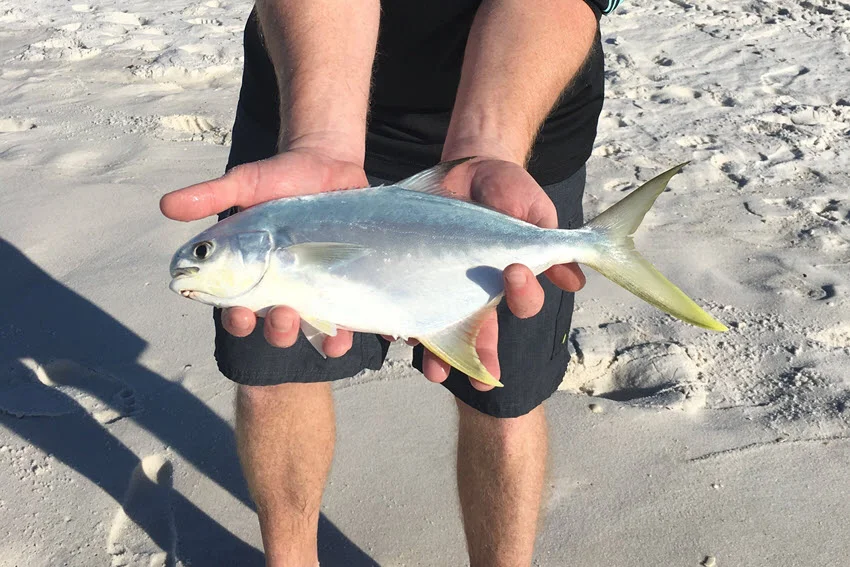
Because they are heavily targeted, Florida enforces regulations on size and daily limits to protect the population. The Florida Fish and Wildlife Conservation Commission (FWC) tracks Pompano numbers each year and stands behind the official regulations. Before going fishing, always check the website for the most up-to-date rules.
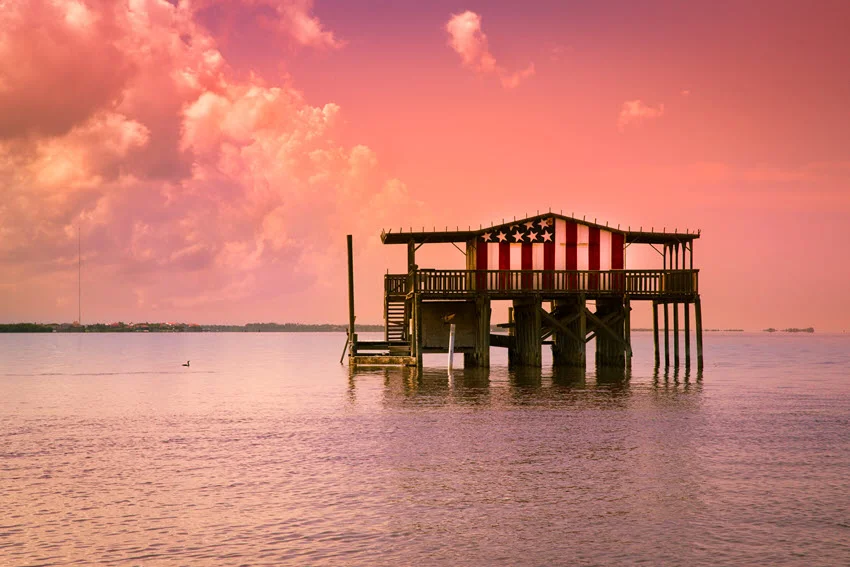
Florida applies the same recreational Pompano regulations statewide, although fishing conditions can vary between Atlantic and Gulf waters. Don't miss parts below.
On Florida's Atlantic Coast, Pompano fishing is open year-round. Here, you can find them near beaches, inlets, sandbars, and pier pilings, where currents concentrate small baitfish. Surf fishing is often productive in these areas.
You must follow size and bag limits. Keep Pompano at a minimum fork length of 11 inches. Each person can keep up to 6 fish per day.
You can catch Florida Pompano with a hook and line, cast net, beach, or haul seine. These rules protect large breeding fish and allow anglers to fish year-round, provided they follow the regulations in place.
On Florida's Gulf Coast, the regulations are the same as on the Atlantic Coast. Pompano swims around sandy beaches, passes, and nearshore sandbars. At these places, currents and waves bring in sand fleas, shrimp, and small clams.
Fishing methods, size and daily bag limits all match the Atlantic Coast rules. Early morning is the best time to fish here. You can also try fishing in the late afternoon, which can be productive.
Following these rules helps keep Pompano populations healthy and ensures great fishing opportunities year after year along Florida's Gulf Coast.
Size and daily bag limits help protect Pompano and support sustainable fishing. The main goal of the rules is to maintain a sustainable fish population for the future.
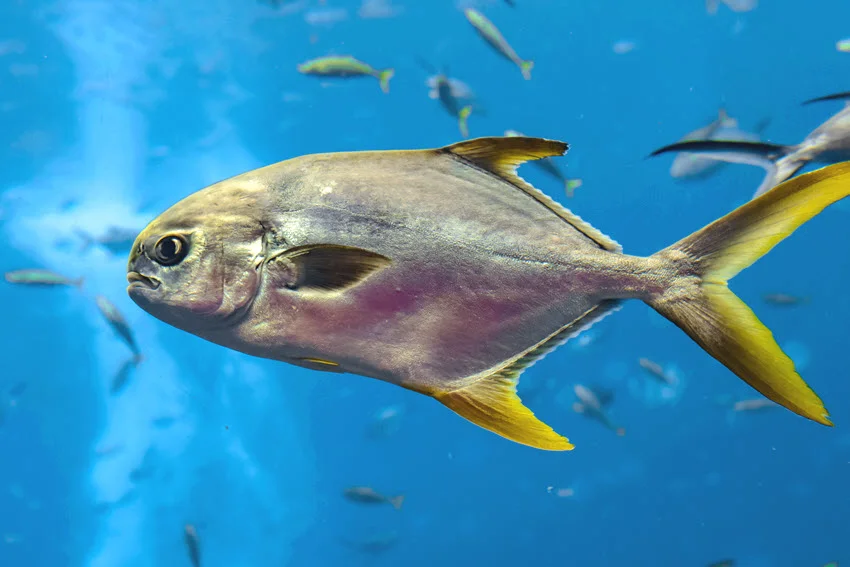
Pompano are shoaling, fast-moving fish that prefer warm, shallow waters. They could be found near the surf line, sandy beaches, and tidal passes, where currents concentrate small baitfish.
These fish are susceptible to water temperature and feed actively in waters between 68°F and 82°F. Pompano move inshore during cooler months and offshore during the hottest summer periods. Understanding these behaviors helps anglers locate Pompano more efficiently.
Pompano feed mainly on small crustaceans and mollusks, including sand fleas, shrimp, and clams. They hunt where waves and currents stir up food along sandy bottoms, making tidal movements prime times for fishing.
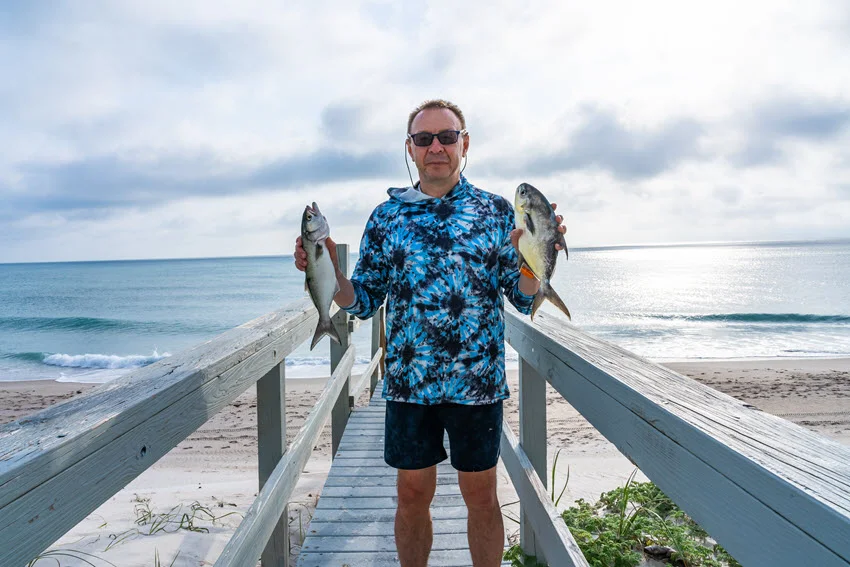
Pompano can be targeted year-round, but the best fishing is during seasonal inshore runs: in the fall, from October through November, and in the spring, from February through April. These months coincide with migration patterns that bring Pompano close to beaches, sandbars, and tidal passes.
Just set fishing according to these weather patterns, and you will have great success. Now, when you familiarize yourself with the best times, it is the right moment to check the best fishing locations for this fish.
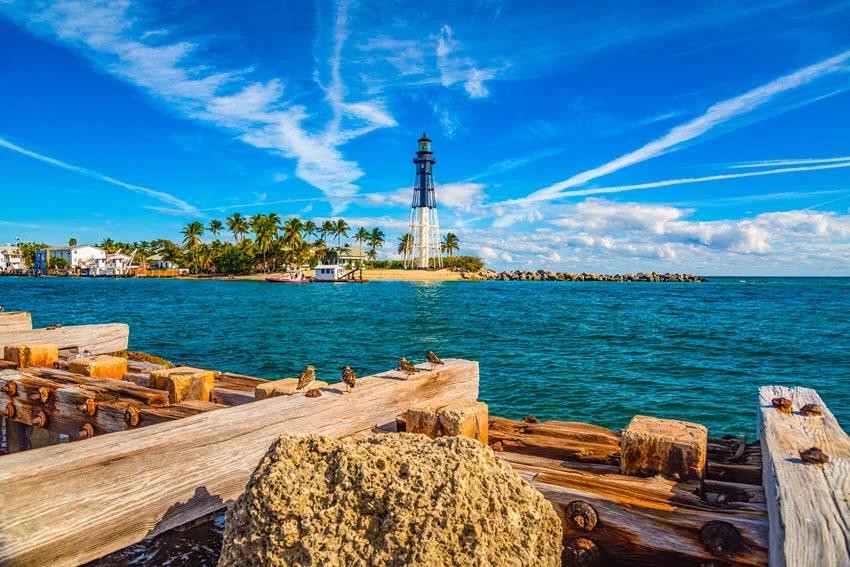
Florida is known as one of the most colorful fishing spots in the world, and of course, there are many great places to fish for these fish.
These are just some of the famous spots in Florida for Pompano fishing. Being aware of the details of popular fishing spots for the fish you target increases your success.
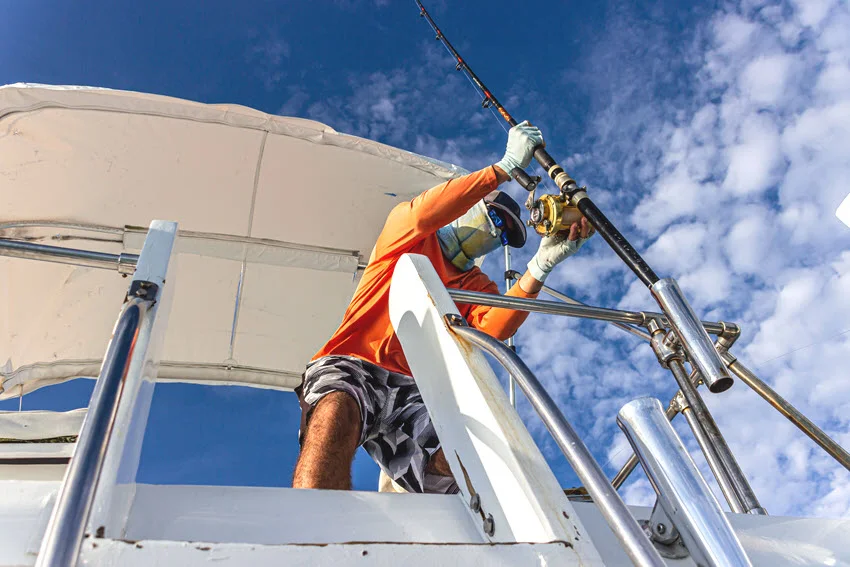
To prepare for fishing, you must have an adequate setup. Below, we discuss gear and tackle for Pompano fishing.
If you do have the correct tackle and maintain good knots, your hookup ratio will increase, as well as the ability to safely and efficiently land Pompano.
Understanding fishing regulations and preserving specific fish species contributes to protecting fish populations and ecosystems and promoting responsible angling practices.
Anglers Booking Team
Fishing for Pompano in Florida requires a valid Florida saltwater fishing license, but there are standard exceptions (charter passengers covered, pier license, etc.). All harvests are for personal use only. It is illegal to sell Pompano without a commercial license. Before every fishing adventure, don't forget to check regulations for potential updates.
Having the proper license and following the rules means you are fishing legally and helping protect Pompano stocks and the wider marine environment. Ignoring these requirements can harm the fishery and may result in fines or other penalties.
Pompano are powerful fighters but still require gentle care once landed. Avoid squeezing or lifting by the gills, since pressure can damage internal organs. Whenever possible, large adults should be released to maintain healthy breeding populations.
If you intend to keep a legal catch, ice it immediately to preserve the meat's firm, delicate flavor. Smaller Pompano taste best, and the larger fish are better left in the water. Observe the limits to ensure the population remains abundant and available.
Pompano season in Florida gives anglers plenty of opportunities to fish beaches, inlets, and piers throughout a given calendar year. From Jacksonville Beaches and Daytona surf on the Atlantic side to Clearwater, West Palm Beach, Fort Myers Beach, Panama City Beach, Naples Pier, and Sebastian Inlet, there is almost always a stretch of sand or structure worth working.
What are your favorite locations for Pompano fishing? What techniques do you generally prefer while angling? We are always eager to hear from fellow anglers.
Disclaimer: Fishing regulations and open seasons may vary by region and are subject to change. The information in this guide is for general reference only. Learn the latest fishing rules, size limits, and season dates on the official websites of the state or federal government before your trip.

The expert copywriters at Anglers Booking have meticulously crafted this article. Our dedicated team of writers provides valuable insights and information to enhance your angling experience.

May 17, 2025

February 10, 2026
Subscribe to our newsletter and receive a selection of cool articles every week.
Embark on unforgettable fishing adventures with us at Anglers Booking.
book your charter
October 2, 2026
September 8, 2026
August 21, 2026
August 18, 2026
August 15, 2026
August 12, 2026
August 8, 2026
August 4, 2026

You're now part of our exclusive community. Get ready for premium content and updates straight to your inbox.
close
Subscribe to our newsletter and receive a selection of cool articles every week.
Please enter a valid email address.
Be the first to know when we're back in action.
Please enter a valid email address.
Leave a Comment
Your email address will not be published. Required fields are marked *
Thank you for your comment! It has been submitted for review and will appear on the site shortly.