


Anglers Booking Team
The expert copywriters at Anglers Booking have meticulously crafted this article. Our dedicated team of writers provides valuable insights and information to enhance your angling experience.
 8 minutes read
Before booking a Gulf trip for Red Snapper, ask which season applies to the boat. A private angler and a guest on a federally permitted charter may be looking at different opening dates, even when both plan to fish the same reef.
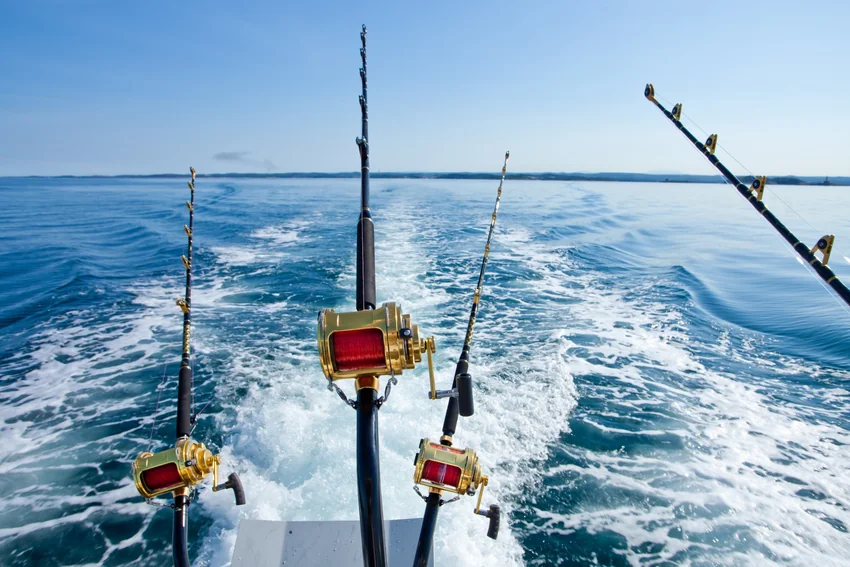
That distinction runs through much of Gulf offshore fishing. Boundaries, vessel permits, species rules, and current closures all affect what a trip can legally include. This guide explains how those pieces fit together without turning a changing season calendar into a permanent promise.
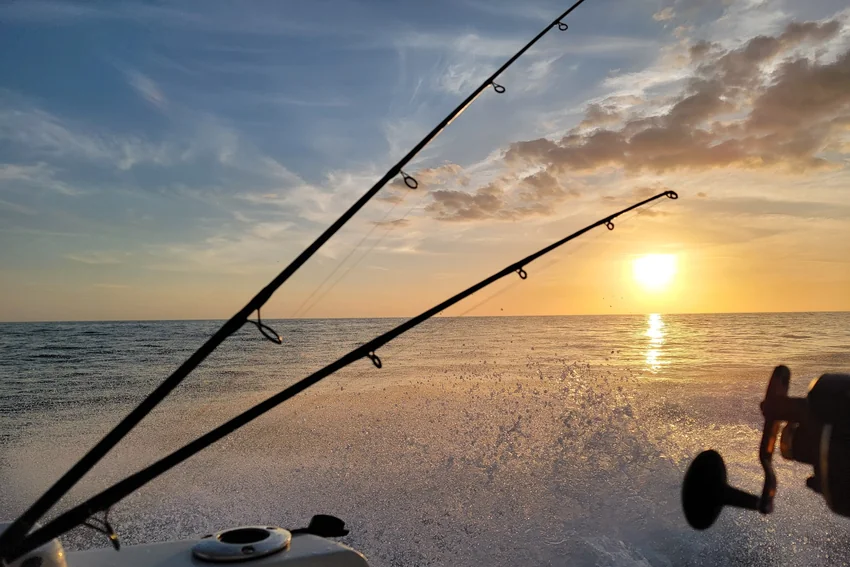
The general coastal boundary is 9 nautical miles off Texas and Florida's Gulf Coast, and 3 nautical miles off Louisiana, Mississippi, and Alabama. These distances are measured from legally defined baselines, not from the marina where a trip begins. Federal fisheries jurisdiction generally lies beyond the state boundary, within the U.S. Exclusive Economic Zone.
The EEZ reaches up to 200 nautical miles from the baseline, subject to international maritime boundaries. NOAA Fisheries and the Gulf Council manage many Gulf fisheries through regional management plans; Atlantic Highly Migratory Species, including covered Tuna, Sharks, and Billfish, have a separate federal management program.
There is an important reef fish exception to the general coastal boundary. For management under the Gulf Reef Fish Fishery Management Plan, the state/federal boundary is 9 nautical miles off all five Gulf states. Do not apply that line to every fishery: a Reef Fish management boundary is not a universal extension of state jurisdiction.
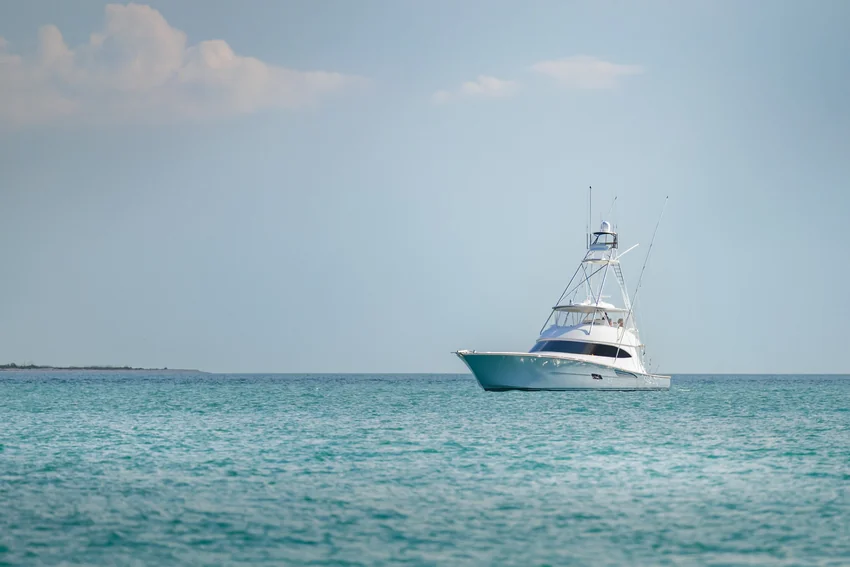
Federal fishing rules address both harvest and fishing activity. Before choosing tackle or promising a particular catch, identify which measures apply to the species and the vessel:
NOAA's Gulf regulations and closure summaries are a useful starting point, but also check the latest notices for the target species. A published annual season can be shortened by an additional closure, and a familiar rule may have changed since the previous trip.
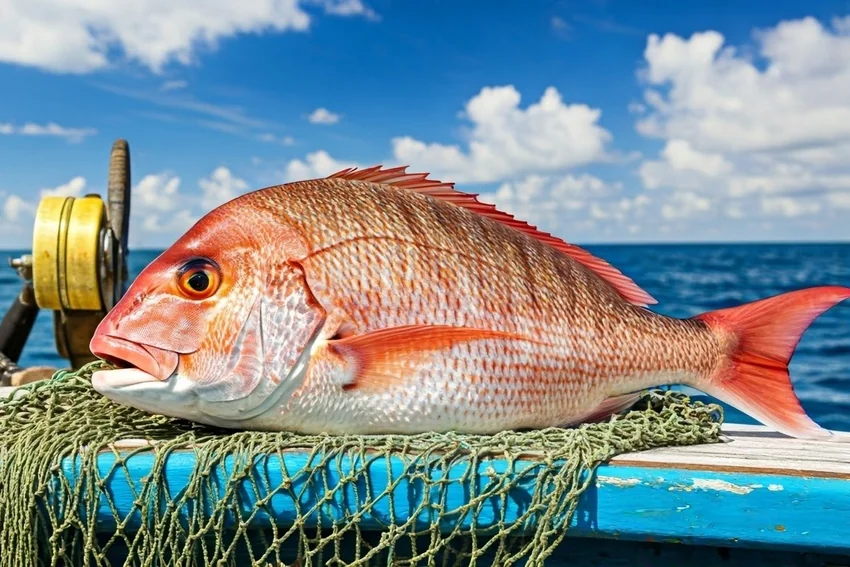
For Red Snapper, identify the recreational component before reading the season dates. The private angling component is managed differently from the federally permitted for-hire component, and a general search result for a state's season can send a charter guest to the wrong calendar.
Each Gulf state sets the private recreational Red Snapper season for its state and applicable federal waters under delegated management. NOAA sets the federal for-hire season. State-licensed for-hire operations without the required federal reef fish permit cannot use the private angling season as permission to fish for or possess Red Snapper in or from federal waters.
Check the notice for the year and sector of your trip rather than carrying an old date forward. When booking, ask the operator whether Red Snapper harvest is available on that specific date and vessel, and what the trip will target if it is not.
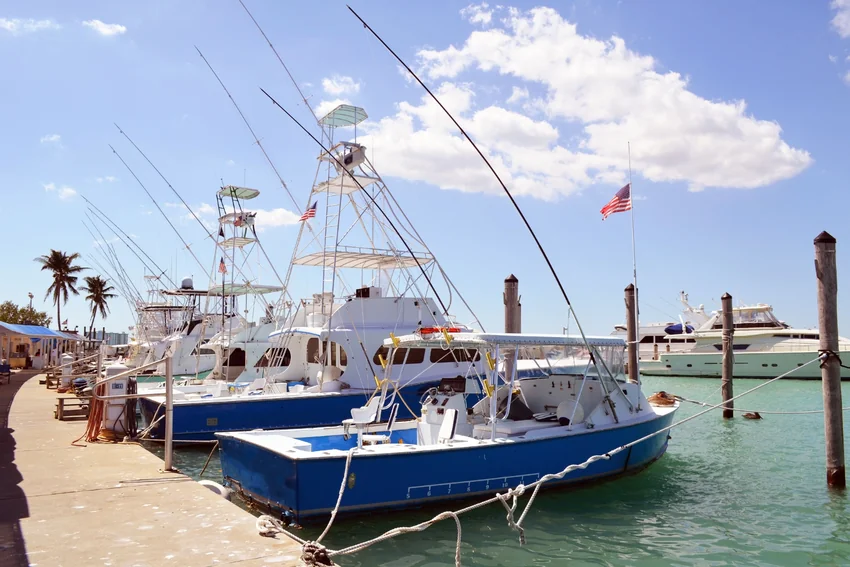
A federal Gulf Charter/Headboat Permit for Reef Fish is a vessel permit for the covered fishery. It is separate from an individual guest's fishing license and does not replace an HMS permit when the trip requires one. NOAA's reef fish for-hire permit page identifies the species it covers.
The permit can also restrict the boat outside a paid charter. NOAA states that people aboard a federally permitted for-hire reef fish vessel cannot fish for or possess Red Snapper in state or federal waters while the federal for-hire season is closed, including when the captain takes family fishing.
For reef fish trips in state waters, federally permitted for-hire vessels must follow the more restrictive applicable federal or state reef fish rules. Moving closer to shore is therefore not a reliable workaround for a restriction tied to the vessel.
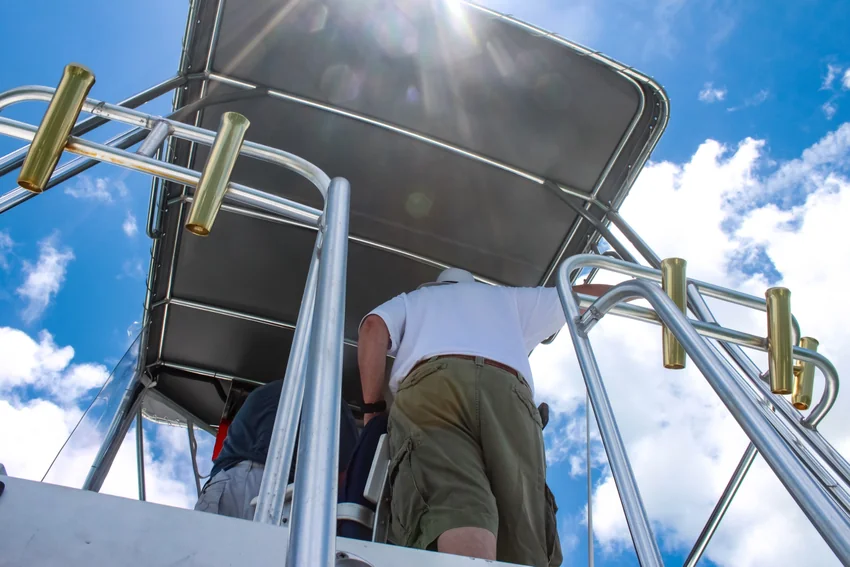
A Gulf reef fish permit does not cover every offshore target. The Atlantic HMS program also applies in the Gulf, despite its name. Covered fisheries include Tuna, Billfish, Swordfish, and Sharks, with different permit categories for private recreational vessels and charter or headboat operations.
Check the NOAA HMS permit requirements for the trip. An HMS Angling permit is attached to the vessel and renewed annually; recreational Shark fishing also requires the appropriate Shark endorsement. Do not assume that a reef fish charter permit authorizes an offshore Tuna trip.
A closure may be scheduled in advance or announced during the season. Those are different checks: the regular calendar can show an expected open period while a later notice closes harvest early. Look for the latest species-specific bulletin, not just a chart saved at the beginning of the year.
Read what the closure actually prohibits. Harvest, possession, targeting, and transit are not interchangeable terms, and exceptions can depend on the fishery and vessel. If the planned route crosses a closed area with fish aboard, confirm the applicable transit conditions before leaving; do not assume catch and release or a direct return trip is always allowed.
Understanding fishing regulations in an area is crucial for protecting fish populations and ecosystems and promoting responsible angling practices.
Anglers Booking Team
A Gulf trip may involve state rules even when much of the fishing takes place farther offshore. The departure state, landing port, vessel registration, and any delegated management authority can affect the rules that apply. Check state licensing and landing requirements alongside the relevant federal fishery rules.
For example, Texas requires recreational anglers to have its fishing license and saltwater endorsement to possess in state waters or land in Texas fish taken in federal waters. Federal fishery rules still apply to the catch taken offshore. A federal permit should not be treated as a replacement for every state requirement.
Use the agency responsible for the state where the trip operates, then check the federal requirements for the actual fishery. This regional guide explains the main overlaps; state guides can cover local reporting programs, licenses, and exceptions in more detail.
Start with the trip you intend to take, then work through the questions below. This is more useful than collecting a list of regulations without knowing which ones apply.
For the HMS catches listed above, NOAA generally requires reporting within 24 hours of returning from the trip. A photograph, a social post, or a fishing report on a booking platform does not replace the required agency report.
Before leaving, make sure the required licenses and vessel permits are valid and available, and that everyone understands what can be kept. Enforcement can involve checks of permits, catch, size and possession limits, closed-season fishing, and required reports.
Violations can lead to penalties, including fines or forfeiture where authorized. The consequences depend on the applicable law and the circumstances of the violation.
If you cannot resolve an apparent conflict between a state summary and a federal notice, contact the responsible fisheries agency. For a charter trip, ask the operator to explain the rule for that vessel and date before paying for a species-specific trip.
The most useful Gulf fishing plan starts with a permitted boat, a realistic target list, and the correct season for the trip. Red Snapper, reef fish, and HMS rules do not all follow the same framework, even when those fish are caught on the same stretch of water.
Use current agency information to confirm what the boat can target and retain, then plan the day around those answers. Knowing the permit category before booking can prevent a much bigger misunderstanding at the dock.
Have you ever changed a Gulf trip because of a closure or a vessel's permit restrictions? Share what you learned in the comments.

The expert copywriters at Anglers Booking have meticulously crafted this article. Our dedicated team of writers provides valuable insights and information to enhance your angling experience.

August 7, 2025

May 14, 2026
Subscribe to our newsletter and receive a selection of cool articles every week.
Embark on unforgettable fishing adventures with us at Anglers Booking.
book your charter
October 2, 2026
November 16, 2026
August 21, 2026
August 18, 2026
August 15, 2026
August 12, 2026
August 8, 2026
August 4, 2026

You're now part of our exclusive community. Get ready for premium content and updates straight to your inbox.
close
Subscribe to our newsletter and receive a selection of cool articles every week.
Please enter a valid email address.
Be the first to know when we're back in action.
Please enter a valid email address.
Leave a Comment
Your email address will not be published. Required fields are marked *
Thank you for your comment! It has been submitted for review and will appear on the site shortly.