


Anglers Booking Team
The expert copywriters at Anglers Booking have meticulously crafted this article. Our dedicated team of writers provides valuable insights and information to enhance your angling experience.
 10 minutes read
Florida offers year-round fishing opportunities in saltwater and freshwater, from the Atlantic coast and the Gulf of Mexico to lakes, rivers, and canals across the state. Understanding the state's license requirements and fishing regulations helps anglers prepare properly before getting on the water.
This guide explains which Florida fishing license you may need, where to get it, current base fees, common exemptions, and additional permits. It also covers size and bag limits, seasonal closures, protected species, and the difference between state and federal waters.
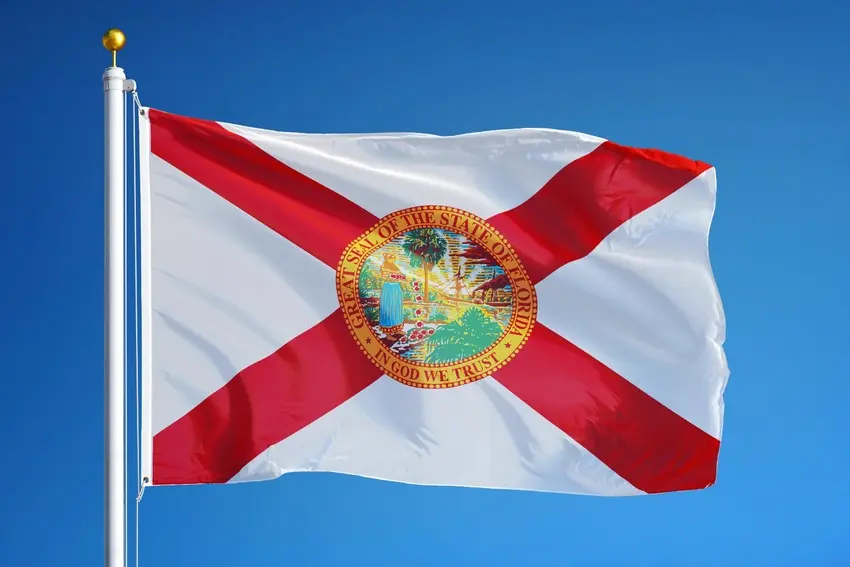
These requirements help protect fish populations, support fisheries management, and keep Florida's waters productive for future generations. The state is also known for exceptional catches, many of which appear in Florida state record fish records.
Below are the essentials for choosing the right license, understanding the main rules, and confirming any species-specific requirements before your trip.
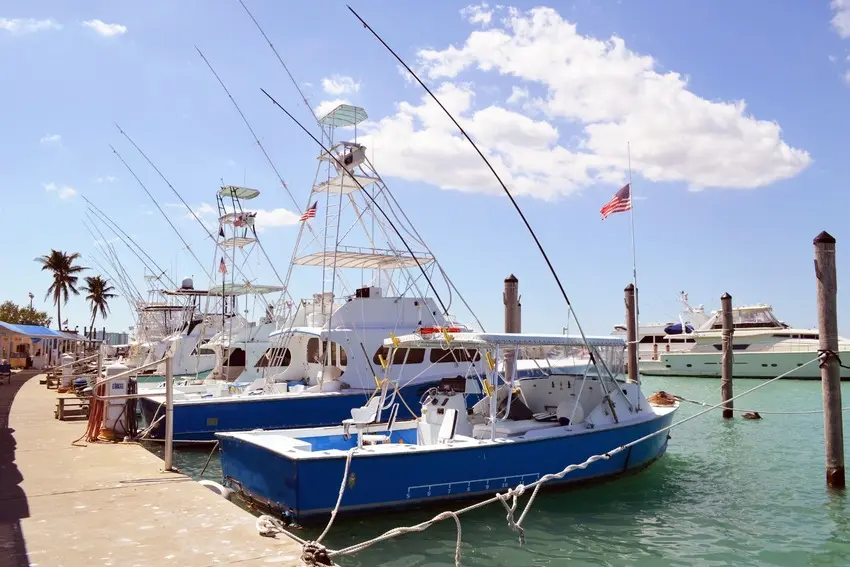
The Florida Fish and Wildlife Conservation Commission (FWC) manages recreational fishing licenses and many of the state's fishing regulations. The license you need depends primarily on the species you plan to target, your residency status, and whether you are fishing in freshwater or saltwater.
Most anglers age 16 and older need a Florida fishing license unless an exemption applies. Youth under 16 do not need a license, but they must follow all gear, size, and bag limits and may be asked to show proof of age. Florida residents age 65 or older are exempt when carrying proof of age and residency. They may also obtain an optional no-cost Resident 65+ Hunt/Fish Certificate, but the certificate is not required.
A license and any applicable permits are also required when helping with the take. A person who is only observing does not need a license, but should not bait hooks, reel in fish, net fish, or remove fish from hooks.
For recreational licensing purposes, Florida residency is generally verified through a valid Florida driver's license or identification card showing a Florida address and state-verified residency. Active-duty U.S. military personnel stationed in Florida, along with qualifying household family members, may also qualify as residents when they provide the required documentation.
Annual licenses are valid for one year from the selected start date. Florida residents may also choose certain five-year or lifetime licenses.
Visitors who do not qualify as Florida residents generally need a non-resident license. Fishing licenses issued by another state are not valid in Florida, although limited location-specific exceptions apply.
Non-resident freshwater and saltwater licenses are available as 3-day, 7-day, or annual products. The required license depends on the species being targeted, not simply whether the water looks fresh, brackish, or salty.
Florida provides several exemptions and special license options, but eligibility is specific. These include exemptions for Florida residents age 65 or older, qualifying resident anglers with disabilities, certain active-duty military members home on leave, and participants in approved military or disabled-veteran events. Other military license products may have separate residency and service requirements.
Florida residents who only saltwater fish from land or a structure fixed to land may obtain a no-cost Resident Annual Saltwater Shoreline License. It does not cover fishing from a boat or from an island reached by boat, and non-residents are not eligible for it.
Licenses and permits are available online through GoOutdoorsFlorida, through the Fish and Hunt Florida app, by phone, and in person at authorized license agents or county tax collector offices.
After purchase, anglers can print their license or store it in the FHF app. An optional credit-card-style hard card is also available for eligible license holders and is mailed to the customer.
Anglers do not need an individual saltwater fishing license when fishing from a pier that holds a valid Florida saltwater pier license.
Not every pier holds this license. If it does not, each angler needs the appropriate individual license unless another exemption applies. Before visiting, confirm the pier's licensing status and any local access rules. Our guide to fishing piers in Florida can help you compare popular locations.

Florida fishing license costs depend on residency, whether the license covers freshwater or saltwater fishing, and how long it remains valid. Additional permits may be required for certain species or activities.
FWC currently lists both annual resident freshwater and annual resident saltwater licenses at $17. Annual non-resident licenses are $47, while 3-day and 7-day non-resident products cost $17 and $30. Vendor, handling, or processing fees may apply.
FWC currently lists the following base freshwater license fees:
Prices and available products may change. Confirm the current freshwater recreation licenses and any additional fees through FWC before purchasing.
FWC currently lists the following base saltwater license fees:
Licenses can be reprinted through the Go Outdoors Florida website at no cost. A license agent or tax collector may charge a reprint fee, and a synced license in the Fish and Hunt Florida app counts as proof of possession.
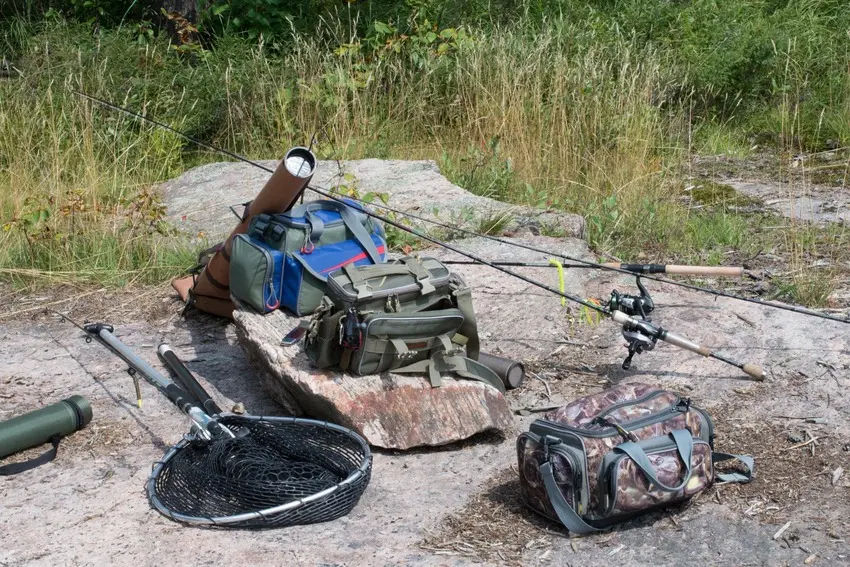
Florida fishing regulations include size and bag limits, seasonal and area closures, gear requirements, and harvest restrictions. Rules may differ by species, coast, water body, and whether you are fishing in state or federal waters.
Fishing regulations are designed to protect breeding populations, reduce overharvest, and support healthy freshwater and marine ecosystems.
Following current rules also helps keep recreational opportunities available over time. Because regulations can change, anglers should verify them for the exact species, location, and date of each trip.
Florida saltwater state waters extend from shore to 3 miles in the Atlantic and from shore to 9 miles in the Gulf. Florida regulations apply in state waters unless a species page states otherwise.
Beyond those boundaries, federal regulations may apply. Anglers should check both FWC and the appropriate NOAA Fisheries rules, especially when targeting federally managed reef fish or Highly Migratory Species.
Size and bag limits determine how many fish an angler may keep and the legal size of retained fish. Measurement methods, vessel limits, aggregate limits, and area-specific exceptions may also apply.
Start with the FWC General Statewide Bag and Length Limits for freshwater fishing and the FWC Saltwater Recreational Fishing Regulations for marine species. Our guide to size and bag limits provides additional context, but the current official rule always controls.
Seasonal closures restrict harvest or fishing activity for certain species during defined periods or in specific areas. Dates may differ between the Atlantic and Gulf coasts and between state and federal waters.
Always confirm current dates, management zones, emergency closures, and area-specific rules on the applicable FWC or NOAA Fisheries page before you fish.
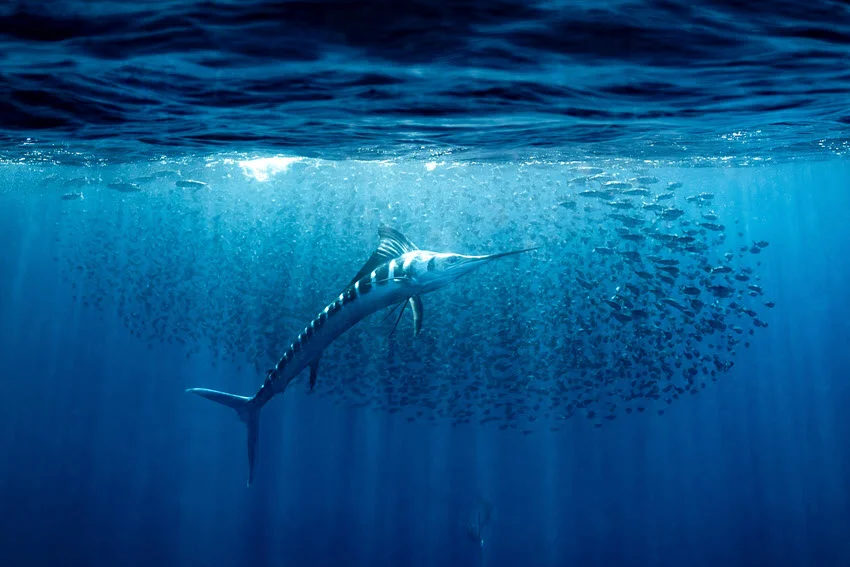
Florida waters include species protected under state or federal law, as well as fish for which recreational harvest is prohibited. These categories are not interchangeable, and the required handling or reporting procedure depends on the species.
Never retain a no-harvest or protected species. Release it promptly using the applicable handling guidance, and report the encounter when required. FWC and NOAA Fisheries publish current protected-species and release information.
Florida waters contain several nonnative or invasive fish, including Lionfish, Snakeheads, and multiple Tilapia species. Identification, harvest rules, and recommended handling can differ by species.
Managing invasive species helps reduce pressure on native fish and aquatic habitats. Learn more about identification, impacts, and current rules in our guide to Florida's invasive fish species.
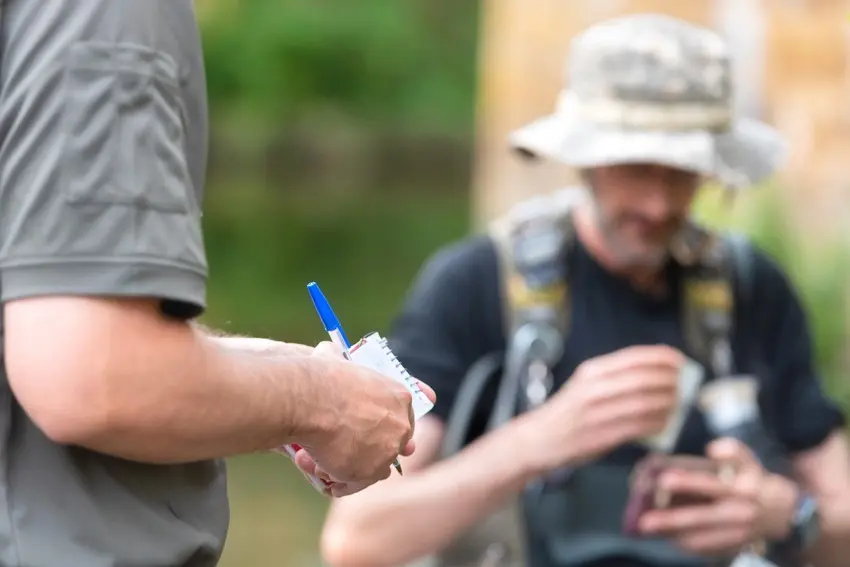
Some species and fishing methods require an additional permit, tag, registration, or designation beyond a standard license. Requirements also differ between private boats, licensed charters, shore fishing, and federal waters. Activities like lobstering are a common example.
Unless an exemption applies, anglers attempting to take or land saltwater species in Florida need a saltwater fishing license. This includes catch-and-release fishing and the recreational take of marine organisms such as crabs and Spiny Lobster.
Freshwater and saltwater licenses are not interchangeable. License requirements follow the species being targeted, including in brackish or mixed waters. Passengers on a properly licensed saltwater charter, guide, or party boat are generally covered by the vessel's charter license, but should confirm coverage with the operator before the trip.
Unless exempt, anglers attempting to take native or nonnative freshwater fish need a freshwater fishing license. Common targets include Bass, Crappie, and Catfish, but water-body-specific regulations may apply.
Freshwater licenses are available through Go Outdoors Florida website, the Fish and Hunt Florida app, authorized license agents, and county tax collector offices.
Additional permits and registrations do not automatically replace the underlying fishing license. Unless an exemption applies, anglers must carry the base freshwater or saltwater license along with every additional authorization required for the activity.
Examples include Snook and Spiny Lobster permits; a Tarpon tag only when pursuing a potential state or world record for harvest; no-cost Blue Crab and Stone Crab trap registrations when using traps; and a Shore-based Shark Fishing Permit after completing the required course. Private-vessel anglers targeting listed reef fish need the no-cost annual State Reef Fish Angler designation. Federal permits may also apply to certain Sharks, Billfish, Swordfish, and federally managed Tuna species.
Understanding fishing regulations and ethical practices about specific fish species protects fish populations and ecosystems and promotes responsible angling practices.
Anglers Booking Team
Purchasing the required licenses and permits supports FWC fisheries management and conservation programs. License revenue helps fund research, fishery monitoring, habitat work, access projects, and other programs that support recreational fishing.
Responsible fishing also means following current limits, handling fish carefully, using required gear, and releasing protected or undersized fish promptly. Compliance protects both the resource and future fishing opportunities.
Fishing in Florida connects anglers with an exceptional range of freshwater and saltwater environments. Choosing the correct license and checking current regulations before every trip helps protect those fisheries and prevents avoidable violations.
Have you fished in Florida, or are you planning your first trip? Share your experience, tips, or favorite fishing spots in the comments below.
Disclaimer: Fishing regulations, license requirements, and associated fees are subject to change at any time. This guide is for general educational purposes only and may not reflect the most current rules. Always check the latest regulations through official government sources before you fish.

The expert copywriters at Anglers Booking have meticulously crafted this article. Our dedicated team of writers provides valuable insights and information to enhance your angling experience.
November 28, 2025

October 12, 2024
Subscribe to our newsletter and receive a selection of cool articles every week.
Embark on unforgettable fishing adventures with us at Anglers Booking.
book your charter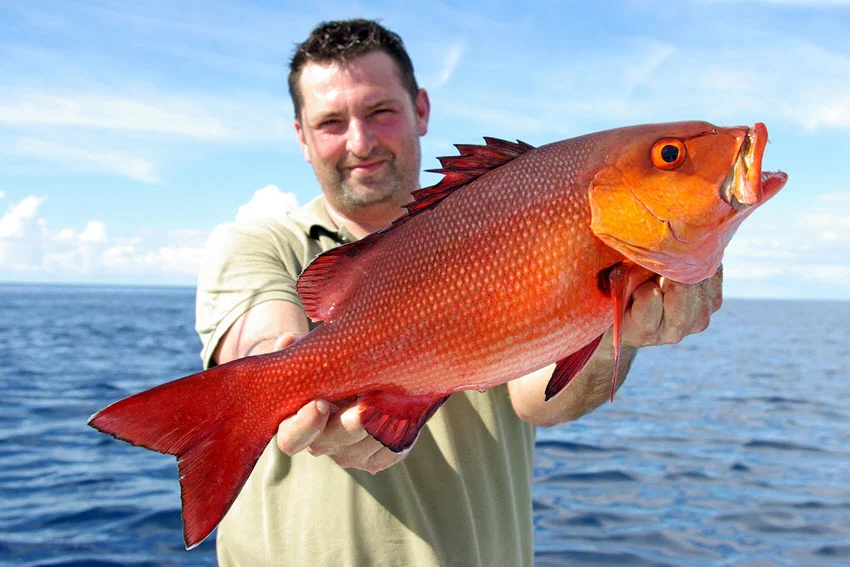
September 8, 2026
August 21, 2026
August 18, 2026
August 15, 2026
August 12, 2026
August 8, 2026
August 4, 2026
April 17, 2026

You're now part of our exclusive community. Get ready for premium content and updates straight to your inbox.
close
Subscribe to our newsletter and receive a selection of cool articles every week.
Please enter a valid email address.
Be the first to know when we're back in action.
Please enter a valid email address.
Leave a Comment
Your email address will not be published. Required fields are marked *
Thank you for your comment! It has been submitted for review and will appear on the site shortly.